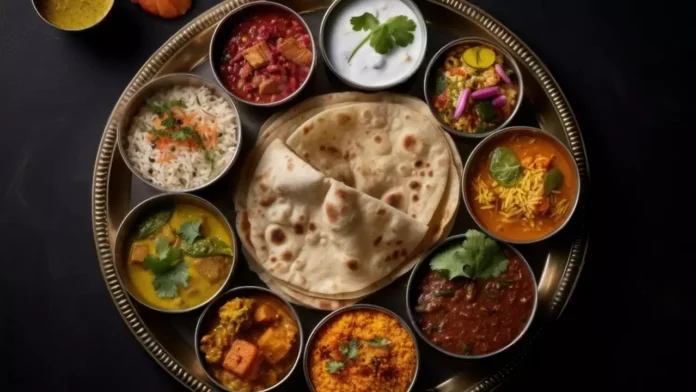
Despite a recent bomb blast on March 1, the renowned Rameshwaram Cafe in Bangalore remains resilient, showcasing innovation with the introduction of a new food truck. The establishment, famous for its traditional South Indian cuisine, is now gaining traction with the debut of “Rameshwaram On Wheels,” a mobile kitchen ready to serve at diverse events.
With a cutting-edge kitchen onboard, the food truck can simultaneously prepare 120 idlis and is adaptable for both corporate and personal events. Despite recent obstacles, the cafe continues to attract patrons with its authentic cuisine, maintaining its status as a beloved destination.
Rameshwaram Cafe reportedly generates INR 4.5 crore monthly, with annual earnings surpassing INR 50 crore. Co-founders Divya and Raghavendra Rao, brought together by a mutual acquaintance, launched their inaugural branch in Indiranagar in 2021. Beyond merely tantalizing taste buds, they’ve made a notable societal contribution by providing employment opportunities to over 200 individuals.
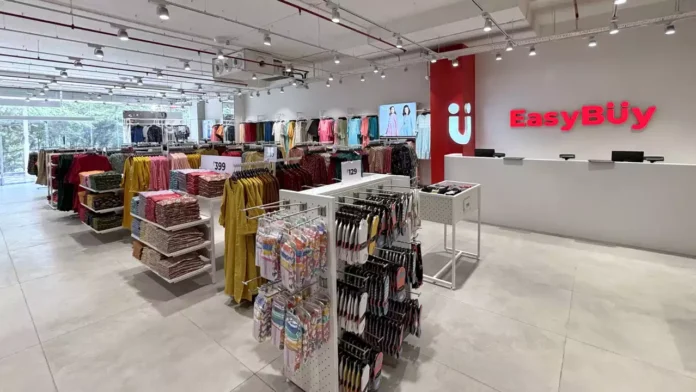
Over the past few years, Zudio, Tata Group‘s affordable clothing label, has been steadily winning over Indian shoppers. Its remarkable expansion has even outpaced that of the long-standing Tata-operated retail giant, Westside.
By the end of the fiscal year 2023-24, Westside boasted 232 stores across 91 cities. In contrast, Zudio, launched in 2016, had surged ahead, reaching 545 stores in 161 cities, as outlined in Tata Group’s Trent company’s annual report for the fiscal year.
In FY24, Zudio expanded into 46 new cities and fortified its position in 48 existing ones. The brand’s sales figures were remarkable, with 90 T-shirts sold every minute, 20 pairs of denim every hour, alongside 19 fragrances and 17 lipsticks. Zudio’s success can be attributed to its emphasis on accessibility, affordability, and appealing product selections.
Reports indicate that the brand’s strategy of reducing lead times, ensuring swift delivery of fresh collections to stores, has been a game-changer for it.
Zudio primarily procures its merchandise from domestic sources in India, prioritizing accessibility, agility, and adaptability. In FY24, Zudio expanded its network by incorporating 203 new stores and renovating 10 existing ones, with an average store size of around 10,000 square feet. The typical investment for establishing a new Zudio outlet usually falls within the range of INR 3-4 crore, encompassing capital expenses, deposits, and inventory.
Zudio functions as part of Fiora Hypermarket Limited, a wholly-owned subsidiary of Booker India Limited, itself a Trent subsidiary. In FY24, Fiora Hypermarket Limited witnessed an increase in total income to INR 192.33 crore, compared to the previous year’s total income of INR 187.25 crore. The company’s Total Comprehensive Income rose to INR 12.47 crore, marking a notable improvement from the Total Comprehensive Loss of INR 11.98 crore in the preceding year.
Zudio’s outstanding growth and achievements in FY24 reaffirm its standing as a pivotal player in the affordable clothing sector. With a steadfast dedication to accessibility, innovative offerings, and strategic expansion, Zudio remains a dominant force in the Indian retail arena.
Amrapali Foods, drawing on over three decades of expertise in litchi processing, is thrilled to introduce India’s first Direct-to-Consumer (D2C) delivery service for Shahi Litchis. Renowned as the pride of the Muzaffarpur district in Bihar, these exquisite fruits can now be savored by discerning consumers across the nation.
Shahi Litchis, often hailed as the ‘Queen of Litchis,’ boast a distinctive allure that sets them apart from their counterparts. Among the diverse array of litchi varieties cultivated in Bihar, Shahi Litchis hold the prestigious Geographical Indication (GI) designation, a testament to their authenticity and unique attributes. This coveted recognition not only validates their origin but also emphasizes their exceptional qualities, distinguishing them as a premium cultivar. Renowned for their captivating aroma and succulent flesh, Shahi Litchis tantalize the taste buds with a sweet, sugary flavor that epitomizes the essence of summer indulgence. Their robust fragrance and juicy consistency make them a favorite among fruit enthusiasts, offering a delightful sensory experience during their specific harvesting season.
One of the hallmarks of Shahi Litchis is their reduced seed size, allowing for a higher ratio of flavorful, edible flesh. This distinctive trait enhances their appeal, providing consumers with a more indulgent and satisfying eating experience. Beyond their superior taste and texture, the GI designation carries profound significance, symbolizing not only the geographic origin but also the quality, tradition, and uniqueness embodied by Shahi Litchis. Much like how Champagne is synonymous with the Champagne region of France, Shahi Litchis serve as proud ambassadors of Bihar’s fertile soil and the skillful cultivation practices that have nurtured these regal fruits for generations.
Nikhil Singh, the director and chief executive officer of Amrapali Foods, emphasized, “Our Amrapali Shahi Litchi Boxes encapsulate the essence of premium GI-tagged Shahi Litchis. Each box of Original Shahi Litchis contains meticulously selected authentic fruits harvested at dawn. Our meticulous process includes pre-cooling and sulfur treatment to preserve freshness and ensure the elimination of harmful germs. To maintain uniformity, only litchis free from twigs and leaves are chosen, and size grading ensures each litchi weighs an average of 25g. The premium set comprises four punnet boxes, each weighing 500g and crafted with appealing design aesthetics. Storing litchis in a refrigerator can prolong their shelf life, and our cold chain logistics ensure their delivery in a fresh, refrigerated state.”
He shared his excitement, stating, “Our D2C service bridges the gap between Bihar’s orchards and consumers, delivering the essence of these orchards directly to homes. Shahi Litchis represent a regal indulgence, and we’re delighted to make them accessible nationwide. In the coming 3 to 5 years, our aim is to showcase to the world the GI Tagged fruits, food, and other specialties unique to Bihar.”
For the first time, Nestle India, a packaged foods manufacturer, is planning to recruit tasters and connoisseurs of premium foods for its soon-to-be-launched super-premium Nespresso coffee and boutiques.
“The marketing strategy is quite distinct. For instance, establishing a boutique would require a substantial investment, at least a couple of crores. Thus, the branding, positioning, advertising, and event support for the brand need to be notably different,” remarked Suresh Narayanan, the chairman of Nestle India. He emphasized that the company’s focus on premiumization will “usher in a new dimension, enhancing the company’s strengths in coffee, chocolates, and milk.”
Meanwhile, ITC is embracing artificial intelligence (AI) and machine learning (ML) to forecast demand and consumer trends within retail outlets and supply chains. This initiative also involves suggesting the most suitable product packaging for specific stores within its premium portfolio, which encompasses Fabelle chocolates, skincare, and deodorants.
Sandeep Sule, divisional chief executive of trade marketing and distribution at ITC Ltd, which produces Fiama body washes, Engage fragrances, and Fabelle chocolates, stated, “We are utilizing AI and ML models to strategically position our premium portfolio in stores.”
“We’ve established a comprehensive omni-channel distribution network that promotes our premium portfolio across various channels, extending beyond just metropolitan and tier 1 cities,” stated Sule. He highlighted that the contribution of their premium personal care portfolio has doubled within four years.
FMCG giants like Nestle, ITC, Tata Consumer, Parle Products, Amul, Britannia, and Parag Milk Foods are embracing new skill sets, micro-segmenting consumers, and overhauling their sales, distribution, and marketing approaches to promote premium products. This marks a significant departure from their traditional strategies focused on selling daily essentials.
Mayank Shah, vice president of biscuit manufacturer Parle Products, emphasized the importance of identifying the target consumer for premium products and aligning strategies accordingly to avoid wastage of resources. He highlighted a shift towards utilizing data and AI for narrow customer targeting to facilitate cross-selling and upselling, a departure from previous practices. Presently, approximately 15-18% of Parle’s product portfolio qualifies as premium, defined as products priced at INR 200-250 per kg and above.
Tata Consumer Products is employing micro-segmentation strategies to reach specific consumer groups, with its premium range showing faster growth rates compared to the company’s overall performance. Sunil D’Souza, managing director at Tata Consumer Products, emphasized the significance of premiumization, citing a burgeoning middle class with increased disposable income as a driving force. This was highlighted in a note to shareholders within the company’s annual report for FY 23-24.
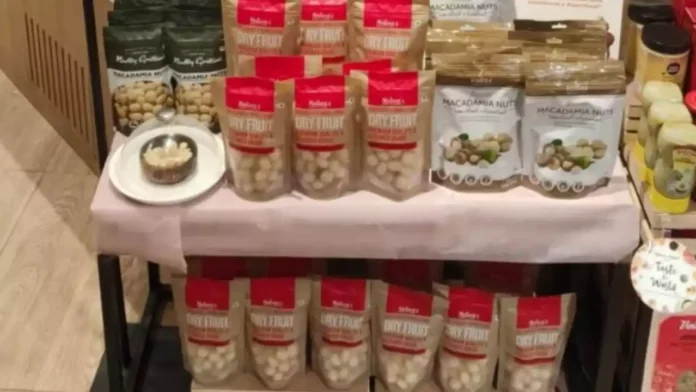
The company is leveraging the trend of premiumization by offering products such as Himalayan Saffron and Preserves, dry fruits under the Tata Sampann brand, and ready-to-cook as well as ready-to-eat items under Tata Sampann Yumside in traditional retail settings. Additionally, they’re introducing direct-to-consumer brands like Tata Tea 1868 and Tata Coffee Sonnets, along with Tata Coffee Gold Cold Brew, aiming to provide “cafe-style experiences.”
Gujarat Cooperative Milk Marketing Federation (GCMMF), known for selling Amul ice-cream through pushcarts, retail outlets, and e-commerce platforms, has identified upscale parlors as a key focus channel. This initiative includes the establishment of Amul Ice Lounge stores, which specialize in stocking high-end ice-cream varieties. This shift in strategy is indicative of a broader trend observed across various consumer staple categories.
Parag Milk Foods, renowned for its cheese, milk, and ghee offerings, is actively promoting its premium Pride of Cows milk and dairy products as the standard bearer for the dairy industry. Akshali Shah, executive director at Parag Milk Foods, emphasized their commitment to delivering single-origin milk, ensuring consistency by sourcing from one farm and one breed directly to the consumer’s doorstep.
House of Rare, a Bengaluru-based fashion brand which operates popular fashion label Rare Rabbit, has nearly doubled its net profit in the financial year ending on March 31, 2023.
The bootstrapped startup has reported a profit of INR 32.2 Cr for FY23, marking an 84% year-on-year increase from INR 17.5 Cr, driven by a rise in sales.
In FY23, the startup saw a 77% year-on-year increase in revenue from operations, soaring to INR 376 Cr from INR 212.5 Cr.
The apparel startup generates its revenue primarily by selling clothing and footwear through its retail outlets, a proprietary e-commerce platform, and online marketplaces.
Taking into account other sources of income, House of Rare’s total income reached INR 381 Cr, marking a 74% increase from INR 219 Cr.
In the financial year 2022-23 (FY23), the startup’s total expenditure amounted to INR 338.7 Cr, representing a 72% increase from INR 196.6 Cr.
As an apparel brand, the startup’s primary expenditure was the procurement cost of raw materials. In FY23, the startup allocated INR 136 Cr for this purpose, marking a 77% increase from the INR 76.9 Cr spent in the previous fiscal year.
Nearly 20% of the startup’s total expenses went towards advertising. In FY23, advertising costs surged to INR 63.3 Cr, reflecting a 51% increase from INR 42 Cr.
In FY23, the startup directed INR 39.5 Cr towards employee expenses, marking a 54% increase compared to the previous fiscal year. This encompasses various costs such as salaries, PF contributions, gratuity, ESOP expenses, and other related outlays. The uptick in this spending signifies a growth in the workforce size.
The startup recorded an EBITDA of INR 56.2 Cr in FY23, leading to a 14.9% EBITDA margin, indicating a slight improvement from the 14.4% reported in the previous year.
Established in 2015 by Manish Poddar and Akshika Poddar, The House of Rare manages Rare Rabbit, the women’s fashion wear brand Rareism, and the everyday wear brand Articale.
Interestingly, the startup is reportedly in discussions to secure its first funding round of approximately $60 Mn. A91 Partners is expected to lead the funding, with additional participation anticipated from the family offices of Ravi Modi, the owner of Manyavar, and Nikhil Kamath.
The upcoming funding round is anticipated to primarily involve capital infusion, with a secondary sale expected from the husband-wife founder duo. This funding round is projected to value the startup at approximately $266 Mn.
The startup is said to have generated a revenue of INR 600 Cr in FY24. However, these FY24 figures remain unverified as the startup has yet to file its audited financial statements.
House Of Rare competes with contemporary D2C fashion brands such as Bombay Shirt Company, Snitch, Damensch, The Souled Store, and others.
Reliance Industries Limited plans to strengthen its consumer durable vertical in the coming months with the new brand Wyzr.
The Wyzr brand, managed by Reliance Retail Ventures, plans to manufacture a variety of small appliances, including irons and fans, as well as white goods and consumer durables like refrigerators and televisions, according to a report by Hindu Business Line.
Presently, Wyzr offers a range of products such as air coolers, mixer-grinders, and fans. Reliance aims to expand its portfolio by incorporating additional small kitchen, home, and garment care appliances in the near future.
According to a source familiar with the matter, Reliance Retail aims to establish a made-in-India brand within the consumer durable segment, offering high-quality products at competitive prices.
Wyzr is targeting to provide cost-effective offerings in this sector, directly challenging the dominance of Chinese brands that have saturated online marketplaces.
Sources indicate that ResQ, a subsidiary of Reliance, is associated with Wyzr and will assist the brand with its after-sales services.
According to The BL report, initially, products will be manufactured on a contract basis, with plans to transition to in-house manufacturing once a certain volume is reached. Reliance has purportedly partnered with multiple manufacturing players within the industry.
The products are expected to be available across all channels, including Reliance’s own e-commerce platforms and other marketplaces. Currently, Wyzr products are accessible on Flipkart.
Reliance’s foray into consumer durables is anticipated to entail inorganic expansion. The conglomerate is reportedly considering acquisitions of regional manufacturers renowned for their products’ strong brand recognition.
Coincidentally, Reliance’s expansion into other sectors like pharmacy, furniture, and apparel also entailed acquisitions, such as Netmeds, Urban Ladder, and Zivame. Additionally, Reliance Retail oversees brands like Tira and Ajio, both of which employ a private label strategy.
It remains to be seen whether Reliance opts to integrate Wyzr as a private label under the Reliance Digital umbrella or develop it as an independent business entity in the future.
In the consumer durables sector, established players maintain a firm grip on the market, although startups like fan manufacturer Atomberg have gained significant traction with innovative products in recent times. Additionally, last year, at-home services unicorn Urban Company ventured into the consumer durables space with offerings such as water purifiers and smart locks.
Ethnic snacks manufacturer Bikaji Foods International reported a 200 percent increase in net profit, reaching INR 116.28 crore for the quarter ended March 31, compared to INR 38.67 crore in the same period last year, according to the company’s announcement to the exchanges.
Sequentially, the profit saw a 153 percent increase compared to INR 45.99 crore in the December quarter.
Additionally, operating revenue climbed by 12.8% to INR 520.82 crore in the March quarter, compared to INR 461.69 crore during the same time in the previous year.
EBITDA rose by 10.2 percent to INR 67.5 crore in the reported quarter, compared to INR 61.3 crore in the same period last year, with the margin standing at 13 percent.
The company’s board also approved a final dividend of INR 1 per equity share.
On May 23, the company’s stock price experienced a slight decline of 0.67 percent, reaching INR 533.9 on the BSE.
Metro Brands, the footwear retail chain, has reported a remarkable 126.3 percent increase in its consolidated net profit, reaching INR 155.57 crore in the fourth quarter ended March 31st, 2024. This substantial growth contrasts with the consolidated PAT of INR 68.74 crore reported in a similar period one year ago, as indicated in the company’s regulatory filing.
In Q4 FY24, the company recorded a total income of INR 607.33 crore, marking a 7.8 percent increase from INR 562.87 crore in the corresponding period of the previous fiscal year.
Total expenses for the company rose to INR 503.73 crore in Q4 FY24, up from INR 468.28 crore in Q4 FY23.
According to the BSE filing, Metro Brands recorded a total income of INR 2,427.52 crore in the fiscal year 2023-24, an increase from INR 2,181.51 crore in the preceding fiscal year.
Commenting on the company’s financial performance, Nissan Joseph, CEO of Metro Brands Limited, expressed satisfaction, stating, “Despite the challenging backdrop of FY23 following the post-COVID-19 recovery, I am pleased to note an 11% year-on-year growth in our sales. Moreover, our sales per square foot have risen from INR 17,500 per sq. ft. in FY’19 to INR 18,700 per sq. ft. in FY24, showcasing our effective adjustment to evolving market dynamics and the continued recovery post-COVID.”
He added, “Through our strategic initiatives and resilient operational frameworks, we’ve sustained our performance, ensuring effective fulfillment of our customers’ and stakeholders’ requirements. We remain confident that our adaptability and commitment to customer satisfaction will remain key drivers of our growth.”
Metro Brands has expanded its retail partnership with Crocs, securing exclusive ownership and operation rights for Crocs stores throughout western and southern India. Furthermore, the company will maintain operations for all current stores in northern and eastern India. The year saw the opening of a net total of 97 new stores, underscoring the company’s growth and expansion efforts.
Wildcraft India, a renowned outdoor and adventure gear brand, has announced a strategic partnership with the Apparel Group, a prominent fashion and lifestyle retail player based in Dubai, to facilitate its expansion across the Gulf Cooperation Council (GCC) region.
As part of the collaboration, Apparel Group will team up with key retailers for Shop-in-Shop (SIS) collaborations, ensuring widespread availability of the Wildcraft brand across various consumer touchpoints, both offline and online.
The partnership aims to create an exclusive store network spanning all six Middle Eastern countries: Saudi Arabia, UAE, Oman, Qatar, Bahrain, and Kuwait.
“This collaboration marks a significant step in positioning Wildcraft as a leader in outdoor and adventure gear retail within the GCC region,” stated Gaurav Dublish, Co-Founder of Wildcraft India.
Initially, Wildcraft intends to launch specific flagship stores, designed to offer immersive experiences for customers to engage with and understand the brand. This will be followed by the expansion of the store network in the years to come.
Moreover, Apparel Group intends to have Wildcraft listed on prominent e-commerce platforms.
“This partnership represents a significant stride in our continuous endeavor to bring innovative and high-quality brands to the forefront of global retail. We believe that Wildcraft’s distinctive product range will strongly resonate with our clientele, reinforcing our standing as pioneers in the international retail landscape,” remarked Neeraj Teckchandani, CEO of Apparel Group.
Honasa Consumer Ltd, the overarching company behind the direct-to-consumer brand Mamaearth, reported a net profit of INR 26.71 Cr in the fourth quarter of the fiscal year 2023-24 (FY24), the company disclosed today.
Significantly, throughout the fiscal year FY24, the startup saw profits totaling INR 120.96 Cr, a notable shift from the INR 120.55 Cr loss it faced in the preceding fiscal year.
Regarding Q4, the net profit experienced a 7% quarter-on-quarter (QoQ) decrease from the previous quarter’s INR 28.91 Cr. Looking at it from a year-on-year perspective, the company has managed to reverse course from the INR 151.49 Cr loss it incurred in Q4 FY23.
Operating revenue surged by 18% to INR 427.16 Cr in Q4 FY24, up from INR 360.3 Cr in the same quarter of the previous year. However, this represented a 13% sequential decrease from the operational revenue of INR 488.2 Cr in Q3 FY24.
In the quarter, the startup’s total expenditure also increased by 13% to INR 408.5 Cr from INR 362.44 Cr in Q4 FY23. The largest expenditure was attributed to purchase costs, amounting to INR 138.7 Cr in Q4 FY24, compared to INR 109.07 Cr in the corresponding quarter of the previous year.
Operating revenue for the fiscal year also saw a 26% increase, rising to INR 1,764.3 Cr from INR 1,394.8 Cr.
We use cookies to ensure that we give you the best experience on our website. If you continue to use this site we will assume that you are happy with it.