Allied Blenders and Distillers Limited (ABDL), the third-largest Indian IMFL company in terms of annual sales volumes from Fiscal 2014 to Fiscal 2022, has unveiled Zoya Special Batch Premium Gin (“Zoya”) in the Maumbai market. This expansion follows its successful debut in Gurgaon, marking Zoya’s introduction to Maharashtra. Zoya is meticulously crafted from 100 percent grain and natural spirits, infused with juniper and a blend of 12 botanicals, resulting in a refreshing and unique flavor profile.
This release underscores ABDL’s commitment to enriching its portfolio with premium selections and broadening its reach in the premium market segment. Zoya has garnered notable acclaim lately, clinching the “Campaign Innovator of the Year” accolade at Icons of Gin India 2024 and the “New Product of the Year” title at Ambrosia Awards INDSPIRIT 2024.
ABDL’s managing director, Alok Gupta, said, “We are excited to introduce our Zoya gin to Maharashtra. We are dedicated to quality and innovation as we work to improve the customer experience throughout time.”
Zoya Special Batch Premium Gin, priced at INR 2200 for a 750ml bottle, will be accessible at leading hotels, restaurants, and liquor retail outlets throughout Maharashtra, inviting consumers to savor its artisanal craftsmanship.
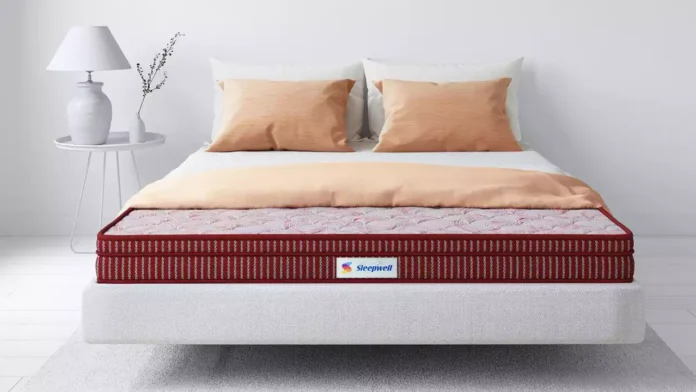
Sheela Foam, the parent company of two prominent mattress brands, Sleepwell and Kurlon, anticipates a double-digit Compound Annual Growth Rate (CAGR) of 14 to 15% in the short to mid-term, according to CEO Nilesh Mazumdar.
Last year, Sheela Foam acquired the Kurlon brand and has since rebranded it with a fresh logo and tagline. This move aligns with its aim to expand the Karnataka-based company’s business beyond the INR 1,000 crore mark.
Market Dynamics and Competitive Positioning
Presently, the Indian mattress market is valued at approximately INR 15,000 crore. Despite being largely controlled by local players, there has been notable traction towards branded players over the past 4-5 years, particularly in major cities, signaling a significant market shift.
“In the organized sector, combining both brands, we hold roughly 29-30% of the market share. Specifically, Sleepwell commands about 18%, while Kurlon holds 11%,” stated Mazumdar.
Together, both brands stand significantly ahead of their competitors and are committed to further expanding their market share through innovative strategies.
When questioned about the company’s growth prospects, Mazumdar expressed, “We have a 3-5 year outlook, targeting a compound annual growth rate (CAGR) of approximately 14-15%.”
While he refrained from disclosing the turnover for each brand individually, he mentioned that combining both brands, the company generates approximately INR 3,000 crore in revenue from operations.
Sheela Foam finalized the acquisition of Kurlon last October, and the ongoing integration process is expected to span a couple of quarters before completion.
According to Mazumdar, both brands will maintain “independent” operations and identity.
“Kurlon remains an independent brand, as does Sleepwell in the consumer’s perception. We intend to preserve their distinctiveness, ensuring they remain entirely separate entities in the consumer’s mind,” he explained.
Regarding the rebranding of Kurlon, Mazumdar mentioned the goal is to render it more “modern and contemporary.” He further noted that this initiative will be supported by a new television campaign.
Both brands will also capitalize on synergies, leveraging shared resources in retail channels, media investments, and the procurement of raw materials, potentially enhancing their scale.
Regional Market Presence and Expansion Plans
Although both brands have a nationwide presence, Kurlon holds a robust market presence in the South and Eastern regions, whereas Sleepwell dominates in the North and West regions.
“As we progress, both brands will establish a national presence. The current investment in enhancing Kurlon’s brand image through media and communication aims to ensure its robust national presence,” added Mazumdar.
In addition to mattresses, Sheela Foam is expanding its business into adjacent categories like pillows and technical foam.
“Sheela Foam has already established itself in various categories, such as cushions and technical foam. Moving forward, we’ll maintain our presence in these categories,” he stated.
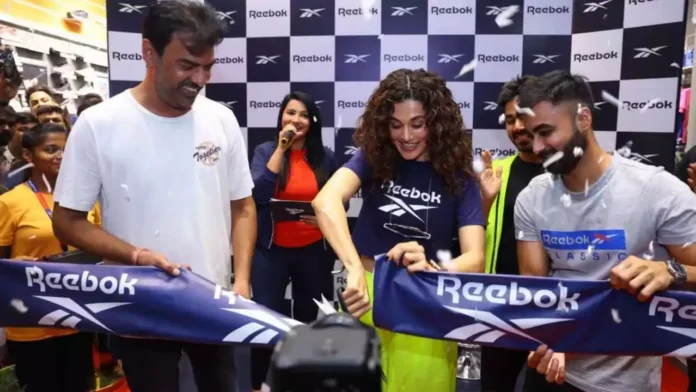
Reebok, a renowned name in sports footwear and apparel worldwide, has achieved a significant feat in its retail expansion across India with the launch of two new outlets in Chennai, situated in Anna Nagar and Phoenix Marketcity. The opening ceremony was a splendid affair graced by the presence of Taapsee Pannu, the versatile actress and brand ambassador of Reebok, who ceremoniously inaugurated the stores, accentuating the brand’s commitment to fitness and style.
Strategic Expansion by ABFRL
The opening of these Reebok outlets is a calculated move by Aditya Birla Fashion and Retail Limited (ABFRL) to cater to the growing desire for top-notch sportswear in Chennai. These stores boast contemporary designs that invite customers in, displaying Reebok’s flagship collections across Running, Training, Walking, and Lifestyle segments. Customers are treated to an engaging shopping experience, offering a diverse range of high-performance athletic shoes, fashionable activewear, and essential accessories, enriching their fitness endeavors.
Manoj Juneja, CEO of Reebok India, expressed, “The inauguration of these fresh outlets in Chennai signifies more than mere expansion for Reebok; it embodies our steadfast dedication to nurturing a flourishing sports and fitness culture in this lively city. With its dynamic energy and evolving fitness values, Chennai offers an ideal environment for us to advance our mission of empowering individuals to embrace healthier, more active lifestyles. Through the establishment of these new stores, our aim is not only to offer convenient access to Reebok’s pioneering products but also to spark inspiration and catalyze transformation within the community.”
Product Offerings
Reebok’s groundbreaking product, DMX Comfort+, aims to revolutionize the walking experience with its advanced moving air technology, providing unparalleled comfort. The latest addition to Reebok’s lineup, the Spacefoam shoe, boasts max stack height cushioning to diminish impact and ensure a smooth walking experience, complemented by the Memory Tech Massage (MTM) Sock liner for luxurious cushioning.
Within the running category, Reebok presents Maxfoam+, integrating dynamic response midsole technology to deliver outstanding energy return. Its featherlight design renders it the perfect choice for daily runners. Reebok’s expanding presence in India underscores its dedication to nurturing the fitness and wellness endeavors of its clientele. With the inauguration of these fresh outlets, Reebok reinforces its stature as a premier purveyor of sportswear and fitness solutions nationwide.
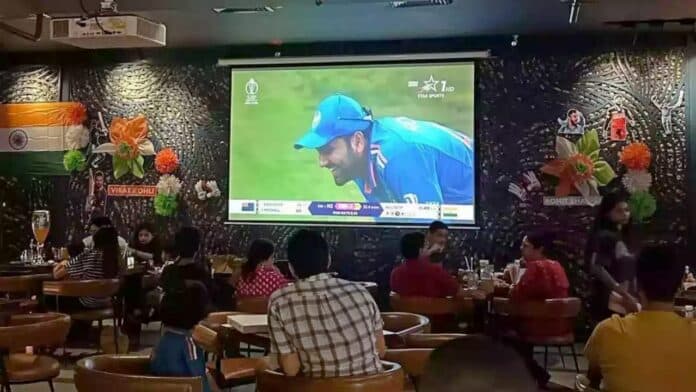
Pubs, restaurants, and quick commerce startups were bustling with activity ahead of the highly anticipated T20 match between arch-rivals India and Pakistan on Sunday. Although these establishments and platforms were well-prepared, executives noted that post-evening sales could have been stronger if the rain hadn’t dampened spirits.
Rahul Singh, the founder and CEO of The Beer Café and head of the pubs division at BIRA 91, had planned to watch the match at the Bira 91 Taproom in New Delhi’s Saket area. However, his team requested him to make room for guests. Despite this change of plans, Singh didn’t mind. Bira Taprooms in Bengaluru, Ludhiana, and Gurugram were completely booked, in addition to the one in Delhi, on Sunday.
Singh remarked, “Beer is the perfect choice for watch parties, and we experienced an electrifying Super Sunday with the highly anticipated showdown. We anticipate doubling our revenues compared to a typical screening of any other match.”
Impact on Sales and Consumption
Producers of snacks, munchies, and soft drinks reported a 25-30% increase in sales for these impulse categories on Sunday compared to typical weekends, particularly for larger, shareable packs, on e-commerce platforms. “Orders for larger packs began to rise around noon,” explained a sales executive from a cola company, “as individuals started to prepare for an evening of watching the match indoors with friends and family.”
Mayank Shah, the vice president at Parle Products, stated, “With the excitement surrounding the match between arch-rivals India and Pakistan — indisputably the highlight of the T20 World Cup — we’ve witnessed a notable increase in snacking and beverage consumption during the game. This event often brings together groups of friends or family for collective viewing, making it an ideal occasion for indulging in snacks.”
Shah added, “Quick commerce emerges as the perfect avenue for ordering snacks and beverages, especially when immediate delivery is needed. Additionally, with the heightened promotion and incentives offered by quick commerce platforms during the match, we observed a considerable surge in sales around match time.”
Before the match, Swiggy, a quick commerce platform, sent out an email to subscribers with the message, “From chips to jerseys, everything in ten minutes.”
A spokesperson from Swiggy had previously mentioned that the company anticipated Sunday’s match to exceed even the order volume of the IPL final, noting a “significant demand” for snacks and cold beverages. The spokesperson said, “Swiggy Instamart saw unprecedented orders during the previous India-Pakistan World Cup match, selling over 100,000 cold drinks and thousands of packets of chips in a single day.” They also mentioned that Indian cricket jerseys had already sold out in certain regions by Sunday afternoon and had to be replenished.
Zorawar Kalra, founder of Massive Restaurants, which operates restaurant brands like Farzi Café, Bo Tai, and Papaya, noted that restaurants screening the match were completely booked and sold out on Sunday evening.
“We experienced a 50% increase in home delivery orders across various markets including Delhi NCR, Karnataka, Andhra Pradesh, and Tamil Nadu, and we were well-prepared for it,” he remarked. “One of our restaurants in Mumbai had arranged for a gig to coincide with the conclusion of the match, ensuring the celebration continued seamlessly.”
Divya Aggarwal, the Chief Growth Officer at Impresario Entertainment and Hospitality, noted that numerous SOCIAL outlets received booking inquiries in anticipation of the match.
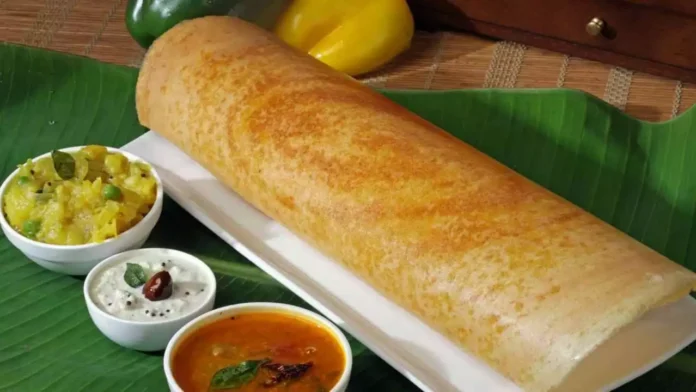
The Gujarat Appellate Authority for Advance Ruling (GAAAR) has ruled that instant mixes such as idli, dosa, and khaman flour do not fall under the categories of chhatua or sattu, and thus should be subject to an 18% GST. This decision came after Gujarat-based Kitchen Express Overseas Ltd contested the ruling by the GST advance authority. They argued that their seven ‘instant flour mixes’ are not considered ‘ready to eat’ but instead require specific cooking procedures, thus qualifying as ‘ready to cook’.
The company offers flour mixes in powder form, including gota, khaman, dalwada, dahi-wada, dhokla, idli, and dosa. They argued that these mixes are similar to Sattu and should therefore be subject to a Goods and Services Tax (GST) of 5 percent.
GAAAR Ruling on Instant Flour Mixes
The GAAAR dismissed the appellant’s argument, stating that the ingredients used in the production of “instant flour mixes” are not governed by the applicable GST regulations in the same manner as Sattu.
As per a CBIC circular, minor quantities of ingredients used in the preparation of Sattu are explicitly outlined in the GST regulations as qualifying for a 5 percent tax rate.
“Nevertheless, the clarification mentioned does not apply to the current scenario since the products being distributed by the appellant incorporate spices and additional ingredients, a distinction from ‘chhatua or sattu’,” stated the GAAAR.
The appellate authority further emphasized that the necessity for the end consumer to undergo specific food preparation procedures before consuming the instant mix flour does not justify exempting it from the 18 percent GST levy.
Abhishek Jain, Partner and Head of Indirect Tax at KPMG, noted that classification disputes are frequently encountered and represent one of the most prevalent areas of litigation within the GST framework.
“Even with the issuance of circulars, varying interpretations of the clarifications within these circulars have frequently heightened the difficulties,” remarked Jain.
Rajat Mohan, Executive Director at Moore Singhi, stated that the Gujarat Appellate Authority for Advance Ruling (AAAR) upheld the decision of the Advance Ruling Authority (AAR). They classified several flours under the ‘Kitchen Express’ brand, such as Khaman and Dhokla, under Chapter Heading (CH) 2106 90 99, consequently subjecting them to an 18 percent GST rate.
Mohan explained that the decision was based on the notable inclusion of additives like sugar, salt, and spices in the products. This differentiation sets them apart from the more straightforward flours categorized under chapters 1101, 1102, or 1106, which are taxed at a rate of 5 percent under the GST.
Mohan added that the AAAR clarified that CH 2106 90 99 covers ‘ready to cook’ food preparations. They rejected the appellant’s comparison to ‘sattu,’ affirming that the significant presence of additives in the appellant’s products warrants the imposition of the higher tax rate.
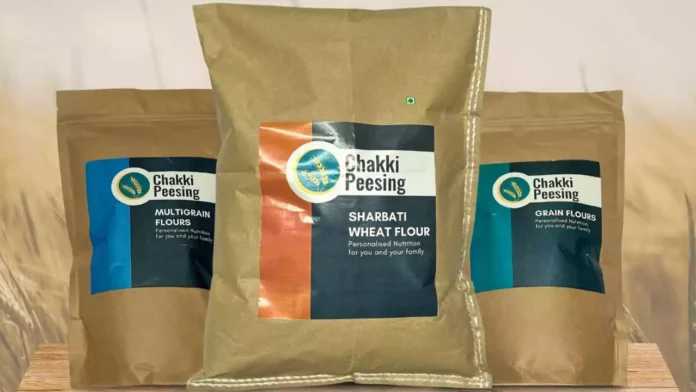
According to IMARC analysis, the packaged atta (wheat flour) market size has reached INR 73.9 billion in 2023 and is projected to climb to INR 242.8 billion by 2032. Who would have imagined that simple atta (flour), a household staple, represents such a vast market with a multitude of well-known big and smaller brands? Despite the variety available, consumers often place their trust in the bigger brands. These established names have built their reputation over decades, promising consistent quality and reliability.
However, in an evolving market, even the most trusted brands must innovate and adapt to maintain their sheen. The rise of consumer awareness and a growing preference for authenticity and freshness are now paving the way for new challengers. And in an industry dominated by giants for decades, one brand is daring to challenge the status quo—Chakki Peesing.
Rajeev Khera, the founder of Chakki Peesing, believes that the era of the bigger flour brands might be coming to an end. With 22 years of experience in the industry, Khera saw an opportunity to offer something different. Driven by his own experiences and the changing demands of consumers, he founded the brand in 2020.
“One of the biggest motivations for us to start Chakki Peesing was that the quality of flour available in the market was deteriorating,” Khera explained. “Especially after Covid, people have shifted to healthier eating habits. We wanted to support that change.”
Khera started as a modest store in a locality. Initially, this setup catered to a small, local customer base, but now has moved operations to a larger factory. Now, this brand aims to open more stores in high-footfall areas. “We are targeting key grocery stores within various societies to stock our products. This strategy will enhance our visibility in the market. In 2024-25, we plan to execute this strategy aggressively and aim to open 40 to 50 stores,” he said.
Problem with Big Brands
Khera highlights a critical issue with the long-established flour brands. “In the last 30 to 40 years, the standard flour we consume hasn’t evolved. The needs of people are changing, yet the flour industry has remained stagnant. People are eating the same old atta,” he noted.
The traditional packaged flour companies have struggled to innovate. “Packaged atta companies have tried to introduce customized and fresh products, but they’ve failed because it’s not feasible at their scale,” Khera observed. This stagnation has created a ripe opportunity for newcomers like Chakki Peesing to introduce variety and innovation.
Chakki Peesing aims to cater to the evolving dietary needs of consumers by offering a range of flour blends and types that go beyond the traditional wheat flour. “Why not get into flours that are better and more varied?” Khera asked rhetorically. “We need to go beyond the ordinary atta.”
Khera’s confidence in Chakki Peesing is rooted in his heritage. “I’m from Madhya Pradesh, the state that grows the best Sharbati wheat. This gives us a significant advantage in sourcing the right kind of wheat for the flour industry,” he said.
But it’s not just about quality wheat. Chakki Peesing is also addressing the logistics and convenience issues faced by urban consumers. “We are solving the problems of sourcing and grinding for urban India. Our goal is to ensure that consumers don’t have to source or grind their wheat themselves,” Khera explained.
Shifting Consumer Behavior
Khera points to a significant behavioral change in how consumers purchase flour. “Just five years ago, people only trusted major marketplaces and brands. Today, the playing field is changing. Trust is being built through word of mouth, and customers are more open to trying new brands,” he said.
This shift is driven by the consistency and quality of Chakki Peesing’s products. “My entire clientele has grown through word-of-mouth referrals. We have not spent much on marketing yet. Once you taste our flour and see that its quality remains consistent, you stick with us,” Khera stated confidently.
Chakki Peesing is also capitalizing on the growing trend of health consciousness. With increasing awareness around health conditions like diabetes and hypertension, many consumers are looking for alternatives to traditional wheat flour. “We are fully equipped to handle this kind of scenario. We offer better wheat varieties like Emmer wheat and Black wheat, which are healthier alternatives,” Khera said.
Moreover, Chakki Peesing has developed a range of multigrain and millet mixes to cater to various dietary needs. “We have multigrain blends with varying percentages of wheat to cater to different preferences. For those who want to eliminate wheat altogether, we offer a multi-millet mix,” Khera explained.
Road Ahead
Despite the challenges, Khera is optimistic about the future. “Our growth story is multi-directional. We are focusing on local presence through retail stores, while also expanding our online reach across India. We’re targeting quick commerce platforms like Dunzo and Swiggy Instamart for faster delivery options,” he shared.
Chakki Peesing’s approach is clearly resonating with consumers. “We are seeing significant success in Delhi and NCR. Our strategy of targeting local grocery stores is working well, and we plan to expand this model to other regions,” Khera said. Over the last three years, the brand has established locally, and deliver its products across India within 48 hours. Next year, they aim to achieve three to four times the growth compared to what the brand achieved in 2023-24.
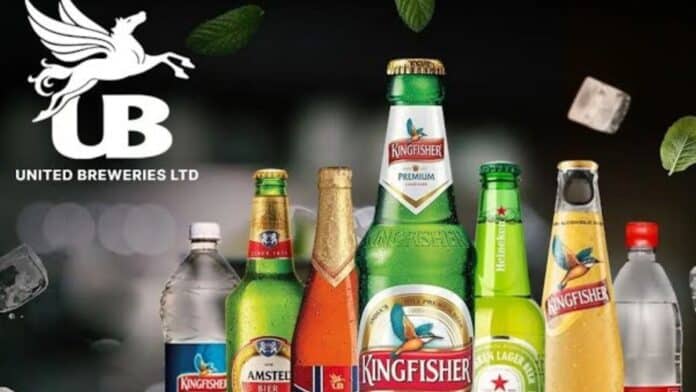
United Breweries (UBL), a Bengaluru-based company known for producing Kingfisher beer, is eyeing strong growth in the premium beer segment, driven by changing consumer preferences towards premiumisation.
“Premiumization is taking place across various categories as consumers seek superior options, and the beer market is no exception. We’re witnessing a trend of consumers upgrading to higher-quality beers and exploring new brands. United Breweries offers a compelling selection of premium brands, including Kingfisher’s esteemed variants such as Ultra and Ultra Max,” stated Vikram Bahl, Chief Marketing Officer (CMO) of UBL.
Two years back, the company launched Heineken Silver, a premium lager variation tailored for individuals who favor a more “sessionable” beer, denoting a lower alcohol percentage than the average.
UBL recently introduced Queenfisher, a fresh lager variant positioned as “a celebration of sisterhood.”
The company’s go-to-market strategy prioritizes collaborations with premium bars and restaurants, ensuring consumers encounter top-tier brands in optimal settings.
Driving Factors for Growth: Rising Beer Demand and Market Trends
UBL pinpointed the rising demand for beer, propelled by the increasing affluence within India’s burgeoning economy, as a pivotal growth factor for the company.
“In addition to this, we ensure impeccable execution, availability of the product, well-managed distribution, and prominent display – ensuring all the fundamental aspects are in place,” Bahl further emphasized.
“Spirits have traditionally been the preferred choice for many consumers because of historical factors and favourable tax-related pricing, making whiskies and spirits more accessible. However, I believe there’s a shift happening. Beer is currently experiencing the most rapid growth among major beverage categories,” stated Bahl.
Bahl mentioned that UBL boasts the largest supply network, spanning breweries and contract manufacturers across 30 locations.
The objective is to improve efficiency within this network and expand production capacity, he stated. The beer maker emphasized that the ultimate aim is to make Queenfisher available worldwide.
The key markets for London Pilsner will be Maharashtra and Karnataka.
Presently, it’s accessible in 50-60 countries globally, and the company intends to persist in exploring opportunities for broadening its non-alcoholic brand extensions.
“We maintain a positive outlook on our revenue growth for FY25, fueled by our dedication to category expansion and premiumization, positioning us for consistent growth throughout the year,” Bahl concluded.
In the fourth quarter of FY24, UBL posted a consolidated net profit of INR 82 crore, marking an eight-fold increase compared to the corresponding period last year. Revenue surged by 17.3 percent to INR 4,788.68 crore. During Q4, volume increased by 10.9 percent, primarily led by the South and East regions. The premium segment witnessed significant growth of 21 percent, driven by robust performances from Kingfisher Ultra and Kingfisher Ultra Max.
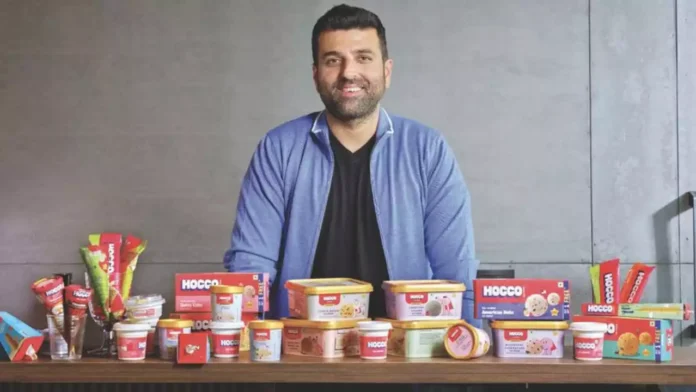
Hocco, an Ahmedabad-based ice cream brand, has raised INR 100 crore ($12 million) in a funding round led by its promoter group, the Chona family, and existing investor Sauce VC. This primary capital infusion, which values the company at INR 600 crore post-investment, also saw participation from angel investors, including film producers Ritesh Sidhwani and Farhan Akhtar.
Hocco’s Managing Director, Ankit Chona, stated that the funds will be used to expand the company’s manufacturing capacity. The eight-month-old brand anticipates generating INR 200 crore in revenue by the fiscal year ending March 2025.
In 2017, the Chona family sold its legacy brand Havmor to the South Korean conglomerate Lotte for INR 1,020 crore. At that time, Havmor’s annual turnover was estimated to be around INR 450 crore.
Following this funding round, Sauce VC, a consumer-focused investment firm known for supporting new-age brands like Mokobara and The Whole Truth, now holds approximately a 10% stake in Hocco.
“We started in October of last year. We were very optimistic, but we did not expect this kind of response. What we expected to do in the second or third year, we actually did in the first year. Our plant’s current capacity ranges between 40,000 and 50,000 litres per day, with an original projection of 15,000 litres by May. By next summer, we will have tripled our capacity to 1.3 lakh litres per day,” Chona said.
The ice cream industry in India, estimated to be around $5 billion this year, has witnessed the emergence of several new-age brands in recent years.
These new brands include Noto, Get-A-Way, Go Zero, Frubon, and Minus 30, all aiming to carve out a niche in a market dominated by legacy players like Amul, Mother Dairy, Hindustan Unilever’s Kwality Walls, and Jaipuria group-owned Cream Bell.
Risk capital investors in this sector encompass DSG Consumer Partners, Jungle Ventures, Saama Capital, and Fireside Ventures.
Manu Chandra, founder and managing partner of Sauce VC, remarked, “The growth in the ice cream market mirrors the rise in disposable incomes directed towards impulse and indulgence categories. Platforms such as quick commerce facilitate connections with digitally adept new-age consumers seeking instant gratification for their sugar cravings, a trend not viable five years ago.”
He stated, “The brands currently occupying this price segment have a long history, and our consumer research indicates that Gen Alpha, Gen Z, and even millennials no longer resonate with them.”
Potential Spin-off of HUL’s Ice Cream Business
Earlier, Snackfax reported in April that Hindustan Unilever – India’s largest FMCG company – is exploring the option of spinning off its ice cream business, in possible preparation for eventual sale. The category accounts for around INR 2,000 crore, or roughly 3% of HUL’s sales.
Hocco’s Chona mentioned that the company sees quick commerce as an opportunity to expand its business to geographies outside Gujarat – its key territory.
He mentioned, “At present, the majority of our revenue comes from Gujarat with a portion from quick commerce. We initiated quick commerce in February, and since then, our sales through this channel have been doubling every month.”
Future Sales Targets and Strategy
Chona stated that Hocco aims to double its sales in FY26 compared to what it achieved in FY25.
He explained, “Our strategy involves delving deeper into Gujarat while simultaneously expanding into adjacent regions. By the upcoming summer, we intend to launch operations in Rajasthan, Maharashtra, and Delhi-NCR.”
He added, “Quick commerce is poised to significantly disrupt the ice cream industry. As an impulse purchase, it meets demand with 10-minute deliveries. However, the challenge lies in the multitude of brands offered on quick commerce platforms, limiting the depth of available SKUs. Nevertheless, it presents a substantial opportunity.”
In August 2023, Campbell first announced its intent to acquire Sovos, a deal worth $2.7 billion, which was finalized in March of this year. During the announcement, Campbell’s president and CEO Mark Clouse stated that yogurt would not align with their core strategy.
However, Sovos’ other brands, including Rao’s Italian pasta sauces and Michael Angelo’s frozen meals, exceeded expectations.
Campbell’s Q3 Performance and Sovos Brands Contribution
In Campbell’s Q3 financial report for 2024, they noted a “better-than-anticipated contribution from the Sovos Brands business to our performance.” Reported net sales showed a 6% increase, primarily due to the partial quarter of sales contribution from Sovos Brands.
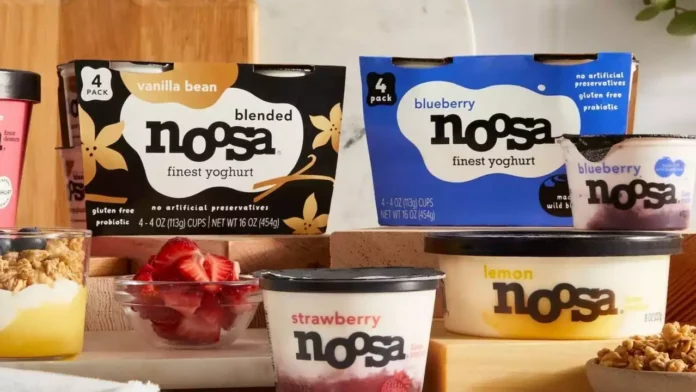
A decision regarding the Noosa business has been reached; however, Clouse refrained from disclosing specifics about a potential buyer for the brand, disposal date, or financial terms of a prospective deal.
Clouse informed analysts, “One of the most delightful surprises to me has been the robustness of the Noosa business. Despite our initial perception that yogurt might not align with our long-term strategic focus, the resilience, uniqueness, and performance of this business have been remarkable. This success is a testament to the exceptional leadership and management by our dedicated team.”
He further remarked, “The Noosa business remains an outstanding product and brand, consistently delivering strong performance. Remarkably, in the quarter, the Noosa Spoonable business saw a return to dollar growth, propelled by the success of its 8oz yogurt. Moreover, the 8oz yogurt has achieved 14 consecutive quarters of dollar consumption growth.”
“Despite our decision to explore strategic alternatives for the business, given yogurt’s lack of alignment with Campbell’s strategic focus, the performance of the business has surpassed our expectations.”
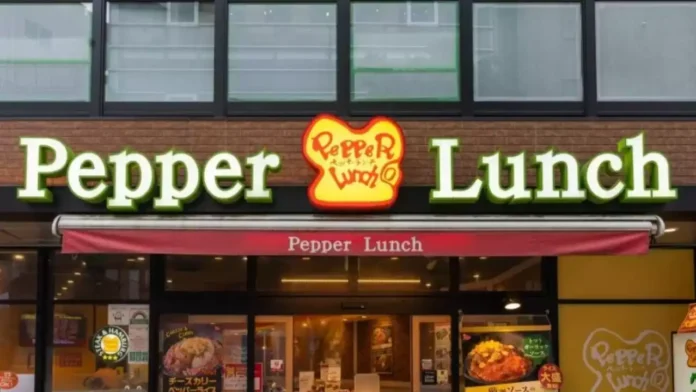
Pepper Lunch, a Japan-based fast-casual dining concept, has signed an agreement to open its newest location just outside Tampa, Florida, in the United States.
Situated at 4699 Park Blvd in Pinellas Park, this outlet marks Pepper Lunch’s first location in Florida.
This marks the debut of the first modern prototype design since Hot Palette America, Pepper Lunch’s US parent company, assumed control of its American operations.
Scheduled to open in September 2024, the new location will span 1,435 square feet and offer seating for 38 guests. Additionally, a 500-square-foot patio will provide 25 more outdoor seats.
Owned and operated by Majestic Restaurant Group, the outlet is part of an agreement to develop ten units by 2028 across the Tampa, Orlando, and Gainesville markets.
Pepper Lunch CEO Troy Hooper stated, “Pepper Lunch provides a uniquely different dining experience with authentic, approachable cuisine.”
“With the experienced local operators at Majestic Restaurant Group, we eagerly anticipate opening our doors in the coming months. Residents of the St. Petersburg area will soon discover why Pepper Lunch is one of the most popular dining concepts in the world,” said Hooper.
Global Presence of Pepper Lunch
Founded in 1994, Pepper Lunch is one of Japan’s largest franchise restaurant brands, boasting over 500 locations in 15 countries.
The company is now looking for experienced franchise partners to expand its business model throughout the United States.
Pepper Lunch presents a teppanyaki-style dining experience featuring steaks, curry rice, teriyaki, and pasta-based dishes, all served on the brand’s signature hot iron plate, including the renowned Pepper Rice.
Majestic Restaurant Group has a track record of developing and running various dining concepts, each providing a distinct experience crafted to suit the preferences and tastes of its clientele.
The group has launched specific concepts, including nearly a dozen sushi, poke, and dumpling restaurants. One such concept is Zukku Sushi, which has a presence in Tampa.
We use cookies to ensure that we give you the best experience on our website. If you continue to use this site we will assume that you are happy with it.