Wednesday, January 14, 2026
Home Blog Page 456

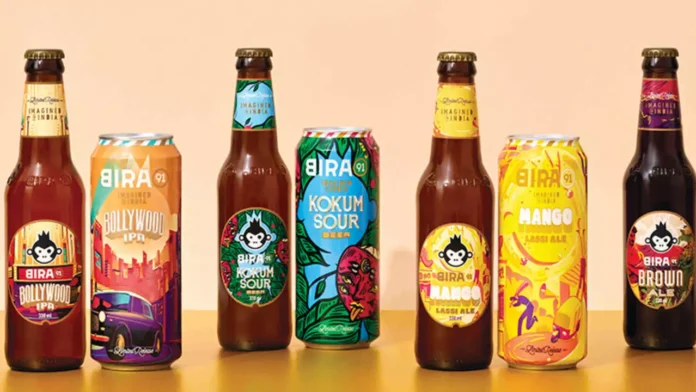
India’s top beer companies unite to launch Brewers Association of India

0
Beer
Beer

India’s leading beer manufacturers – United Breweries, AB-InBev, and Carlsberg – have jointly announced the formation of the Brewers Association of India (BAI). This industry consortium aims to foster the growth of the beer category in India and drive innovation, moderation, and sustainability in the Indian beer market.

BAI is being established in partnership with the World Brewing Alliance (WBA), a global industry entity that includes brewers and brewing trade groups from Australia, Canada, the United Kingdom, the United States, Brazil, New Zealand, Europe, Latin America, Nigeria, Japan, Korea, and finally, India. The objective is to facilitate the exchange of knowledge and best practices among brewers and various stakeholders.

“The brewing industry holds significant potential in bolstering local economies, fostering vibrant communities, and advancing public health outcomes. It’s an opportune moment for brewers to advocate for these causes. The Brewers of India will play a crucial role in championing responsible consumption, advancing our sector, and promoting a product beloved nationwide,” remarked Justin Kissinger, President and CEO of the World Brewing Alliance.

Leadership and Structure of BAI

The new Association is positioned to serve as the unified voice of the Indian beer industry, with AB-InBev, Carlsberg, and United Breweries collectively accounting for around 85% of beer sales in India. Moreover, these companies have made significant investments in India, with Carlsberg operating 7 breweries, United Breweries running 19 breweries, and AB-InBev India managing 10 breweries across the country.

Based in Delhi, BAI will be led by Vinod Giri, who will officially take the helm on June 1, 2024. Giri previously served as the head of the Confederation of Indian Alcoholic Beverage Companies (CIABC), the principal organization representing the Indian alcoholic beverage sector.

Continue Exploring: Beer sales hit all-time high in Karnataka as heatwave sweeps the state

“After more than a decade immersed in both the Indian and international beer industry, this feels like a return home for me,” expressed Giri. “Beer stands as the favored choice of alcohol globally, often surpassing higher strength alternatives in consumption. Governments worldwide are actively steering regulatory policies to encourage consumers towards low-alcohol options like beer,” he elaborated. “BAI presents an excellent opportunity to synchronize India with the global ethos of moderate and responsible drinking, and I’m thrilled to embark on this journey.”

The association aims to consolidate their expertise, resources, and brewing enthusiasm to elevate the overall consumer experience and promote the importance of low-alcohol beverages in fostering moderate drinking habits.

“The establishment of the Brewers Association of India underscores our collective dedication to advancing India’s beer industry,” stated Kartikeya Sharma, President of AB InBev India. “Numerous obstacles hinder the growth of India’s beer sector, including uneven taxation, accessibility challenges, and complexities in conducting business. We remain steadfast in our advocacy efforts to usher in a new era for the beer category. This launch underscores our belief in the Indian beer industry’s potential and our unwavering commitment to fostering its expansion.”

Continue Exploring: Indigenous spirits shine: India’s liquor exports soar, set to break $1 Billion barrier

Advertisement

Flipkart’s Shopsy enters kids’ segment with summer collection launch

Shopsy

Just days following the appointment of Prathyusha Agarwal as Shopsy‘s new CEO, Flipkart‘s social commerce arm has unveiled its summer collection for kids, signaling its entry into the children’s segment.

Continue Exploring: Flipkart’s budget-friendly e-commerce platform Shopsy appoints Prathyusha Agarwal as its new head

Through this endeavor, Shopsy will offer a range of clothing for toddlers and children aged between 0 and 12 years, in addition to toys, fashion accessories, and stationery items on its platform.

Shopsy’s popular children’s categories encompass learning toys, kids’ clothing, ethnic wear, soft toys, and school essentials. Moreover, standout items in the collection include combo sets of T-shirts and bottoms, educational toys, and various stationery products.

Expansion Plans and Market Demand

The company intends to broaden its range for children in the upcoming months, citing robust demand for its kids’ collection, particularly from tier II cities like Cuttack, Varanasi, Guwahati, and Muzaffarpur.

Kapil Thirani, Shopsy’s head, remarked, “The rising demand for children’s products across diverse categories in the Indian market positions it as a promising hub for this segment.”

Continue Exploring: Kidswear brand Includ raises $1.5M in seed funding led by Incubate Fund Asia

It’s worth mentioning that Walmart-backed Flipkart, introduced Shopsy in 2021 to compete with rivals like Meesho and Amazon Bazaar in the low average selling price categories, including apparel, small electronics, and kitchenware.

Although Shopsy initially operated as a social commerce platform, where users shared catalogs with potential customers through social platforms and earned commissions on sales, it has now shifted its focus from the reseller model to driving direct purchases from customers.

Its entry into the children’s segment coincides with a wave of startups launching products and services aimed at capitalizing on the rapidly expanding children’s market.

For instance, in January, actor Shilpa Shetty Kundra and fashion consultant Ashmika Sadh entered the children’s segment with the launch of Zip Zap Zoom.

Continue Exploring: Shilpa Shetty dives into kids fashion industry with Zip Zap Zoop, aiming to revolutionize the industry with sustainable practices and diverse offerings

In March, Vobble, a Bengaluru-based platform offering audio content for kids, secured a seed funding of $1 million from investors including Lumikai and Blume Founders Fund.

Last year, Hopscotch, a children’s fashion brand, secured a $20 million funding round led by Amazon.

Advertisement

Jewellery retailer Bluestone on track to become unicorn in pre-IPO funding round

0
BlueStone
BlueStone

Bluestone, an omnichannel jewellery retailer, is in talks to raise around $100 million in a pre-IPO round, likely valuing the company at more than $1 billion. This funding would catapult the startup into the unicorn club, according to a report by ET citing three individuals familiar with the matter.

This new valuation would more than double Bluestone’s previous valuation of around $450 million from September 2023, when the company, which operates both online and offline stores, raised $65 million from investors including Zomato founder Deepinder Goyal and Zerodha’s Nikhil Kamath.

Bengaluru-based Bluestone’s pre-IPO round is attracting interest from both new and existing investors, spurred by the Tata Group’s CaratLane deal last year, where Titan bought out founder Mithun Sacheti’s stake.

Bluestone, the second-largest omnichannel jewellery retailer after CaratLane, has informed both public and private market investors in recent weeks that it expects to become profitable by March 2025, according to people briefed on the matter.

“Multiple bids to lead the new round have been received, with some valuations exceeding $1 billion,” said one of the sources. “The specifics will be finalised in the following weeks. The company has been engaging with both public and private market investors recently. The business model is now better understood, and its potential to scale profitably is more widely accepted.”

Continue Exploring: BlueStone to secure $16.5 Million in funding through debt and equity

During this round, there’s a possibility that some early investors might sell a portion of their shares.

Gaurav Singh Kushwaha, founder and CEO of Bluestone, refrained from making any comments.

Competitive Landscape: Giva, Melorra, and Market Dynamics

In addition to Bluestone, Giva, a startup specializing in silver jewellery, secured $35 million in funding last year, with Wipro founder Azim Premji’s family office, Premji Invest, leading the round. Melorra is another venture-backed startup operating in the same sector.

So far this year, only two startups have achieved unicorn status: Perfios and Krutrim AI, founded by Ola’s Bhavish Aggarwal. This matches the total number for the whole of 2023.

Reports indicate that the firm is planning for a INR 2,000 crore IPO this year and has started engaging with merchant bankers for this.

Continue Exploring: Titan’s CaratLane jewellery line to make US debut in FY25

Last year, Singapore’s Temasek was in advanced negotiations to invest in Bluestone, but ultimately withdrew from the deal.

“When they (Bluestone) started in 2011 and the following years, omnichannel wasn’t really recognised by investors. Today, everyone is talking about it and how crucial it is in a market like India. The CaratLane deal has given a valuation (INR 17,000 crore at the time) benchmark as well,” a source familiar with the situation explained. “The round is being seen as a price benchmark for the IPO.”

In the past year, Bluestone has significantly expanded its presence in offline retail, currently operating approximately 200 stores nationwide. The company aims to further expand its footprint to 500-600 stores in the coming years.

“Moreover, there’s ample data indicating that offline stores contribute to building brand credibility, which in turn boosts online sales,” another individual familiar with the dynamics of the online jewellery market explained. “The foot traffic in stores correlates with online orders. Additionally, online search volume assists in pinpointing locations for opening new stores,” stated the founder of a prominent omnichannel brand.

In FY23, Bluestone’s operating revenue surged to INR 788 crore from INR 476 crore the previous year, while its losses decreased to INR 167 crore from INR 1,268 crore. The significant loss in FY22 was attributed to an accounting adjustment. The company witnessed a nearly 90% growth in FY22 following a stagnant performance in FY21.

Continue Exploring: BlueStone achieves remarkable 67% growth in operating revenue for FY23, eyes INR 3,600 Cr valuation in upcoming funding round

Advertisement

Monkoodog: How one man’s heartbreak is transforming India’s pet care industry

Manish Paul (Founder & CEO) with Himani Baisla, (Co-Founder & Content Head) at Monkoodog

Manish Paul, a seasoned finance professional with over 16 years in equity derivatives trading, found his true calling through a heart-wrenching personal loss. In 2018, Paul’s beloved French Mastiff bulldog, Juno, passed away due to the unavailability of timely veterinary care. This tragic event was the catalyst for the creation of Monkoodog, a comprehensive pet care platform offering veterinary, dog training, and grooming services. “I lost my dog because of not getting the help on time, so I thought, why not provide veterinary care at the doorstep?” says Paul.

Monkoodog emerged as a beacon for pet parents, initially as a community providing valuable pet care insights through blogs, videos, and social media. The platform quickly evolved, launching in Delhi in 2022 to offer doorstep veterinary services, a first in the region. Paul noted, “After COVID, a lot of things have changed. People now want all services and goods to be delivered right to their door. So, why not veterinary care, then?”

Capitalizing on the success of Monkoodog, over seven months ago, Paul introduced Moe Puppy, a premium grooming product line specifically designed to meet the unique needs of the Indian market. Recognizing a gap where customers either opted for low-quality local products or expensive imports, Moe Puppy offers high-quality, locally-produced grooming products. “We can produce it here in India, so why spend so much on premium overseas quality?” Paul questioned, emphasising the brand’s objective to offer high-quality, reasonably priced grooming products.

Furthermore, they plan to export made-in-India pet grooming products in the near future.

Continue Exploring: Petcare startup Supertails raises $15 Million in funding led by RPSG Capital Ventures for expansion and product scaling

The Potential of India’s Pet Care Market: Growth and Opportunities

The Indian pet care market, though burgeoning, is still in its infancy compared to Western counterparts. Paul notes, “The total pet industry is close to $1 billion, whereas the US market is almost $130 billion. Considering India’s population and the changing trends, we are poised to grow the fastest in the world.” The shift in consumer behavior, with increasing adoptions and awareness about pet health and grooming, underscores this potential.

Despite the market’s fragmentation, Paul remains optimistic about the future. Established brands like Pedigree dominate, but the rise of local and international grooming brands shows significant growth potential. “Even brands like TropiClean and Hydra are making inroads, and there is still so much more that can be achieved in the next 15-20 years,” Paul remarks.

Financial Growth and Expansion Plans for Monkoodog

Monkoodog’s financial journey reflects its growing influence. Launched in 2022, the company achieved a revenue of 36 lakhs in its first year, skyrocketing to 1.5 crores in the following year. For the current financial year, Monkoodog aims for 3.5 to 4 crores, with an equal split between services and grooming products. “We are already seeing excellent growth, with revenues close to 80 lakhs this quarter alone,” shares Paul.

Paul envisions a significant expansion for Monkoodog, both in services and product offerings. With an increasing focus on education and awareness, the company aims to bridge the gap in the Indian pet care market, moving from online to offline channels as it scales. “Our goal for the next 12 to 18 months is to use our website and Amazon. Eventually, we plan to capture the offline market, which is currently 85 to 90% of the market,” explains Paul.

Manish Paul’s journey from grieving pet parent to pioneering entrepreneur illustrates the profound impact of personal loss on professional inspiration. Monkoodog and Moi Puppy stand as testaments to his commitment to improving pet care accessibility and quality in India. As Paul succinctly puts it, “The business will boom in the next one and a half to two months for the pet care services, and we will do really well this quarter and ahead.”

Continue Exploring: Pet care startup Papa Pawsome secures $400K in seed funding led by Indian Angel Network

Advertisement

House of Biryan set to spice up Delhi and Pune with 35 new outlets by 2025, eyes INR 100 Cr revenue boost

0
House of Biryan
House of Biryan

House of Biryan, renowned for its signature customizable biryani offerings, plans to inaugurate 35 new outlets in diverse locales across Delhi and Pune, elevating the total count to 45 stores by December 2025. The company anticipates revenues exceeding INR 100 crore with the expanded network, aiming to serve over 400,000 new patrons.

Mohammed Bhol, co-Founder and CEO of House of Biryan, highlights, “Biryani brands, though thriving locally, face hurdles when expanding to multiple cities. We view this as an opportunity and have addressed the challenge by conducting thorough PMFit activities before market entry.”

“We’ve undertaken numerous PMFit activities, including pop-ups and tastings, to secure on-the-ground consumer validation. Regrettably, it’s a rigorous and arduous process, but necessary for ensuring success,” he added.

Bhol noted that while biryani remains the most ordered dish on platforms like Swiggy and Zomato, it also represents the most competitive category for operation.

Continue Exploring: From Behrouz to Biryani by Kilo: Companies cash in on India’s biryani frenzy

Experiential Dining Concepts:

“One thing became evident when we embarked on this journey in December 2022: our emphasis on the product’s freshness, a crucial aspect often overlooked, particularly by scalable brands due to extensive food industrialization,” he remarked.

“We were equally determined to establish unique selling points for our biryani. We’ve incorporated experiential dining concepts, such as our galouti section, offering various vegetarian, chicken, and mutton galouti options, which are nearly 90% comparable to those found at an ITC hotel, but at a fraction of the cost and delivered directly to the comfort of your living room,” he elaborated.

Customization as a Key Differentiator:

Bhol emphasized that House of Biryan stands out as the sole biryani platform offering customers the opportunity to customize their own biryani.

“Typically, when you order biryani from a specific place, it arrives in a predetermined manner, with fixed components. However, that’s not our approach. With us, you have the freedom to choose your flavor, select from various protein options, and mix and match to your preference. This flexibility has significantly broadened our appeal, particularly among younger audiences,” he further explained.

He highlighted that, bearing this in mind, the company has opted not to pursue the traditional royal, Mughal route that other biryani brands have taken.

“In fact, our initial stance was clear: if you’re seeking an authentic biryani, we’re not the place for you. Instead, we concentrate on delivering a fantastic, desi, delicious, and addictive product. Our order processing time is just 11 minutes, ensuring swift delivery,” he elaborated.

Continue Exploring: The House of Biryan sets sights on rapid expansion with plans for 40 new locations in the next 18 months

Advertisement

D2C brand WellBe Foods hits 1000 store milestone, eyes 25,000 GT stores by FY24-25

0
WellBe Foods
WellBe Foods

D2C brand WellBe Foods, a part of the Nimida Group, achieved a significant milestone in the FY 2023-24 by reaching 1000 stores. Based in Bengaluru, this brand is renowned for its commitment to offering clean food choices to Indian consumers. Now, it’s gearing up for further expansion through the General Trade (GT) route. By the end of fiscal year 2024-2025, WellBe Foods plans to launch its snacks and snack bars in 25,000 general trade (GT) stores across South India, becoming the first brand with a “No Nasties” promise to reach such a wide distribution in GT stores.

General Trade stores, encompassing traditional mom-and-pop or kirana outlets, play a pivotal role in the Indian retail landscape. With approximately 12 to 13 million such establishments across the country, they constitute about four-fifths of total FMCG retail sales in India. Despite the surge of e-commerce, these conventional retail stores maintain their dominance, commanding nearly 90 percent of India’s $1.3 trillion retail market.

WellBe Foods’ Journey: From Modest Beginnings to 1000 Stores

WellBe Foods embarked on its journey in 2020, initially establishing a modest presence in 13 stores of The Organic World in Bengaluru. Since then, its range of healthy snacks and snack bars has expanded significantly, now being stocked in 1000 stores spread across five cities: Bengaluru, Chennai, Hyderabad, Vizag, and Vijayawada. This growth has been strategically fueled by partnerships with Modern Trade (MT), Stand Alone Modern Trade (SAMT), and Regional Chains, featuring prominent retail collaborators such as Lulu, Spar, Spencer’s, More, Ratnadeep, and Natures’ Basket.

Continue Exploring: The Organic World sets sights on INR 100 Cr brand status by FY25 with aggressive expansion plans and private label growth

Gaurav Manchanda, Founder of Nimida Group and MD of WellBe Foods, stated, “FY 2023-24 has been an immensely rewarding year for WellBe Foods. Reaching the 1000-store milestone is a significant achievement! What motivates us the most is the overwhelming consumer affection for WellBe products across various markets. Health-conscious professionals and millennial moms alike are seeking snacks made from wholesome ingredients, free from chemically refined oils and artificial colors. They are scrutinizing food labels and making informed decisions that align with their health objectives. At Nimida Group, we are excited to maintain this positive momentum, offering Deliciously Good, Honestly Made food with No Nasties Ever!”

WellBe Foods presents a range of traditional Indian snacks, including kodbale, ribbon pakoda, murukku, khara chakli, cornflakes mixture, and khara sev, all reimagined in a healthier form. The brand prioritizes the use of all-natural, wholesome ingredients such as red rice flour, rice bran oil, and flaxseeds, completely avoiding maida. True to its No Nasties promise, all WellBe products are free from chemically refined oils, artificial colors, artificial flavors, artificial sweeteners, synthetic antioxidants, synthetic preservatives, and high fructose syrups.

Continue Exploring: Blackstone-led consortium eyes $8.5 Billion stake in Haldiram snacks, setting stage for India’s largest PE buyout yet

Advertisement

IHCL expands portfolio with debut of 86-key Ginger Hotel in Nagpur

IHCL
IHCL

The Indian Hotels Company Ltd (IHCL) has unveiled an 86-key Ginger hotel in Nagpur. The Ginger Nagpur Airport Road hotel is part of a mixed-use development that includes one of the city’s shopping malls. The property is in close proximity to the Dr Babasaheb Ambedkar Airport and provides easy access to the recently constructed metro line that serves the airport.

Strategic Significance for IHCL

“This inauguration is in complete harmony with IHCL’s strategic goal of establishing a strong presence in important business centres.

Continue Exploring: Ginger Hotels to spearhead IHCL’s aggressive expansion plan, anticipates surge in new business revenue

“Nagpur is a promising city that is currently Central India’s main business hub and a rising metropolis. With the opening of Ginger Nagpur Airport Road, we are excited to present the Ginger brand to the city,” said Deepika Rao, IHCL’s Executive Vice President of New Businesses and Hotel Openings.

With the inclusion of this hotel, IHCL will boast a portfolio of 34 hotels, with 11 currently under development, spanning across the Taj, Vivanta, SeleQtions, and Ginger brands in Maharashtra.

Continue Exploring: IHCL to launch over 50 new hotels in next two years

Advertisement

Telangana implements statewide ban on sale, production, and distribution of tobacco and gutka products

0
pan masala gutka tobacco
(Representative Image)

The Telangana government has banned the manufacture, storage, distribution, and sale of gutka and pan masala containing tobacco and nicotine statewide, effective from May 24, 2024, for a period of one year.

The restriction has been implemented with a genuine concern for public welfare. As per the directive from the Food Safety Commissioner, it will be enforced under the Food Safety and Standards Act, 2006.

According to the directive issued by the Food Safety Commissioner, the order states, “Telangana state hereby prohibits the manufacture, storage, distribution, transportation, and sale of Gutkha/Pan masala containing tobacco and nicotine as ingredients, packaged in sachets, pouches, packages, containers, etc., or by any other name, throughout the entire State of Telangana for a period of one year, starting from May 24, 2024.”

Continue Exploring: Karnataka Legislative Assembly passes bill to ban hookah bars and tighten tobacco regulations

This development comes as a response to the serious health risks associated with the consumption of Gutka and pan masala. These tobacco products are often linked to oral cancer, oral submucous fibrosis, and various other health issues.

Impact on Market Dynamics and Pan Shop Owners

Since Sunday afternoon, this directive has affected the markets in Hyderabad, with pan shop owners prepared to adhere to the new regulation. However, they are encountering challenges due to the unorganized nature of the sector.

Mohammed Salahuddin Dakhni, president of the Pan Shop Owners Association of Telangana, said, “There are approximately 150,000 pan shops in Telangana. We endorse the ban on gutka, and many shops have already ceased its sale. However, we urge authorities to consider exempting chewing tobacco and zarda, as millions of families rely on these sales for their livelihoods.”

Mr. Salahuddin mentioned that his association had recently submitted petitions to Telangana Chief Minister A. Revanth Reddy and Union Health Minister Mansukh Mandaviya regarding this matter. He noted that numerous pan shops across the state also display posters outside indicating that they do not sell gutka.

Continue Exploring: Haryana allows over-the-counter sales of Nicotine Replacement Therapy (NRT) in retail outlets

Advertisement

Competition watchdog approves ITC Hotel’s demerger plan

ITC Hotels
ITC Hotels

The Competition Commission of India (CCI) has given the green light to the demerger of ITC Ltd‘s hotel business into a separate entity.

Once the demerger is finalized, the stocks of ITC Hotels Ltd, a newly formed entity, will be listed on the stock exchanges.

The proposed merger involves the transfer of the demerged business to ITC’s wholly-owned newly established subsidiary, ITC Hotels.

Ownership Structure and Shareholding

After the demerger, ITC Hotels shares will be listed. ITC will retain a 40 percent stake, with the conglomerate’s shareholders holding the remaining 60 percent, as stated in a notice on the CCI website.

ITC boasts a diversified portfolio in India, encompassing FMCG, hotels, paperboards, paper and packaging, as well as agri-business.

Continue Exploring: ITC board approves hotel business demerger, expects ROCE to improve significantly

ITC stated in the notice that the proposed combination is merely an internal restructuring exercise and will not impact market dynamics in any way.

The Commission approves the demerger of Hotels Business of ITC Ltd to its wholly-owned subsidiary ITC Hotels Ltd,” as stated in a post by CCI on X.

In July 2023, the prominent conglomerate ITC announced the demerger of its hotel business, incorporating wholly-owned subsidiary ITC Hotels Ltd.

The company’s board has also given approval for the establishment of the wholly-owned subsidiary ITC Hotels Ltd, which will manage its hotels and hospitality business, it further stated.

Established in 1975, ITC Hotels, India’s leading chain of luxury hotels, has over 115 hotels in 80-plus destinations across six distinct brands.

Continue Exploring: BAT to stay off ITC Hotels’ board amid demerger plans

Advertisement

Agritech startup FarMart secures INR 24 Cr funding for carbon-efficient food supply chain

Alekh Sanghera and Mehtab Singh Hans, Co-Founders, FarMart

FarMart, an agritech startup, has secured INR 24 Crore ($2.8 Million) in funding from Swiss asset manager ResponsAbility Investments as part of its financing round.

The startup plans to utilize the fresh proceeds to expedite its efforts towards building a carbon-efficient food supply chain. Additionally, as part of the deal, FarMart will leverage responsAbility’s expertise to optimize its existing supply chain.

FarMart cofounder and CEO Alekh Sanghera emphasized, “Sustainability lies at the heart of our business, and responsAbility aligns with our mission through its robust focus and proficiency in sustainability. Their investment enables us to expedite our endeavors towards establishing a carbon-efficient food supply chain, ultimately advancing our vision of a food-secure world.”

Neha Baid, Head of Sustainable Food Debt at responsAbility APAC, expressed, “We take pride in our collaboration with FarMart to combat food loss and waste in India. Their technological solutions play a pivotal role in optimizing supply chain and logistics efficiency. Through our financing and climate advisory proficiency, we are amplifying our impact alongside FarMart.”

Continue Exploring: FarMart joins ONDC as the first food and agri-tech supply network

Established in 2015 by Alekh Sanghera, Mehtab Singh Hans, and Lokesh Singh, FarMart is an agritech startup facilitating direct procurement of food commodities for global food brands from farmers. With a network spanning 3 million farmers, it assists over 2,000 food manufacturers across six nations in procuring more than 90 food commodities.

Additionally, it harnesses AI for quality assurance and places a strong emphasis on traceability across the value chain. The B2B startup asserts its ability to serve clients across Asia, the Middle East, and Africa.

Supported by prominent investors including General Catalyst, Matrix Partners, Omidyar Network, and Avaana Capital, the startup has accumulated over $44 million in funding to date.

Market Dynamics:

This development comes at a time when the Indian agritech startup ecosystem is experiencing significant growth, fueled by increasing demand for agricultural products and services. It coincides with the integration of AI and a renewed push from both the central government and states towards adopting smart agricultural practices.

Continue Exploring: Uttar Pradesh govt aims to integrate AI in farming, bolster agritech startups for economic growth

Consequently, the market is experiencing steady growth, accompanied by the emergence of a new wave of agritech players that are reshaping the industry. Investors are eagerly lining up to support these innovative tech companies.

Earlier this month, Info Edge augmented its ownership in agritech startup Gramophone to 39.5% by injecting an additional INR 15 Crore into the company. Preceding this, Niqo Robotics concluded its Series B funding round at $13 million.

Continue Exploring: Info Edge to invest additional INR 15 Cr in agritech startup Gramophone

Poshn has secured $6 million, comprising both equity and debt, as part of a Pre-Series A round co-led by Prime Venture Partners and Zephyr Peacock India.

According to data, the Indian agritech sector is projected to represent a market opportunity of $25 billion by 2025.

Advertisement