Nestlé Toll House has unveiled its latest innovation: Triple Chip Mix.
Triple Chip Mix, now available for purchase nationwide in the US, brings together three popular morsel flavors: the sweet and creamy vanilla-flavored Premier White Morsels, the rich Semi-Sweet Chocolate Morsels, and the Dark Chocolate Morsels, all conveniently packaged into one.
With the ideal mixture pre-combined in every bag, the opportunities for baking experimentation are limitless.
Melanie Knoke, senior marketing manager at Nestlé Toll House, expressed, “We understand that consumers enjoy blending our flavors, so we aimed to simplify the process by combining three cherished classics into one convenient bag. The outcome? A Triple Chip Mix of our renowned flavors that’s indulgently rich, creamy, and sweet enough to elevate any treat.”
Crafted to meet the demands of home bakers, Triple Chip Mix provides a means to customize existing recipes or invent entirely new creations.
Pricing and Release Date
With a suggested retail price of $5.29 for a 9oz bag, Triple Chip Mix is scheduled to debut on shelves in June.
Welch’s is introducing a fresh lineup of juice beverages under the name Welch’s Grape’ade. Crafted from Niagara green grapes and without any added sugar, it promises a delightful and naturally sweetened refreshment.
Exploring the Flavor Variants
Offered in three enticing flavors—strawberry, mango, and green grape—Welch’s Grape’ade is conveniently packaged in 16oz bottles, perfect for on-the-go enjoyment. Free from artificial colors or sweeteners, each variant promises a refreshing explosion of taste, boasting half the sugar content compared to similar beverages, according to the company.
Chris Kwiat, Vice President of Marketing Communication and Innovation at Welch’s, expressed, “The Welch’s Innovation Team has pioneered a completely new ‘ade experience, harnessing our unmatched skill in capturing the crisp, tangy essence of Niagara green grapes, bottled within hours of harvest, to present an exceptionally refreshing take on the classic flavor. Grape’ade epitomizes our dedication to offering delightful, top-notch products that adapt to changing and varied consumer tastes, even if it entails inventing an entirely new beverage category to satisfy their demands.”
All three flavors will be available at select retailers and in every Publix store across the southeastern United States starting next month, followed by a nationwide rollout planned for early 2025.
Sabelli has inked a deal with its fellow Italian dairy counterpart, Mila Cooperative, to acquire the Stella Bianca cheese company.
Mila confirmed the divestment of its stake in Stella Bianca after a 14-year ownership period in a statement. A spokesperson for the cooperative elaborated that the growth experienced in Mila’s primary sectors, namely yogurt and cut cheese, has led to the adoption of a strategic approach aimed at fostering additional advancements in these segments in the foreseeable future.
“The proceeds from the sale of Stella Bianca will empower Mila to undertake significant investments in plant automation and digitization, aligning with our company’s sustainability strategy,” the spokesperson elaborated.
Located in Lodi, Italy, Stella Bianca specializes in crafting fresh cheeses from 100% Italian milk, encompassing varieties such as stracchino, robiola, goat cheese, and cream cheese. Additionally, it provides a selection of vegan and gluten-free yogurt substitutes crafted from Italian rice flour. Catering to diverse preferences, the company offers both its signature branded items and customized private label solutions.
Multiple sources indicate that the transaction, the terms of which remain undisclosed, is anticipated to conclude by the end of June of the current year.
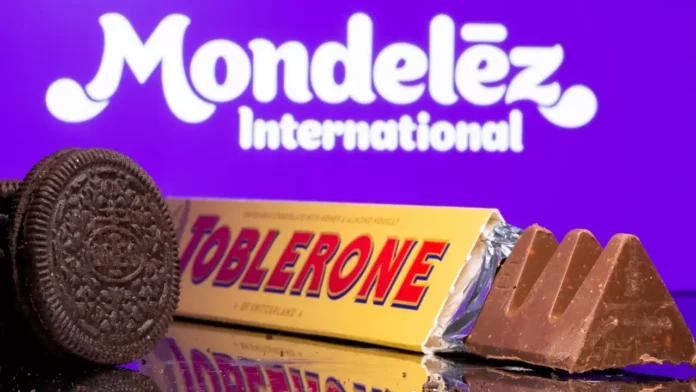
Following Russia’s invasion of the country in the first half of 2022, the snacks plant, located in northeastern Ukraine near the city of Trostyanets in the Sumy Oblast region, suffered significant damage.
Since the conflict began on February 24, Mondelez had shut down the site.
According to an unnamed source familiar with the company’s plans, Oreo cookies were exported to Ukraine during the site’s closure.
Product Portfolio of Mondelez in Ukraine
Apart from Trostyanets, Mondelez oversees a facility in the village of Stari Petrivtsi near the capital, Kyiv. Besides Oreos, the company’s branch in Ukraine manufactures Milka chocolate, Tuc and Belvita biscuits, Dirol gum, and Halls lollipops.
Mondelez stated in its announcement that products from Trostyanets would be available for sale in the Ukrainian market and exported to other countries.
The company informed Reuters that brands produced at Trostyanets would not be exported to Russia, where it maintains operations through three factories.
Its factories in Russia, located in Veliky Novgorod, Pokrov, and Sobinka, manufacture chewing gum, chocolate, and biscuits, respectively.
Since the onset of the war, the group has persisted in exporting certain products to Russia. Among these is its Milka chocolate, which has been sourced from Belgium.
Last year, in response to mounting criticism and boycotts from the Nordic market, Mondelez announced plans to scale down production in the country.
The organisation had previously stated that by the end of 2023, it hoped to establish its Russian operations as a “stand-alone” company with a “self-sufficient supply chain.”
Mondelez was listed on Ukraine’s ‘international sponsors of war’ roster, which, until recently, was publicly accessible online. Food industry giants like Nestle, Unilever, Mars, Bonduelle, and PepsiCo were also included to highlight the presence of major corporations maintaining operations in Russia post-invasion.
Following appeals from various countries regarding the absence of a regulatory framework for managing the list and concerns about its “negative impact” on bureaucratic decision-making aimed at countering Russian aggression in Ukraine, the list was removed from the public domain.
Pernod Ricard and ecoSpirits, a technology company specializing in circular economy solutions, have entered a five-year global licensing agreement. This partnership aims to distribute Pernod Ricard’s spirits brands to on-trade venues worldwide, utilizing ecoSpirits’ innovative circular packaging technology.
Building on a successful pilot conducted in Singapore in late 2022, this collaboration seeks to advance circularity within the spirits industry, in line with Pernod’s 2030 Sustainability and Responsibility roadmap. Originating from a pilot program in Singapore, the partnership commenced by integrating ecoSpirits’ technology with Pernod’s brands. This initial phase yielded essential operational and sustainability insights vital for expanding circular packaging solutions.
Impact on Sustainability and Responsibility Roadmap
With ecoSpirits, products reach hospitality venues in reusable 4.5-liter glass ecoTote containers, lessening waste and cutting carbon emissions from bottle production and transportation.
According to the agreement, Pernod’s renowned brands, including Beefeater London Dry gin, Havana Club rum, and Absolut vodka, will venture into fresh markets, with further brands from the company’s portfolio slated for inclusion in due course.
Maria Pia De Caro, EVP of integrated operations and sustainability at Pernod Ricard, expressed, “This advancement in our collaboration with ecoSpirits underscores our confidence in the transformative potential of this solution to elevate operational efficiency and diminish not only our environmental footprint but also the broader impact of our industry. We eagerly anticipate further collaboration to refine, expand, and advocate for ecoSpirits as the forefront of wine and spirits distribution.”
Paul Gabie, CEO of ecoSpirits, commented, “For nearly three years, Pernod Ricard and ecoSpirits have collaborated to actualize circularity within the spirits industry. This latest global agreement marks a significant milestone in our shared journey, leveraging our collective expertise to introduce circular packaging to additional Pernod Ricard markets globally. We are encouraged by Pernod Ricard’s dedication to Circular Making and eagerly anticipate deepening our collaboration with their brands and market teams.”
Waterscape Investments has secured a master franchise agreement with The Coffee Bean & Tea Leaf (CBTL), bringing the renowned American café chain to the Maldives with its first store set to open soon.
From the third quarter of 2024, CBTL plans to introduce a chain of cafes throughout the Maldivian archipelago.
Hussain Hilmy, CEO of Waterscape Investments, expressed, “Our dedication to quality and fostering a welcoming ambiance aligns perfectly with The Coffee Bean & Tea Leaf’s ethos.”
“We are sure that the brand’s innovative coffee and tea choices and rich history, along with our in-depth knowledge of Maldivian hospitality, will forge a successful collaboration.
“We’re thrilled to bring this iconic brand to our dynamic communities and play a part in The Coffee Bean & Tea Leaf’s worldwide growth.”
CBTL’s Global Presence and Expansion Strategy
Renowned for its handcrafted coffee, tea, and espresso-based beverages, CBTL boasts 1,100 outlets across 20 global markets.
The brand has garnered significant global interest, with numerous new locations in the pipeline across the US, South America, the Middle East, and Asia.
Yousif Abdulghani, Chief Development Officer, expressed, “As The Coffee Bean & Tea Leaf embarks on its global expansion journey, we’re thrilled to venture into the Maldives in collaboration with Waterscape Investments.”
“We look forward to becoming a well-known brand in the Maldives and believe this expansion is a step forward in our growth plan, enabling us to share our love for tea and coffee with even more people globally.”
CBTL unveiled its latest outlet in Santa Monica, California, in February 2024.
Situated within the Medical Center of Santa Monica, this new venue is the outcome of a collaboration with a franchisee overseeing four other CBTL cafes across the Los Angeles area.
The Santa Monica café features the brand’s fresh design and provides abundant indoor seating options for customers.
Ulta Beauty has surpassed market expectations for its first-quarter profit, buoyed by consistent demand for skincare and makeup, as well as easing input costs.
The company’s shares, which have experienced a 22% decline year-to-date, surged by 8.4% in after-hours trading.
Despite tight discretionary budgets, demand for beauty and personal care products has remained robust in the United States.
Excluding exceptional items, the beauty retailer achieved earnings of $6.47 per share, surpassing the anticipated $6.24 per share.
Strategies to Retain Customer Base and Expand Offerings
To cater to consumers seeking more affordable makeup and skincare options, Ulta Beauty has implemented tailored promotions to retain its customer base. Additionally, it introduced its luxury line featuring prestigious brands like Chanel and Dior last year, aiming to stimulate demand and bolster profit margins.
The company has also benefited from reduced input expenses and stabilized product pricing, contributing to margin expansion.
According to LSEG data, the company’s quarterly net sales increased by 3.5% to $2.73 billion, slightly surpassing analysts’ expectations of $2.72 billion.
Placer.ai data reveals that Ulta’s increase in foot traffic outpaced that of the broader beauty and wellness segment from February to April. This suggests a robust demand for accessible luxuries amid a volatile macroeconomic landscape.
Revised Projections Amid Economic Uncertainty
Amid elevated rental and interest rates, the company has revised down its annual profit and revenue projections. This has sparked concerns about potential pressure on discretionary spending throughout the year.
The company has revised its annual adjusted earnings per share outlook to fall within the range of $25.20 to $26.00, down from its previous estimate of $26.20 to $27.00.
Ulta predicts annual net sales to range between $11.5 billion and $11.6 billion, adjusting from its earlier forecast of $11.7 billion to $11.8 billion.
The quarterly gross profit, as a percentage of net sales, declined to 39.2%, down from 40% reported last year.
Modenik Lifestyle, an essential wear company, has appointed L.V. Vaidyanathan, the former Managing Director of P&G India, as its new Executive Chairman.
Vaidyanathan will assume the role from Sunil Sethi, who will retire from the company on July 31. Even after retiring, Sethi will continue his involvement as a member of the Board of Directors.
“My time at Modenik Lifestyle has been incredibly fulfilling. As I transition to new endeavors in strategic and advisory roles, as well as entrepreneurial projects that benefit the community, I am confident in handing over to L.V. Vaidyanathan. His vast expertise and vision will drive Modenik to new achievements. I eagerly welcome him and anticipate the company’s continued growth and success under his leadership. Additionally, I am proud to have seen Shekhar Tewari’s progress towards becoming the Chief Executive Officer,” said Sethi.
Earlier this year, Modenik elevated Shekhar Tewari to the positions of CEO and Executive Director of the company.
Based in Bengaluru, Modenik was established following the merger of Dixcy Textiles and Gokaldas Intimatewear, the parent company of the renowned brand Enamor. In addition to Dixcy & Enamor, the brand has an exclusive licence with Levi’s for the production and sale of undergarments in India.
Mitchell USA, a renowned player in the skincare industry, has launched an innovative skincare routine crafted specifically for women with busy lifestyles. Understanding the hurdles faced by working women in upholding their skincare amidst jam-packed schedules, Mitchell USA presents uncomplicated yet powerful solutions that effortlessly fit into everyday life. Whether it’s speedy cleansers for hectic mornings or indulgent masks for evening relaxation, Mitchell USA guarantees that women can prioritize self-care without sacrificing time or efficacy.
Mitchell USA introduces three signature sub-brands, each catering to diverse skincare needs with the efficacy of specially sourced natural ingredients.
Age-Less:
Crafted for women desiring youthful, revitalized skin, this collection comprises serums, creams, and eye treatments enriched with potent antioxidants, peptides, and the patented Lotus Seed extract formulation. Renowned for diminishing wrinkles and fine lines while rejuvenating skin tone, these products are priced at an average of INR 1000. Age-Less guarantees vibrant, youthful skin, whether you’re gearing up for a crucial meeting or unwinding after a long day.
Tailored to address pigmentation and dark spots, this line features moisturizing creams and spot correctors that bestow a luminous glow. Infused with Imperial Peony Flower Extract sourced from Mt JiriSan, South Korea, these products start at an average range of INR 800. They work to diminish pigmentation while imparting a radiant luminosity, allowing your skin to radiate the light and confidence within you.
Clear Balance:
Ideal for addressing deeply toned, lackluster complexions and tanned skin, this collection comprises gentle cleansers, toners, and moisturizers enhanced with the finest grade of Saffron sourced from Iran. Renowned for its ability to neutralize free radicals and stimulate cell renewal, these products start at an average price of INR 1000, guaranteeing that your skin maintains firmness and radiance effortlessly.
Sunita Ramnathkar, the Founder of Mitchell USA, expressed, “We are delighted to unveil our newest range of skincare products, meticulously formulated to cater to the distinctive requirements of Indian skin. At Mitchell USA, our endeavor has consistently been to harmonize advanced scientific research with the inherent wisdom of nature to craft products that yield tangible outcomes. This fresh line epitomizes our dedication to innovation and top-notch quality, and we are eager to provide our customers with nothing short of the finest skincare solutions. We firmly believe that everyone deserves to exude confidence and beauty in their own skin, and we are steadfast in our commitment to transforming this belief into reality.”
Mitchell USA products can be conveniently purchased online through their website and prominent marketplaces, providing accessible options for women with busy schedules. Each product is meticulously designed to yield results without consuming valuable time, simplifying the integration of effective skincare into your daily regimen like never before.
With Mitchell USA’s specialized skincare solutions, every woman can confidently embrace her beauty, feeling empowered, radiant, and prepared to conquer the world.
The export price of basmati rice has dropped significantly below the govt’s established minimum export price of $950 per tonne, to a range of $800 to $850 per tonne. Despite these reduced prices, there’s a noticeable scarcity of international buyers.
Local prices have also experienced a decline, dropping from INR 75 per kg to INR 65 per kg due to limited export demand. Exporters noted that importing nations rushed to procure significant quantities of basmati rice from India amidst the uncertainty sparked by the government’s fluctuating Minimum Export Price (MEP). Last August, the MEP surged to $1200 per tonne, only to be reduced to $950 per tonne in October, according to two major exporters.
The Punjab Rice Exporters Association has penned a letter to the Agriculture and Processed Food Product Development Authority (APEDA), urging them to investigate the issue to prevent exporters from facing hardships due to the imposition of the Minimum Export Price (MEP). APEDA serves as the primary agency responsible for issuing registrations for basmati export contracts.
“Because the MEP for basmati rice is still up in the air, foreign purchasers have accumulated a sizable stockpile of the grain. Concerns over potential government restrictions on basmati rice exports prompted buyers to accumulate stocks. Additionally, the uncertainty surrounding MEP led them to make substantial purchases from Pakistan, a major basmati producer,” stated Vijay Setia, former president of the All India Rice Exporter Association and a prominent figure in the basmati export industry.
Global Market Dynamics:
Basmati rice is primarily exported from India as it’s not extensively consumed domestically. Typically, India yields approximately 6.5 million tonnes of basmati annually. Out of this, roughly 5 million tonnes are exported, about 0.5 million tonnes are consumed within the country, and the remainder is held over.
“The production of basmati rice surged in the Kharif season of 2024, reaching 8 million tonnes, a 23% increase over Kharif 2023. Export figures stand at approximately 5.25 million tonnes, while domestic consumption ranges between one to 1.25 million tonnes. The surplus has been carried forward into this year,” remarked Setia.
Gautam Miglani, the managing partner of LRNK, a basmati rice exporting firm based in Haryana and established for 50 years, expressed, “Basmati production is poised to improve in the Kharif season of 2025, given the expected normal monsoon. Farmers are actively purchasing seeds for sowing. However, if the government maintains the status quo on MEP, it could adversely impact the basmati trade, allowing our main competitor, Pakistan, to maintain an advantage in the global market. Already, domestic rice prices have declined by 10-15%, and further decreases may ensue.”
Coincidentally, following a three-year absence, La Niña is forecasted to make a robust return to the Indian coast around August-September, as per the IMD prediction. La Niña, known for cooler-than-average sea surface temperatures in the central and eastern equatorial Pacific Ocean, is renowned for triggering substantial rainfall across India.
Miglani noted that a favorable monsoon would yield an exceptional basmati harvest. “Prices are expected to decline due to the significant carry-over inventories and the extraordinary output of basmati rice. Both exporters and farmers will bear the brunt if the government persists with the fixed MEP of $950 per tonne. The prospects for price recovery in the crop will be adversely affected.”
Approximately 75% of India’s yearly precipitation occurs within the brief four-month span of the monsoon season.
We use cookies to ensure that we give you the best experience on our website. If you continue to use this site we will assume that you are happy with it.