Wednesday, January 14, 2026
Home Blog Page 448

Bata India introduces Nine West to Indian market with exclusive launch event

Bata
Bata

Bata India recently held an exclusive preview event in the capital to introduce the latest collection from the renowned footwear and accessories brand, Nine West, from New York. This event was a notable landmark as Bata India introduced Nine West to the Indian retail market. The event saw the presence of actor Chitrangada Singh and leading fashion influencers from Delhi, who presented the exciting new collection in all its glory.

Deepika Deepti, Bata India’s Marketing Head, expressed, “Our goal at Bata is to introduce the finest of global fashion to India, catering to our discerning clientele. Nine West, originating from New York City and renowned worldwide, stands as one of the most iconic brands globally. As it enters India through an exclusive partnership with Bata, we take pride in extending access to genuinely high-fashion and premium styles to all.”

Availability and Access:

The latest Nine West collection draws inspiration from empowered women who aspire, lead, and achieve. It showcases iconic silhouettes and sophisticated designs, ranging from chic metallic stilettos to trendy monogram bags. Each item is meticulously crafted to meet the needs of fashion-forward women. This fresh collection is currently exclusively offered at Bata.com and handpicked Bata stores throughout India.

Continue Exploring: Bata India’s Q4 net profit slips by 3% to INR 63.6 Cr; revenue records a 2.5% rise to INR 797.8 Cr

In November 2023, Bata India announced a licensing and manufacturing agreement with Authentic Brands Group (Authentic) for Nine West. This arrangement gives Bata India the exclusive right to produce, sell, & distribute Nine West footwear and other products in India, bolstering the company’s trendy footwear and accessory portfolio.

By launching Nine West in India, Bata India strives to provide its customers with premium fashion styles, elevating its standing in the retail industry and bridging the gap between global fashion and Indian consumers.

Advertisement

Tilaknagar Industries expands Mansion House Flandy range with new Green Apple flavored brandy

0
Mansion House Flandy Green Apple flavor

Tilaknagar Industries, a prominent manufacturer of Indian-Made Foreign Liquor (IMFL), has introduced a new addition to its Flandy line. The latest offering, Mansion House Flandy, is now available in a refreshing Green Apple variant, debuting in Telangana state.

Amit Dahanukar, chairman and managing director of Tilaknagar Industries, stated, “Our Mansion House Premium Flavored Brandy stands as a pioneering innovation within its category. Its widespread acceptance in various markets has resulted in a notable increase in its presence, measured as a percentage of Mansion House Brandy in pertinent states. The introduction of the new Green Apple flavor underscores Flandy’s remarkable performance since its debut in FY23 and aligns with our strategy to enrich our premium Brandy offerings and bolster our regional presence.”

Continue Exploring: Tilaknagar Industries set to launch Mansion House Chambers Brandy in key Southern markets

TI has received a highly positive response to its Flandy range in the state, contributing to the company’s rise to become the fourth-largest player in the Indian-Made Foreign Liquor (IMFL) market and the third-largest in the IMFL Prestige & Above (“P&A”) segment in Telangana during FY24.

Tilaknagar Industries, a major player in India’s premium Brandy manufacturing sector, previously introduced its Mansion House Flandy range, featuring Orange, Cherry, and Peach flavors. Telangana stands out as a key market for Indian-Made Foreign Liquor (IMFL), boasting one of the highest Prestige & Above (“P&A”) segment shares, accounting for over 50% of IMFL sales nationwide. In FY24, the Brandy P&A segment in the state witnessed an 18% growth, outpacing the nearly 8% growth in the overall IMFL P&A segment. Notably, Green Apple ranks as the top-selling flavor in the flavored spirits category in Telangana, presenting ample opportunities for brands to capture market share.

Ahmed Rahimtoola, Chief Marketing Officer at Tilaknagar Industries, expressed, “We are pioneers in the premium flavored Brandy category in India. Moreover, the increasing demand for flavored beverages and the prevailing cocktail culture trend provide Tilaknagar Industries with a competitive edge in various markets. The introduction of the new Green Apple variant of Mansion House Flandy represents another stride by TI to enhance consumer satisfaction and stimulate growth.”

Flavor Profile and Consumer Experience

The Mansion House Flandy collection boasts a distinctive fusion of natural fruit essences. The latest addition features the infusion of delightful sweet green apple essence, harmonizing beautifully with subtle oaky notes, promising consumers a truly enriching experience for the palate.

In the financial year that ended in March 2024, Tilaknagar Industries saw a 16% year-on-year growth in volumes, compared to the overall IMFL industry growth of 2-3% for the same period, making it the fastest-growing IMFL company in India for the second year in a row.

India distinguishes itself as one of the largest global markets for Brandy. Within the Indian-Made Foreign Liquor (IMFL) sector, Brandy holds the position as the second-largest product category, representing over 20% of the industry’s volume share. Additionally, the premium Brandy industry in India is poised to further increase its market presence within the broader Prestige and Above IMFL segment.

Continue Exploring: Tilaknagar Industries expands reach in beverage industry with 10% stake in Samsara Gin Maker

Advertisement

Mother Dairy raises milk prices by INR 2/Litre in Delhi-NCR

0
Mother Dairy
Mother Dairy

Mother Dairy has hiked milk prices by INR 2 per litre in the Delhi-NCR market, effective Monday, June 3, 2024. This price increase applies to all milk variants and will also affect other markets where Mother Dairy operates. The decision is driven by rising input costs over the past 15 months.

This price hike follows a similar announcement by Amul, which also raised its milk prices by INR 2 per litre starting Monday. These increases come right after the conclusion of the Lok Sabha election voting process.

Continue Exploring: Amul milk prices hiked by INR 2/Litre across all variants

Mother Dairy stated, “We are increasing our liquid milk prices by INR 2 per litre across all operating markets from June 3, 2024 onwards.” This decision is intended to offset the rising production costs that have been impacting the industry for over a year.

In the Delhi-NCR region, the updated milk prices are as follows: full cream milk at INR 68 per litre, toned milk at INR 56 per litre, and double-toned milk at INR 50 per litre. Buffalo milk is now priced at INR 72 per litre, cow milk at INR 58 per litre, and token milk (bulk vended milk) will be sold at INR 54 per litre.

Mother Dairy, which distributes 3.5 million litres of fresh milk daily in Delhi-NCR, last adjusted its prices in February 2023. The company explained that despite rising procurement costs, consumer prices had been kept stable. Furthermore, the unprecedented heat stress across the country is anticipated to further affect milk production.

“Despite rising milk procurement costs in recent months, consumer costs remained stable,” Mother Dairy stated. “Additionally, the unprecedented heat stress across the country is expected to further impact milk production.” The company allocates an average of 75-80% of its milk sales revenue towards procurement, ensuring the sustainability of dairy farming and the availability of quality milk.

Continue Exploring: Mother Dairy set to launch 30 new products this summer, anticipating a 25-30% surge in demand; announces INR 750 Crore investment for expansion

Amul, marketed by the Gujarat Cooperative Milk Marketing Federation (GCMMF), also implemented a INR 2 per litre increase in milk prices starting Monday, attributing it to heightened operational and production expenses. Prior to this adjustment, Amul had maintained the prices of fresh pouch milk in major markets since February 2023. GCMMF highlighted, “Our member unions have also raised farmers’ prices by approximately 6-8 percent over the past year.”

Amul’s price increase, resulting in a 3-4% rise in MRP, is below the average food inflation rate. “This price adjustment will assist in maintaining profitable milk prices for our dairy farmers and motivating them to increase milk production,” noted GCMMF.

Advertisement

Titan Company to exit belts and wallets market, focuses on fragrances and fashion accessories for growth

0
Titan Company
Titan Company

Titan Company Ltd, a significant player in lifestyle accessories, is set to phase out its presence in the belts and wallets category, which it entered over a decade ago, by next year.

The company, primarily known for its operations in the jewellery, watches, and eyewear sectors, has expanded its portfolio to include wearables, Indian attire, fragrances, and fashion accessories. This expansion includes the launch of brands such as Skinn, IRTH, Taneira, Bags by Fastrack, and Titan Belts and Watches.

Manish Gupta, CEO of the Fragrance and Fashion Accessories division at Titan Company Ltd, explained, “Titan Belts and Wallets are currently stocked in all major retailers such as Lifestyle and Shoppers Stop, where we hold a 40% market share. However, our primary aim is to showcase these products in our own stores like Titan World and Fastrack. Unfortunately, space limitations hinder this goal, and furthermore, this category is not our core focus. While it has been a successful venture over the past decade, considering the commercial viability and relevance for our Excel Branded Outlets (EBOs), we have decided to discontinue this category.”

As per company data, the perfume market in India is valued at approximately INR 2,500 crore, with Titan fragrances capturing a market share of 10 to 12 percent. Additionally, the segment contributes around INR 200 crore to the company’s revenue, serving a customer base of 2 million consumers.

Continue Exploring: Titan’s CaratLane jewellery line to make US debut in FY25

By the fiscal year 2027, the fragrances division of Titan aims to achieve a brand value of INR 500 crore, combining the sales of Skinn and Fastrack fragrances, and catering to approximately 5 million customers.

Gupta added, “Over the past two years, we’ve observed a notable surge in customers opting for premium products priced between 3k to 5k, as well as those embracing luxury items priced at 8k and above. This growth outpaces the rate seen among consumers purchasing entry-level products.”

Titan perfumes are sold in Titan World, Titan’s flagship watch store with around 670 locations across 300 cities. Additionally, they are distributed through more than 200 Fastrack standalone stores and are available in 11 prominent retail chains throughout India.

According to the company, approximately a quarter of the fragrance business is generated through e-commerce platforms. Titan fragrances are currently offered on six platforms besides its own brand website. Additionally, the company is in the process of partnering with three more platforms, expected to be operational within a month.

The company provides a Skinn discovery kit, which includes tester vials of five fragrances, priced at INR 395. These tester kits can be purchased online through platforms such as Nykaa, Myntra, Amazon, Smytten, and Flipkart.

Continue Exploring: Titan’s Q4 net profit soars 7% YoY, reaches INR 786 Crore

Gupta explained, “We emphasize testing and trial at all our locations, incurring considerable expenses for it. However, we believe that once customers experience Skinn, the likelihood of conversion increases significantly. Currently, our customer acquisition costs stand at approximately INR 150.”

In the company’s bags category, IRTH was introduced in 2022, while Bags by Fastrack have been available in the market for over a decade.

Titan aims to reach a revenue target of INR 1,000 crore for IRTH and Fastrack bags by the fiscal year 2027. Over the past two years, the company has sold approximately 100,000 IRTH bags and intends to inaugurate five flagship stores by November 2024.

During the brand’s launch in 2022, the company announced plans to establish exclusive outlets and flagship stores for IRTH in three metro cities by March 2023. However, these plans have been postponed.

Gupta explained, “Launching flagship stores has been delayed by six months. Since November 2023, we’ve been striving to secure suitable locations. It’s been challenging to find adequately sized stores in well-positioned malls. However, we’re actively working on it. Nonetheless, we’re committed to having five flagship stores operational by Diwali.”

Continue Exploring: Titan Company reports strong double-digit revenue growth of 17% YoY in Q4 2024, driven by jewellery and emerging businesses

Advertisement

Delhi’s thirst for beer soars as temperatures hit unprecedented levels, supply struggles to keep pace

0
Beer
Beer

This year, Delhi’s temperatures have soared to unprecedented levels, yet the beloved summer beverage of tipplers, beer, has struggled to meet the soaring demand.

Numerous well-known brands of this alcoholic beverage are noticeably absent from the shelves, and several liquor stores lack the capacity to offer chilled beer. Industry estimates indicate that while other states, where beer sales thrive, have experienced growth, sales in the national capital have slightly declined for the second consecutive year.

Comparative Sales: Delhi vs. Other States

Estimates indicate that up until April 30 this year, Delhi sold 224 lakh liters of beer, distributed across approximately 660 liquor stores and over 950 hotels, bars, and restaurants. This figure marks a decrease compared to the corresponding period in 2023, which saw sales of 228 lakh liters, and a significant drop from the 369 lakh liters sold in 2022. The surge in sales during 2022 can be attributed to the implementation of a new excise policy, accompanied by promotional schemes and discounts across retail outlets on various alcoholic beverages.

Between January and April of this year, Karnataka and Maharashtra recorded sales of 1,418 and 1,049 lakh liters of beer, respectively, compared to 1,237 and 1,016 lakh liters in 2023. Despite Delhi’s smaller size, population, and network of liquor shops and bars in comparison to Maharashtra and Karnataka, the figures highlight the growth of the alcoholic beverage in other states.

Continue Exploring: Beer sales hit all-time high in Karnataka as heatwave sweeps the state

During the peak summer season, beer constitutes more than one-third of the total volume of liquor sold in stores. Industry insiders suggest that the potential for sales is even greater, given Delhi’s prolonged periods of intense heat and high humidity, spanning nearly six months of the year. However, due to the limited availability of popular brands, residents in areas close to Haryana and Uttar Pradesh often opt to cross state borders to purchase their preferred beverages. An industry expert noted, “This is why the sale of beer and other spirits in neighboring towns experiences an annual growth of 15-20%, while it declines in Delhi.”

Vinod Giri, the incoming Director-General of the Brewers Association of India, concurred that despite the surging demand for beer during the scorching Delhi summer, the supply was lagging behind, leading to a decline in sales compared to 2023 levels. He noted that a widely favored beer brand, typically a top seller, was conspicuously absent from the market. This absence posed challenges for other suppliers attempting to compensate for the shortfall caused by the absence of supplies from that particular company.

Continue Exploring: India’s top beer companies unite to launch Brewers Association of India

“Moreover, the maximum retail price permitted for companies in Delhi is exceedingly low, resulting in negative margins for most brands,” disclosed Giri. “With demand flourishing across the country, there is little incentive to allocate additional supplies to Delhi.”

“The number of retail shops is unreasonably low, and chiller penetration remains below 50%, significantly impacting beer sales,” he remarked. “To reverse this trend, the number of beer outlets must nearly double, and companies should be granted realistic and improved pricing. Otherwise, we’ll see the same scenario play out year after year during the summer season.”

During the peak summer, state governments where breweries are situated often urge companies to prioritize increasing local supply instead of diverting stock to other states and cities.

A senior official from the Delhi excise department acknowledged that the availability of a popular brand was indeed a concern this time. Conversely, another official asserted that there was no shortage of beer in the city, highlighting the introduction of several new brands across stores that customers were exploring.

As the temperature soared in May, liquor companies anticipate enhanced sales and improved returns. “We’re also observing a rising trend as consumers opt for beer cans for in-home consumption, appreciating their convenience and portability,” remarked a spokesperson from AB InBev India, a prominent player in the beer industry.

Consumer Trends and Preferences

According to another industry insider, breweries are optimistic about increased sales and improved returns as customers gradually transition to premium brands, resulting in a surge in demand for higher-quality beers.

“The increasing prevalence of social gatherings is fueling the popularity of draught beer. We’re experiencing a significant surge in demand and are actively working to enhance supply,” he stated.

Continue Exploring: The Beer Cafe unveils fifth location in Noida at Binge Central

Advertisement

How Renewable Energy is Transforming Hotels Across India

SAMHI hotel
(Representative Image)

The Indian hotel industry is transforming as it increasingly adopts renewable energy sources. This movement towards sustainability is not only reducing operational costs but also appealing to the growing segment of eco-conscious travelers. However, this transition is fraught with challenges that hotels must navigate to fully realize the benefits of renewable energy.

Types of Renewable Energy Sources Adopted by Indian Hotels

Indian hotels are incorporating various types of renewable energy to power their operations. The most common sources include solar power, wind energy, biomass, and hydropower. Solar panels are widely used to generate electricity and heat water, especially in regions with high solar insolation like Rajasthan and Gujarat, where significant investments in solar infrastructure have been made. Coastal and high-altitude hotels are utilizing wind turbines to harness wind energy, with notable progress through government and private joint ventures in states like Maharashtra. Additionally, hotels in rural or semi-urban areas are turning to biomass for energy production, utilizing agricultural residues and organic waste. Small-scale hydropower projects are also being adopted in regions with abundant water resources.

Widespread Use and Economic Impacts

The adoption of renewable energy in Indian hotels is becoming increasingly widespread. According to the Ministry of New and Renewable Energy (MNRE), over 20% of the hospitality sector has integrated some form of renewable energy into their operations. This shift has several economic impacts, including significant cost savings, as renewable energy sources like solar energy reduce electricity bills after the initial investment. Hotels are experiencing lower maintenance costs and greater energy security, reducing reliance on grid electricity and fossil fuels. Financial incentives from the government, such as subsidies and tax breaks, further reduce the economic burden of transitioning to renewable energy.

Continue Exploring: Hotel giants bet big on India: Radisson, Marriott, Hilton, IHG, and Wyndham compete in intense race for expansion

Enhancing Sustainability Credentials

Hotels are leveraging renewable energy to bolster their sustainability credentials, which is crucial for attracting eco-conscious travelers who prioritize environmental responsibility. Initiatives include achieving certifications like LEED (Leadership in Energy and Environmental Design) and GRIHA (Green Rating for Integrated Habitat Assessment) by showcasing renewable energy usage. Marketing strategies promote renewable energy initiatives through various onsite and in-room touchpoints, using effective branding techniques. Hotels strive to achieve Carbon Positive Certification for events and MICE (Meetings, Incentives, Conferences, Exhibitions) by engaging with organizers and partnering with trade and industry publications to consistently communicate sustainability efforts and initiatives. Guest engagement is also essential, with hotels educating guests about their renewable energy efforts through tours, informational materials, and interactive displays.

Challenges and Overcoming Obstacles

Despite the benefits, Indian hotels face several challenges in transitioning to renewable energy. The upfront investment for renewable energy infrastructure can be substantial, so hotels are exploring financing options like green loans and power purchase agreements (PPAs) to mitigate costs. Integrating renewable energy systems with existing hotel infrastructure can be complex, prompting hotels to partner with technology providers to ensure smooth integration. Navigating government regulations and obtaining necessary permits can be time-consuming, but hotels are working closely with regulatory bodies to streamline these processes.

Continue Exploring: From sparkling wines to spa treatments: Indian hotels roll out deluxe offers for business travelers

Influencing Industry Trends and Government Policies

The adoption of renewable energy by Indian hotels is influencing broader industry trends and government policies. The hospitality sector’s commitment to sustainability is setting a benchmark for other industries, prompting the government to introduce more supportive policies. These policies include increased subsidies, enhanced financial support for renewable energy projects, simplified procedures for installing renewable energy systems, and public-private partnerships to promote renewable energy adoption.

Energy Generation and Dependency Reduction

Quantifying the impact of renewable energy adoption on energy generation and dependency on traditional sources is crucial. For reference, the total electrical energy demand at ITC Maratha is met through renewable energy sources. On average, around 75% of the total electricity generated comes from renewable energy, and we continually strive to maximize this utilization. This percentage is increasing annually as hotels expand their renewable energy capacities. As a 5-star luxury hotel, ITC Maratha exemplifies the innovative use of renewable energy in the Indian hotel industry. The hotel owns an in-house biogas plant that generates biogas from food waste produced by the hotel. This biogas is flammable and has an energy content close to piped natural gas. ITC Maratha uses this biogas to its full capacity, particularly in the laundry dry tumbler, which otherwise relied on burning piped natural gas. This initiative highlights how renewable energy can be effectively integrated into hotel operations, reducing reliance on conventional energy sources and enhancing sustainability.

Conclusion

The transformation of the Indian hotel industry through renewable energy adoption is a testament to the sector’s commitment to sustainability. While challenges remain, the economic benefits, enhanced sustainability credentials, and positive influence on industry trends and policies make renewable energy an attractive proposition for Indian hotels. As the industry continues to innovate and invest in renewable energy, it sets a powerful example of how sustainability can be integrated into business operations, benefiting both the environment and the bottom line.

Continue Exploring: Hotel industry on hiring spree, set to create about 100,000 jobs in next 12-18 months

Advertisement

Zomato urges customers to avoid ordering during peak afternoon hours amid intense heatwave

0
Zomato
Zomato

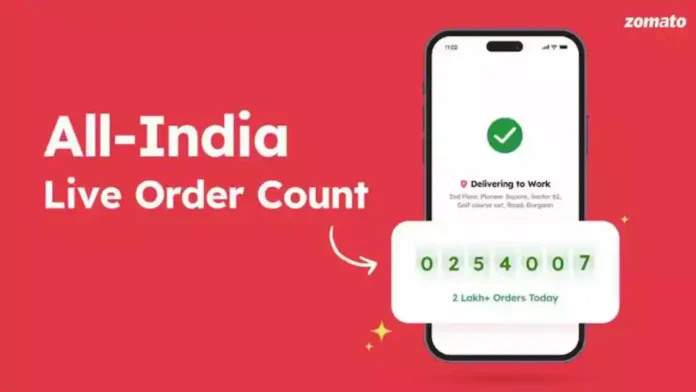
As the country swelters under an intense heatwave, Zomato, the online food delivery platform, appealed to customers on Sunday to avoid ordering during peak afternoon hours unless absolutely necessary.

“Please refrain from ordering during peak afternoon unless absolutely necessary,” Zomato posted on X.

The scorching heat has caused some states to experience higher temperatures than in previous years, resulting in issues such as heatstroke. Reports of heatstroke-related deaths have emerged from Bihar, Rajasthan, Jharkhand, and Delhi.

Continue Exploring: Zomato continues experimenting new initiatives, rolls out new feature to help users make healthier food choices

On Sunday, Prime Minister Narendra Modi convened a meeting to assess the ongoing heatwave conditions in the country and to review preparations for the impending monsoon season.

The Prime Minister was informed that according to forecasts from the IMD, the heatwave is expected to persist in certain areas of Rajasthan, Gujarat, and Madhya Pradesh.

PM Modi has directed that regular drills for preventing and managing fire incidents must be conducted effectively.

Meanwhile, Deepinder Goyal, co-founder and CEO of Zomato, has introduced India’s first crowd-supported weather infrastructure, delivering localized, up-to-the-minute data on vital weather metrics including temperature, humidity, wind speed, rainfall, and beyond.

Continue Exploring: Zomato expands beyond food, launches free weather monitoring service with 650 stations 

Dubbed weatherunion.com, it comprises an exclusive network of more than 650 on-the-ground weather stations. Presently accessible in 45 cities, the company has expressed intentions to rapidly extend coverage to additional urban centers.

The company has also granted open access to this network, via an Application Programming Interface (API), to all institutions and companies across the country, free of charge.

Advertisement

Trent sets sights on global retail expansion following success in India

0
Trent
Trent (Representative Image)

Building on its success in the domestic retail market, Noel Tata-led Trent is now eyeing ventures beyond Indian borders. Sources reveal that the company is poised to establish its retail formats internationally, starting with a flagship store in Dubai. This strategic expansion coincides with the remarkable milestone of Zudio, one of Trent’s flagship brands, surpassing the INR 7,000-crore revenue mark in India.

Earlier, Trent postponed its global aspirations to strengthen its domestic operations. Now, armed with a robust and profitable business model, the traditionally conservative retailer is aiming to target the sizable Indian diaspora abroad, potentially becoming the pioneer in this endeavor, according to sources. While it may entertain the idea of an international partnership, nothing is confirmed yet. CEO P Venkatesalu stated that the company remains in the exploration phase regarding its future plans. “It’s too soon to discuss specifics at this phase,” he emphasised.

Industry observers note that Trent has successfully developed a sustainable and profitable business model, bolstering its confidence to expand its operations internationally.

Trent’s consolidated revenue has experienced a five-year compound annual growth rate of 45%, reaffirming its growth strategy centered around agile on-ground execution. Despite a slowdown in the apparel sector, Trent distinguishes itself as an anomaly, consistently delivering positive surprises in both revenue and profit margins.

In FY24, the company recorded yet another year of remarkable growth, witnessing a surge in net sales by 50% to INR 12,375 crore, and a nearly fourfold increase in net profit to INR 1,477 crore. This strong performance stemmed from a blend of robust like-for-like growth, aggressive expansion of Zudio stores, and notable traction in burgeoning categories like beauty and personal care, innerwear, and footwear.

Continue Exploring: Trent’s Q4 net profit soars to INR 712.09 Crore, fueled by strategic expansion efforts

Operational Expansion and Store Growth:

During the March 2024 quarter, the fashion apparel brand Westside unit expanded its presence by adding 12 new stores, bringing the total store count to 232. Additionally, the value fashion concept Zudio inaugurated 86 new stores, elevating its total count to 545.

Over the past year, Trent’s shares surged by 192%, and over the span of two years, they witnessed a remarkable increase of 305%. In contrast, the Sensex experienced gains of only 10% and 18% during the corresponding periods.

During these periods, Trent outperformed all other Tata Group stocks, emerging as the top performer.

As the sole retailer adopting an unconventional ‘own brands’ strategy, Trent expedited the expansion of its flagship formats – Westside, Zudio, and Star Bazaar.

Venkatesalu explained, “Westside and Zudio are akin to two siblings engaged in the fashion arena. While they differ in products, designs, fabrics, and more, they remain pertinent across various price ranges. Furthermore, the insights gleaned from Westside have contributed to the robust model of Zudio, and the integrated backend operations of both brands are facilitating synergistic growth for both businesses.”

Trent’s brands are exclusively available on Tata platforms (Tata Neu and TataCliq), with no presence on other e-commerce websites. Presently, the Zudio format accounts for up to 30% of total revenue, a significant increase from its previous share of only 8% a few years ago.

The retailer is implementing a similar strategy within the Star Bazaar business in the food and grocery sector, experiencing robust customer engagement.

Consistently achieving strong financial outcomes, Trent has demonstrated compound annual growth rates (CAGR) of 31% in revenue and 26% in profit over the last five years. Its management views Trent as a platform capable of initiating, nurturing, and expanding a portfolio of growth engines.

Continue Exploring: Tata Group’s Trent continues expansion with multibrand store launch in Hyderabad

Advertisement

Glenwalk Whisky targets INR 200 Cr turnover, Maharashtra to get ‘small’ surprise

Jitin Merani, Co-Founder of The Glenwalk and director at Cartel Bros

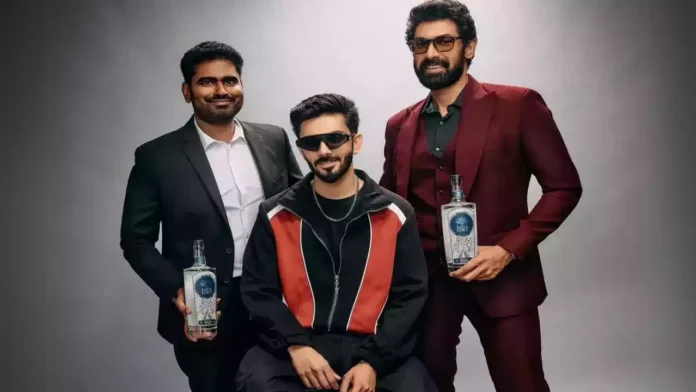
Cartel Bros, the maker of Glenwalk Whisky, is setting ambitious targets for the financial year with a projected turnover of INR 200 crore. SnackFax caught up with Jitin Merani, co-founder of Cartel Bros, to discuss the brand’s growth, new product launches, and expansion strategies.

Glenwalk Whisky, launched in June 2023, has already made significant strides in the market. “We initially launched Glenwalk in Mumbai, Thane, and Pune with 120,000 bottles, expecting it to last ten months. However, it sold out in just three months,” Jitin explained. “We restocked in March and sold 90,000 bottles in the first month alone.”

Jitin emphasized the importance of strategic market entry and the impact of celebrity endorsements. “Having Sanjay Dutt as a brand ambassador boosted our media coverage and organic reach. In just eight days, we were featured in 19 publications,” he stated.

The brand has ambitious sales targets for the current quarter. Jitin anticipates selling around 25,000 cases in the next three months. “We lost April due to restocking, but we aim to make up for it with strong sales in May and June,” he said. Currently India is going through election phase, the process and election-related delays have posed challenges for the alcohol maker.

However, reflecting on their growth trajectory, Jitin highlighted substantial progress. “This year, we aim to sell 120,000 cases, approximately 1.4 to 1.5 million bottles,” he stated.

Continue Exploring: Cartel Bros targets INR 240 Cr revenue in FY25, eyes nationwide expansion for The Glenwalk Whisky brand

Also the company is expanding rapidly, targeting key states with high Scotch consumption. “We are now present in 32 districts of Maharashtra and will soon be available in Delhi, Haryana, Chandigarh, Uttar Pradesh, and Goa,” Jitin detailed.

Diversification into New Products: Vodka and Tequila

On the other hand, Cartel Bros is not resting on its laurels. The company is preparing to launch a new vodka by the end of this year and has plans for a tequila brand. “We began our journey with tequila in mind, but due to slow processes in Mexico, we switched to whisky. Now, we’re ready to bring our tequila brand to market soon,” Jitin shared.

Cartel Bros is also diversifying its product offerings. “Along with our whisky, we’ll be launching a new vodka soon. This addition will further boost our revenue,” Jitin shared. With these aggressive expansion plans and new product launches, Cartel Bros aims to achieve a turnover of INR 200 crore this financial year.

Understanding market dynamics, Cartel Bros is also working on to introduce small version of bottles. “In Maharashtra, the Permit Room culture is significant. People prefer smaller bottles they can handle themselves. We’re developing a smaller SKU, expected to add 80,000 cases to our sales in Maharashtra alone,” Jitin noted. He added, “Our study shows that 45% of the market demand is for 180 ml bottles, with larger bottles accounting for about 40%. And our upcoming vodka launch will significantly boost our revenue,” Jitin stated.

Seeing the traction in the market, Merani recounts the evolution of the Indian alcohol market, “Consumer behavior has evolved dramatically since the Covid-19 pandemic,” Jitin noted. “The ancillary industry around alcohol is showing phenomenal growth, signalling long-term trends.”

He highlighted the shift in consumer preferences from traditional whisky, beer, and vodka towards gin and tequila. “From 2010 to 2022, India was primarily a whisky, beer, and vodka market. The gin revolution came in 2015-2016, with 18 new Indian-made gins launched in the last seven years. Now, the trend is shifting towards tequila, which we identified as early as 2019,” he said.

Looking ahead, Cartel Bros is focused on maintaining its growth trajectory. “We’re moving consumers from Indian whisky to premium Scotch, positioning Glenwalk as an entry-level Scotch priced competitively at INR 1,600,” Jitin explained. “Our strategy includes customizing products for the Indian palate and leveraging celebrity partnerships to enhance brand visibility.”

Cartel Bros is poised for remarkable growth, driven by strategic product launches, market expansion, and a keen understanding of evolving consumer preferences. As Jitin aptly summarized, “We are proudly an Indian-owned company, offering premium products and redefining the alcohol market landscape.”

Continue Exploring: Sanjay Dutt’s Glenwalk Whiskey disrupts Indian market, sells out 4X initial inventory in record time, aims to sell 28 lakh bottles by next FY

Advertisement

Retailers scale back deep discounts as sales growth slows, prioritizing profitability

D2C Retail
(Representative Image)

The discounts that have been luring shoppers to indulge in clothing, electronics, and footwear may see a notable decrease, as retailers like Aditya Birla Fashion and Retail (ABFRL), Arvind, and V-Mart have decided against offering steep discounts in an effort to boost profits.

Madura Fashion, the company behind renowned brands like Louis Philippe, Van Heusen, Allen Solly, and Peter England, reported a significant reduction in discounts during the latter part of the previous fiscal year, particularly in the fourth quarter, aiming to fuel profitable growth by 500 basis points.

“We also realized that our inventory was well-managed, and we didn’t observe significant elasticity in discounting,” Vishak Kumar, CEO at Madura Fashion, informed investors. “We maintained tight control over this aspect, which also contributed to our cost reduction efforts.” Throughout FY24, the retail sales growth rate consistently declined year-on-year across segments such as apparels, footwear, and quick service restaurants (QSR), reflecting subdued consumer sentiment. The slower growth trend of 4-7% observed in FY24 persisted into the current year, with April registering a mere 4% increase, as reported by the Retailers Association of India (RAI) after surveying the country’s top 100 retailers.

Continue Exploring: Retail sales growth slows down as India’s revenge shopping fades

Over the past eighteen months, retailers have attempted to address declining demand by consistently offering discounts. However, these price reductions have not yielded significant benefits.

V-Mart, a department store chain catering to smaller towns, has redirected its attention towards enhancing internal capabilities that are scalable, replicable, and sustainable. “We’re prioritizing strategies that don’t artificially inflate growth, such as excessive discounts or customer incentives,” stated Lalit Agarwal, chairman of V-Mart, during an analyst briefing. “We’re focused on maintaining our gross profits and not compromise on them.”

Post-Pandemic Surge in Demand and Growth

With the relaxation of Covid restrictions, pent-up demand surged, resulting in a sales boom across athleisure wear, apparel, and lifestyle products. As offices reopened and social activities resumed, consumers embarked on wardrobe upgrades, leading to consistent monthly growth of 13-24% throughout FY23.

Shailesh Chaturvedi, managing director at Arvind Fashions, noted a significant shift among retailers towards a direct-to-consumer model for online sales post-pandemic. This approach allows retailers to have greater control over merchandise, assortment, and pricing compared to relying on ecommerce marketplaces.

“We set the prices ourselves, avoiding heavy discounting, ensuring a healthier and more sustainable business model,” he remarked during an earnings call.

Last month, Bajaj Electricals’ chief executive, Anuj Poddar, informed analysts that discounting in the electronic product categories the company operates in has reached levels as high as 5-6% in the market. He mentioned that some of these discounts are being scaled back due to their negative impact on margins, and the company has recently implemented price increases. “We are willing to take the risk of price hikes, aiming to mitigate any adverse volume impact, although it’s not feasible to roll back the entire 6% discount at this moment,” Poddar stated.

Continue Exploring: 90% of Indian retail market to stay offline despite digital surge, says Accel’s Prashanth Prakash

Advertisement