Shein Returns to India with Reliance Retail Partnership, Under Strict Data Rules
Chinese fast-fashion giant Shein is set to make a comeback in India through a new partnership with Reliance Retail, following its ban in 2020.
Shein Partners with Reliance to Re-enter Indian Market
Under the agreement, Shein will provide technology services, while Reliance Retail will oversee the operations, ensuring that all customer data remains within India under stringent security protocols. This collaboration is aimed at boosting local manufacturing and creating new jobs.
Shein’s re-entry into India is subject to meeting strict data localisation requirements. Commerce Minister Piyush Goyal confirmed that the company must comply with these conditions to regain access to the Indian market.
This Re-entry Comes With a Strict Set of Rules
This includes transferring control of local operations and data to Reliance Retail, with the assurance that all data will be stored and processed within India.
In a recent statement in Parliament, Minister Goyal elaborated on the details of the partnership. He explained that Reliance Retail Ventures Ltd (RRVL) has entered into an agreement with Shein’s parent company, Roadget Business Pte Ltd, based in Singapore. As part of the deal, Shein will operate only as a technology provider, while Reliance Retail will maintain full ownership of the platform and control over all data collected from Indian customers.
Seekho has secured new funding, following earlier reports that it was aiming to raise between $8 million and $10 million at a $45 million valuation, with investors targeting a 20% stake in the company.
Seekho’s Detailed Plans to Use this Fund
The funds will be used to enhance Seekho’s offerings and expand its user base. Founded in 2020 by Rohit Choudhary, Keertay Agarwal, and Yash Banwani, Seekho is dedicated to helping individuals build new skills and knowledge through accessible learning resources.
The platform provides a range of short video courses across various topics, including parenting, stock market investing, Instagram marketing, finance, and personal development, among others.
Packaging with a Purpose: How FMCG is Driving Sustainability Forward
The Indian packaging industry is experiencing a significant transformation, driven by the need for sustainable and responsible practices. The industry, particularly in the food sector, is shifting towards eco-friendly packaging solutions to meet the growing consumer demand for sustainable products.
Indian packaging industry
Consumer awareness of the environmental impact of packaging has grown significantly in recent years, prompting businesses to prioritize safe and sustainable packaging. A survey by the Indian Institute of Packaging reveals that 75% of Indian consumers consider packaging sustainability when making purchases, and 60% are willing to pay a premium for sustainable packaging.
Reportedly, the Indian packaging market was valued at INR 6,399 billion in FY 2023, growing at a CAGR of 2.8% from INR 5,581 billion in FY 2018. The market is estimated to reach INR 6,656 billion in FY 2024, growing at a rate of 4.0% in the last financial year. Within the packaging industry, packaged processed food holds the largest share of 48%, followed by personal care packaging (27%) and pharma packaging (6%).
Meanwhile, the Indian food and beverage packaging industry is projected to reach US$ 86 billion in 2029, with an annual growth of 14.8%, according to Invest India. The industry includes items like containers, cups, tableware, straws, bags, wraps, and boxes designed to safeguard or store food.
FMCG’s take on sustainable packaging
Several FMCG companies have adopted eco-friendly packaging practices. Hindustan Unilever Limited (HUL) has pledged to make 100% of its packaging reusable, recyclable, or compostable by 2025. Similarly, Nestlé India has launched sustainable packaging initiatives to reduce packaging waste and increase recycling.
“Sustainability is at the heart of everything we do at Skippi, and we are deeply committed to eco-friendly practices across our product lifecycle. Every step is carefully designed to reduce our environmental impact, from the materials we use for packaging to the processes we adopt,” said Ravi Kabra, Co-founder of Skippi.
Startups are also driving innovation in sustainable packaging. Delhi-based Ecoware, Pappco Greenware, Evirocore, and Trishula focus on providing eco-friendly solutions for the food industry. Notably, Noptala offers seaweed-based packaging for beverages, Replan creates packaging from upcycled waste, and Celluforce develops cellulose-based materials for food and beverage packaging.
The use of bioplastics, plant-based materials, compostable options, and edible packaging is gaining traction. Companies are further exploring post-consumer recycled materials, renewable energy sources, and sustainable supply chains to lower environmental impact.
Consumer trends
Consumer trends indicate a growing preference for sustainable packaging. Nearly 40% of all plastic produced globally is used for food and beverage packaging. Yet 91% of it remains unrecycled, contributing significantly to greenhouse gas emissions.
The Food Institute’s research states that for 43% of consumers, sustainability is extremely important. According to the EIT Food Trust Report 2021, 78% of customers believe that plastic-free packaging is better for the environment. According to Trivium Packaging’s 2022 Global Buying Green Report, which included 15,000 consumers worldwide, 86% of customers under 45 are willing to spend more for sustainable packaging.
Major companies are also innovating in this space. PepsiCo introduced 100% compostable packaging for its SunChips brand, while Coca-Cola launched a sustainable packaging initiative called “World Without Waste.”
As consumer awareness grows, companies prioritizing sustainability are poised to gain a competitive edge. With the FMCG sector accounting for a significant share of the packaging market, the question remains: will consumer preference for sustainable packaging transform the sector, and how will it be received?
From 30 to 10 Minutes: The Q-Commerce Disruption in Quick Service Restaurants
The rise of quick commerce (Q-commerce) in India has significantly impacted the Quick Service Restaurant (QSR) sector, prompting a major shift in consumer behavior, delivery expectations, and operational models. As consumers increasingly demand faster and more convenient delivery options for food and groceries, QSR brands are under pressure to adapt swiftly to these changes. Delivery times have decreased from 30 minutes to as little as 10 to 15 minutes, leading to a dramatic transformation in the competitive landscape for QSRs. This evolution is not merely about keeping pace with the demands of the modern consumer; it also involves leveraging technology, rethinking customer engagement, and innovating delivery models.
The Growth of Quick Commerce in India
India’s quick commerce industry has experienced explosive growth in recent years. According to a report by Chryseum, the sector’s Gross Merchandise Value (GMV) surged from $500 million in FY 2021-22 to $3.34 billion in FY 2023-24, marking an impressive 73% annual growth rate. With this rapid expansion, the Q-commerce sector is projected to reach a GMV of $9.95 billion by 2029, reflecting a compound annual growth rate (CAGR) of over 4.5%. This boom is largely attributed to the increasing consumer preference for faster deliveries, particularly for essential items such as groceries, medicines, and food.
Several startups and established players have emerged as leaders in the Q-commerce sector. Notable names driving the growth of Q-commerce in India include Zepto, Blinkit, Swiggy Instamart, Dunzo, and BigBasket, each utilizing innovative business models to provide customers with lightning-fast delivery times.
1. Zepto
Founded in 2021, Zepto has rapidly emerged as a key player in the Indian quick commerce industry, particularly within the grocery and essentials segment. With delivery times of just 8 to 10 minutes, Zepto has distinguished itself by leveraging a network of over 100 micro-warehouses, allowing it to manage 2,500 orders daily across cities such as Mumbai, Delhi, Bangalore, and Chennai. The company’s pricing model, which includes nominal platform fees and increased charges during peak hours, enables it to maintain profitability while scaling efficiently.
2. Blinkit
Previously known as Grofers, Blinkit is widely recognized as one of the pioneers of quick commerce in India. With a 46% market share, Blinkit boasts the largest footprint in the sector, operating in 14 cities and managing over 250 micro-warehouses. Through partnerships with 14,000 delivery agents, Blinkit can fulfill orders within 10 to 20 minutes, solidifying its position as a market leader in the fast-paced delivery industry.
3. Swiggy Instamart
Launched in 2020, Swiggy Instamart leverages Swiggy’s extensive food delivery infrastructure to provide groceries within 45 minutes. With a market share of 27%, the platform has become one of the most prominent players in the Q-commerce sector. By partnering with dark stores and adopting eco-friendly delivery methods, such as e-bikes, Swiggy Instamart has significantly reduced delivery times and enhanced its operational efficiency.
4. Dunzo
Dunzo, known for its AI-driven logistics, delivers groceries, medicines, and other essentials within 35 to 40 minutes. The platform strategically utilizes AI to optimize delivery routes and manage demand more efficiently. Furthermore, Dunzo has increased its revenue through advertising partnerships with direct-to-consumer (D2C) brands that promote their products on the platform.
5. BigBasket
A household name in online grocery delivery, BigBasket has also ventured into the quick commerce space with its service, BB Now. Operating in over 40 cities, BigBasket integrates its existing infrastructure with dark stores and partnerships with local Kiranas to facilitate rapid grocery delivery. This diversification has allowed BigBasket to compete effectively in the ultra-fast delivery market while preserving its reputation for quality.
The Impact on Quick Service Restaurants (QSRs)
As Q-commerce continues to gain momentum, the Quick Service Restaurant (QSR) industry is undergoing a significant transformation. Traditionally, QSRs have prided themselves on offering fast, convenient meals with an emphasis on speed. However, they are now being outpaced by the growing demand for ultra-fast delivery times. While a 30-minute delivery window was once considered a competitive advantage for QSR chains, the rise of Q-commerce platforms offering quick delivery has disrupted this expectation. Consequently, QSRs must reevaluate their entire operational and delivery models to remain competitive in an ever-evolving business landscape.
1. Heightened Competition
The increasing popularity of Q-commerce platforms means that QSRs are no longer competing with other fast food chains; they are contending with platforms that specialize in ultra-fast grocery and essential deliveries. Alok Chawla, co-founder of Kiko Live, notes that QSRs are compelled to adapt to these new dynamics. ‘The rise of Quick Commerce is altering the landscape of the QSR industry. At Kiko Live, we’re piloting with smaller food stalls, enabling them to fulfill orders in 10 to 15 minutes, catering to the demand for fast, convenient snacks,’ says Chawla.
This increased competition has led QSR chains to explore innovative methods for engaging customers and improving service efficiency. For instance, Zepto is not only delivering groceries but has also launched Zepto Café, a service offering snacks and fast food to customers within 10 minutes.
2. Operational Pressure on Delivery Times
For QSRs, the emphasis on delivery times of 30 minutes or less—now regarded as the industry standard—is driving significant changes in kitchen operations and delivery systems. As consumer expectations shift toward even faster deliveries, QSRs are investing heavily in advanced technologies to optimize both food preparation and delivery. AI-powered ovens, robotic cooking systems, and order optimization software are common tech aiding QSR businesses in accelerating food preparation without compromising quality.
3. Evolving Consumer Expectations
Today’s consumers demand not only speed but also convenience, personalization, and a seamless experience. Nidhi Singh, co-founder of Samosa Singh, explains, ‘Quick commerce is altering the landscape of the QSR industry. At Samosa Singh, we streamline our delivery times and ensure that our samosas are fresh and of high quality. We utilize technology to adapt and stay ahead of customer demands. Further to strengthen our connection with customers, we keep offering exclusive deals via our app and personalized promotions.’
As more consumers turn to Q-commerce platforms for convenience, QSRs must meet these heightened expectations by offering more personalized experiences, optimizing their apps and websites for easier navigation, and ensuring that food quality is maintained during delivery.
4. Leveraging Technology for Speed and Efficiency
To stay ahead of the competition, QSRs are increasingly adopting AI, machine learning, and robotics to enhance their delivery models and streamline kitchen operations. For instance, 99 Pancakes, a popular QSR, has invested in technology to ensure that its pancakes are delivered fresh and fluffy. Vikesh Shah, the founder of 99 Pancakes, states, ‘Fast delivery is only half the battle—ensuring that the pancakes arrive just as fresh and fluffy as when they left our kitchen is our top priority. Our packaging is designed to maintain the quality of our food during transit.’
Moreover, QSRs are implementing real-time inventory management systems to optimize delivery schedules and monitor supply chains more effectively. Kiko Live and other smaller brands are integrating with Q-commerce platforms to manage demand and offer rapid delivery.
The Strategic Response: Loyalty Programs, Micro-Fulfillment, and Localized Engagement
With changing market dynamics, QSRs are also adopting new strategies to boost customer loyalty and improve operational efficiency.
1. Loyalty Programs and Direct Consumer Engagement
Loyalty programs are key to QSR strategies for customer retention. Brands like 99 Pancakes use apps to offer personalized promotions, discounts, and rewards to keep customers engaged and encourage repeat orders. ‘We want to reward our regular customers for their loyalty,’ says Shah.
2. Micro-Fulfillment Centers and Ghost Kitchens
To speed up delivery times and cut costs, QSRs are setting up micro-fulfillment centers or ghost kitchens in high-demand areas. These small kitchens focus on fulfilling online orders quickly and efficiently. Brands like KFC, Chipotle, and McDonald’s have integrated this model to ensure faster deliveries.
3. Localized Marketing and Community Engagement
Hyper-local marketing helps QSRs connect with specific customer demographics. Social media and influencer collaborations build brand awareness, while personalized app promotions, like those by Samosa Singh, strengthen customer relationships through immediate feedback and tailored deals.
The Road Ahead
While the growth of Q-commerce presents significant opportunities for QSRs to innovate, it also poses numerous challenges. The cost of technology investments, delivery platform fees, and the pressure to maintain food quality while meeting rapid delivery demands are some of the key hurdles QSRs must overcome.
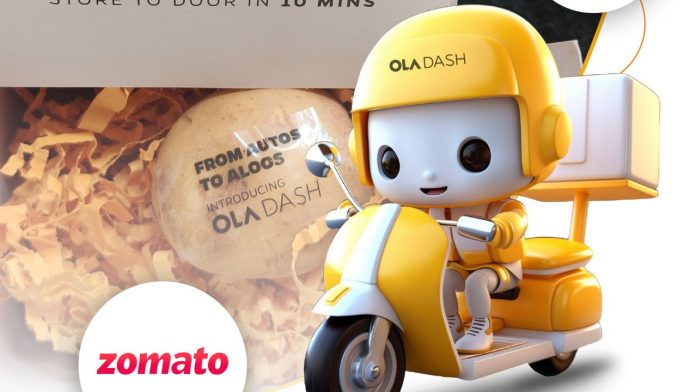
Ola Dash Enters the 10-Minute Food Delivery Race, Competing with Zomato and Swiggy
The food delivery scene is heating up with a fresh entrant in the fiercely competitive market: Ola.
Ola Dash is its newest service, starting operations in Bangalore. It’s offering discounts and waiver of delivery charges.
Ola Dash Has Onboarded Leading Brands
Ola Dash has onboarded established food service chains like Eatfit, Freshmenu, BowlSoul, and GreenCraving, and seems set to take on market incumbents Zomato and Swiggy. Ola, under its Ola Dash brand, initially launched a quick commerce service but later shut it down to refocus on its core mobility business.
Meanwhile, competition in India’s fast food delivery market is intensifying. This month alone, Magicpin has introduced MagicNow, and Zomato has rolled out Bistro, joining established players like Swiggy with its Bolt service and Zepto Cafe. New startups are also joining the fray, including Swish, which has secured funding from Accel Partners.
Recently Launched Zepto Cafe is Scaling Up Fast
Zepto Cafe, which quickly became a prominent player in the rapid delivery space, is now operational in 15% of Zepto’s 600 dark stores. The platform handles more than 30,000 orders daily and is on track to reach an annualized revenue of ₹160 crore.
Sources suggest that Zepto Cafe has ambitious plans to expand to over 600 stores and hit a revenue target of ₹1,000 crore by next year. The company is also gearing up to launch 100 new cafes in the near future.
Hilton Launches Landmark Property in Gurugram, Strengthening Its Presence in NCR
Hilton has launched its first flagship hotel in the Delhi National Capital Region (NCR) with the opening of Hilton Gurugram Baani City Centre.
The Grand Hotel Boasts Flagship Level Amenities
This new property, developed in collaboration with the Baani Group, marks the second partnership between the two, following the success of the DoubleTree by Hilton Gurugram Baani Square. The timing of the opening is strategic, as it aligns with Gurugram’s rapid growth in both the commercial and residential sectors.
With a population of 1.5 million, modern infrastructure, and its rise as a key business hub, Gurugram has become a prime destination for both business and leisure travelers, as well as a growing center for MICE (Meetings, Incentives, Conferences, and Exhibitions) events. The opening of Hilton Gurugram Baani City Centre reflects Hilton’s commitment to expanding its footprint in one of India’s most dynamic urban markets.
Top Executive Opines on this Project
The senior vice president of Hilton South Asia, Zubin Saxena said: “The accelerated infrastructure development in Gurugram over the past decade has established the region as a prime hub for corporate enterprises and real estate developers, making it an ideal choice for Hilton’s strategic expansion in North India. The launch of Hilton Gurugram Baani City Centre represents a significant milestone in our growth story within the NCR region.
He continued: “This opening reaffirms our commitment to India’s vibrant hospitality sector, especially in major metropolitan areas. I extend my gratitude to our partners at Baani Group for their continuing trust in us. The swift progression from signing to today’s opening demonstrates our strong partnership and shared vision for excellence.”
Cashify, the re-commerce platform for used electronics, posted a modest 14.4% increase in revenue year-on-year, surpassing INR 900 crore for the fiscal year ending March 2024.
Cashify Successfully Reduces its Losses
At the same time, the company, backed by NewQuest Capital, significantly reduced its losses by 63%. According to its annual financial report, Cashify’s revenue from operations grew to INR 935 crore, up from INR 817 crore in FY23, as per data filed with the Registrar of Companies (RoC).
The platform, which primarily deals in the buying and selling of used phones and laptops, also collaborates with leading OEMs like Xiaomi, OnePlus, and Samsung for trade-in programs. Additionally, Cashify partners with major e-commerce platforms such as Amazon and Flipkart to streamline the trade of refurbished devices.
Cashify’s Sophisticated Revenue Model
In FY24, the sale of pre-owned electronics, including mobile phones, speakers, laptops, tablets, gaming consoles, and smartwatches, accounted for 91.5% of Cashify’s total operating revenue. This segment saw a 12.3% increase, reaching INR 856 crore. The remaining revenue was generated through commissions and mobile repair services.
The Gurugram-based company also earned INR 19.8 crore from non-operational services, bringing its total income to INR 955 crore for FY24, up from INR 832 crore in the previous fiscal year.
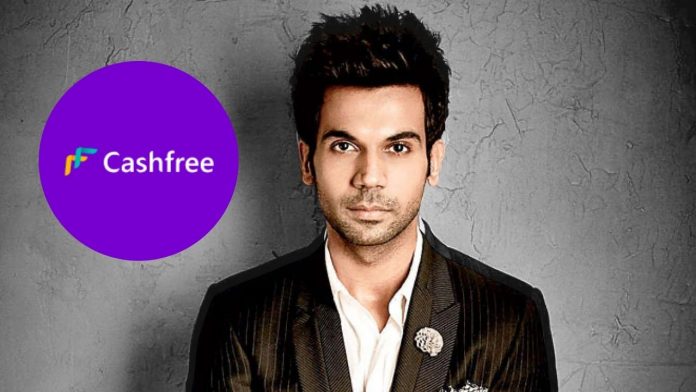
Cashfree Payments Signs Rajkummar Rao as Brand Ambassador for New Campaign
Cashfree Payments, an Indian payments and API banking platform, has appointed Bollywood actor Rajkummar Rao as its brand ambassador.
This announcement comes alongside the launch of their new campaign, “Move Fast,” which focuses on promoting the platform’s fast and dependable payment solutions.
Rajkummar Rao Joins as Brand Ambassador
The campaign was introduced through a digital film that highlights Cashfree Payments as a trusted partner for businesses seeking quick onboarding, seamless transactions, and strong support.
By bringing Rajkummar Rao on board, the fintech company aims to reflect its bold and dynamic approach, with the digital film capturing the brand’s vision for a sharper, more innovative future.
The CEO Gives his Take on this Deal
Cofounder & CEO Akash Sinha made a statement on this big step by the company, he wrote: “We are excited to welcome the talented Rajkummar Rao as the brand ambassador. Our refreshed brand centres around one core idea: ‘Move Fast’. With us, businesses can adapt and grow confidently, knowing we support their evolving needs. ‘Move Fast’ isn’t just about the present; it’s about partnering with businesses for the future and empowering them to stay ahead of the curve.
Talking about their partnership with Rao as their brand ambassador, he said: “With Rajkummar Rao onboard, this campaign reinforces our commitment to providing businesses with the speed, flexibility, agility and support they need to grow and thrive in an ever-evolving digital world.”
STRCH Taps Bollywood Star Vaani Kapoor to Represent Premium Activewear Brand
STRCH an Indian premium activewear brand has roped in popular Bollywood actress and fitness influencer Vaani Kapoor as brand ambassador.
Bollywood Actress Vaani Kapoor Becomes STRCH’s Brand Ambassador
STRCH aims to revolutionizing activewear by prioritizing comfort, practicality, and fashion, designed specifically for today’s health-conscious consumer. Vaani Kapoor, renowned for her grace and commitment to fitness, perfectly embodies the brand’s ethos.
Her active lifestyle and natural sense of style align perfectly with STRCH’s mission to inspire individuals to live confident, healthy lives, the company stated in a press release.
Founder of STRCH Opines on this Partnership
Commenting on this partnership, the founder of the company gave the following statement: “Vaani Kapoor’s partnership with STRCH as the brand ambassador speaks volumes about our shared belief in an active lifestyle with premium, high-quality activewear that is functionally modern in design. Vaani, as the fitness and fashion icon in India, makes the perfect celebrity to help us revolutionize the activewear segment in India.”
Speaking on her new association with the fast growing brand, Kapoor said: “I am excited to partner with STRCH, a brand that truly understands the needs of today’s fitness and fashion enthusiasts. I prioritize both comfort and style in my activewear, and STRCH’s innovative designs and premium fabric blend align perfectly with my style. I hope this collaboration empowers like-minded individuals to stay active and feel confident. I look forward to joining STRCH on this journey to revolutionize the active lifestyle.”
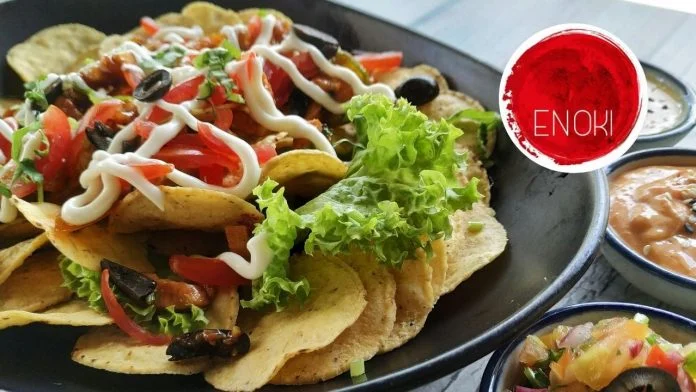
Enoki’s New Mexican Brand “Taquitos” Brings Authentic Flavours to Gurugram
Enoki Hospitality has come up with a fascinating new food service brand named “Taquitos – Mexican Taqueria”.
The same was announced by the founder & CEO of Enoki Hospitality on social media via a post.
CEO of Enoki Hospitality Announces a New Brand
Porus Arora, CEO & founder of Enoki Hospitality wrote: “Delighted to introduce Taquitos – Mexican Taqueria, a gourmet Mexican delivery by Enoki Hospitality Pvt Ltd.” The said brand would start its operations in the city of Gurugram. The service aims to offer authentic Mexican food, complete with the exciting and exotic flavours of the cuisine.
The statement continued: “At Taquitos, we bring the vibrant spirit of Authentic Mexican street food culture to Gurgaon, offering an authentic culinary experience that celebrates bold flavors and fresh ingredients. From tender Birria Tacos to Jumbo Burritos and hearty Bowls, every dish is crafted to take your taste buds on a flavorful journey.”
Enoki’s New Initiative Takes on a Competitive Market
Mexican food is quite popular & is an increasingly growing market in India. This new offering by Enoki promises to spice up the Mexican food scene with established veterans like Taco Bell already in the market.
Arora concluded his statement by announcing that the service would start its operations in Gurugram: “Now delivering across Gurgaon—experience the magic of Mexico from the comfort of your home.”
We use cookies to ensure that we give you the best experience on our website. If you continue to use this site we will assume that you are happy with it.