Monday, December 22, 2025
Home Blog Page 152

“Indian Startups Dominate Funding Landscape: $250 Million Raised in Just One Week, Infra.Market Leads with $125 Million Series Funding. 

0
Image of indian startups
Indian Startups Dominate Funding Landscape: $250 Million Raised in Just One Week, Infra.Market Leads with $125 Million Series Funding. 


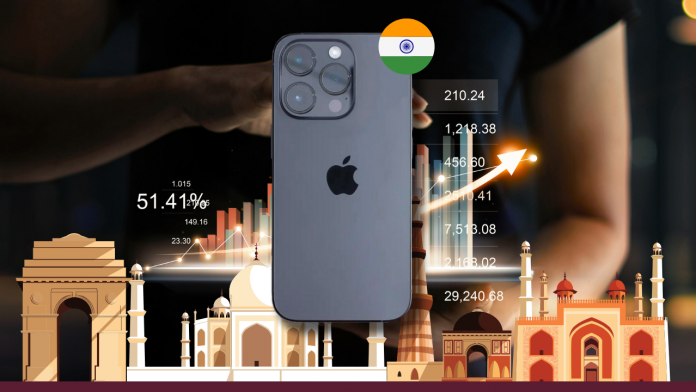
In a remarkable surge of investor confidence, 30 Indian startups collectively raised a staggering $250 million in funding during the week ending January 25, 2025, according to a report by Entrackr. The week witnessed a diverse range of growth-stage deals, with several startups securing substantial investments to fuel their expansion plans and technological innovations.

Among the most notable deals, building material platform Infra.Market raised a massive $125 million in a Series F round, marking a key milestone in its mission to disrupt India’s construction industry. The platform, which is transforming the way construction materials are sourced and delivered, has seen strong demand across sectors, making it one of the top-funded companies this week.

Agritech startup Arya.ag also attracted significant attention, securing $30 million in debt funding from HSBC. The platform, which empowers farmers with access to better storage and financial services, has seen rapid growth, positioning itself as a leader in the agritech sector. This funding will help Arya.ag expand its reach and build out more infrastructure for rural communities.

Industrial robotics company Ati Motors raised $20 million in a Series B round led by Walden Catalyst Ventures and NGP Capital. Ati Motors, which is revolutionizing the manufacturing process with autonomous mobile robots, has been making waves in the robotics industry, and this new funding will help accelerate product development and market penetration.

Several other startups also made headlines with their successful funding rounds. B2B e-commerce platform Aris Infra Solutions and SaaS company VuNet Systems secured crucial investments, further boosting their operational capabilities. Both startups are focused on solving significant challenges within their respective sectors and are poised for rapid scaling.

In addition to the growth-stage deals, 24 early-stage startups raised a total of $57.66 million during the same week. D2C skincare brand Deconstruct was among the leaders in early-stage funding, followed by beer brand Medusa, which is looking to disrupt the alcohol market with its unique products. Other standout early-stage startups included home service marketplace Snabbit, real estate document search platform Landeed, agritech startup KisanKonnect, and deeptech company CapGrid, which is working on next-generation technology solutions.

Fintech startup Spare8 also raised undisclosed funding, highlighting the growing investor interest in India’s fintech ecosystem. The platform, which offers tailored financial services, is rapidly gaining traction and is expected to use the new funds to scale its offerings.

City-wise data from the report shows that Bengaluru continues to be the epicenter of startup funding, with eight startups from the city securing investments. Delhi-NCR followed closely with seven, while Mumbai had five startups raising funds. Ahmedabad and Bhubaneswar each had two startups making successful funding rounds.

With investor confidence reaching new heights, this week’s funding rounds showcase the vibrant and fast-evolving startup ecosystem in India. The continued inflow of capital is a testament to the innovation and entrepreneurial spirit driving the nation’s economic growth.

Advertisement

Advent Nears Acquisition of Orra for Rs 1,750 Crore, Eyes Major Stake in Iconic Jewelry Brand

0
Image of orra
Advent Nears Acquisition of Orra for Rs 1,750 Crore, Eyes Major Stake in Iconic Jewelry Brand

In a high-stakes move signaling consolidation in the jewelry industry, US private equity giant Advent International is reportedly set to acquire a significant 51-75% stake in Orra, the luxury jewelry retailer owned by Rosy Blue Group. The deal, estimated to be worth around Rs 1,750 crore, is expected to be announced soon, according to sources familiar with the matter.

Strategic Investment to Drive Growth

Orra, known for its exquisite diamond and gold jewelry collections, has been actively seeking partners to support its expansion plans. The investment from Advent International is expected to infuse fresh capital into the brand, enabling it to scale operations both in India and international markets.

“Orra has been looking for a strategic partner to accelerate its growth amid a rapidly evolving jewelry market disrupted by new-age brands and lab-grown diamonds,” a source stated.

Advent’s Foray into the Jewelry Market

This acquisition marks Advent International’s strategic entry into the Indian jewelry segment, a market known for its steady growth and evolving consumer preferences. The firm’s focus on acquiring a controlling stake aligns with its broader investment strategy of backing high-potential consumer brands.

“India’s jewelry sector is ripe for disruption, and Advent’s expertise in scaling consumer-focused businesses could provide Orra with the edge it needs to stay ahead of competitors,” an industry expert commented.

Navigating Disruption: Lab-Grown Diamonds and Digital Brands

The jewelry market has undergone significant transformation in recent years, with lab-grown diamonds and digital-first brands reshaping the landscape. Traditional players like Orra are under pressure to adapt to changing consumer demands for sustainable, modern designs.

Sources indicate that Orra plans to use Advent’s capital to enhance its product portfolio, invest in cutting-edge technology, and strengthen its online and offline presence.

Growth Plans on the Horizon

The infusion of funds is also expected to fuel Orra’s ambitions of expanding its footprint in key international markets. With rising global demand for Indian jewelry, the brand aims to capitalize on its reputation for high-quality craftsmanship.

“Orra’s growth strategy is rooted in blending tradition with innovation. This partnership will help us push boundaries while staying true to our legacy,” an insider noted.

Market Outlook

The deal is a testament to the lucrative potential of India’s luxury jewelry market, which is projected to grow at a compound annual growth rate (CAGR) of over 10% in the coming years. With Advent’s backing, Orra is well-positioned to not only navigate industry challenges but also emerge as a global leader.

While official statements from both parties are awaited, the acquisition is poised to be a game-changer for Orra and the Indian jewelry sector. The collaboration could set a precedent for further investments in the industry, signaling strong investor confidence in the growth of this timeless market.

Advertisement

“Tanglin Venture Partners Gears Up to Raise $250 Million for Third Fund, Set to Supercharge Asia’s Next Big Startups!”

0
Image of tanglin venture
"Tanglin Venture Partners Gears Up to Raise $250 Million for Third Fund, Set to Supercharge Asia’s Next Big Startups!"

Tanglin Venture Partners, a leading venture capital firm, is setting its sights on a significant milestone as it embarks on a mission to raise $250 million for its third fund. This latest endeavor signals the firm’s continued commitment to fueling high-growth startups in Asia, particularly in sectors poised for disruption.

Having established a solid reputation in the region with its first two funds, Tanglin is now targeting a fresh wave of innovation, seeking to back early-stage companies that are set to reshape industries and economies. The firm’s focus spans across sectors like fintech, healthtech, artificial intelligence, and consumer goods, aiming to discover the next generation of market leaders.

A primary objective of the third fund is to take an even more hands-on approach with its portfolio companies, providing not only capital but also strategic guidance and operational expertise. Tanglin’s seasoned team, which boasts an impressive track record of successful exits and scaling high-potential startups, intends to use this experience to further enhance the growth trajectory of its investments.

Investors in the third fund are expected to benefit from Tanglin’s robust network of industry experts, entrepreneurs, and partners who bring a wealth of knowledge and connections. This ecosystem allows startups to scale faster and navigate challenges more effectively, giving them a competitive edge in an increasingly crowded market.

The firm’s strategic approach has already led to numerous success stories, with its previous funds backing innovative companies that have gone on to achieve significant growth. Tanglin’s portfolio includes firms that have garnered attention both locally and globally, demonstrating the firm’s ability to spot promising ventures and support them in their journey to success.

As venture capital activity in Asia continues to surge, Tanglin Venture Partners is well-positioned to capitalize on emerging opportunities. By focusing on markets that are witnessing rapid digitization and evolving consumer behavior, the firm is poised to be at the forefront of innovation in the region. Investors are already showing keen interest in the third fund, and the firm expects to close the fundraising soon, marking yet another exciting chapter in its growth story.

Tanglin’s third fund aims to provide high-growth companies with the capital and resources they need to scale, while offering investors a chance to tap into one of the world’s most dynamic and fast-growing startup ecosystems. As the firm prepares to deploy its new fund, the venture capital landscape in Asia is watching closely, anticipating the next wave of breakthrough innovations.

Advertisement

“India’s Zomato-Swiggy Moment for Lending”: Nikhil Kamath Hails ULI’s Revolutionary Potential

0
Image of nikhil kamath
India’s Zomato-Swiggy Moment for Lending": Nikhil Kamath Hails ULI’s Revolutionary Potential

In a recent LinkedIn post, Zerodha’s co-founder, Nikhil Kamath, drew attention to the Unified Lending Interface (ULI), calling it a transformative step that could redefine India’s financial ecosystem. Kamath compared ULI to the lending equivalent of Zomato and Swiggy, emphasizing its potential to democratize credit access and foster entrepreneurial growth.

ULI: A Game-Changer for India’s Lending Landscape

Kamath praised ULI for its ability to simplify and streamline lending processes, predicting it would bring about an even greater revolution than the Unified Payments Interface (UPI). “Access to credit for everyone is critical to India’s growth aspirations,” he wrote, adding that ULI promotes transparency by enabling users to compare loan offers, much like food delivery apps allow for restaurant and price comparisons.

The ULI platform addresses deep-rooted issues in India’s lending ecosystem, including high-interest informal loans, regional disparities, and socio-cultural barriers that hinder credit access. By introducing features like alternative credit scoring, real-time approvals, and personalized loan products, ULI paves the way for a more mature and equitable lending system.

Lending: A Necessary Risk

Kamath acknowledged India’s traditionally conservative mindset toward borrowing, which has often discouraged individuals from taking loans. While he cautioned against reckless borrowing, he stressed that risk is a fundamental aspect of growth. “The more I think about it, all rewards in life are a factor of risk. Debt-taking ability is also a risk,” Kamath noted. He argued that with evolving societal dynamics, India needs to adopt a more progressive approach to lending, encouraging calculated risks to drive personal and economic growth.

ULI Features That Set It Apart

Kamath highlighted key features of ULI that could revolutionize the lending space:

  1. Alternative Credit Scoring: ULI leverages non-traditional data sources such as GST records, bank transactions, and utility bills to evaluate creditworthiness, bypassing the need for conventional credit scores.
  2. Real-Time Approvals: The platform ensures instant loan approvals for purposes ranging from medical emergencies to seasonal business needs.
  3. Micro Loans: ULI facilitates micro-loans as small as ₹10,000, making credit accessible to a broader demographic.
  4. Customized Loan Products: Using AI and data analytics, ULI tailors loans to individual needs, moving away from the one-size-fits-all approach.

A Vision for Growth

Kamath’s analogy of ULI as the “Zomato-Swiggy for lending” underscores its role in fostering transparency and competition in the credit market. By simplifying the borrowing process, ULI empowers individuals and businesses to make informed financial decisions, potentially unleashing a new wave of entrepreneurship in India.

With ULI, Kamath envisions a future where credit is no longer a privilege but a right accessible to all, driving India closer to its growth aspirations.

Advertisement

‘Isse Achha Thela Laga Lo!’: Anupam Mittal’s Brutal Swipe at Startup Pitcher Sparks Frenzy

0
Image of anupam mittal
‘Isse Achha Thela Laga Lo!’: Anupam Mittal’s Brutal Swipe at Startup Pitcher Sparks Frenzy

Season 4 of Shark Tank India is proving to be as fiery as ever, with gripping pitches and unfiltered reactions from the Sharks. One such moment that left viewers buzzing was Anupam Mittal’s sharp critique of a pitch by Vijay Nihalchandani, a business and finance influencer who presented his venture, Make My Payment.

Nihalchandani sought ₹30 lakh in exchange for 3% equity, valuing his company at ₹10 crore. However, his financials told a different story, with a meager monthly revenue of just ₹30,000. The glaring mismatch between ambition and execution sparked a barrage of questions from the Sharks.

Mittal, the founder of Shaadi.com, didn’t hold back his frustration. Questioning the viability of the business model, he delivered a harsh yet meme-worthy reality check: “Isse achha thela laga lo” (You’d be better off running a roadside stall). His comment resonated across social media, splitting opinions between those praising his blunt honesty and others calling it unnecessarily harsh.

Nihalchandani tried defending his startup, emphasizing its long-term growth potential. However, with numbers failing to justify the valuation, none of the Sharks bit. Aman Gupta, co-founder of boAt, echoed Mittal’s skepticism, pointing out that lofty valuations without solid revenue streams have been a persistent issue in the startup ecosystem.

While Mittal’s critique may have been cutting, it underscores the importance of realistic valuations and a scalable business model. The moment also serves as a reminder of the brutal scrutiny startups face in the real world.

As expected, the clip went viral, with fans of the show debating whether the harshness was warranted. Some argued that such honesty is necessary to drive founders toward improvement, while others felt Mittal’s delivery could have been more constructive.

One thing’s for sure: moments like these are what make Shark Tank India a must-watch, blending drama, lessons in entrepreneurship, and a dose of entertainment.

Advertisement

‘Bengaluru Crumbling, Ahmedabad Miles Ahead’: Startup CEO’s Fiery Post Sets Internet Ablaze

0
Image of bangalore
Bengaluru Crumbling, Ahmedabad Miles Ahead’: Startup CEO’s Fiery Post Sets Internet Ablaze

A storm is brewing on social media after Siddharth Dialani, CEO of agri-tech startup BharatAgri, shared his unfiltered take on the urban infrastructure of two of India’s most prominent cities. In a LinkedIn post, Dialani slammed Bengaluru, often called the “Silicon Valley of India,” as being in “shambles,” while showering Ahmedabad with praise for being “at least 10 years ahead.”

The CEO cited Ahmedabad’s superior road quality, traffic management, and overall urban planning as factors that make it a model for other cities. His post, which came with a tone of disappointment over Bengaluru’s crumbling infrastructure, touched a nerve, igniting a fiery debate online.

“Ahmedabad’s roads are smoother, the traffic is better regulated, and the urban layout is far more functional,” Dialani wrote, contrasting it with Bengaluru, a city plagued by potholes, waterlogging, and perennial traffic jams. He questioned whether Bengaluru’s growth as India’s startup hub has come at the cost of its livability.

Divided Reactions from Netizens

The post has polarized opinions across social media. Supporters of Dialani’s observations, many of whom are entrepreneurs and professionals living in Bengaluru, echoed his concerns, describing the city as a “logistical nightmare” and urging authorities to take swift action.

“Dialani is absolutely right. Bengaluru’s infrastructure is a ticking time bomb. How can we expect innovation to thrive when employees spend hours in traffic every day?” commented one user.

On the other hand, some critics accused the CEO of being overly harsh and reductive in his comparison. They argued that Bengaluru’s rapid urbanization, fueled by its status as a global IT and startup hub, poses unique challenges that Ahmedabad has yet to face.

“Comparing Bengaluru to Ahmedabad is like comparing apples to oranges. Bengaluru’s population and economic dynamics are on an entirely different scale,” wrote another user.

The Broader Implication

Dialani’s post highlights an ongoing dilemma for India’s tech and startup capital. Despite its thriving business ecosystem, Bengaluru has struggled with infrastructure woes for years. From poor road conditions and unplanned urban sprawl to the infamous traffic chaos, the city has faced mounting criticism from residents and experts alike.

Meanwhile, Ahmedabad’s proactive urban planning, robust civic management, and the influence of Gujarat’s industrial growth have put the city on a different trajectory, making it a standout example of urban development.

While the debate continues online, the key takeaway from Dialani’s post is the urgent need for Bengaluru to address its infrastructure crisis. As India’s startup ecosystem grows, the livability and functionality of its leading cities will play a critical role in sustaining this momentum.

For now, the question remains: Will Bengaluru rise to the challenge, or will cities like Ahmedabad become the new magnets for entrepreneurs and investors? Only time will tell.

Advertisement

Medusa Beverages: Fueled by Funding, Poised for Future Success

0
Medusa Beverages: Fueled by Funding, Poised for Future Success

A Funding-Focused Success Story

Medusa Beverages, a beer manufacturer based out of Delhi NCR recently announced its Series A round of funding of INR 56 crore. This round saw lead participation by prominent investors such as Amal N Parekh, Ashwin Kedia followed by Ramesh Damani, and Nikhil Garg, Crest Opportunities as the co-investors.  

In our exclusive conversation with Avneet Singh, Founder and CEO of Medusa Beverages” This injection of capital marks a significant milestone in Medusa’s journey, fueling its plans to double revenue and expand its footprint across India’s thriving beer market. In our conversation with Avneet, he highlighted that the Company looks to expand into new markets with this round of funding including market expansion into Haryana, Assam, and Maharashtra.

He further highlighted that this round will also see development of draught beer infrastructure with investments in kegs and taps; improving availability of working capital to support scaling operations.

As per Avneet “Medusa’s diverse product lineup is designed to cater to a wide audience. Flagship variants include Medusa Premium Strong, a mass-market bestseller; Medusa Air, a mild beer for discerning consumers; and Medusa X, a premium offering created in collaboration with Warner Bros. under the ‘House of the Dragon’ label. He highlights the launch of a new semi-premium brand that fills the gap between mass-market and premium beers, targeting an untapped demographic in India.

Consistent Growth Backed by Smart Investments

As per the founder Medusa’s growth trajectory has been consistently growing over the years. Starting with sales of 220,000 cases in 2017-18, the company expanded into Punjab, Uttar Pradesh, and Chandigarh, reaching 370,000 cases by 2019-20. During COVID-19 pandemic, Medusa recorded a growth of 250% y-o-y growth in 2022-23, with record revenue of 2.5 times pre-pandemic levels.

This round of funding will now enable Medusa to build on this momentum by unlocking new markets and investing in infrastructure.,. As per Avneet Singh, Founder and CEO of Medusa Beverages

Strategic Partnerships and Market Leadership

As per the founder “Medusa’s recent initiatives highlight its commitment to innovation and partnerships. In Chhattisgarh, a tie-up with a local brewery has helped secure a 5-6% market share, with ambitions to reach 10% in the coming year.” The company is also in discussions with a global beer brand to secure exclusive representation rights in India, further diversifying Medusa’s offerings and strengthening its market position.

Riding the Wave of Industry Growth

As per the founder India’s beer industry, valued at INR 760 million in 2023, is evolving rapidly. Medusa is capitalizing on several key trends. Beer has become a preferred choice for social gatherings, particularly among urban millennials, as cultural shifts have led to increasing social acceptance. With over 50% of India’s population under the age of 25, youthful demographics are fueling demand for premium products. Additionally, gender inclusivity is playing a pivotal role, with more women participating in the workforce and traditional social taboos around alcohol consumption being dismantled. These factors have collectively expanded the market and created a favorable environment for brands like Medusa.

Looking Ahead: Medusa’s Vision

As per Avneet, with its robust funding and strategic focus, Medusa is poised to redefine the Indian beer market. Its plans to double revenue to INR 350-370 crore in 2025 reflect a commitment to sustainable, high-growth strategies. By leveraging its strong funding base, innovative product portfolio, and strategic partnerships, Medusa Beverages is set to lead India’s AlcoBev sector into a new era.

Closing remark:

In the recent past many AlcoBev brands have been seeing capital participation from institutional and strategic investors. As per experts it is going to see a faster growth doubling the markets as Indian beer’s market size was at INR 760mn, selling over 3.1bn liters of beer in 2023. Market is expected to grow by ~7 to 8% value over FY23-28E.

Advertisement

From Swiss Watches to Gourmet Bites: Audemars Piguet Opens First AP Café at Singapore’s Iconic Raffles Hotel

0
Image of raffles hotel
From Swiss Watches to Gourmet Bites: Audemars Piguet Opens First AP Café at Singapore’s Iconic Raffles Hotel

Luxury brands making their mark in the food and beverage space are no longer a rare novelty—they’re becoming a defining trend in retail. The list of high-end labels exploring this territory is growing fast, from Coach Play and Ralph’s Coffee in 2023 to Louis Vuitton’s Le Chocolat Maxime Frédéric last year. The luxury car industry is also joining in, with Audi preparing to launch a café in collaboration with Burnt Ends Bakery later this year.

Now, Swiss watchmaker Audemars Piguet (AP) is stepping into the F&B world with a grand debut—the world’s first AP Café in Singapore. Located within the prestigious Raffles Hotel, this new café is part of a broader concept store known as AP House. With 21 AP Houses worldwide, including in global hotspots like Milan and London, the Singapore outpost is set to offer a unique experience for watch connoisseurs and food lovers alike.

Continue Exploring: The End of a Retail Era: Neville Noronha Checks Out, Anshul Asawa Checks In

A Taste of Switzerland with a Local Twist

At AP Café, the brand stays true to its Swiss heritage, offering an array of authentic dishes such as rosti and raclette. The café’s food and dessert menus are complemented by a selection of five signature cocktails (starting at $26), artisanal teas from Antea Social, and coffee provided by local favorite Burnt Ends bakery.

For savory indulgence, guests can savor bricelets—salted Swiss wafers ($5), a hearty short rib raclette pie ($38), and snackable Caesar crudités ($18). A luxe treat is the röesti, wrapped in gold leaf and topped with caviar, priced at $25. For those with a sweet tooth, the café serves raspberry doughnuts ($8), Hazelnut Crunch ($20), and a best-seller—a Swiss roll paired with honeycomb and honey ice cream ($18).

Continue Exploring: NONSTOP launches first flagship store in Mumbai, offering mobility and wellness solutions

Adding a local flair to the menu, AP Café offers a chicken rice club sandwich ($22), inspired by Singapore’s iconic dish. Also featured are the Gula Melaka Pain Suisse ($8), a palm sugar cream-filled pastry, and the Clarified Swiss Sling ($26)—a contemporary take on the historic Singapore Sling cocktail created at the Raffles Hotel bar in 1915.

A Perfect Spot to Lounge and Savor

The café, which seats about 12 indoors, also boasts an alfresco seating area by Raffles Hotel’s iconic blue fountain—ideal for a relaxed afternoon, especially when the sun is less intense. Whether you’re a watch aficionado, a foodie, or just someone looking for an elegant yet cozy spot to unwind, AP Café offers a luxurious experience that reflects both Swiss tradition and the

Advertisement

Shark Tank India Season 4 Sinks Without Ashneer Grover: Sky-High Ad Rates, Rampant Piracy, and OTT-Only Gamble Turn It into a Hard Sell

0
Image of shark tank
Shark Tank India Season 4 Sinks Without Ashneer Grover: Sky-High Ad Rates, Rampant Piracy, and OTT-Only Gamble Turn It into a Hard Sell

SonyLIV’s flagship show, Shark Tank India, is struggling to attract advertisers, reportedly due to its high ad rates and a decline in reach. Sony Pictures Networks India’s (SPNI) decision to make this season exclusively available on its OTT platform has sparked criticism, with many questioning the move and its impact on the show’s visibility and appeal.

Continue Exploring: The End of a Retail Era: Neville Noronha Checks Out, Anshul Asawa Checks In

This season, which began streaming on January 6, has drawn sponsorship from Acko, PokerBaazi, and Swiggy Instamart as co-presenting sponsors, alongside Adani and Jaquar as co-powered-by sponsors. Partner sponsors include Rayzon Solar, ICICI Direct, Lenskart, and Sofy. While SonyLIV claims to have achieved a 40% rise in Connected TV (CTV) viewership and a 22% increase in users compared to the previous season, industry experts believe the decision to bypass television has hurt the show’s mass appeal.

Continue Exploring: NONSTOP launches first flagship store in Mumbai, offering mobility and wellness solutions

The show has broad appeal and could have reached a significantly larger audience via Sony’s television network. While OTT platforms offer convenience, they face challenges like intrusive ads and limited content libraries, which restrict their reach in India. Removing popular YouTube clips from earlier seasons further stifled the show’s organic growth and engagement.”

He pointed out, “India’s entertainment industry lost ₹22,400 crore to piracy in 2023, with 51% of consumers relying on pirated content. Streaming platforms are the largest contributors to this trend, accounting for 63% of piracy. While piracy is less common in metro cities, it’s rampant in tier-two and tier-three markets, driven by the sheer number of OTT options and a perceived lack of quality content.”

Meanwhile, marketers argue that SonyLIV’s high advertising rates are deterring many brands. With a ₹600 Cost Per Mille (CPM) for a 10-second ad on mobile and ₹1,200 for the same on Connected TV, experts feel the pricing is steep, especially given the show’s limited exposure on OTT. Without the broad reach that television offers, Shark Tank India is struggling to maintain its position as a marquee property for SPNI.

Advertisement

WH Smith Could Vanish from UK High Streets as £1.9bn Company Eyes Sale of 500 Stores

0
Image of WH-Smith
WH Smith Could Vanish from UK High Streets as £1.9bn Company Eyes Sale of 500 Stores

WH Smith, the iconic high street retailer, may soon vanish from the UK’s shopping streets after its parent company announced plans to sell its 500 UK-based stores. This move casts a shadow of uncertainty over the future of its 5,000 employees and leaves the 232-year-old brand’s presence in flux.

Over the weekend, the publicly listed company confirmed it was actively seeking a buyer for its high street business, a significant shake-up that would allow the company to refocus on its thriving travel retail arm, which has expanded globally with locations in airports and train stations. The sale process, which began late last year, is still in its early stages, with several interested bidders in the mix.

However, the sale is not just about selling physical stores. There are discussions around whether the WH Smith brand itself will continue to be used in the high street market. This means the brand could vanish from the UK’s town centers, continuing only within the more profitable travel sector, which accounts for roughly three-quarters of the company’s £1.9 billion revenue. With 1,300 travel outlets worldwide, the travel segment has been the company’s shining star, making up the lion’s share of its financial success.

Continue Exploring: NONSTOP launches first flagship store in Mumbai, offering mobility and wellness solutions

Alteri, a restructuring firm, is reportedly one of the interested parties in bidding for the high street business, though the prospect of this being a turnaround venture raises concerns about job losses and store closures. With approximately 5,000 employees in the high street division, and no union representation, there is a real possibility that staff cuts could be an outcome.

Industry experts, such as Kien Tan, a senior retail adviser at PwC, suggest that WH Smith’s formula for success in airports and train stations may not be viable on the high street anymore. While the high street stores could survive, they would likely need a significant overhaul, introducing new products or services like hospitality to attract customers. Tan speculates that the WH Smith brand may no longer be a good fit for the high street and could be replaced with a completely new name and customer experience.

Continue Exploring: The End of a Retail Era: Neville Noronha Checks Out, Anshul Asawa Checks In

This is not the first time WH Smith has attempted to sell off its business. Back in 2004, it nearly struck a deal with private equity firm Permira, but the negotiations fell apart due to an unresolved £250 million pension fund deficit. The current sale efforts signal that WH Smith, once a pillar of the UK high street, may be evolving into something far different from its past.

Advertisement