The culinary world was left in shock when it was announced that Guy Savoy, a world-renowned French chef, had been stripped of his Michelin star. The Michelin guide is widely regarded as one of the most prestigious restaurant guides in the world, and losing a star can have a significant impact on a restaurant’s reputation and business. Savoy’s eponymous restaurant, located in Monnaie de Paris overlooking the Seine, had been awarded a third Michelin star in 2002, and had held onto that status for over two decades. Furthermore, the restaurant had also been named the “best restaurant in the world” by Parisian guide La Liste for the sixth consecutive year in November 2022, making the demotion even more surprising.
Poullennec said “These are exceptional restaurants, so you can imagine that these decisions are carefully considered, supported by numerous visits from our inspectors throughout the year,” Gwendal Poullennec, head of the Michelin guide, told AFP. “For such important decisions, we include not just French inspectors but also some from other countries,”
Guy Savoy is a highly respected figure in the culinary industry, not only for his exceptional culinary skills but also for his influence as a teacher and mentor. In addition to his flagship restaurant, Savoy owns four other restaurants in Paris and a flagship restaurant in Caesar’s Palace, Las Vegas. He has trained some of the biggest names in global gastronomy, including Gordon Ramsay, who refers to Savoy as his “culinary mentor.” The chef has also made a cameo appearance as a supporting character in the French version of the popular animated film, Ratatouille.
The Michelin guide’s decision to demote Guy Savoy’s restaurant has been met with mixed reactions. Some have praised the guide for being impartial and upholding its high standards, while others have criticized it for being too harsh and not taking into account the difficulties that the restaurant industry has faced due to the Covid-19 pandemic. The Michelin guide itself acknowledged that it had not downgraded any restaurants since 2019 due to the pandemic, but now deems it necessary to do so in order to maintain its relevance.
In addition to Guy Savoy’s demotion, around 20 French restaurants have also been downgraded from two to one star in the latest edition of the Michelin guide. This move is likely to spark debate within the culinary industry and lead to renewed discussions about the role and influence of restaurant guides. Nonetheless, it remains to be seen whether Guy Savoy and his team will bounce back and regain their Michelin star in the future.
The merger between PVR and Inox Leisure is expected to create a powerful entity in the Indian cinema industry. With a combined screen count of over 1,100 screens, the new company will have a significant presence in both urban and rural areas with INR 850 Cr Investment. The investment towards adding new screens and retrofitting existing ones is in line with their growth strategy to expand their reach and provide a better movie-watching experience to customers.
The integration of human resources, technology, and operations is a crucial step in any merger process. The merged entity plans to streamline these areas to improve efficiency, reduce costs, and provide a seamless experience to customers. Once these processes are completed, the company will focus on unlocking cost and revenue synergies. Revenue synergies are expected to arise from cross-selling opportunities, such as offering movie tickets along with food and beverage packages. Cost synergies will come from areas like supply chain optimization and overhead rationalization.
Ajay Bijli,PVR managing director, said, “The merged entity of PVR and Inox Leisure is expected to spend INR 800-850 crore for adding new movie screens and retrofitting the existing ones. They have set a 100-day action plan to complete the integration of the two firms, and once completed, the merger will generate annual cost and revenue synergies of ₹225 crore over the next 12-24 months”.
The cinema industry in India has been significantly impacted by the COVID-19 pandemic. With the closure of cinema halls for several months and the subsequent restrictions on capacity, the industry has faced unprecedented challenges. However, with the vaccine rollout and the easing of restrictions, the industry is expected to recover gradually.
The merger between PVR and Inox Leisure is expected to help the industry by creating a larger entity with a stronger financial position and better operational efficiency. This, in turn, is likely to attract more investment in the sector and provide a boost to the overall growth of the Indian cinema industry.
The given passage talks about the recent developments in the Indian cinema industry, particularly with regards to the merger of two prominent cinema chains – PVR and Inox Leisure. The passage begins by stating that in the current fiscal year, the two companies have collectively launched 143 new screens across various cities in India.
The passage then highlights the most recent launch by PVR, an 11-screen superplex in Lucknow’s Lulu Mall, which brings the company’s screen count to 158 across 32 properties in Uttar Pradesh. The merger between PVR and Inox Leisure has resulted in the creation of a new entity with a total of 438 screens across 100 properties located in North India. The new entity will be called PVR Inox, and it plans to expand its presence in South India and tier-2 and tier-3 cities. Additionally, the company aims to increase its share in the premium format segment, which is becoming increasingly popular among Indian movie-goers.
The passage also notes that the new entity will be headed by Bijli, who will serve as its Managing Director. According to Bijli, the new entity will hold an 18% market share in screens and 30% in box office collections nationwide. The combined entity will have a total of 1,642 screens in 113 cities and 354 properties in India.
The passage further explains that the merger was approved by the National Company Law Tribunal on January 12, and in a regulatory filing on February 23, PVR announced that it had approved the issuance of more than 36.70 million shares to equity shareholders of Inox Leisure.
Overall, the passage provides an overview of the recent developments in the Indian cinema industry, particularly with regards to the merger between PVR and Inox Leisure and the subsequent formation of a new entity called PVR Inox.
Baang is becoming increasingly popular as a superfood and is being used in a variety of recipes. Baang has many important health benefits, such as being a great source of protein, healthy fats, and dietary fiber. Baang is also known for its high levels of essential fatty acids and antioxidants, which make it a great addition to any diet.
In this article, we will explore some of the best Baang recipes that everyone should try at least once. From delicious Baang-based desserts to savory dishes, there is something here for everyone. So, if you’re planning to make some delicious recipes with Baang, here are 7 recipes to try:
1. Baang Ki Chivda:
This is a classic Holi snack, that is made with roasted baang and a variety of dry fruits and spices. It is crunchy, and full of flavor. To make this recipe, you need to roast the baang and then mix it with dry fruits, such as almonds, cashews, and raisins. You can also add spices like red chili powder, turmeric powder, and chaat masala for an extra kick. This recipe is very easy to make and doesn’t require any special ingredients.
2. Baang Pakoda:
This is a delicious and crunchy snack, which is perfect for any occasion. To make this recipe, you need to mix baang with gram flour and spices, and then deep fry the mixture until it turns golden brown. This recipe is very easy to make, and can be served as an appetizer or a snack.
3. Baang Pani Puri:
Pani puri is a popular street food, and this recipe is made with baang instead of usual puri. To make this recipe, you need to mix baang with spices and then stuff it in the puri. Once it is ready, you can serve it with a tangy and spicy pani. This is a great recipe to make during Holi and it is sure to be a hit with everyone.
4. Baang Ki Kheer:
This is a delicious and creamy dessert, which is perfect for any occasion. To make this recipe, you need to mix baang with jaggery, milk and ghee. Then, you need to cook it until it becomes thick and creamy. This is a great recipe to make during Holi, and it is sure to be a hit with everyone.
5. Baang Ki Bhel:
This is a classic Indian snack, which is perfect for any occasion. To make this recipe, you need to mix baang with potatoes, onions, tomatoes and various spices. Then, you need to serve it with a tangy and spicy chutney. This is a great recipe to make during Holi, and it is sure to be a hit with everyone.
6. Baang Ki Papri Chaat:
This is a delicious and tangy chaat, which is perfect for any occasion. To make this recipe, you need to mix baang with potatoes, onions, tomatoes and various spices. Then, you need to serve it with a tangy and spicy tamarind chutney. This is a great recipe to make during Holi, and it is sure to be a hit with everyone.
7. Baang Ki Tikki:
This is a delicious and crunchy snack, which is perfect for any occasion. To make this recipe, you need to mix baang with mashed potatoes, onions, spices and green chillies. Then, you need to shape the mixture into tikkis and shallow fry them until they turn golden brown. This is a great recipe to make during Holi, and it is sure to be a hit with everyone.
So, these are 7 recipes with baang that are an absolute must-try for everyone for. So, go ahead and try these recipes and make your day even more special.
Baang is a versatile superfood that can be incorporated into a variety of recipes. Whether you are a beginner or a seasoned chef, you can use Baang to create delicious and nutritious meals. From breakfast to dinner, there are plenty of delicious recipes that feature Baang. So, if you are looking for a way to incorporate more healthy ingredients into your diet, then you should definitely give these Baang recipes a try.
Oral Care D2C Startup Perfora has raised $2.5 Mn funding led by RPSG Capital. Since its inception, Perfora has raised a total of $3.5 million in funding, with $2.5 million raised in this round.
Perfora is a direct-to-consumer (D2C) oral care startup that aims to disrupt the oral care industry by providing clean and performance-driven oral care products. The company offers a range of oral wellness products, including smart electric toothbrushes, SLS-free toothpaste, N-Ha toothpaste, probiotic mouthwash, smart flosser, teeth whitening pens, and powder, among others.
The startup was founded in 2021 by Jatan Bawa and Tushar Khurana and is based in Gurugram, India.
Jatan Bawa, Co-founder of Perfora, said,“We are building Perfora with a vision to transform oral hygiene for Indian consumers. We are one of the leading digital-first brands that has a holistic oral care product portfolio in the affordable premium category. In a short span of operations, we have grown strongly due to the overwhelming response, strong engagement, and repeat purchases by our consumers. We have also been very fortunate to have the support of long-term investors who have expertise in building consumer brands.”
Abhishek Goenka, Head and Chief Investing Officer, RPSG Capital Ventures, said, “We at RPSG Capital Ventures are committed to supporting companies that use clean label innovation and customer-centricity to create unique solutions that can address consumer problems at scale. This is why we have invested in Perfora, a brand that provides science-backed products and creates excitement in the oral care category.”
Perfora’s products challenge traditional players in the industry, such as Colgate, Sensodyne, Close Up, Patanjali, and Dabur, by offering a fresh look at the category in terms of product lines and distribution. The startup aims to build a disruptive, modern, and functional oral care brand that appeals to consumers who are looking for healthier and more natural alternatives to traditional oral care products.
According to a report by Shiprocket, D2C brands in India are estimated to become a $60 billion industry by FY27. This growth is being driven by increasing internet penetration, rising disposable incomes, and a shift in consumer preferences towards healthier and more sustainable products.
The consumption of beverages is a deeply ingrained aspect of social and cultural life, and people have their own preferences when it comes to enjoying them. While some prefer refreshing drinks such as slushy and fruity drinks or summer coolers, others might have a sweet tooth and opt for milkshakes. On the other hand, there is a dedicated section of people who love their alcoholic beverages, finding them an excellent way to unwind and relax after a long day. There is a diverse range of drinks available in the market, catering to different tastes and preferences, and people often develop a strong attachment to a particular drink.
However, it can be quite frustrating when one cannot find their favorite drink, and they are forced to compromise on taste. Such was the case with a man in Telangana who couldn’t find his favorite Kingfisher beer in his locality. This led him to approach the Prajavani grievance redressal program with an unusual complaint. The man, Beeram Rajesh, claimed that the liquor shops in his area were selling sub-standard beer that could harm drinkers’ health. Additionally, he highlighted the shortage of Kingfisher beer in his district, leaving people with no choice but to consume low-quality beer.
జగిత్యాల పట్టణంలో కింగ్ ఫిషర్ బీర్లు అమ్మడం లేదని ప్రజావాణిలో ఫిర్యాదు
Rajesh emphasized the importance of people being able to relax with a beer, especially with the rising temperature, and urged wine shops to stock all types of beer. However, he claimed that they were only selling locally made, inferior quality beer that was not only sub-standard but also harmful to health. He further urged the district collector to pay heed to the issue and ensure that people could enjoy their preferred beer without having to compromise on quality.
In his complaint, Rajesh also stated that people often had to travel long distances to find their preferred drink, which sometimes resulted in accidents. Furthermore, he claimed that belt shops that sold Kingfisher beer in the district charged a higher price, making it even more difficult for people to enjoy their favorite drink.
Overall, Rajesh’s complaint highlights the importance of having access to good-quality beverages and the impact it has on people’s lives. The incident also brings to light the need for authorities to ensure that people have access to their preferred drinks and that their health is not compromised.
Creating a brand identity is a crucial step in establishing a successful business. Your brand identity is how your customers will recognize your business and what sets it apart from your competitors. A strong brand identity not only helps your business stand out but also builds brand loyalty among your customers. Here are some essential steps to creating a brand identity.
Define Your Brand
The first step in creating a brand identity is to define your brand. Ask yourself the following questions: What is the unique selling point of my business? Who is my target audience? What are my core values? Answering these questions will help you create a clear vision for your brand identity. Your brand identity should be reflective of your core values, and it should appeal to your target audience.
Create a Brand Name and Logo
Your brand name and logo are the most recognizable elements of your brand identity. They should be memorable and easily recognizable. Your brand name should be short, simple, and easy to pronounce. Your logo should be unique, attractive, and visually appealing. It should be reflective of your brand’s values and what sets it apart from your competitors.
When creating your logo, consider using elements that are related to your business. For example, if your business is in the technology industry, you could use imagery that relates to technology. If your business is in the food industry, you could use imagery that relates to food.
Develop a Color Scheme
Your colour scheme should be consistent with your brand’s values and messaging. Different colours can evoke different emotions and convey different messages. For example, red is associated with energy, passion, and excitement, while blue is associated with trust, reliability, and calmness.
When developing your colour scheme, consider your target audience and what colours would appeal to them. Also, consider the colours used by your competitors and how you can differentiate your brand from theirs. A colour scheme that is unique to your brand will help your business stand out.
Choose Typography
Typography refers to the style, size, and arrangement of text. Your typography should be consistent with your brand’s values and messaging. Different fonts can evoke different emotions and convey different messages. For example, sans-serif fonts are associated with modernity, simplicity, and cleanliness, while serif fonts are associated with tradition, elegance, and sophistication.
When choosing your typography, consider your target audience and what fonts would appeal to them. Also, consider the fonts used by your competitors and how you can differentiate your brand from theirs. A typography that is unique to your brand will help your business stand out.
Develop a Tone of Voice
Your tone of voice is how your brand communicates with its customers. It should be consistent with your brand’s values and messaging. Your tone of voice should be reflective of your brand’s personality and appeal to your target audience.
When developing your tone of voice, consider your target audience and what language and tone would appeal to them. Also, consider the tone of voice used by your competitors and how you can differentiate your brand from theirs. A tone of voice that is unique to your brand will help your business stand out.
Create a Tagline
A tagline is a short and catchy phrase that summarizes your brand’s messaging. It should be memorable and easily recognizable. Your tagline should be reflective of your brand’s values and what sets it apart from your competitors.
When creating your tagline, consider your target audience and what language and tone would appeal to them. Also, consider the taglines used by your competitors and how you can differentiate your brand from theirs. A tagline that is unique to your brand will help your business stand out.
Apply Your Brand Identity Consistently
It is crucial to apply it consistently across all your marketing materials. This ensures that your customers recognize your brand and have a consistent experience across all touchpoints.
Here are some ideas on how to apply your brand identity consistently:
Website Design
Your website is often the first touchpoint a customer has with your business. Therefore, it is essential to ensure that your website design reflects your brand identity. Use your brand colours, typography, and imagery consistently across your website. Ensure that your website is user-friendly, easy to navigate, and reflects your brand’s tone of voice.
Social Media
Social media is a powerful tool for building brand awareness and engaging with your audience. Use your brand identity consistently across all your social media profiles, including your profile picture, cover photo, and bio. Ensure that your social media posts reflect your brand’s tone of voice and use your brand colours, typography, and imagery consistently.
Email Marketing
Email marketing is an effective way to communicate with your customers and build brand loyalty. Use your brand colours, typography, and imagery consistently in your email templates. Ensure that your email content reflects your brand’s tone of voice and values.
Packaging and Print Materials
If your business sells physical products, ensure that your packaging reflects your brand identity. Use your brand colours, typography, and imagery consistently on your packaging and print materials. Ensure that your packaging and print materials reflect your brand’s tone of voice and values.
Advertising
Whether you’re running online ads or print ads, ensure that your advertising reflects your brand identity. Use your brand colours, typography, and imagery consistently in your ads. Ensure that your ad content reflects your brand’s tone of voice and values.
Customer Service
Your customer service is a crucial touchpoint with your customers. Ensure that your customer service reflects your brand identity. Train your customer service representatives to communicate with your customers using your brand’s tone of voice. Ensure that your customer service representatives are knowledgeable about your brand’s values and can answer any questions your customers may have.
Events and Promotions
If your business hosts events or promotions, ensure that they reflect your brand identity. Use your brand colours, typography, and imagery consistently in your event or promotional materials. Ensure that your event or promotion reflects your brand’s tone of voice and values.
Applying your brand identity consistently across all your marketing materials is essential for building brand awareness and brand loyalty. Use your brand colours, typography, imagery, and tone of voice consistently in your website design, social media, email marketing, packaging and print materials, advertising, customer service, events, and promotions. By doing so, you will create a strong and recognizable brand that stands out in a crowded market.
Crafting a mission statement is an essential part of building a successful organization. A mission statement is a concise, powerful statement that communicates an organization’s purpose, values, and objectives. It serves as a guide for decision-making and goal-setting and provides direction and purpose to the organization.
Every founder needs to craft a mission statement during the early days of their organization. This helps them to communicate with their stakeholders effectively and also works as a navigator in the longer term. It binds teams for a larger purpose and long-term goals in a competitive market. Here are 5 steps in which founders can do it effectively:
“Creating a mission statement is like embarking on a journey to discover the heart and soul of your organization. It requires introspection, reflection, and a commitment to authenticity and purpose.” – Unknown
Defines Purpose and Values
The primary function of a mission statement is to define an organization’s purpose and values. It communicates to employees, customers, and stakeholders what the organization stands for and what it aims to achieve. A mission statement helps an organization align its efforts and resources towards achieving its goals. It also helps to create a sense of purpose and direction among employees, which can lead to increased motivation and productivity.
2. Guides Decision-Making
A mission statement serves as a guide for decision-making. It helps to clarify the organization’s priorities and provides a framework for evaluating options and making choices. By keeping the mission statement in mind when making decisions, an organization can ensure that its actions align with its purpose and values. This helps to maintain consistency and integrity in the organization’s actions and can also help to avoid potential conflicts or missteps.
3. Sets Goals and Objectives
A mission statement can also help to set goals and objectives for an organization. By defining its purpose and values, an organization can identify areas of focus and prioritize its efforts. A mission statement can also help to set specific, measurable, and achievable goals that are aligned with the organization’s purpose and values. This can help to keep the organization focused and on track towards achieving its objectives.
4. Differentiates from Competitors
A well-crafted mission statement can also help to differentiate an organization from its competitors. By clearly communicating its purpose and values, an organization can create a unique identity that sets it apart from others in the same industry or market. This can help to attract customers who share the organization’s values and build brand loyalty over time.
5. Increases Accountability
A mission statement can also increase accountability within an organization. By setting clear goals and objectives, an organization can hold itself and its employees accountable for achieving them. This helps to create a culture of accountability and can also help to identify areas for improvement or areas where additional resources may be needed.
Now that we have explored why it is important to craft a mission statement, let’s look at how to do it effectively.
Identify Your Purpose
The first step in crafting a mission statement is to identify your organization’s purpose. What do you aim to achieve? What is your reason for being in business? This can be a challenging exercise, but it is essential to creating a meaningful and effective mission statement. Start by brainstorming ideas and then narrow them down to the most important and relevant ones.
2. Define Your Values
Once you have identified your purpose, the next step is to define your values. What principles or beliefs guide your organization’s actions? What are your non-negotiables? Defining your values is essential because they provide a framework for decision-making and help to guide behaviour within the organization.
3. Be Concise and Clear
A mission statement should be concise and clear. It should communicate your purpose and values in a simple and easy-to-understand way. Keep in mind that a mission statement is not a marketing slogan or tagline. It should be meaningful and authentic and reflect the true essence of your organization.
4. Involve Stakeholders
Crafting a mission statement is not a one-person job. It is essential to involve stakeholders, including employees, customers, and other key stakeholders, in the process. This can help to ensure that the mission statement is reflective of the organization’s culture and values and can also help to build buy-in and support for the Stakeholders.
With these points brought together, you can build a Strong Statement of purpose for your brand.
Gujiya is a sweet Dessert N Savoury that is popular in northern India, especially during the festival of Holi. It is made of a wheat flour dough filled with a sweet mixture of khoya, nuts, and dried fruits, and is either deep-fried or baked. Gujiya has an interesting history, and its cultural significance has made it an essential part of the Indian festival season.
Gujiya is believed to have originated in Rajasthan, a state in northern India. According to popular folklore, it was first prepared by the wife of a Rajasthani king as a special dish for the Holi festival. The sweet became popular among the people, and its recipe was passed down from generation to generation. Gujiya eventually spread to other parts of India, where it was adapted to suit local tastes.
In earlier times, Gujiya was made with ghee (clarified butter), sugar, and a filling of khoya, nuts, and dried fruits. The outer covering of the pastry was then decorated with a crimped pattern, which was a traditional design. Over the years, different regions in India began to make variations of Gujiya, using different ingredients and methods of preparation.
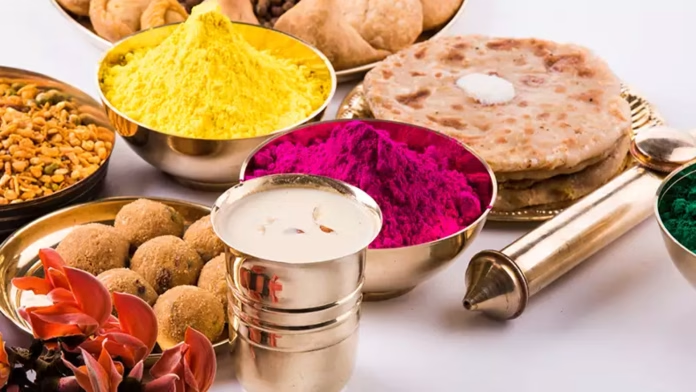
With time, Gujiya became famous in India because of its association with the festival of Holi. Holi is a Hindu fest that celebrates the appearance of spring and the victory of good over evil. It is celebrated by throwing coloured powders and water at each other, singing and dancing, and enjoying sweets like Gujiya.
Gujiya has eventually become an essential part of the Indian festival season, especially during Holi. During Holi, Gujiya is prepared in large quantities in households and sweet shops. It is distributed among friends and family members as a symbol of love and affection.
The sweet filling of Gujiya represents the sweetness of the festival, while the outer covering represents the colours of the festival. It is also considered an auspicious sweet that is often prepared during special occasions such as weddings, birthdays, and other festive celebrations. Gujiya is often given as a gift to friends and family members during the festive season.
Apart from its cultural significance, Gujiya has also been associated with the regional cuisines of India. Different regions have their variations of Gujiya, which reflect the unique flavours and ingredients of that region. For example, in the eastern state of Bihar, Gujiya is prepared with a filling of chana dal (split Bengal gram) and coconut.
Variants of Gujiya:
Gujiya is a popular Indian dessert that is often made during festivals such as Holi and Diwali. It is a sweet, deep-fried pastry that is typically filled with a mixture of khoya, sugar, nuts, and cardamom powder. While the traditional gujiya recipe is delicious,
Several variants of Gujiya are popular in different regions of India. Some of the most common Gujiya are:
1. Coconut Gujiya: Coconut gujiya is a popular variant that is made by filling the pastry with a mixture of grated coconut, sugar, and nuts. The pastry is then deep-fried until golden brown and served hot. Coconut gujiya is a great option for those who love coconut and want to try a sweet and nutty variant of gujiya.
2. Paneer Gujiya: Paneer gujiya is a savoury variant that is made by filling the pastry with a mixture of crumbled paneer, chopped onions, green chillies, and spices. The pastry is then deep-fried until golden brown and served hot. Paneer gujiya is a great option for those who want to try a savoury variant of gujiya that is perfect for snacking.
3. Mawa Gujiya: Mawa gujiya is a popular variant that is made by filling the pastry with a mixture of khoya, sugar, nuts, and cardamom powder. The pastry is then deep-fried until golden brown and served hot. Mawa gujiya is a traditional variant of gujiya that is loved by many and is often made during festivals.
4. Apple Gujiya: Apple gujiya is a unique variant that is made by filling the pastry with a mixture of chopped apples, sugar, cinnamon, and nuts. The pastry is then deep-fried until golden brown and served hot. Apple gujiya is a great option for those who love fruit and want to try a unique twist on the traditional gujiya.
If you ever get the opportunity to taste Gujiya, be sure to go for it and enjoy the magic of India’s taste and cultural significance.
Soups can play an important role in a healthy diet. Not only are they a great way to get a variety of vegetables and other nutritious ingredients in your diet, but they can also be a great source of hydration. Soups are also low in calories and fat, making them a great choice for those looking to lose weight or maintain a healthy weight.
Additionally, soups are easy to make and can be enjoyed as a meal or snack. With a wide variety of flavours and ingredients, soups can be a delicious and nutritious way to get the nutrients your body flavorous are often forgotten or overlooked as part of a healthy diet, when in fact they can play a vital role in keeping your body well-nourished and energized.
Eating homemade soup is one of the easiest ways to increase your vegetable intake, and its wide variety of flavours and ingredients make it a delicious and nutritious choice.
Soups are an excellent way to flavour more vegetables into your diet. Most vegetables are low in calories, contain essential vitamins and minerals, and provide fibre. When vegetables are cooked in soups, they become even easier to digest and absorb all the nutrients. This can help ease digestion, improve nutrient absorption, and reduce inflammation in the digestive tract. Soups are also a good way to sneak in additional healthy ingredients, like legumes, grains, and herbs.
As soups are soluble fibres like beans, oats, flaxseed and oat bran may help lower total blood cholesterol levels by lowering low-density lipoprotein, or “bad,” cholesterol levels. Some researchers also have shown that high-fibre foods may have other heart-health benefits, such as reducing blood pressure and inflammation.
Sometimes because of the high-fibre presence in soup, it tends to take longer to eat and to be less “energy dense,” which means they have fewer calories for the same volume of food.
When a dash of herbs and seasonings is added to the soup it becomes one of the most potent, tastiest sources of nutrition on your menu. Think about it: All of the vitamins, minerals and antioxidant-acting plant compounds offered by colourful plants are gently steeping in the broth you drink and vegetables you eat.
This makes soup the original trendsetter for getting nutrients galore in one sip— well before smoothies were ever a twinkle in our eyes. Soups like braises and stews can also provide your body with plenty of necessary hydration, which can help you stay healthy and energized.
Many vegetable soups are broth- or stock-based, so they contain small amounts of healthy fats and nutrients.
Furthermore, it is an easy point of entry for getting more plant-based protein into meals. The Miso soup which is a rich, cloudy broth made from fermented soybeans, is a favourite there. It’s high in salt, but it has a lot of healthy ingredients, too. It’s full of good bacteria and chemicals that may help you digest your food, lower bad cholesterol, and cut the risk of heart disease and certain cancers. It’s even thought to help keep skin aglow with its rich antioxidant content.
Most soups are fairly low in calories, making them a great meal or snack option, especially when paired with nutritious sides like whole-grain bread or a leafy green salad.
Besides being a tasty, nutritious way to fuel your body, soups have several other health benefits. Many vegetable-based soups contain antioxidants, which can help reduce inflammation and fight disease. Additionally, many studies have found that they can help reduce your risk of chronic diseases, like heart disease, diabetes, and cancer. Lastly, soups can help bolster your immune system and provide relief from digestive issues, like constipation, bloating, and gas.
To make sure you’re getting the most health benefits from soups, it’s important to choose the right ingredients. Opt for organic and non-GMO ingredients whenever possible, and try to include plenty of fresh, seasonal vegetables. You can also experiment with different spices and herbs, which can provide an extra nutrient boost. Also, try to limit your soups to broth or stock-based, and avoid adding excess salt, sugar, and fat.
All in all, soups can be an incredibly nutritious and delicious way to eat. Not only are they low-calorie and packed with key nutrients, but they also provide several additional health benefits. When prepared with the right ingredients, you can fuel your body, reduce inflammation, and boost your immune system. So, next time you’re looking for something healthy to eat, don’t forget about soup!
As humans, we have to consume food to survive. But, our digestive system is not always the good friend we need. The process of digesting food can sometimes be difficult, especially when our digestive system is compromised due to illness or surgery.
In these cases, soft foods can be a lifesaver, providing easy-to-digest nourishment that helps to prevent further discomfort and promotes healing. But are soft foods really easy to digest? And why should you try them?
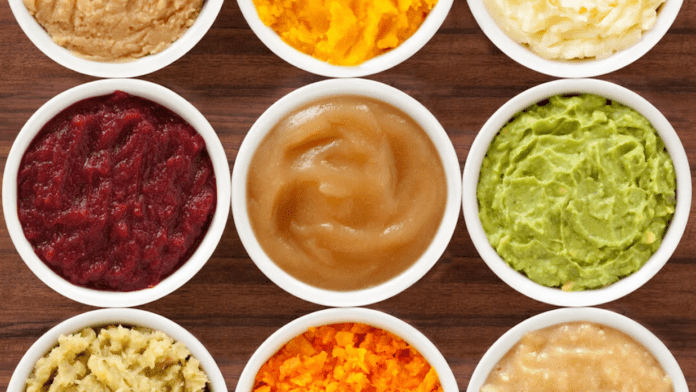
Soft foods are foods that are easy to chew and swallow, requiring minimal digestive effort. These foods are typically cooked until they are very tender, mashed or pureed, and often lack tough fibres or hard-to-digest components like seeds or skins. Soft foods are also sometimes referred to as “mushy foods,” “blender foods,” or “pureed foods.”
There are several reasons why soft foods are easier to digest than harder, tougher foods.
Soft foods require less chewing, which means that they spend less time in your mouth and are broken down into smaller pieces before being swallowed. This makes it easier for your digestive system to process the food and extract the nutrients.
Soft foods are typically lower in fibre than harder foods. While fibre is an important part of a healthy diet, it can be difficult to digest for some people, especially if they are dealing with digestive issues like inflammatory bowel disease or a sensitive stomach. Soft foods are often lower in fibre and gentler on the digestive system, making them an excellent choice for those with digestive issues.
Soft foods are often cooked or prepared in a way that makes them more easily digestible. Cooking foods until they are very tender or pureeing can break down complex carbohydrates and proteins, making them easier for the body to process. This can be especially important for people who are recovering from surgery or illness and may have difficulty digesting more complex foods.
Soft foods can provide a range of health benefits. For example, they can be an excellent source of nutrition for people who are struggling to eat due to illness or dental issues. Soft foods can also be helpful for people with swallowing difficulties or those who have had surgery on their mouth or throat.
So, what are some examples of soft foods that you can try?
Cooked Vegetables – Steamed or boiled vegetables like carrots, sweet potatoes, squash, zucchini, and beets can be mashed or pureed for easy consumption.
Mashed or Pureed Fruits – Ripe fruits like bananas, avocados, pears, and apples can be mashed or pureed to make them easier to digest.
Cooked Grains – Cooked grains like rice, quinoa, and oatmeal are easy to digest and provide essential nutrients.
Soft-cooked Eggs – Soft-boiled or poached eggs are a great source of protein and are easy on the stomach.
Cooked and Pureed Meats or Fish – Tender meats like chicken or fish can be cooked and pureed to make them easier to consume.
Soups or Broths – Homemade soups or broths made with cooked vegetables, meats, or fish can be pureed to make a comforting and nutritious meal.
You can also experiment with smoothies or blended drinks that incorporate nutrient-rich ingredients like yogurt, nut butter, or protein powder.
Soft foods can be an excellent choice for people who are looking for easy-to-digest, nutrient-rich options. Whether you are dealing with digestive issues, recovering from surgery or illness, or simply looking for a change in your diet, incorporating soft foods can provide a range of benefits for your health and well-being.
So why not try some soft foods today and see how they make you feel?
We use cookies to ensure that we give you the best experience on our website. If you continue to use this site we will assume that you are happy with it.