Biryani is a beloved dish that originated in the Indian subcontinent and is now enjoyed all over the world. This flavorful and aromatic dish is traditionally made with rice and a variety of spices, meats, and vegetables. However, with the increasing popularity of quinoa as a healthy and nutritious alternative to rice, chefs and home cooks alike have started experimenting with quinoa biryani recipes.
In this article, we will share a delicious and easy-to-follow recipe for chicken quinoa biryani that is perfect for health conscious people. This recipe is a healthy twist on the traditional biryani dish, using quinoa instead of rice and lean chicken breast instead of fatty meats. The result is a flavorful and nutrient-rich dish that is both satisfying and healthy.
Follow these steps to make this healthy and delicious biryani:
Ingredients:
1 cup quinoa
2 cups water
1 lb boneless, skinless chicken thighs, cut into bite-sized pieces
2 tablespoons vegetable oil
1 large onion, finely chopped
1 tablespoon ginger-garlic paste
1 teaspoon ground cumin
1 teaspoon ground coriander
1/2 teaspoon ground turmeric
1/2 teaspoon ground cinnamon
1/2 teaspoon ground cardamom
1/4 teaspoon ground cloves
1 bay leaf
Salt, to taste
1 cup plain yogurt
1/4 cup chopped fresh cilantro
1/4 cup chopped fresh mint
2 tablespoons ghee
1/4 cup slivered almonds
1/4 cup raisins
Instructions:
Rinse the quinoa in a fine-mesh sieve and drain well.
In a medium-sized pot, bring the water to a boil, then add the quinoa. Reduce the heat to low, cover the pot and simmer until the water is absorbed and the quinoa is tender, about 15-20 minutes.
In a large pan or Dutch oven, heat the vegetable oil over medium-high heat. Add the onion and sauté until softened, about 5 minutes.
Add the chicken to the pan and cook until browned, about 5-7 minutes.
Add the ginger-garlic paste, cumin, coriander, turmeric, cinnamon, cardamom, cloves, bay leaf, and salt. Stir to combine and cook for 2-3 minutes, until fragrant.
Add the yogurt, cilantro, and mint to the pan and stir well to combine.
Spread half of the cooked quinoa over the chicken mixture, then add another layer of chicken, followed by the remaining quinoa.
Drizzle the ghee over the top of the biryani, then sprinkle the almonds and raisins over the top.
Cover the pan and cook over low heat until the biryani is heated through and the flavors have melded together, about 10-15 minutes.
Serve hot and enjoy!
With the growing popularity of quinoa as a healthy alternative to rice, it’s a great option for those looking to enjoy biryani without compromising on their health goals. Give this recipe a try and savor the unique blend of spices, yogurt, and herbs that make this dish a favorite around the world.
Sugar is a common ingredient in many foods and drinks. However, consuming too much sugar can have negative effects on your health. One of the ways sugar can harm your body is by reducing your libido, or sex drive.
How does sugar affect the body?
Sugar is a simple carbohydrate that is broken down by the body into glucose. Glucose is then used by the body for energy. When you consume sugar, your blood sugar levels rise, causing the pancreas to release insulin. Insulin helps your cells absorb glucose and use it for energy.
However, when you consume too much sugar, your body can become resistant to insulin. This can lead to a variety of health problems, including diabetes, obesity, and heart disease.
In addition, consuming too much sugar can lead to inflammation in the body. Inflammation is a natural response to injury or infection. Chronic inflammation has been linked to a variety of health problems, including cancer, autoimmune disorders, and heart disease.
The link between sugar and libido:
When it comes to your sex drive, consuming too much sugar can have a negative impact. Sugar consumption can lead to a variety of health problems that can directly or indirectly affect your libido.
One of the ways that sugar can affect your libido is by causing hormonal imbalances. When you consume too much sugar, your body produces more insulin to help regulate your blood sugar levels. This can lead to a decrease in the production of testosterone, a hormone that plays a key role in male and female sex drive. Low testosterone levels can lead to a decrease in libido, as well as other symptoms such as fatigue, mood changes, and erectile dysfunction.
In addition, consuming too much sugar can lead to weight gain and obesity. Obesity has been linked to a variety of health problems, including decreased libido. Fat cells produce estrogen, a hormone that can decrease testosterone levels and lead to a decrease in libido.
As mentioned earlier, chronic inflammation can damage cells and tissues in the body. Inflammation can also affect the endothelial cells that line the blood vessels, reducing blood flow to the genitals. This can lead to erectile dysfunction in men and decreased sexual sensation in women.
How to reduce sugar intake and improve libido:
If you are concerned about the impact of sugar on your libido, there are steps you can take to reduce your sugar intake and improve your overall health.
1. Cut back on sugary drinks: One of the biggest sources of added sugar in our diet is sugary drinks like soda, sports drinks, and energy drinks. Try switching to water or unsweetened beverages.
2. Read labels: Sugar can be hidden in many processed foods, including bread, condiments, and snacks. Read labels carefully and look for foods with little or no added sugar.
3. Eat more whole foods: Whole foods like fruits, vegetables, and whole grains are naturally low in sugar and high in fiber, which can help regulate blood sugar levels and reduce inflammation.
4. Get regular exercise: Exercise can help improve your overall health and reduce inflammation in the body. It can also help increase testosterone levels and improve libido.
5. Manage stress: Chronic stress can lead to hormonal imbalances and decreased libido. Try practicing relaxation techniques like meditation or yoga to help reduce stress.
It is clear that excessive sugar consumption can lead to a decrease in sexual desire and function in both men and women. The high sugar intake can cause a decrease in testosterone levels, which is essential for sexual drive and performance. Moreover, sugar consumption can also lead to weight gain, diabetes, and other health problems, further deteriorating sexual health.
Therefore, it is crucial to limit sugar intake and maintain a healthy lifestyle to ensure optimal sexual health. Incorporating a balanced diet and regular exercise can help in maintaining a healthy weight and hormonal balance, leading to a better sex drive. It is essential to understand the impact of sugar on sexual health and take appropriate measures to improve overall well-being.
Food has always been an essential part of human life. It is the most basic human need that not only sustains us but also brings us together. Sharing food with others is an act of bonding that has been around since the beginning of human existence. In today’s world, where everyone is busy with their lives, sharing food with your spouse can be an easy way to strengthen your bond.
Sharing a meal with your husband is not just about feeding him; it is about creating an experience that brings you closer together. It is a way to show your love and affection, and also a way to share your emotions and thoughts.
Cooking together can indeed have numerous benefits for couples, especially during times like the Coronavirus outbreak when people are staying indoors for extended periods. In addition to being a practical activity that ensures healthy eating, cooking can also provide a platform for couples to bond and connect in various ways.
Here are some reasons how sharing food with your husband can help strengthen your bond:
Communication:
Cooking together requires a significant amount of communication. Couples have to coordinate and discuss the ingredients, the recipe, the cooking methods, and the timing. This can improve communication skills and help partners better understand each other’s strengths, weaknesses, and preferences. Good communication is vital in any relationship, and cooking together can serve as a fun way to develop this skill.
Cooperation:
Cooking together requires cooperation and teamwork, which can strengthen a couple’s bond. It creates a shared goal that requires collaboration to achieve, and this can translate into other areas of the relationship. By working together in the kitchen, couples can develop trust, patience, and understanding toward each other.
Knowing more about each other:
Cooking together also provides couples with the opportunity to know more about each other. It can be a fun way to explore each other’s food preferences and learn about new ingredients, cooking techniques, and recipes. It also provides an avenue for partners to open up to each other, share their feelings and emotions, and build a stronger connection.
Learning new skills:
Cooking together can also be a learning experience for couples, and this can enhance their bond. It can provide an opportunity for partners to learn new culinary skills and techniques together. Learning together can be fun, and it can create a sense of accomplishment and pride in each other’s achievements.
Healthy eating:
Cooking together can help couples stay healthy and avoid unhealthy eating habits. When couples cook together, they have control over the ingredients and portions, which can help them make healthier food choices. This can have a positive impact on their health and overall well-being.
It creates a sense of togetherness:
Sharing food with your husband is a great way to create a sense of togetherness. When you sit down to eat together, you are sharing a moment that is just for the two of you. It is an opportunity to connect and enjoy each other’s company without any distractions. This sense of togetherness can help strengthen your bond and make you feel closer to each other.
It shows your love and affection:
Cooking for your husband is a great way to show your love and affection. When you take the time to prepare a meal for him, it shows that you care about him and his well-being. It is a way to show him that you are thinking about him and that he is important to you. This act of love can help strengthen your bond and make your relationship stronger.
It is a way to share your emotions and thoughts;
Sharing a meal with your husband can be a great opportunity to share your emotions and thoughts. When you sit down to eat together, you can talk about your day, your dreams, your fears, and your aspirations. It is a way to share your feelings and to connect on a deeper level. This can help you to understand each other better and to build a stronger emotional bond.
It is a way to create memories;
Sharing a meal with your husband can create memories that will last a lifetime. When you cook together, you are creating an experience that you can both look back on and cherish. It is a way to create traditions and rituals that will become a part of your relationship. These memories can help strengthen your bond and bring you closer together.
It promotes good health:
Sharing food with your husband can also promote good health. When you cook together, you can create healthy and nutritious meals that will benefit both of you. Eating together can also help you to maintain a healthy weight and avoid unhealthy eating habits. By promoting good health, you are not only strengthening your bond but also ensuring that you both live long and healthy lives.
Cooking together can provide numerous benefits for couples, especially during times of uncertainty and stress. It can be a practical activity that ensures healthy eating, and it can also provide a platform for couples to bond and connect in various ways. It is a fun and intimate activity that couples can use to enhance their relationship and create lifelong memories.
Sharing food with your husband is a great way to strengthen your bond. It creates a sense of togetherness, shows your love and affection, is a way to share your emotions and thoughts, creates memories, and promotes good health. So, the next time you are thinking about what to cook for dinner, think about how it can bring you and your husband closer together.
If you’ve ever experienced muscle cramps after a workout, you know how painful and frustrating they can be. Muscle cramps can occur for a variety of reasons, including dehydration, overuse of muscles, and electrolyte imbalances.
Electrolytes are essential minerals that help regulate the body’s fluid balance, muscle function, and nerve function. They are essential for maintaining proper fluid balance, nerve and muscle function, and regulating the body’s pH levels.
The most common electrolytes in the body include sodium, potassium, magnesium, calcium, and chloride. These minerals are found in the body’s fluids, including blood, urine, and sweat.
During exercise, you lose fluids through sweat, and this can lead to dehydration. When you are dehydrated, your body loses electrolytes, which can lead to muscle cramps and other health issues. By replenishing electrolytes, you can help prevent muscle cramps and promote faster recovery.
Why should you consume electrolyte drinks?
Electrolyte drinks are a convenient and effective way to replenish electrolytes after a workout. These drinks are specifically designed to help rehydrate the body and replenish electrolytes lost during exercise. They typically contain a blend of electrolytes, including sodium, potassium, and magnesium, as well as carbohydrates to provide energy.
Electrolyte drinks are also easy to digest and absorb, making them a quick and efficient way to replenish electrolytes. They are available in a range of flavors and can be consumed before, during, or after a workout.
What to look for in an electrolyte drink?
When choosing an electrolyte drink, there are several things to consider. Here are some factors to keep in mind:
Electrolyte content: Look for a drink that contains a blend of electrolytes, including sodium, potassium, and magnesium. These are the most important electrolytes for preventing muscle cramps.
Carbohydrate content: Look for a drink that contains carbohydrates to provide energy. The amount of carbohydrates you need depends on the duration and intensity of your workout.
Flavor: Choose a flavor that you enjoy to make it more appealing to drink.
Sugar content: Some electrolyte drinks contain high levels of sugar, which can be detrimental to your health. Look for drinks with lower sugar content or those sweetened with natural sweeteners like stevia.
Calorie content: If you are trying to manage your calorie intake, look for low-calorie electrolyte drinks or those labeled as “light” or “zero.”
Brand reputation: Choose a reputable brand that uses high-quality ingredients and has positive customer reviews.
Consuming electrolyte drinks is an effective way to replenish electrolytes lost during exercise, prevent muscle cramps, and promote faster recovery. Incorporating electrolyte drinks into your post-workout routine can help you achieve better results and avoid the discomfort of muscle cramps. Remember to stay hydrated and consume a balanced diet to maintain proper electrolyte balance in your body.
Chinese food is one of the most popular cuisines in the world, and Delhi is no exception. With numerous Chinese restaurants, it can be a daunting task to choose the right one. However, when it comes to authentic Chinese cuisine, House of Ming has always been the go-to place for food lovers in Delhi.
House of Ming is a fine-dining restaurant located in The Taj Mahal Hotel, New Delhi.House of Ming has been a landmark restaurant in Delhi since 1978, and it has only gotten better with time. Over the years, the restaurant has won numerous awards for its authentic Chinese cuisine, impeccable service, and luxurious ambiance. It has been a favorite among celebrities, diplomats, and locals alike.
After a renovation, the restaurant reopened in 2021 with a refreshed look, and it continues to be the most sought-after Chinese restaurant in Delhi.
Ambiance and decor:
As you enter the restaurant, you are welcomed by a grand entrance with a high ceiling and a beautiful chandelier. The decor is elegant with Chinese artifacts and artwork adorning the walls. The restaurant is spacious with comfortable seating arrangements, giving diners a sense of privacy. The overall ambiance of the restaurant is luxurious and inviting, making it the perfect place for a romantic dinner or a family celebration.
Authentic Chinese cuisine:
When it comes to Chinese food, authenticity is key, and House of Ming does not disappoint. The menu at House of Ming is a culinary journey through the provinces of China, with a focus on Cantonese and Sichuan cuisine. The ingredients used are of the highest quality, and the flavors are subtle yet distinct. The chefs at House of Ming are experts in their craft, and they use traditional cooking techniques to create dishes that are bursting with flavor.
Signature dishes:
House of Ming has an extensive menu, but some dishes stand out as their signature dishes. The Peking Duck is a must-try dish, and it is prepared tableside by the chef. The duck is roasted to perfection, and the skin is crispy, while the meat is succulent and juicy. Another signature dish is the Beggar’s Chicken, which is a whole chicken stuffed with mushrooms, chestnuts, and Chinese herbs, and then baked in lotus leaves. The result is a fragrant and tender chicken that falls off the bone.
Vegetarian options:
For vegetarians, House of Ming has a wide range of options. The Vegetarian Crystal Dumplings, made with translucent rice flour dough filled with finely chopped vegetables, are a popular choice. The Stir-fried Asparagus and Snow Peas with Black Fungus is another favorite, which is a simple yet delicious dish that showcases the freshness of the vegetables.
Impeccable service:
The service at House of Ming is impeccable, and the staff is courteous and attentive. The restaurant has a sommelier who can help diners choose the perfect wine to complement their meal. The waitstaff is knowledgeable about the menu and can help diners choose dishes based on their preferences. The restaurant also has private dining rooms, which are perfect for intimate gatherings or business meetings.
Our Verdict:
House of Ming stands out as one of the best places to have Chinese food in Delhi, and for good reason. From the authentic flavors of the dishes to the expertly crafted ambiance, everything about this restaurant speaks of its commitment to quality and excellence.
Whether you are looking for a romantic dinner for two or a family gathering, House of Ming has something to offer for everyone. So, if you are a lover of Chinese cuisine, do not hesitate to visit this iconic restaurant and experience the taste of perfection.
Ragi, also known as finger millet, is a cereal crop that has been widely used in India for centuries. It is a hardy crop that can be grown in harsh weather conditions and is widely consumed across the country. In recent years, the health benefits of ragi have gained popularity globally, making it a popular superfood.
Ragi is widely consumed in southern India, particularly in the states of Karnataka, Tamil Nadu, and Andhra Pradesh. It is a common ingredient in traditional South Indian dishes like dosa, idli, and porridge. Ragi is also used to make a variety of snacks like murukku and sevai. In recent years, ragi has gained popularity in other parts of the world, including Africa, where it is used to make a traditional porridge known as kawlata.
Why should we consume Ragi?
Ragi is a nutrient-dense superfood that is widely consumed in India. It is rich in essential nutrients, including dietary fiber, calcium, iron, and other vitamins and minerals, making it an excellent addition to a healthy diet. Consuming ragi has numerous health benefits, including aiding in weight loss.
One of the primary ways ragi helps in weight loss is through its high fiber content. Ragi is an excellent source of dietary fiber, which helps to promote satiety and reduce appetite. Consuming foods high in fiber can help you feel fuller for longer periods and prevent overeating. Additionally, ragi has a low glycemic index, which means it is slowly digested and absorbed in the body, leading to a slower release of glucose into the bloodstream. This helps to regulate blood sugar levels and reduce cravings for sugary foods.
Another way ragi helps in weight loss is through its high protein content. Protein is an essential nutrient that plays a crucial role in building and repairing tissues in the body. Consuming foods high in protein can help to increase metabolism and reduce appetite, leading to weight loss. Ragi is an excellent source of plant-based protein, making it an ideal food for vegetarians and vegans.
Studies have shown that consuming ragi can help to improve digestion and gut health. The high fiber content in ragi helps to promote regular bowel movements and prevent constipation. A healthy gut is essential for weight loss, as it helps to regulate metabolism and prevent the absorption of excess calories.
Nutty Yogi Ragi Punch Khakhra
Nutty Yogi’s Ragi Punch khakhras is a healthy and delicious snack that has gained popularity among health-conscious individuals. This crispy and crunchy snack is made with whole wheat flour, roasted nuts, and seeds like almonds, cashews, sesame, and flax seeds, making it a nutrient-dense food. The khakhra is rolled thin and baked until crispy and crunchy.
Nutty Yogi’s Ragi Punch khakhras is free from artificial preservatives and additives, making it a healthier snack option.
How can it help in weight loss?
Nutty Yogi’s Ragi Punch khakhras can aid in weight loss in several ways. Firstly, it is a low-calorie snack, with each khakhra containing only 40-50 calories. Consuming low-calorie snacks like khakhras can help you stay within your daily calorie limit and aid in weight loss.
Secondly, the high fiber content in khakhras can promote satiety and reduce appetite, making it easier to control cravings and avoid overeating. Thirdly, the nuts and seeds in Nutty Yogi’s Ragi Punch khakhras are rich in protein and healthy fats, which can help to increase metabolism and promote weight loss.
Nutty Yogi’s Ragi Punch khakhras is also a healthier snack option compared to other processed snacks like chips and crackers, which are high in refined carbohydrates and unhealthy fats. Choosing healthier snack options like khakhras can help you stay on track with your weight loss goals and contribute to a healthier lifestyle.
Our Verdict:
Nutty Yogi’s Ragi Punch khakhras is a delicious and healthy snack that can aid in weight loss. Its low calorie, high fiber, and protein-rich ingredients make it an ideal snack option for those looking to lose weight. It is also free from artificial preservatives and additives, making it a healthier option compared to other processed snacks.
By incorporating Nutty Yogi’s Ragi Punch khakhras into your diet, you can enjoy a delicious snack while contributing to your weight loss journey.
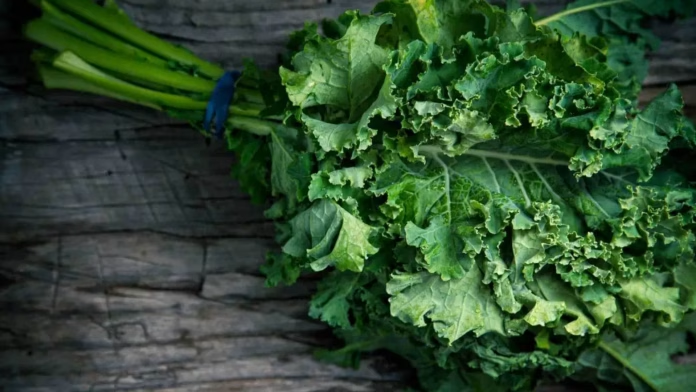
Joint pain is a common problem experienced by seniors, often caused by inflammation in the joints. While there are various remedies and treatments available for joint pain relief, the use of natural remedies has gained popularity in recent years. One such remedy is kale, a nutrient-dense leafy green vegetable that has been linked to easing joint pain.
Kale has been touted as a superfood due to its high nutritional content, and its anti-inflammatory properties make it an ideal food for seniors who suffer from joint pain. In this article, we will explore the benefits of kale for seniors and how it can help ease joint pain.
The benefits of Kale for seniors:
Kale is packed with vitamins, minerals, and antioxidants, making it a highly nutritious food. It contains high levels of vitamin K, which is essential for maintaining healthy bones and joints. This vitamin also plays a critical role in blood clotting, and it helps to reduce the risk of heart disease.
Kale is also an excellent source of vitamin C, an antioxidant that helps to protect the body from free radicals, which can cause inflammation and damage to the body’s cells. Vitamin C also aids in collagen production, which is essential for maintaining healthy skin, bones, and joints.
Another benefit of kale is its high fiber content, which helps to promote digestion and prevents constipation, a common problem in seniors. It is also low in calories and high in water content, making it an ideal food for seniors who need to maintain a healthy weight.
The Link Between Kale and Joint Pain Relief
Kale’s anti-inflammatory properties are what make it an effective remedy for joint pain relief. Inflammation is the body’s natural response to injury, infection, or illness. However, when inflammation becomes chronic, it can lead to a range of health problems, including joint pain.
The high levels of vitamin K in kale are particularly beneficial for joint health. This vitamin helps to activate a protein called osteocalcin, which is essential for bone health. When there is an insufficient amount of osteocalcin, bones can become weak and brittle, leading to joint pain.
Kale also contains antioxidants called flavonoids, which have been shown to reduce inflammation in the body. These flavonoids work by inhibiting the production of pro-inflammatory cytokines, which are proteins that promote inflammation in the body.
In addition, kale contains an antioxidant called quercetin, which has been shown to have anti-inflammatory properties. Quercetin has been found to reduce pain and inflammation in joints and may be particularly beneficial for seniors who suffer from osteoarthritis.
Recipes Incorporating Kale for Joint Pain Relief
Incorporating kale into your diet is easy, and there are numerous recipes that you can try to help ease joint pain. Here are a few ideas:
1. Kale Smoothie
A kale smoothie is an excellent way to start your day and get a dose of anti-inflammatory nutrients. Blend kale leaves with banana, berries, almond milk, and honey for a refreshing and nutritious drink.
2. Kale Salad
A kale salad is a healthy and tasty way to incorporate this superfood into your diet. Mix chopped kale leaves with diced apple, walnuts, and feta cheese. Drizzle with olive oil and balsamic vinegar dressing for a delicious and nutritious meal.
3. Kale Chips
Kale chips are a healthy and crunchy snack that can be easily made at home. Preheat your oven to 350°F, wash and dry kale leaves, remove the stems, and tear the leaves into bite-sized pieces. Toss the leaves with olive oil, salt, and pepper, and bake for 10-15 minutes until crispy.
4. Kale Soup
A warming kale soup is an excellent option for colder months. Sauté chopped kale leaves, onion, garlic, and carrots in a pot with olive oil. Add vegetable broth, diced tomatoes, and cooked beans, and simmer for 15-20 minutes until the vegetables are tender.
Kale is a superfood that is packed with nutrients and antioxidants that can help seniors ease joint pain. Incorporating kale into your diet is easy, and there are numerous recipes that you can try to reap its benefits. So, why not give kale a try and see if it helps to alleviate your joint pain?
Chicken soup has been a comforting food for people all around the world for centuries. It is considered a perfect comfort food that not only provides warmth to the body but also has several health benefits. It is known for its healing properties and is often prescribed as a remedy for cold and flu. Delhi/NCR has a great selection of places where you can enjoy a delicious bowl of chicken soup.
Here are 10 of the best places serving chicken soup in Delhi/NCR:
The Clay Oven: The Clay Oven is a popular restaurant in Green Park that serves a variety of Indian, Chinese and Continental dishes. They have a delicious chicken soup on their menu that is made with fresh vegetables, chicken and spices. The price for a bowl of chicken soup is around INR 200.
The Clay Oven is located at Main Market, Green Park Extension, New Delhi and is open from 12 PM to 11 PM.
Sanjha Chulha: Sanjha Chulha is a chain of restaurants that serves authentic Punjabi cuisine. Their chicken soup is a popular dish that is made with fresh chicken, vegetables, and spices. The price for a bowl of chicken soup is around INR 150.
Sanjha Chulha has multiple outlets in Delhi/NCR, including Janakpuri, Rajouri Garden, and Dwarka. They are open from 12 PM to 11 PM.
Shekaza Since 1992: Shekaza Since 1992 is a popular restaurant in Chittranjan Park that serves delicious North Indian and Mughlai cuisine. Their chicken soup is made with fresh chicken, vegetables, and spices, and is a must-try for anyone who loves chicken soup. The price for a bowl of chicken soup is around INR. 150.
Shekaza Since 1992 is located at Shop No. 30, Main Market, Chittranjan Park, New Delhi and is open from 12 PM to 11 PM.
Royal China: Royal China is a Chinese restaurant that has multiple outlets in Delhi/NCR. They are known for their delicious dim sum and soups, including their chicken soup, which is made with fresh chicken and vegetables. The price for a bowl of chicken soup is around INR 300.
Royal China has multiple outlets in Delhi/NCR, including Nehru Place, Connaught Place, and Greater Kailash. They are open from 12 PM to 11 PM.
Mainland China: Mainland China is a popular Chinese restaurant in GK-2 that serves a variety of dishes, including their delicious chicken soup. The soup is made with fresh chicken, vegetables, and spices, and is a must-try for anyone who loves Chinese cuisine. The price for a bowl of chicken soup is around INR 300.
Mainland China is located at M-18, M Block Market, Greater Kailash-2, New Delhi and is open from 12 PM to 11 PM.
Heaven’s Kitchen: Heaven’s Kitchen is a popular restaurant in Kalkaji that serves a variety of Indian and Chinese dishes. Their chicken soup is a must-try for anyone who loves chicken soup. The soup is made with fresh chicken, vegetables, and spices, and is priced at around INR 150.
Heaven’s Kitchen is located at H-Block, Kalkaji, New Delhi and is open from 11 AM to 11 PM.
Chowman: Chowman is a popular Chinese restaurant in East of Kailash that serves a variety of dishes, including their delicious chicken soup. The soup is made with fresh chicken, vegetables, and spices and is priced at around INR 200.
Chowman is located at E-3, East of Kailash, New Delhi and is open from 12 PM to 11 PM.
Al Bake: Al Bake is a popular restaurant in New Friends Colony that serves a variety of Indian and Chinese dishes, including their famous chicken soup. The soup is made with fresh chicken, vegetables, and spices and is a must-try for anyone who loves chicken soup. The price for a bowl of chicken soup is around INR 150.
Al Bake is located at Shop No. 25, Ground Floor, New Friends Colony, New Delhi and is open from 10 AM to 11 PM.
Sandoz: Sandoz is a chain of restaurants that serves a variety of dishes, including their delicious chicken soup. The soup is made with fresh chicken, vegetables, and spices and is priced at around INR 150.
Sandoz has multiple outlets in Delhi/NCR, including Nehru Place, Connaught Place, and Rajouri Garden. They are open from 11 AM to 11 PM.
Swagath: Swagath is a popular restaurant chain that serves a variety of Indian and Chinese dishes, including their delicious chicken soup. The soup is made with fresh chicken, vegetables, and spices and is priced at around INR 200.
Swagath has multiple outlets in Delhi/NCR, including Connaught Place, Defence Colony, and Greater Kailash. They are open from 12 PM to 11 PM.
Delhi/NCR has a plethora of options when it comes to finding delicious chicken soup. These 10 restaurants offer some of the best chicken soup in the city, each with their own unique style and flavor. Whether you are in the mood for Mughlai, Chinese, or Continental cuisine, there is a restaurant on this list for you. So next time you are craving a bowl of warm and comforting chicken soup, head over to one of these amazing restaurants and enjoy a delicious meal!
In the wake of the Covid-19 pandemic, many people have shifted to working from home, which has brought a unique set of challenges. Among them is the challenge of cooking meals at home while working. This is where Instant Pots come in handy.
Instant Pots are an all-in-one kitchen appliance that can save you time and effort when cooking. They are particularly useful for working professionals who are short on time but still want to eat healthy and delicious meals.
Benefits of using an Instant Pot for working professionals:
Here are some benefits of using an Instant Pot:
Saves time: Instant Pots can cook food up to 70% faster than traditional cooking methods. This means you can have a nutritious meal on the table in minutes, allowing you to focus on your work.
Easy to use: Instant Pots are user-friendly and require minimal effort. You can simply add your ingredients, set the timer, and let the pot do the rest.
Saves space: Instant Pots combine multiple cooking functions in one device, which means you can free up space in your kitchen by getting rid of other appliances.
Energy-efficient: Instant Pots use less energy than traditional cooking methods, which can save you money on your electricity bills.
Versatile: Instant Pots can be used for a variety of cooking tasks, including pressure cooking, slow cooking, sautéing, steaming, and even making yogurt.
Best 5 instant pots available in India:
Here are the best 5 instant pots available in India that will make your life easy:
Instant Pot Duo 7-in-1 Electric Outer Lid Pressure Cooker:
For making various breakfast, lunch, supper, and dessert recipes, this electric pressure cooker is ideal. The simple one-touch control system makes cooking simple and enjoyable. It supports the keep warm, delay start, pressure cook, and slow cook features. It has a dishwasher-safe inner pot and a stainless steel lid.
Product Features:
Provides the function of 7 appliances in 1.
Supports 14 easy-to-use cooking programs.
Ideal for cooking multiple dishes for breakfast, lunch, dinner, and desserts.
Geek Robocook Zeta 5 liter Electric Pressure Cooker:
You may prepare a variety of foods using only one electric pressure cooker, including rice, pulao, dal, curry, gravies, chicken, and more. Just pressing the button activates the 13 pre-set menus. Depending on your needs and preferences, you can select from the menus. It is a BIS-certified device and has seven safety protections. Moreover, the Circumvent cooking method aids in maintaining the nutritious value of vegetables, cereals, and pulses even after they have been cooked.
Product Features:
All parts of this cooker are detachable, making the cleaning easy.
It is equipped with 7 safety guards enabling a safe cooking experience.
Wellspire Multi Cooking Pot Smart Electric Pressure Cooker:
With a six-liter capacity, the multi-cooking pot from Wellspire is perfect for 4 to 6 people. It has a sizable, easy-to-read four-inch LCD display. It shows the preset timer, the cooking time, and progress indications. Food-grade SS304, a material that is extremely robust and dishwasher safe, was used to make the inner pot. It has 10 safety levels and the newest 3rd generation technology.
This electric pressure cooker allows you to prepare meals 70% more quickly than a conventional pressure cooker thanks to its 12-in-1 customizable capabilities. The eight pre-programmed pressure settings make it simple to prepare a variety of foods. It is ideal for both quick and lengthy cooking. Also, the keep warm feature aids in keeping the prepared meals warm for up to four hours.
Product Features:
Cooks meals up to 70% faster compared to regular pressure cookers.
Ideal for both fast and slow cooking.
This express multi-cooker features 8 pre-set pressurized settings.
The Wonderchef Nutri Pot may be used as a rice cooker, rice steamer, yogurt maker, saute, warmer, and slow cooker. This pot’s lid is solid and tightly fitting, which helps keep the food’s nutrients intact. It has a hard-anodized inner pot that allows for quick cooking and even heating. It has 18 pre-programmed functions.
Product Features:
The inner pot is highly durable and long-lasting.
Cleaning and maintenance are quick and hassle-free.
Performs the functions of seven different appliances.
Instant Pots have emerged as a great tool for working professionals as they make cooking easy, quick, and convenient, allowing them to save time and energy. Moreover, they offer a variety of features that cater to different dietary needs and preferences, making them a versatile appliance to have in the kitchen.
Yoghurt, also known as curd, is a fermented dairy product that is enjoyed by people all over the world. It has a creamy texture and a tangy flavor, and is widely used in cooking and baking. Yoghurt is also known for its many health benefits, particularly when it comes to boosting the immune system.
How yoghurt is healthy for kids immune system:
Yoghurt is packed with nutrients that are essential for a healthy immune system. It is a rich source of protein, which is important for building and repairing tissues in the body. It also contains vitamins and minerals such as calcium, potassium, and magnesium, which are all important for maintaining strong bones and a healthy heart.
In addition to these nutrients, yoghurt also contains probiotics, which are beneficial bacteria that live in the gut. These probiotics help to support a healthy immune system by promoting the growth of good bacteria in the gut, which helps to fight off harmful bacteria and viruses.
Best Yogurt Makers in India:
If you are interested in making your own yoghurt at home, there are many great yoghurt makers available in India. Here are five of the best options:
HSR Automatic Yogurt Maker:
This yogurt maker gets you a large quantity of yogurt in three easy steps. Equipped with a high-quality stainless steel liner, it draws a power of 15 watts. It comes with high temperature resistance and provides a convenient way to prepare yogurt during any season. This yogurt maker offers a bowl capacity of 900 ml.
Product Features:
This maker is easy to handle.
It comes with a high-quality stainless steel liner.
The container is quick to clean and dishwasher safe.
Agaro’s yogurt maker supports a capacity of 1.2 liters. It is a fully automatic way to prepare yogurt without any effort. This maker features a stainless steel pot that ensures equal heat transmission and gives a unique taste to yogurts. You can either prepare plain yogurt or fruit yogurt with this yogurt maker. The 1.2 liter capacity is ideal for a family of 2 to 3 members.
Looking for a quick way to prepare probiotic yogurt at home? We got a solution to all your worries. This yogurt maker from InstaCuppa is just the right pick for you. This yogurt maker ferments the yogurt at the right temperature and helps deliver good probiotic yogurt. The inner bowl of this yogurt maker is made using stainless steel which makes it durable and long-lasting. In addition, the dual seal helps retain the freshness of the yogurt. What else? It consumes low energy while in operation and is easy to use.
The container inside this yogurt maker is easy to maintain, free from BPA and dishwasher safe. It has a capacity of 900 ml. The best part about this yogurt maker is that it is automatic and draws a power of 15 watts. All you need to do is pour fresh milk into the steel container, add two to three tablespoons of plain yogurt, leave it for 8 to 9 hours and voila! Your yogurt is ready to relish.
It is a yogurt maker that supports one button operation and is pretty simple to use. This maker includes eight glass jars with lids. The glass jars are wide edged and super easy to clean. The multiple glass jars will help you prepare different flavored yogurts in one go. The best part? The build of this yogurt maker is sturdy and highly durable.
Yoghurt is a healthy food option for children, particularly due to its potential to boost the immune system. Investing in a good quality yoghurt maker can ensure that your child gets fresh, healthy, and delicious yoghurt at home. The five best yoghurt makers in India listed in the article are great options to consider. By incorporating yoghurt into your child’s diet and making it at home, you can help promote their overall health and wellbeing.
We use cookies to ensure that we give you the best experience on our website. If you continue to use this site we will assume that you are happy with it.