Friday, December 19, 2025
Home Blog Page 1282

The Acne solution: How diet changes can help you say goodbye to oily skin

effective skin

Acne is a common skin condition that affects a large portion of the population, especially adolescents and young adults. It occurs when hair follicles become clogged with oil and dead skin cells, leading to the development of pimples, blackheads, and whiteheads. While the exact causes of acne are not fully understood, there are several factors that can contribute to its development, including hormonal imbalances, genetics, and lifestyle factors such as diet

The link between oily foods and acne:

There is a common belief that consuming oily foods can cause acne. However, the evidence linking the two is not entirely clear. Some studies have suggested that there may be a correlation between a high-fat diet and acne, while others have found no association.

One theory is that the consumption of high-glycemic-index foods, such as refined carbohydrates and sugary drinks, can lead to an increase in insulin levels. This, in turn, can cause an increase in the production of sebum, the oily substance that is produced by the sebaceous glands in the skin. Excess sebum production can clog pores and lead to the development of acne.

Another theory is that the consumption of dairy products can contribute to the development of acne. Dairy products contain hormones, such as insulin-like growth factor-1 (IGF-1), which can stimulate the production of sebum and contribute to the development of acne.

However, it is important to note that not all oily foods are created equal. Some oils, such as olive oil and coconut oil, have been shown to have anti-inflammatory properties and may actually be beneficial for the skin. On the other hand, consuming a diet high in saturated and trans fats, such as fast food and fried foods, can contribute to inflammation in the body and may worsen acne.

The role of inflammation:

Inflammation is a key factor in the development of acne. When the skin becomes inflamed, it can lead to the development of pimples, blackheads, and whiteheads. Inflammation can be triggered by a variety of factors, including hormonal imbalances, genetics, and lifestyle factors such as diet.

Consuming a diet high in processed and sugary foods can contribute to inflammation in the body. These foods can cause a spike in insulin levels, which can trigger an inflammatory response. Inflammation can also be triggered by the consumption of certain oils, such as trans fats and omega-6 fatty acids.

Omega-6 fatty acids are found in high quantities in many vegetable oils, such as corn oil and soybean oil. While omega-6 fatty acids are essential for the body, consuming too much of them can contribute to inflammation in the body. This can lead to the development of acne and other inflammatory skin conditions.

The role of hormones:

Hormonal imbalances are another key factor in the development of acne. Hormones, such as androgens, play a role in the production of sebum. When there is an imbalance of hormones in the body, it can lead to an increase in sebum production and the development of acne.

Consuming a diet high in dairy products can contribute to hormonal imbalances in the body. Dairy products contain hormones, such as IGF-1, which can stimulate the production of sebum and contribute to the development of acne. Additionally, consuming a diet high in processed and sugary foods can cause a spike in insulin levels, which can also contribute to hormonal imbalances in the body.

The role of genetics:

Genetics also play a role in the development of acne. Some people are more prone to developing acne due to their genetics. However, while genetics may increase the likelihood of developing acne, it does not necessarily mean that it is inevitable.

It is important to note that while genetics may predispose someone to developing acne, lifestyle factors such as diet can still play a role in the severity and frequency of acne outbreaks. For example, someone with a genetic predisposition to acne may still be able to manage their condition through a healthy diet and lifestyle choices.

Managing acne through diet:

While the link between oily foods and acne is not entirely clear, it is still important to pay attention to the types of foods that you consume if you are prone to acne outbreaks. A diet high in processed and sugary foods can contribute to inflammation in the body and hormonal imbalances, which can lead to the development of acne.

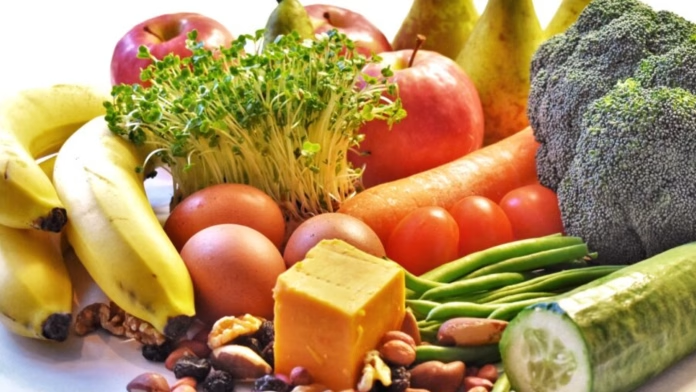
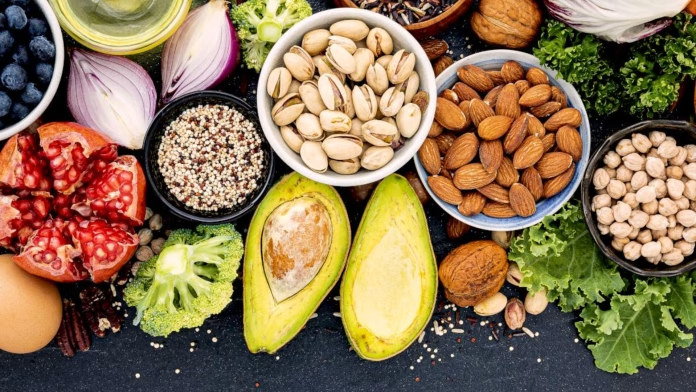
Instead, focus on consuming a diet rich in whole, nutrient-dense foods. This includes plenty of fruits and vegetables, lean protein sources, and healthy fats such as those found in nuts, seeds, and fatty fish. It may also be helpful to limit or avoid dairy products, particularly if you find that they contribute to your acne outbreaks.

Additionally, it is important to stay hydrated and to limit your intake of sugary drinks such as soda and juice. Water is essential for maintaining healthy skin, and sugary drinks can contribute to inflammation and hormonal imbalances.

While the link between oily foods and acne is not entirely clear, there are several factors that can contribute to the development of acne, including hormonal imbalances, genetics, and lifestyle factors such as diet. Consuming a diet high in processed and sugary foods can contribute to inflammation in the body and hormonal imbalances, which can lead to the development of acne.

Instead, focus on consuming a diet rich in whole, nutrient-dense foods and limit your intake of dairy products and sugary drinks. Drinking plenty of water and staying hydrated is also essential for maintaining healthy skin. While diet alone may not completely prevent or cure acne, it can be an important factor in managing the condition and reducing the frequency and severity of outbreaks.

Advertisement

Shahid Kapoor’s anti-aging diet: The secret to his youthful looks revealed

0
shahid kapoor

Shahid Kapoor, one of Bollywood’s most versatile actors, is known not only for his acting skills but also for his incredibly youthful looks. At 40 years old, he looks almost the same as he did when he first entered the film industry over a decade ago. Many people attribute his youthful appearance to his rigorous fitness routine, but his diet plays a significant role as well. In this article, we will explore Shahid Kapoor’s diet secrets and how they contribute to his younger looks.

  1. Plant-based diet: Shahid Kapoor follows a predominantly plant-based diet. He believes that plant-based foods provide the nutrients and energy he needs to maintain his physique while also contributing to his younger looks. Plant-based foods are rich in antioxidants, vitamins, and minerals, which help to repair and rejuvenate the body at a cellular level. They also contain fiber, which helps to regulate blood sugar levels and prevent spikes and crashes in energy.
  1. Protein-rich foods: While Shahid Kapoor follows a plant-based diet, he also includes protein-rich foods in his meals. Protein is essential for building and repairing muscles, which is crucial for maintaining a lean and toned physique. Shahid Kapoor includes protein sources such as tofu, lentils, legumes, nuts, and seeds in his diet. He avoids processed and red meat, which are linked to numerous health problems such as heart disease, diabetes, and cancer.
  1. Hydration: Staying hydrated is an essential part of Shahid Kapoor’s diet plan. He drinks plenty of water throughout the day to keep his body hydrated and help flush out toxins. Drinking water also helps to keep his skin looking fresh and youthful.
  1. Portion control: Shahid Kapoor follows a strict portion control diet plan. He eats small, frequent meals throughout the day to keep his metabolism revved up and his energy levels stable. This approach also helps him avoid overeating, which can lead to weight gain and sluggishness.
  1. Avoids processed foods: Shahid Kapoor avoids processed and packaged foods as much as possible. These foods are often high in unhealthy fats, sodium, and sugar, which can lead to weight gain, inflammation, and other health problems. Instead, he opts for fresh, whole foods that are minimally processed and packed with nutrients.
  1. Cheat meals: Even though Shahid Kapoor follows a strict diet plan, he allows himself to indulge in his favorite foods occasionally. He believes that having cheat meals helps him stay on track with his diet plan and prevents him from feeling deprived. However, he emphasizes that cheat meals should be limited and balanced with healthy meals.
  1. Supplements: Shahid Kapoor supplements his diet with vitamins and minerals as needed. He believes that supplements help to fill any nutrient gaps that may exist in his diet and support his overall health and well-being. However, he emphasizes that supplements should never replace a healthy diet and lifestyle.

Shahid Kapoor’s diet plan is focused on whole, nutrient-dense foods that provide him with the energy and nutrients he needs to maintain his physique and youthful looks. He avoids processed and packaged foods as much as possible, drinks plenty of water, and follows a strict portion-control diet plan. While he allows himself to cheat meals occasionally, he emphasizes the importance of balance and moderation. By following these diet secrets, Shahid Kapoor continues to inspire his fans to lead healthy and active lifestyles.

Advertisement

Vitamin D deficiency: Why sunlight alone may not be enough

0
vitamin -d

Vitamin D is an essential nutrient that plays a crucial role in maintaining bone health, immune function, and overall well-being. One of the most important sources of vitamin D is sunlight, as the skin produces vitamin D when exposed to ultraviolet B (UVB) radiation from the sun. However, with the increasing amount of time spent indoors, many people are wondering if they can get vitamin D through a window.

While it may seem like a simple question, the answer is not as straightforward as one might think. The amount of UVB radiation that penetrates glass depends on several factors, including the type of glass, the angle of the sun, and the thickness of the atmosphere. Additionally, the amount of vitamin D that the body produces in response to UVB exposure varies depending on the individual’s skin color, age, and geographic location.

Doctors caution that the amount of vitamin D you can get through a window is likely to be much lower than what you can get from direct sunlight and a balanced diet. You would need to sit in front of a sunny window for a considerable amount of time to obtain a significant amount of vitamin D. In essence, if you’re depending on obtaining vitamin D through a window, you’re unlikely to obtain enough to meet your daily requirements.

It’s also important to note that the UVB rays that pass through a window can still cause skin damage and increase your risk of skin cancer. This is why doctors recommend protecting your skin with sunscreen, even if you’re indoors near a window.

If you’re concerned about getting enough vitamin D, there are other ways to ensure you’re meeting your daily needs. One option is to spend more time outside, particularly during the hours when the sun is strongest, which is typically between 10 a.m. and 3 p.m. 

Another option is to consume foods that are high in vitamin D, such as fatty fish, egg yolks, and fortified dairy products.

For those who live in areas where sunlight is scarce or have difficulty getting enough vitamin D through diet and lifestyle, supplements may be necessary. However, it’s important to speak with a doctor before starting any new supplements to determine the appropriate dosage.

Most types of glass filter out the UVB radiation required for vitamin D synthesis, leaving only the UVA radiation that can cause skin aging and damage. However, exposure to natural light can still provide other health benefits, such as regulating circadian rhythms. If you are concerned about vitamin D deficiency, it is best to consult with your healthcare provider to determine the best course of action, Vitamin D Supplements and also various foods to add to your diet.

Advertisement

Dutch Oven cooking 101: Master the art of one-pot meals with these tips

0
dutch cooking

A Dutch oven is a cooking pot that has been used for centuries, and its origins can be traced back to the Netherlands in the 17th century. The Dutch oven is traditionally made from cast iron or enameled cast iron, but it can also be made from other materials such as stainless steel and aluminum. The pot is typically round or oval with a tight-fitting lid and loop handles on either side.

A Dutch oven is a versatile, heavy-duty cooking pot that can be used for a variety of cooking techniques, including braising, stewing, browning, frying, and baking. It typically has a thick, heavy base and sides that retain heat and distribute it evenly, making it ideal for slow-cooking dishes that require a long cooking time.

Cooking techniques for Dutch ovens:


Dutch ovens can be used for a wide range of cooking techniques. Some of the most common techniques used with Dutch ovens include:

Braising: Braising is a cooking technique that involves searing meat in a Dutch oven and then cooking it slowly in a liquid, such as broth or wine. This results in a tender, flavorful dish with a rich sauce. Braising is ideal for tougher cuts of meat that need to be cooked low and slow to become tender.

Stewing: Stewing is similar to braising, but the meat and vegetables are cut into smaller pieces and cooked in a liquid for a longer period of time. This technique is ideal for making soups, stews, and chili.

Browning: Browning is a technique used to add color and flavor to meats and vegetables. It involves cooking the ingredients in a Dutch oven over high heat until they are browned on the outside.

Frying: Frying is a technique that involves cooking food in hot oil. Dutch ovens are ideal for frying because they retain heat well and can maintain a consistent temperature.

Baking: Baking is another popular technique used with Dutch ovens. They can be used to bake bread, casseroles, and even desserts.

How to choose the best Duch oven:

When it comes to choosing a Dutch oven, there are a few things to keep in mind.

Material: Cast iron Dutch ovens are very durable and can last a lifetime if cared for properly. They also retain heat well and are ideal for slow-cooking recipes. Enameled cast iron Dutch ovens are coated with a layer of enamel, which makes them easier to clean and prevents them from rusting. However, they are more expensive than traditional cast iron Dutch ovens.

Size: Dutch ovens come in a range of sizes, from small 2-quart pots to large 9-quart pots. Choose a size that will accommodate the recipes you plan to make.

Brand: Some of the best Dutch oven brands include Lodge, Le Creuset, and Staub. Lodge is known for its affordable cast iron Dutch ovens, while Le Creuset and Staub are known for their high-quality enameled cast iron Dutch ovens.

Here are our three favorites right now:

Le Creuset Signature Enameled Cast Iron Dutch Oven:

Le Creuset is a classic French cookware brand that has been making high-quality Dutch ovens for over 90 years. Their Signature Enameled Cast Iron Dutch Oven is a top pick for home cooks and professionals alike. It features a tight-fitting lid that traps in moisture and heat, ensuring even cooking and tender results. The interior is enameled to prevent sticking and make cleaning a breeze. This Dutch oven is available in a variety of colors and sizes, ranging from 1 quart to 13.25 quarts, so you can find the perfect size for your needs.

Lodge Cast Iron Dutch Oven:

For those on a budget, the Lodge Cast Iron Dutch Oven is an excellent choice. Lodge is an American brand known for their high-quality cast iron cookware. This Dutch oven is pre-seasoned, so it’s ready to use right out of the box. It’s versatile enough to use on the stovetop, in the oven, or over a campfire. The tight-fitting lid helps retain moisture and heat, while the interior is designed for easy cleaning. The Lodge Cast Iron Dutch Oven is available in various sizes, ranging from 2 quarts to 7.5 quarts.

Staub Round Cocotte:

The Staub Round Cocotte is a beautiful and functional Dutch oven that is designed to last a lifetime. It’s made in France from cast iron, which is then coated with a special enamel finish that is resistant to chips, scratches, and discoloration. The unique design of the lid ensures that moisture and flavor stay inside the pot, resulting in perfectly cooked food every time. The Staub Round Cocotte is available in a range of colors and sizes, from 1 quart to 13.25 quarts, so you can find the perfect fit for your kitchen.

A Dutch oven is an essential tool for any home cook. Its versatility, durability, and ability to retain and distribute heat evenly make it a must-have in any kitchen. Whether you’re braising a pot roast, stewing vegetables, browning meat, frying chicken, or baking bread, a Dutch oven can help you create delicious, flavorful dishes with ease. 

Advertisement

Rise and shine with this tip for your quick vegetarian breakfast

0

When it comes to a quick and healthy breakfast, fresh vegetables are a great option for vegetarians. With their high nutrient content and low-calorie count, veggies are a great way to fuel your body for the day ahead.

One of the best tips for a quick vegetarian breakfast using fresh veggies is to make a vegetable scramble. This breakfast option is not only easy to prepare but it’s also packed with protein and nutrients that will keep you feeling full and energized throughout the morning.

A quick vegetarian breakfast that incorporates fresh vegetables is a great way to start your day with a nutritious meal. Here’s a simple and easy tip to make a delicious vegetarian breakfast that’s both healthy and satisfying:

To make a vegetable omelet or scramble, start by whisking 2-3 eggs in a bowl and adding salt and pepper to taste. Then, heat a non-stick skillet over medium-high heat and add a small amount of olive oil or cooking spray. Once the skillet is hot, add your chosen veggies.

Some great options for a veggie omelet or scramble include bell peppers, onions, spinach, mushrooms, and tomatoes. Simply chop up the veggies into small pieces and add them to the skillet. Cook for 2-3 minutes, or until the veggies are slightly softened.

Next, pour the whisked eggs over the veggies in the skillet. Use a spatula to spread the eggs evenly over the veggies. Cook it for 2-3 minutes, or until the eggs are set on the bottom. Then, use a spatula to flip the omelet or scramble it over and cook for an additional 1-2 minutes on the other side.

Once the omelet or scramble is cooked through, slide it onto a plate and enjoy! You can also add additional toppings such as cheese, avocado, or salsa for added flavor.

In addition to being a quick and healthy breakfast option, a vegetable omelet or scramble can also be customized to your taste preferences. Experiment with different veggies and seasonings to find your favorite combination.

Another great option for a quick vegetarian breakfast using fresh veggies is a smoothie bowl. Smoothie bowls are a great way to pack in a variety of nutrients and can be customized to your taste preferences.

To make a smoothie bowl, start by blending a mixture of fresh or frozen fruits and vegetables. Some great options include spinach, kale, berries, bananas, and mango. Once blended, pour the smoothie mix into a bowl.

Next, add your desired toppings such as granola, nuts, seeds, and fresh fruit. Smoothie bowls are not only a delicious breakfast option, but they are also a great way to sneak some extra veggies and fruits into your diet.

This quick vegetarian breakfast is not only easy to make but also nutritious and flavorful. It provides a good source of protein, fiber, and essential nutrients from fresh vegetables. It is also a great way to use up any leftover veggies in your fridge. You can customize this recipe with your favorite veggies and spices to make it your own.

By following this simple tip, you can prepare a nutritious and delicious breakfast in no time, setting you up for a productive and energetic day ahead.

Incorporating fresh veggies into your breakfast is a great way to fuel your body for the day ahead. Whether you prefer a vegetable omelet or scramble or smoothie bowl, there are plenty of quick and healthy breakfast options to choose from. Experiment with different veggies and toppings to find your perfect combination and start your day off right!

Advertisement

Treat your little one to the best: Why 5-year-olds love this ice cream brand

0
ice cream

Introducing the newest ice cream brand that your five-year-old is sure to love – Scoops of Joy!
Are you looking for an ice cream brand that your 5-year-old will absolutely love, look no further than Scoops of Joy!  This brand is specifically designed with kids in mind, offering a range of fun and delicious flavors that are sure to please even the pickiest eaters.

One of the best things about Scoops of Joy is their commitment to using only natural, high-quality ingredients in their products. You won’t find any artificial colors, flavors, or preservatives in their ice cream, which means you can feel good about giving it to your child. They source their ingredients from local farmers and use milk and cream from happy cows that are free from growth hormones and antibiotics. The result is a creamy, delicious ice cream that tastes just like it was homemade.

In addition to their delicious ice cream flavors, Scoops of Joy also offers a range of fun toppings and mix-ins that allow kids to customize their treat just the way they like it.

From sprinkles and gummy bears to fresh fruit and nuts, the possibilities are endless! The toppings are carefully curated to ensure they are also made from high-quality natural ingredients and free from any harmful chemicals.

But perhaps the best thing about Scoops of Joy is their dedication to creating a fun and memorable experience for kids. From the colorful and playful packaging to the friendly and welcoming staff, everything about this brand is designed to make kids feel special and excited about their ice cream. The brand is all about celebrating the joy of childhood and creating happy memories that kids will treasure forever.

Scoops of Joy understands that kids are not just looking for a sweet treat, but for an experience that is engaging and fun. This is why they have created a range of ice cream flavors that are inspired by popular children’s stories and characters. For example, they have a “Willy Wonka” flavor which is a mix of chocolate, caramel and nuts inspired by the famous book “Charlie and the Chocolate Factory”. They also have a “Frozen” flavor which is a mix of blueberry, raspberry and vanilla inspired by the popular Disney movie.

The brand’s dedication to creating an unforgettable experience extends beyond just the ice cream flavors. They have also created a fun and interactive space where kids can come and enjoy their ice cream. The space is designed with bright colors and playful decorations, and features fun activities like coloring sheets and puzzles. The staff is also specially trained to engage with kids and make them feel comfortable and welcome.

Scoops of Joy is also committed to giving back to the community. They regularly organize events and fundraisers for local schools and charities, and work closely with non-profit organizations that support children’s causes. They believe that every child deserves access to quality education, healthcare, and a happy childhood, and are doing their part to make that happen.

Scoops of Joy is a brand that is dedicated to creating a fun and memorable ice cream experience for kids. Their commitment to using natural, high-quality ingredients, creating fun flavors and toppings, and providing a playful and engaging space makes them stand out in the crowded ice cream market. So, if you want to treat your 5-year-old to a truly special and delicious ice cream experience, be sure to check out Scoops of Joy!

Advertisement

Bread and breakfast: How to find the best option for your health and wellness goals

0

Bread is a staple food that is consumed in various forms all around the world. It is an excellent source of carbohydrates, which provides energy to the body. However, not all bread is created equal in terms of nutritional value. Some are highly processed and loaded with added sugars and unhealthy fats, while others are made with whole grains and provide important nutrients. 

In this article, we will compare four types of bread: white bread, whole wheat bread, multigrain bread, and brown bread, and determine which one is the healthiest.

White Bread:

White bread is made from refined flour, which means that the bran and germ have been removed during the milling process. As a result, white bread lacks many essential nutrients such as fiber, vitamins, and minerals. It is also high in simple carbohydrates, which can cause a rapid rise in blood sugar levels. This type of bread is typically low in cost and has a soft texture and mild taste.

Whole Wheat Bread:

 Whole wheat bread is made from flour that contains the bran and germ, which are the most nutritious parts of the wheat grain. As a result, this bread is high in fiber, vitamins, and minerals. Whole wheat bread is also low in simple carbohydrates, which makes it a healthier option than white bread. This bread has a nutty flavor and denser texture.

Multigrain Bread:

Multigrain bread is made from a mixture of grains such as wheat, rye, barley,and oats. The grains used in this type of bread provide a variety of nutrients, including fiber, vitamins, and minerals. However, it is important to note that not all multigrain bread is created equal. Some commercial varieties may contain refined flour and added sugars, which can negate the nutritional benefits. It is best to choose a multigrain bread that is made with whole grains and has minimal added sugars.

Brown Bread:

Brown bread is a type of bread that is made from flour that has been partially or fully milled. It can be made from a variety of grains, including wheat, rye, and barley. Brown bread is similar to whole wheat bread in terms of nutritional value, as it contains the bran and germ. However, some commercial varieties may contain added sugars and other additives. It is best to choose a brown bread that is made with whole grains and has minimal added sugars.

So, which bread is the healthiest?

In terms of nutritional value, whole wheat bread is the clear winner. It is high in fiber, vitamins, and minerals, and is low in simple carbohydrates. This type of bread can help to regulate blood sugar levels and keep you feeling full for longer periods.

However, it is important to choose a whole wheat bread that is made with 100% whole grains and has minimal added sugars. Multigrain bread can also be a healthy choice, but it is important to choose one that is made with whole grains and has minimal added sugars. Some varieties of multigrain bread may contain refined flour and added sugars, which can negate the nutritional benefits.

Brown bread can also be a good choice, but again, it is important to choose a variety that is made with whole grains and has minimal added sugars.

White bread should be avoided if possible. It lacks essential nutrients and is high in simple carbohydrates, which can cause a rapid rise in blood sugar levels.

To sum up, whole wheat bread is the healthiest choice when it comes to bread. However, multigrain bread and brown bread can also be healthy choices if they are made with whole grains and have minimal added sugars. It is important to read the ingredients list and choose bread that is made with 100% whole grains to get the maximum nutritional benefits.

Advertisement

Why processed foods are bad for breakfast and what to eat instead for optimal health

0
breakfast

Breakfast is often considered the most important meal of the day, as it sets the tone for the rest of the day and provides our bodies with the energy and nutrients needed to start the day off right. However, many people turn to processed breakfast foods as a quick and easy option, without realizing the potential negative effects on their health.

Eating processed foods for breakfast is not a healthy option for several reasons.  Eating processed foods for breakfast has become a common practice due to convenience, lack of time, and availability of such products. However, these foods are not healthy options for various reasons.

Processed foods, such as cereals, muffins, and pastries, are often high in sugar, refined carbohydrates, and unhealthy fats, which can lead to weight gain and other health problems. Here are some of the reasons why you should avoid eating processed foods for breakfast:

High in added sugars:

Many processed breakfast foods are high in added sugars, which can cause a rapid spike in blood sugar levels, followed by a crash, leaving you feeling sluggish and hungry soon after eating. This can also contribute to the development of insulin resistance, which is a risk factor for type 2 diabetes.

Refined grains:

 Processed breakfast foods are often made with refined grains, which have been stripped of fiber and nutrients. This can lead to a rapid increase in blood sugar levels, followed by a drop in energy, leaving you feeling hungry and lethargic. Whole grains, on the other hand, contain fiber, which slows down the absorption of glucose in the bloodstream, helping to regulate blood sugar levels and provide sustained energy throughout the day.

High in unhealthy fats:

Many processed breakfast foods are high in unhealthy fats, such as trans fats and saturated fats. These fats can increase your risk of heart disease, stroke, and other chronic health problems.

Low in nutrients:

Processed breakfast foods are often low in nutrients, as they are typically made with refined ingredients that have been stripped of their natural nutrients. Whole, unprocessed foods, on the other hand, are rich in nutrients, such as vitamins, minerals, and antioxidants, that are essential for good health.

So, what should you eat for breakfast instead? Here are some healthy breakfast options:

Fruits and vegetables:

Fruits and vegetables are packed with vitamins, minerals, and antioxidants that help boost your immune system and protect against chronic diseases. They are also rich in fiber, which helps regulate blood sugar levels and promotes satiety, helping you feel fuller for longer.

Whole grains:

Whole grains, such as oatmeal, quinoa, and whole wheat bread, are rich in fiber and nutrients that can help regulate blood sugar levels, promote satiety, and provide sustained energy throughout the day.

Lean proteins:

Lean proteins, such as eggs, Greek yogurt, and turkey bacon, provide a source of high-quality protein that can help keep you feeling full and satisfied throughout the morning.

Processed breakfast foods are not a healthy option for several reasons. They are often high in added sugars, refined carbohydrates, and unhealthy fats and low in nutrients. By choosing whole, unprocessed foods for breakfast, such as fruits, vegetables, whole grains, and lean proteins, you can provide your body with the nutrients and energy needed to start the day off right.

Advertisement

Celebrate Holi with eco-friendly colours made from household items

0

Holi is a festival of colors that is celebrated all over India with great enthusiasm and joy. It is a time when people smear each other with vibrant colors, dance, sing, and enjoy delicious food. Traditionally, natural colors were used during the festival, made from kitchen ingredients. However, in recent years, the trend of using synthetic colors has become popular, which can have harmful effects on the skin and the environment. In this article, we will explore how to make natural colors for Holi using kitchen ingredients.

Red color: To make the red color, you can use beetroot or pomegranate. Take some fresh beetroot or pomegranate and cut them into small pieces. Then, boil them in water for 20-30 minutes. Strain the liquid and let it cool. You can add some turmeric to the liquid to make it more vibrant.

Yellow color: To make the yellow color, you can use turmeric. Take some turmeric powder and mix it with water to make a paste. You can add some gram flour or cornstarch to the paste to make it thicker.

Green color: To make the green color, you can use spinach or coriander. Take some fresh spinach or coriander leaves and crush them to extract the juice. You can also grind the leaves and then strain the juice. Add some flour or cornstarch to the juice to make it thicker.

Blue color: To make the blue color, you can use red cabbage. Take some red cabbage and cut it into small pieces. Boil the cabbage in water for 20-30 minutes. Strain the liquid and let it cool. You can add some baking soda to the liquid to make it more vibrant.

Orange color: To make the orange color, you can use marigold flowers. Take some fresh marigold flowers and crush them to extract the juice. You can also grind the flowers and then strain the juice. Add some flour or cornstarch to the juice to make it thicker.

Brown color: To make the brown color, you can use tea or coffee. Take some tea leaves or coffee powder and boil them in water for 20-30 minutes. Strain the liquid and let it cool. You can add some henna powder to the liquid to make it more vibrant.

Purple color: To make the purple color, you can use black grapes. Take some black grapes and crush them to extract the juice. You can also grind the grapes and then strain the juice. Add some flour or cornstarch to the juice to make it thicker.

Pink color: To make a natural pink color, slice some fresh beetroot and soak it in water for a few hours. Strain the water and use it as a natural pink color. For a deeper shade of pink, you can add some rose petals to the mixture. You can also mix the beetroot juice with cornstarch to make a paste that is easier to apply to the skin.

Black color: To make a natural black color, mix some activated charcoal powder with water. You can also add some cornstarch to the mixture to make it thicker and easier to apply. Activated charcoal is available at health food stores and online, and it is a safe and natural way to color your Holi celebrations.

Note: Before using these natural colors on your skin, it is recommended to do a patch test to check for any allergic reactions. Also, avoid using these colors near your eyes, mouth, or nose.
Remember to wear old clothes and protect your eyes during Holi celebrations. Enjoy the festival of colors with these natural and safe colors!

Tips to make natural colors for Holi:

·        Use fresh ingredients to make the colors.

·        Boil the ingredients in water for at least 20-30 minutes to extract the color.

·        Strain the liquid and let it cool before using it as a color.

·        Add some flour or cornstarch to the liquid to make it thicker and easier to apply.

·        Store the colors in airtight containers in the refrigerator to prevent them from spoiling.

·        Do a patch test on the skin before using the colors to check for any allergic reactions.

Making natural colors for Holi using kitchen ingredients is a great way to celebrate the festival while also being mindful of the environment and your health. By using natural ingredients, you can avoid the harmful effects of synthetic colors and also add a personal touch to your celebrations. So, this Holi, try making your natural colors and have a safe and joyful celebration with your loved ones.

Advertisement

GoodDot UnMutton Keema: A delicious and versatile Plant-Based Meat option for a healthy and balanced diet!

0
good dot mutton

Who doesn’t like tender, juicy mutton that is minced and combined with aromatic spices and herbs, mutton keema. The rich and savory flavor of mutton keema is sure to tantalize your senses and leave you wanting more. It is the perfect balance of spices and herbs, giving it a unique taste that is both comforting and satisfying. And the best part? It can be enjoyed in a variety of ways, from a delicious keema curry to keema samosas, and more!

The aroma of the mutton simmering in a fragrant blend of spices like cumin, coriander, turmeric, and garam masala, creating a tantalizing aroma that fills your home and whets your appetite. And once it’s ready, you’ll be treated to a flavourful and hearty dish that will warm your heart and your belly.

Whilst the dish is undeniably irresistible, it is also needless to mention that it is high in saturated fats and cholesterol levels which can contribute to heart disease and other health issues if consumed in large amounts.

So, if you are a vegetarian/vegan, a health conscious person or generally a meat lover looking for alternatives to traditional meat? Look no further than Good Dot Unmutton Keema. Made from plant-based ingredients, this delicious and versatile product is a great way to satisfy your meat cravings without compromising on taste or nutrition.

Good Dot Unmutton Keema is made from a blend of soy and wheat protein, which gives it a texture and taste similar to traditional mutton. It is also high in protein and low in fat, making it a healthy alternative to meat.

One of the biggest advantages of Good Dot Unmutton Keema is its sustainability. By choosing plant-based products like Good Dot Unmutton Keema, you can reduce your carbon footprint and contribute to a more sustainable food system.

In addition to its sustainability benefits, Good Dot Unmutton Keema is also incredibly versatile. You can use it in a variety of dishes, from keema curry to keema samosas. It can also be used as a substitute for traditional mutton in your favourite recipes like:

  1. Keema curry: Sauté Good Dot Unmutton Keema with onions, garlic, ginger, and your favourite curry spices, such as cumin, coriander, turmeric, and garam masala. Add tomatoes and a splash of coconut milk or cream to create a rich and flavourful curry. Serve with rice or naan bread.
  2. Keema samosas: Stuff Good Dot Unmutton Keema into flaky pastry dough and bake or fry until golden and crispy. Serve with chutney or sauce for a delicious appetizer or snack.
  3. Keema-stuffed peppers: Cut bell peppers in half and remove the seeds and membrane. Stuff with sautéed Good Dot Unmutton Keema and top with shredded cheese. Bake in the oven until the peppers are tender and the cheese is melted.
  4. Keema kofta: Mix Good Dot Unmutton Keema with grated vegetables like carrots, zucchini, and onion, as well as breadcrumbs and spices. Roll into balls and bake or fry until crispy and golden. Serve with a side of yogurt dip or chutney.
  5. Keema stuffed eggplants: Cut eggplants in half and scoop out the flesh. Stuff with sautéed Good Dot Unmutton Keema, onion, garlic, and tomato. Top with breadcrumbs and bake in the oven until the eggplants are tender and the filling is heated through.

These are just a few ideas to get you started. Good Dot Unmutton Keema can be used in a variety of other dishes as well, such as tacos, burritos, shepherd’s pie, and more. Experiment with different flavours and ingredients to find your favourite way to enjoy this delicious and versatile product. Try it today and experience the taste and benefits of this innovative product.

Advertisement