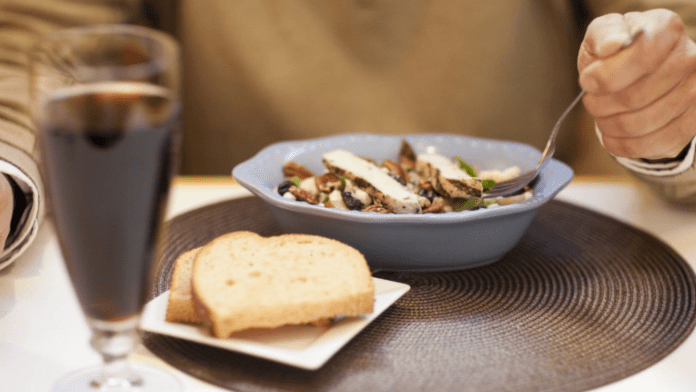
In the wake of the pandemic, customer service and improved experiences have become a top priority, leading to a significant increase in demand for job opportunities in the hospitality sector.(Representative Image)
According to Indeed, a leading global job site, the hospitality sector has experienced a significant surge in job openings between March 2022 and March 2023. Job postings in this industry have grown by approximately 60%, while job seekers have shown a 20.10% increase in interest, as evidenced by clicks on the platform. This data suggests that career opportunities in the hospitality sector are currently thriving.
The hospitality industry in Delhi-NCR has witnessed the highest surge in job postings over the past year, with a remarkable 20.37% increase. Mumbai and Bengaluru follow close behind. The post-pandemic scenario has led to a restlessness among people, prompting them to venture out of their homes. As things slowly return to normal, leisure travel has seen a notable upswing, particularly with families planning summer vacations and long weekend trips. The rise in interstate travel has resulted in a growing demand for job opportunities in the hospitality sector.
Commenting on the research report, Saumitra Chand – Career Expert, Indeed India and Singapore, said, “The hospitality sector was perhaps one of the most affected industries since the wake of the pandemic. The growth trajectory of this field has truly been impressive as it continues to grow at a rapid pace, with travel and tourism thriving again. During the second wave of the pandemic, change in jobs during the period of March 2020 to 2021 limboed at -13.80 percent. However, from March 2022 to 2023, change in jobs has sprouted to a staggering 59.50 percent. We remain optimistic about this growth, especially as local and domestic tourism continue to be attractive destinations.”
In the wake of the pandemic, customer service and improved experiences have become a top priority, leading to a significant increase in demand for job opportunities in the hospitality sector. With domestic tourism on the rise, Hotel Manager and Travel Consultant have emerged as the most sought-after roles, closely followed by Resort Manager, Hospitality Manager, and Travel Agent. These positions present lucrative career paths for professionals in the hospitality industry, underscoring the sector’s growth and potential.
On Thursday, Domino’s Pizza Inc cautioned about a slowdown in its delivery business, citing a shift in consumer behavior towards cooking at home rather than ordering in. This news caused a 6 percent drop in the company’s shares, offsetting the better-than-expected first-quarter results.
As inflation levels have risen, consumers’ disposable income has been stretched thin, making them more cautious about spending on expensive food items and increased delivery fees.
The cost of cheese, meat, fuel, and labor has been rising, impacting restaurant chains including McDonald’s Corp and Chipotle Mexican Grill Inc. To safeguard its profit margins, Domino’s Pizza Inc has increased menu prices and delivery charges.
To appeal to consumers feeling the pinch of inflation, the pizza chain has reintroduced the USD 3 Carryout Tips promotion. Under this offer, customers who place a carry-out order of USD 5 or more will receive a USD 3 promo that can be redeemed towards another carry-out order.
During an earnings call, Domino’s Chief Financial Officer Sandeep Reddy reported that the carry-out business was performing well, with the new menu item “Loaded Tots” seeing higher sales.
Reddy also mentioned that there was a shift in demand from delivery to in-restaurant dining, indicating that more customers were returning to dine-in at restaurants.
Siye Desta, an analyst at CFRA Research, stated that consumer spending patterns would return to normal, with pizza delivery orders expected to contribute to the overall sales growth.
According to Refinitiv data, same-store sales at Domino’s, the largest pizza chain globally, increased by 3.6% in the first quarter, surpassing analysts’ estimated growth of 1.96%.
The company’s adjusted earnings per share stood at USD 2.93, exceeding the estimated USD 2.73. However, despite a 1.3% increase in total revenue to USD 1.02 billion, the figures fell short of estimates of USD 1.04 billion due to the impact of a strong dollar.
Masalawala & Sons is a popular Indian restaurant located in the heart of New York City. If you are looking to satisfy your craving for spicy Indian cuisine, this restaurant is a must-visit. It is the brainchild of Roni Mazumdar, a restaurateur, and Chintan Pandya, a chef and partner. The restaurant is part of the hospitality group Unapologetic Foods, which has quickly risen to become one of the top hospitality groups operating in New York City.
Masalawala & Sons opened its doors in September 2021 and has been a hit with locals and visitors alike ever since. Upon entering Masalawala & Sons, customers are greeted with a vibrant, warmly lit space filled with tables and regular chairs. The restaurant also features an L-shaped banquette opposite backless upholstered cubes and a patio in the back. Cocktails like the Bengali Renaissance and Tagore’s Lyric are unique and unlike anything else in the neighborhood. The dinner menu, which consists of consistent winners, can be reconfigured again and again over many visits.
In this article, we will review the ambiance, food, and menu of Masalawala & Sons and give you an idea of what to expect when you visit.
Ambiance:
The ambiance of Masalawala & Sons is warm and inviting. The restaurant is decorated with traditional Indian artwork, and the tables are adorned with bright tablecloths and flowers. The lighting is dim, creating a cozy and intimate atmosphere that is perfect for a romantic dinner or a night out with friends.
The restaurant has both indoor and outdoor seating. The outdoor seating area is particularly charming, with colorful umbrellas and string lights hanging overhead. Whether you choose to dine indoors or outdoors, you’ll feel transported to India as soon as you step inside.
Food:
The food at Masalawala & Sons is the main attraction. The menu features a wide variety of dishes, including vegetarian and non-vegetarian options. Whether you are a meat lover or a vegetarian, there is something for everyone on the menu.
One of the most popular dishes at Masalawala & Sons is the Chicken Tikka Masala. This dish consists of tender pieces of chicken cooked in a creamy tomato-based sauce with a blend of Indian spices. The Chicken Tikka Masala is a must-try for anyone visiting the restaurant for the first time.
Another standout dish is the Lamb Vindaloo. This spicy and tangy curry is made with tender pieces of lamb cooked in a fiery blend of spices, vinegar, and tomato sauce. It’s a dish that will leave your taste buds tingling and is perfect for those who love spicy food.
Vegetarian options at Masalawala & Sons are also outstanding. The Chana Masala is a popular vegetarian dish made with chickpeas cooked in a spicy tomato-based sauce. It’s a great option for vegetarians who want to try something flavorful and satisfying.
Another standout vegetarian dish is the Saag Paneer. This dish is made with fresh spinach and chunks of paneer, a type of Indian cheese. It’s cooked in a creamy sauce with a blend of Indian spices and is the perfect comfort food for vegetarians.
Menu:
The menu at Masalawala & Sons is extensive and features a wide variety of dishes.There are plenty of appetizers to choose from, including Samosas, which are crispy pastry pockets filled with spiced vegetables or meat.
The entrees at Masalawala & Sons are divided into vegetarian and non-vegetarian options. The non-vegetarian options include dishes like Chicken Tikka Masala, Lamb Vindaloo, and Tandoori Chicken. The vegetarian options include dishes like Chana Masala, Saag Paneer, and Baingan Bharta, which is a spicy eggplant dish.
The restaurant also offers a variety of bread and rice options, including Naan,Garlic Naan, and Basmati Rice. There are also a variety of side dishes available, such as Raita, a yogurt-based side dish, and Papadum, a crispy lentil wafer.
If you’re in the mood for something sweet, be sure to try one of the desserts at Masalawala & Sons. The Gulab Jamun, a sweet and syrupy dessert made with fried dough balls, is a popular choice.
Masalawala & Sons is a great choice for anyone looking for a taste of India in the heart of New York City. With its warm ambiance and outstanding food, it’s no wonder why this restaurant has become a favorite among locals and tourists alike.
Colocal Cafe is a unique cafe in Delhi that offers an extensive menu of chocolate-based drinks and desserts. Located in the heart of the city, this cafe is a popular destination for chocolate lovers who seek to indulge in their sweet cravings. With its inviting ambiance and an impressive range of chocolate offerings, Colocal Cafe provides a delightful experience for its customers.
Colocal Cafe is a cozy and quaint cafe located in the bustling city of Delhi. Founded in 2016, this cafe has quickly become a favorite among locals and tourists alike. With its friendly and welcoming atmosphere, it provides a relaxing environment to enjoy a delicious meal or a cup of coffee.
The cafe’s menu is diverse, offering a range of vegetarian and non-vegetarian options. However, the cafe is most famous for its chocolate-based drinks and desserts, which are the main focus of this article.
Chocolate is undoubtedly one of the most popular flavors in the world. Its rich and creamy taste has made it a favorite among people of all ages. Colocal Cafe takes this love for chocolate to the next level by offering a range of chocolate-based drinks and desserts that are sure to satisfy any sweet tooth.
From rich and indulgent hot chocolate to decadent chocolate cakes, Colocal Cafe has something for everyone. Whether you are a die-hard chocolate lover or just enjoy the occasional sweet treat, Colocal Cafe is the perfect place to indulge in some chocolate bliss.
Colocal Cafe’s Chocolate Menu
If you’re looking for a chocolate lover’s paradise, look no further than Colocal Cafe in Delhi. This cozy cafe is dedicated to all things chocolate, with an extensive menu of chocolate-based drinks and desserts.
1. Chocolate-Based Drinks:
First and foremost, Colocal Cafe serves a variety of chocolate-based drinks to satisfy any chocolate craving. Whether you prefer hot or cold drinks, they have you covered. Some of their most popular drinks include:
Hot Chocolate – Made with high-quality, rich chocolate, Colocal Cafe’s hot chocolate is the perfect way to warm up on a chilly day. It’s also available in different variations such as dark chocolate or white chocolate.
Iced Chocolate – For those who prefer a cold, refreshing beverage, Colocal Cafe’s iced chocolate is the way to go. It’s made with the same high-quality chocolate as the hot chocolate but served over ice.
Chocolate Milkshakes – These thick and creamy milkshakes are the perfect indulgence for any chocolate lover. They come in a variety of flavors, including classic chocolate, dark chocolate, and even Nutella.
Chocolate Smoothies – For a healthier chocolate fix, try one of Colocal Cafe’s chocolate smoothies. Made with real fruit and cocoa powder, these smoothies are a guilt-free way to enjoy chocolate.
2. Chocolate Desserts:
Of course, no chocolate menu would be complete without a selection of decadent chocolate desserts. Colocal Cafe has a wide variety of desserts to choose from, including:
Chocolate Brownies – These rich, fudgy brownies are a chocolate lover’s dream. They’re made with high-quality chocolate and topped with chocolate chips for an extra indulgent treat.
Chocolate Cake – Colocal Cafe’s chocolate cake is moist, rich, and full of chocolate flavor. It’s the perfect way to satisfy any chocolate craving.
Chocolate Truffles – These bite-sized treats are made with smooth, creamy chocolate ganache and come in a variety of flavors, including dark chocolate, white chocolate, and Nutella.
Chocolate Fondue – If you’re looking for a fun and interactive dessert, try Colocal Cafe’s chocolate fondue. It comes with a variety of dippable treats, such as fruit, cookies, and marshmallows, and is the perfect way to share a sweet treat with friends.
Quality of Chocolate Used:
One of the things that sets Colocal Cafe apart from other cafes is the quality of chocolate they use. They source their chocolate from some of the best chocolate makers in the world, ensuring that every drink and dessert is made with the highest-quality ingredients.
Whether you’re sipping on a hot chocolate or indulging in a chocolate truffle, you can taste the difference that high-quality chocolate makes. It’s richer, smoother, and more satisfying than lower-quality chocolate, and it’s what makes Colocal Cafe’s chocolate menu truly special.
Ambiance and Atmosphere:
The moment you step inside the Colocal Cafe, you are greeted with the delicious aroma of chocolate. The decor is warm and inviting, with wooden furniture and soft lighting that sets the mood for a relaxed and comfortable dining experience. The walls are adorned with quirky and whimsical art, adding to the cafe’s charming ambiance.
Comfortable Seating:
The cafe boasts comfortable seating options, including plush sofas, chairs, and high tables. The seating arrangements are well-spaced, allowing for a private and intimate dining experience. The cafe also offers outdoor seating, perfect for those who want to enjoy their chocolate in the fresh air.
Customer Service and Satisfaction:
The staff at Colocal Cafe are friendly, knowledgeable, and always ready to assist you with your chocolate choices. They are happy to provide recommendations and guide you through the menu, ensuring that you have a pleasant and satisfying experience.
Pricing and Value:
The pricing at Colocal Cafe is reasonable, considering the quality and quantity of the chocolate treats. The cafe offers a wide range of chocolate-based items, including hot chocolate, chocolate shakes, chocolate cakes, and much more. Each item is made with high-quality ingredients and prepared fresh, ensuring a delectable and indulgent experience.
The Colocal Cafe is a must-visit for anyone who loves chocolate. The ambiance and atmosphere are inviting, and the staff is friendly and knowledgeable. The pricing is reasonable, and the value for money is excellent. So if you are looking to indulge in a world of chocolate bliss, head to Colocal Cafe in Delhi and satisfy your sweet tooth.
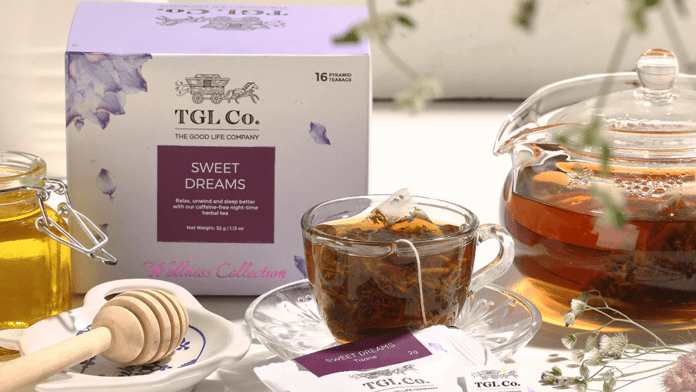
A good night’s sleep is essential for maintaining good health and well-being. However, in today’s fast-paced world, it can be difficult to unwind and relax at night. Chamomile tea is a natural remedy for stress and anxiety that has been used for centuries to promote relaxation and improve sleep. TGL Co.’s Sweet Dreams Chamomile Tea is a delicious and effective way to unwind and relax at night.
What is TGL Co.’s Sweet Dreams Chamomile Tea?
TGL Co.’s Sweet Dreams Chamomile Tea is a blend of chamomile flowers, peppermint, and lemongrass. The chamomile flowers used in the tea are sourced from the Nile River Valley in Egypt, where they are grown using traditional farming methods. The peppermint and lemongrass used in the tea are sourced from India, where they are also grown using traditional farming methods.
The tea is made by infusing chamomile flowers, peppermint, and lemongrass in hot water for several minutes, resulting in a fragrant and soothing tea that promotes relaxation and sleep.
TGL Co.’s Sweet Dreams Chamomile Tea is a rich source of antioxidants, which help protect the body against harmful free radicals. Chamomile contains flavonoids, which are a type of antioxidant that have been shown to have anti-inflammatory and anti-cancer properties.
Chamomile is also a natural sedative, which makes it an effective remedy for insomnia and other sleep disorders. Peppermint is a natural digestive aid that can help soothe upset stomachs and reduce nausea. Lemongrass is known for its calming and soothing properties and can help reduce stress and anxiety.
Health Benefits of TGL Co.’s Sweet Dreams Chamomile Tea
Promotes Relaxation and Sleep: Chamomile is a natural sedative that can help promote relaxation and sleep. Chamomile contains apigenin, which is a flavonoid that binds to specific receptors in the brain that help promote sleep and reduce anxiety.
Reduces Stress and Anxiety: Lemongrass is known for its calming and soothing properties and can help reduce stress and anxiety. Lemongrass contains compounds that have been shown to have anti-anxiety effects and can help promote relaxation.
Improves Digestion: Peppermint is a natural digestive aid that can help soothe upset stomachs and reduce nausea. Peppermint contains menthol, which can help relax the muscles in the digestive tract and improve the flow of bile, which helps digest fats.
Relieves Headaches: Peppermint is effective in reducing the frequency and severity of headaches. Peppermint contains menthol, which can help relax the muscles in the head and neck and improve blood flow to the brain.
To prepare TGL Co.’s Sweet Dreams Chamomile Tea, follow these simple steps:
Boil water in a kettle or on a stove.
Place one teaspoon of tea leaves in a tea infuser or tea bag.
Place the tea infuser or tea bag in a cup.
Pour the hot water over the tea infuser or tea bag.
Let the tea steep for 3-5 minutes.
Remove the tea infuser or tea bag from the cup.
Sweeten with honey or sugar, if desired.
Enjoy your delicious and soothing cup of chamomile tea.
How to Incorporate TGL Co.’s Sweet Dreams Chamomile Tea into Your Nighttime Routine
Sip Before Bedtime Drinking a cup of TGL Co.’s Sweet Dreams Chamomile Tea before bedtime can help you unwind and relax, promoting better sleep. Make it a part of your nightly routine, and enjoy the soothing effects of chamomile as you wind down for the night.
Pair With a Relaxing Activity To maximize the benefits of chamomile tea, pair it with a relaxing activity such as reading a book, listening to soft music, or taking a warm bath. This will help create a peaceful and calming atmosphere that will enhance the relaxation and sleep-promoting properties of the tea.
Use as a Stress-Relieving Tool Chamomile tea can also be used as a stress-relieving tool during the day. If you feel anxious or stressed, take a break and make yourself a cup of chamomile tea. Sit down and take a few deep breaths as you sip your tea, allowing the calming properties of chamomile to help soothe your mind and body.
TGL Co.’s Sweet Dreams Chamomile Tea is a delicious and effective way to unwind and relax at night. The blend of chamomile flowers, peppermint, and lemongrass creates a fragrant and soothing tea that promotes relaxation and sleep. It is also a rich source of antioxidants and has several health benefits, including reducing stress and anxiety, improving digestion, and relieving headaches.
By incorporating TGL Co.’s Sweet Dreams Chamomile Tea into your nighttime routine, you can create a peaceful and calming atmosphere that will help you unwind and promote better sleep.
Diabetes is a chronic condition that affects millions of people worldwide. It is characterized by high levels of glucose (sugar) in the blood, which can lead to a range of health problems if left unmanaged. While there are several ways to manage diabetes, one of the most important is through diet.
By choosing the right foods and snacks, individuals with diabetes can help control their blood sugar levels and reduce their risk of complications. In this article, we will explore how Normalife Healthy Snack Oats Puffs can help individuals manage their diabetes in a delicious and healthy way.
The Challenge of Managing Diabetes
Managing diabetes can be a challenging task, as individuals with diabetes must constantly monitor their blood sugar levels and make adjustments to their diet and lifestyle. Common challenges faced by individuals with diabetes include difficulty maintaining a healthy weight, managing blood sugar levels, and dealing with complications such as nerve damage and kidney disease.
Diet plays a critical role in managing diabetes. By choosing the right foods and snacks, individuals with diabetes can help control their blood sugar levels and reduce their risk of complications. However, it can be difficult to know which foods to choose and which to avoid.
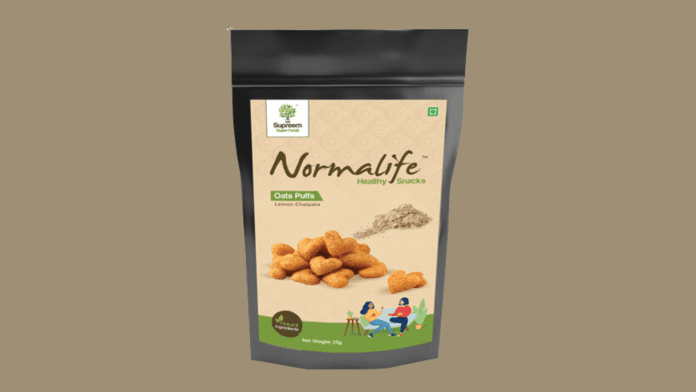
Normalife Healthy Snack Oats Puffs:
Managing diabetes can be a challenging task, especially when it comes to maintaining a healthy and balanced diet. With so many unhealthy snacking options available in the market, it can be tough to find a snack that not only satisfies your cravings but also fits into your diabetic diet plan. This is where Normalife Healthy Snack Oats Puffs comes in.
Normalife Healthy Snack Oats Puffs is a delicious and healthy snack option that is perfect for individuals with diabetes. It is a light and crunchy snack made from the goodness of oats and is available in two exciting flavors – Lemony Chatpata and Classic Masala.
It is a unique and healthy snack option that is made from natural and wholesome ingredients. It is made from high-quality oats, which are known for their numerous health benefits. The oats are carefully processed to make the puffs light, crunchy, and delicious. The snack is available in a convenient 25gm pack that is perfect for on-the-go snacking.
Benefits of including Normalife Healthy Snack Oats Puffs in a diet:
Normalife Healthy Snack Oats Puffs is a healthy snack option that has numerous benefits for individuals with diabetes. Some of the benefits of including Normalife Healthy Snack Oats Puffs in a diabetic diet are:
Low Glycemic Index: Oats have a low glycemic index, which means that they do not cause a rapid spike in blood sugar levels. This makes Normalife Healthy Snack Oats Puffs a great snack option for individuals with diabetes.
High Fiber Content: Oats are rich in dietary fiber, which helps to regulate blood sugar levels and improve insulin sensitivity. Normalife Healthy Snack Oats Puffs contains 3.5g of fiber per serving, making it a great source of fiber.
Absence of Added Sugars and Unhealthy Fats: Normalife Healthy Snack Oats Puffs does not contain any added sugars or unhealthy fats, making it a healthy snack option for individuals with diabetes.
Convenient and Tasty Snack Option: Normalife Healthy Snack Oats Puffs is a convenient and tasty snack option that can be enjoyed anytime, anywhere. It is perfect for on-the-go snacking and can help prevent unhealthy snacking habits.
Managing diabetes can be a challenge, but with the right diet and lifestyle changes, it is possible to keep blood sugar levels under control. Normalife Healthy Snack Oats Puffs is a delicious and healthy snack option for individuals with diabetes. It has a low glycemic index, is high in fiber, and does not contain any added sugars or unhealthy fats.
In addition to choosing healthy snacks, it is important to be mindful of portion sizes, choose low glycemic index foods, avoid added sugars and unhealthy fats, and incorporate whole grains, fruits, and vegetables into the diet. With these tips, individuals with diabetes can manage their condition and live a healthy, fulfilling life.
The perfect evening can be defined in many ways. It can be a quiet night in with a good book or a movie, or it can be a night out with friends. Whatever your definition of a perfect evening is, one thing is for sure – it involves good food and drinks.
In this article, we will explore how to pair Oaksmith Mule with sizzling Freshtohome Chilli Chicken to create the perfect evening.
What is Oaksmith Mule?
Oaksmith Mule is a refreshing and smooth blend of premium whisky and ginger beer. It is a classic cocktail that has been around for decades and is loved by many. The drink is served over ice in a copper mug, which not only keeps the drink cool but also enhances the flavor.
Oaksmith Mule is made with high-quality ingredients, including Oaksmith® Premium Whisky, which is a blend of select Indian malts and premium Scotch whisky. The ginger beer used in the drink is made with natural ginger extract and has a unique and spicy flavor.
The combination of whisky and ginger beer creates a drink that is both sweet and spicy, with a subtle hint of smokiness from the whisky. Oaksmith Mule is perfect for any occasion, whether it’s a casual get-together or a formal event.
What is Freshtohome Chilli Chicken?
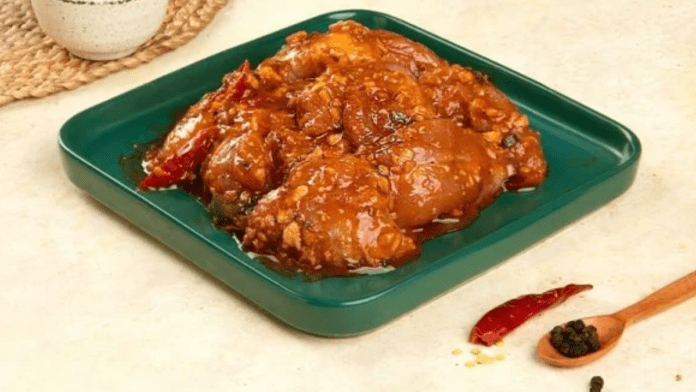
Freshtohome Chilli Chicken is a popular Indian dish that is made with boneless chicken pieces marinated in a spicy mixture of chili powder, ginger-garlic paste, and other spices. The marinated chicken is then stir-fried with onions, bell peppers, and green chilies, giving it a spicy and flavorful kick.
Freshtohome is known for its high-quality meat and seafood, which is sourced directly from farmers and fishermen. The company follows strict quality standards to ensure that their products are fresh and free from any harmful additives or preservatives. Freshtohome Chilli Chicken is a perfect dish for anyone who loves spicy food. It is easy to prepare and can be enjoyed as a main course or as a side dish.
Pairing Oaksmith Mule with Freshtohome Chilli Chicken
When it comes to planning the perfect evening, choosing the right combination of food and drink can make all the difference. One combination that never fails to impress is pairing a refreshing Oaksmith Mule with sizzling Freshtohome Chilli Chicken.
Oaksmith Mule is a classic cocktail made with bourbon, ginger beer, and lime juice. The combination of the smoky bourbon, spicy ginger beer, and tangy lime juice makes for a refreshing and complex drink that is perfect for any occasion. When paired with the bold flavors of Freshtohome Chilli Chicken, the Oaksmith Mule provides the perfect balance of sweetness and spice, making for a satisfying and delicious meal.
Freshtohome is India’s largest online seafood and meat store that offers a wide range of high-quality, fresh and chemical-free seafood and meat products. One of their most popular offerings is their Chilli Chicken, which is made with tender pieces of chicken marinated in a spicy and tangy sauce. The dish is perfect for those who love bold flavors and a little bit of heat in their food.
When paired with the Oaksmith Mule, the Freshtohome Chilli Chicken brings out the best in the cocktail. The spiciness of the chicken is balanced by the sweetness of the bourbon, while the tangy lime juice helps to cut through the richness of the dish. The refreshing ginger beer also helps to cleanse the palate between bites, making for a more enjoyable dining experience.
Pairing Oaksmith Mule with Freshtohome Chilli Chicken is a match made in heaven. The spicy and tangy flavors of the chicken are perfectly balanced by the sweetness of the bourbon in the cocktail, making for a delicious and satisfying meal. If you’re looking for the perfect way to impress your friends or loved ones, give this pairing a try. With a little bit of planning and preparation, you can create a perfect evening that everyone will remember for years to come.
Cooking oil is an essential ingredient in almost every cuisine in the world. It helps in adding flavor, texture, and nutrition to the food. However, not all oils are created equal. Some oils are healthier than others, while some are better suited for cooking at high temperatures. In this article, we will compare two popular cooking oils – MCT oil and olive oil.
We will look at their nutritional profiles, health benefits, and which one is better suited for different types of cooking.
What is MCT Oil?
MCT stands for Medium-Chain Triglycerides. MCT oil is made by extracting medium-chain fatty acids from coconut oil or palm kernel oil. These fatty acids are then purified and concentrated to make MCT oil. MCT oil is a colorless, odorless, and tasteless liquid that is a popular ingredient in many health supplements and ketogenic diets.
MCT oil is easily digested and absorbed by the body, making it an excellent source of energy. It is also believed to have several health benefits, including weight loss, improved cognitive function, and increased energy levels.
Nutritional Profile of MCT Oil
MCT oil is a highly concentrated source of calories. One tablespoon of MCT oil contains approximately 100 calories. It is also high in saturated fats, with around 60% of its fatty acid composition being made up of medium-chain triglycerides.
MCT oil does not contain any essential vitamins or minerals, but it does contain some antioxidants that may help to reduce inflammation in the body.
Health Benefits of MCT Oil
Weight Loss
MCT oil is believed to help with weight loss by increasing the production of ketones in the body. Ketones are produced when the body breaks down fat for energy instead of glucose. By increasing the production of ketones, MCT oil may help to reduce appetite and promote weight loss.
Improved Cognitive Function
MCT oil is easily absorbed by the body and quickly converted into ketones. Ketones are a preferred source of energy for the brain, and studies have shown that MCT oil may improve cognitive function in people with Alzheimer’s disease and other forms of dementia.
Increased Energy Levels
MCT oil is quickly absorbed and converted into ketones, which can provide a quick source of energy. This makes MCT oil a popular ingredient in pre-workout supplements and energy drinks.
Lowered Cholesterol Levels
Studies have shown that MCT oil may help to reduce cholesterol levels in the body. This is believed to be due to the high concentration of medium-chain triglycerides in MCT oil, which may help to increase the production of HDL (good) cholesterol in the body.
What is Olive Oil?
Olive oil is a type of vegetable oil that is made from the fruit of the olive tree. It is a staple in Mediterranean cuisine and is popular worldwide due to its health benefits and versatile flavor. Olive oil is available in different grades, ranging from extra virgin olive oil (EVOO) to refined olive oil.
Extra virgin olive oil is considered to be the highest quality olive oil and is made by cold-pressing the olives without the use of chemicals. This results in a fruity, flavorful oil that is high in antioxidants and healthy monounsaturated fats.
Nutritional Profile of Olive Oil
Olive oil is a good source of healthy fats, with around 70% of its fatty acid composition being made up of monounsaturated fats. It also contains small amounts of vitamins E and K, as well as antioxidants such as polyphenols.
Health Benefits of Olive Oil
Reduced Risk of Heart Disease
Olive oil is high in monounsaturated fats, which are believed to help reduce the risk of heart disease. Studies have shown that a diet high in monounsaturated fats can help to lower LDL (bad) cholesterol levels in the body and reduce the risk of heart attacks and strokes.
Improved Brain Function Olive oil is high in polyphenols, which are antioxidants that can help to protect the brain from oxidative stress and inflammation. Studies have shown that regular consumption of olive oil may improve cognitive function and reduce the risk of age-related cognitive decline.
Reduced Inflammation Olive oil contains oleic acid, a type of monounsaturated fat that has anti-inflammatory properties. Studies have shown that regular consumption of olive oil may help to reduce inflammation in the body and lower the risk of chronic diseases such as cancer, arthritis, and Alzheimer’s disease.
Which One is Better for You?
When it comes to choosing between MCT oil and olive oil, there is no clear winner. Both oils have their unique benefits and are better suited for different types of cooking.
MCT oil is a highly concentrated source of energy and is quickly absorbed by the body, making it an excellent choice for pre-workout supplements and energy drinks. It is also believed to help with weight loss and improve cognitive function, making it a popular ingredient in ketogenic diets.
However, MCT oil is high in calories and saturated fats, and it does not contain any essential vitamins or minerals. This means that it should be consumed in moderation and should not be used as a substitute for other healthy fats such as olive oil.
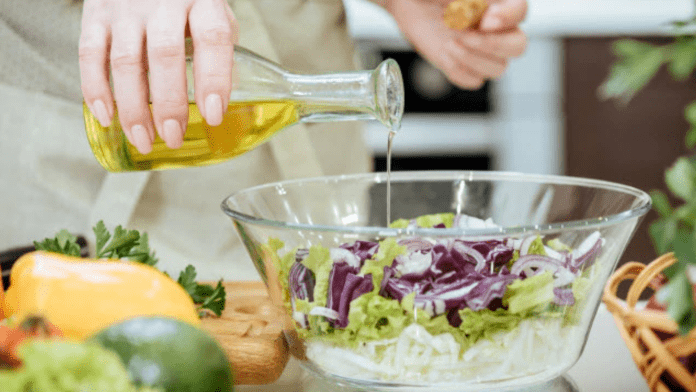
Olive oil, on the other hand, is a good source of healthy monounsaturated fats, antioxidants, and vitamins. It is an essential ingredient in Mediterranean cuisine and is used in a variety of dishes, including salads, pasta, and grilled vegetables.
Olive oil is also believed to help reduce the risk of heart disease, improve brain function, and reduce inflammation in the body. It is an excellent choice for cooking at low to medium temperatures and can be used in a variety of dishes, including sautéing, roasting, and baking.
MCT oil and Olive oil are both excellent choices for cooking and have their unique benefits. MCT oil is a highly concentrated source of energy and is believed to help with weight loss and improve cognitive function. Olive oil is a good source of healthy monounsaturated fats, antioxidants, and vitamins and is an essential ingredient in Mediterranean cuisine.
When choosing between MCT oil and Olive oil, it is essential to consider your nutritional needs, cooking preferences, and overall health goals. Both oils should be consumed in moderation and should not be used as a substitute for other healthy fats such as nuts, seeds, and avocados.
Ultimately, a healthy diet should include a variety of healthy fats, including MCT oil and Olive oil, to provide your body with the nutrients it needs to function at its best.
Gaining weight is a common goal for many individuals, whether they are athletes looking to increase muscle mass or individuals seeking to improve their overall health. One popular way to gain weight is by consuming protein powder and sugary drinks. However, recent research suggests that combining protein powder and sugary drinks may not be the best approach to gaining weight. In this article, we will explore the links between protein and sugary drinks and weight gain, as well as the risks of mixing the two.
The Link Between Protein and Weight Gain
Protein is an essential nutrient for building and repairing muscles, making it a key component of many weight gain strategies. Studies have shown that increasing protein intake can lead to greater muscle mass and strength gains in both athletes and non-athletes alike. However, it is important to note that protein alone does not necessarily lead to weight gain. In fact, consuming excessive amounts of protein without adequate exercise can lead to weight gain in the form of fat, rather than muscle.
To effectively gain weight through protein consumption, it is important to consume a moderate amount of protein alongside a balanced diet and regular exercise routine. This can help to ensure that the additional calories consumed through protein are used to build muscle, rather than stored as fat.
The Link Between Sugary Drinks and Weight Gain
Sugary drinks, such as soda and sports drinks, are often consumed in large quantities by individuals looking to gain weight. While these drinks do contain a high amount of calories, they also contain a significant amount of sugar, which can lead to weight gain in the form of fat rather than muscle.
A study published in the American Journal of Clinical Nutrition found that consuming sugary drinks can lead to a higher risk of obesity, type 2 diabetes, and other health problems. This is due in part to the high levels of added sugar found in these drinks, which can cause insulin resistance and inflammation in the body.
The Risks of Combining Protein and Sugary Drinks
While consuming protein and sugary drinks separately may be beneficial for weight gain, combining the two can have negative consequences. When protein powder is mixed with sugary drinks, the body is hit with a high amount of both protein and sugar at once. This can lead to a spike in blood sugar levels, followed by a crash, which can leave the body feeling fatigued and lethargic.
Additionally, consuming protein and sugary drinks together can lead to an increased risk of weight gain in the form of fat. This is because the body is not able to effectively use the protein for muscle building when it is consumed alongside high levels of sugar.
Alternative Beverages to Mix with Protein Powder
If you are looking to gain weight through protein consumption, there are alternative beverages that can be mixed with protein powder to avoid the negative effects of sugary drinks. Some examples include:
Water: This is the simplest and most effective option for mixing with protein powder. Water helps to hydrate the body and can also aid in digestion, making it a great choice for post-workout recovery.
Milk: Milk is a good source of protein and contains essential nutrients like calcium and vitamin D. It can also help to slow the absorption of protein, allowing the body to effectively use it for muscle building.
Plant-based milk alternatives: For individuals who are lactose intolerant or following a vegan diet, plant-based milk alternatives like almond milk or soy milk can be a good option for mixing with protein powder.
Gaining weight can be a challenging process for some people, and many may turn to protein and sugary drinks to help them achieve their goals. However, combining these two types of beverages can have negative effects on both weight gain and overall health.
Sugary drinks can lead to an increase in body fat and other health problems, while protein drinks can help build muscle mass but may not be as effective when consumed with high levels of sugar. To avoid these negative consequences, it is important to be mindful of the beverages we consume and to seek out healthier alternatives that support our weight gain goals without compromising our health. Incorporating a balanced diet and regular exercise into our daily routine can also be beneficial in achieving long-term weight gain goals.
When it comes to maintaining a healthy lifestyle, many people incorporate a cheat meal into their diet. A cheat meal is a meal that deviates from one’s typical healthy diet, allowing the individual to indulge in their favorite foods without guilt. While cheat meals can be a great way to satisfy cravings and boost motivation, there are concerns about how they may be harming the liver.
The liver is a vital organ that plays a crucial role in many bodily functions, including digestion and metabolism. It is responsible for processing nutrients, detoxifying the body, and producing bile, which helps to break down fats. When the liver is not functioning properly, it can lead to serious health issues, including liver disease and liver failure. In this article, we will explore whether cheat meals are harming the liver and what experts have to say about the topic.
What is a Cheat Meal?
A cheat meal is a planned deviation from a person’s regular diet. It typically involves consuming foods that are high in calories, fat, and sugar that may not be part of a person’s typical diet. Cheat meals are often used as a reward for sticking to a healthy eating plan and can help to increase motivation by providing a break from strict dietary restrictions.
While cheat meals can be beneficial for mental health and motivation, there are concerns that they may harm the liver. Consuming high amounts of unhealthy foods, even on occasion, can cause damage to the liver and increase the risk of liver disease.
How Does the Liver Work?
The liver is one of the largest organs in the body and plays a crucial role in many bodily functions. It is responsible for processing nutrients, filtering toxins from the blood, and producing bile to aid in digestion. The liver is also responsible for regulating blood sugar levels, storing vitamins and minerals, and producing proteins that help with blood clotting.
The liver receives blood from two sources: the hepatic artery, which supplies oxygen-rich blood to the liver, and the portal vein, which carries blood from the digestive organs to the liver. Once the blood enters the liver, it is filtered and processed before being sent back into the bloodstream.
How Can a Cheat Meal Harm the Liver?
Consuming a cheat meal can harm the liver in several ways. One of the main concerns is the high intake of fats and sugars found in many cheat meals. When the liver is exposed to high amounts of fats and sugars, it can lead to an accumulation of fat in the liver, known as non-alcoholic fatty liver disease (NAFLD).
NAFLD is a condition in which the liver contains excessive amounts of fat that can cause inflammation and damage to liver cells. Over time, this can lead to scarring of the liver, known as cirrhosis, which can eventually lead to liver failure.
Another way that cheat meals can harm the liver is by increasing the production of free radicals. Free radicals are unstable molecules that can damage cells and contribute to the development of many diseases, including liver disease. Consuming high amounts of unhealthy foods, even on occasion, can increase the production of free radicals in the liver, leading to oxidative stress and damage to liver cells.
The Role of Fats and Sugars in Liver Damage
Before we dive into the specifics of cheat meals and liver damage, it’s important to understand the role of fats and sugars in liver health. The liver is a vital organ that plays many roles in the body, including breaking down and metabolizing nutrients from the food we eat. One of the liver’s primary functions is to convert glucose (sugar) into glycogen, which is stored in the liver and used as a source of energy when glucose levels in the blood are low.
When we consume excess fats and sugars, our liver has to work harder to process them. Over time, this can lead to a condition called nonalcoholic fatty liver disease (NAFLD). NAFLD is a condition in which excess fat accumulates in the liver, causing inflammation and damage to liver cells. NAFLD is becoming increasingly common in the Western world, and experts believe that it’s largely due to the high levels of sugar and fat in our diets.
Cheat meals, by definition, are high in fats and sugars. A typical cheat meal might include pizza, ice cream, or other foods that are high in fat, sugar, and calories. While indulging in a cheat meal once in a while may not cause immediate harm, over time, frequent cheat meals can contribute to the development of NAFLD.
The Importance of Moderation
Does this mean you should never indulge in a cheat meal? Not necessarily. The key is moderation. If you eat a healthy, balanced diet most of the time, the occasional cheat meal is unlikely to cause significant harm. However, if you’re regularly consuming high-fat, high-sugar foods, it’s important to be aware of the potential impact on your liver health.
Experts recommend that individuals limit their intake of added sugars and saturated fats. The American Heart Association recommends that no more than 10% of your daily calories come from added sugars, and no more than 5-6% come from saturated fats. When planning your cheat meal, keep these recommendations in mind. Instead of indulging in a whole pizza or pint of ice cream, opt for a smaller portion size and balance it out with some healthier options, such as a side salad or vegetable-based dish.
Tips for a Healthier Cheat Meal
Here are some tips for a healthier cheat meal:
Plan ahead: If you know you’ll be indulging in a cheat meal, plan for it ahead of time. Try to make healthier choices leading up to the meal, such as consuming more fruits and vegetables and drinking plenty of water.
Watch portion sizes: Instead of going all-out and consuming an entire pizza or pint of ice cream, try to limit portion sizes. Opt for a smaller slice of pizza or a single scoop of ice cream instead.
Balance your meal: When consuming a cheat meal, try to balance it out with healthier options. For example, if you’re having a burger, skip the fries and opt for a side salad instead.
Avoid frequent indulgences: While it’s okay to indulge in a cheat meal every once in a while, try to avoid making it a regular habit. Consuming too many cheat meals can increase your risk of developing liver damage and other health conditions.
While cheat meals can be a source of comfort and indulgence, it’s important to be mindful of their impact on our liver and overall health. By planning ahead, watching portion sizes, balancing meals, and avoiding frequent indulgences, we can still enjoy our favorite foods while maintaining a healthy liver.
We use cookies to ensure that we give you the best experience on our website. If you continue to use this site we will assume that you are happy with it.