The sun is shining bright, the heat is getting unbearable, and you’re feeling parched. What you need is a refreshing, ice-cold drink to quench your thirst and make you feel alive again. Imagine a tall glass filled with ice cubes, condensation dripping down the sides, and the sweet aroma of your favorite summer flavors filling the air. One sip, and you feel the coolness coursing through your body, soothing your senses and lifting your spirits.
Whether you’re lounging by the pool or soaking up the sun on the beach, there’s nothing quite like a cold, refreshing drink to elevate your weekend vibes and make you feel like you’re living your best life. So why not treat yourself to a delicious blue margarita cocktail, bursting with flavor and guaranteed to make you feel like you’re on top of the world?
The Blue Margarita is a twist on the classic margarita, but with a fun and vibrant blue hue that will instantly elevate your mood. Made with tequila, blue curacao, and lime juice, this cocktail is both sweet and tangy with just the right amount of kick.
The sweet and tangy flavors of blue curaçao and lime juice perfectly blend with the smoothness of tequila, leaving a delicious aftertaste that lingers on your tongue. As you take another sip, you can’t help but feel refreshed and rejuvenated, ready to take on the rest of your day with renewed energy. The Blue Margarita cocktail is the perfect drink to beat the heat and elevate your weekend vibes.
So, if you need to take a chill-pill on a hot sunny day, you need to have the following:
Ingredients:
2 oz. Tequila
1 oz. Blue Curaçao
1 oz. Fresh lime juice
1 oz. Simple syrup
Salt for rimming
Ice
Instructions:
Rim a glass with salt by running a lime wedge around the rim and dipping it in salt.
Fill a cocktail shaker with ice.
Add tequila, blue curaçao, fresh lime juice, and simple syrup to the shaker.
Shake well to combine.
Fill the salt-rimmed glass with ice.
Strain the cocktail mixture into the glass.
Garnish with a lime wedge or slice, if desired.
Serve and enjoy!
Not only is the Blue Margarita delicious, but it is also a great way to add some fun and excitement to your weekend. Whether you are sipping it by the pool with friends or enjoying it at a backyard BBQ, this refreshing cocktail is sure to be a hit.
As we age, our bones tend to become weaker and more susceptible to fractures and other health problems. This is known as bone loss or osteoporosis, a common condition that affects millions of people worldwide. While there are various treatments available for osteoporosis, it is always better to prevent it from occurring in the first place.
Causes of bone loss:
There are several factors that can contribute to bone loss, including:
Age: As we age, our bones become weaker and more susceptible to damage.
Gender: Women are more likely to develop osteoporosis than men, particularly after menopause.
Family history: Genetics can play a role in bone health, with a family history of osteoporosis increasing the risk of developing the condition.
Lifestyle factors: Smoking, excessive alcohol consumption, and a lack of exercise can all contribute to bone loss.
Certain medical conditions: Conditions such as hyperthyroidism, inflammatory bowel disease, and cancer can all increase the risk of developing osteoporosis.
Eating a balanced diet that includes foods rich in calcium, vitamin D, and other bone-healthy nutrients can help prevent osteoporosis. Foods such as prunes can help to prevent osteoporosis.
What are prunes?
Dried plums are called prunes. They come from a variety of European plum trees which are freestone.Dried plums generally have a chewy texture and are deep red-brown. They have a savoury-sweet flavour.
Prunes can be eaten in multiple ways. They can be added to sweet or savoury foods and can be consumed whole. They can also be mixed with nuts.
Prunes are rich in pectin, a soluble fibre which might help balance cholesterol levels. The sorbitol and phytonutrients content that prunes supply to the body helps support bowel function. Their antioxidant properties can also help lower blood pressure. When eaten whole, prunes can reduce the risk of type 2 diabetes as well.
How do prunes help prevent bone loss?
Studies have found that prunes and bone health are interconnected. In 2017, research published by the United States National Library of Medicine (NLM) revealed that dried plums, or prunes, do have the “ability to prevent the loss” of bone mineral density in older postmenopausal women. The researchers noted that dried plum likely promotes bone health because it is rich in “nutrient bioactive compounds including dietary fibre, vitamin K, boron, copper, magnesium, manganese, among others, many of which are known to positively influence bone.”
Research led by Pennsylvania State University, whose findings were published by the NLM in October 2022, also drew a positive picture of the effect that prunes have on postmenopausal women. Following a randomised controlled trial on over 200 women, the researchers noted that prunes can prevent loss of total hip bone mineral density in postmenopausal women. They recommended a 50-gram dose of prunes daily as a “valuable nonpharmacologic treatment strategy.”
How many prunes can be consumed every day?
Most researches indicate that people should daily eat prunes up to 50 grams as part of their meals. This roughly translates to around five to six prunes daily. Studies also indicate that 100 grams of dried plums can also be consumed daily for bone health, but it will have almost the same effect as half the quantity. The intake can also be in the form of prune juice.
From increasing calcium absorption to reducing inflammation, Prunes has been shown to have a significant impact on bone health. Additionally, this superfood is easily accessible and can be incorporated into a variety of dishes, making it a convenient addition to any diet. It is important to prioritize bone health as we age, and including this superfood in our diet can be a simple yet effective way to do so.
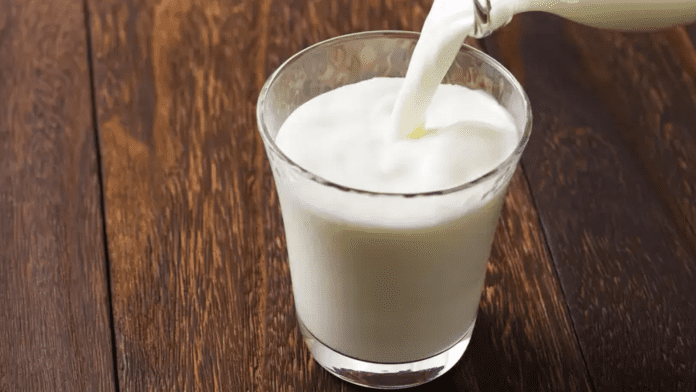
When it comes to weight gain, there are plenty of foods and drinks that are commonly touted as effective for packing on the pounds. Milk is one of these foods, often recommended as a high-calorie beverage that can help you reach your weight gain goals. But is milk really a good choice for weight gain?
In this article, we’ll take a closer look at the science behind milk and weight gain
The Nutritional Profile of Milk
Milk is a rich source of a variety of nutrients, including calcium, vitamin D, and protein. These nutrients are essential for maintaining bone health, supporting immune function, and building and repairing muscle tissue.
In addition to these important nutrients, milk is also high in calories. One cup of whole milk contains around 150 calories, making it a calorie-dense beverage that can contribute significantly to daily caloric intake.
For those looking to gain weight, consuming more calories than your body burns is essential. Milk can be a convenient and tasty way to add extra calories to your diet without feeling too full or bloated.
The Pros of Drinking Milk for Weight Gain
High in Calories
As mentioned, milk is a calorie-dense food that can help you reach your daily caloric goals more easily. For those looking to gain weight, consuming more calories than you burn is essential, and milk can be a convenient way to add extra calories to your diet without having to eat large amounts of food.
Rich in Nutrients
Milk is a good source of several important nutrients, including calcium, vitamin D, and protein. These nutrients are essential for maintaining bone health, supporting immune function, and building and repairing muscle tissue. For those looking to gain weight, ensuring that you are getting adequate nutrition is crucial to supporting overall health and wellbeing.
Convenient
Milk is a widely available and convenient beverage that can be easily incorporated into your daily routine. Whether you drink it on its own or use it as a base for smoothies or protein shakes, milk is a versatile and easy-to-use food that can help you reach your weight gain goals.
The Cons of Drinking Milk for Weight Gain
Lactose Intolerance
For some people, drinking milk can cause digestive issues due to lactose intolerance. Lactose intolerance is a common condition where the body is unable to digest lactose, a sugar found in milk and other dairy products. Symptoms of lactose intolerance can include bloating, gas, and diarrhea, and can make it difficult to consume large amounts of milk on a regular basis.
High in Saturated Fat
While milk is a good source of nutrients, it is also high in saturated fat. Drinking large amounts of whole milk can contribute to high levels of saturated fat intake, which can increase the risk of heart disease and other health issues over time.
Not Suitable for Vegans or Those with Dairy Allergies
Milk is not a suitable option for those who follow a vegan diet or have dairy allergies. For these individuals, alternative sources of nutrients and calories should be sought out to support weight gain goals.
Alternatives to Milk for Weight Gain
While milk can be a convenient and effective way to add extra calories to your diet, there are plenty of alternative options that can provide similar benefits. Here are a few examples:
Nut Milk
Nut milk, such as almond milk or cashew milk, can be a good alternative to cow’s milk for those who are lactose intolerant or vegan. Nut milk is typically lower in calories and fat than cow’s milk, but can still provide a good source of nutrients and calories.
Soy Milk
Soy milk is a popular alternative to cow’s milk that is rich in protein and lower in fat. It is also a suitable option for vegans and those with dairy allergies.
Protein Shakes Protein shakes are a convenient and easy way to add extra calories and nutrients to your diet. They can be made with a variety of bases, such as milk alternatives or water, and can be customized with different types of protein powders and flavors.
Avocado Avocado is a high-calorie fruit that can be added to smoothies or eaten on its own. It is also rich in healthy fats and nutrients, making it a good option for those looking to gain weight in a healthy way.
Nuts and Seeds Nuts and seeds are calorie-dense and nutrient-rich, making them a good option for those looking to gain weight. They can be added to meals or snacks, or eaten on their own as a convenient and healthy snack option.
Milk can be a convenient and effective option for those looking to gain weight, thanks to its high calorie and nutrient content. However, it may not be suitable for everyone due to lactose intolerance or dietary restrictions. Fortunately, there are plenty of alternative options available that can provide similar benefits, including nut milk, soy milk, protein shakes, avocado, nuts, and seeds. By incorporating these foods into your diet and focusing on getting adequate nutrition, you can support healthy weight gain and overall wellbeing.
Aishwarya Rai Bachchan is a timeless beauty known for her radiant and flawless skin. Her skincare secrets have been a topic of discussion among her fans for years. One of the key ingredients in Aishwarya’s skincare routine is cucumber. The cucumber is a versatile fruit that is packed with nutrients that can help hydrate and nourish the skin.
In this article, we will share some DIY cucumber recipes that can help you achieve Aishwarya’s flawless skin.
Benefits of Cucumber for Skin
Cucumber is a powerhouse of nutrients that can do wonders for your skin. It is rich in antioxidants, vitamins, and minerals that can help hydrate, soothe, and nourish the skin. Here are some benefits of cucumber for the skin:
Hydrates the Skin
Cucumber has a high water content, which makes it an excellent hydrating agent. It can help replenish the moisture in the skin, making it look plump and healthy.
Soothes Irritated Skin
Cucumber has anti-inflammatory properties that can help soothe irritated skin. It can also help reduce redness and swelling, making it a great ingredient for those with sensitive skin.
Brightens and Tightens the Skin
Cucumber contains Vitamin C, which can help brighten and tighten the skin. It can also help reduce the appearance of fine lines and wrinkles.
Reduces Dark Circles and Puffiness
Cucumber has a cooling effect that can help reduce the appearance of dark circles and puffiness around the eyes.
DIY Cucumber Recipes for Flawless Skin
The cucumber is a versatile fruit that can be used in many ways to improve skin health. Its high water content makes it a great ingredient for hydrating and moisturizing the skin. It also contains vitamins and minerals that help to improve skin texture and tone. Here are three easy ways to use cucumber in DIY recipes for intense moisture, oily skin, and glowing skin.
Cucumber and Yogurt for Intense Moisture
This recipe is perfect for those with dehydrated skin. Yogurt is a natural source of lactic acid, which helps to gently exfoliate the skin and improve its texture. When combined with cucumber, it provides intense moisture and hydration to the skin.
Ingredients:
1 small cucumber
2 tablespoons plain yogurt
Instructions:
Peel and grate the cucumber.
Add the grated cucumber to a small bowl.
Add the yogurt to the bowl and mix well.
Apply the mixture to your face and neck.
Leave the mixture on for 15-20 minutes.
Rinse off with cool water and pat dry.
Tomato and Cucumber Pack for Oily Skin
This recipe is perfect for those with oily skin. Tomatoes are a natural source of salicylic acid, which helps to unclog pores and reduce oiliness. When combined with cucumber, it helps to soothe and hydrate the skin.
Ingredients:
1 small cucumber
1 small tomato
1 tablespoon honey
Instructions:
Peel and grate the cucumber.
Puree the tomato in a blender or food processor.
Add the grated cucumber and pureed tomato to a small bowl.
Add the honey to the bowl and mix well.
Apply the mixture to your face and neck.
Leave the mixture on for 15-20 minutes.
Rinse off with cool water and pat dry.
Cucumber and Potato Face Pack for Glowing Skin
This recipe is perfect for those looking to achieve glowing and radiant skin. Potatoes are a natural source of vitamin C, which helps to brighten and even out skin tone. When combined with cucumber, it helps to soothe and hydrate the skin.
Ingredients:
1 small cucumber
1 small potato
1 tablespoon lemon juice
Instructions:
Peel and grate the cucumber.
Peel and grate the potato.
Add the grated cucumber and potato to a small bowl.
Add the lemon juice to the bowl and mix well.
Apply the mixture to your face and neck.
Leave the mixture on for 15-20 minutes.
Rinse off with cool water and pat dry.
Cucumber is a versatile ingredient that can be used in many DIY recipes to improve skin health. Its high-water content makes it a great ingredient for hydrating and moisturizing the skin, while its vitamins and minerals help to improve skin texture and tone. These three easy recipes for intense moisture, oily skin, and glowing skin are a great way to incorporate cucumber into your skincare routine. Give them a try and see the benefits for yourself.
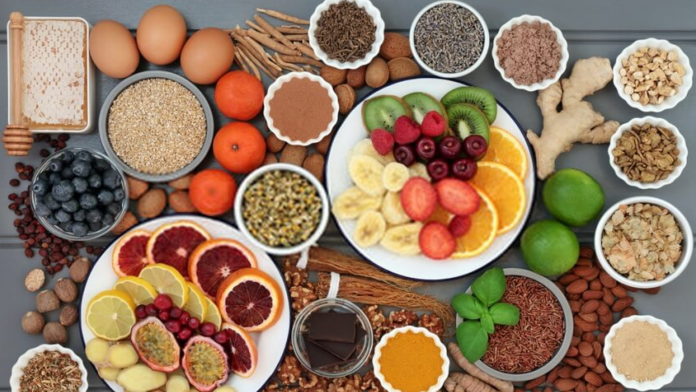
Summer is a season that brings along a lot of heat, sweat, and dehydration. It becomes more important for women to take care of their diet as they need to maintain the right balance of nutrients to keep themselves healthy and fit. A well-balanced diet not only helps in keeping the body cool but also helps in preventing various diseases and health conditions. Including superfoods in the diet can provide women with a range of essential nutrients, vitamins, and minerals to help them stay energetic and healthy during the hot summer months.
Summer can also be seen as the perfect time to switch to healthier food choices and give your body a much-needed boost. Superfoods are packed with essential nutrients, vitamins, and minerals that can help you maintain optimal health, increase energy levels, and improve overall well being.
Here are some of the super fruits every woman needs this summer!
Berries:
Berries are packed with antioxidants, vitamins, and fiber that can help improve digestion, boost the immune system, and prevent chronic diseases. Blueberries, raspberries, blackberries, and strawberries are all excellent choices.
Avocado:
Avocados are rich in heart-healthy monounsaturated fats, fiber, potassium, and vitamins C, K, and B6. Adding them to your summer diet can help you maintain a healthy weight and reduce the risk of heart disease.
Watermelon:
Watermelon is a delicious summer fruit that’s also rich in lycopene, an antioxidant that can help protect against certain types of cancer. It’s also a great source of vitamins A, B6, and C, and potassium.
Kale:
Kale is a leafy green vegetable that’s packed with vitamins A, C, and K, as well as fiber and calcium. Adding kale to your summer salads and smoothies can help improve digestion, lower cholesterol levels, and support healthy bones.
Chia seeds:
Chia seeds are high in fiber, protein, and omega-3 fatty acids, which can help reduce inflammation, improve brain function, and promote healthy digestion. They’re also easy to add to your favorite smoothies and yogurt bowls.
Green tea:
Green tea is a refreshing and delicious beverage that’s also loaded with antioxidants and polyphenols. Drinking green tea regularly can help improve brain function, boost metabolism, and reduce the risk of chronic diseases.
Salmon:
Salmon is an excellent source of omega-3 fatty acids, which can help reduce inflammation, improve heart health, and support brain function. It’s also rich in protein, vitamins B12 and D, and selenium.
Greek yogurt:
Greek yogurt is a great source of protein, probiotics, and calcium, which can help improve gut health and support strong bones. It’s also a versatile ingredient that can be used in smoothies, dips, and dressings.
Sweet potatoes:
Sweet potatoes are a nutritious and delicious summer vegetable that’s high in fiber, vitamins A and C, and potassium. They’re also a good source of complex carbohydrates, which can help keep you feeling full and satisfied.
Turmeric:
Turmeric is a powerful anti-inflammatory spice that can help reduce joint pain, improve brain function, and protect against chronic diseases. Adding turmeric to your summer dishes and drinks can help you stay healthy and energized.
Adding these 10 superfoods to your summer diet can help you stay healthy, energized, and feeling your best. Whether you enjoy them in salads, smoothies, or as a healthy snack, these foods are packed with essential nutrients that your body needs to thrive.
Diet plays a crucial role in our health and well-being. With the growing awareness about the impact of food on our health and the environment, people are becoming more conscious of their dietary choices. Two dietary patterns that have gained popularity in recent years are the plant-based diet and the vegan diet. While these two terms are often used interchangeably, they are not the same thing. In this article, we will explore the differences between a plant-based diet and a vegan diet, and which one you should follow.
Plant-Based Diet:
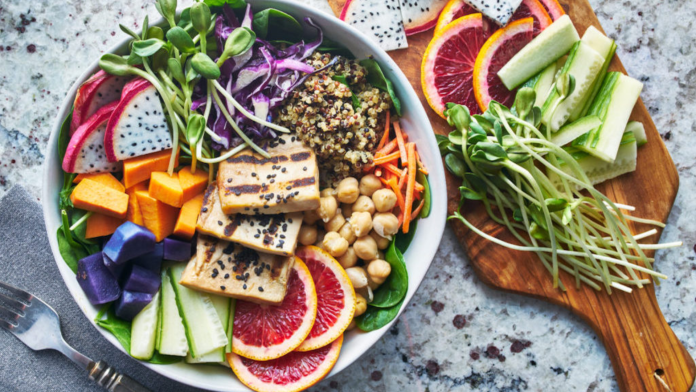
A plant-based diet is one that emphasizes whole, minimally processed foods that come from plants. This includes fruits, vegetables, whole grains, legumes, nuts, and seeds. A plant-based diet may or may not include small amounts of animal products like dairy and eggs, but the emphasis is on consuming mostly plant foods.
A plant-based diet is not necessarily a vegetarian diet, as it can include small amounts of animal products. The focus is on consuming whole, minimally processed foods and avoiding processed foods, refined sugars, and unhealthy fats. A plant-based diet is not just about what you eat, but also about how the food is produced. Many people who follow a plant-based diet choose foods that are organic, non-GMO, and sustainably produced.
Vegan Diet:
A vegan diet is a type of plant-based diet that excludes all animal products, including meat, dairy, eggs, and even honey. Vegans choose this lifestyle for ethical, environmental, and health reasons. Vegans believe that it is unethical to exploit animals for food and that animal agriculture is damaging to the environment. Additionally, many vegans believe that a plant-based diet is the healthiest way to eat.
Vegans must be careful to ensure that they are getting all of the nutrients they need from plant-based sources, as some nutrients are harder to obtain from a vegan diet. For example, vegans may need to supplement with vitamin B12, as this nutrient is primarily found in animal products.
Key Differences Between Plant-Based and Vegan Diet
While a vegan diet is a type of plant-based diet, there are some key differences between the two:
Animal products: A plant-based diet may include small amounts of animal products like dairy and eggs, while a vegan diet excludes all animal products.
Ethical and environmental concerns: While a plant-based diet may be motivated by health reasons, a vegan diet is often motivated by ethical and environmental concerns.
Nutritional focus: While both diets emphasize whole, minimally processed foods, a vegan diet requires more attention to nutrient intake to ensure adequate levels of nutrients that are primarily found in animal products.
Nutritional Benefits of Plant-Based and Vegan Diets
Both plant-based and vegan diets have been shown to provide a range of health benefits. Studies have linked these diets to lower rates of chronic diseases like heart disease, diabetes, and cancer. Additionally, these diets have been shown to promote weight loss and improve overall health markers like blood pressure and cholesterol levels.
Plant-based and vegan diets are rich in fiber, vitamins, minerals, and antioxidants. These nutrients are important for maintaining a healthy immune system, reducing inflammation, and preventing chronic disease. Additionally, plant-based and vegan diets are typically lower in saturated fat and cholesterol, which are linked to heart disease.
Environmental Benefits of Plant-Based and Vegan Diets
Both plant-based and vegan diets have been shown to have environmental benefits. A plant-based diet focuses on whole, minimally processed foods, including fruits, vegetables, whole grains, legumes, and nuts. This diet typically includes some animal products, such as eggs and dairy, but in smaller amounts than a typical Western diet. A vegan diet, on the other hand, eliminates all animal products, including meat, fish, eggs, and dairy.
One of the biggest environmental benefits of plant-based and vegan diets is a reduction in greenhouse gas emissions. Animal agriculture is responsible for a significant portion of global greenhouse gas emissions, mainly through the production of methane, a potent greenhouse gas. By reducing or eliminating animal products from your diet, you can significantly reduce your carbon footprint.
In addition, plant-based and vegan diets also require fewer resources to produce. Animal agriculture requires a significant amount of land, water, and feed to produce meat and dairy products. By reducing our reliance on animal products, we can reduce the strain on our planet’s resources.
Drawbacks of Plant-Based and Vegan Diets
While plant-based and vegan diets have many benefits, they also have some drawbacks. One of the main concerns with these diets is the potential for nutrient deficiencies. Animal products are a rich source of many essential nutrients, including protein, vitamin B12, calcium, and iron. If these nutrients are not adequately replaced in a plant-based or vegan diet, it can lead to deficiencies.
Another concern is the potential for the overconsumption of processed foods in a plant-based or vegan diet. Many plant-based and vegan products, such as veggie burgers and plant-based cheese, are highly processed and can be high in sodium, saturated fat, and calories. Overconsumption of these products can lead to weight gain and other health problems.
Finally, some people may find it challenging to follow a plant-based or vegan diet, especially if they are used to eating a diet that includes a lot of animal products. These diets can also be more expensive than a typical Western diet, as plant-based and vegan products can be more expensive than meat and dairy products.
Which Diet Should You Follow?
When deciding between a plant-based and vegan diet, it is important to consider your personal values, health goals, and lifestyle. If you are concerned about animal welfare and the environment and are willing to make significant dietary changes, a vegan diet may be the best choice for you. However, if you are primarily focused on improving your health and reducing your environmental impact, a plant-based diet may be a better fit.
If you choose to follow a plant-based or vegan diet, it is important to pay close attention to your nutrient intake. Make sure you are getting enough protein, iron, calcium, vitamin B12, and other essential nutrients. You may need to take supplements or eat fortified foods to ensure that you are meeting your nutrient needs.
It is also important to focus on whole, minimally processed foods, such as fruits, vegetables, whole grains, legumes, and nuts. While processed plant-based and vegan products can be convenient, they should not make up the majority of your diet.
Both plant-based and vegan diets have many similarities but also some key differences. A plant-based diet focuses on whole, minimally processed foods that come from plants, while a vegan diet is more focused on the exclusion of all animal products. Both diets can provide a variety of health benefits and support ethical and environmental concerns.
When deciding which diet to follow, it’s important to consider your personal health needs and ethical beliefs. It may be beneficial to consult with a registered dietitian to ensure that you are meeting all of your nutrient needs, regardless of which diet you choose. Ultimately, the key is to focus on a balanced, whole-foods based approach that meets your individual needs and values.
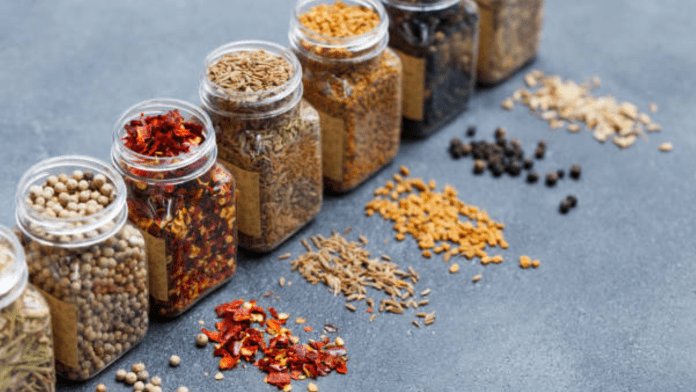
Spices are an essential part of every kitchen, as they add flavor and aroma to the dishes. But have you ever wondered how long your spices can last before they start losing their potency? Knowing the shelf life of your spices can help you maintain the flavor and aroma of your dishes, and also prevent food waste.
Misconception in Indian Society
There is a common misconception in Indian society that spices never go bad or expire. This belief stems from the fact that spices have been used for centuries in Indian cooking and are often passed down through generations. However, the truth is that spices do have a shelf life and can go bad over time. It is important to properly store and use spices to ensure their longevity and safety for consumption.
Many factors can affect the shelf life of spices, including the quality of the spice, the packaging, and storage conditions such as temperature, humidity, and exposure to light. Experts suggest that ground spices generally last for 6 months to a year, while whole spices can last up to 2-3 years if stored properly in a cool, dry place away from sunlight.
Consuming expired spices can not only impact the taste and quality of food but can also pose health risks. Expired spices may harbor harmful bacteria or toxins that can lead to foodborne illness. Therefore, it is important to regularly check the shelf life of spices and discard any that are past their prime.
Spices, like any other food item, have a limited shelf life. The shelf life of spices depends on various factors such as storage conditions, packaging, and type of spice. Whole spices generally have a longer shelf life than ground spices, as their outer layer protects them from the elements. Similarly, spices stored in airtight containers and in a cool and dry place tend to last longer than those exposed to heat, light, and air.
According to experts, most whole spices can last up to four years, while ground spices can last up to two to three years. However, the potency and flavor of the spices may start to deteriorate after the first year. Some of the common spices and their shelf life are:
Cinnamon: 4 years (whole), 2-3 years (ground)
Nutmeg: 4 years (whole), 2-3 years (ground)
Cloves: 4 years (whole), 2-3 years (ground)
Cumin: 4 years (whole), 2-3 years (ground)
Coriander: 4 years (whole), 2-3 years (ground)
Turmeric: 4 years (whole), 2-3 years (ground)
Paprika: 2-3 years (whole), 1-2 years (ground)
Red pepper flakes: 2-3 years (whole), 1-2 years (ground)
It is important to note that these are general guidelines, and the actual shelf life of your spices may vary depending on their quality, storage conditions, and usage. To make sure your spices are still potent, you can use the smell test. If the spice smells strong and flavorful, it’s still good to use. However, if it smells weak or has no aroma, it’s time to replace it.
How to know if the Spices Have Gone Bad?
Here are some signs that your spices have gone bad:
Faded color: The color of spices fades over time, but if you notice that the color has significantly changed, it’s a sign that they have gone bad.
Stale aroma: Spices should have a strong aroma, and if they smell stale or weak, it’s an indication that they are no longer fresh.
No flavor: If you add spices to your food, but they don’t seem to add any flavor, it’s a sign that they have lost their potency.
Presence of mold: If you see any mold in your spice container, it’s best to discard them immediately.
Expiration date: Spices have an expiration date, and it’s essential to check them before using them.
Using fresh spices not only enhances the flavor of your dishes but also adds nutritional value to them.
Knowing the shelf life of your spices can help you make informed decisions about your cooking and prevent food waste. While most spices can last up to four years, it’s important to store them properly and use them within the first year to maintain their potency.
Stress is a part of everyday life, but too much of it can lead to serious health problems. Chronic stress can cause depression, anxiety, high blood pressure, heart disease, and other serious conditions. While there are many ways to reduce stress, one of the easiest and most enjoyable is by eating stress-relieving foods.
In this article, we will discuss the importance of stress relief and how food can help alleviate stress. We will also share our top 10 stress-relieving foods that you can enjoy this weekend to help you relax and unwind.
The Importance of Stress Relief
Stress is the body’s natural response to any perceived threat or danger. While some stress can be beneficial and even necessary for survival, chronic stress can lead to serious health problems. Stress can affect the immune system, digestive system, cardiovascular system, and even the brain.
Stress can also lead to unhealthy behaviors such as overeating, smoking, and drinking alcohol, which can further exacerbate health problems. Therefore, it is essential to find ways to manage and alleviate stress.
How Food Can Help Alleviate Stress
Food plays a crucial role in our mental and physical health, and it can also help alleviate stress. Certain foods contain nutrients and compounds that have been shown to reduce stress levels and promote relaxation.
For example, dark chocolate contains flavonoids that can help lower blood pressure and reduce cortisol levels, a hormone associated with stress. Avocado is rich in monounsaturated fats and potassium, which can help lower blood pressure and reduce anxiety. Blueberries contain antioxidants that can help protect the brain from stress-related damage. And salmon is rich in omega-3 fatty acids, which can help reduce inflammation and improve mood.
Here are 10 stress-relieving foods that you should try this weekend:
1. Matcha powder:
Matcha powder is a type of green tea that’s ground into a fine powder. It’s rich in antioxidants, which can help reduce stress and inflammation in the body. Additionally, matcha contains an amino acid called L-theanine, which has been shown to promote relaxation and reduce anxiety.
One way to enjoy matcha is by making a matcha latte. Simply whisk together 1 teaspoon of matcha powder with hot water, then add warmed milk and sweetener of your choice. You can also add matcha powder to smoothies, baked goods, and oatmeal.
2. Swiss chard:
Swiss chard is a leafy green vegetable that’s high in magnesium. Magnesium is a mineral that’s essential for proper nerve and muscle function, and it can also help promote relaxation and reduce stress.
To enjoy Swiss chard, try sautéing it with garlic and olive oil, then serving it as a side dish. You can also add it to soups, stews, and salads.
3. Sweet potatoes:
Sweet potatoes are a delicious and nutritious root vegetable that’s high in fiber, vitamins, and minerals. They’re also a good source of complex carbohydrates, which can help regulate blood sugar levels and promote feelings of calm and relaxation.
To enjoy sweet potatoes, try roasting them in the oven with a drizzle of olive oil and your favorite seasonings. You can also mash them and use them as a healthy substitute for mashed potatoes.
4. Kimchi:
Kimchi is a Korean fermented vegetable dish that’s packed with probiotics. Probiotics are beneficial bacteria that can help improve gut health, which has been linked to reduced stress and anxiety.
To enjoy kimchi, try adding it to rice bowls, sandwiches, or salads. You can also eat it as a side dish or snack.
5. Artichokes:
Artichokes are a tasty and nutritious vegetable that’s high in fiber and antioxidants. They’re also a good source of magnesium, which can help reduce stress and promote relaxation.
To enjoy artichokes, try steaming them and serving them with a side of lemon garlic butter. You can also add them to salads, pizzas, and pasta dishes.
6. Organ meats:
Organ meats such as liver and heart are highly nutritious and packed with vitamins and minerals. They’re also a good source of the amino acid glycine, which has been shown to have a calming effect on the nervous system.
To enjoy organ meats, try adding them to stews, soups, or casseroles. You can also make them into pâté or sausage for a tasty and nutrient-dense snack.
7. Eggs:
Eggs are a versatile and nutrient-dense food that’s high in protein and healthy fats. They’re also a good source of choline, a nutrient that’s been shown to have a positive effect on mood and cognitive function.
To enjoy eggs, try making a veggie omelet or scrambled eggs with your favorite veggies and seasonings. You can also boil them and use them as a healthy snack or salad topping.
8. Shellfish:
Shellfish, which include mussels, clams, and oysters, are high in amino acids like taurine, which has been studied for its potential mood-boosting properties.
Taurine and other amino acids are needed to produce neurotransmitters like dopamine, which are essential for regulating stress response. In fact, studies indicate that taurine may have antidepressant effects.
Shellfish are also loaded with vitamin B12, zinc, copper, manganese, and selenium, all of which may help boost mood.
9. Acerola cherry powder:
Acerola cherries are one of the most concentrated sources of vitamin C. They boast 50–100% more vitamin C than citrus fruits like oranges and lemons.
Vitamin C is involved in stress response. What’s more, high vitamin C levels are linked to elevated mood and lower levels of depression and anger. Plus, eating foods rich in this vitamin may improve overall mood. Although they can be enjoyed fresh, acerola cherries are highly perishable. As such, they’re most often sold as a powder, which you can add to foods and beverages.
10. Fatty fish:
Fatty fish like mackerel, herring, salmon, and sardines are incredibly rich in omega-3 fats and vitamin D, nutrients that have been shown to help reduce stress levels and improve mood.
Omega-3s are not only essential for brain health and mood but may also help your body handle stress. In fact, low omega-3 intake is linked to increased anxiety and depression in Western populations. Vitamin D also plays critical roles in mental health and stress regulation. Low levels are associated with an increased risk of anxiety and depression.
The Franchise Model is the most widely visible business model in the food industry. It is often considered to be easy and effortless to expand your food business. It can be a great way to grow your brand and increase revenue.
However, franchising can also be expensive, with costs ranging from legal fees and marketing expenses to training and support for franchisees. As a result, many food business owners may find themselves in need of additional financing options to help support the expansion of their franchise network.
While financing for Franchising, there are many options available. Each of them has its own advantages & disadvantages which will play differently, according to your business plan. Hence, understanding and choosing the right financing option becomes crucial to achieve your goals through franchising.
Let’s explore various financing options that can help you achieve your franchising goals. From traditional bank loans to crowdfunding and private equity, we will help you understand the best option for your business.
Business loans: Business loans are a popular way to finance your franchise expansion. Banks and other financial institutions offer business loans at varying interest rates and terms. The application process can be time-consuming and requires a solid business plan and financial projections to demonstrate the potential for success. Business loans can be secured or unsecured, and the interest rate and repayment terms will depend on the lender.
Crowdfunding: Crowdfunding is a relatively new way to finance your franchise expansion. It involves raising small amounts of money from a large number of people. Crowdfunding can be done through various online platforms and social media channels. You can offer rewards or equity in your business in exchange for contributions. Crowdfunding can be a good option if you have a strong social media following and a compelling story to tell.
Angel investors: Angel investors are high-net-worth individuals who invest in startups and small businesses. They can provide financing, mentorship, and connections to other investors. Angel investors are often more flexible than traditional lenders and may be willing to invest in riskier ventures. However, they will typically expect a significant return on their investment.
Venture capital: Venture capital is similar to angel investing, but it involves larger amounts of money and a more formalized process. Venture capitalists invest in early-stage companies with high growth potential. They may also provide mentorship and connections to other investors. However, venture capital funding can be difficult to obtain and often requires giving up a significant portion of ownership in your business.
Franchise financing: Some franchisors offer financing options to their franchisees. This can include loans, equipment leasing, and other financing options. Franchise financing can be a good option if you are looking to expand with a proven business model and have a good relationship with your franchisor.
Equipment financing: Equipment financing allows you to finance the purchase of equipment for your franchise expansion. This can include everything from kitchen equipment to point-of-sale systems. Equipment financing typically has lower interest rates than other forms of financing because the equipment serves as collateral.
Invoice financing: Invoice financing allows you to receive cash advances on outstanding invoices. This can help you manage your cash flow and access funds quickly. Invoice financing can be a good option if you have outstanding invoices that are due shortly.
Personal savings: Personal savings can be a good option if you have significant funds available to invest in your franchise expansion. This can allow you to avoid taking on debt or giving up equity in your business. However, it can be risky to invest all of your savings in your business.
Friends and family: Friends and family can be a good source of financing for your franchise expansion. They may be willing to invest in your business in exchange for equity or a return on their investment. However, it is important to have a formalized agreement in place to avoid potential conflicts.
Government grants: Depending on where your business is located, there may be government grants available to help finance your franchise expansion. These grants can vary in size and eligibility requirements, so it is important to research what is available in your area.
Each financing option has its advantages and disadvantages, and it is important to carefully consider which option is right for your franchise expansion.
Expanding your food business through franchising can be a lucrative opportunity, but it requires careful financial planning and consideration of available financing options. With the right approach and funding, franchising can help you grow your brand and increase revenue streams.
Remember to thoroughly research each financing option w.r.t business model to determine which one is best suited for your specific needs and goals. Consult with financial experts and franchise consultants to make informed decisions and avoid common pitfalls.
Do not forget that the success of your franchise expansion ultimately depends on the quality of your business model, operational processes, and brand reputation. Make sure to focus on building a strong foundation before embarking on any expansion initiatives. By taking a strategic and well-informed approach to finance your franchise expansion, you can position your food business for long-term success and growth.
Cash flow management is one of the most critical aspects of running a successful restaurant business. With high overhead costs, fluctuating revenue streams, and fierce competition, food establishments need to have a solid understanding of their cash flow to stay afloat and thrive.
Food businesses are intense with the cash flow. While it is highly transactional, it poses a great challenge in managing the cash flow efficiently. It is obvious to maintain a good tool that helps you manage optimally. However, a few manual practices are always advised to keep it clean and easy for your business.
Here we will discuss some of the best practices and strategies that successful food entrepreneurs use to manage their finances effectively. By following these tips, you can avoid the pitfalls that many restaurant owners fall into and set your business up for long-term profitability and growth:
1. Track it regularly:
As a restaurant owner or manager, one of the most important practices for managing your cash flow is to track it regularly. This means keeping an eye on all the money that comes in and goes out of your business. To do this, you should keep detailed records of all your sales and expenses. This will help you identify where your money is going and where you can make adjustments to increase your profitability.
To track your cash flow, you can use accounting software or spreadsheets. These tools can help you keep a record of all your transactions and generate reports that show your revenue and expenses. By analyzing these reports regularly, you can identify areas where you are spending too much money and where you can cut costs.
2. Forecast your cash flow:
Another best practice for managing cash flow in restaurants is to forecast your cash flow. This means predicting how much money you will have coming in and going out of your business in the future. By forecasting your cash flow, you can anticipate any cash flow gaps and take action to avoid them.
To forecast your cash flow, you should consider your historical sales and expenses, as well as any upcoming events or promotions that could impact your revenue. You should also consider any fixed costs, such as rent and utilities, as well as variable costs, such as labour and food costs. By taking all these factors into account, you can create a cash flow forecast that will help you plan for the future.
3. Manage your inventory:
Effective inventory management is another critical practice for managing cash flow in restaurants. This means keeping track of your stock levels and ordering the right amount of inventory at the right time. Overstocking can tie up your cash, while understocking can lead to lost sales.
To manage your inventory effectively, you should establish par levels for each item on your menu. These are the minimum stock levels that you need to maintain to avoid running out of inventory. You should also track your inventory levels regularly and adjust your orders accordingly. By managing your inventory effectively, you can reduce your costs and improve your cash flow.
4. Control your expenses:
Controlling your expenses is another crucial practice for managing cash flow in restaurants. This means keeping a close eye on your costs and finding ways to reduce them where possible. Some common areas where you can reduce costs include labour, food, and utilities.
To control your labour costs, you should schedule your staff efficiently and consider cross-training them to perform multiple roles. This can help you reduce the number of staff you need to employ and save on payroll costs. To control your food costs, you should monitor your inventory levels and reduce waste. You can also negotiate with your suppliers to get better prices and discounts. To control your utility costs, you should consider energy-efficient equipment and practices.
5. Increase your revenue:
Increasing your revenue is another best practice for managing cash flow in restaurants. This means finding ways to attract more customers and generate more sales. There are several ways you can do this, including introducing new menu items, offering promotions and specials, and improving your marketing efforts.
To introduce new menu items, you should consider adding seasonal dishes/menus or experimenting with different cuisines. You can also offer promotions and special discounts, such as happy hour discounts or loyalty programs, to attract and retain customers.
To improve your marketing efforts, you can use social media, email marketing, and online ordering platforms to reach a wider audience.
Effective cash flow management is crucial for the success of any restaurant business. Above mentioned are the best practices that will help you stay ahead of the competition and thrive in the highly competitive restaurant industry through efficient cash flow management.
We use cookies to ensure that we give you the best experience on our website. If you continue to use this site we will assume that you are happy with it.