The film demonstrates how Hershey's milkshake range serves as the perfect remedy for a hot summer day.
Hershey India Pvt Ltd., a subsidiary of The Hershey Company, has launched the ‘Slurp Up the Fun’ digital campaign. As part of this campaign, they have introduced the cashew butterscotch ice cream flavor milkshake, a novel blend of cashew nuts and butterscotch ice cream flavor, inspired by consumer trends and research for distinctive milkshake flavors.
The ‘Slurp Up the Fun’ campaign highlights the indulgent experience of enjoying Hershey’s milkshake. It aims to connect with consumers of all age groups, encouraging them to discover and savor new and exciting flavors of Hershey’s milkshake as a refreshing solution to beat the summer heat.
In the digital film, a group of tired and bored kids are introduced to the delectable range of Hershey’s Milkshake by their mother. Upon tasting the delicious milkshake, they instantly feel refreshed. The film demonstrates how Hershey’s milkshake range serves as the perfect remedy for a hot summer day.
Talking about the campaign, Geetika Mehta, Managing Director, Hershey India, asserted, “Hershey’s iconic milkshake is a huge hit with our consumers, so we wanted to create a new experience this summer by introducing an all-new delicious variant. Cashew butterscotch ice cream flavor milkshake expands our premium milkshake portfolio across India. This will be another step in creating a brand that is connected with our consumers and their preferences.”
Ankit Desai, Marketing Director, Hershey India, shared his insight on the new campaign, “Summers make an ideal time for consumers to indulge in milkshake and Hershey’s delectable range of milkshake make it a delightful summer quencher. The upbeat digital creative celebrates all things fun, thereby urging consumers to ‘Slurp Up the Fun’ with our range of exciting milkshake flavours. We are thrilled to take the digital route to introduce an all-new exotic variant, cashew butterscotch ice cream flavor milkshake, and we are confident it will receive much love from consumers.”
To drive the campaign’s success, Hershey India has implemented a robust digital media plan, leveraging social media platforms, YouTube, and OTT channels. This strategic approach aims to maximize outreach and engagement among the target audience.
The world is building businesses by understanding trends around the globe. For the Food Industry, it is quite a factor to understand consumption trends to stay up-to-date, innovative and function optimally.
Food Industry is highly competitive and constantly evolving. These trends can have a significant impact on the success of your food business, as they can influence what products you offer, how you market them, and who your target audience is.
Consumption trends in the food market refer to the changing patterns of how people consume food and beverages. This includes changes in what people eat, where they eat, how much they eat, and how they prepare and serve their food. Understanding consumption trends is essential for businesses in the food industry to stay relevant and competitive, and to meet the evolving needs and demands of their customers.
These trends are influenced by various factors such as cultural changes, economic conditions, technological advancements, health and wellness concerns, and environmental factors. Understanding these trends can help businesses in the food industry to identify new opportunities, develop innovative products, and improve their marketing strategies to better align with consumer preferences.
Businesses need to stay up-to-date with the latest consumption trends to stay relevant and successful in the food industry market. Staying up-to-date with consumption trends is crucial for any business in the food industry market to remain competitive and relevant. Here are some reasons why:
1. Customer preferences and behaviours: Consumption trends help businesses understand what their customers are looking for in terms of taste, convenience, health, and sustainability. By analyzing these trends, businesses can develop products and services that align with their customer’s preferences and behaviours.
2. Competition: The food industry market is highly competitive, with new players entering the market regularly. To stay ahead of the competition, businesses need to be aware of the latest consumption trends and adapt their strategies accordingly.
3. Innovation: Understanding consumption trends can also inspire businesses to innovate and develop new products and services that meet the evolving needs of customers. This can help businesses stay ahead of the curve and create new growth opportunities.
4. Marketing: By leveraging consumption trends, businesses can create targeted marketing campaigns that resonate with their customers. This can help businesses reach new customers and increase brand awareness.
With these reasons, staying up-to-date with consumption trends is essential for any business in the food industry market that wants to succeed in today’s fast-paced and constantly evolving market. It is also evident that understanding these trends help the primary functions of your brand to stay at an optimal level.
How to understand consumption trends in the food industry?
Alongside understanding consumption trends, it is also crucial to put or create an action out of the knowledge that you have acquired. The following 5 strategies will help you understand and create an action that help you stay updated in the industry.
1. Analyze market research One of the best ways to understand consumption trends is to analyze market research. This can involve analyzing data on what products are selling well, what types of customers are buying them, and what factors are driving consumer behaviour. You can conduct your market research by surveying customers or analyzing sales data, or you can use third-party research reports to gain insights into the food industry market.
2. Monitor social media
Social media can be a powerful tool for understanding consumption trends in the food industry market. By monitoring social media platforms like Twitter, Facebook, and Instagram, you can see what types of food and drink are trending, what people are saying about them, and what types of photos and videos are being shared. This can give you valuable insights into what products are resonating with consumers, and how to market them effectively.
3. Attend food industry events
Attending food industry events like trade shows, conferences, and festivals can also help you understand consumption trends in the market. These events bring together industry experts, vendors, and consumers, and offer a chance to see what products are being showcased, what types of people are attending, and what types of marketing strategies are being used. This can give you valuable insights into what products and marketing strategies are successful in the current market.
4. Keep an eye on industry publications like Snackfax
Industry publications like food magazines and trade journals can also provide valuable insights into consumption trends in the food industry market. These publications often feature articles and studies on the latest food and drink trends, consumer behaviour, and marketing strategies. By keeping up with these publications, you can stay informed about the latest trends and how they might impact your food business.
5. Embrace innovation
Finally, it’s important to embrace innovation to stay ahead of consumption trends in the food industry market. This might involve experimenting with new products, marketing strategies, or technologies. By staying ahead of the curve and offering unique and innovative products, you can stay relevant in a rapidly evolving market.
Consumption trends are crucial for businesses in the food market to remain competitive and relevant. Keeping track of changes in consumer behaviour and preferences can help businesses identify new opportunities and is essential for success in the dynamic and ever-changing food industry.
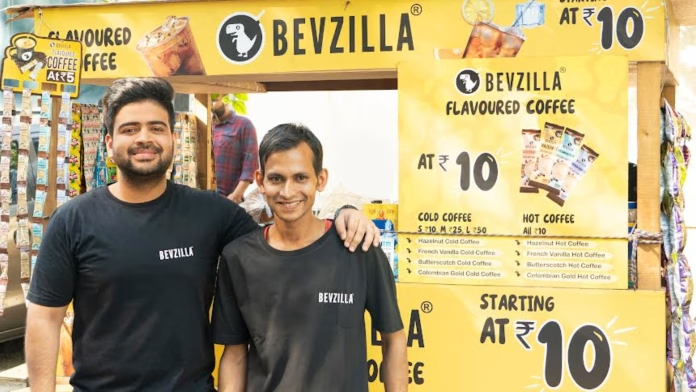
Bevzilla will also support cart owners through this initiative by providing them with a range of resources including Bevzilla T-shirts, coffee, cups, marketing support, and training
Bevzilla, the leading beverage company, announces a unique and unconventional partnership with local tea stalls, widely known as “tapris”. They will be launching 100 tapris by the end of May 2023 and a thousand in 3 months in Delhi-NCR. The intention is to support small businesses, empower the chai sellers in those tapris, and promote overall community growth.
Bevzilla is renowned for its innovative instant coffee and milkshake cubes, as well as ice tea powder, which have gained popularity among customers. Their new initiative of partnering with the Tapri Walas stems from an emotional connection and nostalgia for childhood memories.
Co-Founders Divisha Chaudhry and Anurag Chhabra are dedicated to providing a delightful and healthy beverage experience to their customers. Their unique concept of beverage cubes has been recognized as a one-of-a-kind innovation in the Indian beverage industry. Their goal is to revolutionize coffee consumption, making it convenient and health-conscious.
The products offered by Bevzilla are lightweight, portable, flavorful, and made with pure ingredients. The cubes are enriched with essential nutrients such as Iron, Calcium, Potassium, and Vitamins. This initiative promotes healthier choices for happier lives. With just 27 stored calories per cube, the coffee is blended with sustainably sourced Date Palm Jaggery. Bevzilla coffee is made exclusively from 100% Arabica beans and can be prepared quickly within seconds by adding it to milk or water.
The objective of this partnership is to ensure that small businesses do not lose their relevance in the midst of the growing popularity of branded coffee and cafe culture. The traditional tea or coffee shops known as ‘Tapris’ have begun to lose their appeal to the younger generation who tend to prefer international coffee brands for their coffee, socialising and work breaks.
Moreover, small businesses were severely impacted by the Covid-19 pandemic, with Tapris being among the worst affected due to reduced footfall and plummeting sales. In light of these challenges, Bevzilla has recognized the significance of supporting these enterprises and has launched an initiative to assist them in sustaining their operations now and in the future. As a part of this initiative, Bevzilla aims to help these small businesses boost their profit margin by 50%.
The brand believes that it’s not just about making great beverages, but also about making a positive impact on society. This partnership is a natural extension of their corporate social responsibility efforts. The company is committed to creating emotional connections with its customers and communities. They are eager to apply their skills and knowledge to help businesses in need. They also believe that small businesses are the backbone of the economy and the heart of our communities. By supporting them, Bevzilla will also be supporting emotional well-being and a sense of connection.
Anurag Chhabra, Co-Founder, Bevzilla, said, “This is an initiative that has never been done before in India, and we have taken such a step to do our bit for society, and give back to these Tapri Walas who have been serving us for a long time since we were kids. Improving the quality of beverages offered by Tapris to attract the new generation and compete with international brands is our primary motive. By helping Tapri Walas gain better margins and thrive, Bevzilla intends to contribute to community growth, preserve tradition, and foster a sense of nostalgia and appreciation for local businesses, which were becoming irrelevant amidst the growth of the branded coffee & cafe culture. Hence, this is for those memories, and our beloved Tapri Wale bhaiya and aunties.”
Bevzilla will also support cart owners through this initiative by providing them with a range of resources including Bevzilla T-shirts, coffee, cups, marketing support, and training. The aim is to help these small businesses attract more customers and increase their visibility in the community, with a goal of reaching 10,000 cart owners in the near future. By providing affordable support, Bevzilla hopes to bring attention to local enterprises and make a positive impact on the community. The initiative also includes assistance in making and selling delicious and energising hot and cold beverages, and the provision of free marketing materials to help promote the cart owners’ businesses.
Divisha Chaudhry, Co-founder, Bevzilla, said, “We at Bevzilla are vigilant towards society, and understand the challenges that small businesses are facing. Therefore, we want to do our part to help them thrive, said Divisha, Co-Founder. The social consequences Bevzilla aims for through this initiative include community growth, driving economic development, and creating new opportunities. We believe that by partnering with these local Tapris, we can make a real difference and help them succeed.”
Bevzilla’s partnership is just one of many initiatives the company has launched, and they plan to see a domino effect when it comes to the support and growth of these local or small businesses.
In recent years, the food industry has seen an influx of startups, as more and more entrepreneurs enter the space with innovative ideas for healthy and sustainable food products. With this growth, the competition in the industry has also increased, and it has become essential for food startups to establish a strong reputation to stand out in the market.
Authenticity is a key factor in building a founder’s reputation, as it helps to establish trust with customers and investors. Authenticity refers to the degree to which a person’s actions, beliefs, and values align with their true identity. In the context of a food startup, authenticity refers to the degree to which a founder’s actions align with their company’s mission and values.
It involves building a brand that customers can trust and relate to, and that reflects the founder’s vision and passion for the food industry. Authenticity is key to building a strong reputation that can help a food startup stand out in a crowded market and attract loyal customers.
Authenticity plays a crucial role in building a founder’s reputation in the food industry. Some of the benefits of authenticity in the food industry include:
1. Building trust: Authenticity helps to build trust with customers, employees, and other stakeholders. When a founder is authentic, they are perceived as genuine, trustworthy, and honest. This can help to build a positive reputation for the founder and their food startup, leading to increased customer loyalty and employee retention.
2. Differentiation: The food industry is highly competitive, and it can be challenging for startups to stand out. Authenticity can help a founder and their startup differentiate themselves from competitors. By being true to their values and vision, a founder can create a unique brand identity that resonates with customers.
3. Enhanced customer experience: When customers feel that a food startup is authentic, they are more likely to have a positive experience with the brand. This can lead to increased customer satisfaction and loyalty. Authenticity can also help a startup to attract new customers through positive word-of-mouth and online reviews.
4. Improved team culture: Authenticity can also improve the internal culture of a food startup. When a founder is authentic, they create a sense of transparency and honesty that can foster trust and collaboration among team members. This can lead to increased productivity, creativity, and innovation within the startup.
5. Social responsibility: Authenticity can also help a food startup to demonstrate social responsibility. When a founder is authentic, they are more likely to prioritize ethical and sustainable practices, which can have a positive impact on society and the environment. This can lead to increased support from socially conscious customers and investors.
Importance of Authenticity in Building a Founder’s Reputation:
1. Builds Trust and Credibility: One of the most critical aspects of building a successful food startup is establishing trust and credibility with customers and investors. Authenticity is key to building this trust, as it shows that a founder is genuine and transparent about their mission and values.
2. Differentiates from Competitors: With so many startups entering the food industry, it can be challenging to stand out in the market. Authenticity can be a key differentiator, as it allows a founder to establish a unique brand identity that resonates with customers.
3. Drives Customer Loyalty: Customers are more likely to be loyal to a brand that they perceive as authentic. By demonstrating authenticity, a founder can create a strong emotional connection with customers, which can lead to repeat business and positive word-of-mouth referrals.
4. Attracts Investors: Investors are looking for founders who are passionate and committed to their mission. Authenticity can demonstrate this passion and commitment, which can make a startup more attractive to investors.
5. Fosters a Positive Company Culture: Authenticity is not just important for external stakeholders; it is also essential for fostering a positive company culture. When a founder is authentic, it sets the tone for the rest of the team, creating a culture of transparency and open communication.
How to Demonstrate Authenticity
Demonstrating authenticity can help build trust and credibility, enhance brand reputation, and foster strong relationships with customers and other stakeholders. Here are few ways to
1. Be Transparent: Transparency is essential for demonstrating authenticity. Be open and honest with customers, investors, and team members about your mission and values.
2. Stay True to Your Values: It is easy to get caught up in the day-to-day operations of running a startup, but it is essential to stay true to your values. Make decisions that align with your mission and values, even if they are not the easiest or most profitable.
3. Share Your Story: Share your personal story and how it led you to start your food startup. This can create an emotional connection with customers and investors, and demonstrate your passion and commitment to your mission.
4. Be Consistent: Consistency is key to demonstrating authenticity. Ensure that your actions align with your words and that you are consistently communicating your mission and values to all stakeholders.
Authenticity is a crucial aspect of building a founder’s reputation in the food industry. By being genuine and transparent in their actions, entrepreneurs can establish a loyal customer base, gain the trust of investors and suppliers, and differentiate themselves from competitors. Hence, food entrepreneurs should prioritize authenticity as a core value and integrate it into all aspects of their business operations.
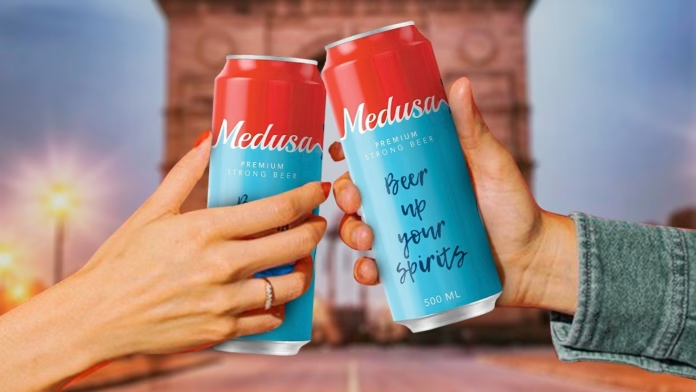
Medusa Beverages Pvt. Limited, an Indian brewery renowned for its well-loved beer brand ‘Medusa,’ has achieved remarkable triumph in the Delhi market. Over a span of three consecutive months (February, March, and April 2023), Medusa has consistently achieved the highest beer can sales, capturing an impressive market share of 17%.
The rise in sales can be attributed to the evolving preferences of millennial consumers in metropolitan areas, who are embracing global trends and choosing beer cans, even at a slightly higher price per unit. This shift from high-alcohol beverages to lower-alcohol alternatives, as well as the transition from bottles to cans, has played a vital role in boosting Medusa’s sales. The brand has remained steadfast in its commitment to increasing can production, recognizing their advantages in terms of portability, recyclability, and superior product protection.
Medusa, a company headquartered in India, stands out in the market with its innovative and modern packaging. It has a national marketing division that has propelled its success. In the city of Delhi alone, Medusa beer can be found in approximately 650 retail locations, including high-end cafes, ensuring extensive coverage and a distribution reach of 90%. Furthermore, the brand’s expansion with a brewery in Punjab has further amplified its presence, enabling its availability in over 2,000 retail locations.
Expressing his gratitude for the brand’s success, Avneet Singh, Founder of Medusa Beverages Pvt Ltd., acknowledged the challenges of establishing a brand in today’s highly competitive market. He expressed his delight that consumers have embraced and appreciated Medusa beer, providing the company with the impetus to expand its market presence and become a PAN India player.
Avneet further emphasized Medusa’s commitment to catering to the needs of the younger consumer demographic. Based on the growing demand in the northern region, the brand has established three new breweries to make its products accessible to a wider audience and enhance its business across India.
With an eye toward the future, Medusa is contemplating the introduction of a slightly modified version of its high-quality beer. Additionally, the brand is determined to enhance its position in the “on-trade” industry segment in the forthcoming years.
Currently, Medusa beer is available in seven states, including Delhi, Uttar Pradesh, Punjab, Chandigarh, Chhattisgarh, Himachal Pradesh, and Silvassa. The brand is soon expanding its reach to Uttarakhand, further broadening its consumer base.
India is a land of diverse cultures and preferences, which is reflected in its people’s food habits. While metropolitan cities like Delhi, Mumbai, and Bangalore have always been at the forefront of food trends and innovations, the real growth in the food industry lies in Tier-2 and Tier-3 cities. These markets, which include smaller towns and cities across the country, have unique tastes, preferences, and cultural practices that can make or break a food business.
Adapting your food business to local tastes and the preferences of Tier-2 and Tier-3 markets in India is a crucial step in building a successful and profitable food business. With diverse culinary traditions and unique tastes and preferences across different regions and cities, it is essential to understand the local food culture and adapt your menu, marketing, and branding strategies accordingly.
Marketing strategies for Tier-2 and Tier-3 markets in India may differ from those used in larger cities due to factors such as lower digital penetration, limited access to social media, and a preference for traditional marketing methods. Some effective marketing strategies for Tier-2 and Tier-3 markets are quite known and a little old-school as well. Here are a few:
1. Print advertising: Traditional print media such as newspapers and magazines are still popular in these markets, making print advertising an effective way to reach potential customers.
2. Local sponsorships: Partnering with local events or organizations can help increase brand visibility and build trust among the local community.
3. In-store promotions: Offering discounts, special deals, or free samples within your store can help attract customers and encourage repeat business.
4. Outdoor advertising: Billboards, banners, and posters placed in high-traffic areas can be an effective way to reach potential customers who may not be active on social media.
5. Mobile marketing: SMS and voice messaging are popular communication channels in Tier-2 and Tier-3 markets, making mobile marketing an effective way to reach customers.
6. Influencer marketing: Partnering with local influencers or celebrities can help increase brand awareness and credibility among the local community.
By combining these marketing strategies with a deep understanding of local tastes and preferences, businesses can effectively reach and engage with customers in Tier-2 and Tier-3 markets in India.
While many businesses have realised the opportunity in Tier-2 and Tier-3 regions of India, Many haven’t been successful in fulfilling their targets. These markets are found to be highly price sensitive and beyond a limit, choose to acquire products/services through a conventional channel.
we’ll explore the challenges of adapting your food business to local tastes and the preferences of Tier-2 and Tier-3 markets in India.
Understanding Local Tastes and Preferences
The first step to adapting your food business to Tier-2 and Tier-3 markets is to understand the local tastes and preferences. Each region in India has its culinary traditions, and it’s essential to understand the local food culture before launching a business.
For example, people in North India have a fondness for spicy and tangy food, while South Indians prefer their food to be more mild and aromatic.
In addition to regional preferences, it’s also important to consider the unique tastes and preferences of individual cities and towns. For example, Kolkata is known for its love of street food, while Ahmedabad is famous for its sweet and spicy snacks.
Adapting Your Menu
Once you have a good understanding of the local states and preferences, it’s time to adapt your menu accordingly. This might involve tweaking existing recipes to suit local tastes or even introducing entirely new dishes. For example, if you’re running a pizza chain, you might consider submitting a paneer tikka pizza or a chicken tandoori pizza to cater to Indian tastes.
Another key consideration is the availability of local ingredients. Using locally sourced ingredients can not only help you save on costs but can also make your food more authentic and appealing to local customers.
Marketing and Branding
In addition to adapting your menu, it’s important to consider your marketing and branding strategy. Tier-2 and Tier-3 markets often require a different approach to marketing than larger cities. For example, while social media is a powerful tool for reaching customers in metropolitan areas, it may not be as effective in smaller towns and cities.
Instead, it might be more effective to focus on traditional marketing methods such as print ads, local sponsorships, and in-store promotions. Local events and festivals can also be great opportunities to showcase your food and engage with potential customers.
Finally, it’s essential to consider your brand messaging. In Tier-2 and Tier-3 markets, customers are often looking for businesses that have a strong connection to the local community. Emphasizing your commitment to using local ingredients and supporting local suppliers can help build trust and loyalty among your customers.
Adapting your food business to local states and the preferences of Tier-2 and Tier-3 markets in India requires a deep understanding of local food culture, as well as a willingness to adapt your menu and much more. You can build a successful and profitable food business in these dynamic and rapidly growing markets, but that comes with a valiant effort of diverse communication and understanding.
The food industry has been a driving force for women’s entrepreneurship for decades, and in 2023, it continues to provide a platform for women in their 30s to realize their dreams of owning and operating their businesses. This trend is being driven by several factors, including changing social norms, increasing access to resources and technology, and growing demand for unique and innovative food products.
One of the key factors enabling women to become entrepreneurs in the food industry is changing social norms around women’s roles and expectations. As women continue to break down barriers and challenge traditional gender roles, entrepreneurship is becoming an increasingly viable and appealing option for many women who want to take control of their careers and pursue their passions.
Women in their 30s are increasingly seeking new challenges and are willing to take risks to achieve their goals. This is due in part to changing social norms and attitudes towards women’s roles in society. Women today are more likely to challenge traditional gender roles and view entrepreneurship as a viable and appealing option. Women in their 30s are often at a point in their lives where they are seeking greater autonomy and control over their careers and finances.
This shift is particularly pronounced among women in their 30s, who are often at a point in their lives where they are looking for a new challenge and are willing to take risks to achieve their goals.
The food industry is becoming increasingly accessible to women entrepreneurs thanks to advances in technology and increased access to resources. The rise of e-commerce platforms and social media has made it easier than ever for aspiring entrepreneurs to connect with customers and build their brands online, while the availability of crowdfunding and other financing options has made it easier for women to secure the funding they need to launch their businesses.
Another key factor driving the rise of women entrepreneurs in the food industry is the growing demand for unique and innovative food products. Consumers today are more interested in trying new and exciting foods than ever before, and women entrepreneurs are well-positioned to take advantage of this trend by offering fresh and creative products that appeal to a wide range of tastes and preferences.
Of course, there are still challenges that women entrepreneurs in the food industry face, including gender bias and a lack of access to capital and resources. However, the growing number of successful women-owned food businesses is a testament to the resilience and determination of these entrepreneurs, as well as the opportunities that exist for women in this dynamic and exciting industry.
Starting a business is a risky venture, but women in their 30s are uniquely positioned to take on this challenge. They may have accumulated valuable work experience and skills that can be leveraged in starting a business, as well as a network of contacts and resources. Additionally, women in their 30s are often able to draw on the support of family and friends as they navigate the challenges of entrepreneurship. As the industry continues to evolve and grow, there will be even more opportunities for women to realize their dreams of entrepreneurship and make their mark on the world of food.
Despite the challenges they face, including gender bias and limited access to capital and resources, women entrepreneurs are making significant strides in the food industry, creating exciting new products and bringing fresh perspectives to the table.
The World Health Organization (WHO) has recently released new guidelines on non-sugar sweeteners (NSS), advising against their consumption. This recommendation aims to combat unhealthy weight gain and reduce the risk of non-communicable diseases.
Packaged food and beverages often incorporate a range of non-sugar sweeteners, including aspartame, neotame, saccharin, stevia, sucralose, and cyclamates. These sweeteners are also available as individual products and are commonly used as substitutes for sugar. They are generally considered to be low in calories and are believed to assist in weight management.
However, as per the guidelines provided by the World Health Organization (WHO), non-sugar sweeteners (NSS) do not provide any long-term advantages in terms of weight control for both adults and children. On the contrary, the utilization of these NSS can result in “undesirable effects,” such as an elevated risk of type 2 diabetes, cardiovascular disease, and even mortality in adults.
Francesco Branca, WHO Director for Nutrition and Food Safety, said, “Replacing free sugars with NSS does not help with weight control in the long term. People need to consider other ways to reduce free sugars intakes, such as consuming food with naturally occurring sugars, like fruit, or unsweetened food and beverages.”
The director further emphasized that non-sugar sweeteners (NSS) are not considered “essential dietary factors” and lack nutritional value. Encouraging individuals to adopt a less sugary diet from an early stage in life, he emphasized the importance of maintaining good health.
The World Health Organization (WHO) specified that their recommendation regarding non-sugar sweeteners (NSS) applies to everyone except individuals with pre-existing diabetes. The health agency also clarified that NSS can still be utilized in personal care and hygiene products like medications and skin creams. Additionally, the recommendation does not extend to low-calorie sugars and sugar alcohols, which are sugars or sugar derivatives that contain calories and do not fall into the category of NSS.
According to WHO, its guideline is part of a “suite of exiting and forthcoming guidelines on healthy diets that aim to establish lifelong healthy eating habits, improve dietary quality and decrease the risk of NCDs worldwide”.
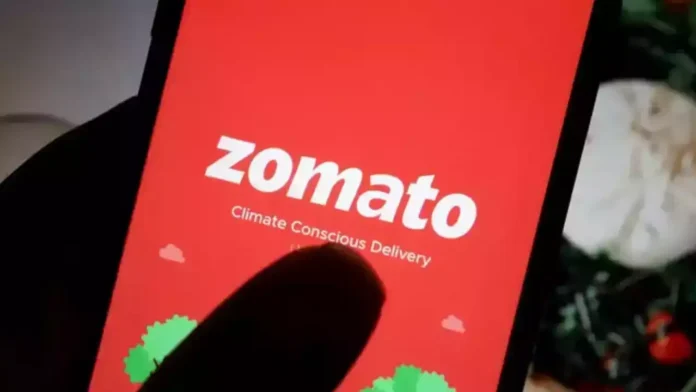
Zomato, the foodtech giant, has now launched its own UPI service for P2P and merchant transactions as part of its ongoing experiments.
Zomato UPI allows customers to create a new UPI ID within the app, enabling them to make payments without being redirected to other apps like Google Pay or PhonePe, as some users currently experience.
According to a knowledgeable source, Zomato is optimistic about customers embracing the new system and increasingly choosing UPI payments instead of cash on delivery (COD) orders. COD orders pose challenges in management and entail additional expenses for handling cash, which Zomato aims to eliminate. Moreover, there is a risk of customers rejecting an order if they have selected the COD option.
According to sources familiar with the matter, Zomato UPI has been a highly anticipated feature requested by customers for quite some time. Earlier this year, the Gurugram-based company obtained regulatory approvals and subsequently teamed up with ICICI Bank, one of the leading private banks in the country, to establish the necessary technological infrastructure for Zomato UPI.
Currently, Zomato UPI is being implemented as a pilot program. The future course of action will depend on factors such as the rate of adoption by users and the level of customer loyalty. Based on these considerations, the company will determine whether to collaborate with additional banks or proceed with a gradual expansion of the service.
Additionally, it is worth highlighting that Zomato UPI will enable the company to exercise greater control over the success rate of payments, reducing reliance on third-party apps and their functionality. This increased control has the potential to enhance customer satisfaction, particularly during a period when the food delivery market is experiencing a slowdown.
Confirming the development a company spokesperson said, “Zomato has a large set of customers that frequently use UPI to make payments for their food orders. We are providing a facility (as technology partner to ICICI) for customers to create a UPI id on Zomato app so that they can make payments seamlessly (without the need to switch apps).”
Given that PhonePe, Google Pay, and Paytm collectively dominate around 97 percent of the UPI market as of April, reducing reliance on these apps was particularly vital. Other players like WhatsApp Payments, which initially gained traction but struggled to maintain their position after the discontinuation of coupons and offers, accounted for the remaining approximate three percent.
Samir Jain will be joining Mondelēz International from his previous position as the Managing Director of Bunge India, where he held the role for the last ten years.
Confectionary giant Mondelēz International has announced the appointment of Samir Jain as President of its India business. Effective June 5, current President Deepak Iyer will transition to the role of EVP and President, Asia Pacific, Middle East, and Africa (AMEA) region. Jain, who will join the company in August, will report to Iyer and serve as a member of the AMEA leadership team representing India.
“We are delighted to welcome Samir to Mondelēz International to lead our fast-growing business in India. His CPG experience coupled with cross-functional leadership should help him grow and scale our India business further. With Deepak in his new role as leader of the region and Samir’s experience, India is well placed to continue to be a growth engine for Mondelēz International,” said Maurizio Brusadelli, EVP and President, AMEA in a statement.
Samir Jain will be joining Mondelēz International from his previous position as the Managing Director of Bunge India, where he held the role for the last ten years.
Prior to his role at Bunge India, Samir Jain had a successful career at Unilever India spanning over 17 years. He joined Unilever in 1995 as a management trainee and held various positions across different categories and functions. In 2012, he left the company as the Vice-President of the laundry category. During his tenure at Unilever, he also served as the Global Finance Director for the hair category based in the UK.
“Jain has broad strategic and operational capabilities having worked in marketing, sales, finance, supply chain, procurement, and general management during his career,” the company’s statement added.
Mondelez’s India business generates around $1.2 billion in revenue, representing a substantial portion of the company’s overall earnings. Its local unit holds an impressive market share of nearly two-thirds in the chocolate segment within the country. Notably, Mondelez India defied the market slowdown trend by achieving double-digit sales growth in the previous year, highlighting its strong performance.
According to Tofler, Mondelez witnessed a robust 16% growth in sales, reaching INR 9,296 crore during the fiscal year 2021-22. However, there was a modest 2% decline in net profit, which amounted to INR 978 crore.
We use cookies to ensure that we give you the best experience on our website. If you continue to use this site we will assume that you are happy with it.