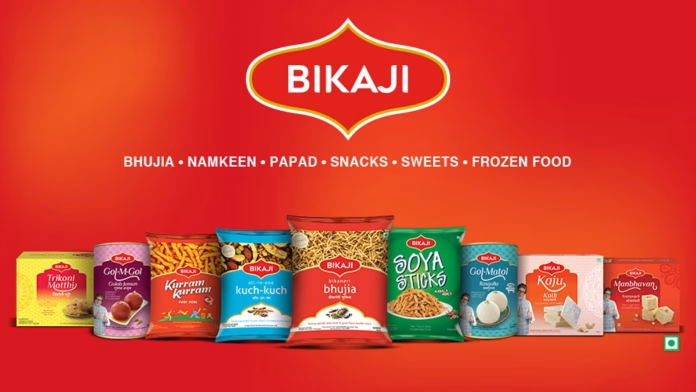
Bikaji Foods International, an ethnic snacks company, reported an impressive 57.14% growth in consolidated net profit for the fourth quarter (Q4) ending on March 31, 2023. According to a filing with the BSE, their net profit reached INR 38.28 crore, surpassing the previous fiscal year’s profit of INR 24.36 crore in the same period.
As per the regulatory filing, Bikaji Foods International witnessed year-on-year (YoY) growth in total income during the fourth quarter (Q4) of FY23. Their total income for the period reached INR 466.84 crore, showing an increase from the INR 405.96 crore earned in the corresponding period of the previous fiscal year.
Deepak Agarwal, Managing Director, Bikaji Foods International said, “We had a strong fiscal year FY23 with strong double-digit value (up 22 per cent YoY) and volume growth (up 15 per cent YoY), the performance was broad based across business segments. In the current quarter, the downward trend in our key input materials and efficient pricing measures has amplified profitability with the healthy gross margin of 35.2% and EBITDA margin of 13.4%.”
Anticipating a continuation of its current momentum, Bikaji Foods International foresees another double-digit growth in its topline for the next fiscal year. The company also expects improvements in margins, driven by a superior mix of products, increased operating leverage, and effective cost management.
The ethnic snacks company attributed its consistent compound annual growth rate (CAGR) in revenue to its emphasis on expanding its network.
“We remain committed on strengthening our distribution network to achieve a deeper penetration across our core & focus markets. We aim to expand our footprint to 1.5 lakhs retail stores by FY24,” Agarwal said.
Nestlé, the renowned Swiss packaged food major, is placing a significant bet on India to fuel the growth of its coffee business. This strategic move comes at a time when India’s coffee culture is rapidly evolving, driven by the preferences of young consumers and a burgeoning interest in specialty coffee. Despite tea-drinkers still reigning supreme in the market, Nestlé sees India as one of the fastest-growing coffee markets and aims to capture the attention of more Indian consumers, persuading them to embrace the joys of coffee.
Philipp Navratil, Head of Coffee Strategic Business Unit at Nestlé said, “India is a very important market for us because of its sheer size and population offering huge headroom for growth with a low per capita consumption of coffee. We are also seeing a growing coffee culture driven by young consumers with new coffee shops coming up in the country.”
He highlighted India’s position as a swiftly emerging market for Nestlé’s global coffee business, underscoring the fact that Nescafé has already achieved a household penetration of 46 million households in the country.
“India is a sizable market already and household penetration is accelerating. We believe Nescafé is perfectly positioned to introduce coffee to new consumers as its offers great quality at accessible prices in terms of price per cup.,” Navratil said.
“Our key focus is to grow the household penetration of our coffee portfolio further in India. We believe it’s not a matter of if but when and it will probably happen faster in the southern India region as they have a well-entrenched coffee-drinking habit. We are also sharply focusing on driving efficiencies in our supply chain to maintain the “magic price points” such as INR 2 or INR 10 as they are critical to make our products accessible to a broad population,” he added.
Asked about plans for future launches, he said, “Our strategy is to continue to grow our existing core portfolio. We also want to tap into the premiumisation opportunity in India as coffee consumption is getting more sophisticated, allowing us to bring innovations to India. We may look at launching products such as coffee concentrates and single origin coffees.”
In 2012, Nestlé introduced the Nescafé Plan, a sustainability initiative, in India. Over the past decade, Nestlé India has collaborated with 3,500 coffee farmers in the country to source coffee. Navratil emphasized that Nestlé relies on Indian farmers as a key source for their coffee production, catering not only to the domestic market but also to global production needs.
“We also see a huge opportunity to leverage India as a talent factory for our global coffee business,” he added.
British grocery inflation saw a slight easing for the second month in a row in May, as indicated by industry data released on Tuesday. However, despite this moderation, the inflation levels remained dangerously close to record highs. Unfortunately, this offers little comfort to consumers who are currently struggling with the ongoing cost-of-living crisis.
According to market researcher Kantar, the annual grocery inflation for the four-week period ending on May 14 stood at 17.2%. Although this figure represented a slight decrease from the previous data set in April, which recorded an inflation rate of 17.3%, it still remained the third highest rate recorded since 2008.
Kantar reported that UK households are now confronted with an extra £833 ($1,051) on their yearly shopping expenses if they fail to modify their consumption habits to reduce costs. The research revealed that prices are escalating most rapidly for items like eggs and ambient cooking sauces.
The latest data from Kantar in May offers the most current overview of grocery inflation in the UK. In previous official data released last month, overall consumer price inflation decreased to 10.1% in March. However, the prices of food and non-alcoholic beverages surged by 19.1% compared to the previous year, marking the largest increase since August 1977. The official data for April will be made available on Wednesday, providing further insights into the ongoing situation.
Earlier this month, the Bank of England expressed its anticipation of a slower decline in overall inflation than initially projected, primarily attributed to larger and enduring increases in food prices. Food retailers have indicated their expectations of a general price rise throughout 2023; however, they anticipate a gradual decline in the rate of inflation as the year progresses.
Certain products that experienced significant price increases, including milk, butter, bread, pasta, vegetable oil, and sunflower oil, have begun to witness price declines. Kantar reported that the average price of four pints of milk has decreased by 8 pence compared to the previous month, but emphasized that prices remain 30 pence higher than the same period last year. The report reiterated that consumers are mitigating higher prices by opting for more own-label products, which saw a sales growth of 15.2% over the month, nearly double the growth rate of branded products, which rose by 8.3%.
According to Kantar, there was a 10.8% increase in overall grocery sales compared to the same four-week period in the previous year. During the week of King Charles’ coronation, sales surged even further, rising by 16% and resulting in an additional £218 million spent. German-owned discounters Aldi and Lidl maintained their position as the fastest-growing grocers, with sales growth of 24.0% and 23.2% respectively.
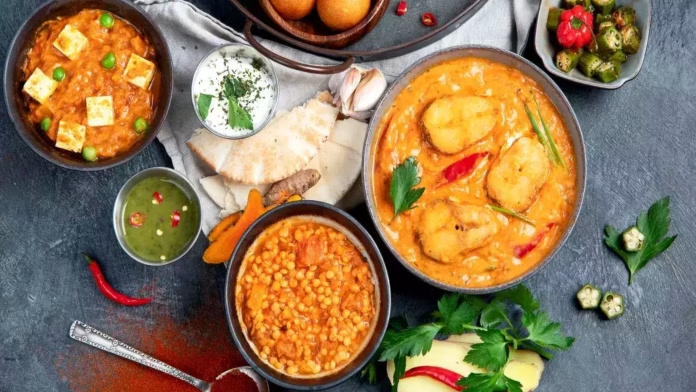
Are you on a weight loss diet? Then for sure you might be missing the intoxicating aroma of freshly roasted spices wafting through the air, the sizzle of a tadka in a hot pan, and the explosion of flavors on your palate as you take your first bite. Desi foods, rooted in centuries of culinary tradition, offer a symphony of tastes and textures that ignite the senses and leave you craving for more.
Desi foods are more than just sustenance; they are a celebration of culture, heritage, and the love for good food. They bring families and friends together, creating bonds and memories that last a lifetime. So, whether you’re sitting at a bustling street food stall or indulging in a lavish feast at a grand wedding, the flavors of desi foods will transport you to a world of culinary nirvana.
So, if you are bored of eating those plain old salads, then be prepared to be captivated by the vibrant colors, tantalizing aromas, and explosive flavors of desi cuisine. Let your taste buds dance to the rhythm of spices and indulge in the richness of centuries-old culinary traditions, with these mouthwatering desi recipes that you can consume guilt free on a weight loss diet!
Matar Cheela:
Matar Cheela is a nutritious and protein-packed Indian pancake made with green peas (matar), gram flour (besan), and a blend of spices. It is a delicious and healthy option for breakfast or as a light meal. The cheela is crispy on the outside and soft on the inside, offering a delightful combination of flavors and textures.
Quick Recipe: In a blender, combine green peas, ginger, green chili, and a handful of fresh cilantro. Blend until smooth. Transfer the mixture to a bowl and add gram flour, salt, turmeric powder, and cumin powder. Mix well to form a batter. Heat a non-stick pan and pour a ladleful of batter onto it. Spread it gently to form a round pancake. Cook until golden brown on both sides. Serve the Matar Cheela hot with mint chutney or yogurt.
Kodre Ki Khichdi:
Kodre ki Khichdi is a wholesome and comforting dish made with millet (kodra/jowar), lentils, and a medley of vegetables. This nutritious khichdi is a great source of fiber, protein, and essential nutrients. It is light on the stomach, easy to digest, and perfect for a balanced meal.
Quick Recipe: Rinse the millet and lentils (moong dal) and soak them separately for 30 minutes. Heat oil in a pressure cooker and add cumin seeds, chopped onions, ginger-garlic paste, and a pinch of asafoetida. Sauté until the onions turn golden brown.
Add chopped vegetables like carrots, peas, and beans. Drain the soaked millet and lentils, and add them to the cooker along with water, salt, turmeric powder, and garam masala. Pressure cook for 3-4 whistles. Once the pressure is released, open the cooker and fluff the khichdi with a fork. Serve hot with yogurt or pickle.
Flaxseeds Raita:
Flaxseeds Raita is a healthy and refreshing yogurt-based side dish that is packed with the goodness of flaxseeds. Flaxseeds are rich in omega-3 fatty acids and fiber, making this raita a nutritious addition to any meal. It has a nutty flavor and creamy texture, providing a perfect balance to spicy dishes.
Quick Recipe: Dry roast flax seeds on a low flame until they release a nutty aroma. Grind them into a coarse powder. In a bowl, whisk yogurt until smooth. Add roasted flaxseed powder, finely chopped cucumber, grated carrots, chopped mint leaves, and a pinch of salt. Mix well. Temper the raita by heating oil in a small pan and adding mustard seeds and cumin seeds. Once they splutter, pour the tempering over the raita. Mix gently and refrigerate for some time before serving.
Quinoa Apple Kheer:
Quinoa Apple Kheer is a healthy and flavorful dessert made with quinoa, apples, and milk. This twist on the traditional kheer adds the nutritional benefits of quinoa while maintaining the creamy and indulgent taste. It is a perfect dessert for those looking for a healthier alternative without compromising on taste.
Quick Recipe: Rinse quinoa thoroughly and cook it in milk until it becomes soft and tender. Add grated apple, sugar or honey (according to taste), cardamom powder, and a handful of chopped nuts (like almonds, pistachios, or cashews). Cook on low heat until the kheer thickens to the desired consistency. Garnish with more chopped nuts and serve the Quinoa Apple Kheer warm or chilled.
As the scorching heat of summer takes its toll, finding delicious and refreshing snacks becomes a top priority. Whether you’re lounging by the pool, enjoying a picnic in the park, or simply seeking relief from the sun’s relentless rays, indulging in delectable snacks can be a delightful way to beat the heat. From icy treats to light and refreshing bites, these snacks offer a perfect balance of flavors, textures, and cooling ingredients that will leave you feeling rejuvenated and satisfied. Join us on a culinary adventure as we explore six tantalizing snacks that will help you stay cool, energized, and thoroughly satisfied throughout the summer months.
Watermelon Feta Salad:
A refreshing and hydrating summer classic, the Watermelon Feta Salad combines juicy watermelon chunks with tangy feta cheese, fresh mint leaves, and a drizzle of zesty lime dressing. This salad is a delightful balance of sweet and savory flavors, offering a burst of coolness with every bite.
Quick Recipe: In a bowl, combine cubed watermelon, crumbled feta cheese, torn mint leaves, and a squeeze of fresh lime juice. Toss gently to mix the flavors. Serve chilled and enjoy this refreshing salad as a light and cooling snack.
Mango Salsa:
Bursting with tropical flavors, Mango Salsa is a vibrant and fruity snack that brings a touch of summer to your palate. This zesty combination of ripe mangoes, diced red onions, jalapeños, cilantro, and lime juice offers a refreshing and tangy taste that pairs perfectly with tortilla chips or grilled meats.
Quick Recipe: In a bowl, combine diced ripe mangoes, finely chopped red onions, diced jalapeños (adjust the heat level to your preference), freshly chopped cilantro, and a squeeze of lime juice. Mix well and let the flavors meld for a few minutes. Serve with tortilla chips for a delightful summer snack.
Corn Fritters:
Crispy on the outside and tender on the inside, Corn Fritters are a delightful summer treat. Made with fresh corn kernels, scallions, and a hint of spices, these golden fritters offer a burst of flavor with each bite. They are perfect for snacking or as a side dish for a summer barbecue.
Quick Recipe: In a bowl, combine fresh corn kernels, chopped scallions, flour, baking powder, salt, pepper, and your choice of spices like paprika or cumin. Mix well to form a thick batter. Heat oil in a pan and drop spoonfuls of the batter. Fry until golden brown on both sides. Drain on a paper towel and serve these crispy corn fritters as a delightful summer snack.
Coconut Shrimp:
Transport yourself to a tropical paradise with Coconut Shrimp, a crispy and succulent snack that combines the sweetness of shrimp with the richness of coconut. The shrimp is coated in a crunchy coconut breading and served with a tangy dipping sauce, creating a taste sensation that will whisk you away to sandy beaches and ocean breezes.
Quick Recipe: Dip peeled and deveined shrimp in beaten egg, then coat them in a mixture of shredded coconut and bread crumbs seasoned with salt and pepper. Fry until golden brown and crispy. Serve these coconut shrimp with a tangy dipping sauce made from a blend of sweet chili sauce, lime juice, and soy sauce for a tropical-inspired snack.
Frozen Yogurt Barks:
Beat the heat with a cool and creamy Frozen Yogurt Bark. This simple yet delicious treat is made by spreading a mixture of flavored yogurt onto a baking sheet and freezing until firm. Once frozen, break it into pieces for a refreshing and customizable snack.
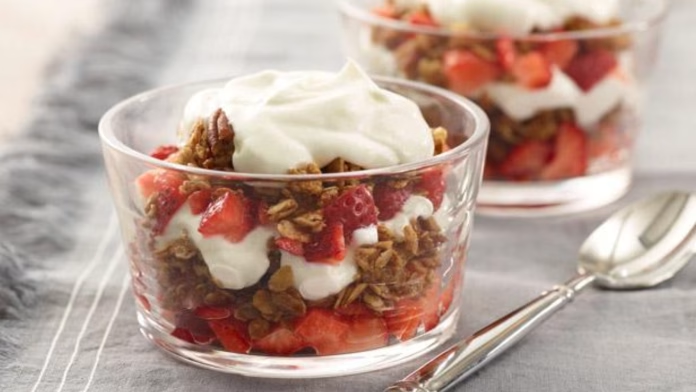
Quick Recipe: Spread your favorite flavored yogurt onto a parchment-lined baking sheet. Swirl in fresh fruit purees, honey, or granola for added flavor and texture. Freeze until firm, then break into pieces and enjoy this cool and refreshing snack.
Lemon Poppy Seed Muffin:
Tangy and fragrant, Lemon Poppy Seed Muffins are a delightful way to enjoy a sweet treat while staying refreshed. The combination of zesty lemon and crunchy poppy seeds creates a burst of flavor in each soft and fluffy bite.
Quick Recipe: In a mixing bowl, combine flour, sugar, baking powder, lemon zest, poppy seeds, and a pinch of salt. In a separate bowl, whisk together melted butter, milk,
Each bite of Snickers is a journey of pure indulgence, offering the perfect balance between chewy nougat, gooey caramel, and crunchy peanuts. It’s a divine treat that has stood the test of time, captivating hearts and palates with its timeless appeal.
The pleasure of Snickers goes beyond its sensational taste—it’s a nostalgic reminder of joyful moments and carefree indulgence. Whether you’re savoring it on a lazy afternoon, sharing it with loved ones, or grabbing a quick pick-me-up during a busy day, Snickers always brings a sense of comfort and satisfaction.
Being a Vegan means giving up on some of the world’s best foods, that counts this heavenly delight as well! But not anymore as Jennifer Garner, who is literally an angle in diguise has curated a perfect snickers recipe which leave you feeling the smoothness of caramel mingling with the rich, velvety chocolate coating.The heavenly bite, your taste buds are greeted by the delightful crunch of roasted peanuts, providing a satisfying contrast to the silky caramel and chocolate layers. The combination of sweet and salty flavors dances on your tongue, creating a symphony of taste that is simply irresistible.
From her insta handle, we learnt that the 50-year old star has a lip smacking plant pased Snicker recipe, which goes like-
Ingredients:
12 oz dark chocolate, chopped
4 tablespoons creamy peanut butter
2 cups unsweetened flaked coconut
1 cup roasted cashews
1 cup pitted Medjool dates
14 oz full-fat coconut milk
1/2 cup light brown sugar
1/4 cup honey
1 tablespoon coconut oil
1 teaspoon vanilla extract
3/4 cup roasted peanuts
Instructions
Line a 9×13 inch baking dish with parchment paper.
Melt 6 oz chocolate and 2 tablespoons peanut butter in the microwave until smooth. Pour into the prepared dish and spread into an even layer. Place in the freezer for 15 mins to harden.
Meanwhile, in the food processor, pulse coconut flakes and cashews until finely ground. Add dates and pulse until mixture comes together and forms a ball.
When the chocolate/peanut butter mixture has hardened, remove from the freezer and press the coconut mixture into an even layer on top of chocolate (using your hands). Return the pan to the fridge to chill while you make the third layer.
In a medium saucepan, combine coconut milk, sugar and honey. Bring to a boil over medium-high heat. Cook for ~10 mins or until caramel has thickened. Remove from heat and let cool for 5 mins. Stir in coconut oil, vanilla, and peanuts. Remove from the fridge and pour caramel mixture over the bars, spreading in an even layer. Return the pan to the fridge to chill for at least 1 hour.
About 10 mins before you remove bars from the fridge, melt together the remaining 6 oz chocolate and remaining 2 tablespoons peanut butter in the microwave until smooth. Let cool for 5 mins, then pour the chocolate over the caramel layer, spreading evenly. Return to the fridge until well chilled, at least 1 hour. (Garner left them overnight.)
Cut bars into squares and serve. Store in the fridge for up to 1 week.
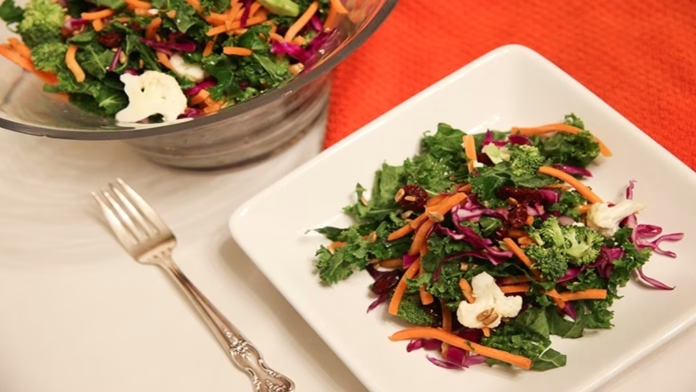
In today’s fast-paced world, it can be challenging to find the time and energy to prioritize our health. We often rely on convenient, processed foods that lack the necessary nutrients to support our well-being. However, making small changes in our diet can have a significant impact on our overall health. One simple and effective way to improve our well-being is by incorporating a detox salad into our routine.
Detox salads are an excellent way to introduce a variety of nutrient-dense ingredients that promote detoxification. Detox salads offer numerous benefits for our health and well-being. Here are a few key advantages:
Rich in Nutrients: Detox salads are packed with vitamins, minerals, and antioxidants. These nutrients help nourish our bodies, support cellular function, and boost our immune system.
Hydration: Detox salads often include ingredients with high water content, such as cucumbers and lettuce. Staying hydrated is crucial for optimal health and helps flush out toxins from our system.
Fiber-Rich: Many detox salad ingredients, such as carrots and cabbage, are excellent sources of dietary fiber. Fiber aids digestion, promotes bowel regularity, and helps eliminate toxins from the body.
Weight Management: Detox salads are generally low in calories but high in nutrients, making them an ideal choice for weight management. They provide satiety, helping you feel full for longer and reducing the temptation for unhealthy snacks.
Antioxidant Power: Antioxidants play a crucial role in protecting our cells from damage caused by free radicals. Detox salads are often loaded with antioxidant-rich ingredients like berries and leafy greens.
How to Make the Detox Salad
Now that we understand the importance and benefits of a detox salad, let’s dive into the recipe:
Grate 1-2 medium-sized carrots and set them aside.
Repeat the grating process with a medium-sized cucumber, purple cabbage, and bell pepper, according to your preference.
Add a handful of coriander and mint leaves to the grated vegetables and mix well.
Next, add one tablespoon of black currants (you can add more if you prefer), mildly toasted cashews, almonds, and pistachios to the mixture and toss roughly.
To enhance the flavor and nutritional profile of the salad, prepare the detox salad sesame dressing.
How to Make the Detox Salad Sesame Dressing
Take a mixer and add 3 tablespoons of mildly roasted sesame seeds. Ensure that they have cooled down before adding them to the appliance.
Add a pinch of salt, 1 tablespoon of jaggery powder, a small piece of chopped ginger, green chili, and a teaspoon of freshly squeezed lemon juice.
Add a splash of water to the mixture and grind until it reaches the desired consistency.
Notes on Serving
Mix all the salad vegetables together and sprinkle some sesame seeds on top, followed by a generous drizzle of the sesame dressing.
You can customize the salad by adding additional toppings or ingredients according to your taste and preference. Some popular additions include avocado slices, sunflower seeds, pomegranate seeds, or even a sprinkle of feta cheese.
Incorporating Detox Salad into Your Routine
Including a detox salad in your regular meal plan is an excellent way to support your overall health. Here are some tips to help you incorporate it into your routine:
Prep in Advance: Prepare the ingredients for your detox salad in advance to save time during busy weekdays. Wash, chop, and grate the vegetables ahead of time and store them in airtight containers in the refrigerator.
Pack for Lunch: Detox salads make a perfect portable lunch option. Pack them in a container and take them to work or school. You can store the dressing separately to keep the salad fresh.
Customize to Your Taste: Feel free to experiment with different ingredients and flavors to make the detox salad your own. Add your favorite fruits, vegetables, or herbs to enhance the taste and nutritional profile.
Enjoy as a Side or Main Dish: Detox salads can be enjoyed as a refreshing side dish or can be made more filling by adding grilled chicken, tofu, or chickpeas to turn it into a satisfying main course.
Incorporating a detox salad into your routine is a simple and effective way to support your body’s natural detoxification processes and improve your overall health. This effortless recipe provides a delicious and nutrient-dense option for busy weekdays. By combining a variety of detoxifying ingredients and preparing a flavorful sesame dressing, you can enjoy a refreshing and nourishing meal that will leave you feeling energized and revitalized. So, give this detox salad a try and experience the transformative power of healthy eating!
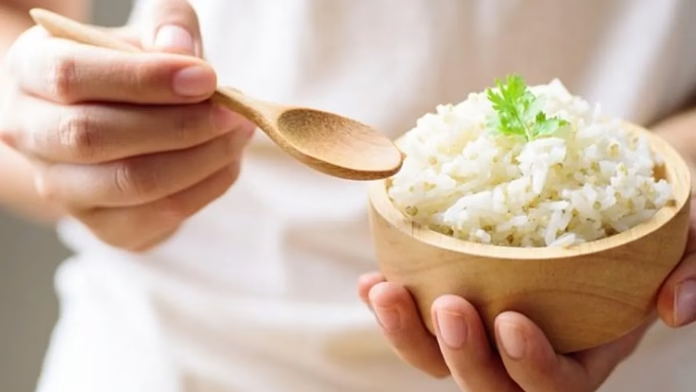
Rice is a staple food for millions of people around the world. It’s versatile, delicious, and provides a great source of energy. However, for those trying to manage their weight, rice has often been considered a food to be avoided. The fear of weight gain associated with rice has led many individuals to eliminate it from their diets completely. But is rice really the culprit behind those extra pounds?
In this article, we will delve into the relationship between rice and weight gain, explore different types of rice and their impact on weight, discuss portion control techniques, and reveal expert tips on how to enjoy rice without worrying about weight.
Understanding Rice and Weight Gain
Rice itself is not inherently responsible for weight gain. Weight gain occurs when there is an excess of calorie consumption compared to calorie expenditure. It’s important to remember that any food, if consumed in large quantities or with unhealthy accompaniments, can contribute to weight gain. Rice, when eaten in moderation and in the right manner, can be a part of a healthy and balanced diet.
Types of Rice and Their Impact on Weight
Not all rice is created equal when it comes to weight management. Let’s take a look at some popular types of rice and their impact on weight:
White Rice:
White rice is the most commonly consumed type of rice. It has undergone extensive processing, which removes the bran and germ layers, resulting in a refined grain. White rice is easily digestible but lacks the fiber and nutrients found in the bran and germ. It has a high glycemic index, meaning it can cause a rapid spike in blood sugar levels. Consuming white rice in large portions and without proper accompaniments can lead to weight gain.
Brown Rice:
Brown rice is a whole grain that retains the bran and germ layers, making it more nutritious than white rice. It is higher in fiber, vitamins, and minerals. The fiber in brown rice helps regulate blood sugar levels, promotes satiety, and aids in digestion. Including brown rice in your diet can be a healthier choice for weight management compared to white rice.
Basmati Rice:
Basmati rice is a long-grain rice known for its distinct aroma and flavor. It falls under the category of white rice but has a lower glycemic index compared to other varieties. This makes it a preferable choice for individuals with diabetes or those concerned about blood sugar spikes. However, portion control is crucial when consuming basmati rice to avoid excessive calorie intake.
Wild Rice:
Wild rice is not actually a type of rice but a seed from aquatic grass. It has a rich, nutty flavor and is packed with nutrients. Wild rice is higher in protein and fiber compared to other types of rice. The high fiber content promotes a feeling of fullness and aids in weight management. Incorporating wild rice into your meals can provide a healthier alternative to traditional rice varieties.
Portion Control: The Key to Enjoying Rice without Gaining Weight
One of the fundamental principles of weight management is portion control. Regardless of the type of rice you choose, controlling your portion size plays a crucial role in preventing weight gain.
Here are five ways to eat rice without gaining weight:
More curry, less rice:
To strike a balance, practice the 1/3 rule when consuming rice. Combine one portion of rice with one portion of curries or dal (lentils) and one portion of vegetables or salad. This approach helps you feel fuller for longer due to the increased fiber intake and ensures a well-rounded meal.
Kudos to khichdi:
Khichdi, a traditional Indian dish made by combining rice and lentils, is not only delicious but also a complete protein-rich meal. When rice is combined with lentils, it provides all nine essential amino acids, making it a nutritious choice. Enjoy khichdi with a portion of your favorite raita, pickle, ghee, and salad for added flavor and nutrition.
Choose Basmati:
Opt for Indian Basmati rice, known for its aromatic qualities. Basmati rice, when consumed in moderation, can be suitable for individuals with diabetes who want to include rice in their diet. Stick to one cup of basmati rice and avoid excessive consumption to prevent blood sugar spikes. Including high-fiber foods like beans and salads alongside rice helps regulate blood sugar levels and promotes satiety.
Eat in a bowl:
To control your rice intake, serve it in a small bowl rather than a larger plate or thali. Eating from a smaller bowl can help prevent overindulgence and promote portion control. Remember, eating in a small bowl doesn’t mean you can take multiple servings of rice. Be mindful of your portions and listen to your body’s hunger cues.
Portion control:
Even if you choose to include rice in every meal, it’s essential to practice portion control. Registered dietitian Neha Aggarwal advises that portion control is the key to enjoying rice without gaining weight. Measure your rice servings using measuring cups or weigh them to ensure you’re consuming an appropriate amount. Balance your rice intake with other nutrient-dense foods to create a well-rounded meal.
Timing Matters: When to Eat Rice for Weight Management
In addition to portion control and choosing the right type of rice, timing also plays a role in weight management. It’s generally recommended to consume rice earlier in the day or during active periods when your body can utilize the energy it provides. Consuming rice in the evening or close to bedtime, when physical activity levels tend to be lower, may result in unused energy being stored as fat.
Rice can be enjoyed without weight worries by following these expert tips and incorporating them into your dietary routine. Understanding the different types of rice and their impact on weight, practicing portion control, and choosing healthier accompaniments can make rice a part of a balanced and nutritious diet. Remember, moderation and balance are key when it comes to enjoying rice while managing weight. So go ahead, crack the code, and savor the goodness of rice without any weight concerns!
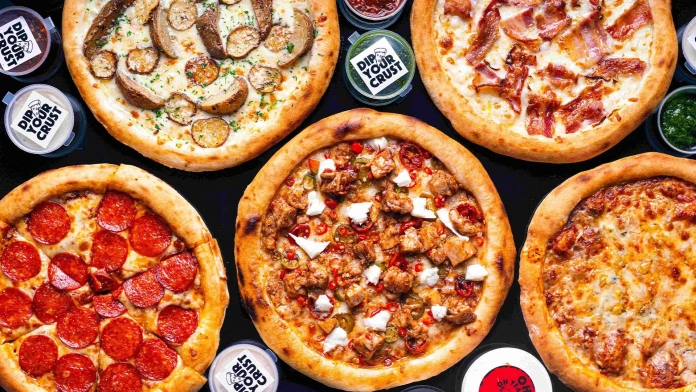
Pizza has become a universal favorite, transcending boundaries and cultures with its delectable combination of flavors. While traditional pizzas continue to hold a special place in our hearts, the rise of gourmet pizza has added a touch of sophistication and extravagance to this beloved dish.
Traditional pizzas typically feature a thin crust topped with tomato sauce, mozzarella cheese, and a variety of toppings. However, gourmet pizzas take this classic concept to new heights by experimenting with unique ingredients, creative flavor combinations, and innovative cooking techniques.
Gourmet pizzas offer a delightful symphony of flavors, textures, and aromas. From artisanal crusts to exotic toppings, these pizzas are a treat for the senses.
Pune, the bustling city in Maharashtra, India, is home to a thriving culinary scene, and its gourmet pizza venues are no exception. In this article, we will explore some of Pune’s must-try gourmet pizza eateries that are sure to leave you craving for more.
Pune’s Must-Try Gourmet Pizza Venues:
Tossin Pizza, Baner
Located in the vibrant neighborhood of Baner, Tossin Pizza is a haven for pizza aficionados. The restaurant boasts a menu that showcases a wide range of gourmet pizzas, each crafted with precision and care. Their wood-fired pizzas are a standout, as the smoky flavors impart a unique character to the crust.
The signature offerings at Tossin Pizza include the “Truffle Shuffle,” a truffle-infused pizza topped with exotic mushrooms and truffle oil, and the “Mediterranean Magic,” featuring sun-dried tomatoes, feta cheese, and olives. The restaurant also offers a create-your-own-pizza option, allowing patrons to customize their culinary experience.
Cost for two: INR 600
Circle of Crust, Viman Nagar
Nestled in the bustling neighborhood of Viman Nagar, Circle of Crust is a hidden gem for pizza enthusiasts. This cozy eatery specializes in Neapolitan-style pizzas, known for their thin, chewy crusts and fresh, high-quality ingredients.
The menu at Circle of Crust features a delightful assortment of gourmet pizzas that cater to all tastes. One must-try option is the “Pesto Passion,” a pizza adorned with homemade basil pesto, cherry tomatoes, pine nuts, and mozzarella cheese. For those seeking a burst of flavors, the “Spicy Mexicana” is an excellent choice, with its spicy chicken, bell peppers, onions, and jalapenos.
Cost for two: INR 500
1441 Pizzeria, Koregaon Park
1441 Pizzeria has gained a reputation as one of Pune’s finest gourmet pizza destinations. Situated in the vibrant Koregaon Park area, this pizzeria offers a unique and interactive dining experience. Guests can witness the entire pizza-making process, from kneading the dough to the final wood-fired bake, as they customize their own pizzas.
The menu boasts an extensive selection of toppings, sauces, and cheeses, allowing diners to create their perfect gourmet pizza. Some popular choices include the “Diavola,” a spicy pizza topped with pepperoni, jalapenos, and mozzarella, and the “Quattro Formaggi,” a cheese lover’s delight featuring four types of cheese. The artisanal crusts at 1441 Pizzeria are a testament to their commitment to quality and authenticity
Cost for two: INR 1000
Little Italy, Shivaji Nagar
Little Italy is a renowned vegetarian restaurant in Pune, offering an array of Italian delicacies, including gourmet pizzas. Located in Shivaji Nagar, this charming eatery combines traditional Italian flavors with a touch of innovation.
Their gourmet pizza selection showcases a harmonious blend of ingredients, textures, and flavors. The “Mediterranea” is a standout option, featuring grilled zucchini, bell peppers, cherry tomatoes, and feta cheese on a thin crust. For a burst of earthy flavors, the “Funghi Trifolati” is a must-try, with its combination of sautéed mushrooms, garlic, and parsley.
Cost for two: INR 1400
Zeta, Hyatt Regency
Situated within the luxurious Hyatt Regency Pune, Zeta offers an exquisite dining experience with its gourmet pizza offerings. The restaurant’s elegant ambiance and attention to detail elevate the pizza experience to new heights.
Zeta’s menu features a curated selection of gourmet pizzas that cater to diverse tastes. The “Prosciutto e Rucola” is a delightful choice, combining the saltiness of prosciutto with the freshness of arugula and the creaminess of mozzarella. For a unique twist, the “Paneer Tikka Pizza” infuses Indian flavors into the classic pizza concept, featuring marinated paneer, onions, and bell peppers.
Cost for two: INR 1200
Slice of Soul, Kalyani Nagar
Slice of Soul, located in Kalyani Nagar, is a cozy pizza joint that captures the essence of gourmet pizza with its artisanal creations. This charming eatery focuses on using locally sourced ingredients and preparing each pizza with meticulous attention to detail.
The menu at Slice of Soul showcases an eclectic mix of gourmet pizzas that appeal to different palates. The “Fungi Affair” is a mushroom lover’s delight, with a medley of mushrooms, caramelized onions, and truffle oil. For a touch of sweetness, the “Pear and Gorgonzola” pizza combines the delicate flavors of ripe pears, tangy gorgonzola cheese, and balsamic glaze.
Cost for two: INR 700
La Gustosa, Kothrud
La Gustosa, nestled in the vibrant neighborhood of Kothrud, offers a slice of authentic Italian flavors in Pune. This cozy pizzeria emphasizes the use of imported Italian ingredients and traditional cooking methods to craft their gourmet pizzas.
The menu at La Gustosa features an impressive selection of gourmet pizzas that will tantalize your taste buds. The “Quattro Stagioni” is a classic choice, showcasing a medley of artichokes, mushrooms, ham, and olives on a thin crust. If you’re feeling adventurous, the “Gamberetti e Rucola” combines succulent shrimp, arugula, cherry tomatoes, and a hint of chili oil.
Cost for two: INR 1200
Pune’s gourmet pizza venues have redefined the pizza experience by offering an enticing fusion of traditional flavors and innovative culinary techniques. From the wood-fired creations of Tossin Pizza to the interactive customization at 1441 Pizzeria, each eatery on this list brings its unique flair to the table.
Whether you’re a pizza purist or an adventurous foodie, these gourmet pizza venues in Pune are sure to satisfy your cravings. So, embark on a culinary journey and indulge in the tantalizing flavors and artistry of Pune’s must-try gourmet pizza eateries. Prepare to be delighted, as these venues will leave you craving for more with each delicious slice.
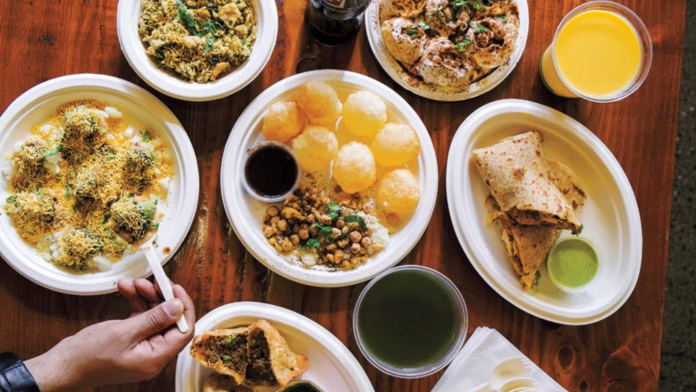
When it comes to experiencing the vibrant and diverse flavors of India, you don’t have to travel thousands of miles. Nestled in the bustling streets of California, there are hidden gems that bring the essence of Indian street food to life.
From savory samosas to spicy chaat, these street food joints offer an array of mouth-watering delicacies that will transport your taste buds to the streets of Mumbai or Delhi. Whether you are a fan of vegetarian dishes or a meat lover, these top Indian street food hotspots in California have something for everyone. Get ready to embark on a culinary adventure and uncover the true essence of India in the Golden State.
Curry Up Now: A Fusion of Flavors
Originating in the San Francisco Bay Area, Curry Up Now has made a name for itself by offering a unique fusion of Indian and Mexican street food. Their menu is a delightful blend of flavors, featuring dishes like the Tikka Masala Burrito, filled with succulent chicken tikka masala, fragrant rice, and tantalizing chutneys. They also serve traditional Indian streets food favorites such as samosas, vada pav (spicy potato fritters in a bun), and chaat (a medley of crispy snacks topped with chutneys and yogurt). With multiple locations across California, Curry Up Now is a must-visit for those craving innovative and delicious street food.
Udupi Palace: South Indian Delights
Located in Sunnyvale, Udupi Palace is a vegetarian Indian restaurant that specializes in the flavors of South India. Step into this culinary haven and indulge in an array of dosas (rice and lentil crepes), idlis (steamed rice cakes), and uttapams (savory rice and lentil pancakes). The menu also boasts a variety of chaats and snacks like bhel puri (puffed rice snack), pav bhaji (spiced vegetable curry served with buttered buns), and masala vada (spicy lentil fritters). Udupi Palace offers an authentic taste of South India, leaving you craving for more with every bite.
Juhu Beach Club: Modern Twist on Traditional Street Food
Located in Oakland, Juhu Beach Club is a unique Indian street food joint that adds a modern twist to traditional flavors. Inspired by the bustling beaches of Mumbai, their menu features creative dishes like Pav Vada Sliders, a delightful combination of spicy potato fritters sandwiched between buttered buns, and Pani Puri Shots, crispy shells filled with tangy tamarind water and spiced chickpeas. Juhu Beach Club also caters to vegetarian and vegan preferences, offering dishes like the Chana Masala Bowl, a hearty combination of chickpea curry and fragrant rice, and the Kale Pakora Chaat, a fusion of crispy kale fritters with traditional chaat toppings. Prepare to be amazed by their innovative take on Indian street food.
Samosa House: A Vegetarian’s Delight
Located in Los Angeles, Samosa House is a popular Indian street food joint that has gained a loyal following for its extensive vegetarian and vegan options. As the name suggests, their specialty lies in samosas, which come in a variety of flavors and fillings, including potato, paneer (Indian cottage cheese), and mixed vegetables. The menu also includes other classic Indian street food items like chaat, dosas (thin rice and lentil crepes filled with various fillings), and biryani (fragrant rice dish with aromatic spices and vegetables or meat). With its diverse and flavorful offerings, Samosa House is a go-to spot for vegetarians looking to indulge in the vibrant world of Indian street food.
Viva Mumbai: Mumbai’s Street Food Extravaganza
California offers a vibrant tapestry of cultures, and Indian street food has become an integral part of its culinary landscape. These five mouthwatering street food hotspots bring the essence of India to life through their bold flavors, aromatic spices, and diverse menu offerings. Whether you’re a vegetarian, a meat lover, or simply a food enthusiast looking to explore new tastes, these Indian street food joints in California have something for everyone. So, embark on a gastronomic adventure and uncover the true essence of India in the Golden State. Let your taste buds dance to the rhythm of Indian spices and experience the magic of Indian street food right at your doorstep.
We use cookies to ensure that we give you the best experience on our website. If you continue to use this site we will assume that you are happy with it.