Friday, December 19, 2025
Home Blog Page 1167

Effortlessly shed pounds with a customized North and South Indian diet plan for weight loss

diet plan for weight loss

Weight loss diets have become a common topic of discussion in today’s world, where people are more health-conscious and aware of the impact of their lifestyle on their overall well-being. 

Many individuals strive to achieve their desired weight and body composition through various methods, with diet playing a significant role in this process. While there are several fad diets and weight loss programs available, it is essential to understand the importance of a healthy and sustainable approach to weight loss. A balanced diet that is rich in nutrients and low in processed foods can not only aid in weight loss but also promote overall health and well-being.

From insanely strict diets like cotton ball diets to extreme diets like keto and vegan, there is so much available on the internet! 


But if you want something easy-to-follow yet effective and wholesome, here’s what you can follow for an easy weight loss journey instead because it is the consistency that matters at the end of the day.

1200 Calorie diet plan for Weight Loss 

The simple science that works behind weight loss is your calorie intake should be less than the calories you burn and this plan is exactly planned for that. Your weight loss depends greatly on your daily calorie intake. 

The 1200 calorie diet is a type of diet plan that restricts daily calorie intake to 1200 calories per day. It is commonly used for weight loss purposes and involves eating healthy, nutritious foods that provide the necessary nutrients while still allowing a calorie deficit. It is important to note that the 1200 calorie diet may not be suitable for everyone and should be done under the guidance of a healthcare professional.

This means you can consume anything in a day as long as it is less than or equal to 1200 calories, whether you take it in one go or make a systematic meal plan throughout the day which monitors your calorie intake. 

This 1200 calorie diet for weight loss ensures that you don’t have to compromise too much on the food or doesnt bring a dramatic change in your existing diet, rather it is about the portion control that is needed for weight loss. 

And the best part about this diet? 

Well, you can consume whatever you have been consuming in your daily Indian diet with little to no change at all and don’t have to compromise too much throughout your weightloss journey and no need to go out of the way and learn to cook cuisines from around the world for it! 

1200 Calorie Diet Plan for North Indians

North Indian cuisine offers a plethora of healthy and nutritious options as well. It is also needless to mention that this diet plan can be followed by Vegetarians/Vegans for weight loss too. 

 From tangy chaats to fresh salads, there are a variety of dishes that are not only delicious but also good for your health. Take, for example, the humble chana masala, a chickpea dish that is rich in protein and fiber, or the refreshing raita, a yogurt-based side dish that is perfect for balancing out the spice in any meal.

You don’t need to give up on any of these for your weightloss journey as long as you are monitoring the portions.

Diet Plan includes- 

A 1200 calorie North Indian diet plan can help you achieve your weight loss goals while still enjoying the delicious flavors of North Indian cuisine. Here’s a sample meal plan for a day:

Breakfast:

  • 1 small bowl of low-fat yogurt
  • 1 medium-sized vegetable stuffed paratha
  • 1/2 cup of green tea

Mid-morning snack:

  • 1 small bowl of fresh fruits

Lunch:

  • 1 small bowl of mixed vegetable raita
  • 1 small bowl of brown rice
  • 1 small bowl of mixed vegetable sabzi
  • 1 small bowl of dal
  • 1 small whole wheat roti

Evening snack:

  • 1 small bowl of sprouts salad

Dinner:

  • 1 small bowl of cucumber and tomato salad
  • 1 small bowl of paneer tikka
  • 1 small bowl of quinoa pulao
  • 1 small whole wheat roti

1200 Calorie Diet Plan for South Indians

With its varied flavors and colorful presentation, it’s no wonder that South Indian food has gained immense popularity. From the tangy and spicy sambar to the creamy and comforting avial, every dish is a treat for the taste buds.

The use of fresh vegetables, lentils, and spices in South Indian cooking makes it a nutritious and wholesome option for any meal. Dishes like dosas, idlis, and vadas are not only delicious but also gluten-free and rich in protein. And who can resist a steaming plate of fluffy rice with a side of spicy chicken or fish curry?

Diet Plan: 

Here’s a sample 1200 calorie meal plan for South Indians on weight loss journey. 

Breakfast:

  • 1 idli with 1/2 cup sambar and 1/2 tsp coconut chutney (200 calories)
  • 1 small banana (90 calories)

Mid-Morning Snack:

  • 1 small bowl of sliced cucumber or carrot with 1 tsp of lemon juice and a pinch of salt (50 calories)

Lunch:

  • 1 small bowl of steamed rice (150 calories)
  • 1/2 cup of rasam (60 calories)
  • 1/2 cup of any dry vegetable curry like potato, brinjal or beans (100 calories)
  • 1 small cup of low-fat curd (40 calories)

Evening Snack:

  • 1 small cup of green tea without sugar (5 calories)
  • 1 small bowl of mixed fruits like apple, pomegranate or guava (60 calories)

Dinner:

  • 2 small chapatis made with whole wheat flour (140 calories)
  • 1 small bowl of any lentil curry like sambar or dal (100 calories)
  • 1 small bowl of any vegetable curry like cauliflower, cabbage or ladyfinger (100 calories)
  • 1 small cup of low-fat curd (40 calories)

Before Bed:

  • 1 small glass of warm milk (60 calories)
Advertisement

Raw food diets: Healthy or hype? The truth revealed

0
raw food diet

Over the past few years, there has been a growing interest in raw food diets. Some people believe that eating raw food is a healthier way to live, while others see it as a fad or a passing trend. While there are some benefits to a raw food diet, there are also potential risks and drawbacks to consider. In this article, we will explore the truth behind raw food diets and whether they are healthy or simply hype.

What is a Raw Food Diet?

A raw food diet is a diet that consists of foods that have not been cooked or processed. This means that all food is consumed in its natural state, without any added preservatives, chemicals, or artificial ingredients. The most common foods consumed on a raw food diet are fruits, vegetables, nuts, seeds, and grains.

Raw food diets can be broken down into several different categories, including:

  • Raw vegan diet: This type of diet consists of only plant-based foods that have not been cooked or processed.
  • Raw vegetarian diet: This diet is similar to the raw vegan diet, but may include dairy products such as raw milk and cheese.
  • Raw omnivore diet: This diet includes raw meat and animal products, as well as raw fruits, vegetables, nuts, and seeds.

While there are variations in the types of raw food diets, they all share a common theme of consuming uncooked and unprocessed foods.

The Benefits of a Raw Food Diet:

There are several benefits to following a raw food diet. One of the main benefits is that raw foods are high in nutrients and enzymes that can help improve digestion and overall health. Raw fruits and vegetables are rich in vitamins, minerals, and antioxidants that can help reduce inflammation and lower the risk of chronic diseases such as heart disease, diabetes, and cancer.

Another benefit of a raw food diet is that it is generally low in calories and high in fiber, which can help with weight loss and maintenance. Raw foods are also free of preservatives, additives, and artificial sweeteners, which can be harmful to health.

In addition to these health benefits, some people report feeling more energized and having clearer skin when following a raw food diet. This may be due to the increased consumption of fruits and vegetables, which are known to improve skin health and provide natural energy.

The Drawbacks of a Raw Food Diet:

While there are benefits to following a raw food diet, there are also several drawbacks to consider. One of the main drawbacks is that it can be difficult to get all of the necessary nutrients on a raw food diet. Raw foods are often low in certain nutrients such as protein, calcium, and vitamin B12, which can lead to deficiencies if not carefully planned for.

Another drawback of a raw food diet is that it can be expensive and time-consuming to prepare. Raw fruits and vegetables are often more expensive than processed foods, and preparing them can be time-consuming. This can make it difficult for people on a tight budget or those with busy schedules to follow a raw food diet.

Finally, a raw food diet can be difficult to follow socially. Most social gatherings involve cooked or processed foods, which can make it challenging for people on a raw food diet to participate in these events.

Potential Health Risks of a Raw Food Diet:

While there are benefits to a raw food diet,there are also potential health risks to consider. Raw foods can contain harmful bacteria such as E. coli and salmonella, which can cause food poisoning. This is especially true for raw meat and dairy products. Raw food diets may also increase the risk of foodborne illness if proper food handling and hygiene practices are not followed.

In addition to the risk of foodborne illness, a raw food diet may also increase the risk of nutrient deficiencies. As mentioned earlier, raw foods are often low in certain nutrients such as protein, calcium, and vitamin B12. Deficiencies in these nutrients can lead to a variety of health problems such as anemia, osteoporosis, and muscle weakness.

A raw food diet may also lead to digestive issues such as bloating, gas, and diarrhea. This is because raw foods are often harder to digest than cooked foods, which can cause discomfort for some people.

Finally, a raw food diet may not be appropriate for everyone. People with certain medical conditions such as Crohn’s disease or ulcerative colitis may find that a raw food diet exacerbates their symptoms. Pregnant and breastfeeding women should also be cautious about following a raw food diet as it may not provide all the necessary nutrients for a healthy pregnancy and lactation.

How to Safely Follow a Raw Food Diet

If you are considering following a raw food diet, it is important to do so safely. Here are some tips for safely following a raw food diet:

  • Choose a variety of raw foods: To ensure that you are getting all of the necessary nutrients, it is important to consume a variety of raw foods. This can include fruits, vegetables, nuts, seeds, and grains.
  • Wash and prepare raw foods properly: To reduce the risk of foodborne illness, it is important to wash all raw fruits and vegetables thoroughly. Meat and dairy products should also be handled with care and cooked to the appropriate temperature.
  • Consider supplements: To ensure that you are getting all of the necessary nutrients, you may need to consider taking supplements such as vitamin B12 or calcium.
  • Ease into a raw food diet: It is important to ease into a raw food diet slowly to give your body time to adjust. Gradually increase the amount of raw foods in your diet while reducing the amount of cooked foods.
  • Listen to your body: Pay attention to how your body feels on a raw food diet. If you experience any digestive issues or other symptoms, it may be necessary to adjust your diet or speak with a healthcare professional.

Raw food diets can be a healthy way to live, but they are not without potential risks and drawbacks. While raw foods are high in nutrients and enzymes that can benefit overall health, they can also be low in certain nutrients and increase the risk of foodborne illness. It is important to follow a raw food diet safely and with the guidance of a healthcare professional if necessary. Ultimately, the decision to follow a raw food diet should be based on personal preferences and health goals.

Advertisement

Get ripped: Top 10 foods to achieve 7% body fat and build lean muscle

0
food for lean muscle

Achieving a low body fat percentage and building lean muscle is a goal many fitness enthusiasts strive for. While exercise plays a crucial role in this journey, the right nutrition is equally important. By consuming a well-balanced diet, packed with nutrient-dense foods, you can optimize your body’s fat-burning potential and support muscle growth. In this article, we will explore the top 10 foods that can help you achieve 7% body fat and build lean muscle.

  1. Lean Protein Sources:

Protein is the building block of muscle and plays a crucial role in repairing and building tissues. Including lean protein sources in your diet is essential for muscle growth. This chapter will discuss the following foods:

  • Grilled Chicken Breast: A lean source of protein that is low in fat and rich in essential amino acids.
  • Salmon: Packed with omega-3 fatty acids and high-quality protein, salmon promotes muscle recovery and reduces inflammation.
  • Greek Yogurt: A protein-rich option that also provides gut-friendly probiotics and calcium for strong bones.
  1. Healthy Fats:

While fats are often associated with weight gain, healthy fats are an essential part of a balanced diet. They provide energy, support hormone production, and aid in the absorption of fat-soluble vitamins. This chapter will cover the following foods:

  • Avocado: Rich in monounsaturated fats, avocados promote heart health and help control appetite.
  • Olive Oil: A staple of the Mediterranean diet, olive oil contains healthy fats and powerful antioxidants.
  • Almonds: A nutrient-dense snack packed with healthy fats, protein, and fiber.
  • Coconut Oil: This tropical oil contains medium-chain triglycerides (MCTs) that can boost metabolism and support fat loss.
  1. Complex Carbohydrates:

Carbohydrates are the primary source of energy for your body, especially during intense workouts. Opting for complex carbohydrates provides sustained energy release and essential nutrients. This chapter will discuss the following foods:

  • Quinoa: A gluten-free grain that offers a complete protein profile and a range of vitamins and minerals.
  • Sweet Potatoes: Rich in fiber, vitamins, and antioxidants, sweet potatoes provide a slow-release of energy.
  • Brown Rice: A whole grain that is high in fiber and contains essential minerals like manganese and selenium.
  • Oats: A great source of complex carbs and fiber, oats also offer a variety of vitamins and minerals
  1. Fiber-Rich Foods:

Fiber plays a crucial role in digestion, promoting satiety, and maintaining healthy gut bacteria. Including fiber-rich foods in your diet can support weight loss and overall health. This chapter will cover the following foods:

  • Leafy Green Vegetables: Vegetables like spinach, kale, and broccoli are low in calories and high in fiber, vitamins, and minerals.
  • Berries: These low-calorie fruits are packed with antioxidants and fiber, which helps control blood sugar levels.
  • Legumes: Beans and lentils are a great source of plant-based protein, fiber, and essential minerals.
  • Chia Seeds: These tiny seeds contain a lot of fiber and healthy omega-3 fatty acids, which helps with weight loss and reduces inflammation.
  1. Hydration and Other Considerations:

Hydration is an often-overlooked aspect of a healthy diet, but it is crucial for achieving low body fat percentages and building lean muscle. Drinking enough water helps regulate body temperature, improve digestion, and support cognitive function. This chapter will discuss the following foods and considerations:

  • Water: Drinking water before, during, and after workouts is essential for optimal performance and recovery.
  • Green Tea: This antioxidant-rich tea contains caffeine and catechins, which can help boost metabolism and support fat loss.
  • Pre- and Post-Workout Nutrition: Eating a balanced meal before and after workouts is crucial for supporting muscle growth and recovery.

Achieving 7% body fat and building lean muscle requires discipline, hard work, and a well-balanced diet. Including these 10 foods in your diet can help you reach your fitness goals. Remember to focus on lean protein sources, healthy fats, complex carbohydrates, and fiber-rich foods. Additionally, staying hydrated and being mindful of pre- and post-workout nutrition can help maximize your results.

Advertisement

Surprising ways sugar alters your brain function

0
sugar

Sugar is a ubiquitous ingredient in our modern diets, and its excessive consumption has been linked to a variety of negative health outcomes, including obesity, type 2 diabetes, and heart disease. Additionally, sugar can trigger powerful cravings that can be difficult to resist, leading to a cycle of overconsumption and negative health effects. These cravings are thought to be related to the way sugar interacts with the brain’s reward centers, releasing dopamine and creating a sense of pleasure and satisfaction. However, the more sugar we consume, the more we need to achieve the same effect, leading to a cycle of dependence that can be difficult to break.

Negative Effects of Sugar on Brain 

  • Memory:

High sugar intake has been linked to memory impairment and a decreased ability to learn new information. Consuming excessive amounts of sugar can lead to inflammation in the brain, which can contribute to memory problems and potentially even increase the risk of conditions like Alzheimer’s disease.

  • Mood:

Sugar consumption can also have negative effects on mood. While consuming sugar can initially provide a temporary energy boost and feelings of pleasure, it can also lead to a “crash” as blood sugar levels drop. This can cause feelings of irritability, fatigue, and even depression.

  • Cognitive functions:

 Sugar has been shown to negatively impact cognitive functions such as attention, decision-making, and problem-solving. High sugar intake has been linked to decreased brain volume in areas responsible for memory and cognitive functions, which can further impair cognitive abilities. Additionally, sugar consumption can disrupt the balance of neurotransmitters in the brain, which can affect mood and cognitive function.

Why do we crave for Sugar despite knowing it’s bad? 

Just like any other toxic habit that we have, our relationship with sugar is alike! Sugar is a highly addictive substance that triggers a number of chemical reactions in the brain, leading to intense cravings.

  • The Dopamine Hit:

One of the main reasons we crave sugar is because it provides a quick dopamine hit in the brain. Dopamine is a neurotransmitter that is responsible for feelings of pleasure and reward, and consuming sugar can release large amounts of it into the brain. 

  • Rewires the Brain:

Over time, continued consumption of sugar can cause the brain’s reward center to become desensitized, leading to a need for even more sugar to achieve the same level of pleasure. This cycle can lead to an addiction to sugar and can ultimately have negative effects on both physical and mental health.

Managing Sugar Consumption- Alternatives and Consumption Levels

One of the best ways to manage sugar consumption is to check the labels of packaged foods for added sugars, and choose products with lower amounts.Opt for whole foods like fruits, vegetables, and whole grains, which contain natural sugars and other nutrients.

It is also noteworthy that consuming sugary treats in moderation and being mindful of portion sizes can help manage sugar consumption.

If not, then here are some healthier cousins of sugar you might consider instead-

  1. Stevia: A natural sweetener that is derived from the leaves of the Stevia plant. It is a zero-calorie sweetener that doesn’t affect blood sugar levels.
  1. Honey: A natural sweetener that is loaded with antioxidants, vitamins, and minerals. It has a lower glycemic index than sugar, which means it doesn’t cause a rapid spike in blood sugar levels.
  1. Maple syrup: A natural sweetener that is derived from the sap of maple trees. It is rich in antioxidants and minerals, and has a lower glycemic index than sugar.
  1. Dates: A whole food sweetener that is loaded with fiber, vitamins, and minerals. They are a great alternative for baking, smoothies, and desserts.
  1. Coconut sugar: A natural sweetener that is derived from the sap of coconut trees. It has a lower glycemic index than sugar and is rich in vitamins and minerals.
  1. Xylitol: A sugar alcohol that is derived from plants. It has a low glycemic index and doesn’t cause a rapid spike in blood sugar levels. However, it is important to note that xylitol can be toxic to dogs, so it should be kept away from them.

Remember, while these alternatives are healthier than refined sugar, they should still be consumed in moderation as they still contain calories.

Advertisement

These 7 foods may help you live a longer, happier life

food for aging

Everyone wants to live a long and healthy life, and while genetics and lifestyle factors certainly play a role in our overall health and longevity, what we eat can also make a big difference. There are certain foods that have been shown to promote longevity and improve quality of life, and incorporating these foods into your diet can be a simple and effective way to support your health and well-being.

Food plays a crucial role in maintaining our physical and mental health. It is not only necessary for our survival but also for our overall well-being. In recent years, research has shown that certain foods can help us live longer and happier lives.

In this article, we will discuss seven foods that have been scientifically proven to promote longevity and happiness. Foods that may help you live a longer, happier life, and discuss the scientific evidence behind their health benefits.

  1. Soybeans:

Soybeans are one of the most versatile and nutritious foods available. They are a great source of protein, fiber, and vitamins. Soybeans are also rich in phytoestrogens, which are compounds that can help reduce the risk of certain cancers and heart disease.

Soybeans can be eaten in many forms, including tofu, edamame, and soy milk. Tofu is a great substitute for meat and can be used in a variety of dishes, including stir-fry and salads. Edamame is a popular snack that can be eaten on its own or added to salads. Soy milk is a great alternative to dairy milk and can be used in smoothies or poured over cereal.

Studies have shown that consuming soybeans can help improve heart health, lower cholesterol levels, and reduce the risk of certain types of cancer. Additionally, soybeans can help improve bone density and reduce the risk of osteoporosis.

  1. Green Peas:

Green peas are a nutrient-dense food that is high in fiber, protein, vitamins, and minerals. They are also a good source of plant-based protein, making them an excellent choice for vegetarians and vegans.

Green peas can be eaten in a variety of ways, including steamed, boiled, or added to soups and stews. They can also be blended into a smoothie or added to a salad.

Studies have shown that consuming green peas can help improve digestion, regulate blood sugar levels, and reduce the risk of certain types of cancer. Additionally, green peas are rich in antioxidants, which can help reduce inflammation and improve overall health.

  1. Lentil Soup:

Lentils are a great source of protein, fiber, and vitamins. They are also a good source of iron, which is important for maintaining healthy blood levels. Lentil soup is a delicious and easy way to incorporate this nutritious food into your diet.

Lentil soup can be made with a variety of ingredients, including vegetables, spices, and herbs. It can be eaten as a main course or as a side dish.

Studies have shown that consuming lentils can help improve heart health, regulate blood sugar levels, and reduce the risk of certain types of cancer. Additionally, lentils are rich in folate, which is important for brain health and development.

  1. Potatoes:

Potatoes are a staple food that is high in carbohydrates, fiber, and vitamins. They are also a good source of potassium, which is important for maintaining healthy blood pressure levels.

Potatoes can be prepared in many ways, including baked, boiled, or mashed. They can also be added to soups, stews, and casseroles.

Studies have shown that consuming potatoes can help improve digestion, regulate blood sugar levels, and reduce the risk of certain types of cancer. Additionally, potatoes are rich in antioxidants, which can help reduce inflammation and improve overall health.

  1. Chicken:

Chicken is a lean source of protein that is low in fat and calories. It is also a good source of vitamins and minerals, including vitamin B12, which is important for maintaining healthy nerve function.

Chicken can be prepared in many ways, including grilled, roasted, or baked. It can also be added to soups, stews, and casseroles.

Studies have shown that consuming chicken can help improve heart health, regulate blood sugar levels, and reduce the risk of certain types of cancer. Additionally, chicken is rich in tryptophan, an amino acid that is important for the production of serotonin, a neurotransmitter that is essential for mood regulation.

  1. Pears:

Pears are a delicious and nutritious fruit that is high in fiber, vitamins, and minerals. They are also a good source of antioxidants, which can help reduce inflammation and improve overall health.

Pears can be eaten on their own or added to salads and smoothies. They can also be baked or poached for a delicious dessert.

Studies have shown that consuming pears can help improve digestion, regulate blood sugar levels, and reduce the risk of certain types of cancer. Additionally, pears are rich in potassium, which is important for maintaining healthy blood pressure levels.

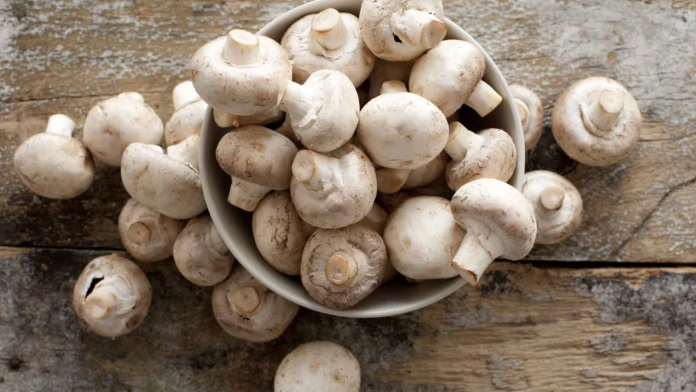
  1. Mushrooms: 

Mushrooms are a low-calorie food that is high in fiber, vitamins, and minerals. They are also a good source of antioxidants, which can help reduce inflammation and improve overall health.

Mushrooms can be eaten in a variety of ways, including grilled, sautéed, or added to soups and stews. They can also be used as a meat substitute in dishes such as burgers and meatloaf.

Studies have shown that consuming mushrooms can help improve immune function, reduce inflammation, and reduce the risk of certain types of cancer. Additionally, mushrooms are rich in vitamin D, which is important for maintaining healthy bones.

Incorporating these seven foods into your diet can help promote longevity and happiness. By adding these foods to your diet, you can help reduce the risk of certain diseases, improve digestion, regulate blood sugar levels, and improve your mood. So, start incorporating these foods into your meals and enjoy the benefits of a healthier, happier life.

Advertisement

Want to give your mom the best gift this Mother’s Day? Give her the gift of health!

0
mothersday

A mother’s love is not just about biological ties, but also about the countless sacrifices, efforts, and challenges that she faces in raising her child. Whether it’s staying up all night to soothe a crying baby, cheering on a child during a sports game, or helping with homework, a mother’s love is shown through her actions and her unwavering commitment to her child’s well-being.

And Mother’s Day is the best occasion to show appreciation and gratitude towards the hard-working mothers in our lives. While traditional gifts such as flowers and chocolates are always appreciated, this year, consider giving your mom the gift of health. 

By promoting good health habits, you can help your mom maintain a healthy lifestyle and show her how much you care. By giving your mom the gift of health, you’re not only showing her how much you care, but you’re also helping her live a happier, healthier life. So this Mother’s Day, take the opportunity to give your mom a gift that will make a positive impact on her health and well-being.

So here are some of the most thoughtful mother’s day gifts when it comes to health on mother’s day! 

  1. Bombay Sweet Shop: If your mom has a sweet tooth, consider getting her some artisanal sweets from Bombay Sweet Shop. From gourmet chocolates to traditional Indian sweets, their offerings are made with the finest ingredients and are sure to satisfy any sweet craving.

Order from: Bombaysweetshop.com

Approximate Price: INR 500-650

  1. 49 Baker’s Avenue: Treat your mom to some freshly baked bread and pastries from 49 Baker’s Avenue. Their selection of bread and cakes are made using natural ingredients and are perfect for a healthy and delicious breakfast or snack.

Order from: Your nearest outlet or zomato

Approximate Price: Their baked goods are made using natural ingredients and start from INR 200.

  1. Sleepy Owl: For the coffee-loving moms out there, Sleepy Owl offers a variety of specialty coffee blends that are organic and ethically sourced. Their coffee is freshly roasted and packaged in small batches to ensure maximum freshness and flavor.

Order from: Sleepyowl.co

Approximate Price: INR1675

  1. Mix Cuccina: Help your mom create healthy and delicious meals at home with Mix Cuccina’s selection of pre-made spice blends and meal kits. Their offerings are all-natural and free from preservatives, and are perfect for busy moms who want to cook healthy meals without spending hours in the kitchen.

Order from: https://miocucina.in

  1. Coppetto Artisan Gelato: Who doesn’t love gelato? Treat your mom to some delicious and all-natural gelato from Coppetto. Their flavors range from classic to unique, and are made using only the finest ingredients.

Approx Price: On request

  1. VAHDAM: For the tea-loving moms, VAHDAM offers a variety of high-quality, organic teas that are sourced directly from farmers in India. Their teas are all-natural and free from any harmful chemicals, making them the perfect gift for health-conscious moms.

Order from: Vahdam.in

They have products ranging from- Box of Love – INR 1,189; Organic Turmeric Wellness Box – INR 549; Chai Tea Private Reserve – INR 1,430; Assorted Herbal Tea Sampler – INR 889

  1. Coffeeza: Coffeeza offers a range of premium coffee machines that are perfect for busy moms who want to enjoy a delicious cup of coffee at home. Their machines are easy to use and produce high-quality coffee every time.

Order from: https://coffeeza.com

  1. Calentela Fantini: Help your mom stay hydrated with Calentela Fantini’s range of premium mineral water. Their water is sourced from a pristine underground spring and is rich in minerals and electrolytes, making it the perfect choice for health-conscious moms.

Order from: https://experiencetheworldofwines.in/shop/fantini-calalenta-merlot-rose/

Approximate Price: INR3000

  1. The Whole Truth: The Whole Truth offers a range of healthy snacks that are free from preservatives and artificial flavors. Their snacks are made using only natural ingredients and are perfect for moms who want to snack guilt-free.

Order from: 

https://thewholetruthfoods.com/dark-chocolate-bean-to-bar

Approx Price per bar: INR250

  1. Hayman’s Peach Rose: Treat your mom to some delicious and refreshing gin from Hayman’s. Their Peach Rose gin is made using natural ingredients and is perfect for a summer cocktail.

Order from: https://livingliquidz.com/product/haymans-peach-and-rose-cup/1907

Appx Price: INR5700

  1. Copter 7: For the health-conscious moms, Copter 7 offers a range of premium supplements and vitamins that are all-natural and free from any harmful chemicals.

Order from: https://copter7.com

Approx Price: INR150 onwards

  1. My Protein: Help your mom stay fit and healthy with My Protein’s range of premium protein powders and supplements. Their offerings are all-natural and are perfect for busy moms who want to stay in shape.

Order from:  https://www.myprotein.co.in/

Approx Price: INR2000

  1. Cocoa Cellar: If your mom is a chocolate lover, Cocoa Cellar offers a range of artisanal chocolates that are made using only natural ingredients. Their chocolates are free from any preservatives and are perfect for a guilt-free indulgence.

Approx Price: INR75 to 1500

With these healthy and delicious gift ideas, you can show your mom how much you care about her health and well-being. From artisanal sweets to premium supplements, there’s something for every health-conscious mom out there. So this Mother’s Day, give your mom the gift of health and help her live her best life.

Advertisement

Pea vs soy protein: Which one is more beneficial for your health?

0
Pea vs soy protein

Protein is one of the essential macronutrients required by our bodies to build and repair tissues, produce enzymes and hormones, and maintain a strong immune system. While animal products such as meat, eggs, and dairy are some of the most common sources of protein, plant-based protein sources are gaining popularity due to their health benefits and environmental sustainability.

Two of the most popular plant-based protein sources are pea protein and soy protein. Both are commonly used in protein powders, bars, and other supplements. But which one is more beneficial for your health? In this article, we will compare the nutritional content and health benefits of pea protein and soy protein to help you make an informed decision.

What is Pea Protein?

Pea protein is a protein powder made from yellow peas. It is a complete protein source, meaning it contains all nine essential amino acids that our bodies cannot produce on their own. Pea protein is also gluten-free, dairy-free, and soy-free, making it an ideal choice for people with food allergies or intolerances.

Pea protein is a relatively new addition to the protein supplement market, but it is quickly gaining popularity due to its many health benefits. It is commonly used by athletes and bodybuilders to build and repair muscles, but it can also be beneficial for anyone looking to improve their overall health.

What is Soy Protein?

Soy protein is a protein powder made from soybeans. Like pea protein, it is a complete protein source, containing all nine essential amino acids. Soy protein is also rich in other nutrients such as fiber, iron, and calcium.

Soy protein has been a popular protein source for many years, particularly among vegetarians and vegans. It is commonly used in a variety of foods, including tofu, soy milk, and meat substitutes.

Nutritional Comparison of Pea Protein and Soy Protein

To compare the nutritional content of pea protein and soy protein, we will look at the protein content, amino acid profile, fat content, carbohydrate content, fiber content, and micronutrient content of each.

  • Protein Content:

Both pea protein and soy protein are excellent sources of protein. Pea protein typically contains around 80-85% protein, while soy protein contains around 90% protein.

  • Amino Acid Profile:

Both pea protein and soy protein are complete protein sources, meaning they contain all nine essential amino acids. However, the amino acid profile of each is slightly different.

Pea protein is particularly high in the amino acids lysine and arginine, while soy protein is particularly high in the amino acids glutamine and aspartic acid. Both amino acid profiles are beneficial for overall health.

  • Fat Content:

Pea protein is naturally low in fat, with most products containing less than 1 gram of fat per serving Soy protein, on the other hand, contains more fat, with some products containing up to 3 grams of fat per serving. However, it is important to note that most of the fat in soy protein is healthy unsaturated fat.

  • Carbohydrate Content:

Pea protein is low in carbohydrates, with most products containing less than 5 grams of carbohydrates per serving. Soy protein, on the other hand, contains more carbohydrates, with some products containing up to 10 grams of carbohydrates per serving.

  • Fiber Content:

Pea protein is a good source of fiber, with most products containing around 2-3 grams of fiber per serving. Soy protein also contains some fiber, with most products containing around 1-2 grams of fiber per serving.

  • Micronutrient Content:

Both pea protein and soy protein are rich in micronutrients such as iron and calcium. Soy protein is also a good source of phytoestrogens, which can help to alleviate symptoms of menopause.

Health Benefits of Pea Protein:

  • Digestibility:

One of the main advantages of pea protein is its digestibility. Unlike other plant-based protein sources such as soy and hemp, pea protein is easily digestible and does not cause digestive upset for most people.

  • Muscle Building and Recovery:

Pea protein is an excellent choice for athletes and bodybuilders looking to build and repair muscles. It contains all nine essential amino acids, including branched-chain amino acids (BCAAs) which are essential for muscle growth and repair.

  • Weight Loss:

Pea protein may also be beneficial for weight loss. It is low in calories and carbohydrates, which can help to reduce overall calorie intake and promote weight loss.

  • Heart Health:

Pea protein may also be beneficial for heart health. It is low in fat and cholesterol, which can help to reduce the risk of heart disease. It also contains arginine, an amino acid that can help to improve blood flow and reduce blood pressure.

  • Blood Sugar Control:

Pea protein may also be beneficial for blood sugar control. It is low in carbohydrates and has a low glycemic index, which means it does not cause a rapid spike in blood sugar levels. This can be particularly beneficial for people with diabetes or insulin resistance.

  • Allergy-Friendly:

Pea protein is a great choice for people with food allergies or intolerances. It is gluten-free, dairy-free, and soy-free, making it a safe and healthy alternative to other protein sources.

Health Benefits of Soy Protein:

  • Cholesterol Lowering:

One of the main health benefits of soy protein is its ability to lower cholesterol levels. Soy protein contains compounds called isoflavones, which have been shown to lower LDL (bad) cholesterol levels and improve overall cholesterol profiles.

  • Menopause Symptoms:

Soy protein may also be beneficial for women experiencing menopause. The isoflavones in soy protein can help to alleviate symptoms such as hot flashes and night sweats.

  • Heart Health:

Like pea protein, soy protein is also beneficial for heart health. It is low in fat and cholesterol and can help to reduce the risk of heart disease.

  • Cancer Prevention:

Soy protein may also have cancer-fighting properties. Some studies have suggested that the isoflavones in soy protein can help to prevent the growth and spread of cancer cells.

  • Bone Health:

Soy protein may also be beneficial for bone health. It is rich in calcium and other minerals that are essential for strong bones.

  • Digestive Health:

Soy protein may also be beneficial for digestive health. It contains fiber, which can help to promote healthy bowel movements and prevent constipation.

Which is Better: Pea Protein or Soy Protein ?

Based on the above information, it is difficult to determine which protein source is better, as both pea protein and soy protein have unique health benefits.

For people with food allergies or intolerances, pea protein may be a better choice, as it is gluten-free, dairy-free, and soy-free. Pea protein is also easily digestible and is a good choice for athletes and bodybuilders looking to build and repair muscles.

Soy protein may be a better choice for people looking to lower cholesterol levels or alleviate menopause symptoms. It may also have cancer-fighting properties and is rich in minerals essential for strong bones.

Ultimately, the choice between pea protein and soy protein will depend on an individual’s health goals and dietary needs. Both protein sources can be a healthy addition to a well-balanced diet.

Advertisement

Say goodbye to stubborn body odor: 5 foods to help you impress your date with a pleasant scent

foods for body odor

Body odor is a common problem that affects many people. It can be embarrassing and can negatively impact one’s confidence and self-esteem. Body odor occurs when bacteria on the skin break down sweat, producing a strong odor. While deodorants and antiperspirants can help mask the odor, they are not always effective in getting rid of it. The good news is that there are certain foods that can help combat body odor. In this article, we will explore five foods that can help you say goodbye to stubborn body odor and impress your date with a pleasant scent.

Hydration is key:

One of the simplest and most effective ways to combat body odor is to stay hydrated. Drinking plenty of water helps flush out toxins from the body and dilutes the concentration of sweat, reducing the likelihood of body odor. Experts recommend drinking at least 8-10 glasses of water per day to maintain proper hydration levels.

In addition to water, you can also drink other fluids such as coconut water, herbal tea, and fresh fruit juice to stay hydrated. However, it is important to avoid sugary drinks and alcohol, as they can dehydrate the body and worsen body odor.

Incorporate chlorophyll-rich foods:

Chlorophyll is a green pigment found in plants that can help combat body odor. Chlorophyll helps neutralize odors by binding to the odor-causing compounds in the body and eliminating them. Foods that are rich in chlorophyll include leafy greens like spinach, kale, and arugula, as well as herbs like parsley, cilantro, and mint.

In addition to their chlorophyll content, these foods are also rich in antioxidants and other nutrients that can help promote overall health and well-being. You can incorporate these foods into your diet by adding them to salads, smoothies, or as a side dish.

Consume foods rich in zinc:

Zinc is an essential mineral that plays a crucial role in various bodily functions, including immunity, wound healing, and protein synthesis. Zinc deficiency can lead to a variety of health problems, including body odor.

Foods that are rich in zinc include oysters, beef, chicken, pumpkin seeds, and cashews. You can also find zinc in fortified cereals and supplements. Incorporating these foods into your diet can help boost your zinc levels and reduce body odor.

Eat probiotic-rich foods:

Probiotics are live bacteria that are beneficial to health. They can help promote a healthy gut microbiome, boost immunity, and reduce inflammation. Probiotics can also help combat body odor by reducing the amount of odor-causing bacteria in the body.

Foods that are rich in probiotics include yogurt, kefir, kimchi, sauerkraut, and miso. You can incorporate these foods into your diet by eating them as a snack or adding them to your meals as a side dish.

Foods that help you beat stubborn body odour:

  1. Citrus fruits:

Flush out the toxins from your body by consuming citrus-rich fruits such as oranges, lemons, grapefruits, etc. Without the accumulation of toxins, you can reduce the growth of odour-causing bacteria. It’s also a good idea to incorporate a glass of fresh lime water or orange juice in your diet, which helps in keeping the body temperature low. 

  1. Green tea:

If you’re wondering how to get rid of body odour without making too much effort, green tea should be top on your list. Rich in antioxidants, green tea is another great way to detoxify your body and naturally eliminate bacteria responsible for body odour. Moreover, because it contains a glass full of water, green tea helps in keeping you hydrated and minimising sweating. 

  1. Foods with high fibre content:

Start your morning with foods rich in fibre, such as oats and whole grains, which are easier to digest. This ensures that your body temperature doesn’t rise and you don’t end up sweating profusely. You should also consider increasing your consumption of fibre-rich foods such as peas, lentils, beans etc. 

  1. Green veggies:

Leafy green vegetables like lettuce, celery, spinach, and kale contain a significant amount of chlorophyll, which presents our bodies with a host of health benefits. It’s also known for neutralising compounds that cause foul odours. 

  1. Cardamoms:

You may be familiar with the powerful aroma of cardamoms in your food. A dash of this ancient spice is enough to fight off bad breath as well as body odour. It has antibacterial properties that can be very beneficial to people who suffer from B.O. 

Avoid certain foods that cause body odor:

In addition to incorporating the above-mentioned foods into your diet, it is also important to avoid certain foods that can worsen body odor. These include:

  • Spicy foods: Spicy foods like curry, garlic, and onions can cause a strong odor in the body. When these foods are digested, they release volatile sulfur compounds that can be excreted through sweat, causing body odor.
  • Red meat: Red meat contains a high amount of protein, which can cause body odor when broken down by bacteria in the body. Try reducing your intake of red meat and opting for lean protein sources such as chicken, fish, and beans instead.
  • Processed foods: Processed foods are often high in sugar, salt, and unhealthy fats, which can contribute to body odor. Try to limit your intake of processed foods and opt for whole foods instead.
  • Alcohol: Alcohol can dehydrate the body, causing sweat to become more concentrated and leading to body odor. Limit your alcohol consumption or avoid it altogether if you want to reduce body odor.

Body odor can be a frustrating problem, but it is not something that you have to live with. By incorporating these five foods into your diet and avoiding certain foods that can worsen body odor, you can say goodbye to stubborn body odor and impress your date with a pleasant scent.

Advertisement

Don’t let stress derail your exam: Avoid these 6 stress-inducing foods

stress-inducing foods

Stress can have a significant impact on our physical and mental health, and can lead to a range of negative outcomes, such as anxiety, depression, and even chronic diseases. One important factor in managing stress is our diet. 

The foods we eat can either exacerbate or alleviate our stress levels, and making healthy food choices can be an effective way to manage stress naturally. .

Stress inducing foods that you need to avoid:

While some foods can help to alleviate stress, others can have the opposite effect and actually increase stress levels in the body. Some of the most common stress-inducing foods include those high in sugar, caffeine, artificial sweeteners, fried foods, processed foods, and refined carbohydrates.

  1. Sugar:

Sugar is notorious when it comes to stress and anxiety as it is a highly processed and addictive substance that can wreak havoc on our stress levels. When we consume sugar, it causes a spike in blood sugar levels, which can lead to a crash and subsequent feelings of anxiety and irritability.

  1. Caffeine:

Caffeine is another common stress-inducing food that can cause jitters and nervousness, especially when consumed in large amounts. It can also interfere with sleep, which can further exacerbate stress levels.

  1. Artificial sweeteners:

Artificial sweeteners such as aspartame and sucralose, have been linked to an increase in anxiety and depression in some individuals. These sweeteners are highly processed and can disrupt the delicate balance of gut bacteria, leading to increased inflammation and stress.

  1. Fried Foods:

Fried foods like nuggets are high in unhealthy fats and calories and can contribute to inflammation in the body. This inflammation can increase stress levels and lead to a range of negative health outcomes.

  1. Processed Foods:

When we consume processed foods, our body undergoes a quick spike in blood sugar levels, leading to a temporary surge of energy followed by a sudden crash. This rapid fluctuation in blood sugar levels can lead to feelings of irritability, fatigue, and mood swings, all of which contribute to stress. 

  1. Refined carbohydrates:

Refined carbohydrates, such as white bread and pasta, are highly processed and lack the fiber and nutrients found in whole grains. These carbs can cause a spike in blood sugar levels, leading to a subsequent crash and feelings of stress and fatigue.

What should we consume instead?- To help with stress

While above mentioned is a list of foods that are notorious, when it comes to worsening of conditions like stress, foods like fatty fish, which is rich in omega-3 fatty acids that have anti-inflammatory properties, helping to reduce stress levels.

Dark chocolate is also a great option, containing antioxidants that can lower cortisol levels and improve mood. Foods high in fiber, such as whole grains and fruits, can also help to regulate blood sugar levels, preventing the sudden spikes and crashes that contribute to stress. Incorporating foods rich in vitamins and minerals, such as leafy greens, nuts, and seeds, can support overall physical and mental health, helping the body to better cope with stress.

Advertisement

Fuel your child’s growth and development with a delicious and nutritious berry breakfast

0
berry breakfast

As parents, we always want the best for our children, and one of the most important things we can provide them with is a nutritious diet. A healthy breakfast is particularly important, as it sets the tone for the rest of the day and provides the energy and nutrients that growing bodies and brains need.

Berries are an excellent choice for breakfast, as they are packed with vitamins, minerals, and antioxidants, and are also low in calories.

In this article, we’ll explore the benefits of berries, and share some delicious and nutritious breakfast recipes that are sure to fuel your child’s growth and development.

Why Berries Are a Superfood for Kids:

Berries are an excellent source of vitamins and minerals, including vitamin C, vitamin K, potassium, and manganese. They are also rich in antioxidants, which help protect the body against damage from free radicals.

Berries are low in calories and high in fiber, making them an excellent choice for weight management. They are also a good source of phytochemicals, which have been linked to a reduced risk of chronic diseases such as cancer, heart disease, and diabetes.

In addition to their nutritional benefits, berries are also delicious and versatile. They can be eaten fresh, frozen, or dried, and can be used in a wide variety of recipes, from smoothies and yogurt bowls to pancakes and muffins.

Here are some of the specific benefits of different types of berries:

  • Blueberries:

Blueberries are perhaps the most well-known of the berry superfoods. They are rich in antioxidants called anthocyanins, which give them their distinctive blue color. These antioxidants have been linked to a reduced risk of heart disease, cognitive decline, and certain types of cancer.

Blueberries are also a good source of vitamin C and fiber, and have a low glycemic index, meaning they don’t cause a rapid spike in blood sugar levels.

  • Strawberries:

Strawberries are another popular berry that is rich in antioxidants and vitamin C. They are also a good source of folate, which is important for healthy brain development in children.

Strawberries have a relatively low glycemic index and are high in fiber, which helps regulate blood sugar levels and promote digestive health.

  • Raspberries:

Raspberries are packed with vitamins and minerals, including vitamin C, manganese, and folate. They are also rich in antioxidants and fiber.

Raspberries have a relatively low glycemic index and may help improve insulin sensitivity and lower blood sugar levels in people with diabetes.

  • Blackberries:

Blackberries are another nutritious berry that is high in antioxidants, fiber, and vitamin C. They are also a good source of vitamin K, which is important for healthy bones and blood clotting.

Blackberries have a relatively low glycemic index and may help improve insulin sensitivity and lower blood sugar levels.

Delicious and Nutritious Berry Breakfast Recipes:

Now that we’ve explored the many benefits of berries, let’s take a look at some delicious and nutritious breakfast recipes that are sure to fuel your child’s growth and development.

Berry Yogurt Bowl:

This simple and delicious breakfast bowl is packed with protein, fiber, and antioxidants.

Ingredients:

  • 1 cup plain Greek yogurt
  • 1/2 cup mixed berries (fresh or frozen)
  • 1/4 cup granola
  • 1 tablespoon honey
  • Instructions:
  • In a small bowl, mix the yogurt and honey.
  • Top the yogurt with mixed berries and granola.
  • Serve immediately.

Blueberry Oatmeal:

Oatmeal is a nutritious and filling breakfast that is perfect for busy mornings. Adding blueberries to your oatmeal boosts its nutritional value and adds a delicious burst of flavor.

Ingredients:

1 cup rolled oats 2 cups water 1/2 cup blueberries (fresh or frozen) 1 tablespoon honey 1/4 teaspoon cinnamon

Instructions:

  • In a medium-sized pot, bring the water to a boil.
  • Add the rolled oats, reduce the heat to low, and let simmer for 10-15 minutes, stirring occasionally, until the oats are tender and the mixture has thickened.
  • Add the blueberries, honey, and cinnamon, and stir until well combined.
  • Serve immediately.

Berry Smoothie:

Smoothies are a great way to pack a lot of nutrition into a single meal. This berry smoothie is high in protein, fiber, and antioxidants, making it the perfect breakfast for busy mornings.

Ingredients:

1 cup mixed berries (fresh or frozen) 1/2 banana 1 cup almond milk 1/4 cup plain Greek yogurt 1 tablespoon chia seeds 1 tablespoon honey

Instructions:

  • Add all of the ingredients to a blender and blend until smooth.
  • Pour the smoothie into a glass and serve immediately.

Berry Pancakes:

Pancakes are a classic breakfast food, and adding berries to the batter makes them even more delicious and nutritious.

Ingredients:

1 cup all-purpose flour 1 tablespoon sugar 1 teaspoon baking powder 1/2 teaspoon baking soda 1/4 teaspoon salt 1 egg 1 cup milk 1/2 cup mixed berries (fresh or frozen) 

Instructions:

  • In a medium-sized bowl, whisk together the flour, sugar, baking powder, baking soda, and salt.
  • In a separate bowl, beat the egg, then add the milk and whisk until well combined.
  • Add the wet ingredients to the dry ingredients and stir until just combined.
  • Fold in the mixed berries.
  • Heat a non-stick skillet or griddle over medium heat.
  • Using a 1/4 cup measuring cup, scoop the pancake batter onto the skillet.
  • Cook for 2-3 minutes on each side, or until the pancakes are golden brown and cooked through.
  • Serve immediately with your favorite toppings, such as maple syrup or whipped cream.

Berry Muffins:

Muffins are a great grab-and-go breakfast option, and these berry muffins are packed with nutrition and flavor.

Ingredients:

1 1/2 cups all-purpose flour 1/2 cup rolled oats 1/4 cup sugar 2 teaspoons baking powder 1/2 teaspoon salt 1 egg 1/2 cup almond milk 1/4 cup olive oil 1 teaspoon vanilla extract 1/2 cup mixed berries (fresh or frozen) 

Instructions:

  • Preheat the oven to 375°F.
  • In a medium-sized bowl, whisk together the flour, oats, sugar, baking powder, and salt.
  • In a separate bowl, beat the egg, add almond milk, olive oil, and vanilla extract, and whisk until well combined.
  • Add the wet and dry ingredients to stir until just combined.
  • Fold in the mixed berries.
  • Line a muffin tin with paper liners or grease with cooking spray.
  • Scoop the muffin batter into the muffin cups, filling each about 2/3 full.
  • Bake for 20-25 minutes, or until the muffins are golden brown and a toothpick inserted into the center comes out clean.
  • Let cool for a few minutes in the muffin tin before transferring it to a wire rack to cool completely.

Providing our children with a healthy and nutritious breakfast is crucial for their growth and development. Berries are an excellent choice for breakfast, as they are packed with vitamins, minerals, and antioxidants, and are also low in calories.

Advertisement