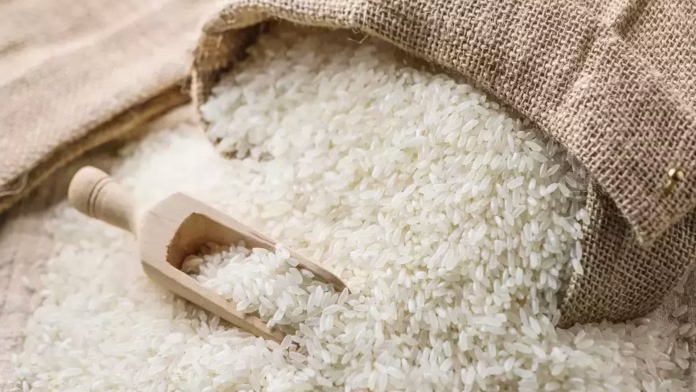
The prices of rice exported from India, one of the leading hubs, experienced a modest increase this week after reaching a six-month low. The decline in prices attracted buyers from various Asian countries, but the comparatively higher rates in Vietnam raised concerns about future demand.
The price range for India’s 5% broken parboiled rice variety was revised upwards this week to $375-$380 per tonne, representing a rise from the previous week’s range of $374-$378.
“Buying from Asian countries has improved a bit because of lower prices, although the majority of buyers are still on the sidelines,” said an exporter based at Kakinada in the southern state of Andhra Pradesh.
According to the food minister of Bangladesh, the neighboring country that frequently relies on rice imports to address shortages resulting from natural disasters like floods, there is no need for rice imports this year.
“There is a good harvest in the country, so there is no need to import rice,” Food Minister Sadhan Chandra Majumder told reporters.
The price for Vietnam’s 5% broken rice remained steady this week, with offers ranging from $490 to $495 per tonne. This price level has remained unchanged from the previous week and represents the highest level observed since late April.
“Trading activity is quiet as some buyers are slowing their purchases due to high prices,” a trader based in Ho Chi Minh City said.
According to government data released on Monday, Vietnam’s rice exports in the first five months of this year are projected to have increased by approximately 40.8% compared to the same period last year, reaching a total of 3.9 million tonnes. The estimated rice shipments from Vietnam in May alone amounted to 1 million tonnes.
Amidst subdued demand and a weaker baht, the prices of Thailand’s 5% broken rice remained relatively stable at $495 per tonne, showing little change compared to the range of $495-$500 quoted last week.
“We have to wait for additional supply to be released,” said a Bangkok-based trader.
This expansion reflects Shaka Harry's dedication to providing innovative plant protein solutions and reaching a broader audience on a global scale. (Representative Image)
Shaka Harry, the renowned plant protein company and India’s industry leader, is thrilled to announce its expansion into Singapore, marking a significant milestone in its ambitious growth plan. This move represents Shaka Harry’s first venture into international markets, and the company is excited to bring its success to Singapore. Mustafa Centre Singapore, a well-known four-level retail hub and iconic shopping mall, will be the platform for Shaka Harry to introduce 15 cutting-edge products. With its unique 24-hour market-style shopping experience and extensive range of offerings, Mustafa Centre is the perfect partner for Shaka Harry’s debut in the international market. This expansion reflects Shaka Harry’s dedication to providing innovative plant protein solutions and reaching a broader audience on a global scale.
Singapore has emerged as a thriving global hub for the alternative protein industry, attracting startups from all corners of the world to develop and introduce animal-free alternatives to traditional meat products. A recent survey conducted on Singaporean dietary habits uncovered fascinating insights. It revealed that an impressive 46 percent of respondents expressed a willingness to embrace a plant-based diet, primarily driven by concerns over general health.
Additionally, 39 percent of respondents identified as flexitarians, demonstrating a growing inclination towards reducing meat consumption. The plant-based trend in Singapore has experienced extraordinary growth, with an average compounded growth rate of over 12 percent in the past four years. This surge can be attributed to factors such as heightened health-consciousness, evolving taste preferences, and the adherence to dietary restrictions rooted in religious or ethical beliefs. Notably, this plant-based movement has garnered an overwhelming 94 percent positive sentiment among consumers in Singapore, solidifying its significance and influence in the region.
According to Anand Nagarajan, Co-Founder of Shaka Harry, “Expanding our business to Singapore, a country globally recognized for its commitment to promoting plant-based diets and addressing public health, environmental, and ethical issues, holds significant importance for Shaka Harry. We are delighted to bring our products to discerning consumers in a country that shares our dedication to promoting plant-based diets and creating a more sustainable and compassionate food system. We are confident that our products will appeal to the growing number of individuals embracing flexitarian diets and seeking healthy, delicious, and environmentally friendly food options.”
Mohd Saleem of Mohamed Mustafa & Samsuddin Co Pte Ltd, said, “Mustafa Shopping Centre Singapore is proud to announce the launch of Shaka Harry, a plant protein company backed by the legendary cricketer MS Dhoni. Shaka Harry’s innovative approach to sustainable and ethical protein production is a timely and important solution to address the challenges faced by our planet. We are excited to offer our customers access to Shaka Harry’s delicious and nutritious plant-based products, and we believe that this partnership will help create a brighter and more sustainable future for all.”
Shaka Harry’s launch in Singapore will be accompanied by an array of marketing and promotional initiatives. These efforts encompass in-store demonstrations, captivating social media campaigns, and partnerships with local food bloggers and influencers. Additionally, the company aims to forge collaborations with nearby restaurants and food service providers, allowing its products to be featured on their menus.
Sandeep Devgan, Co-Founder of Shaka Harry, stated, “The timing couldn’t be more exciting for us to launch Shaka Harry in a progressive international market like Singapore. Collaborating with Mustafa Centre will give us the impetus to propel the Shaka Harry brand in the global marketplace. Already established as the best-performing brand in online stores where we have a presence, we are now poised to launch our exclusive range of 15 products in Singapore alongside Mustafa. Food is a pivotal area where sustainability can make significant strides, and Singapore is at the forefront of adopting cultivated meat and plant-based diets worldwide.”
Devgan further added, “The Government of India, along with APEDA, is actively promoting the export of plant-based food. We are excited to be part of this growth story and build momentum. India’s plant-based food products are highly regarded overseas due to their ethical values and contributions from food service operators and retailers. Building a consumer segment in the food industry necessitates a well-designed product range, deep expertise in taste and flavour, and a consistent customer experience. Our dedicated team at Shaka Harry is committed to creating the best plant-based food products in terms of taste and quality.”
As the demand for vegan food products continues to surge in developed nations, the export potential of plant-based food products in international markets is vast, thanks to their exceptional nutritional value. These vegan food items have gained global appeal as a desirable alternative, owing to their abundance of fiber, reduced cholesterol levels, and associated health advantages. Recognizing this opportunity, the Indian government is actively endorsing the export of plant-based meat products categorized as vegan food. This support is facilitated through the Agricultural and Processed Food Products Export Authority (APEDA), which serves as the apex export promotion body for such products.
Shaka Harry is a renowned brand in the plant protein market, operating under the umbrella of Liberate Foods Pvt. Ltd. It was established by a group of successful entrepreneurs who have a proven track record of scaling businesses in both India and the global market. The Co-Founders, including Anand Nagarajan, Sandeep Devgan, Hemalatha Srinivasan, Ruth Renita, and Anoop Haridasan, bring together a team of specialist leaders with extensive expertise in the food industry. Their collective knowledge and experience contribute to Shaka Harry’s standing as a leading player in the plant protein sector.
Shaka Harry is a rapidly expanding brand in the plant-based meat industry, known for its diverse selection of meal and snack products tailored to the Indian cuisine and taste preferences. Their product range encompasses a variety of snackable items, meal accompaniments, and convenient ready-to-eat options. Setting themselves apart, Shaka Harry benefits from exclusive access to proprietary taste and flavor solutions, giving their products a unique edge in the market. Additionally, they have forged a strategic partnership with Chef Manu Chandra, one of India’s renowned Chefs, further enhancing their competitive advantage.
Shaka Harry strives to democratize plant-based protein and make it accessible to every Indian household. The brand’s products are specially crafted to be free from trans-fat and cholesterol, providing a healthier alternative for consumers. By prioritizing health and wellness, Shaka Harry aims to contribute to the well-being of individuals while promoting a sustainable and mindful approach to nutrition.
In the quest for a lean and muscular physique, diet plays a crucial role. While exercise is important, it is your diet that has a larger impact on your overall fitness. In this article, we will unveil the ultimate diet secret for men, focusing on shedding flab and building ripped muscles. We will explore the science behind this diet and provide valuable insights into understanding macronutrients, the importance of protein, carbohydrates, and fats, and how to follow this diet for optimal results. Additionally, we will discuss the role of exercise, common mistakes to avoid, and methods to track your progress. By the end of this article, you will be equipped with the knowledge to transform your body and achieve the physique you desire.
Understanding the Male Body Composition
Before delving into the details of the diet, it is crucial to understand the male body composition. Men naturally possess higher levels of testosterone, which contributes to greater muscle mass compared to women. However, men also tend to accumulate fat in certain areas, such as the abdominal region. By understanding these factors, we can tailor the diet to specifically target fat loss while promoting muscle growth.
The Importance of Nutrition in Building Muscles
Nutrition plays a vital role in building muscles. To achieve significant muscle growth, you need to provide your body with the necessary nutrients. This involves understanding macronutrients and their roles in muscle building and fat loss. The three primary macronutrients – protein, carbohydrates, and fats – each serve a specific purpose in your diet.
What This Diet Is All About And The Science Behind It
The ultimate diet secret for men focuses on a balanced and well-rounded approach to nutrition. It emphasizes the importance of consuming adequate protein, complex carbohydrates, and healthy fats. Let’s explore each of these components in detail.
Understanding Macronutrients In This Diet
Protein is the building block of muscle tissue and is crucial for muscle repair and growth. Men looking to build muscle should aim to consume around two grams of protein per kilogram of body weight. Good sources of protein include lean meats, dairy products, and plant-based sources like beans, lentils, nuts, and seeds.
Carbohydrates provide energy for workouts and daily activities. Complex carbohydrates, such as whole grains, fruits, and vegetables, are ideal for muscle building as they provide sustained energy and are rich in vitamins and minerals. Simple carbohydrates, found in sugar and processed foods, should be avoided as they can lead to insulin resistance and weight gain.
Healthy fats support hormone production and cell function. Unsaturated fats, found in nuts, seeds, and fatty fish, are considered “good” fats and should be included in the diet. Saturated fats, found in red meat and dairy products, should be consumed in moderation.
The Importance of Protein in a Man’s Diet
Protein is essential for building and maintaining muscle. It is necessary for muscle repair and growth. Men looking to build muscle should aim to consume a variety of protein sources to ensure they are getting all the essential amino acids. Good sources of protein include lean meats, dairy products, and plant-based options for vegans and vegetarians.
Carbohydrates and Their Role in Muscle Building
Complex carbohydrates should be the primary source of energy in this diet. They provide sustained energy and are rich in vitamins and minerals. Choosing carb sources like oats, quinoa, brown rice, whole wheat pasta, and legumes is ideal for muscle building. Simple carbohydrates should be avoided as they can lead to weight gain and insulin resistance.
Fats – The Good and the Bad
Including healthy fats in your diet is crucial for hormone production, which is necessary for muscle growth. Unsaturated fats, such as those found in nuts, seeds, and fatty fish, are considered “good” fats and should be included. Saturated fats, found in red meat and dairy products, should be consumed in moderation.
How This Diet Helps with Weight Loss
To lose weight, you need to maintain a caloric deficit, consuming fewer calories than you burn. It is important to calculate your daily baseline calories and subtract around 500 calories from that to determine your weight loss calories. Aim to lose around 500 grams per week, as losing weight too quickly may result in muscle loss. It is crucial to be patient and maintain a moderate deficit while ensuring sufficient protein intake to preserve muscle mass.
How to Follow This Diet
Planning your meals in advance is crucial to ensure you are consuming the necessary nutrients for muscle growth and fueling your workouts. Meal prepping can be done by preparing meals for the week and storing them in the fridge or freezer. This helps prevent overeating and unhealthy food choices.
Meal Timing and Frequency
Maintaining consistent meal timing and frequency is essential for optimizing muscle growth and fat loss. Aim to eat every 3-4 hours to support muscle recovery and prevent excessive hunger. Consuming protein and carbohydrates post-workout can help replenish glycogen stores and repair muscle tissue.
Incorporating Nutrient-Dense Superfoods
Including nutrient-dense superfoods in your diet can provide additional benefits for muscle building and fat loss. Some superfoods to consider adding to your diet include whole eggs, fish oil, berries, leafy greens, lean meats, quinoa, and green tea. These foods are rich in essential nutrients, antioxidants, and support overall health.
Common Mistakes to Avoid While on This Diet
There are several common mistakes men make when dieting for muscle growth and weight loss. These include not consuming enough protein, not consuming enough calories to support muscle growth, not lifting heavy enough weights, and not getting enough sleep. Avoiding these mistakes will ensure you are on the right track to achieve your desired results.
Exercise and Weight Training for Muscle Building
While diet is essential, exercise is equally important for muscle building. Resistance training, such as weightlifting, is the most effective way to build muscle. Compound exercises like squats, deadlifts, and bench press should be incorporated into your workout routine. Cardiovascular exercise can aid in weight loss but should not be the primary focus of a muscle-building routine.
How to Track Your Progress in Muscle Building and Weight Loss
Tracking your progress is crucial to ensure you are on the right path towards your goals. Weighing yourself regularly, tracking your food intake using a journal or app, and taking progress photos are effective methods to monitor your progress visually.
With the ultimate diet secret for men, you can say goodbye to flab and hello to ripped muscles. By understanding the male body composition, the importance of nutrition, and following a well-rounded diet plan that includes adequate protein, carbohydrates, and healthy fats, you can achieve significant muscle growth and shed unwanted fat. Combined with regular exercise, specifically weight training, and proper tracking of your progress, you will be well on your way to achieving a healthier, more toned physique. Remember to consult with an expert to tailor the diet plan to your unique needs and goals. With dedication, patience, and consistency, you can transform your body and feel confident in your own skin.
What could be more delightful than surprising your beloved with a sweet and healthy dessert? Desserts have always been associated with happiness and indulgence, but they don’t have to be detrimental to your health. In fact, there are plenty of mouthwatering dessert options that are not only delicious but also promote a healthy heart. In this article, we will explore eight simple yet yummy dessert ideas that will not only satisfy your sweet tooth but also contribute to a healthier lifestyle and a happier marriage.
The Link between Desserts and Happiness
Desserts have a special place in our hearts, both literally and figuratively. They are often associated with celebrations, special occasions, and romantic moments shared with loved ones. The act of indulging in a delicious dessert can bring joy and happiness to our lives. When we enjoy a dessert, it triggers the release of endorphins, also known as the “feel-good” hormones, which uplift our mood and create a sense of pleasure and contentment.
Importance of Maintaining a Healthy Heart
While desserts are undeniably tempting, it is essential to prioritize heart health. Heart disease is a leading cause of death worldwide, and maintaining a healthy heart is crucial for overall well-being. Fortunately, you don’t have to sacrifice the joy of indulging in desserts to take care of your heart. By making conscious choices and incorporating heart-healthy ingredients, you can enjoy delectable desserts while promoting cardiovascular wellness.
Choosing Heart-Healthy Ingredients
The key to creating desserts that are both delicious and heart-healthy lies in choosing the right ingredients. Let’s explore some delightful dessert options that use heart-healthy ingredients and offer a guilt-free indulgence.
Fresh Fruits
Nature’s sweet bounty, fresh fruits, make for a delightful and heart-healthy dessert option. Whether it’s the juicy mangoes and ripe papayas of summer or the crisp apples and succulent figs of winter, fresh fruits provide natural sweetness without the need for added sugars. Furthermore, they are packed with dietary fiber, vitamins, minerals, and antioxidants, making them a nutrient-dense choice for a heart-healthy dessert. Enjoy a small platter of the sweetest fresh fruits for a guilt-free treat.
Bread Pudding
Bread pudding is a classic dessert loved by many. To transform it into a heart-healthy option, it’s important to make a few adjustments. While bread pudding typically contains a significant amount of sugar, you can reduce the amount of sugar you add to the milk and bread mixture. Additionally, top your bread pudding with an abundance of fresh fruits to balance out the sweetness. By incorporating these simple changes, you can relish a delicious bread pudding while sticking to a heart-healthy diet.
Low-Fat Kheer
Among the diverse array of Indian desserts, kheer stands out as a versatile and adaptable treat. To create a heart-healthy version of kheer, replace high-fat milk with low-fat alternatives. Additionally, substitute rice with grated beetroot or apples. These vegetables and fruits are naturally sweet, eliminating the need for additional sugar. This modification not only reduces the carbohydrate and sugar content but also increases the fiber content, making the kheer a more nutritious and heart-friendly dessert.
Wholemeal Pancakes
Pancakes are a beloved breakfast favorite for many, but can they be part of a heart-healthy diet? Absolutely! By swapping out refined flour with wholemeal flour, you can make pancakes that are more nutritious and heart-friendly. Wholemeal flour, such as whole wheat, bajra, buckwheat, or ragi, provides added fiber and nutrients compared to refined flour. Furthermore, you can decrease the sugar content and enhance the sweetness by adding a generous topping of fresh fruits. These adjustments allow you to enjoy fluffy and satisfying pancakes without compromising your heart health.
Fruit Crumble
Fruit crumbles are a delightful combination of baked fruits and a crispy, crumbly topping. To transform this dessert into a heart-healthy delight, it’s essential to make a few ingredient swaps. Increase the proportion of sweet fruits and eliminate any added sugar. Replace refined flour with wholemeal flour, which adds fiber and nutrients to the dessert. Additionally, consider substituting butter with a plant-based alternative like almond or peanut butter. These simple adjustments will turn a fruit crumble into a guilt-free pleasure for your taste buds and your heart.
Yoghurt Parfait
Yoghurt parfaits are not only visually appealing but also incredibly healthy. They consist of layers of nutritious ingredients, making them a perfect choice for a heart-healthy dessert. To maximize the heart-healthy benefits, increase the amount of yoghurt used and experiment with a variety of fruits. Embrace the opportunity to incorporate seasonal fruits and consider adding ingredients like chia seeds for an extra dose of nutrition. Yoghurt parfaits are not only a treat for your taste buds but also a nourishing delight for your heart.
Sorbet
If you’re not a fan of eating fresh fruits as dessert every day but still crave a frozen treat that is not as high in fat as ice cream, sorbet is the perfect solution. Making sorbet is incredibly simple and requires minimal ingredients. All you need to do is grind seasonal fresh fruits to a pulp, without adding any sugars or sweeteners, and freeze it. The result is a refreshing and naturally sweet sorbet that is low in fat and high in flavor. Indulge in a scoop or two of this heart-healthy dessert, guilt-free.
Baked Fruits
Sometimes, the simplest desserts are the most satisfying. Baked fruits offer a straightforward and healthy option for those on a heart-healthy diet. Baking fresh fruits breaks down their natural sugars, intensifying their sweetness without the need for additional sweeteners. Whether it’s a whole apple or a handful of figs, baking them will transform these fruits into a delectable dessert that is both simple and nutritious.
Conclusion
Surprising your beloved with sweet delights doesn’t have to compromise your heart health or your marriage. By exploring these eight mouthwatering dessert ideas, you can create desserts that not only tantalize your taste buds but also contribute to a healthier heart and a happier relationship. Remember to choose heart-healthy ingredients, such as fresh fruits, wholemeal flour, and low-fat alternatives, to create desserts that are both delicious and nourishing. With these delightful treats, you can enjoy the sweetness of life while taking care of your heart and nurturing your love.
When it comes to iconic street food in Mumbai, Misal Pav undoubtedly takes the crown. Misal Pav is not just a dish; it’s an emotion. This popular street food has become an integral part of Mumbai’s food culture. The dish originated in Maharashtra and has evolved over time to include various regional variations. Misal, meaning “mixture,” is made using sprouted lentils, commonly moth beans or matki, which are cooked with a medley of spices and served with pav. The final preparation is garnished with farsan, chopped onions, coriander leaves, and a squeeze of lemon, adding a burst of flavors and textures to every bite.
The popularity of Misal Pav can be attributed to its affordability, accessibility, and the unforgettable taste that leaves a lasting impression on anyone who tries it.
In this article, we will explore Mumbai’s top five Misal Pav hotspots that are guaranteed to blow your mind and leave you craving for more.
Mumbai’s Top 5 Misal Pav Hotspots
Mamledar Misal
Mamledar Misal is renowned for serving the most authentic Misal in Mumbai. They offer a range of spicy levels to suit different preferences, from mild to fiery. With seven varieties of Misal, including the classic Mamledar Misal Pav, Dahi Misal Pav, Jain Misal Pav, and more, this place caters to every palate. Alongside Misal, Mamledar Misal also offers a variety of traditional beverages, such as Kokam Sarbat and Limbu Sarbat, which perfectly complement the Misal experience.
Address: 5, Shankar Sagar, Near Gurukul School and College, Tilak Road, Ghatkopar East, Mumbai
Vinay Health Home
Located in the bustling streets of Charni Road, Vinay Health Home is known for its authentic Maharashtrian cuisine. Their Misal preparations, including Puneri Misal, Special Misal, and Dahi Misal, are highly recommended for their rich flavors and spiciness. The hygiene standards maintained at Vinay Health Home are commendable, making it a popular choice among food enthusiasts.
Address: Jawar Mansion, Dr. BA Jaikar Marg, Charni Road, Mumbai
Aaswad
Aaswad, hailed as the best vegetarian restaurant in Mumbai, is a must-visit place for Misal Pav lovers. Their Misal Pav and Dahi Misal have gained international recognition, with the Misal Pav winning the prize at the global Foodie Hub Awards in London. Aaswad’s Misal Pav stands out for its authentic flavors, perfectly balanced spices, and freshly baked pav that is irresistibly tender.
Address: 61, Mejwani, Sadanand, Gokhale Road, Dadar West
Hotel Amantran
Hotel Amantran, often referred to as the alternative to Mamledar Misal, is a popular vegetarian restaurant in Thane. Their Misal Pav is known for its spiciness and flavorful taste, prepared using a rich blend of Indian spices and native herbs. Hotel Amantran offers a great alternative for those who can’t make it to Mamledar Misal but still crave a similar experience.
Address: Nand Vihar, Dr. Moose Road, Opposite Zilla Parishad, Naupada, Thane West
Suruchi Misal House
Suruchi Misal House is a hidden gem in Thane West, famous for its delectable Misal preparations. Although the menu is limited, the Misal at Suruchi Misal House is considered one of the best in the area. Their Kolhapuri Misal Pav stands out for its spiciness, using locally sourced red chilies that add a fiery kick to the dish. With an array of accompanying beverages like Piyush and Tak, Suruchi Misal House ensures a complete culinary experience.
Mumbai’s Misal Pav hotspots offer an incredible journey through the diverse flavors of Maharashtra. Whether you prefer the authenticity of Mamledar Misal, the award-winning taste of Aaswad, or the spicy offerings of Hotel Amantran, each of these places promises an unforgettable Misal Pav experience. So, the next time you find yourself in Mumbai, be sure to explore these top five hotspots and savor the culinary delight that is Misal Pav. Your taste buds will thank you for it!
Food is not just a source of nourishment; it can also possess remarkable healing powers. While we often turn to medication and traditional treatments for various ailments, there are certain foods that can provide extraordinary therapeutic benefits.
In this article, we will explore 11 surprising foods that hold the key to healing power, helping you alleviate specific health issues and improve overall well-being. Discover the potential of these natural remedies and harness their healing properties for a healthier and happier life.
Asparagus for high blood pressure: Did you know that asparagus can aid in reducing high blood pressure? Rich in a natural diuretic called asparagine, asparagus helps the body eliminate excess fluid and salt. This makes it beneficial for individuals with edema caused by high blood pressure. Additionally, the B vitamins present in asparagus contribute to fighting cognitive decline and depression. However, individuals with gout should consume asparagus in moderation due to its purine content, which can trigger painful attacks.
Tea for infections: Tea, a beloved beverage, contains a chemical called L-theanine that boosts the activity of immune blood cells known as gamma delta T cells. These cells act as the body’s first line of defense against infections. However, it’s important to note that drinking tea with an iron-rich meal can significantly reduce iron absorption by over 80 percent. To minimize this effect, it is recommended to consume tea between meals or add lemon to enhance iron absorption.
Pork for energy: Pork is a rich source of thiamine, a B vitamin essential for converting carbohydrates into energy for the body and brain. Thiamine is also crucial for heart, muscle, and nervous system functions. Additionally, the zinc content in pork aids in boosting the immune system, protein synthesis, and wound healing. Incorporating pork into your diet can provide the energy and nutrients your body needs for optimal functioning.
Onions for lung cancer: Onions, commonly used in cooking, have been linked to a reduced risk of lung cancer. A study published in the Journal of the National Cancer Institute found a significant correlation between a high intake of dietary flavonoids, found in onions, and a lower risk of developing lung cancer. Onions may also help increase levels of good cholesterol (HDL) in the body.
Cheese for dental health: Surprisingly, cheese offers benefits for dental health. The fat present in most cheeses naturally coats the teeth, acting as a protective barrier against bacteria. Additionally, cheese contains casein, a protein that contributes to natural tooth protection. However, aged cheeses such as blue cheese and Camembert should be consumed with caution, as they can trigger migraines in susceptible individuals.
Lemons and limes for kidney stones: The citric acid found in lemon and lime juices can help prevent certain types of kidney stones by reducing the excretion of calcium in urine. Lemon rind is also rich in rutin, a compound that strengthens veins and capillaries, potentially reducing the severity of varicose veins and associated pain. Incorporate lemons and limes into your diet to support kidney health and vascular well-being.
Bananas for depression and anxiety: Bananas, a widely consumed fruit, offer more than just great taste. They are rich in vitamin B6, which plays a crucial role in serotonin production, a neurotransmitter that promotes feelings of calmness and happiness. Bananas also contain tryptophan, an amino acid that helps relieve symptoms of depression and anxiety. However, individuals with latex sensitivity should exercise caution, as bananas, papayas, and avocados can trigger allergic reactions.
Mustard for good bones: Mustard, commonly used as a condiment, provides essential nutrients for maintaining strong bones and teeth. It is a source of manganese and phosphorus, both of which contribute to bone health. Mustard also contains selenium, which may protect against cancer and heart disease, and magnesium, known for its anti-inflammatory properties, as well as its ability to regulate blood pressure and blood sugar levels.
Bran for diverticulitis: Individuals seeking to prevent diverticulitis, an intestinal disorder characterized by inflamed or infected pockets in the colon wall, can benefit from including wheat bran in their high-fiber diet. However, it’s important to note that raw bran contains phytic acid, which can inhibit the absorption of essential minerals such as calcium, iron, and zinc. Balance your bran consumption to reap its benefits while ensuring adequate mineral intake.
Papayas for arthritis: Arthritis sufferers can find relief in papayas. These tropical fruits are rich in vitamin C, with one medium-sized papaya providing more than double the recommended daily intake. A study involving over 20,000 participants discovered that individuals with a lower intake of vitamin C-rich foods were more likely to develop rheumatoid arthritis. Incorporating papayas into your diet can support joint health and alleviate arthritis symptoms.
Beets for a better brain: Beets, with their vibrant color and earthy flavor, offer benefits for brain health. They promote the production of nitric oxide, which enhances blood flow to the body and brain. This increased blood flow can reduce the risk of developing conditions such as Alzheimer’s and vascular dementia. However, it’s important to note that beet greens, the leafy tops, contain oxalates, which can contribute to the formation of certain kidney stones.
Nature’s bounty holds an array of remarkable healing powers, and these 11 surprising foods serve as living examples of their therapeutic potential. From asparagus for high blood pressure to beets for brain health, incorporating these foods into your diet can help alleviate specific health conditions and enhance overall well-being. Embrace the power of food as a natural remedy and unlock the remarkable healing abilities that lie within your pantry. Remember, true nourishment goes beyond satisfying hunger; it holds the key to a healthier and more vibrant life.
There’s something magical about the combination of freshly baked bagels and a steaming cup of coffee. It’s the perfect way to kickstart your weekend, and if you’re in Delhi, you’re in luck. The city is home to some of the best bagel and coffee joints in the country. From traditional American diners to contemporary cafes, there’s a wide range of options to choose from. In this article, we will explore the top destinations in Delhi for heavenly bagels and coffee.
Red Moon Bakery
Located in Okhla Industrial Area, Red Moon Bakery is known for its wide selection of bagels. They offer both sweet and savory options, including classics like plain, sesame, and poppy seed. Their bagels are freshly baked every day, ensuring that you get the perfect combination of chewiness and crispiness. Pair it with a cup of their freshly brewed coffee, and you’re in for a treat.
Address: Okhla Industrial Area, Okhla Phase 2, New Delhi
The All American Diner
Situated in the India Habitat Centre, The All American Diner is a popular spot for bagels and coffee. This iconic diner offers a range of bagel flavors, including everything from cinnamon raisin to jalapeno cheddar. They also have a variety of coffee options to choose from, including cappuccinos and lattes. The retro ambiance adds to the charm of the place, making it a must-visit for bagel lovers.
Address: India Habitat Centre, Lodhi Road, New Delhi
Indigo Delicatessen
If you’re looking for a contemporary cafe with a great bagel and coffee menu, look no further than Indigo Delicatessen. Located in Cyber Hub, this trendy spot offers a variety of bagels, including their signature cream cheese-stuffed ones. Their coffee menu includes everything from classic espressos to indulgent mochas. Indigo Delicatessen is the perfect place to relax and enjoy a delicious bagel and coffee combination.
Address: Cyber Hub, Cyber City, Gurgaon
Ivy and Bean
Nestled in Shahpur Jat, Ivy and Bean is a hidden gem for bagel and coffee enthusiasts. This cozy cafe offers a range of bagel flavors, including unique options like pesto and sun-dried tomato. Their coffee is brewed using freshly roasted beans, ensuring a rich and flavorful experience. Ivy and Bean’s warm and welcoming ambiance make it the perfect place to spend a lazy weekend morning.
Address: 119, 1st Floor, Sishan House, Shahpur Jat, New Delhi
Smoke House Deli
Situated in the DLF Place Mall in Saket, Smoke House Deli is known for its delectable bagels and artisanal coffee. They offer a variety of bagel options, including flavors like everything, cinnamon, and blueberry. Their coffee menu features a range of brewing methods, allowing you to choose your preferred style. With its stylish interiors and relaxed atmosphere, Smoke House Deli is a great spot to enjoy a leisurely brunch.
Address: Shop 252/253, DLF Place Mall, Saket, New Delhi
Di Ghent Cafe
Located in DLF Phase 4, Gurgaon, Di Ghent Cafe is a popular destination for bagel lovers. Their menu includes a variety of bagel options, including classic flavors like plain and poppy seed. Pair it with a cup of their freshly brewed coffee, and you’re in for a delightful experience. Di Ghent Cafe’s warm and inviting ambiance makes it a great place to unwind and enjoy a delicious meal.
Situated in the DLF Cyber City, Gurgaon, Au Bon Pain is a well-known cafe chain that offers a range of bagels and coffee options. Their bagels are freshly baked every day, ensuring a perfect texture and taste. Their coffee menu includes classics like cappuccinos and lattes, as well as specialty drinks like caramel macchiatos. Au Bon Pain’s spacious interiors and comfortable seating make it a great place to catch up with friends over a bagel and coffee.
Address: K-1, Ground Floor, Near Building 8, Cyber Hub, DLF Cyber City, Gurgaon
Delhi’s bagel and coffee culture has witnessed a significant growth in recent years, with a plethora of options available for bagel enthusiasts. From traditional flavors to unique combinations, there’s something to suit every taste. Whether you’re a local or a visitor, these top destinations for heavenly bagels and coffee in Delhi are sure to satisfy your cravings and kickstart your weekend on a delicious note. So, next time you’re in the city, make sure to explore these fantastic cafes and bakeries for a delightful bagel and coffee experience.
As a parent, few things can cause more concern than when your baby is experiencing constipation. Fortunately, there are simple dietary measures you can take to help relieve the discomfort and regulate your baby’s bowel movements. In this article, we’ll explore seven magic foods that can aid in keeping your baby regular and provide relief from constipation. However, it’s equally important to be aware of four unexpected foods that can contribute to constipation. By understanding the right foods to include and those to avoid, you can promote healthy digestion and ensure your baby’s comfort.
Relieves Constipation: Prunes
Prunes are often hailed as a natural remedy for constipation due to their high fiber content. When introducing solid foods to your baby, consider cooking and mashing prunes to create a puree. You can also chop cooked prunes into small, bite-sized pieces, making them a convenient snack. The fiber in prunes helps promote regular bowel movements, making them an excellent addition to your baby’s diet.
Relieves Constipation: Sweet Potatoes
Sweet potatoes are not only delicious but also rich in insoluble fiber, making them an effective aid in relieving constipation. You can prepare your own baby food by cooking and mashing sweet potatoes or even roasting them as finger food. The fiber content in sweet potatoes helps add bulk to the stool, making it easier to pass.
Relieves Constipation: Apples
The saying “an apple a day keeps the doctor away” holds true even for babies with constipation. Apples, particularly when consumed with the skin, are high in fiber and help draw water into the colon, resulting in softer stools. Consider offering small pieces of cooked apple or diluting apple juice in a sippy cup to assist your baby’s digestive system.
Relieves Constipation: Broccoli
Introducing your baby to broccoli not only provides essential vitamins but also helps alleviate constipation. Broccoli is a fiber-rich vegetable that can be easily prepared by blending cooked broccoli or offering small, cooked pieces. For babies who are already consuming a variety of foods, you can mix small pieces of broccoli with brown rice or scrambled eggs for added fiber.
Relieves Constipation: Pears
Ripe, juicy pears are a delightful treat for babies and an effective remedy for constipation. Pears are high in fiber and can be introduced to your baby as one of the first solid foods. They can be cooked or safely offered raw in small, gum-able pieces. Including pears in your baby’s diet can help relieve and prevent constipation.
Relieves Constipation: Peas
Peas are often among the first solid foods introduced to babies, and they can be particularly beneficial for those experiencing constipation. Peas contain both soluble and insoluble fiber, which helps regulate bowel movements and reduces straining during passing. The combination of fibers in peas makes them an excellent choice for keeping your baby’s stools soft and easy to pass.
Relieves Constipation: Spinach
While spinach is commonly associated with adult salads, it can also play a role in relieving constipation in babies. Spinach is packed with fiber and essential vitamins, which aid in the easy passage of stools. You can blend fresh spinach into a fruit smoothie for a nutritious and effective way to promote regular bowel movements.
Causes Constipation: Cheese
Although cheese is a convenient and easily consumed food for babies, it is low in fiber and can contribute to constipation. Consider reducing the amount of cheese your baby consumes if constipation is a concern. This provides an opportunity to introduce other high-fiber foods into their diet and promote healthier digestion.
Causes Constipation: Bananas
Bananas are a popular first finger food for babies; however, they can have a constipating effect on their digestion. If your baby is experiencing constipation, try temporarily removing bananas from their diet and incorporating alternative fruits instead. This can help regulate their bowel movements and alleviate discomfort.
Causes Constipation: Cereal
Rice cereal is often the first solid food introduced to babies, but its consumption in excess can lead to more formed stools and a decrease in bowel movements. Consider reducing the amount of cereal your baby consumes and focus on incorporating fresh fruits and vegetables into their diet. The added fiber from fruits and vegetables will help regulate their digestion.
Causes Constipation: Processed Foods
While processed foods like cookies, crackers, and white bread may be convenient snacks, they are typically low in fiber and can contribute to constipation. Limiting the intake of these foods, especially if your baby is experiencing tummy troubles, is advisable. You can consider swapping white flour products for whole wheat alternatives to increase fiber intake. For instance, brown rice can be a tasty and fiber-rich substitute for low-fiber white rice.
Keeping your baby regular and relieving constipation can be as simple as providing the right foods. Incorporating high-fiber options such as prunes, sweet potatoes, apples, broccoli, pears, peas, and spinach can promote regular bowel movements and ease discomfort. However, it’s crucial to be aware of foods that can contribute to constipation, including cheese, bananas, cereal, and processed foods. By striking a balance and making mindful choices in your baby’s diet, you can ensure healthy digestion and overall well-being. Consult with your pediatrician for personalized advice and guidance to address any specific concerns about your baby’s digestion.
Breakfast is often hailed as the most important meal of the day. It kick-starts our metabolism, provides us with the energy we need to tackle the day, and sets the tone for our overall eating habits. With the increasing emphasis on healthy living, many of us are consciously choosing what we eat for breakfast, opting for seemingly “healthy” options. However, it’s essential to be aware that not all breakfast foods are created equal. In fact, some of the foods we consider to be healthy may actually be sabotaging our health. In this article, we will explore some common breakfast foods that may be hiding surprising health culprits.
The Importance of a Healthy Breakfast
Before we delve into the specific breakfast foods, let’s take a moment to understand why a healthy breakfast is crucial. A nutritious breakfast provides essential nutrients, vitamins, and minerals that our bodies require to function optimally. It stabilizes blood sugar levels, improves cognitive function, and enhances overall well-being. However, if our breakfast choices are laden with hidden culprits, they can undermine these health benefits.
Unhealthy Breakfast Foods That May Have Fooled You
Birthday Cake Pancakes
Starting the day with a stack of fluffy pancakes may sound indulgent, but what if those pancakes are laden with sugar and artificial additives? Many breakfast establishments offer variations like Birthday Cake Pancakes that mimic the flavors of a celebratory dessert. While they may be tempting, these sugary concoctions can cause a sudden spike in blood sugar levels, leading to energy crashes and cravings later in the day. Instead, opt for whole-grain pancakes topped with fresh fruit or a drizzle of natural sweeteners like honey or maple syrup.
Bagels
Bagels have long been a breakfast staple for many people. However, they often contain refined flour, which lacks the fiber and nutrients found in whole grains. Additionally, bagels are typically large in size, packing a significant number of calories. Consuming a plain bagel can quickly lead to overconsumption of carbohydrates, without providing much in terms of nutritional value. To make your breakfast more nutritious, opt for whole-grain or sprouted grain bagels and pair them with protein-rich toppings like nut butter or smoked salmon.
Dried Fruit Cereals
Cereals that tout dried fruits as a healthy addition may seem like a convenient and nutritious choice. However, these cereals are often loaded with added sugars and artificial flavors. The drying process also removes water from the fruits, concentrating their natural sugars. Consuming large quantities of dried fruit cereals can contribute to excessive sugar intake, leading to weight gain, tooth decay, and increased risk of chronic diseases. Instead, choose whole-grain, low-sugar cereals and top them with fresh fruits for added flavor and nutrition.
Granola
Granola is often marketed as a healthy breakfast option, touted for its high fiber and nutrient content. While it can be a nutritious choice, many store-bought granolas are packed with added sugars, oils, and unhealthy fats. A small serving of granola can quickly escalate in calorie count due to its high energy density. To enjoy granola without sabotaging your health, opt for homemade versions or read labels carefully to choose brands with minimal added sugars and healthier fat sources like nuts and seeds.
Smoothies
Smoothies have gained popularity as a quick and easy way to consume a variety of fruits and vegetables. However, some smoothies may be hiding added sugars, syrups, and high-calorie ingredients like ice cream or sweetened yogurt. These additions can turn a seemingly healthy smoothie into a sugary treat. When making smoothies at home, opt for whole fruits, vegetables, unsweetened yogurt, or plant-based milk as a base. Be mindful of portion sizes and avoid excessive use of sweeteners.
Turkey Bacon
Many people opt for turkey bacon as a healthier alternative to traditional pork bacon. While it may be lower in fat and calories, turkey bacon is still highly processed and often contains preservatives, additives, and high sodium levels. Additionally, it lacks the rich flavor and natural fats found in pork bacon. If you enjoy bacon as part of your breakfast, consider moderate consumption of high-quality, uncured bacon sourced from pasture-raised pigs.
Energy Drinks
For those who need an extra jolt of energy in the morning, energy drinks may seem like a convenient choice. However, these beverages are often loaded with excessive amounts of caffeine, sugar, and artificial additives. The high caffeine content can lead to increased heart rate, jitters, and disrupted sleep patterns. Instead, opt for natural energy-boosting alternatives like herbal teas, green smoothies, or fresh fruit juices.
Muffins
Muffins can be deceiving when it comes to their healthiness. While they may appear wholesome with their bran, fruit, or vegetable fillings, many store-bought muffins are laden with refined flour, sugars, and unhealthy fats. These ingredients can contribute to weight gain, blood sugar imbalances, and increased risk of chronic diseases. To enjoy muffins without compromising your health, consider baking your own using whole-grain flours, natural sweeteners, and adding nutrient-rich ingredients like nuts, seeds, or grated vegetables.
Juice
Fruit juice has long been perceived as a healthy option for breakfast. However, most store-bought fruit juices are highly processed, pasteurized, and contain added sugars. The juicing process removes the fiber found in whole fruits, leading to a rapid spike in blood sugar levels. It is best to consume whole fruits, which provide fiber and additional nutrients. If you enjoy juice, consider making your own at home using a juicer or simply enjoy a small glass of 100% fruit juice occasionally.
While breakfast is undoubtedly an important meal, it’s essential to make conscious choices to ensure we are nourishing our bodies with truly healthy options. The breakfast foods mentioned in this article may appear innocuous or even healthy at first glance, but they can hide hidden culprits that sabotage our health. By being aware of the potential pitfalls and making mindful choices, we can truly optimize our breakfast and set ourselves up for a day of vitality and well-being. Remember, moderation, whole foods, and minimal processing are key to enjoying a truly healthy breakfast.
The Scottish Government has confirmed that it is putting a halt to or delaying key initiatives designed to tackle the rising levels of obesity. According to Public Health Minister Jenni Minto, the government has decided not to pursue the proposed ban on the sale of energy drinks to individuals under the age of 16.
The implementation of calorie information on menus has been temporarily suspended, and the previously proposed bill to restrict promotions on unhealthy food and drinks has been abandoned in favor of less comprehensive regulations. Instead, the government plans to consult on more limited regulations later this year.
Minto said, “Rather than introduce the Public Health (Restriction of Promotions) Bill, I instead plan to consult on the detail of proposed regulations this autumn.
“This includes proposals to restrict the promotion of less healthy food and drinks in prominent locations in store, for example at the end of aisles and beside checkouts.
“We also propose to target certain price promotions which encourage people to buy more than they actually need, for example multibuys and unlimited refills.”
The government initially proposed all three measures in its 2018 diet and healthy weight delivery plan for consideration.
Consultations were conducted between 2019 and 2022 to gather input and feedback on the proposed measures.
The minister clarified that after conducting the consultation on energy drinks, the government found insufficient evidence to justify the introduction of a ban on sales to children. Consequently, the government’s stance will be to “continue supporting” voluntary measures rather than enforce a regulatory ban.
Regarding the inclusion of calorie counts on menus, the government has decided to pause the implementation of this measure. This is to allow for a thorough analysis of its potential impact on individuals with eating disorders. Public Health Scotland is currently conducting the necessary research, and the findings are expected to be published in October.
Furthermore, the government has announced plans to advance an additional consultation on promotion restrictions, scheduled to take place in the autumn. This consultation will seek input and feedback on potential limitations on promotions related to unhealthy food and beverages.
Scottish Tory health spokesman, Sandesh Gulhane, voiced his criticism towards the government, accusing them of inadequate efforts in combating obesity.
He said, “This statement does little to actually address the obesity epidemic sweeping across Scotland. The minister’s statement amounts to: 1) energy drinks – we won’t do this; 2) mandating calorie labelling – we’re not sure; 3) restrictions of promotions – let’s do some more thinking.”
Labour’s Carol Mochan said the announcement “shows little to no progress”.
She added, “The minister should be here to explain why the SNP Scottish Government has made so little progress in this area since the [diet and healthy weight delivery] plan was established five years ago.”
We use cookies to ensure that we give you the best experience on our website. If you continue to use this site we will assume that you are happy with it.