Previously, Aishwarya Pratap Singh held the position of Vice President and was responsible for overseeing the marketing efforts for snacks, noodles, and pasta at ITC.
ITC has announced the elevation of Aishwarya Pratap Singh as the Chief Business Officer at Yoga Bar. In a recent LinkedIn update, Singh shared the exciting news. It is important to mention that this new role is a result of Singh’s deputation to Sproutlife Foods.
Previously, Singh held the position of Vice President and was responsible for overseeing the marketing efforts for snacks, noodles, and pasta at ITC. During his tenure, he successfully led the marketing strategies for ITC’s popular brands, Yippee and Bingo.
In June 2008, Singh joined the Kolkata-based FMCG giant as the Channel Manager – Key Accounts, marking the beginning of his tenure with the company.
Throughout his impressive 15-year tenure with the company, Singh made significant contributions across various brands under ITC’s umbrella. In addition to his work on ITC’s snacks, noodles, and pasta brands, he also played a crucial role in the success of other product lines. This included his involvement with ITC’s agarbatti brand Mangaldeep, as well as the matches brands Aim, Ship, and Homelites. Singh’s diverse experience across multiple brands showcases his versatility and expertise within the organization.
Prior to his association with ITC, Singh held the position of Sales and Operations Manager for Andhra Pradesh at Dabur.
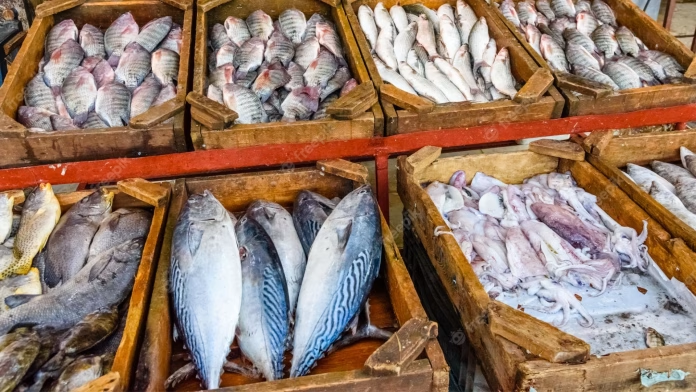
If the fish market operates at full capacity, approximately 75,000 metric tonnes of fish will be traded annually. (Representative Image)
Asia’s largest fish market is currently under construction in Chandauli district, located in eastern Uttar Pradesh. The ambitious project is set to be completed by July next year.
Sanjay Nishad, the minister for fisheries in Uttar Pradesh, announced that the construction of the state-of-the-art wholesale fish market in Chandauli will provide employment opportunities for around 1,500 people, both directly and indirectly.
According to the minister’s statement, if the fish market operates at full capacity, approximately 75,000 metric tonnes of fish will be traded annually.
According to the minister, the tenure of the Modi government has been focused on good governance and the welfare of the underprivileged. He further emphasized that significant measures have been implemented to ensure the comprehensive well-being of the fishing community under the current administration.
Additionally, he highlighted that the fisheries sector has made a substantial contribution to India’s GDP growth rate.
“The fishermen’s welfare fund will be used for the community. Previous governments considered the fishermen community a vote bank but did not work for their welfare,” he said.
The minister, belonging to the Nishad party and an ally of the BJP in Uttar Pradesh, also expressed that the installation of a 56-feet statue of Lord Ram and Nishad Raj in Prayagraj would be undertaken in the near future.
The decision to install a statue each of Nishad Raj in Ayodhya on the banks of Sarayu and at Telianala Ghat on the Ganga banks in Varanasi was also a matter of pride for the Nishad community, he said.
The company is going to procure 30 lakh litres of milk daily from farmers. (Representative Image)
Union Minister Nitin Gadkari announced on Sunday that Mother Dairy is set to invest INR 400 crore in Nagpur. As part of this venture, the government has committed to providing 10 hectares of land.
During a press conference aimed at showcasing the accomplishments of the Narendra Modi government over a span of nine years, the senior leader of the Bharatiya Janata Party and Member of Parliament for Nagpur Lok Sabha constituency informed the reporters that the proposed unit will be responsible for supplying dairy products throughout the entire country.
“The company is going to procure 30 lakh litres of milk daily from farmers. It will benefit farmers of Nagpur and other districts of Vidarbha,” he said.
Established in 1974 as a crucial component of Operation Flood, Mother Dairy stands as a fully owned subsidiary of the National Dairy Development Board (NDDB).
When asked about employment opportunities in the region, Gadkari disclosed that a significant number of 68,000 individuals were employed in MIHAN, a thriving hub hosting numerous companies. He further highlighted that employment had witnessed growth in both the public and private sectors.
The World Health Organization (WHO) previously stated that non-sugar sweeteners like aspartame and stevia do not contribute to weight loss and may even elevate the risk of certain diseases. (Representative Image)
A lobby group comprising well-known brands such as Coca-Cola, PepsiCo, Red Bull, Dabur, Tetra Pak, and others, has expressed its belief that the recent guidelines on non-sugar sweeteners issued by the World Health Organization (WHO) are not sufficiently grounded in scientific rigor.
The World Health Organization (WHO) previously stated that non-sugar sweeteners like aspartame and stevia do not contribute to weight loss and may even elevate the risk of certain diseases. In response, health organizations have advocated for the inclusion of “restrictive use only” labels on all food and beverage products containing artificial sweeteners.
A senior Indian Beverage Association (IBA) executive who didn’t want to be named said, “It is a disservice to public health to not recognise the role of low or no-calorie sweeteners in reducing sugar intake” amid a global obesity crisis. “IBA has been engaging with concerned authorities in the country to seek their alignment for a favourable policy regime in this regard,” he said.
WHO recommendations should have been based on the comprehensive set of available evidence, the person said.
“WHO could only conclude a conditional recommendation, which is not scientifically rigorous, nor based on a robust evidence base,” the executive said.
The beverage association’s website lists several notable food and beverage companies, such as Britannia, Paper Boat, Parle Agro, Bisleri, ITC, Mondelez, and Tata NourishCo, among others, as “associate members.”
The sales of various products, including diet colas, ice creams, juices, breakfast cereals, confectionery, and no-sugar cooking alternatives, have experienced significant double-digit growth. This trend has been further accelerated during the Covid-19 pandemic, as consumers have increasingly shifted towards low-sugar beverages and foods due to heightened health consciousness.
On May 15th, the World Health Organization (WHO) confirmed that its guidelines and recommendations regarding non-sugar sweeteners are contingent upon the existing evidence and encompass both synthetic and natural sweeteners, including aspartame, saccharin, sucralose, and stevia.
“Replacing free sugars with non-sugar sweeteners does not help with weight control in the long term,” Francesco Branca, WHO director for nutrition and food safety, had said in a detailed statement, adding that such sweeteners “are not essential dietary factors and have no nutritional value.”
The IBA executive said the industry body “would join others, including relevant government agencies who have responded to the public consultation on the draft guidelines, expressing their concerns about the conclusions and rationale used by WHO.”
The Food Safety and Standards Authority of India (FSSAI), the national regulatory body for food, has confirmed that it is currently conducting an evaluation of the World Health Organization’s (WHO) recommended guidelines through a scientific panel.
Industry executives have expressed concerns that implementing guidelines and labeling changes mandating warnings on products containing non-sugar sweeteners could potentially impact sales of diet foods. Currently, the Food Safety and Standards Authority of India (FSSAI) does not possess specific and detailed guidelines regarding the usage of sweeteners in food and beverages.
The World Health Organization (WHO) states that the latest regulations are part of a comprehensive set of existing and upcoming guidelines pertaining to healthy diets. WHO emphasizes the importance of exploring alternative methods to reduce the consumption of free sugars, such as opting for foods that contain naturally occurring sugars, like fruits, or choosing unsweetened food and beverages.
Losing weight can be a challenging and frustrating journey for many people. Despite efforts to exercise regularly and follow a healthy lifestyle, some individuals struggle to shed those stubborn pounds. One crucial aspect that often gets overlooked is the role of diet in weight loss. While exercise is essential for overall health, what you eat plays a significant role in determining your weight.
In this article, we will explore the worst foods for weight loss and why you need to cut them out of your diet as soon as possible. These 11 foods have been identified as major culprits hindering weight loss progress. By understanding their impact on your body and making the necessary changes, you can finally achieve your weight loss goals.
The Weight Loss Conundrum
Weight loss is a complex process that involves a delicate balance of calorie intake and expenditure. To lose weight, you need to create a calorie deficit, which means consuming fewer calories than you burn. This deficit forces your body to tap into its fat stores for energy, resulting in weight loss over time.
However, the weight loss equation is not as simple as “calories in, calories out.” The quality of the calories you consume matters just as much as the quantity. Certain foods can sabotage your weight loss efforts by providing empty calories, causing blood sugar spikes, or triggering cravings that lead to overeating.
The Role of Diet in Weight Loss
When it comes to weight loss, diet plays a vital role. While exercise helps burn calories and improve overall fitness, it’s challenging to out-exercise a poor diet. The food you eat provides the fuel and nutrients your body needs to function optimally. By choosing the right foods, you can support your weight loss efforts and improve your overall health.
Understanding the Worst Foods for Weight Loss
White Bread
White bread is a staple in many diets, but it’s one of the worst foods for weight loss. It is made from refined grains that have been stripped of their fiber and nutrients. As a result, white bread lacks the satiating power of whole grains and can cause blood sugar spikes, leading to increased hunger and cravings.
Potato Chips
Potato chips are a popular snack choice but are loaded with calories, unhealthy fats, and sodium. They are typically fried in unhealthy oils, making them calorie-dense and nutrient-poor. Additionally, the high salt content in potato chips can cause water retention and bloating, making it harder to achieve weight loss goals.
Fruit Snacks
While fruits themselves are nutritious and beneficial for weight loss, fruit snacks are a different story. Most fruit snacks are made with added sugars, artificial flavors, and colors. These additions can significantly increase the calorie content while providing little to no nutritional value.
Breakfast Pastries
Breakfast pastries, such as croissants, muffins, and doughnuts, may be delicious, but they are not conducive to weight loss. These pastries are typically high in refined carbohydrates, added sugars, and unhealthy fats. They provide a quick burst of energy but leave you feeling hungry and unsatisfied shortly after consumption.
Candy
Candy, including chocolates, gummies, and caramels, is notorious for its high sugar content. While the occasional indulgence is fine, regular consumption of candy can quickly derail your weight loss efforts. The high sugar content leads to blood sugar spikes and crashes, leaving you craving more sweet treats.
Ice Cream
Ice cream is a beloved dessert for many, but it’s a food to be cautious about when trying to lose weight. Most ice creams are high in added sugars, unhealthy fats, and calories. Consuming ice cream regularly can contribute to weight gain and hinder your progress towards achieving a healthier body.
Sugary Cereal
Starting your day with a bowl of sugary cereal may seem like a convenient choice, but it’s not ideal for weight loss. Many breakfast cereals marketed to children and adults alike are loaded with added sugars and lack the necessary fiber and protein to keep you feeling full. This can lead to overeating later in the day and sabotage your weight loss efforts.
Fast Food
Fast food, with its convenience and affordability, has become a staple in many people’s diets. However, it is often high in calories, unhealthy fats, sodium, and added sugars. Regularly consuming fast food can lead to weight gain, increased risk of chronic diseases, and hinder your weight loss progress.
Cookies
Cookies may be tempting, but they are not your ally when it comes to weight loss. Most store-bought cookies are high in added sugars, unhealthy fats, and refined grains. They provide little nutritional value and can lead to energy crashes and increased cravings.
Hot Dogs
Hot dogs are a processed meat product that is high in unhealthy fats, sodium, and preservatives. They are also often served on refined white buns, adding empty calories to the meal. Regular consumption of hot dogs and other processed meats has been linked to an increased risk of obesity and chronic diseases.
Solid Fats
Solid fats, such as butter, lard, and margarine, are high in unhealthy saturated and trans fats. These fats can increase your risk of heart disease, contribute to weight gain, and hinder weight loss progress. It’s important to choose healthier fat sources, such as avocados, nuts, and olive oil, for your cooking and meal preparation.
If you’re struggling to lose weight despite your best efforts, it’s essential to take a closer look at your diet. By eliminating the worst foods for weight loss, such as white bread, potato chips, fruit snacks, and other processed and high-sugar foods, you can create a more conducive environment for weight loss.
Remember that weight loss is a journey that requires patience, consistency, and a balanced approach. Along with cutting out these unhealthy foods, focus on incorporating whole, nutrient-dense foods into your diet. Prioritize lean proteins, fruits, vegetables, whole grains, and healthy fats. Combine a healthy diet with regular physical activity, proper hydration, and adequate sleep to maximize your weight loss efforts and achieve long-term success.
The Indian Premier League (IPL) is not just a cricketing extravaganza; it’s a month-long celebration of sports, entertainment, and, of course, food! As IPL 2023 comes to an end, many of us find ourselves grappling with the aftermath of indulging in delicious snacks and beverages while cheering for our favorite teams. The post-IPL binge fest often leaves us with a tinge of guilt and a few extra pounds. However, worry not! In this article, we will delve into expert tips on how to restart your diet and achieve your fitness goals post-IPL 2023.
Understanding the Binge Fest during IPL 2023
The IPL season is notorious for its binge-inducing temptations. From crispy fried snacks to mouthwatering desserts, it’s hard to resist the delicious offerings that accompany our TV screens during match nights. The social gatherings and parties centered around IPL matches further contribute to the festive atmosphere, making it easy to lose track of our dietary goals. However, it’s important to remember that occasional indulgence is a part of a balanced lifestyle, and the key lies in getting back on track.
The Importance of Restarting Your Diet
After weeks of enjoying culinary delights, restarting your diet becomes crucial for your overall health and well-being. It allows you to regain control over your eating habits, improve your fitness levels, and prevent any potential health issues that may arise due to excessive calorie consumption. Resuming a healthy diet will also help you shed those extra pounds and restore your energy levels.
Expert Tips to Resume Your Diet
Physical Activity:
One of the most effective ways to jumpstart your journey towards a healthier lifestyle is by incorporating physical activity into your daily routine. Engaging in regular exercise not only helps burn off the excess calories but also boosts your metabolism and improves your mood. Whether it’s a brisk walk, jogging, cycling, or hitting the gym, find an activity that you enjoy and make it a part of your daily schedule.
Eat As Per Appetite:
Listening to your body’s hunger and fullness cues is essential when restarting your diet. Avoid the temptation to compensate for the binge fest by skipping meals or drastically reducing your food intake. Instead, focus on consuming balanced meals that include a variety of nutrient-rich foods such as fruits, vegetables, lean proteins, whole grains, and healthy fats. Eating mindfully and in moderation will help you nourish your body while maintaining a healthy calorie balance.
Hydration:
Staying hydrated is often overlooked but plays a crucial role in maintaining good health. Drinking an adequate amount of water throughout the day not only keeps you hydrated but also helps curb unnecessary cravings. Carry a water bottle with you at all times and make it a habit to sip water frequently. Additionally, opt for hydrating foods like cucumber, watermelon, and oranges to keep your body replenished.
Keep Junk Out Of Sight:
Out of sight, out of mind! Clear your pantry and refrigerator of unhealthy snacks and processed foods that may tempt you during weak moments. Stock up on nutritious alternatives like fresh fruits, nuts, yogurt, and homemade snacks. Having healthier options readily available will make it easier to resist the temptation and make smarter food choices.
Stay Guilt-Free:
It’s important to remember that indulging in occasional treats and festivities is part of a balanced lifestyle. Do not let guilt overpower your progress. Acknowledge the indulgences during IPL 2023 as a temporary deviation and focus on the present moment. Be kind to yourself and embrace the journey towards a healthier you with positivity and self-love.
The IPL 2023 binge fest might have left you feeling guilty and a few pounds heavier, but it’s never too late to restart your diet and get back on track. By incorporating these expert tips into your routine, you can kickstart your journey towards achieving your fitness goals. Remember, it’s all about finding the right balance between indulgence and healthy choices. Embrace the post-IPL period as an opportunity to prioritize your health and well-being, and soon enough, you’ll be back in shape and feeling great!
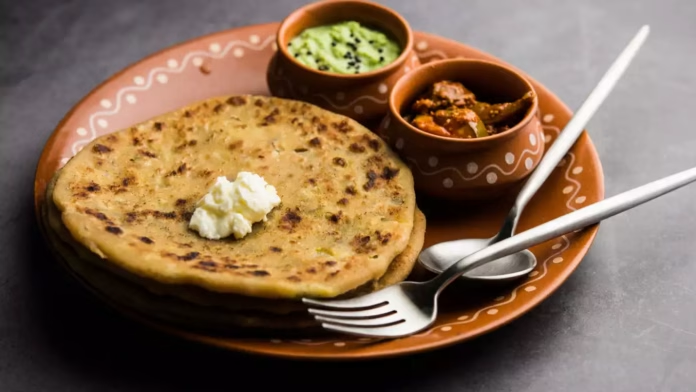
Parathas, a popular Indian flatbread, are often associated with richness, heaviness, and high-calorie content, making them seem unsuitable for the summer season. The traditional preparation method, which involves layered dough and generous amounts of ghee or oil, results in a dense and calorie-dense final product. However, with a few simple adjustments, you can transform your parathas into a healthier and lighter option without compromising on taste.
In this article, we will explore five tips and tricks to make your parathas healthier and perfect for the summer. From choosing the right ingredients to adopting portion control, these hacks will help you enjoy the deliciousness of parathas while staying mindful of your health and well-being.
Use Atta Instead of Maida: Swap maida (all-purpose flour) with atta (whole wheat flour) to make your parathas healthier. Whole wheat flour is rich in dietary fiber, which promotes a healthy digestive system, regulates blood sugar levels, and provides a feeling of satiety. Additionally, atta retains valuable nutrients like vitamins E and B, iron, magnesium, and zinc. By using atta instead of maida, you increase the fiber and nutrient content of your parathas, making them a nutritious choice.
Add Seasonal Vegetable Fillings: Incorporating seasonal summer vegetables into your parathas not only adds flavor but also boosts their nutritional value. Opt for vegetables like cucumbers, zucchini, bell peppers, and tomatoes, which have high water content to keep you hydrated in the heat. These vegetables also provide essential vitamins and minerals. Bell peppers offer vitamin C for immune support and skin health, while tomatoes contain lycopene, a powerful antioxidant. By including these seasonal veggies, you enhance the taste and health benefits of your parathas.
Use Less Ghee: Reduce the amount of ghee used when cooking parathas to make them lighter and healthier. Ghee, although flavorful, is high in calories and saturated fat. By using less ghee, you lower the calorie content of your parathas and make them easier to digest, which is particularly advantageous during the summer when heavy foods may be less desirable.
Avoid the Use of Excess Butter : Minimize the use of butter in your parathas to control calorie intake. While butter adds richness and flavor, it is important to moderate its consumption due to its high calorie and saturated fat content. By reducing the amount of butter used, you can enjoy the taste while reducing the overall calorie content of your parathas, making them a healthier choice.
Eat in Moderation: Practice portion control when enjoying parathas. Being mindful of portion sizes helps manage calorie intake, as parathas can be calorie-dense, especially when cooked with oil or ghee. Additionally, controlling portion sizes aids digestion and prevents discomfort, bloating, and sluggishness. Consider the fillings and accompaniments as well, as ingredients like cheese, potatoes, or meat can significantly increase the calorie count. By controlling portions and being mindful of additional ingredients, you can make healthier choices and enjoy your parathas without compromising your health.
With a few simple adjustments, you can make your parathas healthier, fluffier, and perfect for the summer season. By using atta instead of maida, incorporating seasonal vegetables, reducing ghee and butter, and practicing portion control, you can transform traditional parathas into a more nutritious option. These hacks allow you to enjoy the delicious flavors of parathas while being mindful of your health and well-being. So, don’t let the summer heat deter you from savoring this delightful Indian flatbread. Implement these five tips and tricks, and relish healthier and lighter parathas that are suitable for the summer, keeping you satisfied and nourished.
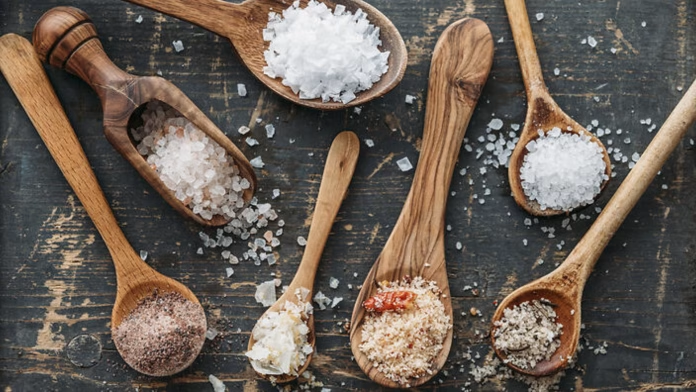
Maintaining good health is a priority for every individual and their families. A crucial aspect of a healthy lifestyle is a well-balanced diet, which includes reducing the consumption of excessive salt. While our bodies require a certain amount of sodium for proper functioning, excessive consumption can lead to health problems. High salt intake has been linked to conditions such as hypertension (high blood pressure), which is a major risk factor for heart disease, stroke, and kidney disease. Furthermore, an excess of sodium can cause water retention, leading to bloating and swelling.
Eliminating salt entirely from your meals can be challenging, as it plays a significant role in enhancing the taste of food. Fortunately, there are numerous salt substitutes available that can help you achieve a stronger heart and improved well-being without compromising on flavor. By using alternative ingredients that add flavor and depth to your meals, you can still enjoy delicious dishes while cutting back on sodium.
In this article, we will explore the top salt substitutes that you can incorporate into your family’s diet for a healthier lifestyle.
Herbs and Spices:
Herbs and spices are excellent substitutes for salt when it comes to enhancing the taste of food. Options like basil, thyme, rosemary, oregano, and cumin can add depth and flavor to your dishes without the need for excessive salt. Experimenting with different herbs and spices allows you to create delicious meals while reducing your sodium intake. Additionally, herbs and spices offer various health benefits, such as anti-inflammatory and antioxidant properties.
Lemon Rind:
Citrus fruits like lemons, limes, and oranges can provide a refreshing burst of flavor to your meals. Grating some rind or squeezing a bit of citrus juice over vegetables, salads, or fish can enhance the taste and eliminate the need for salt. Additionally, citrus fruits offer various health benefits, including a good dose of vitamin C.
Vinegar:
Vinegar, such as balsamic vinegar, apple cider vinegar, or rice vinegar, can be used as a flavorful substitute for salt. They can add tanginess and depth to your dishes, enhancing their taste without relying on sodium. Incorporate them into marinades, salad dressings, or as a finishing touch to your meals. Vinegar has also been associated with potential health benefits, such as aiding in digestion and blood sugar control.
Garlic and Onion:
Garlic and onion are versatile ingredients that can elevate the taste of your dishes while reducing the need for salt. They add depth, aroma, and savory flavors to various recipes. Experiment with roasted garlic, caramelized onions, or sautéed garlic to enhance the taste of your meals without relying on salt. Garlic and onion also offer potential health benefits, including immune-boosting properties and cardiovascular support.
Seaweed:
Seaweed is a nutrient-rich ingredient that can be used as a salt substitute due to its natural umami flavor. It is available in various forms, such as dried flakes or powders. Incorporating seaweed into your dishes, like soups, salads, or stir-fries, can provide a savory taste and a natural alternative to salt. Seaweed is also a good source of minerals and vitamins, including iodine, which is essential for thyroid function.
Low-Sodium Condiments:
Many condiments, such as soy sauce, Worcestershire sauce, and salad dressings, offer low-sodium or sodium-free alternatives. Opting for these options can significantly reduce your salt intake while still adding flavor to your meals. Be sure to read labels carefully and choose condiments with reduced sodium or seek out sodium-free varieties. There are also various homemade condiment recipes available that allow you to control the sodium content.
Incorporating Salt Substitutes into Your Diet
Now that you are aware of the top salt substitutes, it’s essential to learn how to incorporate them into your family’s diet effectively. Here are a few tips to get started:
Gradual Reduction: Start by gradually reducing the amount of salt used in your meals and experiment with salt substitutes. This allows your taste buds to adjust to the change in flavor gradually.
Try New Recipes: Explore different recipes that incorporate salt substitutes. There are numerous online resources and cookbooks available that provide creative and delicious ideas for low-sodium meals.
Embrace Fresh Ingredients: Focus on using fresh and natural ingredients in your cooking. Fresh fruits, vegetables, and lean proteins can add flavor and nutritional value to your meals, reducing the need for excessive salt.
Read Labels: When purchasing packaged or processed foods, read the labels carefully to identify the sodium content. Choose options with reduced sodium or seek out sodium-free alternatives whenever possible.
Home Cooking: Cooking meals at home allows you to have full control over the ingredients and seasoning. Experiment with different salt substitutes and flavors to create enjoyable, heart-healthy dishes for your family.
Transforming your family’s health journey begins with small changes that can have a significant impact on their well-being. By reducing the consumption of salt and incorporating salt substitutes into your meals, you can support a stronger heart and improved overall health. From herbs and spices to citrus fruits, vinegar, garlic, onion, seaweed, and low-sodium condiments, the options for flavorful alternatives to salt are abundant. Take the opportunity to experiment with different ingredients, try new recipes, and embrace a healthier lifestyle without sacrificing taste. Your family’s well-being is worth it!
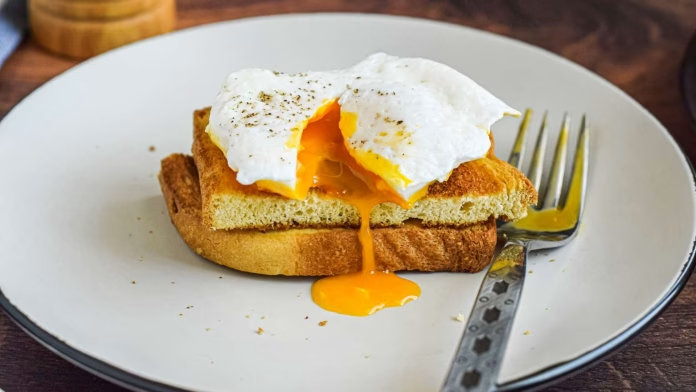
Poached eggs, with their golden yolks and silky whites, are a beloved breakfast delicacy. However, achieving the perfect poached eggs can be a challenging task. It requires not only the right technique but also some secret tips to master the art.
In this article, we will uncover six handy tips that will help you make flawless poached eggs, even on busy Monday mornings. From selecting the right eggs to perfecting the cooking time, these game-changing hacks will take your poached eggs to a whole new level of perfection. So, get ready to unlock the secrets and impress your family and friends with your poaching skills.
Go For Fresh Eggs: The first rule of making perfect poached eggs is to use fresh eggs. As eggs age, they become more fluid, resulting in ghost-like wisps in the water. Opt for fresh eggs to achieve the best results and ensure a visually appealing poached egg.
Using The Right-Sized Pot: You don’t need a large pot of water to make poached eggs. Conversely, using a pot that is too small won’t provide enough space for the eggs to cook properly. Instead, choose a straight-sided skillet with no more than 4 inches of water. This will create the ideal environment for the eggs to poach evenly.
Follow The Right Temperature: The water temperature plays a crucial role in poaching eggs. Avoid boiling water, as it can cause the eggs to blow apart. On the other hand, if the water is too cold, the yolk and whites are more likely to separate. Wait until the water reaches a gentle simmer before adding the eggs.
Go Slow: Especially when you’re still learning, it’s essential to take your time and go slow. Avoid cooking too many eggs at once, as it can lead to overcrowding and a messy outcome. Focus on poaching one or two eggs at a time until you feel more confident. Once you’ve mastered the technique, you can poach multiple eggs simultaneously.
Breaking The Eggs Properly: Handle the delicate process of cracking eggs for poaching with care. Instead of breaking the eggs directly into the pot, crack them into individual cups or bowls. This extra step allows you to slide the eggs gently into the simmering water, keeping them intact and ensuring a beautifully poached result.
Avoid Overcooking: Cooking time is crucial to achieving the perfect poached eggs. Overcooking can lead to firm yolks and rubbery whites, which is not the desired outcome. Aim for a gooey-but-runny yolk with a firm white. Cook for approximately 2 minutes for a runny yolk, 3 minutes for a slightly set yolk with a runny center, and 4 minutes for a fully cooked egg with a soft yolk.
Flawless poached eggs are within your reach, even on busy Monday mornings. By following these six game-changing hacks, you can elevate your poaching skills and enjoy a breakfast treat that impresses you. From choosing fresh eggs to mastering the cooking time, each tip contributes to creating a perfectly poached egg with a luscious yolk and delicate white. Take your time, practice, and soon you’ll be able to serve up restaurant-quality poached eggs in the comfort of your own kitchen. So, start your week right by unlocking the secrets to flawless poached eggs and make your Monday mornings a delicious and satisfying experience.
Delhi is a city known for its vibrant culinary scene, and the cafe culture is no exception. Whether you’re a coffee lover or a food enthusiast, the capital city offers a plethora of options to indulge in a delightful cup of joe and satisfy your taste buds. From cozy and charming spaces to trendy and Instagram-worthy spots, the best new cafes in Delhi are ready to elevate your Monday hangouts to a whole new level.
In this article, we will take you on a journey through some of the hottest cafes that have opened their doors in 2023. So, grab your friends and get ready to explore these culinary gems that promise a memorable dining experience.
Bean and the Bear, New Delhi: Nestled in Greater Kailash, Bean and the Bear is a cozy and inviting social club and eatery. This cafe is perfect for casual hangouts, offering a wide selection of flavored coffees, teas, mocktails, and even sheeshas. The menu boasts an array of delicious dishes and snacks that will satisfy every craving. With its cute and warm ambiance, Bean and the Bear is an ideal spot to unwind and enjoy a complete dining experience.
Ndori, Noida : Bringing a European touch to Noida, Ndori is a themed cafe that offers innovative mocktails, delicious pizzas, coffees, and Indian-inspired dishes. Indulge in unique delicacies like Jalebi Chat, Garden Pesto Pizza, and Mango Habanero Spiced Cottage Cheese Pizza. The cafe’s eclectic menu and vibrant ambiance make it a great choice for a delightful culinary experience.
ZOCA, Krishna Nagar: Located in Krishna Nagar, Zoca Cafe provides a relaxed and comfortable setting in pleasant colors, creating an inviting atmosphere. This multi-cuisine cafe caters to a diverse range of palates, offering cheese burst pizzas, Chinese platters, tandoori dishes, and oriental flavors. Whether you’re a vegan, vegetarian, Jain, or non-vegetarian, Zoca Cafe has something to satisfy every taste.
Xero Courtyard, Noida: Xero Courtyard, the latest outpost of the popular cafe chain Xero Degrees, is a swanky and stylish space perfect for both partygoers and those seeking a tranquil spot to spend quality time. Situated in Gardens Galleria, this cafe offers a range of delectable pastas, pizzas, and desserts. Its modern ambiance and delectable menu make it a must-visit cafe in Noida.
Smoke House Deli, Gurugram: Smoke House Deli, a beloved European cafe, has expanded its presence in NCR with its 11th outlet. Located in Gurugram, this cafe exudes a whimsical charm with tall arches and ample natural light. The menu features thin-crust pizzas, freshly rolled pastas, and a variety of breakfast options. Enjoy a nourishing and delicious meal in this vibrant and airy setting.
House of Migo, Noida: House of Migo in Noida brings back childhood nostalgia with a diverse menu that includes hand-crafted pastas, artisanal mains, and mouthwatering pizzas. Located in Sector 135, the restaurant offers an array of delectable dishes that will please your taste buds. Whether you’re craving classic comfort food or exploring innovative flavors, House of Migo has something to offer.
Hard Rock Cafe, Connaught Place: The newest addition to the Hard Rock Cafe family, located in Connaught Place, promises a groovy experience with live performances, scrumptious snacks, and refreshing beverages. Immerse yourself in the vibrant atmosphere as you enjoy the memorabilia of legendary musicians adorning the walls. With its signature dishes like burgers and bar snacks, Hard Rock Cafe guarantees a fun-filled night out.
Andrea’s Eatery, Saket: Recently relaunched, Andrea’s Eatery in Saket presents an array of international flavors inspired by Chef Andrea Pauro’s travels. Indulge in dishes like Andrea’s Sushi Roll, Grilled Norwegian Salmon, and Spinach Ricotta Ravioli. The restaurant’s elegant setting, coupled with a well-stocked bar, ensures a relaxing and enjoyable dining experience.
So, the next time you plan a Monday hangout, venture out to one of these hotspots and treat yourself to a memorable dining experience.
We use cookies to ensure that we give you the best experience on our website. If you continue to use this site we will assume that you are happy with it.