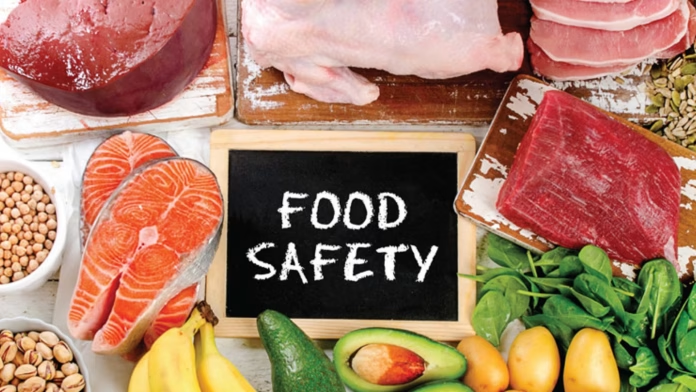
In an official statement released on Wednesday, the Ministry of Health and Family Welfare announced that Kerala has emerged as the top-performing state in the food safety index. The fifth edition of the State Food Safety Index was unveiled by Dr. Mansukh Mandaviya, the Union Minister for Health and Family Welfare, on World Food Safety Day (June 7). The index serves as an evaluation tool to gauge the performance of states and union territories across six distinct aspects of food safety, as outlined by the ministry.
According to the statement, Kerala has secured the top ranking among the larger states, followed by Punjab and Tamil Nadu. Among the smaller states, Goa has emerged as the leader, followed by Manipur and Sikkim. Additionally, among the union territories, Jammu and Kashmir, Delhi, and Chandigarh have secured the first, second, and third ranks respectively.
Chief Minister Pinarayi Vijayan took to Twitter to congratulate the state for the achievement. Vijayan said that the “historic achievement” by the state was thanks to the various initiatives such as the food safety grama panchayat scheme implemented in 140 panchayats and the Safe and Nutritious Food at School project carried out in 500 schools.
Proud moment as #Kerala tops the State Food Safety Index 2023 in the large state category by @fssaiindia! It comes as a deserving recognition of GoK's committed efforts in the sector, including the exemplary implementation of Safe and Nutritious Food at School.
— Pinarayi Vijayan (@pinarayivijayan) June 7, 2023
In a Facebook post, he mentioned that in addition to the aforementioned rankings, numerous food safety awareness classes were conducted at the state level for the general public. This initiative played a significant role in contributing to their success.
According to State Health Minister Veena George, the state has not only attained the highest position in the food safety index but also witnessed a twofold increase in revenue for its food safety department during the 2022-23 fiscal year compared to the previous financial year of 2021-22.
As per the statement, the award, which included a trophy and plaque, was conferred by Union Minister for Health and Family Welfare Mansukh Mandaviya. On behalf of Kerala, the honor was accepted by Food Safety Commissioner V R Vinod.
Dr Mandaviya announced that 2,500,000 food business operators will be trained by FSSAI in the next 3 years to ensure that food quality standards are met across the country. He also announced the setting up of 100 Food Streets across the country which meet the quality benchmark for food safety, hygiene, and nutrition. “Food quality is a part of wellness”, Dr Mandaviya said.
India is a land of diverse landscapes and breathtaking hill stations. Nestled amidst the mighty Himalayas, these hill stations offer respite from the scorching summer heat and provide a serene and picturesque getaway. One of the best ways to experience the charm of these hill stations is by exploring their delightful cafes. These hill station cafes not only offer delectable food but also provide mesmerising views of the surrounding mountains, lush green valleys, and cascading waterfalls. In this article, we will take you on a virtual tour of the 10 ultimate hill station cafes in India, where you can indulge in culinary delights while immersing yourself in the beauty of nature.
Top 10 Hill Station Cafes in India:
Rinchen Cafeteria – Khardungla Pass:
At an astounding elevation of 5,602 m (18,380 ft), Rinchen Cafeteria is dubbed as “The Highest Cafeteria in the World.” Located enroute Nubra Valley from the main Leh city, this cafe offers not only the best soupy maggi in India but also stunning views of the snow-covered landscapes of Ladakh. Visitors should note the low oxygen levels and plan their visit accordingly, as the cafe serves as a place for travellers to rejuvenate before continuing their journey.
Evergreen Cafe – Manikaran Sahib Road, Kasol:
Situated in the beautiful hill town of Kasol, Evergreen Cafe is a popular destination known for its mouthwatering Israeli dishes and amazing ambiance. From Sum Sum Shnitzelonim to Israeli Veg Mix Plate and BBQ Combo Plate, the cafe offers a delightful culinary experience. With its chilled-out vibe and majestic views, Evergreen Cafe is a must-visit restaurant in Kasol.
Moon Dance Cafe – Near Manikaran Sahib, Parvati Kuteer, Kasol:
Considered the most famous cafe in Kasol, Moon Dance Cafe is a bakery and cafe that offers breathtaking views amidst lush surroundings. The cafe is often crowded, thanks to its delicious food and charming ambiance. Croissant Cinnamon Bread, Omelette, Coffee, Waffles, and Shakes are some of the bestsellers. Moon Dance Cafe is a favourite among the hippie crowd and a perfect spot to laze around in this lazy town.
Cafe Illiterati, located in the picturesque town of McLeod Ganj, offers a blissful view of the great Himalayas. Apart from the awe-inspiring scenery, this cafe boasts a wide selection of delicious food and an amazing book collection, making it a heaven for bibliophiles. Don’t miss their scrumptious breakfast options, including Bacon & Cheese Croissant, Illiterati Club Sandwich, Creamy Arrabiata, and Quattro Formaggi Ravioli.
Shivas Cafe – Near Bhagsu Naag Temple, Mcleodganj, Dharamshala:
Situated near the famous Bhagsu Naag Falls, Shivas Cafe is a small hut with a laid-back vibe and breathtaking views. The constant sound of the waterfall adds to the charm of the place. Indulge in their Hakka Noodles, Hash Brown Potatoes, Sandwiches, Omelettes, and Coffee. Shivas Cafe is highly recommended for a hearty breakfast.
Jimmy’s Italian Kitchen – Jogiwara Road, Mcleodganj, Dharamsala:
If you’re a fan of the famous Big Chill in Delhi, you’ll find a similar vibe at Jimmy’s Italian Kitchen. This lively cafe offers lip-smacking food, including Grilled Chicken Cacciatore, Baked Potatoes, Spinach Mushroom Lasagne, Gnocchi with Ham and Pesto, and delectable desserts like Blueberry Cheesecake and Brownie Ice Cream Sundae. Don’t miss their Set Breakfast options, such as American, English, and Farmers breakfast.
Pink Floyd Cafe – Near Manikaran, Tosh, Kasol:
Pink Floyd Cafe, located in Tosh near Manikaran, stands out with its wooden-built structure, pink ambiance, and breathtaking view of the Tosh village and the Himalayas. The cafe’s eclectic interiors adorned with Pink Floyd artwork create a unique and artistic atmosphere. Enjoy their sandwiches, omelettes, fries, and Nutella desserts paired with a warm mug of coffee.
Jim Morrison Cafe – Opposite Sandhya Hotel, Manikaran Road, Kasol:
As the name suggests, Jim Morrison Cafe is a must-visit place for fans of the American music legend. This insta-worthy cafe in Kasol offers amazing food, including Israeli, Continental, and Indian delicacies. Try their fabulous Israeli dishes and keep in mind that you’ll need to trek for around 10-20 minutes to reach the cafe.
Drifters’ Café – Old Manali:
Drifters’ Cafe in Old Manali offers a cozy floor seating arrangement, board games, free Wi-Fi, and a decor that exudes Himalayan vibes. Indulge in their Lamb Meatballs with Spaghetti, Grilled Trout in Butter Garlic Sauce, and the classic Pahari Rajma Chawal for a taste of the local cuisine. The laidback music further enhances the relaxing ambiance.
Café 1947 – Old Manali Near Bridge, Enroute Manu Temple:
Located near the Manu Temple in Old Manali, Café 1947 pays tribute to Indian freedom by serving fine Italian dishes. Enjoy their Pizza, Risottos, Ravioli, and Bruschettas, including must-try items like Tomato Olive Bruschetta, Chilli Honey Cauliflower, Au Gratin Cheese Lasagna, Saffron Peas Mushroom Risotto, and Italian Spinach Ravioli. The cafe offers cosy indoor seating as well as outdoor riverside seating, allowing you to savour your meal in a beautiful setting.
India’s hill station cafes offer a perfect blend of delicious food, stunning views, and a unique ambiance that immerses you in the natural beauty of the surrounding landscapes. Whether you’re seeking a relaxing retreat or an adventurous getaway, these 10 ultimate hill station cafes mentioned above are sure to provide an enchanting summer escape. So pack your bags, embark on a journey to these picturesque destinations, and indulge in the culinary delights that await you in these hill station cafes.
Are you ready to embark on a weight loss journey Bollywood style? Get ready to groove to the beats of health and fitness as we dive into the world of celebrity-approved salad recipes. From the sizzling Alia Bhatt to the graceful Shilpa Shetty, these Bollywood divas have not only captured our hearts with their stunning performances but also with their healthy and delicious salad choices. Join us as we explore five tantalizing salad recipes that will not only help you shed those extra pounds but also add a touch of star power to your dining experience. Get ready to embrace a healthier lifestyle and let the magic of Bollywood guide you towards your weight loss goals.
Let’s get ready to sizzle on the dance floor of health and wellness with these celeb-approved salad recipes!
Shed Weight With These Celeb Recipes Straight From the Kitchens of Bollywood Divas
Bhagyashree’s Asian Chicken Sesame Salad: In a bowl, toss together succulent grilled chicken breast slices, fresh mixed greens, crunchy bell peppers, and vibrant shredded carrots. Drizzle with a zesty Asian-inspired dressing made with sesame oil, soy sauce, honey, and a hint of ginger. Top it off with a sprinkling of toasted sesame seeds for an irresistible nutty flavor. This vibrant and protein-packed salad will transport you to the bustling streets of Asia, tantalizing your taste buds with every bite.
Padmalaksmi’s Chickpea Salad: Combine hearty chickpeas with juicy tomatoes, crisp cucumbers, tangy red onions, and fragrant cilantro in a bowl. Squeeze in some refreshing lemon juice and drizzle with extra virgin olive oil. Season with a pinch of salt, pepper, and a dash of cumin for an extra kick of flavor. This wholesome and fiber-rich salad will leave you feeling satisfied and energized, making it a perfect choice for a light and nutritious meal.
Shilpa Shetty’s Vegan Thai Salad: Prepare a vibrant medley of shredded purple cabbage, crunchy bell peppers, shredded carrots, and fresh mint leaves. Toss in some chopped roasted peanuts for added crunch and protein. Drizzle with a zingy dressing made with lime juice, soy sauce, and a touch of sesame oil. The combination of vibrant colors and bold flavors in this salad will transport you to the exotic land of Thailand, leaving your taste buds craving for more.
Alia’s Beetroot Salad: Roast tender beetroot until caramelized and toss them with a mix of fresh arugula, creamy goat cheese, and toasted walnuts. Drizzle with a light vinaigrette made with balsamic vinegar, honey, and Dijon mustard. This salad is a harmonious blend of earthy, sweet, and tangy flavors, making it a delightful choice for those seeking a healthy and vibrant meal.
Indulge in these celebrity-approved salad recipes and let the flavors take you on a journey to a healthier and happier you. Each salad is carefully crafted with wholesome ingredients that not only aid in weight loss but also satisfy your taste buds. So, get ready to savor the goodness of these star-inspired salads and nourish your body with every refreshing bite.
In today’s fast-paced world, finding time to cook a delicious and nutritious meal can be a challenge. However, with the rise of ready-to-eat frozen foods, you can now enjoy mouthwatering meals in a flash. These foods are prepared and frozen at their peak freshness, ensuring that the flavors and nutritional value are preserved. They are a convenient solution for busy individuals, as they eliminate the need for meal planning, prepping, and cooking. With just a few minutes in the microwave or oven, you can enjoy a hot and delicious meal without any hassle.
In this article, we will explore the advantages of ready-to-eat frozen foods and introduce some of the top brands that offer a delectable range of options.
Advantages of Ready-to-Eat Frozen Foods
Convenience
One of the most significant advantages of ready-to-eat frozen foods is their convenience. Whether you have a busy work schedule, a hectic family life, or simply want to relax after a long day, these foods offer a quick and hassle-free option. You can skip the grocery shopping, prepping, and cooking, and still enjoy a tasty meal in minutes.
Time-Saving
Preparing a meal from scratch can be time-consuming, especially when you have limited time on your hands. Ready-to-eat frozen foods save you valuable time by eliminating the need for chopping, marinating, and cooking. With just a few minutes in the microwave or oven, you can have a hot and satisfying meal ready to be enjoyed.
Variety
Ready-to-eat frozen foods offer a wide variety of options to suit different taste preferences and dietary needs. Whether you’re craving Indian cuisine, Chinese delicacies, or classic comfort foods, you can find a range of options to satisfy your palate. From appetizers and main courses to desserts and snacks, the choices are endless.
Nutritional Value
Contrary to popular belief, ready-to-eat frozen foods can be a nutritious choice. These foods are frozen at their peak freshness, locking in the nutrients and flavors. Additionally, many brands prioritize using quality ingredients and avoid the use of artificial additives or preservatives. With the right selection, you can enjoy a balanced and wholesome meal without compromising on taste.
Cost-Effectiveness
Ready-to-eat frozen foods can also be a cost-effective option. When compared to dining out or ordering takeout, these foods offer significant savings. With just a fraction of the cost, you can enjoy restaurant-quality meals in the comfort of your own home. Additionally, by reducing food waste, as these foods have a longer shelf life, you can further save on your grocery expenses.
Here are 5 handpicked Ready – to – Eat frozen food option for you:
HALDIRAM’S NAGPUR MINUTE KHANA
Haldiram’s Nagpur Minute Khana is a brand that offers a range of ready-to-eat/frozen food options. Their products are perfect for individuals who need a quick and delicious meal without compromising on taste or quality. With authentic ingredients and no additional additives, their products ensure an enjoyable dining experience.
Their diverse product line includes Indian snacks, main courses, and desserts. From Roti, Naan, and Paranthas to classic Indian meals like Rajma Chawal, Dal Makhani Chawal, and Dum Biryani, they have something to suit every craving. For those with a sweet tooth, their range of desserts includes Rasgulla, Kaju Katli, Rasmalai, and more. With prices starting from just Rs. 99, Haldiram’s Nagpur Minute Khana offers affordability and convenience.
TATA SAMPANN
Tata Sampann is another brand that offers a wide variety of excellent ready-to-eat foods. Whether you prefer vegetarian or non-vegetarian options, they have you covered. From main courses to snacks, their range is diverse and caters to different taste preferences. They even offer international options like Chinese and exquisite pastas. With prices starting at Rs. 99, Tata Sampann provides a convenient and tasty solution for quick meals.
GITS
Gits Foods, a well-known brand in India and several other countries, introduced the concept of quick mixes or ready-to-cook foods. Their products aim to simplify and speed up cooking processes without compromising on health. With a wide selection of ready-to-eat cuisine, such as Paneer Tikka and Palak Paneer, they offer a delectable range of options. They also provide food combos, making it easier to enjoy a complete meal. Gits Foods’ products start at Rs. 99, making them an affordable and convenient choice.
MOM – MEAL OF THE MOMENT
MOM – Meal of the Moment offers a line of delicious ready-to-eat cuisine. Their range includes a variety of foods that cater to different taste preferences while focusing on health. With options like Thai Curry, Mexican Rice, and Idli Sambhar, they offer a diverse and flavorful selection. MOM’s frozen Ready-To-Eat foods are a perfect choice for those looking for a quick and healthy meal.
MTR
MTR is a renowned brand that offers a superb selection of frozen foods that are ready to eat right away. Known for their authentic taste and freshness, MTR’s range includes a wide choice of culinary options. From cuisine combos to breakfast mixes, they have something for everyone. With their focus on South Indian cuisine, MTR provides a delightful range of ready-to-eat food options.
Tips for Choosing the Best Ready-to-Eat Frozen Foods
Reading Labels and Ingredients
When choosing ready-to-eat frozen foods, it’s essential to read the labels and ingredients. Look for products that use quality ingredients and avoid the use of artificial additives or preservatives. Pay attention to nutritional information and allergen warnings, ensuring that the product meets your dietary needs.
Brand Reputation and Quality
Consider the reputation and quality of the brand when selecting ready-to-eat frozen foods. Look for brands that have a good track record and positive customer reviews. This will help ensure that you are choosing a reliable and high-quality product.
Packaging and Storage
Check the packaging and storage instructions of the frozen foods. Look for products that are well-sealed and have clear instructions for cooking or reheating. Consider the storage requirements, such as freezer temperature and shelf life, to ensure that the product stays fresh and maintains its quality.
Dietary Preferences and Restrictions
Consider your dietary preferences and restrictions when selecting ready-to-eat frozen foods. Look for brands that offer a range of options, including vegetarian, vegan, gluten-free, or low-sodium choices. This will ensure that you can find products that align with your dietary needs and preferences.
Ready-to-eat frozen foods have revolutionized the way we approach mealtime, offering quick, convenient, and utterly delicious options. Brands like Haldiram’s Nagpur Minute Khana, Tata Sampann, Gits, MOM – Meal of the Moment, and MTR provide a diverse range of products that cater to different tastes and dietary needs. With their affordability, convenience, and focus on quality, these brands offer an excellent solution for those looking for a quick and satisfying meal. By following the tips for choosing the best ready-to-eat frozen foods, you can enjoy mouthwatering meals in a flash, without compromising on taste or nutrition. So, the next time you’re short on time or craving something delicious, give these irresistible ready-to-eat frozen foods a try and savor the convenience and deliciousness together.
Are you tired of waking up on Sunday mornings with a pounding headache, regretting all those wild and boozy weekends? It’s time to bid farewell to those notorious hangovers and say hello to a refreshing and guilt-free alternative – mocktails! These delightful concoctions are here to rescue you from the clutches of hangovers and give you a taste of pure refreshment.
Even going to be your best friend on a scorching summer day, feeling parched and in need of a drink that will quench your thirst and rejuvenate your senses. Now, imagine sipping on a tantalizing mocktail, brimming with vibrant colors, crisp flavors, and just the right amount of sweetness. It’s a sip of pure bliss that will transport you to a tropical paradise, even if you’re just lounging in your backyard.
So, if you are tired of the same old boozy weekends and are looking for a fresh and exciting way to indulge in delicious beverages without the alcohol, we’ve got you covered! Get ready to explore a world of tantalizing flavors with these seven perfect mocktails that will take your weekend to the next level.
Refreshing Mocktails For A Booze Free Weekend!
Cucumber Mojito: This invigorating mocktail combines the crispness of cucumber, the zing of lime, and the refreshing burst of mint. With each sip, you’ll be transported to a tropical oasis, feeling rejuvenated and hydrated.
Non-Alcoholic Cosmo: This is a sophisticated mocktail that pays homage to the classic cosmopolitan but without the alcohol. Tangy cranberry juice, zesty lime, and a touch of sweetness come together to create a drink that’s both glamorous and refreshing. Sip on this beauty and feel like a superstar.
Virgin Pina Colada : For those dreaming of a beach getaway, the Virgin Piña Colada is the ultimate choice. Indulge in the creamy blend of pineapple and coconut, and let your taste buds transport you to sandy shores and clear blue waters. With each sip, you’ll feel a sense of relaxation and vacation vibes.
Sober Sangria: Perfect for someone who is craving the flavors of a traditional sangria without the alcohol? Look no further than the Sober Sangria. Bursting with juicy fruits and a refreshing mix of fruit juices, this mocktail will delight your senses and keep you cool on a warm summer day. Savor the vibrant colors and flavors as you sip your way to pure bliss.
Shirley Temple: This one is the perfect mocktail for you if you’re feeling nostalgic. This timeless classic combines grenadine syrup with ginger ale, creating a sweet and fizzy concoction that will bring back memories of childhood. Let the Shirley Temple take you on a trip down memory lane while you enjoy its playful and whimsical charm.
Strawberry Margarita: This is a modern and unique kick to the good old classic margarita, perfect for those, who crave the zesty kick of a margarita, the Strawberry Margarita mocktail is a dream come true. Tangy strawberries, lime juice, and a hint of sweetness blend together to create a tantalizing combination that will make your taste buds dance with joy. Savor the flavors and imagine yourself relaxing at a beachside bar.
Raspberry Fizz: This mocktail combines the tartness of raspberries with the effervescence of soda, creating a delightful and bubbly sensation that will leave you feeling refreshed and satisfied. Let the vibrant pink hue and the playful fizz bring a spark of joy to your weekend.
So, whether you’re looking to enjoy a guilt-free weekend or just want to mix things up, these mocktails are the perfect companions. Indulge in the flavors, sip with delight, and relish in the fact that you can enjoy the excitement of a boozy weekend without the alcohol. Cheers to refreshing and enticing mocktails that will take your weekends to new heights of deliciousness!
Pregnancy is a transformative journey that brings about numerous physical and emotional changes in a woman’s life. During this time, nutrition plays a crucial role in supporting the health and development of both the mother and the growing baby. From preconception to postpartum, understanding the importance of optimal nutrition and incorporating it into your lifestyle can significantly impact your pregnancy experience.
Importance of Nutrition During Pregnancy
Nutrition during pregnancy is vital as it directly affects the baby’s growth, development, and overall health. It is essential to consume a balanced diet that provides all the necessary nutrients for both the mother and the baby. A well-planned diet helps prevent complications, supports the immune system, and promotes healthy fetal development.
Preconception Diet and Fertility Boosters
A healthy preconception diet sets the stage for a successful pregnancy. It prepares the body by ensuring the availability of essential nutrients and optimizing fertility. Key nutrients such as folate, iron, and antioxidants play a vital role in reproductive health. Including fertility-boosting foods and supplements can increase the chances of conception.
Postpartum Nutrition and Recovery
After giving birth, a woman’s body goes through significant physical and hormonal changes. Proper postpartum nutrition is crucial for recovery, healing, and restoring energy levels. It also supports lactation and helps prevent postpartum depression. A well-balanced diet during this phase is essential to replenish nutrients and promote overall well-being.
Preparing for Pregnancy: The Preconception Diet
Before conception, it is essential to focus on a healthy diet to optimize fertility and ensure a healthy pregnancy. A preconception diet aims to provide the necessary nutrients and create an optimal environment for conception.
Importance of a Healthy Diet Before Conception
A healthy diet before conception helps maintain a healthy weight, balances hormones, and improves overall reproductive health. It is important to consume a variety of nutrient-dense foods, including fruits, vegetables, whole grains, lean proteins, and healthy fats.
Key Nutrients for Fertility
Certain nutrients play a crucial role in fertility. These include folate, iron, zinc, vitamin D, and antioxidants. Ensuring adequate intake of these nutrients can enhance fertility and improve the chances of conception.
Fertility-Boosting Foods and Supplements
Incorporating fertility-boosting foods and supplements into the preconception diet can have a positive impact on fertility. Some examples include leafy green vegetables, citrus fruits, nuts and seeds, lean proteins, and specific supplements like folic acid and coenzyme Q10.
The Role of Antioxidants
Antioxidants help protect the body against oxidative stress, which can affect fertility. Including foods rich in antioxidants, such as berries, dark chocolate, and green tea, can support reproductive health and improve fertility.
Managing Weight and Hormonal Balance
Maintaining a healthy weight is important for fertility and overall reproductive health. Being overweight or underweight can disrupt hormone levels and menstrual cycles. A balanced diet, regular exercise, and maintaining a healthy body weight are key factors in optimizing fertility.
Nourishing Your Growing Baby: Essential Nutrients During Pregnancy
During pregnancy, the nutritional needs of both the mother and the growing baby increase. It is important to consume a variety of nutrient-rich foods to meet these increased demands.
The Role of Macronutrients: Carbohydrates, Proteins, and Fats
Macronutrients, including carbohydrates, proteins, and fats, are essential for the healthy development of the baby. Carbohydrates provide energy, proteins support tissue growth, and fats aid in brain development. Including high-quality sources of these macronutrients in the diet is crucial during pregnancy.
Essential Vitamins and Minerals
Vitamins and minerals play a vital role in fetal development and maternal health. Key nutrients include folate, iron, calcium, omega-3 fatty acids, and vitamin D. Ensuring an adequate intake of these nutrients through a balanced diet or supplements is important for a healthy pregnancy.
Folate and Neural Tube Defect Prevention
Folate is a crucial nutrient for preventing neural tube defects in the developing baby. It is found in foods like leafy green vegetables, citrus fruits, and legumes. Folic acid supplements are also commonly recommended before and during pregnancy.
Iron and Anemia Prevention
Iron is necessary for red blood cell production and oxygen transport. Pregnant women are at a higher risk of developing iron deficiency anemia. Including iron-rich foods such as lean meats, legumes, and fortified cereals can help prevent anemia and support healthy pregnancy.
Calcium for Strong Bones and Teeth
Calcium is essential for the development of the baby’s bones and teeth. It also supports the mother’s bone health. Dairy products, leafy green vegetables, and fortified plant-based milk alternatives are excellent sources of calcium.
Omega-3 Fatty Acids for Brain Development
Omega-3 fatty acids, particularly DHA (docosahexaenoic acid), are critical for the development of the baby’s brain and eyes. Fatty fish, walnuts, flaxseeds, and chia seeds are good sources of omega-3 fatty acids.
Building a Healthy Placenta: Nutrients for Optimal Growth and Development
The placenta plays a vital role in providing nutrients and oxygen to the developing baby. Ensuring optimal placental development is important for a healthy pregnancy. Certain nutrients, such as vitamin C, zinc, and vitamin D, support placental growth and function.
Importance of a Healthy Placenta
A healthy placenta is crucial for supporting fetal development. It provides the necessary nutrients, oxygen, and hormones to the growing baby. A balanced diet rich in essential nutrients supports placental health.
Nutrients for Placental Development
Several nutrients play a role in placental development, including vitamin C, zinc, vitamin D, and omega-3 fatty acids. Including foods rich in these nutrients in the diet can support optimal placental growth.
Vitamin C for Collagen Production
Vitamin C is essential for collagen production, which helps strengthen the placenta and support its function. Citrus fruits, strawberries, bell peppers, and broccoli are excellent sources of vitamin C.
Zinc for Cell Growth and Division
Zinc is involved in cell growth and division, which is crucial for the development of the placenta. Including zinc-rich foods such as lean meats, shellfish, legumes, and seeds can support placental health.
Vitamin D for Calcium Absorption
Vitamin D is necessary for calcium absorption, which is important for the development of the baby’s bones and teeth. Sun exposure and fortified foods like dairy products and cereals are sources of vitamin D.
Managing Common Pregnancy Discomforts Through Nutrition
Pregnancy can bring about various discomforts, such as morning sickness, constipation, gestational diabetes, pregnancy-induced hypertension, and edema. Proper nutrition can help manage these discomforts and promote overall well-being.
Morning Sickness and Nausea
Morning sickness and nausea are common in early pregnancy. Consuming small, frequent meals and opting for bland, easily digestible foods can help alleviate these symptoms. Ginger, peppermint, and crackers can also provide relief.
Constipation and Digestive Health
Constipation is a common issue during pregnancy. Increasing fiber intake through fruits, vegetables, whole grains, and drinking plenty of water can help promote regular bowel movements and improve digestive health.
Gestational Diabetes
Gestational diabetes affects some women during pregnancy. Following a well-balanced diet, monitoring carbohydrate intake, and incorporating regular physical activity can help manage blood sugar levels and promote a healthy pregnancy.
Pregnancy-induced Hypertension
Pregnancy-induced hypertension, or preeclampsia, is a condition characterized by high blood pressure. Consuming a low-sodium diet, increasing potassium intake through fruits and vegetables, and following medical advice are important for managing this condition.
Edema and Fluid Retention
Edema, or fluid retention, is common during pregnancy. Reducing sodium intake, staying hydrated, and consuming foods with natural diuretic properties, such as watermelon and cucumber, can help reduce edema.
Superfoods for Expectant Mothers: Boosting Health and Vitality
Including superfoods in the diet can provide an extra boost of nutrients and support overall health and vitality during pregnancy.
Power-packed Foods for Pregnancy
Certain foods are packed with essential nutrients and provide numerous health benefits during pregnancy. Leafy greens, including spinach and kale, are rich in folate, iron, and fiber. Iron-rich vegetables like broccoli and Brussels sprouts can help prevent anemia.
Citrus Fruits for Vitamin C
Citrus fruits, such as oranges and grapefruits, are excellent sources of vitamin C, which supports immune function and collagen production. They also enhance iron absorption from plant-based sources.
Nuts and Seeds for Healthy Fats
Nuts and seeds, including almonds, walnuts, chia seeds, and flaxseeds, are rich in healthy fats, protein, and fiber. They provide energy and support the development of the baby’s brain and nervous system.
Lean Proteins for Muscle Development
Lean proteins, such as poultry, fish, tofu, and legumes, provide high-quality protein necessary for muscle development. They also contain important nutrients like iron and omega-3 fatty acids.
Probiotics for Gut Health
Probiotics promote a healthy gut microbiome, which plays a crucial role in digestion and immune function. Yogurt, kefir, sauerkraut, and kimchi are examples of probiotic-rich foods.
Postpartum Nutrition: Recovery and Nourishment for New Mothers
After giving birth, a woman’s body needs time to recover and replenish nutrients. Proper postpartum nutrition is crucial for healing, lactation support, and overall well-being.
Dietary Guidelines from Preconception to Post Delivery
Following dietary guidelines that include a balanced intake of nutrients is important throughout the preconception and postpartum phases. These guidelines focus on essential nutrients such as folate, protein, iron, and staying hydrated.
Folate
Folate is crucial for DNA synthesis and neural tube development. It is important to consume folate-rich foods like leafy green vegetables, legumes, and fortified cereals.
Protein
Protein supports tissue repair and lactation. Including lean meats, poultry, fish, eggs, dairy products, legumes, and plant-based proteins in the diet is important for postpartum recovery.
Iron
Iron is necessary for replenishing blood loss during delivery and preventing postpartum anemia. Iron-rich foods such as lean meats, beans, fortified cereals, and leafy greens should be included in the diet.
Stay Hydrated
Staying hydrated is crucial for postpartum recovery and breastfeeding. Drinking an adequate amount of water and including hydrating foods like fruits and vegetables is important for maintaining hydration levels.
Nutritional Needs After Delivery
After delivery, a woman’s body requires additional nutrients to support healing, lactation, and overall recovery. Adequate intake of vitamins, minerals, protein, and healthy fats is important during this phase.
Healing Foods for Postpartum Recovery
Certain foods can aid in postpartum recovery and healing. Foods rich in vitamin C, zinc, protein, and antioxidants, such as fruits, vegetables, lean meats, and nuts, can support the healing process.
Lactation Support: Foods that Promote Breast Milk Production
Breastfeeding mothers require additional calories and specific nutrients to support lactation. Including galactagogues, such as oatmeal, fenugreek, and fennel, can help promote breast milk production.
Managing Postpartum Depression through Nutrition
Postpartum depression is a common condition that affects many new mothers. Consuming a well-balanced diet that includes foods rich in omega-3 fatty acids, B vitamins, and magnesium can support mental health and reduce the risk of postpartum depression.
Replenishing Nutrients and Restoring Energy Levels
After childbirth, it is important to replenish nutrients and restore energy levels. Including a variety of nutrient-dense foods, such as fruits, vegetables, whole grains, lean proteins, and healthy fats, can support postpartum recovery.
Optimal nutrition plays a critical role in supporting the health and well-being of expectant mothers throughout their pregnancy journey. From preconception to postpartum, a well-balanced diet that includes key nutrients and superfoods can have a transformative impact on fertility, fetal development, postpartum recovery, and overall maternal health. By unlocking the secrets of optimal nutrition, expectant mothers can enhance their pregnancy experience and lay the foundation for a healthy future for both themselves and their babies.
Whenever you’re on a trip down the memory lane and think about why your grandparents used to put water in copper vessels overnight you’ll be shocked to know the reason, as it is not just a religious thing, rather a yet another genius of our ancestors that was looked down on.
Drinking water from copper vessels has been an ancient practice that has stood the test of time. Many of us can recall visiting our grandparents’ homes and finding at least one copper vessel filled with water. But this practice is not merely a nostalgic tradition; it holds incredible health benefits. When water is stored in copper vessels, it undergoes a unique transformation. The water becomes charged with essential minerals and nutrients from the copper, creating a potent elixir for our bodies. In this article, we will delve into the seven remarkable health benefits of drinking water from copper vessels and discover why this age-old practice is worth reviving in our modern lives.
Don’t believe us? Well, here are some scientifically proven health benefits that you get if you drink water off of a copper vessel, let’s see how!
Boosts Immunity: Drinking water from copper vessels can help boost your immunity. Copper has antimicrobial properties that can fight against harmful bacteria and viruses, helping to strengthen your immune system and ward off illnesses.
Rich in Anti-Inflammatory Properties: Copper possesses powerful anti-inflammatory properties that can help reduce inflammation in the body. By drinking water from a copper vessel, you can potentially alleviate inflammation-related conditions such as arthritis, joint pain, and even certain skin conditions.
Body Detox: Copper is known to have detoxifying properties. It helps in the removal of toxins and impurities from the body, promoting overall health and well-being. When you drink water stored in a copper vessel, it acts as a natural detoxifier, assisting your body’s natural detoxification processes.
Boosts Gut Health: Copper has been traditionally used to promote digestive health. It stimulates the production of digestive enzymes, aiding in the digestion and absorption of nutrients. Drinking water from a copper vessel can help improve digestion, reduce digestive disorders, and promote a healthy gut.
Skin Benefits: Copper is essential for the production of collagen and elastin, which are vital for maintaining the elasticity and firmness of the skin. When you drink water infused with copper, it can contribute to healthier and more youthful-looking skin, reducing the appearance of wrinkles and promoting a radiant complexion.
Purifies Water: Copper has natural antimicrobial properties that can help purify water by killing harmful bacteria and eliminating impurities. When you store water in a copper vessel for a few hours, the copper ions get released into the water, disinfecting it and making it safe for consumption.
It is important to note that while drinking water from a copper vessel can offer these potential benefits, it should be done in moderation. Excessive intake of copper can have adverse effects on health. It is recommended to consult with a healthcare professional and follow safe usage guidelines when incorporating copper vessels into your daily routine.
Cravings are intense desires or urges for specific foods or beverages. They can be triggered by a variety of factors, including physical and emotional cues, environmental stimuli, and past experiences. Our cravings are influenced by a complex interplay of biological, psychological, and social factors.
From a biological perspective, cravings can be linked to the brain’s reward system. When we consume certain foods that are high in sugar, fat, or salt, the brain releases dopamine, a neurotransmitter associated with pleasure and reward. This dopamine release reinforces the connection between the food and the pleasurable experience, creating a craving for that specific food in the future.
Psychologically, cravings can be influenced by various factors such as stress, emotions, and memories. Emotional states like sadness, boredom, or anxiety can trigger cravings as a way to seek comfort or distraction. Similarly, certain memories associated with enjoyable food experiences can create powerful cravings when those memories are triggered.
Coping with cravings can be a challenging task, but there are various strategies that can help you navigate these urges and make healthier choices. Here are some detailed descriptions of how the following tips can assist you in coping with cravings:
Drink more fluids: Staying hydrated can help reduce cravings. Often, we mistake thirst for hunger, leading to unnecessary snacking. By drinking an adequate amount of water or other hydrating fluids throughout the day, you can keep your body hydrated and curb unnecessary cravings.
Distraction therapy: Engaging in activities that divert your attention away from cravings can be highly effective. When a craving strikes, try to distract yourself by doing something you enjoy, such as going for a walk, reading a book, practicing a hobby, or engaging in a conversation with a friend. By focusing your mind on other activities, you can shift your attention away from the craving and reduce its intensity.
Filling in a food diary: Keeping a food diary can be an excellent tool for managing cravings. By documenting your meals, snacks, and cravings, you gain insights into your eating patterns and triggers. This awareness allows you to identify specific situations or emotions that lead to cravings, helping you develop strategies to address them proactively.
Rate your hunger: Before giving in to a craving, assess your level of hunger on a scale of 1 to 10. If you find that you’re genuinely hungry, opt for a healthy snack or meal to satisfy your body’s needs. However, if your hunger rating is low, it’s likely that the craving is driven by other factors such as emotions or external cues. In such cases, finding alternative ways to address those triggers, such as engaging in relaxation techniques or seeking emotional support, can be more beneficial than giving in to the craving.
Reducing temptation: Minimizing the presence of tempting foods in your environment can help you cope with cravings. Avoid keeping unhealthy snacks or trigger foods readily available at home or in your workplace. Instead, stock your surroundings with nutritious options that align with your health goals. By reducing the visual and physical accessibility of tempting foods, you can decrease the likelihood of succumbing to cravings.
Fuel up frequently: Ensuring you have regular, balanced meals throughout the day can help prevent intense cravings. When your body receives adequate nutrition at regular intervals, it’s less likely to signal cravings for quick energy fixes. Focus on consuming meals that are rich in protein, fiber, and healthy fats to promote satiety and stabilize blood sugar levels. Incorporating a variety of fruits, vegetables, whole grains, and lean proteins into your diet can help keep you feeling satisfied and reduce the frequency and intensity of cravings.
Have breakfast: Starting your day with a nourishing breakfast can set the tone for healthier eating habits and reduce cravings later in the day. A well-balanced breakfast that includes protein, fiber, and healthy carbohydrates provides sustained energy and helps regulate your appetite. By fueling your body adequately in the morning, you can curb mid-morning cravings and make more mindful choices throughout the day.
Remember, coping with cravings is a personal journey, and different strategies work for different individuals. Experiment with these tips and find what works best for you. It’s essential to approach cravings with self-compassion, acknowledging that occasional indulgences are normal and part of a balanced lifestyle. Focus on making overall healthy choices while finding strategies that help you manage and overcome cravings in a way that aligns with your well-being goals.
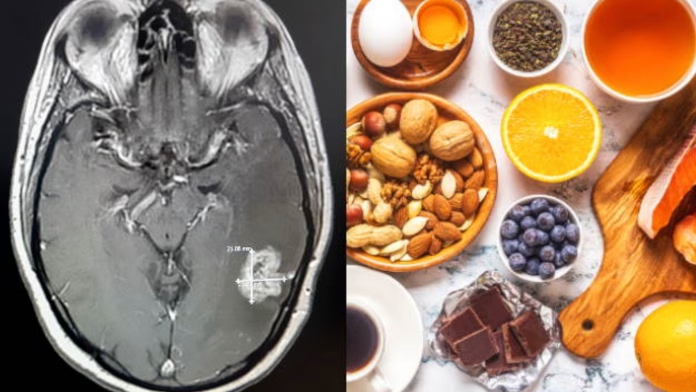
In the face of a brain tumor diagnosis, embarking on the journey to recovery requires a multifaceted approach. Alongside medical interventions and treatments, the role of nutrition becomes paramount in supporting the healing process. Introducing the ultimate Brain Tumor Diet, a meticulously crafted selection of mind-blowing foods that have the potential to transform your journey to recovery.
These power-packed foods are not only nourishing for the body but also hold the potential to positively impact brain health and optimize the healing process. From antioxidant-rich fruits and vegetables to brain-boosting omega-3 fatty acids and nourishing whole grains, this comprehensive guide unveils the remarkable foods that can empower you to take charge of your health and optimize your recovery from a brain tumor. Get ready to embark on a transformative culinary journey that promises to nourish your body, uplift your spirit, and support your path to a healthier, stronger you.
But in order to choose a diet first, we need to observe some important perspectives.
How To Choose A Diet That Suits You
Let’s be honest, choosing a diet is not the easiest task out there, especially if you have a medical condition as sensitive as a tumor!
We know that you are a warrior and with a superdiet that you need it will take your recovery game to the next level.
So, these are the top 4 factors that need to be taken care of while choosing a diet for you:
Your undergoing treatment plan
The type of tumour you have-benign or malignant-is unknown.
Your specific symptoms
Age group
Foods That Help You Fight Tumor
Your pantry favorites: Various spices found in your pantry, such as turmeric, ginger, and garlic, have potent anti-inflammatory and antioxidant properties. Turmeric, in particular, contains curcumin, which has been studied for its potential anti-cancer effects. Ginger and garlic also contain bioactive compounds that may inhibit tumor growth and promote overall health.
Dark leafy greens: Dark leafy greens like spinach, kale, and Swiss chard are packed with nutrients, including vitamins A, C, and K, as well as folate and fiber. These greens are rich in antioxidants, such as beta-carotene and lutein, which help protect cells from damage and reduce the risk of chronic diseases, including cancer. They also contain chlorophyll, which has been shown to block the carcinogenic effects of certain compounds.
Broccoli: Broccoli is a cruciferous vegetable known for its cancer-fighting properties. It contains a compound called sulforaphane, which has been shown to inhibit the growth of tumor cells and promote their destruction. Sulforaphane activates enzymes that detoxify carcinogens and reduce oxidative stress in the body, helping to prevent DNA damage and tumor formation.
Citrus fruits: Citrus fruits, such as oranges, lemons, and grapefruits, are excellent sources of vitamin C and other antioxidants. Vitamin C helps boost the immune system, strengthens the body’s defenses against cancer-causing agents, and plays a role in collagen production and wound healing. The antioxidants found in citrus fruits also help protect cells from free radical damage and reduce inflammation.
Yogurt: Yogurt is a probiotic-rich food that contains beneficial bacteria, such as Lactobacillus and Bifidobacterium strains. These probiotics help maintain a healthy balance of gut bacteria, which is essential for proper digestion and immune function. Some studies suggest that a healthy gut microbiome may help reduce the risk of certain cancers and improve treatment outcomes.
Tea: Tea, especially green tea, contains a group of antioxidants called catechins, which have been extensively studied for their anti-cancer properties. Catechins can help inhibit tumor growth, reduce inflammation, and promote cancer cell death. Green tea is also rich in polyphenols, which have antioxidant and anti-inflammatory effects that may help protect against certain types of cancer.
By incorporating these foods into your diet, you can provide your body with a wide range of nutrients, antioxidants, and bioactive compounds that have the potential to support your overall health and fight against tumor development. However, it’s important to note that while these foods may have potential health benefits, they should be consumed as part of a balanced diet and in conjunction with other healthy lifestyle choices.
Mangoes are often hailed as the “king of fruits” and hold a special place in the hearts of many people worldwide. Known for their sweet and succulent flavor, mangoes are a popular fruit during the summer season. Their vibrant color and juicy flesh make them an irresistible treat for both young and old.
The Allure of Raw Mangoes
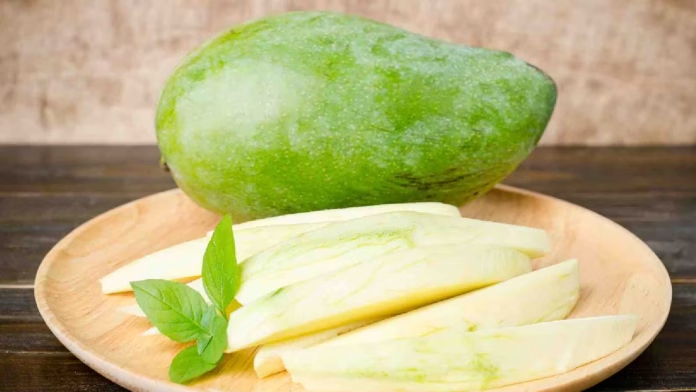
While ripe mangoes are a favorite among many, raw mangoes also have their own unique charm. Raw mangoes, also known as green mangoes, are unripe mangoes that are harvested before they fully ripen. They are known for their tangy and sour taste, which sets them apart from their sweet counterparts. In addition to their distinct flavor, raw mangoes also offer a plethora of health benefits that make them a must-have during the summer months.
Nutritional Profile of Raw Mangoes
Vitamins and Minerals
Raw mangoes are packed with essential vitamins and minerals that contribute to overall health and well-being. They are an excellent source of vitamin C, which is crucial for a healthy immune system, collagen production, and iron absorption. Additionally, raw mangoes contain vitamin A, which is beneficial for maintaining good vision, healthy skin, and a strong immune system. They also provide small amounts of vitamins E and K, as well as several B vitamins.
Antioxidants
Antioxidants play a vital role in protecting the body against the harmful effects of free radicals, which can cause cellular damage and contribute to various diseases. Raw mangoes are rich in antioxidants, including polyphenols, flavonoids, and beta-carotene. These compounds help neutralize free radicals, reducing the risk of chronic diseases like heart disease, cancer, and neurodegenerative disorders.
Dietary Fiber
Raw mangoes are an excellent source of dietary fiber. Fiber is essential for maintaining a healthy digestive system and promoting regular bowel movements. It helps prevent constipation, lowers the risk of gastrointestinal disorders, and contributes to a feeling of fullness, aiding in weight management. Including raw mangoes in your diet can help meet your daily fiber requirements and improve overall digestive health.
7 Health Benefits of Eating Raw Mango
Loaded with nutrients
Raw mangoes are a powerhouse of essential nutrients. As mentioned earlier, they are rich in vitamins C, A, E, and K, as well as B vitamins. These nutrients are vital for various bodily functions, including immunity, vision, collagen production, and energy metabolism. Incorporating raw mangoes into your diet ensures you receive a wide range of nutrients that support overall health and well-being.
Beat summer heat
The scorching summer heat can take a toll on our bodies, leading to dehydration and exhaustion. Raw mangoes offer a natural way to cool down and beat the heat. Their high water content helps rehydrate the body and replenish electrolytes lost through perspiration. Additionally, their tangy flavor provides a refreshing sensation, making them a perfect summer snack.
Boosts digestive system
Raw mangoes are known for their digestive properties. They stimulate the secretion of digestive enzymes, which aid in breaking down food and promoting efficient nutrient absorption. The fiber content in raw mangoes also helps regulate bowel movements and prevents constipation. Including raw mangoes in your diet can alleviate digestive issues and promote a healthy gut.
Control Excessive Sweating
Excessive sweating during the summer months can be uncomfortable and embarrassing. Raw mangoes are believed to help control excessive sweating due to their astringent properties. Consuming raw mangoes or applying a paste made from raw mangoes on the skin can help reduce perspiration and keep you feeling fresh and dry.
Strengthens Immunity
A robust immune system is crucial for defending the body against infections and diseases. Raw mangoes, rich in vitamin C and other antioxidants, help strengthen the immune system. Vitamin C stimulates the production of white blood cells, which play a vital role in fighting off pathogens. Including raw mangoes in your diet can boost your immunity and help you stay healthy during the summer season.
Good for Liver health
The liver is a vital organ responsible for detoxification and various metabolic processes in the body. Raw mangoes contain compounds like phenolic acids and flavonoids that have hepatoprotective properties, meaning they support liver health. Including raw mangoes in your diet can help protect the liver from oxidative stress and promote its optimal functioning.
Weight management
Maintaining a healthy weight is essential for overall well-being. Raw mangoes are low in calories and high in fiber, making them a great addition to a weight management diet. The fiber content helps create a feeling of fullness, reducing hunger cravings and preventing overeating. Additionally, the vitamins and minerals in raw mangoes support metabolic processes, aiding in weight loss and management.
Raw mangoes are not only a delectable summer treat but also offer a multitude of health benefits. They are packed with essential vitamins, minerals, antioxidants, and dietary fiber that support overall health and well-being. From boosting immunity to aiding digestion, controlling sweating, and promoting liver health, raw mangoes are truly a summer must-have. So, go ahead and indulge in the tangy goodness of raw mangoes this season and enjoy their mind-blowing benefits!
We use cookies to ensure that we give you the best experience on our website. If you continue to use this site we will assume that you are happy with it.