TreeHouse Foods and Farmers Brothers have officially entered into a definitive agreement, with TreeHouse Foods set to acquire Farmers Brothers’ Northlake, Texas coffee facility and delivery coffee business.
As per TreeHouse Foods, the acquisition is expected to entail a cost of approximately $100 million, which is subject to customary purchase price adjustments.
Operating within the United States, Farmers Brothers Company specializes in multiple facets of the coffee industry. This includes coffee roasting, wholesaling, equipment servicing, as well as the distribution of coffee, tea, and culinary products.
Farmers Brothers’ Northlake facility, established in 2017, will augment TreeHouse Foods’ portfolio by providing roasting, grinding, flavoring, and blending capabilities. This addition complements TreeHouse Foods’ existing single-serve pod and ready-to-drink (RTD) coffee business.
According to TreeHouse Foods, the acquisition will empower the company to enhance its offerings in the private-label coffee category by providing a broader range of options and expanding its depth in this market segment.
Steve Oakland, CEO and President of TreeHouse Foods, said, “The state-of-the-art Northlake facility strengthens TreeHouse Foods’ category depth in coffee as a focused, private label leader and is consistent with our strategy to pursue opportunities that drive category growth and deliver attractive financial returns”.
He continued, “As we continue to execute our long-term growth initiatives, we’re pleased to add new capabilities, particularly in roasting and grinding, which make us a more vertically integrated coffee manufacturer able to further penetrate this high growth, high margin category”.
Before the acquisition, Farmer Brothers served as a supplier of bulk ground coffee to TreeHouse Foods for its single-serve pods and ready-to-drink (RTD) beverages.
As part of the agreement, TreeHouse Foods will take over specific customer relationships and retain approximately 180 team members from Farmer Brothers. These team members will continue to support the operations at the acquired facility.
The anticipated timeline for the completion of the transaction is within the next 60 days.
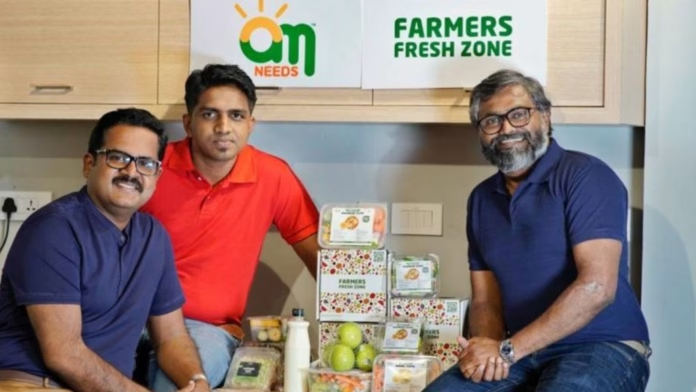
Farmers Fresh Zone Co-Founders Ranjith Balan, Pradeep PS and Sujith Sudhakaran.
Kerala’s Farmers Fresh Zone (FarmersFZ) has been selected as one of the twelve global agri-food start-ups to join the accelerator program launched by the Food and Agriculture Organization (FAO). Operating under the Kerala Startup Mission, this multichannel marketplace platform based in Kochi is among the two Indian start-ups that have been chosen for this initiative. The primary objective of this program is to support the attainment of the United Nations Sustainable Development Goals.
Pradeep PS, the CEO of AgriTech D2C, a startup founded in 2016, has received an invitation to attend a forthcoming UN event in Rome. This event recognizes the remarkable accomplishments of AgriTech D2C, as acknowledged by the Food and Agriculture Organisation (FAO), for their Sustainable Way of Doing Business model. The model emphasizes the reduction of carbon emissions and the mitigation of food waste by implementing Farm-to-Fork principles as a service (SaaS). By advocating for regional production and consumption, AgriTech D2C has gained prominence, and Pradeep PS will be representing the company at this prestigious event.
According to Pradeep, the UN programme will provide FarmersFZ with the platform to present its model before countries across continents.
“The model would require alterations based on the nature of the markets in each economy. For that we need funds, which will come through the Accelerator,” he said.
FarmersFZ is a pioneering platform that serves as a direct link between rural farmers and urban consumers in Kerala. Their primary objective is to deliver fresh, top-notch vegetables that are free from pesticides to consumers within a remarkable 24-hour window from the time of harvest, providing an exceptional farm-to-table experience. With an impressive user base exceeding 300,000 consumers and a strong network comprising over 2,000 farmers, FarmersFZ has successfully bridged the gap between agriculture and urban markets. This impactful initiative receives support from the Kerala Startup Mission (KSUM), the esteemed agency responsible for fostering entrepreneurship development and incubation activities within the state.
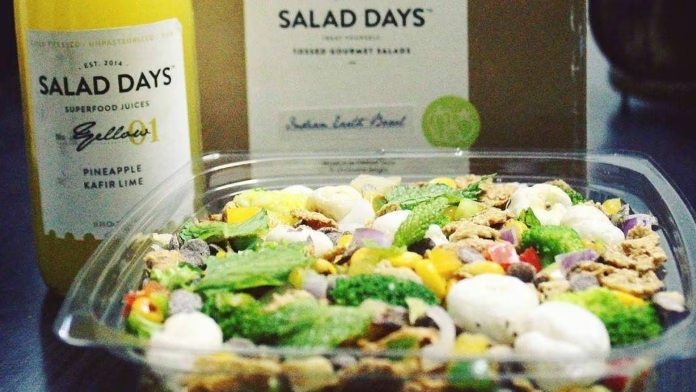
Established in 2014, Salad Days has emerged as a pioneering force in revolutionizing the food scene in the country. (Representative Image)
Salad Days has recently revealed its highly anticipated venture into Bengaluru, marking an exciting expansion for the food tech brand. In its initial strategy for the city, the company has set its sights on opening three cloud kitchens, with additional locations planned for the upcoming months.
Salad Days, having witnessed unprecedented success in the NCR region, is now poised to introduce its popular menu from Delhi to Bangalore. With its outstanding product-market fit, the brand is ready to expand its presence to other prominent metro cities in the near future. By strategically targeting untapped markets and leveraging its existing customer base, Salad Days sets a bold goal of acquiring over 500,000 new customers in the next two years alone.
Commenting on the expansion, Varun Madan, Founder & CEO, Salad Days said, “Expanding into Bengaluru is an exciting milestone for Salad Days. Our decision to choose the city as our next destination was driven by its potential as a challenging market with a unique customer buying behaviour. By establishing a strong presence in the Silicon Valley of India, our aim is to meticulously test and refine our standard operating procedures for national expansion over the next few years. Moreover, we anticipate substantial B2B revenue opportunities in Bangalore, which will not only bolster our market presence but also pave the way for our future growth.”
Established in 2014, Salad Days has emerged as a pioneering force in revolutionizing the food scene in the country. It endeavors to promote a healthier lifestyle by offering a delectable range of nutritious meals. The brand’s ultimate goal is to make salads and other wholesome options a regular choice for households across India. With a strong network of 10 cloud kitchens strategically positioned throughout the Delhi-NCR region, Salad Days demonstrates its unwavering dedication to quality and sustainability through its cutting-edge central kitchen situated in the prime area of Udyog Vihar Phase 1, near DLF Cyber City. Furthermore, Salad Days maintains an organic farm in the prestigious location of Vasant Kunj, where they cultivate an assortment of fresh produce exclusively for their menu.
Are you ready to take your movie nights with bae to a whole new level? Look no further! Popcorn, the quintessential movie snack, is about to get a makeover that will leave you and your significant other craving more. Say goodbye to plain old buttered popcorn and say hello to a tantalizing array of popcorn recipes that will ignite your taste buds and enhance your cinematic experience.
But you may think! Date night and popcorn? Well, we can prove to you that popcorn actually is an ideal choice for a date as not only it evokes a sense of nostalgia and comfort, creating a cozy atmosphere and establishing a connection between partners. It is also incredibly versatile, allowing you to cater to different taste preferences and create a personalized snacking experience. Popcorn is easy to prepare, requiring minimal effort, so you can focus on enjoying your time together. Sharing a bowl of popcorn encourages intimacy and bonding, fostering a sense of togetherness as you pass the bowl back and forth. Furthermore, popcorn is a light and relatively healthy snack, perfect for guilt-free indulgence. Its playful and interactive nature adds an element of fun to the date night, creating opportunities for conversation and creating new memories.
From sweet and savory to spicy and indulgent, we have compiled a list of the ultimate popcorn recipes that will add a dash of excitement and flavor to your cozy movie nights with bae. Get ready to snack in style as we explore these irresistible treats!
Caramel and Sea Salt Popcorn: A Perfect Balance of Sweet and Salty
Indulge in the harmonious combination of sweet and salty flavors with our Caramel and Sea Salt Popcorn recipe. Drizzle freshly popped popcorn with a luscious caramel sauce and sprinkle it with a pinch of sea salt for a delightful contrast that will keep you reaching for more handfuls.
Truffle Parmesan Popcorn: Sophistication in Every Bite
Elevate your movie night experience with the rich and luxurious Truffle Parmesan Popcorn. Toss popcorn with melted butter, grated Parmesan cheese, and a hint of truffle oil for an irresistible blend of flavors that will make you feel like you’re dining in a high-end gourmet theater.
Spicy Sriracha Popcorn: Ignite Your Taste Buds
For those who like it hot, our Spicy Sriracha Popcorn is the perfect choice. Drizzle popcorn with melted butter infused with spicy Sriracha sauce, and sprinkle it with a touch of chili powder for a fiery kick that will add excitement to your movie-watching experience.
Cookies and Cream Popcorn: A Sweet Tooth’s Dream
Satisfy your sweet cravings with our delectable Cookies and Cream Popcorn. Melt white chocolate and mix it with crushed chocolate sandwich cookies before coating the popcorn with this irresistible mixture. Each bite will transport you to dessert heaven, making it an ideal treat for those romantic movie nights.
Taco Seasoned Popcorn: A Fiesta of Flavors
Spice up your movie night with our Taco Seasoned Popcorn. Toss freshly popped popcorn with a blend of taco seasoning, paprika, cumin, and a hint of lime zest for a savory and zesty snack that will transport you to the flavors of Mexico.
Peanut Butter and Jelly Popcorn: A Classic Combination
Bring back childhood memories with our nostalgic Peanut Butter and Jelly Popcorn. Drizzle melted peanut butter and strawberry jelly over freshly popped popcorn, giving you the perfect combination of sweet, salty, and fruity flavors in every bite.
Movie nights with bae just got a whole lot tastier with these ultimate popcorn recipes. From the perfect blend of sweet and salty in Caramel and Sea Salt Popcorn to the sophisticated indulgence of Truffle Parmesan Popcorn, these recipes will take your movie-watching experience to new heights. Whether you prefer a fiery kick with Spicy Sriracha Popcorn or a trip down memory lane with Peanut Butter and Jelly Popcorn, these treats will add excitement and flavor to your cozy evenings. So, grab a bowl of these irresistible popcorn creations, snuggle up with your loved one, and get ready for a movie night like never before!
Lights, camera, sushi! When it comes to Bollywood heartthrobs, Varun Dhawan is not only known for his charm, talent, and dance moves but also for his adventurous palate. While many celebrities opt for lavish meals, Varun Dhawan has surprised everyone by embracing the delicate and intricate world of Japanese cuisine, particularly sushi. And here’s the exciting part – he’s taken it a step further by exploring the vegetarian side of this iconic Japanese delight. Join us on an extraordinary culinary journey as we delve into the six vegetarian Japanese sushi options that have won Varun Dhawan’s heart and are sure to win yours too. So, get ready to satisfy your cravings and ignite your taste buds with these tantalizing sushi creations fit for a Bollywood star!
Pickled Radish Sushi: Tangy, Crunchy, and Irresistible!
Imagine biting into a sushi roll bursting with tangy flavors, complemented by a satisfying crunch. Pickled Radish Sushi is the perfect balance of zesty pickled radish, creamy sushi rice, and a touch of soy sauce. To make this delightful treat, roll sushi rice and pickled radish in a sheet of seaweed and slice into bite-sized pieces. It’s a burst of tangy goodness you won’t be able to resist!
Vegetable Tempura Roll: Crispy, Colorful, and Absolutely Delicious!
Craving something crispy and full of flavor? Look no further than the Vegetable Tempura Roll. This mouthwatering sushi creation features an assortment of fresh, colorful vegetables coated in a light tempura batter, fried to perfection, and wrapped in sushi rice and seaweed. The combination of crunchy tempura and creamy rice will leave you wanting more with every bite!
Mango Sushi: A Sweet and Tropical Delight!
Take your taste buds on a journey to paradise with Mango Sushi. This refreshing sushi roll brings together the sweetness of ripe mango slices with the delicate texture of sushi rice. Roll the rice and mango in seaweed, slice it into bite-sized pieces, and enjoy the perfect harmony of flavors. It’s like a tropical getaway in each delectable bite!
Avocado Maki Roll: Creamy, Buttery, and Irresistibly Good!
Indulge in the creamy and buttery goodness of Avocado Maki Roll. This classic sushi roll combines the silky smoothness of ripe avocado with the subtle saltiness of seaweed and the delicate flavor of sushi rice. Simply wrap the avocado and rice in seaweed, slice, and savor the heavenly combination of textures and flavors that will keep you coming back for more!
Cucumber Roll: Cool, Crisp, and Refreshing!
When it comes to a refreshing sushi experience, the Cucumber Roll takes center stage. With its clean and light flavors, this roll offers a delightful crunch and a burst of freshness. Simply roll cucumber sticks in sushi rice and seaweed, slice it into bite-sized pieces, and enjoy the cool, crisp sensation that will leave you feeling rejuvenated and satisfied.
Asparagus Roll: Elegant, Tender, and Exquisite!
For a touch of elegance, the Asparagus Roll is a sushi choice that can’t be missed. This roll showcases tender, lightly blanched asparagus spears nestled within sushi rice and seaweed. The natural sweetness and delicate texture of the asparagus combined with the satisfying bite of sushi rice make this roll a true delight for the senses. It’s a perfect choice for those looking for a refined and flavorful sushi experience.
Prepare to satisfy your sushi cravings with these irresistible vegetarian sushi options. From the tangy crunch of Pickled Radish Sushi to the tropical sweetness of Mango Sushi, each roll offers a unique blend of flavors and textures that will leave you craving more. So grab your chopsticks, dive into the world of vegetarian sushi, and embark on a culinary adventure that will keep you coming back for these delightful creations again and again!
Are you ready to embark on a caffeine-fueled adventure in the vibrant city of Pune? Get ready to discover the top 18 cafés that are guaranteed to take your hangouts with friends to the next level! Pune, known for its thriving food and beverage scene, offers an array of delightful cafés that combine delicious brews, mouthwatering bites, and a lively ambiance. Whether you’re a coffee connoisseur, a tea aficionado, or simply someone who appreciates good company in a cozy setting, Pune has it all.
From trendy hotspots to hidden gems, these cafés are the perfect spots to spend some fun-filled hours with your friends, creating memories and indulging in scrumptious treats. So, grab your squad, bring your appetite, and get ready to explore the best cafés Pune has to offer!
11 East Street Café:
Has a vibrant and popular cafe located in the Camp area of Pune. It is known for its fusion of Indian and international cuisines, offering a diverse range of dishes to cater to various palates. The cafe features colorful interiors, comfortable seating, and a casual atmosphere, creating a lively ambiance for friends and families to enjoy a good meal together. Must-try items at 11 East Street Café include their signature Chicken Sizzler, Fish and Chips, and Blueberry Cheesecake. The approximate price range per person at this cafe is around INR 500-800.
O Eight Lifestyle Cafe:
Situated in the Koregaon Park area of Pune, O Eight Lifestyle Cafe is a trendy and contemporary cafe that offers a modern twist to global cuisine. The cafe has chic and stylish interiors with trendy decor and comfortable seating, providing a vibrant and energetic ambience. It is a popular spot for the younger crowd to hang out and enjoy fusion dishes. Must-try items at O Eight Lifestyle Cafe include Nutella Pancakes, Red Velvet Waffles, and Cold Coffee. The average price range per person at this cafe is around INR 400-600.
Waari Book Cafe:
Waari Book Cafe is a unique concept cafe located in the Kalyani Nagar area of Pune. It combines the love for literature and food, offering a cozy space for bookworms to relax and enjoy a good book while savoring delicious food. The cafe has a rustic and charming ambience with bookshelves filled with a diverse collection of books. The comfortable seating arrangements and soft lighting create a warm and inviting atmosphere, perfect for book lovers. Must-try items at Waari Book Cafe include Masala Chai, Spinach and Cheese Crepe, and Chocolate Walnut Brownie. The approximate price range per person at this cafe is around INR 200-400.
Café Paashh:
Café Paashh is an eco-friendly and sustainable cafe located in the Model Colony area of Pune. The cafe focuses on offering organic and healthy food options, using locally sourced and organic ingredients to create wholesome and nutritious dishes. The ambiance of the cafe is serene and natural, with earthy decor, green surroundings, and a tranquil atmosphere. It provides a peaceful and sustainable dining experience for guests. Must-try items at Café Paashh include Organic Coffee, Vegan Tofu Wrap, and Veg Biryani. The average price range per person at this cafe is around INR 200-400.
Third Wave Coffee Roasters:
Third Wave Coffee Roasters is a specialty coffee shop located in Pune, known for its excellent coffee and relaxed ambiance. The cafe focuses on serving high-quality coffee brewed from carefully selected beans. The interior of the cafe is minimalistic yet cozy, creating a perfect environment for coffee enthusiasts to enjoy their brew. Must-try items at Third Wave Coffee Roasters include their specialty pour-over coffee, espresso-based drinks, and a range of single-origin coffees. The approximate price range per person at this cafe is around INR 200-400.
Chai Cafe:
Chai Cafe is a cozy and charming cafe in Pune that specializes in serving a variety of delicious and aromatic teas. The cafe offers a relaxed ambiance with comfortable seating and a rustic decor that creates a warm and inviting atmosphere. It is a perfect spot for tea lovers to indulge in a cup of their favorite brew. Must-try items at Chai Cafe include their Masala Chai, Ginger Tea, and Assorted Tea Platter. The average price range per person at this cafe is around INR 100-200.
German Bakery:
German Bakery is a popular bakery and cafe located in Pune, known for its delicious baked goods and European-inspired dishes. The cafe has a rustic and cozy ambiance with wooden decor and indoor and outdoor seating options. It is a favorite spot for breakfast, brunch, or a quick snack. Must-try items at German Bakery include their freshly baked bread, Croissants, and Apple Strudel. The approximate price range per person at this cafe is around INR 200-400.
Grandmama’s Cafe:
Grandmama’s Cafe is a charming and nostalgic cafe located in the Viman Nagar area of Pune. The cafe offers a retro-themed ambiance with vintage decor, cozy seating, and a warm and welcoming atmosphere. It aims to recreate the flavors and memories of home-cooked meals, serving comfort food with a twist. Must-try items at Grandmama’s Cafe include their Classic Chicken Pot Pie, Mac n Cheese, and Red Velvet Cake. The average price range per person at this cafe is around INR 300-500.
The French Window Patisserie:
The French Window Patisserie is a delightful patisserie and cafe in Pune that brings the flavors of France to the city. The cafe specializes in French pastries, desserts, and baked goods that are made with authentic French techniques and high-quality ingredients. The interior of the cafe exudes elegance and sophistication, creating a charming and inviting atmosphere. Must-try items at The French Window Patisserie include their Croissants, Eclairs, and Tarts. The approximate price range per person at this cafe is around INR 200-400.
Vohuman Cafe:
Vohuman Cafe is a legendary cafe located in the Camp area of Pune. It has been serving delicious Irani and Parsi cuisine since 1978. The cafe has a quaint and old-world charm with vintage decor and cozy seating. It is a popular spot for breakfast and snacks, known for its iconic Bun Maska and Irani Chai. Must-try items at Vohuman Cafe include Bun Maska, Keema Pav, and Chicken Dhansak. The average price range per person at this cafe is around INR 200-400.
Feeling under the weather is never pleasant, and being alone during such times can make it even more challenging. But fret not! There’s a silver lining in the form of comforting foods that can provide quick respite and make you feel better in no time. Whether you’re battling a common cold, dealing with a bout of flu, or simply in need of some soul-soothing nourishment, these comforting foods are here to rescue you. From warm and hearty soups to indulgent macaroni and cheese, and from soothing herbal teas to creamy bowls of ice cream, these culinary delights offer not only physical nourishment but also a much-needed emotional boost.
So, let’s dive into a world of delicious and comforting foods that will help lift your spirits and provide solace when you’re feeling sick and solo.
Healing Turmeric Milk: Indulge in a warm and creamy blend of golden turmeric, aromatic spices, and creamy milk, offering a soothing and healing experience. Recipe: Heat milk, add turmeric, ginger, cinnamon, and honey, and simmer until well combined.
Soothing Ginger and Tulsi Tea: Find solace in a cup of invigorating ginger and tulsi tea, combining the comforting warmth of ginger with the refreshing herbal notes of tulsi.
Recipe: Steep grated ginger and tulsi leaves in hot water, strain, and sweeten with honey.
Nutrient-Packed Idlis with Sambar: Satisfy your cravings with soft and fluffy idlis served with flavorful sambar, a combination that brings together the goodness of fermented rice and lentils with a delectable vegetable stew.
Recipe: Prepare idli batter using rice and lentils, steam in idli molds, and serve with sambar.
Wholesome Dal Khichdi: Indulge in a nourishing and wholesome bowl of dal khichdi, a comforting blend of lentils, rice, and aromatic spices that provides a perfect balance of flavors and textures.
Recipe: Pressure cook lentils and rice with spices, and temper with ghee and cumin seeds.
Aam Panna Sharbat: Quench your thirst with a refreshing and tangy aam panna sharbat, a rejuvenating drink made from raw mangoes, spices, and mint that offers a delightful burst of flavors.
Recipe: Boil raw mangoes, extract pulp, blend with sugar, mint, and spices, and serve chilled.
Soul-Comforting Rasam and Rice Congee: Dive into a comforting bowl of rasam and rice congee, a combination of tangy tomato-based soup and rice porridge that warms the heart and satisfies the soul.
Recipe: Cook rice with water and salt to make a porridge, prepare tangy rasam using tomatoes, tamarind, and spices, and serve together.
Coconut Water and Buttermilk: Stay refreshed and hydrated with the natural goodness of coconut water and buttermilk, offering a cool and rejuvenating experience that revitalizes your body and mind.
Daal with Vegetables: Delight in a hearty bowl of daal packed with nutritious vegetables, offering a comforting blend of lentils, spices, and wholesome veggies.
Recipe: Cook lentils with vegetables, spices, and tomatoes, and temper with ghee and cumin seeds.
Nourishing Curd Rice: Indulge in a creamy and tangy curd rice, a comforting dish made with cooked rice, yogurt, and tempering that cools and calms the senses.
Recipe: Mix cooked rice with yogurt, season with salt, temper with mustard seeds, curry leaves, and green chilies, and enjoy chilled.
Immunity Boosting Fresh Fruit Salad: Savor the vibrant flavors of a refreshing fruit salad packed with immune-boosting fruits, offering a delightful combination of colors, textures, and natural sweetness that nourishes your body.
Recipe: Combine a variety of fresh fruits like berries, citrus, melons, and kiwi, drizzle with honey and lime juice, and toss gently.
Note: The provided recipes are general guidelines, and you may adjust the ingredients and proportions based on your preferences.
Step into the world of Bollywood with a plateful of deliciousness! From the iconic train scene in Dilwale Dulhania Le Jayenge to the grand celebrations in Kabhi Khushi Kabhie Gham, Bollywood has always enchanted us with its larger-than-life tales of love, family, and of course, food! For all the filmy foodies out there, we bring you a delightful treat – Bollywood-inspired dates that will transport you to the magical world of Hindi cinema. Get ready to savor the flavors of romance, drama, and nostalgia as we embark on a culinary journey that celebrates the movies we adore and the food that adds that extra sprinkle of magic to the silver screen. So grab your popcorn, dim the lights, and let’s dive into a feast fit for a Bollywood enthusiast!
Impressing your Bollywood filmy date is all about creating an unforgettable experience that captures the essence of their favorite movies. Let’s explore some creative ways to incorporate these iconic films into your date and leave a lasting impression:
Bajirao Mastani – A royal feast: Transform your dining area into a regal setting with elegant decor and serve a grand feast inspired by the royal cuisine featured in the film. Indulge in dishes fit for kings and queens, such as rich biryanis, delectable kebabs, and decadent desserts.
Yeh Jawaani Hai Deewani – A trek with homemade food: Plan a thrilling trekking adventure with your date and surprise them with a backpack filled with delicious homemade snacks, sandwiches, and refreshing beverages. Enjoy the breathtaking views and bond over the shared experience.
Dilwale Dulhania Le Jayenge – Kabhi Khushi Kabhie Gham – A family-style dinner: Create a warm and inviting ambiance reminiscent of a traditional Indian household. Prepare a lavish family-style dinner with a variety of Indian delicacies, encouraging a sense of togetherness and celebration.
A countryside picnic: Take inspiration from the serene landscapes showcased in Bollywood movies and plan a picturesque countryside picnic. Pack a basket with gourmet sandwiches, salads, fresh fruits, and a bottle of sparkling beverage. Enjoy the tranquility and serenity of nature together.
Dil Chahta Hai – A beachside barbecue: Head to a beautiful beach destination and set up a cozy barbecue. Grill succulent kebabs, seafood, and vegetables while enjoying the company of your date against the backdrop of the setting sun and crashing waves.
Chennai Express – A South Indian food adventure: Embark on a culinary journey to savor the flavors of South India. Explore local restaurants or try your hand at cooking popular dishes like dosas, idlis, and spicy curries together. Embrace the vibrant spices and unique aromas that define the region’s cuisine.
Zindagi Na Milegi Dobara – A Spanish tapas night: Create a lively and vibrant atmosphere reminiscent of Spain. Prepare an assortment of tapas, small plates of savory bites bursting with flavors, and pair them with Sangria or your favorite Spanish beverage. Play some Spanish music and let the evening unfold in a joyful and relaxed ambiance.
Remember, the key is to personalize the experience based on your date’s preferences and create an atmosphere that reflects the essence of these Bollywood films. Let your creativity shine and enjoy a truly memorable filmy-inspired date!
Blackheads can be a pesky and persistent issue for many individuals, affecting both the appearance and health of the skin. These small black bumps, caused by clogged skin pores mixed with dirt, grime, and impurities in the air, can be frustrating to deal with. While there are various reasons for blackhead formation, such as excessive sebum oil production and dead skin cells, there are natural remedies available that can effectively treat them at home. No need to spend a fortune on expensive products when you can find the ingredients right in your kitchen cabinet.
Let’s explore three of the best natural masks and scrubs that you can incorporate into your regular skincare routine.
Egg Whites and Lemon Mask:
Egg whites are not only a great source of high-protein nutrition but also offer benefits for the skin. They help clear stubborn blackheads by tightening and closing the pores while preventing their formation. To create this mask, whisk two egg whites with three to four teaspoons of lemon juice. Apply one layer of the mask to the affected area and allow it to dry. Then apply a second layer and leave it on for 15-20 minutes. Finally, rinse the mask off with water to reveal smoother, blackhead-free skin.
Sugar Scrub:
A popular and easy-to-make solution, the sugar scrub requires only sugar and olive oil. This mixture effectively removes dead skin cells, preventing the formation of blackheads. Simply mix a tablespoon of sugar with half a tablespoon of olive oil to create a thick mixture. Massage it gently onto the skin, focusing on areas prone to blackheads, and then rinse off with water. This scrub will leave your skin feeling refreshed and rejuvenated.
Baking Soda and Lemon Mask:
Known for its exfoliating properties, baking soda helps eliminate dead skin cells that contribute to blackhead formation. Lemon, on the other hand, opens and tightens the clogged pores, making it difficult for blackheads to find their way in. To create this mask, mix a tablespoon of baking soda with half a tablespoon of lemon juice. Apply the paste to the areas with blackheads, allowing it to dry before rinsing off with lukewarm water. Your skin will feel revitalized and blackhead-free.
Final Thoughts:
While these natural masks can work wonders for many individuals, it’s important to remember that everyone’s skin is unique. Therefore, it’s advisable to consult a dermatologist before applying any home remedies for skin issues. They can provide personalized recommendations based on your specific skin type and conditions.
Achieving clear and healthy skin doesn’t have to be complicated or expensive. By incorporating these natural masks into your skincare routine, you can bid farewell to blackheads and embrace a smoother, more radiant complexion. Start your journey towards blackhead-free skin today!
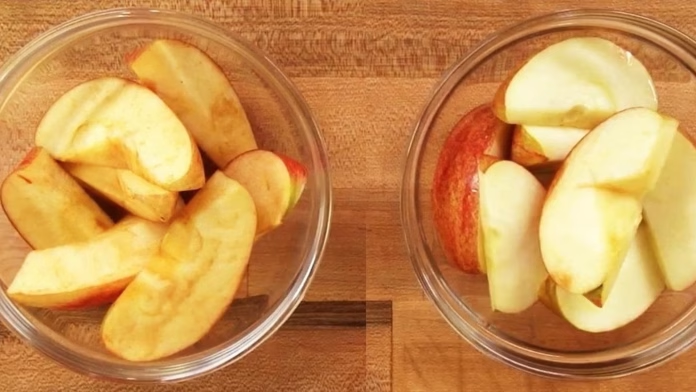
Freshly cut fruits are a healthy and refreshing snack that many of us enjoy. However, one common problem that often occurs when we slice or chop fruits is browning. Browning not only affects the appearance of the fruits but also indicates a loss of freshness and can negatively impact their taste. Fortunately, there are several hacks and techniques that can help prevent fruit browning and keep your freshly cut fruits looking and tasting their best. In this article, we will delve into the science behind fruit browning, explore why it matters to prevent it, and present you with five incredible tips to maintain the freshness of your cut fruits.
The Science Behind Fruit Browning
To understand how to prevent fruit browning, it’s essential to grasp the science behind it. When fruits are cut or bruised, an enzyme called polyphenol oxidase (PPO) is released from the fruit cells. When PPO comes into contact with oxygen in the air, it reacts with polyphenols naturally present in the fruit, resulting in the formation of brown pigments known as melanins. This process, known as enzymatic browning, is responsible for the unappealing color change in cut fruits.
Why Preventing Fruit Browning Matters
Preventing fruit browning goes beyond aesthetics. The browning reaction indicates a loss of quality and freshness in the fruit. Additionally, enzymatic browning can cause a change in flavor and texture, making the fruit less appetizing. By employing effective techniques to prevent fruit browning, you can preserve the visual appeal, taste, and nutritional value of your freshly cut fruits.
Five Tips to Prevent Freshly Cut Fruits from Turning Brown
Store In Air-tight Food Bags
One simple and effective way to prevent fruit browning is by storing the cut fruits in air-tight food bags. This method limits the fruit’s exposure to oxygen, reducing the enzymatic browning reaction. Place the freshly cut fruits in a sealable plastic bag, removing as much air as possible before sealing. Alternatively, you can use vacuum-sealed bags or specialized containers designed to keep fruits fresh for longer. This technique works well for fruits like apples, pears, and bananas.
Soak The Fruits In Ginger Ale
Ginger ale, with its carbonation and low pH, can act as an effective anti-browning agent for certain fruits. The carbonation helps create a barrier between the fruit and the oxygen in the air, while the low pH inhibits the enzymatic browning reaction. To use this method, prepare a mixture of ginger ale and water in equal parts. Soak the freshly cut fruits in this solution for about 10 minutes, then drain and rinse them before serving. This technique is particularly suitable for fruits like peaches, pears, and apples.
Immerse Fruits In Salt Water
Saltwater can also help prevent fruit browning due to its ability to draw out moisture from the fruits. By removing moisture, the saltwater reduces the contact between the enzymes and the polyphenols in the fruits, thereby inhibiting browning. Create a solution by dissolving half a teaspoon of salt in four cups of water. Submerge the freshly cut fruits in the saltwater solution for a few minutes, then drain and pat them dry before consumption. This method works well for fruits like avocados, pears, and apples.
Add Lemon Juice
Lemon juice is a well-known and widely used natural remedy to prevent fruit browning. The high acidity of lemon juice helps slow down the enzymatic browning process. The juice provides a protective coating on the fruit’s surface, minimizing its exposure to oxygen. To utilize this technique, squeeze fresh lemon juice onto the freshly cut fruits, ensuring all exposed surfaces are coated. Alternatively, you can create a mixture of lemon juice and water and soak the fruits in it briefly. This method is particularly effective for fruits like apples, pears, and bananas.
Dip Them In Honey Water
Honey, with its natural enzymes and low pH, can serve as an excellent anti-browning agent for freshly cut fruits. The enzymes present in honey help neutralize the enzymes responsible for browning, while the low pH inhibits their activity. Prepare a mixture of one tablespoon of honey with one cup of water. Dip the freshly cut fruits into the honey water solution for a few seconds, then remove and allow them to air dry before serving. This technique works well for fruits like apples, pears, and peaches.
Additional Tips for Maintaining Fruit Freshness
In addition to the techniques mentioned above, here are some additional tips to help you maintain the freshness of your cut fruits:
Store cut fruits in the refrigerator to slow down the enzymatic browning process.
Avoid using metal utensils when cutting fruits, as they can accelerate browning reactions.
Keep the fruits hydrated by spraying or misting them with water before storing.
Use specialized fruit preservatives or ascorbic acid (vitamin C) powder to inhibit browning.
Cut the fruits just before serving to minimize the exposure to oxygen and delay browning.
Final Thoughts:
With these mind-blowing hacks and techniques, you can say goodbye to browning fruits and keep your freshly cut fruits looking fresh, appetizing, and delicious. Understanding the science behind fruit browning and employing preventive measures not only enhances the visual appeal of the fruits but also preserves their taste and nutritional value. Whether it’s storing fruits in air-tight bags, soaking them in ginger ale or saltwater, adding lemon juice, or dipping them in honey water, these tips will help you enjoy fresh and vibrant fruits every time. So go ahead, explore these hacks, and elevate your fruit snacking experience!
We use cookies to ensure that we give you the best experience on our website. If you continue to use this site we will assume that you are happy with it.