Friday, December 19, 2025
Home Blog Page 1135

Wicked Kitchen bolsters position in the plant-based market with acquisition of Current Foods, a US-based seafood company

0
wickedkitchen
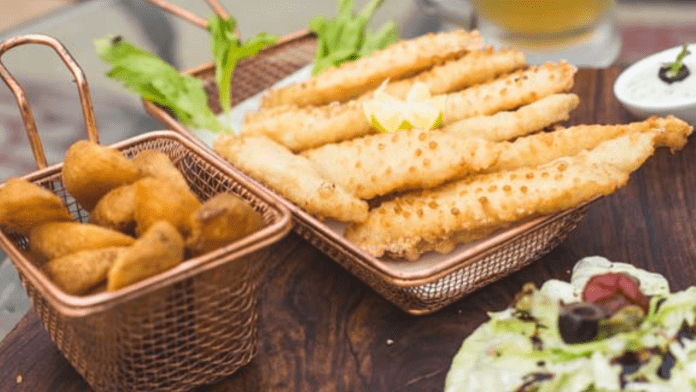
Through this transaction, Wicked Kitchen has gained access to foodservice capabilities in the realm of plant-based sushi-grade tuna and salmon (Representative Image)

Wicked Kitchen, a company based in the United States, has recently acquired Current Foods, a local plant-based seafood company. The specific financial details of the acquisition have not been disclosed.

Through this transaction, Wicked Kitchen has gained access to foodservice capabilities in the realm of plant-based sushi-grade tuna and salmon.

The headquarters of Wicked Kitchen in Austin, Texas, recently completed the acquisition of Current Foods, which is headquartered in California. This acquisition involved the purchase of various assets from Current Foods, including equipment, brand trademarks, and global sales accounts.

Current Foods, an alternative protein startup, specializes in offering plant-based sushi options such as faux tuna and salmon. Their products are supplied to foodservice and fine dining establishments both in the United States and Europe. For the European market, Current Foods collaborates with a co-manufacturer located near Barcelona, Spain.

Wicked Kitchen, known for its distribution of plant-based products through major retailers in the US and the UK, is eager to enter the sushi market and gain exposure in that sector.

According to a spokesperson, “We believe [faux] seafood will continue to build demand as the environmental impact on sea life becomes more visible. I’m also excited to enter the sushi grade salmon and tuna market which is a sub-category that is our bullseye for our consumer and growing,”

In September of last year, Wicked Kitchen completed the acquisition of Good Catch, a consumer packaged goods (CPG) brand specializing in plant-based seafood. Gathered Foods was the previous owner of Good Catch.

CEO Pete Speranza said, “Current Foods is a perfect match for Wicked as a global-impact brand with the same mission and complementary products.”

“With this deal and the Good Catch acquisition, we’re uniquely positioned as consumers continually learn about the environmental impact realities on sea life.”

Speranza said the deal brings Wicked Kitchen new global opportunities, channels and consumers. “We’re able to put the Current Foods brand in the best possible spot to thrive and as a versatile multi-category brand, Wicked Kitchen is the home to do that.”

“There’s only so much shelf space and we’re all fighting for volume.”

Wicked Kitchen boasts a diverse portfolio featuring an array of plant-based retail options across frozen and ambient categories. This includes a delectable selection of entrees, frozen pizzas, ice creams, and various other products.

Last year, Wicked Kitchen made its entry into the US foodservice channel by establishing a presence in sports and entertainment arenas. This year, the brand expanded its reach in the UK through a partnership with distributor Booker Wholesale.

Following the acquisition of Good Catch, Wicked Kitchen made an exciting announcement regarding its additional funding.

The privately-owned company recently revealed securing $20 million in bridge funding, bringing its total raised capital to an impressive $34 million to date.

Wicked Kitchen welcomed notable new investors into its fold, including renowned actor Woody Harrelson, the venture-capital fund Ahimsa VC, and the Thailand-based food group Nutra Regenerative Protein.

Advertisement

Salud embarks on Indian market domination: Introducing spirit-based ready-to-drink beverages and Salud bitters in 10 new regions

0
Salud
Salud will be launching its exquisite premium gin and Salud bitters in the Indian market next month.(Representative Image)

Salud, a renowned urban lifestyle brand with a global presence, has unveiled its ambitious expansion strategy, including the imminent introduction of groundbreaking products in the Ready-to-Drink category across ten emerging Indian markets. With a strong dedication to providing unparalleled drinking experiences, Salud will be launching its exquisite premium gin and Salud bitters in the Indian market next month. This move underscores the brand’s commitment to delivering exceptional quality and ensuring a remarkable journey for consumers.

In the last financial year, Salud accomplished remarkable sales figures, exceeding expectations by delivering an impressive volume of 25,000 to 30,000 cases solely to the Ready-to-Drink (RTD) market. Capitalizing on this triumph, Salud intends to invest $1.5 million to amplify growth and solidify its position in the Alco-Bev (Alcoholic Beverages) industry. Additionally, the brand is expanding its product portfolio by introducing three new Stock Keeping Units (SKUs) derived from distinctive spirits, aiming to cater to a broader spectrum of consumer preferences.

The brand aims to expand its footprint and establish a strong presence in key regions across India, including Karnataka, Goa, Telangana, Maharashtra, Odisha, Puducherry, Kerala, Punjab, Uttar Pradesh, and Chandigarh. By strategically targeting both smaller and larger states, Salud aims to cater to a diverse range of consumers, offering its fashionable lifestyle and premium products to a wide audience.

The Ready-to-Drink (RTD) Alcohol Market in India is positioned for significant expansion, with a projected Compound Annual Growth Rate (CAGR) of 11.2% from 2022 to 2030. Salud is keenly aware of the growing popularity of RTD alcohol among the Gen-Z and millennial generations, who actively seek convenient and healthier beverage choices with low sugar content. The brand’s emphasis on delivering high-quality and innovative RTD options aligns perfectly with the evolving preferences of the youth demographic.

Ajay Shetty, Chief Executive Officer of Salud, said, “We’re thrilled to introduce our innovative products and the Salud experience to new markets in India. Our fashion-forward brand combines tradition and modernity, delivering exceptional drinking experiences. As we expand, our sole focus is the Indian market, where we aim to source and produce everything locally.”

Salud has recently established a cutting-edge distillery facility in Goa, which not only amplifies its production capabilities but also integrates canning technology. This technological advancement allows Salud to introduce recyclable cans as the primary packaging for its products. By prioritizing cans over bottles, Salud showcases its unwavering dedication to environmental conservation and sets a pioneering example for sustainable packaging within the industry.

Salud is the first Indian brand to incorporate NFTs (Non-fungible Tokens) into its business model, revolutionizing the way customers experience its offerings. By leveraging NFT technology, Salud offers a unique and immersive experience that goes beyond traditional products. In addition to its renowned RTDs and non-alcoholic bitters, Salud introduces new dimensions to its brand through Salud Merchandise, an exclusive line of clothing, and Salud Sessions, an exceptional music IP featuring exclusive tracks by both local and international artists. This groundbreaking integration of NFTs establishes Salud as a trailblazer, providing customers with unprecedented digital assets and redefining the boundaries of consumer engagement.

Advertisement

Water-tech startup Boon eyes ASEAN expansion, plans $10 Million investment to combat single-use plastic

0
boon
Based in Singapore, Boon has experienced remarkable growth in India and other global markets, establishing itself as the leading supplier of glass water bottles worldwide. (Representative Image)

Boon, a water-tech startup with IoT capabilities, is venturing into new territories in the ASEAN countries, specifically Thailand, Indonesia, and the Philippines. This comes after successfully establishing its presence in Africa and the Middle East. The company’s expansion strategy is centered around protecting the delicate ecosystem of the ASEAN region by tackling plastic waste and reducing the carbon footprint in the area.

In order to accelerate this initiative, Boon has taken the initiative to collaborate with Anantara Hotel, a prominent establishment in Thailand. Furthermore, the company is actively engaging with a range of stakeholders in other countries. Boon has successfully implemented its innovative WaterCubes, an AI-powered water purifier, at the Anantara hotel location. This sustainable solution aims to provide hydration while reducing the reliance on single-use plastic, contributing to a greener environment.

Based in Singapore, Boon has experienced remarkable growth in India and other global markets, establishing itself as the leading supplier of glass water bottles worldwide. As part of its expansion strategy in the ASEAN region, Boon is aiming to invest up to $10 million. With this investment, the company anticipates generating an estimated revenue of around $50 million in the coming years. These ambitious plans reflect Boon’s commitment to further penetrate the ASEAN market and capitalize on its potential for growth.

Sharing her views on the expansion, Dr. Vibha Tripathi, MD of Boon, said, “At Boon, we have been showcasing our relentless commitment to fighting against plastic wastage and becoming the largest supplier of glass water bottles in the world. The expansion plans in the ASEAN region are another testament to our forward-looking response to plastic pollution. There has been an urgent need from all stakeholders to take significant action against climate change. We believe the expansion will contribute greatly towards eliminating plastic in the region for a sustainable future.”

Boon, previously known as Swajal, has been actively establishing strategic collaborations with various institutions to introduce its groundbreaking intelligent hydration system, WaterCube, which is poised to revolutionize the quality of drinking water. The company has recently formed partnerships with Srinagar Smart City to monitor the water quality of Dal Lake and Travel Food Services (TFS) to deploy an advanced AI-driven intelligent hydration system in airport lounges and luxury hotels like Fairmont Jaipur, Suryagarh, Andaz, and more. These innovative solutions aim to combat plastic waste by eliminating the need for single-use water bottles in these establishments. Boon’s efforts reflect its commitment to providing sustainable water solutions while simultaneously enhancing the overall drinking water experience.

Advertisement

Unveiling Siddhayu’s Heart Yogue: The ultimate solution for a stronger, healthier heart! 

0
Siddhayu's Heart Yogue

In a world where heart disease is on the rise and stress levels are soaring, maintaining a healthy heart has become more important than ever. We often hear about the importance of exercise, a balanced diet, and stress management when it comes to cardiovascular health. However, what if there was a comprehensive solution that combined ancient wisdom with modern science to promote heart wellness? Enter Siddhayu’s Heart Yogue – a ground-breaking product designed to strengthen and nourish the heart, ensuring its optimal functioning and longevity.

Heart Yogue is an extraordinary vegan formula developed by Siddhayu, meticulously researched and known as ‘healthy sweet bitters’. This remarkable product blends the power of 18 rare herbs and fruits, synergistically working together to strengthen and tone the vascular smooth muscles of the heart and the entire physiology. Through an elaborate 6-week fermentation process, its potency and absorption capabilities are amplified, ensuring optimal effectiveness.

In this article, we will unveil the secrets of Heart Yogue and explore how it can transform your heart health.

How Siddhayu’s Heart Yogue enhances Heart Health?

Heart Yogue serves as a cardiac rejuvenator, promoting optimal functioning of the heart. It acts as a potent cardiotonic, providing a revitalizing effect and supporting overall health. By enhancing the efficient contraction of vascular smooth muscles, it contributes to healthy circulation. Additionally, Heart Yogue is beneficial in maintaining balanced lipid levels, further supporting cardiovascular well-being.

Let’s delve into the key ingredients that make Heart Yogue a potent solution for cardiovascular well-being.

  • Punarnava (Boerhaavia diffusa): Punarnava, meaning “reincarnation” in Ayurveda, is a medicinal plant known for its rejuvenating properties. It contains essential nutrients and exhibits diuretic and anti-inflammatory effects. Punarnava plays a vital role in reducing blood pressure and stabilizing the heart, making it a valuable ingredient in Heart Yogue.
  • Nagkeshar (Mesua ferrea): Nagkeshar, an evergreen tree native to the Asian sub-continent, offers multiple medicinal benefits. Its leaves, flowers, and seeds are utilized for their therapeutic properties. In the context of heart health, Nagkeshar helps protect and nourish the heart muscles, contributing to the overall vitality of the cardiovascular system.
  • Arjuna (Terminalia arjuna): Arjuna, a deciduous evergreen tree found in West Bengal, South, and Central India, has long been revered for its cardioprotective properties. The inner red bark of the Arjuna tree contains Arjunolic acid, a potent antioxidant that plays a pivotal role in supporting a healthy heart. Research has validated its ability to strengthen cardiac muscles, tone cardiovascular function, and provide overall cardiovascular support.

Heart Yogue’s formulation ensures the synergistic action of these active natural ingredients, promoting faster and fuller absorption of nutrients and carrying them to the cellular level. By combining the principles of Ayurveda with scientific advancements, Heart Yogue provides comprehensive nourishment and support to the heart, helping individuals achieve and maintain optimal cardiovascular health.

Siddhayu’s Heart Yogue is not just a product; it’s a holistic lifestyle approach that empowers individuals to take proactive steps towards heart wellness. By incorporating Heart Yogue in daily diet, individuals can embark on a transformative journey that leads to a stronger, healthier heart and a more vibrant and fulfilling life.

Advertisement

Supertails sets new benchmarks in pet care industry with 3X revenue growth and 5X consumer expansion in FY 2022-23

0
Supertails
Supertails aims to achieve an Annual Recurring Revenue (ARR) of 150 Crore by 2024, solidifying its position as a key player in the market. (Representative Image)

Supertails, the leading technology-driven startup in the pet-care sector, celebrates its second anniversary, marking two years of exceptional advancements, groundbreaking ideas, and unwavering dedication to pet owners across India. Ever since its inception in May 2021, Supertails has rapidly emerged as the favored option for pet parents, offering a comprehensive range of products and services encompassing nutrition, healthcare, and training, solidifying its position as the ultimate pet care ecosystem in the country.

Being recognized as one of India’s rapidly growing startups, Supertails has garnered attention for its impressive growth rate of 300% in the fiscal year 2022-23. This remarkable achievement paves the way for the company’s future expansion plans. Supertails aims to achieve an Annual Recurring Revenue (ARR) of 150 Crore by 2024, solidifying its position as a key player in the market. Demonstrating its commitment to the “Make in India” initiative, Supertails recently introduced Henlo, a locally produced direct-to-consumer (D2C) pet food product. This strategic move not only showcases Supertails’ dedication to supporting domestic manufacturing and production but also reinforces its position as an innovative and customer-centric company.

Renowned as the leading teleconsultation provider in India, Supertails has garnered acclaim as the largest platform, facilitating over 50,000 successful consultations. The company’s unwavering commitment to meeting the unique needs of pet parents throughout their “pawrent” journey has solidified its position as a trusted and reliable platform. With a strong focus on delivering exceptional services, Supertails has earned the trust and confidence of its users, establishing itself as a go-to destination for pet-related teleconsultations.

Varun Sadana, Aman Tekriwal, and Vineet Khanna, the Co-Founders of Supertails said, “Our journey as a pet-care startup has been surreal so far. We are elated to see the change among first-time pet parents and how pet parenthood has transformed in India in the last 2 years. We moved one step closer to our aim of creating a platform that integrates products, services, and communities as we launched our app recently. Pet parents have shown immense trust in us over the last two years and we will continue to work hard and make their journeys with their furry babies as easy as possible. We are a bunch who love celebrating milestones and we invite pet parents around the country to join us in our birthday bash campaign and experience the convenience and quality of our comprehensive pet care solutions.”

Advertisement

Tata Consumer sets sights on 5 key growth drivers, embracing inorganic strategies when essential

0
Tata Consumer
(Representative Image)

Tata Consumer has outlined its strategy to enhance its total addressable market by pinpointing five key platforms. The company’s foremost objective is to fortify its current businesses while simultaneously pursuing opportunities in adjacent sectors within the food and beverages industry.

“After evaluating several factors, including market opportunity, profitability, and our overall competitive edge, we’ve narrowed the universe down to five key platforms — current core (tea, coffee, salt), pantry (pulses, spices, staples, dry fruits), liquids (water, ready-to-drink), mini meals (breakfast cereals, ready-to-eat, snacks), and protein (plant-based meat, plant protein powder),” Sunil D’Souza, the company’s Managing Director, said in an address to shareholders, in the company’s latest annual report.

According to D’Souza, Tata Consumer, which had terminated discussions to acquire Bisleri, a packaged water brand, in March this year, will persistently evaluate new segments and categories based on their potential for expansion.

“We will take the inorganic route where necessary, to acquire capabilities we do not possess or need to develop quickly, as long as they meet our strategic and financial filters and align with our long-term objectives,” he said.

In its recently published annual report for FY23, Tata Consumer acknowledged that its profitability was adversely affected by input cost inflation and unfavorable currency movements. The company highlighted that it has taken necessary measures such as implementing corrective price adjustments and implementing structural cost-saving initiatives to address these challenges.

“The macro environment was indeed challenging due to geopolitical tensions, decadal-high inflation hurting demand and consumer choices, monetary tightening, and rising interest rates, impacting the global economy,” D’Souza said.

For the quarter ended March 2023, the company recorded a net profit of INR 268 crore, marking a significant 23% increase compared to the previous year. Additionally, revenue from operations witnessed a year-on-year growth of 14% to reach INR 3,619 crore.

Recognizing that “market disruption has become the new norm,” the company highlighted several key trends in its observation, including digital marketing, e-commerce, the emergence of direct-to-consumer (D2C) brands, and evolving consumption patterns. These trends were identified as both creating new opportunities and reshaping the landscape of the fast-moving consumer goods (FMCG) sector.

According to the quarterly sector update from research firm NielsenIQ, India’s packaged goods sector experienced a noteworthy recovery, achieving double-digit value growth of 10.2% in the January-March 2023 quarter. This growth rate surpassed the previous quarter’s performance of 7.6%.

At a national level, the consumption growth of food in the first quarter witnessed a significant increase, reaching 4.3% compared to 1.6% in the last quarter of the previous fiscal year. This growth was primarily driven by staples. The research firm projected a 7%-9% expansion for the FMCG market throughout the entirety of 2023.

“Value growth has been driven by revival in consumption of rural markets and traditional trade which were under duress for more than a year. In line with stabilisation in retail inflation, price growth further dropped in the first quarter, aiding revival in consumption growth this quarter,” the research firm said.

During the year, Tata Consumer said it increased its direct distribution by 15% and has a current direct reach of 1.5 million outlets and infrastructure to launch 200 new products annually. “The focus will be on strategic initiatives such as expanding distribution network, accelerating growth through portfolio expansion and strong focus on innovation.” it added.

The company highlighted that the planned merger between Tata Consumer and Tata Coffee Limited, intended to establish a more streamlined organizational structure and capitalize on synergies, is anticipated to be finalized in 2023.

Advertisement

Is your husband’s blood sugar out of control? Unveiling the sneaky eating habits that could be to blame!

0
eating habits

When it comes to managing blood sugar levels, diet plays a crucial role. If you’ve noticed that your husband’s blood sugar seems to be out of control, it’s essential to examine his eating habits. While he may believe he’s making healthy choices, there could be sneaky eating habits at play that are negatively impacting his blood sugar levels. So let’s delve into the common dietary culprits that can cause blood sugar imbalances and provide valuable insights to help you identify and address these habits. By understanding the impact of certain foods, portion sizes, meal timings, and other factors, you can assist your husband in regaining control over his blood sugar levels and improving his overall health and well-being.

Diabetes in Men

One of the primary contributors to diabetes in men is poor eating habits. A diet high in processed foods, sugary snacks, refined carbohydrates, and unhealthy fats can lead to weight gain and insulin resistance. Men who consume excessive amounts of these foods often experience spikes in blood sugar levels, placing a strain on the body’s ability to regulate glucose effectively. Over time, this can lead to the development of type 2 diabetes.

In addition to poor eating habits, a sedentary lifestyle is a key factor in diabetes among men. Many men spend prolonged periods sitting at desks, driving, or engaging in activities that involve minimal physical movement. This lack of physical activity not only contributes to weight gain and obesity but also reduces insulin sensitivity. Regular physical activity helps improve insulin utilization by the body, allowing for better blood sugar control. When men lead sedentary lives, their risk of developing diabetes significantly increases.

The combination of poor eating habits and a sedentary lifestyle creates a vicious cycle. Unhealthy eating choices can lead to weight gain and obesity, which further exacerbates insulin resistance. Moreover, a sedentary lifestyle amplifies these effects, as the body becomes less efficient at utilizing insulin and controlling blood sugar levels.

  1. Excessive Intake of Refined Carbohydrates:

Refined carbohydrates, such as white bread, pasta, sugary snacks, and processed foods, can wreak havoc on blood sugar levels. These foods are quickly digested and absorbed, leading to sharp spikes in blood sugar followed by rapid drops. Encourage your husband to opt for whole grains, such as whole wheat bread, brown rice, and quinoa, which contain more fiber and are digested more slowly, promoting stable blood sugar levels.

  1. Overindulgence in Sugary Beverages:

Sugar-sweetened beverages like soda, fruit juices, energy drinks, and sweetened coffee can significantly impact blood sugar levels. These drinks are high in added sugars and provide little to no nutritional value. Encourage your husband to replace sugary beverages with healthier alternatives like water, unsweetened tea, or infused water with fresh fruits or herbs.

  1. Inadequate Portion Control:

Portion sizes can have a significant impact on blood sugar control. Consuming large portions, even of healthy foods, can lead to elevated blood sugar levels. Work together with your husband to practice mindful eating and portion control. Encourage him to listen to his body’s hunger and fullness cues and choose smaller, balanced meals that include lean proteins, healthy fats, and plenty of vegetables.

  1. Skipping Meals or Irregular Eating Patterns:

Skipping meals or having irregular eating patterns can disrupt blood sugar control. It can cause significant fluctuations in glucose levels and lead to overeating or choosing unhealthy food options later in the day. Encourage your husband to establish a consistent meal schedule and include three balanced meals along with healthy snacks to maintain stable blood sugar levels throughout the day.

  1. Lack of Physical Activity:

A sedentary lifestyle can contribute to poor blood sugar control. Regular physical activity helps improve insulin sensitivity, allowing the body to better manage blood sugar levels. Encourage your husband to engage in activities he enjoys, such as walking, jogging, cycling, or joining a fitness class. Aim for at least 30 minutes of moderate-intensity exercise most days of the week.

If your husband’s blood sugar seems to be out of control, evaluating his eating habits is crucial. By identifying and addressing sneaky eating habits, such as excessive refined carbohydrates, sugary beverages, inadequate portion control, irregular meal patterns, and a sedentary lifestyle, you can help him regain control over his blood sugar levels and support his overall well-being. Remember to consult with a healthcare professional or registered dietitian for personalized guidance and support in managing blood sugar levels effectively. Together, you can make informed decisions and embark on a journey towards a healthier and more balanced lifestyle.

Advertisement

Unbelievable! These 5 foods are illegal in some countries – Find out why!

illegal foods

Food has always been a reflection of culture, traditions, and taste preferences, but did you know that certain culinary delights have been banned in various parts of the world? These forbidden foods, often deemed too controversial or potentially harmful, have piqued curiosity and left adventurous food enthusiasts craving for a taste of the forbidden. 

In this captivating article, we embark on a tantalizing journey to uncover six banned foods from around the world. From exotic delicacies to peculiar ingredients, these forbidden flavors will both intrigue and challenge your culinary imagination. So, fasten your seatbelts as we delve into the mysterious realm of forbidden food and explore the stories behind these captivating culinary controversies. Get ready to discover the fascinating world of gastronomic prohibition and the alluring flavors that await those brave enough to seek them out!

  1. Japanese Puffer Fish: 

Japanese puffer fish, also known as fugu, is a delicacy renowned for its unique flavor. However, it is banned or highly regulated in several countries. The liver and ovaries of the fish contain tetrodotoxin, a potent neurotoxin that can be lethal if consumed in high amounts. The preparation of fugu requires highly skilled and licensed chefs who can meticulously remove the toxic parts while preserving the delicious meat. Japan is one of the few countries where fugu is consumed, but strict regulations are in place to ensure safety.

  1. Absinthe:

Absinthe is a distilled alcoholic beverage famous for its green color and association with artistic movements in the 19th and early 20th centuries. It contains a compound called thujone, which was believed to cause hallucinations and lead to madness. Due to concerns about its psychoactive effects, absinthe was banned in several countries, including the United States and some European countries, in the early 1900s. However, modern scientific research has debunked many of the myths surrounding absinthe, leading to the lifting of the ban in many places.

  1. Unpasteurized Milk:

Unpasteurized or raw milk, which hasn’t undergone the process of pasteurization to kill harmful bacteria, is banned or regulated in various countries. The pasteurization process helps eliminate pathogens, such as Salmonella, E. coli, and Listeria, which can cause foodborne illnesses. Raw milk enthusiasts argue that it contains beneficial enzymes and bacteria, but health authorities raise concerns about the potential risks, particularly for vulnerable populations like children, pregnant women, and the elderly. Regulations vary worldwide, with some countries allowing the sale of raw milk under specific conditions.

  1. Haggis:

Haggis is a traditional Scottish dish made from sheep’s offal (heart, liver, and lungs) mixed with oats, onions, and spices, all encased in a sheep’s stomach. While not universally banned, haggis made with sheep lungs is prohibited in the United States due to concerns about food safety. The U.S. Food and Drug Administration (FDA) prohibits the importation of food containing lungs due to the potential risk of transmitting diseases. However, variations of haggis made without lungs can still be enjoyed.

  1. Tomato Ketchup Stevia:

Stevia, a natural sweetener extracted from the leaves of the Stevia rebaudiana plant, is widely used as a sugar substitute. However, the combination of tomato ketchup and stevia has faced restrictions in some countries. These regulations often stem from labeling requirements and concerns about the safety and purity of stevia extracts used in processed foods. While stevia itself is generally recognized as safe, specific formulations or combinations may be subject to scrutiny and restrictions depending on local regulations.

It’s important to note that regulations regarding banned foods can vary from country to country due to differences in cultural practices, food safety standards, and perceptions of risk. While some foods are completely banned, others may face restrictions or require specific certifications for safe consumption.

Advertisement

Is your cooked food at risk? Learn the essential tips for summer food safety!

cooked food

As the summer season rolls around, many of us look forward to outdoor barbecues, picnics, and gatherings with friends and family. However, it’s important to be aware that warm weather poses unique challenges when it comes to food safety. The combination of heat and humidity creates an ideal environment for bacteria to thrive, putting your cooked food at risk. In this article, we will delve into the importance of summer food safety and provide essential tips to ensure that your meals remain safe and enjoyable throughout the season.

Understanding the Importance of Summer Food Safety

When it comes to food safety, the summer season requires special attention. The warmer temperatures provide an optimal breeding ground for bacteria, increasing the risk of foodborne illnesses. Foodborne illnesses are caused by consuming contaminated food or beverages, which can lead to unpleasant symptoms such as nausea, vomiting, diarrhea, and even more severe complications.

  • The Dangers of Foodborne Illnesses in Summer
  • The Relationship Between Warm Weather and Bacterial Growth:Bacteria thrive in warm temperatures, multiplying rapidly and potentially reaching harmful levels in a short period. The “danger zone” for bacterial growth lies between 40°F (4°C) and 140°F (60°C). This means that when the ambient temperature rises, the risk of bacterial growth in cooked food also increases. It is crucial to take appropriate measures to prevent the proliferation of bacteria and ensure food safety.
  • Common Foodborne Illnesses During Summer:Certain types of foodborne illnesses are more prevalent during the summer months. For example, Salmonella and Campylobacter are two common bacteria that can cause gastrointestinal infections. These bacteria are often found in undercooked poultry, eggs, and contaminated water sources. Additionally, E. coli is another significant concern, often associated with undercooked ground beef and raw produce contaminated by fecal matter.
  • High-Risk Foods in Warm Weather:Some foods are more prone to bacterial growth and require extra caution during the summer season. These high-risk foods include perishable items such as meat, poultry, seafood, eggs, dairy products, and mayonnaise-based salads. It’s important to handle and store these foods properly to minimize the risk of contamination and subsequent foodborne illnesses.
  • Essential Tips for Summer Food Safety

To keep your cooked food safe during the summer, it’s essential to follow these tips:

  • Don’t leave food out for too long:One of the most critical factors in food safety is the time that cooked food spends in the temperature danger zone. Leaving perishable food items out at room temperature for more than two hours (or one hour if the temperature exceeds 90°F/32°C) increases the risk of bacterial growth and foodborne illnesses. To minimize this risk, refrigerate or properly store leftovers promptly.
  • Do not reheat food frequently:While it may be tempting to reheat leftover food multiple times, doing so can compromise its safety. Each time food is reheated, it passes through the temperature danger zone, providing an opportunity for bacterial growth. It’s best to reheat food once, ensuring it reaches a temperature of 165°F (74°C) throughout, and consume it immediately.
  • Don’t mix too many foods at once:When preparing meals for outdoor gatherings, it’s important to avoid cross-contamination. Cross-contamination occurs when bacteria from one food item are transferred to another, potentially leading to foodborne illnesses. Use separate cutting boards, utensils, and plates for raw and cooked foods, and always wash your hands thoroughly after handling raw ingredients.
  • Use another pot:When serving food outdoors, it’s common to use large pots or containers to keep the food warm. However, it’s important to remember that these pots can retain heat and contribute to bacterial growth if not handled properly. Instead of using the same pot to keep cooked food warm, transfer the food to a clean pot or container before serving. This helps prevent the accumulation of bacteria that may have multiplied during the cooking process.
  • Practice proper grilling techniques:Grilling is a popular summer activity, but it’s essential to ensure that the food is cooked thoroughly to kill any bacteria present. Use a food thermometer to check the internal temperature of meats, poultry, and seafood. The safe internal temperature for different types of food varies, so refer to a food safety guide to ensure that you’re cooking them to the recommended temperature.
  • Stay hydrated and use clean water sources:Hydration is crucial during the summer months, but it’s equally important to ensure that the water you consume is safe. Avoid drinking untreated water from unknown sources, as it may be contaminated with harmful bacteria. If you’re unsure about the quality of tap water, consider using bottled water or using a water filtration system to ensure safe drinking water.

As you enjoy the summer season and indulge in outdoor meals, it’s vital to prioritize food safety. The warmer temperatures create favorable conditions for bacterial growth, increasing the risk of foodborne illnesses. By understanding the dangers of warm weather on food safety and following essential tips, you can protect yourself and your loved ones from potential health risks.

Remember to keep food out of the temperature danger zone, avoid frequent reheating, prevent cross-contamination, and use separate pots for serving food. Additionally, practice proper grilling techniques, cook food to the recommended internal temperatures, and ensure that the water you consume is safe.

By following these guidelines, you can keep your cooked food safe and enjoy a delightful summer filled with delicious meals and cherished moments with your family and friends. Stay informed, be vigilant, and prioritize food safety to make the most of your summer dining experiences. Stay safe and enjoy your summer meals!

Advertisement

From classic to creative: Old monk cocktails that will rock your evenings!

Old monk cocktails

When it comes to Old Monk, the first thing that comes to mind for many is the classic combination of Old Monk and coke. However, this beloved Indian alcohol has often been overlooked in the realm of cocktails. Its affordability and intense flavor have made it a favorite among college students, but it’s time to explore its potential beyond the typical mix. With a little creativity and an open mind, Old Monk can be transformed into cocktails that are worthy of any bar menu.

In this article, we will explore three exciting Old Monk cocktail recipes that you can try at home, taking your evenings to a whole new level.

  1. Guava-Licous 

If you’re a fan of the tropical flavors of a Piña Colada, then you’ll love this Indianized version with a twist of guava. Perfect for making in large batches, this cocktail requires just a few simple ingredients.

Ingredients:

  • 50 ml Old Monk
  • 100 ml guava juice
  • 20 ml coconut cream
  • Ice

Method:

  • Blend all the ingredients together until smooth.
  • Add a few ice cubes to a glass and pour in the cocktail mix.
  • For an extra touch of elegance, garnish with a slice of pineapple.
  • Sit back, sip, and transport yourself to a tropical paradise.
  1. Dark And Stormy 

A classic cocktail that typically calls for dark rum, the Dark and Stormy can be elevated by letting the distinct flavors of Old Monk shine through.

Ingredients:

  • 60 ml ginger beer
  • 100 ml Old Monk
  • Lime wedge
  • Ice

Method:

  • Add all the ingredients to a shaker with ice.
  • Stir gently to combine.
  • Pour the mixture into a tall glass.
  • Garnish with a lime wedge.
  • Savor the rich flavors of the Dark and Stormy, with Old Monk adding its own unique character to the mix.
  1. Pineapple Fancy

For a cocktail that combines the tartness of pineapple with the aromatic notes of cardamom, look no further than the Pineapple Fancy. It’s a refreshing and intriguing sip that will surprise your taste buds.

Ingredients:

  • 100 ml Old Monk
  • 50 ml pineapple juice
  • 10 ml simple syrup
  • ½ teaspoon cardamom powder
  • Ice

Method:

  • Transfer all the ingredients into a shaker or mixing glass with ice.
  • Stir gently to combine the flavors.
  • Strain the mixture into a serving glass.
  • Take a sip and let the delightful blend of pineapple and cardamom unfold on your palate.

With a little experimentation and imagination, Old Monk can be transformed into exciting and flavorful cocktails that go beyond the traditional Old Monk and coke. Whether you’re hosting a gathering or simply looking to enjoy a unique drink at home, these Old Monk cocktails are sure to impress. From the tropical goodness of Guava-Licous to the classic allure of the Dark and Stormy, and the intriguing blend of pineapple and cardamom in the Pineapple Fancy, these cocktails showcase the versatility and potential of Old Monk as a base spirit.

So, grab your shaker, gather your ingredients, and let Old Monk take center stage in your evening cocktails. Cheers to a delightful and unforgettable drinking experience!

Advertisement