Friday, December 19, 2025
Home Blog Page 1131

Former Swiggy CTO Dale Vaz raises $7-10 Million in funding for promising wealth-tech startup

0
DaleVaz
Dale Vaz officially resigned in April and is scheduled to conclude his tenure at the food tech giant this month. (File photo)

Dale Vaz, renowned for his role as the outgoing Chief Technology Officer (CTO) at Swiggy, has made waves in the startup ecosystem with his latest venture. According to three knowledgeable insiders, Vaz has secured a substantial investment of $7-10 million for his new wealth-tech startup. The funding has been provided by prominent investors Accel and Elevation Capital, affirming their confidence in Vaz’s entrepreneurial prowess and the potential of his innovative venture.

At present, the wealth tech sector is witnessing a surge in popularity, thanks to the rapid growth of the retail investor base. In March of this year, analysts at CLSA revealed a remarkable statistic: the number of dematerialized accounts, which provide users with the ability to electronically track all their assets, has skyrocketed from 22 million in FY14 to around 113 million in FY23, marking a fivefold increase. This context underscores the opportune timing of the move into the wealth tech sector.

Given this prevailing trend, it is highly probable that investors have been motivated to support Vaz’s venture, even in an investment climate characterized by caution.

As previously reported by SnackFax, Vaz officially resigned in April and is scheduled to conclude his tenure at the food tech giant this month. Simultaneously, he has been diligently working on his wealth-tech startup in a secretive manner, opting to remain in stealth mode. As of now, Vaz has not made a final decision regarding the name of his venture.

Read More: Dale Vaz steps down as Swiggy CTO, Madhusudan Rao takes charge

Wealth-tech startups function as comprehensive platforms that enable users to engage in diverse investment opportunities across various asset classes. These platforms not only facilitate investments in mutual funds and other financial instruments but also offer the capability to trade stocks, commodities, and a wide range of other assets.

Prominent participants in this sector encompass well-known entities such as Zerodha, Groww, Upstox, Paytm Money, and other commonly recognized discount brokers.

With an extensive professional background spanning over two decades, Vaz entered the ranks of Swiggy in July 2018. Demonstrating remarkable progress, he swiftly ascended the corporate ladder and assumed the role of Chief Technology Officer (CTO) in February 2020. Prior to his tenure at Swiggy, Vaz dedicated over 10 years of his career at Amazon. Notably, his LinkedIn profile indicates that he also contributed his expertise to Infosys in the United States for a period of six years.

Over the past few weeks, Vaz has been actively disseminating valuable insights on diverse asset classes and sharing his investment strategies, with the intention of educating individuals seeking financial knowledge.

“We work so hard for our money, it’s important that we make our money work as hard for us,” Vaz tweeted on May 20.

The interest in investing and trading experienced a significant surge during the Covid-19 years, primarily driven by the restrictions imposed due to the pandemic, which confined people to their homes.

“The number of retail investors has grown consistently over the years, with a sharp uptick during Covid. This was driven by greater awareness as well as ease of transactions enabled by discount brokers,” CLSA’s report said.

“Discount brokers have facilitated retail investor participation, they have been instrumental in widening retail investor participation in India. For them, the majority of incremental customer acquisitions are happening from Tier-2 and lower locations,” it added.

While the total demat accounts quintupled, the number of unique active customers has grown at a slower pace of about 9X from 4 million in FY14 to around 34 million currently, data showed. An active investor is one who has traded at least once in the past 12 months.

However, according to a separate report by Motilal Oswal, the number of active users on the National Stock Exchange (NSE) witnessed a decline for the tenth consecutive month in April of this year. The active user count dropped to approximately 31.2 million, down from 38 million in July 2022, reflecting a waning enthusiasm among retail investors.

Attempts were made to contact Dale Vaz for a statement on the matter, but he stated that he was unable to comment due to a confidentiality agreement. Elevation Capital did not provide a response to an email requesting further information, while efforts to reach Accel for comment were unsuccessful.

Advertisement

Swiggy faces another valuation setback as Baron Capital revises fair value to $6.5 Billion, second downgrade in a few months

0
swiggy
Swiggy (Representative Image)

Swiggy, the renowned food delivery decacorn, continues to face setbacks as Baron Capital, a US-based firm, has recently revised the startup’s fair value to $6.5 billion as of March 31, 2023.

This is the second time Baron has slashed the valuation of Swiggy within the last few months. Earlier, the US-based firm marked down Swiggy’s fair value by 34% to $7.3 billion as of December 31, 2022.

Read More: Swiggy takes a valuation hit as another investor trims stake, foodtech giant downgraded by 34% to $7.3 Billion

According to the filings made by the VC firm with the US Securities and Exchange Commission (SEC), the most recent fair value assigned to its stake in Swiggy was $45.76 million as of March 31, 2023.

By extrapolating from Baron’s 0.7% stake in the foodtech company, it can be estimated that the valuation amounts to $6.54 billion.

According to the SEC filings, Baron had invested $76.8 million for 11,578 shares in Swiggy, resulting in a valuation of the foodtech company at $10.96 billion. However, considering the exchange rates on Friday (May 26), Swiggy’s implied valuation by Baron Capital is now lower than Zomato’s market capitalization of $6.84 billion.

Despite Swiggy’s highest private equity valuation of $10.7 billion, Zomato outshined its competitor by reaching a remarkable market capitalization of $15.5 billion at its peak.

In the recent past, Swiggy has experienced a reduction in its valuation as several investors have recalibrated their assessments amidst the global downturn in tech company valuations. In a series of adjustments, Invesco initially decreased Swiggy’s valuation from $10.7 billion to $8 billion in April, followed by a subsequent reduction to $5.5 billion.

During Swiggy’s most recent funding round, Invesco played a significant role as the lead investor, contributing a substantial amount of $700 million.

Earlier this month, Swiggy made an assertion that its food delivery division achieved profitability by March 2023. Although the startup is yet to disclose its financial statements for the fiscal year 2023, its competitor Zomato also declared that its business, excluding the quick commerce vertical, achieved positive adjusted EBITDA in the fourth quarter of fiscal year 2023.

Read More: Swiggy’s strategic initiatives pay off as food delivery business turns profitable

In its pursuit of profitability, Swiggy has been actively implementing stringent cost-cutting measures. This included the decision to lay off 380 employees earlier this year and the strategic closure of certain business verticals, such as Handpicked, that did not align well with the company’s product-market fit.

Read More: Swiggy discontinues its gourmet grocery delivery service Handpicked, but continues with Instamart and Insanely Good

Amidst competition from Zomato and the government’s Open Network for Digital Commerce (ONDC), Swiggy faces ongoing challenges. The decline in valuations experienced by Swiggy is reflective of a broader trend observed across the global technology industry, where the valuations of various technology companies have been subject to erosion.

A significant number of Indian startups have recently witnessed reductions in their valuations as investors adjust their assessments. For example, BYJU’S, a prominent edtech decacorn, experienced a 50% decrease in its valuation by BlackRock.

Moreover, PharmEasy, a leading e-pharmacy unicorn, encountered two valuation cuts in recent times. Janus Henderson reduced its valuation by 50%, while Neuberger Berman witnessed a decline of 21%. In addition, Neuberger Berman also slashed Pine Labs’ valuation by 38%, bringing it down to $3.1 billion last week. Furthermore, Vanguard decreased the valuation of ride-hailing startup Ola by 35%, setting it at $4.8 billion earlier this month.

Advertisement

Unlock the secret to vitamin B12 on a vegetarian diet: Discover the ultimate food sources!

0
vitamin B12 on a vegetarian diet

Are you a vegetarian? Surely you must have heard of Vitamin B12. But are you aware that a vegetarian diet is devoid of this essential vitamin? 

Vitamin B12, also known as cobalamin, plays a crucial role in maintaining our overall health and well-being. It is an essential nutrient that supports the proper functioning of our nervous system, DNA synthesis, red blood cell production, and the metabolism of proteins and fats. While animal products are the primary sources of vitamin B12, vegetarians, who abstain from meat and fish, may face a higher risk of deficiency. However, with careful dietary choices and knowledge of plant-based sources, vegetarians can ensure they meet their vitamin B12 needs. In this article, we will explore the best food sources of vitamin B12 for vegetarians, empowering them to make informed decisions about their diet and overall health.

Vegetarian Sources of B12

Maintaining adequate levels of vitamin B12 is essential for vegetarians who exclude animal products from their diet. While vitamin B12 is predominantly found in animal-derived foods, there are several plant-based sources that can help vegetarians meet their requirements. Here are some of the best food sources of vitamin B12 for vegetarians:

  1. Fortified Foods:

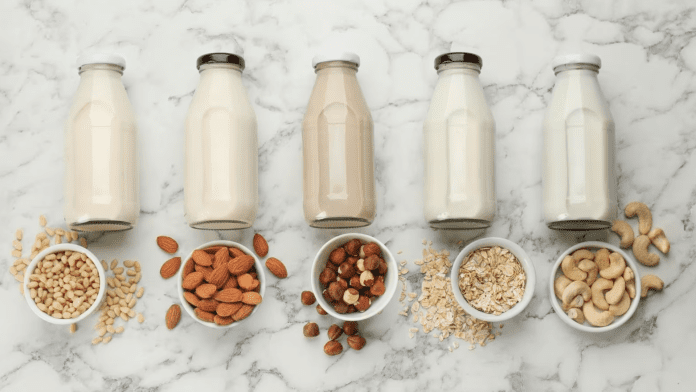
Many plant-based foods are fortified with vitamin B12 to cater to the needs of vegetarians and vegans. These include fortified plant-based milk (such as soy milk, almond milk, and oat milk), breakfast cereals, nutritional yeast, and meat substitutes. Check the labels to ensure that the products you choose are fortified with vitamin B12.

  1. Nori Seaweed: 

Nori, a type of edible seaweed commonly used in sushi rolls, is an excellent source of vitamin B12 for vegetarians. Just a small amount of nori can provide a significant portion of your daily B12 requirement. Incorporate nori into your diet by using it as a wrap, adding it to salads or soups, or enjoying it as a snack.

  1. Tempeh:

Tempeh, a fermented soybean product, not only offers a good amount of plant-based protein but also contains vitamin B12. It is a versatile ingredient that can be used in stir-fries, sandwiches, burgers, and more. Opt for organic and non-GMO tempeh whenever possible.

4. Chlorella: 

Chlorella is a type of freshwater algae that contains various nutrients, including vitamin B12. It is available in powder or supplement form and can be added to smoothies, juices, or taken as a supplement. Ensure you choose high-quality chlorella from reputable sources.

5. Nutritional Yeast: 

Nutritional yeast, commonly used as a cheese substitute in vegan dishes, is a popular source of vitamin B12. It has a cheesy, nutty flavor and can be sprinkled on salads, popcorn, pasta, or incorporated into sauces and dressings.

6.Chickpea: 

While chickpeas are a nutritious plant-based protein source, they are not considered a reliable source of vitamin B12. Chickpeas are primarily known for their high fiber and protein content, along with other essential nutrients like iron, folate, and manganese. However, vitamin B12 is primarily found in animal-derived foods. Therefore, if you’re following a vegetarian or vegan diet, it’s important to focus on other sources such as fortified foods or supplements to meet your vitamin B12 needs.

7. Shiitake Mushrooms: 

Shiitake mushrooms are a delicious addition to various dishes and offer several health benefits, but they are not a significant source of vitamin B12. While mushrooms do contain some nutrients like fiber, vitamins, and minerals, vitamin B12 is not naturally present in them. It’s important for individuals following a vegetarian or vegan diet to incorporate other reliable sources of vitamin B12, such as

Vitamin B12 Dietary Supplements

Vitamin B12 dietary supplements are a convenient and effective way to ensure adequate intake of this essential nutrient, especially for individuals following a vegetarian or vegan diet. Supplements can help bridge the gap between dietary sources and recommended daily intake. They come in various forms, including tablets, capsules, sublingual (under the tongue) tablets, and even intramuscular injections for those with severe deficiencies. It’s important to choose a high-quality supplement from a reputable brand to ensure its potency and absorption. Consulting with a healthcare professional or registered dietitian is recommended to determine the appropriate dosage based on individual needs and to address any underlying health concerns. Regular monitoring of vitamin B12 levels through blood tests is also beneficial to ensure optimal supplementation and overall well-being.

Daily B12 Limit Prescribed in Certain Age Groups

  1. 14 years and above: 2.4 mcg
  2. 9 years to 13 years: 1.8 mcg
  3. 4 years to 8 years: 1.2 mcg
  4. 1 year to 3 years: 0.9 mcg
  5. 7 to 12 months: 0.5 mcg
  6. 0 to 6 months: 0.4 mcg
  7. During pregnancy: 2.6 mcg
  8. Lactating mothers: 2.8 mcg

Signs That You Lack B12

If you experience any of these symptoms or suspect a vitamin B12 deficiency, it is important to consult with a healthcare professional for proper diagnosis and guidance. They can perform blood tests to assess your B12 levels and recommend appropriate treatment options, which may include dietary changes or B12 supplements.

  1. Fatigue and weakness: Feeling tired and lacking energy, even with sufficient rest, is a common symptom of B12 deficiency.
  2. Pale or jaundiced skin: A deficiency in B12 can affect the production of healthy red blood cells, leading to pale or yellowish skin tone.
  3. Shortness of breath: Inadequate levels of B12 can affect the production of healthy red blood cells, which carry oxygen throughout the body. This can result in difficulty breathing or shortness of breath.
  4. Tingling or numbness: Vitamin B12 is essential for maintaining healthy nerves. Deficiency can cause a tingling or numb sensation, particularly in the hands, feet, or legs.
  5. Poor balance and coordination: B12 deficiency can affect the functioning of the nervous system, leading to difficulty with balance, coordination, and an increased risk of falling.
  6. Digestive issues: Some individuals may experience digestive problems like diarrhea, constipation, or loss of appetite as a result of B12 deficiency.
  7. Mood changes and depression: Vitamin B12 plays a role in the production of neurotransmitters that regulate mood. Deficiency can contribute to mood swings, irritability, and even symptoms of depression.
  8. Cognitive difficulties: B12 deficiency can affect cognitive function, resulting in difficulties with memory, concentration, and overall cognitive performance.
Advertisement

​​Going vegan could actually harm your health! Find out the startling risks now!

0
vegan health risks

The popularity of veganism has surged in recent years as people seek healthier and more sustainable dietary choices. While adopting a vegan lifestyle can have numerous benefits, it’s important to be aware of the potential risks associated with this dietary approach. Contrary to popular belief, going vegan may not always guarantee improved health. In fact, it can pose certain challenges and risks that may compromise your well-being if not managed properly. 

We will delve into the startling risks of going vegan and provide valuable insights to help you make informed decisions about your dietary choices.

What Can one Eat As a Vegan

If you are someone who is considering to start his or her vegan journey or someone who is vegan yet unsure of what you can or cannot eat as a vegan, here’s the right thing for you.  As a vegan, you abstain from consuming any animal-derived products. Here are some foods that are typically avoided in a vegan diet:

  1. Meat: This includes all types of meat, such as beef, poultry, pork, lamb, and game meats.
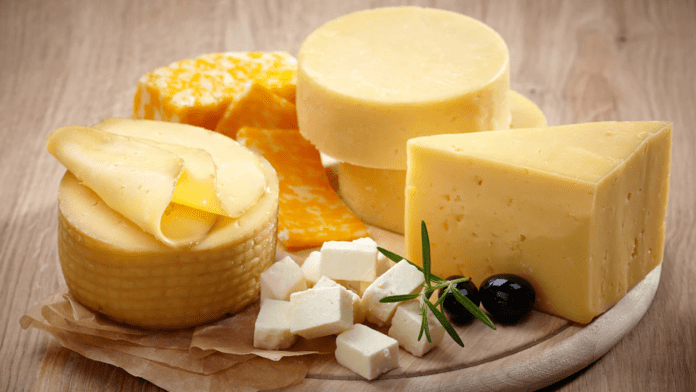
  1. Dairy products: Vegans do not consume milk, cheese, butter, yogurt, and other dairy products that come from animals.
  1. Eggs: Vegans do not consume eggs or any dishes that contain eggs as an ingredient.
  1. Seafood: Fish, shellfish, and other seafood are excluded from a vegan diet.
  1. Honey: Vegans avoid honey as it is produced by bees.
  1. Gelatin: Gelatin, which is derived from animal bones and connective tissues, is not consumed by vegans.
  1. Animal-based additives: Certain food additives like gelatin, casein, whey, and some food colorings may be derived from animals and are not included in a vegan diet.
  1. Some alcoholic beverages: Certain alcoholic beverages may use animal-derived ingredients or involve animal processing during production, so vegans may choose to avoid them.

It’s important for vegans to carefully read food labels and be aware of potential hidden animal-derived ingredients or by-products in processed foods. It’s also helpful to seek guidance from resources, such as vegan food lists, apps, or consult with a registered dietitian to ensure a fully plant-based and animal-free diet.

Cons of Veganism

Just like any other basic study, we will get to the point and let you know what are the cons of being a vegan, some of which you might have already heard a lot by your family or friends. 

  • Nutritional Deficiencies:

One of the primary concerns with a vegan diet is the risk of nutritional deficiencies. Since animal products are the primary source of essential nutrients like vitamin B12, iron, zinc, and omega-3 fatty acids, vegans need to be vigilant about obtaining these nutrients from alternative sources. Failure to address these nutritional gaps can lead to anemia, weakened immune function, impaired cognitive health, and compromised bone health. It is crucial for vegans to ensure a well-planned and balanced diet that includes fortified foods and supplements to meet their nutritional needs.

  • Protein Quality and Quantity:

Protein is an essential macronutrient that plays a crucial role in building and repairing tissues, supporting immune function, and maintaining overall health. While plant-based proteins can provide adequate protein, they may be deficient in certain essential amino acids. Vegans must carefully combine different plant protein sources to ensure a complete amino acid profile. Inadequate protein intake or poor protein quality can lead to muscle wasting, weakened immune function, and impaired wound healing.

  • Limited Food Choices:

Another challenge of a vegan diet is the limited food choices, especially when dining out or traveling. Restaurants and social gatherings may have limited vegan options, which can lead to a monotonous and restrictive diet. This restriction can potentially result in nutrient imbalances, boredom with meals, and difficulty meeting calorie and nutrient needs.

  • Potential for Processed Foods:

While a vegan diet emphasizes whole plant foods, there is also a risk of relying too heavily on processed vegan products. These processed alternatives, such as vegan burgers, mock meats, and dairy substitutes, often contain high levels of sodium, added sugars, and unhealthy fats. Excessive consumption of these processed foods can contribute to weight gain, elevated blood sugar levels, and an increased risk of chronic diseases.

  • Mental and Emotional Well-being:

The transition to a vegan lifestyle can sometimes impact mental and emotional well-being. Strict dietary restrictions, societal pressure, and ethical considerations can lead to feelings of isolation, stress, and anxiety. It’s important to prioritize mental health and seek support from like-minded communities or professionals to navigate these challenges effectively.

How to Overcome these Problems ? 

Just because there are some cons, don’t get discouraged in following what your heart says, especially if it is for a good cause like veganism, we know that transitioning to a vegan lifestyle comes with its own set of challenges. However, with proper planning and awareness, you can overcome these hurdles and thrive on a plant-based diet. Here are some tips to help you navigate the common problems associated with veganism:

  1. Balanced Meal Planning: Create well-rounded meals that include a variety of plant-based proteins, such as legumes, tofu, tempeh, and quinoa. Incorporate a rainbow of fruits and vegetables to ensure you’re getting a wide range of vitamins, minerals, and antioxidants. Consider consulting with a registered dietitian to develop a personalized meal plan.
  1. Nutritional Supplementation: While a well-planned vegan diet can provide most nutrients, certain supplements may be necessary. Vitamin B12, omega-3 fatty acids, and vitamin D are commonly recommended for vegans. Consult a healthcare professional to determine which supplements are appropriate for you.
  1. Explore New Foods: Embrace the opportunity to try new and exciting plant-based foods. Experiment with different grains, spices, herbs, and plant-based alternatives to replicate familiar flavors and textures. Get creative in the kitchen and discover the vast array of delicious plant-based recipes available online.
  1. Find Vegan-Friendly Restaurants and Communities: Research vegan-friendly restaurants in your area and explore vegan communities or social media groups. Connecting with like-minded individuals can provide support, recipe ideas, and a sense of belonging. Local vegan meetups and events can also be great opportunities to expand your network.
  1. Be Mindful of Processed Foods: While processed vegan alternatives can be convenient, strive for a balanced approach. Focus on whole, unprocessed plant foods and reserve processed vegan options for occasional treats. Read labels to avoid products high in added sugars, sodium, and unhealthy fats.
Advertisement

Wine lovers rejoice! Unearth Delhi’s enchanting wine hotspots for a dreamy weekend getaway!

0
Wine delhi

Amidst the lush vineyards and rolling hills, where time seems to slow down and a sense of enchantment fills the air, lies a haven for wine enthusiasts seeking the ultimate weekend getaway. Delve into a world of oenophilic wonders as you embark on a journey to discover exquisite wine hotspots that promise to tantalize your taste buds and transport you to a realm of sensory bliss. 

From the picturesque vineyards nestled in sun-kissed valleys to the elegant wineries exuding old-world charm, each destination beckons with an allure that is simply irresistible. Surrender to the symphony of aromas and flavors as you savor every sip of carefully crafted vintages, each one a testament to the passion and artistry of the winemakers. Let the velvety texture of a red wine or the delicate sparkle of a crisp white dance upon your palate, weaving a tapestry of flavors that will leave you longing for more. 

So, wine lovers, pack your bags and embark on a delightful sojourn as you uncover the hidden gems and secret cellar doors of these enchanting wine hotspots, where dreams are woven into every bottle and memories are forged in the vineyards. Raise your glass and toast to the magic of wine, for it is here, amidst the grape-laden vines and the whispers of the terroir, that your weekend getaway becomes an unforgettable tale of indulgence and delight.

  1. San Gimignano: 

Nestled in the heart of Delhi, San Gimignano is a wine lover’s paradise. Inspired by the quaint Italian village of the same name, this charming wine bar and restaurant exudes a rustic yet elegant ambiance. Immerse yourself in the warm and welcoming atmosphere as you explore their extensive wine list featuring a curated selection of both domestic and international labels. Whether you prefer a robust red, a crisp white, or a sparkling delight, San Gimignano’s knowledgeable staff will guide you through the diverse offerings, ensuring a memorable wine-tasting experience. Accompanied by delectable Italian cuisine, the flavors harmoniously dance with the wines, creating a symphony for your palate.

  1. Sorrento:

Tucked away in a luxurious corner of Delhi, Sorrento transports you to the sun-kissed cliffs of the Amalfi Coast. With its elegant decor and panoramic views, this fine dining restaurant and wine bar provides the perfect setting to indulge in the pleasures of wine. Immerse yourself in the rich tapestry of Italian wines carefully curated by their sommeliers. From velvety reds to crisp whites, each bottle tells a story of the Italian terroir. Pair your wine with delectable Mediterranean dishes, crafted with precision and infused with flavors that complement and enhance your wine experience.

  1. La Piazza:

 Situated in one of Delhi’s iconic luxury hotels, La Piazza is a culinary gem that captures the essence of traditional Italian hospitality. Adorned with rustic decor and an inviting ambiance, this renowned restaurant boasts an impressive wine collection. Explore their extensive wine cellar, featuring a range of labels from Italy and beyond. From renowned vineyards to hidden gems, La Piazza offers a selection that caters to every discerning palate. Indulge in the art of wine appreciation as you savor the flavors of Italy, expertly paired with authentic Italian cuisine.

  1. Perch Wine and Coffee Bar:

A haven for wine enthusiasts and coffee aficionados alike, Perch Wine and Coffee Bar is a charming space where conversations flow as freely as the libations. Located in the heart of Delhi, this cozy and intimate bar offers an impressive collection of wines sourced from around the world. Whether you’re seeking a bold red, a crisp white, or a delightful rosé, Perch has something to entice every wine lover. Sip on your chosen vintage while enjoying the relaxed and laid-back atmosphere, making it an ideal spot to unwind and savor the finer things in life.

  1. The Wine Company: 

As its name suggests, The Wine Company is dedicated to celebrating the art of wine. Located in a vibrant neighborhood of Delhi, this trendy wine bar and bistro boasts a hip and contemporary ambiance. Immerse yourself in an extensive wine list featuring an array of global wines, carefully curated to cater to different tastes and preferences. From Old World classics to New World discoveries, each bottle is an invitation to explore and savor. Complemented by a menu of delectable dishes, The Wine Company offers an unforgettable wine experience in a chic and stylish setting.

These wine destinations in Delhi, such as San Gimignano, Sorrento, La Piazza, Perch Wine and Coffee Bar, and The Wine Company, invite you to embark on a delightful journey of wine exploration. With their diverse wine selections, expert sommeliers, and inviting atmospheres, these places are perfect for wine enthusiasts seeking to savor the rich flavors and indulge in the pleasures of the grape. Whether you’re a connoisseur or a curious novice, these wine spots promise an unforgettable experience that will leave you craving for more.

Advertisement

Sip your way to bliss: Indulge in Goan’s finest beers, gins, and exotic spirits for an unforgettable weekend adventure! 

Goan's finest beers, gins

Imagine yourself on a golden sandy beach in Goa, with the sun gently caressing your skin and a refreshing ocean breeze enveloping you. The party vibes are infectious, and you can’t help but feel the vibrant energy in the air. As you unwind and soak up the laid-back atmosphere, what better way to enhance your experience than by sipping on some of the finest Goan spirits? From locally brewed beers to artisanal gins and unique concoctions, Goa offers a treasure trove of flavors that are sure to tantalize your taste buds and leave you feeling pleasantly tipsy. Join us on a journey to discover the best beers, gins, and other Goan spirits that will add a homegrown touch to your happy hour and transport you to the sun-kissed paradise of Goa.

  • Gin
  1. Greater Than Gin: Crafted in Goa, Greater Than Gin is a handcrafted gin that showcases the flavors of the region. It features a balanced blend of botanicals including juniper berries, coriander seeds, fennel, chamomile, and more. The result is a smooth and aromatic gin that pairs well with tonic or can be enjoyed in a variety of cocktails. The approximate price range for a bottle of Greater Than Gin is around INR 1,200 to INR 1,500.
  1. Hapusa Gin: Another Indian gin brand, Hapusa Gin takes inspiration from the Himalayas. It is distilled using locally sourced botanicals such as Himalayan juniper, fresh turmeric, mango ginger, cardamom, and more. The unique combination of flavors creates a gin with earthy and spicy undertones, evoking a sense of adventure and exoticism. A bottle of Hapusa Gin is priced at approximately INR 3,500 to INR 4,000.
  1. Monkey 47: While not Indian, Monkey 47 is a premium gin that has gained popularity in Goa and beyond. Hailing from Germany’s Black Forest region, this gin boasts a complex blend of 47 botanicals, including cranberries, blackberries, angelica root, and a variety of spices. The result is a rich and flavorful gin with a distinct character that can be enjoyed neat or in cocktails. Monkey 47 is priced at around INR 4,500 to INR 5,500 per bottle.
  • Beers
  1. Lager: Lagers are light, crisp, and refreshing, making them an excellent choice for the Goan beaches. They are typically low in bitterness and have a clean taste, making them easy to drink and perfect for quenching your thirst under the sun. Popular lager brands available in Goa include Kingfisher, Bira 91, and Tuborg.
  1. Wheat Beer: Wheat beers are known for their smooth and slightly fruity flavors, often accompanied by hints of citrus or spices. These beers are often cloudy in appearance and have a creamy texture, making them a popular choice for beachside enjoyment. Some well-known wheat beer brands available in Goa include Hoegaarden, Schneider Weisse, and Paulaner.
  1. Pale Ale: Pale ales offer a bolder flavor profile with a good balance of maltiness and hops. They can range from mildly hoppy to more robust and citrusy, providing a refreshing and flavorful experience. Popular pale ale options in Goa include Goose Island IPA, Punk IPA by BrewDog, and Sierra Nevada Pale Ale.
  1. Pilsner: Pilsners are another type of lager known for their crispness and clean taste. They often have a slightly more pronounced hop bitterness and a golden color. Enjoying a cold pilsner on the beach can be incredibly satisfying. Some popular pilsner brands available in Goa include Budweiser, Heineken, and Stella Artois.
  1. Craft Beers: Goa is also home to several local craft breweries that offer a wide range of unique and artisanal beers. These craft beers often incorporate local ingredients, flavors, and brewing techniques, providing a distinct and flavorful experience. Some noteworthy craft breweries in Goa include Gateway Brewing Co., Arbor Brewing Company, and Goa Brewing Co.
  • Rums
  1. Cabo: Cabo is a premium rum brand known for its craftsmanship and quality. Made in Goa, Cabo offers a range of rums, including white rum, dark rum, and flavored variants. Cabo’s rums are crafted using traditional distillation methods and aged to perfection, resulting in smooth and flavorful spirits. The approximate price range for Cabo rums is between INR 800 to INR 1500, depending on the specific variant and bottle size.
  2. Maka Zai Bartender’s Edition – White Rum: Maka Zai is another Goan rum brand that has gained popularity for its exceptional quality. The Bartender’s Edition White Rum from Maka Zai is a premium offering that is crafted to meet the demands of professional bartenders. It offers a smooth and clean taste, making it perfect for mixing in cocktails. The approximate price for a bottle of Maka Zai Bartender’s Edition White Rum is around INR 800 to INR 1000.
  • Other Spiritz
  1. Cazulo Coconut Feni: Feni is a traditional Goan spirit made from cashew or coconut. Cazulo Coconut Feni is a popular brand that specializes in coconut feni. It is crafted using traditional methods and offers a unique flavor profile with hints of coconut. The approximate price for a bottle of Cazulo Coconut Feni ranges from INR 500 to INR 700, depending on the size and specific variant.
  1. Vinho Fontainhas: Vinho Fontainhas is a type of traditional Goan wine. It is made from local fruits, typically utilizing the natural sweetness and flavors of the region. Vinho Fontainhas is known for its fruity and refreshing characteristics, making it a delightful beverage to enjoy on the Goan beaches. The approximate price for a bottle of Vinho Fontainhas can range from INR 400 to INR 600, depending on the specific variant and bottle size.

As the sun kisses your skin and the sound of crashing waves serenades your senses, there’s no better way to elevate your weekend adventure in Goa than by indulging in the finest beers, gins, and exotic spirits this vibrant coastal paradise has to offer. From the lively beach shacks to the trendy bars and lounges, Goa boasts a rich selection of libations that perfectly complement its laid-back atmosphere and party vibes. Whether you prefer the crispness of a chilled beer, the botanical delights of a carefully crafted gin, or the exotic flavors of local spirits, Goa has something to satisfy every palate. 

So, raise your glass and embark on a delightful journey of flavors, as you sip your way to bliss in the land of sun, sand, and unforgettable memories. Cheers to an unforgettable weekend adventure in Goa!

Advertisement

Say goodbye to unhealthy snacks! Revolutionize your kid’s evening routine with the irresistible low-calorie oats-and-nuts bar!

0
low-calorie oats-and-nuts bar

In today’s fast-paced world, our eating habits often suffer due to our busy lifestyles. We find ourselves succumbing to unhealthy snacking options, compromising our health and well-being. But what if we told you there is a way to crush those evening hunger pangs without worrying about calories? Introducing the low-calorie oats-and-nuts bar, a delicious and nutritious snack that will revolutionize your evening routine and keep you and your family on a healthy track. 

In this article, we will share an easy-to-make recipe for these bars, along with the numerous health benefits they offer. Get ready to say goodbye to unhealthy snacks and embrace a guilt-free treat!

The Low-Calorie Oats-and-Nuts Bar Recipe: 

This oats-and-nuts bar recipe is a game-changer when it comes to healthy snacking. Made with wholesome ingredients, it provides a perfect balance of taste and nutrition. Let’s dive into the recipe:

Ingredients:

  • 500 gms oats
  • 10 roasted almonds, roughly crushed
  • 10 roasted cashews, roughly crushed
  • 10 roasted walnuts, roughly crushed
  • 10 raisins
  • 20 roasted peanuts
  • 10 gms pumpkin seeds
  • 10 gms muskmelon seeds
  • 10 gms flax seeds
  • 4 tbsp peanut butter
  • Jaggery to taste
  • Olive oil to grease the pan

Preparation:

  • Soak the jaggery in warm water until it dissolves. Stir to remove any lumps.
  • Heat a pan over medium flame and grease it with olive oil. Sauté the oats until they turn light golden.
  • Add the crushed nuts and seeds to the pan and mix well. After a minute or two, remove the pan from the heat and let it cool.
  • Add peanut butter and melted jaggery to the mixture. Mix until well-combined.
  • Spread the mixture evenly on a plate and refrigerate overnight to ensure proper binding.
  • Cut out slices from the set mixture in desired shapes and sizes, and your oats-and-nuts bars are ready to enjoy!

The Nutritional Benefits: These low-calorie oats-and-nuts bars not only tantalize your taste buds but also provide essential nutrients to support your overall well-being. Let’s explore the nutritional benefits of the key ingredients:

  • Oats: Oats are a rich source of fiber and protein, which keep you feeling fuller for longer and aid in digestion. They also contain essential vitamins, minerals, and antioxidants.
  • Nuts: Almonds, cashews, and walnuts are packed with healthy fats, protein, and a wide range of vitamins and minerals. They promote heart health, boost brain function, and provide a satisfying crunch to the bars.
  • Seeds: Pumpkin seeds, muskmelon seeds, and flax seeds are nutritional powerhouses. They are high in fiber, omega-3 fatty acids, and antioxidants, offering numerous health benefits such as improved digestion, weight management, and reduced inflammation.
  • Peanut Butter: Peanut butter adds creaminess and flavor to the bars while providing protein, healthy fats, and essential nutrients like vitamin E and magnesium.
  • Jaggery: Jaggery, a natural sweetener derived from sugarcane or palm sap, adds a touch of sweetness to the bars. It contains iron, calcium, and antioxidants, making it a healthier alternative to refined sugar.

With the low-calorie oats-and-nuts bar, you can finally bid farewell to unhealthy snacks and embrace a delicious, guilt-free treat. These bars not only satisfy your hunger but also provide essential nutrients to support your overall health. By incorporating wholesome ingredients like oats, nuts, seeds, and peanut butter, you can indulge in a snack that keeps you fuller for longer and promotes weight loss. So, the next time hunger strikes, reach for these homemade bars and nourish your body and mind. Say goodbye to unhealthy snacking and revolutionize your evening routine with the irresistible low-calorie oats-and-nuts bar!

Remember, it’s always advisable to consult with a healthcare professional or registered dietitian before making significant changes to your diet.

Advertisement

Discover the secret lentil salad recipe loved by actress Lisa Haydon – Perfect for your strict diet!

0
lentil salad recipe loved by actress Lisa Haydon

Wanna get a body like ever gorgeous Lisa Haydon? Well this article might just be for you! 

‘Manali Trance’ artist Lisa has a gorgeous model-like aura and grace that every girl wishes for.So, just don’t strive for it but also try Lisa Haydon’s lentil salad recipe is just what you need. 

Known for her fit and fabulous lifestyle, Lisa Haydon’s lentil salad combines the goodness of protein-packed lentils with a medley of fresh vegetables and flavorful dressing. This salad not only satisfies your taste buds but also nourishes your body, making it an ideal choice for those seeking a healthy and balanced diet. Let’s dive into the world of Lisa Haydon’s lentil salad and discover a dish that will invigorate your taste buds and support your wellness journey.

Ingredients:

  • 1 cup cooked lentils (any variety)
  • 1 cup mixed salad greens
  • 1 cucumber, diced
  • 1 tomato, diced
  • 1 bell pepper, diced
  • 1 small red onion, thinly sliced
  • 1/4 cup fresh parsley, chopped
  • 1/4 cup fresh mint leaves, chopped
  • Juice of 1 lemon
  • 2 tablespoons extra-virgin olive oil
  • Salt and pepper to taste

Instructions:

  1. In a large mixing bowl, combine the cooked lentils, mixed salad greens, cucumber, tomato, bell pepper, red onion, parsley, and mint leaves. Toss them gently to mix well.
  2. In a small bowl, whisk together the lemon juice, olive oil, salt, and pepper to prepare the dressing.
  3. Pour the dressing over the lentil salad mixture and toss again to ensure all ingredients are well coated.
  4. Taste the salad and adjust the seasoning if needed.
  5. Allow the salad to sit for at least 15 minutes to let the flavors meld together.
  6. Serve the lentil salad as a refreshing and healthy meal on its own or as a side dish to complement your main course.

This lentil salad is not only packed with essential nutrients from lentils and fresh vegetables but also offers a burst of flavors from the aromatic herbs and zesty dressing. It’s a versatile dish that can be enjoyed as a light lunch, a satisfying dinner, or even as a nutritious side for a larger meal. So, give this delightful lentil salad recipe a try and experience the goodness of wholesome ingredients combined with Lisa Haydon’s touch of culinary brilliance.

Advertisement

Nutrition experts reveal the shocking truth: Is 2 meals or 6 meals a day the key to weight loss?

0
meal frequency

In the pursuit of weight loss, individuals often encounter conflicting information and contradictory diet trends. Among the debates surrounding meal frequency, whether consuming two or six meals a day is more effective for weight loss has gained considerable attention. As nutrition experts delve into the subject, it becomes clear that the answer is not as straightforward as it may seem. Among the various arguments, whether consuming two or six meals a day is more effective for weight loss has captured the attention of nutrition experts and individuals seeking to shed unwanted pounds. 

This article will explore the advantages and disadvantages of a six-meal diet and a two-meal diet and provide guidance on how often you should eat for optimal weight loss. 

What Is a Six-Meal Diet?

 A six-meal diet, as the name suggests, involves eating six smaller meals throughout the day. The goal is to space out meals every two to three hours, ensuring a constant supply of nutrients to the body. Proponents of this approach argue that frequent meals can increase metabolism, control hunger, stabilize blood sugar levels, and promote muscle growth. Advocates of the six-meal diet often emphasize the importance of portion control and nutrient timing to maximize the benefits.

What Is a Two-Meal Diet? 

In contrast, a two-meal diet restricts individuals to consuming only two substantial meals per day. The timing of these meals may vary based on personal preference and lifestyle. Proponents of this approach believe that by eating two larger meals, individuals can achieve a caloric deficit and promote weight loss. Advocates argue that fewer meals simplify meal planning, improve satiety, and may lead to a more sustainable eating pattern.

Two Meals vs. Six Meals a Day: Advantages and Disadvantages:

Both the two-meal and six-meal diets come with their own set of advantages and disadvantages. Let’s explore each approach to gain a deeper understanding.

Advantages of a Six-Meal Diet:

  • Enhanced metabolism: Eating frequent meals is thought to increase metabolism, potentially leading to greater calorie burn.
  • Improved portion control: Smaller, more frequent meals can help control portion sizes and prevent overeating.
  • Steady energy levels: Regularly fueling the body throughout the day can help maintain stable energy levels and reduce energy crashes.
  • Better nutrient absorption: Smaller meals allow for optimal digestion and absorption of nutrients, ensuring efficient nutrient utilization.

Disadvantages of a Six-Meal Diet:

  • Time and convenience: Planning and preparing six meals per day can be time-consuming, especially for individuals with busy schedules.
  • Constant focus on food: The need to eat every few hours may lead to a preoccupation with food and potentially disrupt daily routines.
  • Lack of flexibility: Strict adherence to a six-meal schedule may not be feasible or enjoyable for everyone, limiting social interactions and spontaneous meals.
  • Risk of overeating: Despite the intention of portion control, frequent meals can still result in excessive calorie intake if not carefully monitored.

Advantages of a Two-Meal Diet:

  • Simplified meal planning: Having only two meals to prepare can simplify meal planning, making it easier to adhere to a dietary regimen.
  • Improved satiety: Larger, more satisfying meals may help individuals feel fuller for longer periods, reducing the temptation to snack or overeat.
  • Potential for caloric deficit: By limiting meals to two larger portions, individuals may naturally consume fewer calories, aiding in weight loss.
  • Freedom and flexibility: With fewer meals to focus on, individuals may have more flexibility in their daily schedules and social engagements.

Disadvantages of a Two-Meal Diet:

  • Increased hunger between meals: Longer gaps between meals may result in increased hunger and cravings, potentially leading to overeating or poor food choices.
  • Digestive challenges: Consuming larger meals in a shorter timeframe may pose challenges for digestion, causing discomfort or bloating in some individuals.
  • Potential for overeating: While the intention is to consume larger portions, individuals must still exercise portion control to prevent excessive calorie intake.
  • Individual variation: The two-meal approach may not be suitable or sustainable for everyone, as individual preferences and lifestyles vary.

How Often Should You Eat? 

When it comes to determining how often you should eat for weight loss, there is no one-size-fits-all answer. The key lies in finding an approach that aligns with your goals, lifestyle, and individual needs. Some important factors to consider include:

  • Personal preferences: Choose a meal frequency that suits your preferences and allows you to adhere to a healthy eating pattern.
  • Energy balance: Regardless of meal frequency, achieving a caloric deficit is crucial for weight loss. Monitor your overall calorie intake and expenditure.
  • Nutrient density: Focus on consuming nutrient-dense foods that provide essential vitamins, minerals, and macronutrients to support overall health.
  • Satiety and hunger cues: Pay attention to your body’s hunger and satiety signals. Experiment with different meal frequencies to find what keeps you feeling satisfied and energized.
  • Lifestyle and practicality: Consider your daily schedule, work commitments, social interactions, and personal routines when determining your meal frequency.

In the battle between two meals and six meals a day, there is no definitive winner. Both approaches have their merits and potential drawbacks. Ultimately, the most effective meal frequency for weight loss depends on individual factors such as personal preferences, lifestyle, and adherence. Listen to your body, consult with a registered dietitian or nutrition expert, and experiment with different meal frequencies to find what works best for you. Remember, sustainable weight loss is achieved through a holistic approach that encompasses balanced nutrition, regular physical activity, and a positive mindset.

Advertisement

Indulge in waffle mania: Unveiling Delhi’s must-try spots for scrumptious Belgian Waffles!

0
Belgian Waffles

Waffles have become a beloved treat for many food enthusiasts around the world, and Delhi is no exception. The capital city of India has embraced the waffle culture with open arms, offering a plethora of delectable options for waffle lovers. From classic toppings to innovative flavor combinations, Delhi’s waffle scene is a haven for those seeking a delightful culinary experience.

In this guide, we will explore eight must-visit places in Delhi that serve the best Belgian waffles, ensuring a scrumptious and indulgent waffle affair.

  1. Wafflesome – M-69, Greater Kailash (GK) 1, New Delhi 

Located in South Delhi, Wafflesome is a haven for waffle enthusiasts. This exclusive waffle outlet offers a variety of flavors, including classic, chocolate, Nutella, banana toffee, blueberry, mango, and litchi waffles. Their waffles are 100% eggless and known for their soft and fluffy texture. Don’t miss their crowd favorites like the chocolate waffle with chocolate syrup, chocolate ice cream, and crushed fruits, or the banana waffle loaded with fresh bananas, caramel sauce, and whipped cream.

  1. The Blue Door Cafe – Middle Lane, Khan Market 

While Khan Market is synonymous with the iconic Big Chill, The Blue Door Cafe is a hidden gem that serves mouthwatering breakfast delights, including wholesome pancakes. Indulge in their waffle brownie with ice cream and chocolate sauce or create your own waffle masterpiece by choosing from a variety of toppings like banana, apple, chocolate, roasted almonds, pancake syrup, honey, melted butter, milk chocolate, and cashews.

  1. Big Chill – Multiple Outlets Across Delhi NCR 

The Big Chill needs no introduction to Delhi’s food enthusiasts. Renowned for its sinful desserts and pastas, this popular eatery also serves delectable waffles. Made with love and served with homemade chocolate fudge, French vanilla ice cream, and chocolate syrup, their freshly made waffles pack a rich flavor that will leave you craving for more.

  1. Waffle Hut – UB-29, Jawahar Nagar, Kamla Nagar, New Delhi 

A small and charming place nestled in Kamla Nagar, Waffle Hut is known for its amazing waffle creations. Despite its limited space, the taste of their waffles more than compensates for any inconvenience. From classic waffles to quirky flavors like peanut butter, brownie-nutella waffle sandwich, red velvet waffle, and banana caramel waffle, their menu is a delightful blend of creativity and taste. Don’t miss their herbed pizza waffle with cheese and salsa or the chocolate coffee mocha waffle served with chocolate sauce and whipped cream.

  1. Rose Cafe – 2, Westend Marg, Saidulajab, Adjacent to Saket Metro Station, New Delhi

Step into the serene and pink-shaded ambiance of Rose Cafe, a well-established breakfast and tea house in South Delhi. Alongside their delectable range of pancakes, their waffles are equally enticing. Treat yourself to their dark chocolate gelato waffle or indulge in the combination of chocolate ganache, vanilla ice cream, and seasonal fruits. Pair it with their French-pressed coffee for an exquisite gastronomic experience.

  1. Elma’s – 31, 2nd Floor, Hauz Khas Village 

As an English-style cafe nestled in Hauz Khas Village, Elma’s is renowned for its tea, breakfast, and desserts. Their waffle menu offers a wide range of options, including red velvet, Belgian chocolate, raspberry and cream, and salted caramel coulis waffles. For a complete breakfast experience, try their All American Breakfast, featuring a stack of four American-style pancakes topped with butter, served with two eggs, bacon, and maple syrup drizzle.

  1. Drool – My Square Food Court, Select Citywalk, Saket, New Delhi 

If you’re looking to try something new, head to Drool Waffles located at My Square Food Court in Select Citywalk. Their menu boasts a variety of tempting options such as Belgian waffles, Banoffee Blast waffles, marshmallow waffles, and honey waffles. Indulge in the classic waffle with butter-glazed maple syrup and vanilla ice cream or savor the Banoffee Blast waffle, which features caramelized bananas, toffee sauce, vanilla ice cream, and a cherry on top. For a unique twist, try the Winnie The Pooh waffle loaded with natural honey, milk cream, and vermicelli.

  1. Hinglish – The Colonial Cafe – Ground Floor, Pacific Mall, Tagore Garden, New Delhi 

Known for serving authentic American food, Hinglish Cafe is a must-visit for those seeking a genuine American breakfast experience. Their Vilayati Breakfast offers a set of three freshly made cinnamon pancakes or four waffles with a choice of maple syrup, honey, or whipped cream, served with fresh seasonal fruit compote. The waffles are expertly made and accompanied by generous amounts of honey, maple syrup, or whipped cream.

Whether you’re a classic waffle enthusiast or eager to explore innovative combinations, these eight places offer a delightful waffle experience that will leave your taste buds craving for more. So, embrace the waffle mania and embark on a delicious journey through Delhi’s best waffle spots. Your taste buds will thank you!

Advertisement