MBFSL holds a prominent position as a key player in the premium and mid-premium biscuits segment in North India, operating under the renowned brand 'Cremica.'(Representative Image)
Mrs Bectors Food Specialities (MBFSL) witnessed a significant surge in its share price, reaching an all-time high of INR 772, representing an 8% rally on the BSE during Monday’s intra-day trading. The stock’s impressive performance was supported by substantial trading volumes. Over the past two trading sessions, the packaged foods company’s shares have experienced a remarkable 17% increase. This surge can be attributed to the company’s exceptional financial results for the quarter and fiscal year ending in March 2023, where they achieved record-breaking turnovers and profits.
At 10:35 AM, the stock exhibited a 4% increase and was quoted at INR 745.85, outperforming the 0.73% rise observed in the S&P BSE Sensex. Notably, the average trading volumes at the counter more than doubled on this day. A total of 920,000 equity shares were traded, encompassing both the NSE and BSE exchanges.
MBFSL holds a prominent position as a key player in the premium and mid-premium biscuits segment in North India, operating under the renowned brand ‘Cremica.’ Additionally, it has established itself as a leading player in the premium bakery sector across India, recognized by the brand name ‘English Oven.’
During the year 2023, the stock of MBFSL has witnessed an impressive surge of 84%, surpassing the modest 3% increase in the S&P BSE Sensex. The company entered the stock market on December 24, 2020. Presently, the market price of MBFSL has more than doubled, soaring by 168% compared to its issue price of INR 288 per share.
MBFSL achieved remarkable financial results for the fourth quarter of FY23, with a substantial 171% year-on-year (YoY) increase in profit after tax. The company reported a profit of INR 27.7 crore compared to INR 10.20 crore in the corresponding quarter of the previous year (Q4FY22). Additionally, MBFSL experienced a significant YoY revenue growth of 37.2%, reaching INR 346.1 crore.
In the fourth quarter of FY23, MBFSL’s reported earnings before interest, taxes, depreciation, and amortization (EBITDA) surged by an impressive 89.5%. The EBITDA rose to INR 48.2 crore from INR 25.5 crore in Q4FY22. Furthermore, the EBITDA margin exhibited a significant improvement of 380 basis points (bps) on a year-on-year (YoY) basis, reaching 13.9% compared to the previous year’s 10.1% in Q4FY23.
According to the management, the company’s strong performance was attributed to various factors, including the optimization and premiumization of its product portfolio, the reinforcement of brand equity, the expansion of distribution touchpoints, the improvement of direct reach, and responsible pricing actions. These measures played a crucial role in mitigating the persistent impact of inflation throughout the year.
The future outlook for the packaged foods industry indicates a robust growth trajectory, driven by several factors including a large population base, growing purchasing power, heightened consumer awareness regarding hygiene and cleanliness, and a shift towards branded products. MBFSL is well-positioned to capitalize on this growth, as it operates within the premium biscuits and breads segment, aligning with consumer preferences for high-quality offerings.
Approximately 76% of MBFSL’s biscuit revenue is generated from the North and Northwest regions of India. The company holds a prominent position as one of the top three biscuit manufacturers in several states, including Punjab, Haryana, Himachal Pradesh, Jammu & Kashmir, Uttar Pradesh, Uttarakhand, and the Delhi National Capital Region. Furthermore, MBFSL has established strong partnerships with major quick-service restaurant (QSR) customers for its institutional bakery products, such as buns and breads.
For the fiscal year ending in March 2023, Barbeque-Nation recorded a net profit of INR 19.14 crore, a significant improvement compared to the net loss of INR 25.19 crore reported in FY22. (Representative Image)
Barbeque-Nation Hospitality Ltd, a quick-service restaurant operator, has reported a net loss of INR 11.60 crore for the fourth quarter ending on March 31, 2023. In a regulatory filing, the company stated that during the same January-March period of the previous year, they had posted a net profit of INR 0.48 crore.
In the quarter under review, Barbeque-Nation Hospitality Ltd recorded a revenue from operations of INR 280.23 crore, reflecting a growth of 11.64 percent. This figure surpasses the revenue of INR 251 crore generated during the same period in the previous fiscal year.
In Q4/FY23, the total expenses of the company amounted to INR 240.36 crore, indicating a growth of 16.41 percent.
The company’s total revenue in the March quarter reached INR 282.47 crore.
For the fiscal year ending in March 2023, Barbeque-Nation recorded a net profit of INR 19.14 crore, a significant improvement compared to the net loss of INR 25.19 crore reported in FY22.
Its revenue from operations in FY23 experienced a remarkable surge, skyrocketing by 43.36 percent to reach INR 1,233.75 crore.
“During the year, the Company added 39 new restaurants resulting in total count of 216. Total restaurants included 14 Toscano restaurants, 6 Barbeque Nation international restaurants and balance 196 were Barbeque Nation India network,” said an earning statement from the company.
In addition, the board of Barbeque-Nation approved the acquisition of an additional 4.21 percent of the paid-up share capital of Red Apple Kitchen Consultancy Private Limited, a subsidiary of the company, from its existing shareholders.
Following this transaction, the ownership stake in Red Apple Kitchen, the company behind the Toscano brand, will rise to 82.43%. Red Apple Kitchen currently manages 14 Italian cuisine restaurants.
General Atlantic and Advent International are currently in advanced negotiations to acquire Everstone Capital’s 40.9% stake in Restaurant Brands Asia (RBA), according to informed executives. RBA is the operating entity behind the renowned fast-food chain Burger King in India.
“Everstone, which also operates Subway and Lavazza coffee in India, is looking to cash out from its stake in Burger King, and is now actively engaged in due diligence with private equity firms General Atlantic and Advent,” one of the executives said.
In the quarter ending in March, Restaurant Brands Asia (RBA) recorded a loss of INR 73.3 crore, which marked a widening from the loss of INR 67 crore reported in the same period last year. The company attributed this outcome to the impact of food inflation and the expansion of newer store locations. However, there was positive growth in revenue from operations, with a year-on-year increase of over 28% amounting to INR 514 crore.
As of March, the combined national store count of Burger King and its coffee and beverage sub-brand BK Cafe stood at 391 restaurants.
Efforts to obtain a response from Everstone, Restaurant Brands Asia (RBA), and General Atlantic regarding the queries were unsuccessful, as they did not provide any feedback or comments. Similarly, Advent International declined to comment on the matter when approached.
Advent International and General Atlantic are prominent private equity firms specializing in company acquisitions across Asia, Europe, and North America. Everstone Capital, through its investment vehicle QSR Asia Pte Ltd, holds the stake in Restaurant Brands Asia (RBA). It is worth noting that the Singapore-based private equity group played a crucial role in introducing Burger King to the Indian market back in 2014.
The evaluation process for the stake sale coincides with a period of decelerated growth in the western-style fast-food sector, as consumers increasingly shift towards more affordable brands. Moreover, smaller regional brands have intensified their competition within the industry, adding further dynamics to the market landscape.
“Key risks to RBA are slower-than-expected improvement in customer footfalls, delays in store expansion plans and increased competitive intensity in the north and east markets,” ICICI Securities wrote in a post-earnings note on May 18.
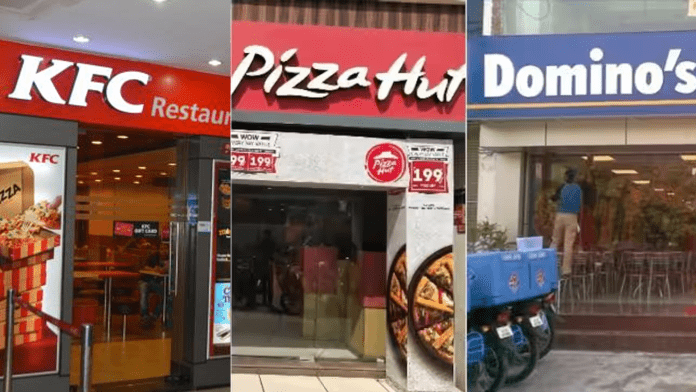
Burger King has revised its store expansion guidance for FY24, reducing it by 4% to 450 stores compared to the previous target of 470 stores. In a similar vein, its competitor Devyani International, responsible for operating KFC and Pizza Hut in India, reported a 21% decline in net profit for the quarter ending in March. The decline can be attributed to margin pressure caused by inflation, a slowdown in demand, and increased competition from smaller brands offering similar products at lower price points.
Despite the prevailing challenges, quick-service chains remain committed to expanding their store networks, particularly capitalizing on opportunities in small towns, along highways, and through emerging channels such as convenience stores situated at petrol stations.
According to a recent report by credit rating agency ICRA, the top five players in the domestic Quick Service Restaurant (QSR) industry are expected to collectively open around 2,300 new stores between FY23 and FY25. The estimated capital expenditure for this expansion is approximately Rs 5,800 crore. The report specifically mentioned Jubilant FoodWorks, the operator of Domino’s Pizza, Devyani International, Sapphire Foods India, Restaurant Brands Asia, and Westlife Foodworld, which manages McDonald’s outlets in the western and southern regions of India. Sapphire Foods India serves as a franchisee partner for KFC and Pizza Hut within the country.
“The capex spree in the QSR industry is likely to be driven by favourable demographics, steady urbanisation, growing per-capita GDP and significant headroom available in terms of penetration, compared to a developed economy like the US,” Suprio Banerjee, Vice President and Sector Head, corporate ratings, ICRA, wrote in the report. The report said most of the capex will be funded through internal accruals and cash on the books.
Anuj Rathi's decision to step down as the head of growth and revenue at Swiggy comes at a time when the company is strategically working towards profitability amidst a slowdown in its core food delivery business.
In a recent development, it has been revealed that Anuj Rathi, the Senior Vice President of revenue and growth at Swiggy, the renowned food and grocery delivery platform, is slated to step down from his position. Insider sources have confirmed this upcoming departure, signaling a potential shift in the company’s leadership.
According to the sources, Anuj Rathi, who directly reports to Swiggy Founder and CEO Sriharsha Majety, is currently in discussions with the management to finalize the specifics of his departure. Rathi’s exit will add his name to the growing list of high-ranking executives who have recently left Swiggy. This includes Karthik Gurumurthy, the former Head of Instamart, Dale Vaz, the Chief Technology Officer, Ashish Lingamneni, the Vice President of marketing, and Nishad Kenkre, the Vice President and Head of revenue and growth at Swiggy’s quick commerce unit Instamart.
Anuj Rathi, an alumnus of IIT-Kanpur, joined Swiggy in 2016 and made significant contributions across various areas during his tenure. He led initiatives in growth marketing, customer management, Swiggy One, food marketplace, merchandising, social media, design solutions, financial services, partnerships, Swiggy Labs, as well as spearheaded the expansion of meat and alcohol delivery categories. Prior to joining Swiggy, Rathi held notable positions in product management, omnichannel commerce revenue, and growth at prominent companies such as Flipkart, Snapdeal, and Walmart.
Anuj Rathi’s decision to step down as the head of growth and revenue at Swiggy comes at a time when the company is strategically working towards profitability amidst a slowdown in its core food delivery business. In a recent announcement, Swiggy’s Founder and CEO, Sriharsha Majety, shared that the company’s food delivery operations had achieved profitability in March, factoring in all corporate costs except for employee stock option expenses. Majety highlighted this achievement as a significant milestone in the global food delivery landscape.
In a series of challenging developments, Swiggy has undergone a significant downsizing, with 380 employees being laid off this year. The company has also made the decision to shut down certain business verticals, including its meat and gourmet grocery delivery service, Handpicked. Furthermore, Swiggy’s valuation, which was previously in the range of a billion dollars (making it a decacorn), has faced a decline as asset management companies that had invested in the company have exerted pressure on its financial standing.
Most recently, there has been a further reduction in Swiggy’s valuation by Baron Capital Group. As of March 31, 2023, the US-based asset management firm marked down Swiggy’s valuation by another 10%, bringing it down to $6.38 billion. This comes after Baron Capital Group had previously reduced Swiggy’s valuation by 34% to $7.1 billion as of December 2022.
The British government is looking at plans to address the rising prices of basic food items such as bread and milk, as reported by The Telegraph. In response to the persistent double-digit increase in the cost of these essential commodities, the government is exploring options to implement measures, including potential price caps, in collaboration with retailers.
On Sunday, during an interview with BBC TV, Health Minister Steve Barclay responded to inquiries about potential price controls by stating that it was “not my understanding,” as reported by The Telegraph.
According to a report by the Telegraph on Saturday, discussions are underway between Prime Minister Rishi Sunak’s office at No. 10 and supermarkets regarding a potential agreement resembling the one implemented in France. This agreement would involve major retailers charging the “lowest possible amount” to consumers.
Despite sources within the government being cited in the report, the Prime Minister’s office has not provided any comment in response to the request.
“My understanding is that the government is working constructively with supermarkets as to how we address the very real concerns around food inflation and the cost of living and doing so in a way that is also very mindful to the impact on suppliers,” Barclay told BBC TV.
Among Western European countries, Britain currently holds the unenviable position of having the highest food inflation rate. Over the past year, food prices have soared by more than 19%, marking the most severe upward trend in this regard since the 1970s. In addition to this, households are grappling with the burden of escalating energy prices, which have been driven up partly due to the ongoing conflict in Ukraine. These combined factors have put significant strain on household budgets.
In recent weeks, prominent supermarket chains like Tesco and Sainsbury’s have made public announcements regarding reductions in prices for certain food items.
The British Retail Consortium (BRC), which represents major supermarkets, has attributed many of the costs to the government’s new regulations. In a statement, the BRC urged the government to prioritize simplifying rules instead of reintroducing price controls reminiscent of the 1970s.
“This will not make a jot of difference to prices. High food prices are a direct result of the soaring cost of energy, transport, and labour, as well as higher prices paid to food manufacturers and farmers,” BRC’s Andrew Opie said.
In response to the complaints regarding the sale of liquor above the maximum retail prices (MRP) at Tamil Nadu State Marketing Corporation (Tasmac) outlets across the state, Minister V. Senthil Balaji issued a directive on Friday. He instructed the district managers and other officers of Tasmac to ensure that the MRP list of all liquor varieties is prominently displayed at the entrance of the shops. The objective behind this instruction is to address the concerns raised by customers and promote transparency in pricing practices.
Recently, the issue of Tasmac outlet workers collecting an extra 10 rupees for each bottle of liquor has stirred up a flurry of discussions on social media platforms. In response to the mounting complaints, the minister recently addressed the media, assuring them that necessary action has been taken against the workers implicated in outlets where such malpractices were reported.
During a review meeting chaired by the minister, with the presence of principal secretary P Amudha and Tasmac managing director Visagan, important directives were issued. The minister emphasized that it is the duty of district managers to ensure the prominent display of price lists for customers and to impose fines on those who sell liquor above the Maximum Retail Price (MRP). Notably, the meeting was attended by Tasmac zonal officers, flying squad personnel, and sub-collectors as well.
Sources within Tasmac have revealed that the price lists are typically kept inside the shops. This precautionary measure has been necessitated by incidents where tipplers have defaced the price lists by affixing holograms or tearing them. “However, the minister had made it clear the rule has to be followed,” said the source.
Furthermore, the district managers have been duly informed by the minister that strict compliance with the prescribed timings for the outlets is imperative. In no uncertain terms, it has been emphasized that shops must not open before 12pm or extend their operating hours beyond 10pm.
Additionally, he emphasized that the zonal officers and flying squad have a responsibility to ensure that no illegal bars are operational within their respective jurisdictions. Furthermore, any instances of such establishments should be promptly reported to the police.
As the summer heat rises, it becomes essential to keep our children hydrated throughout the day. Dehydration can lead to fatigue, dizziness, and decreased concentration, making it challenging for children to stay active and focused. Along with drinking enough water, including hydrating foods in their tiffin boxes can play a vital role in keeping them refreshed and hydrated. These foods are not only rich in water content but also provide essential nutrients.
In this article, we will explore the top 5 hydrating foods for your child’s tiffin box that will help beat the summer heat and keep them energized all day long.
Cucumbers: Cucumbers are fantastic hydrating food, consisting of about 95% water. They are not only refreshing but also a great source of dietary fiber and essential vitamins like vitamin C. Including cucumber slices or sticks in your child’s tiffin box will not only keep them hydrated but also provide a satisfying crunch. Pair them with a healthy dip like hummus for added flavor and nutrients.
Watermelon: Watermelon, with its deliciously sweet and juicy nature, is the perfect summer fruit for hydration. It contains about 92% water and is packed with essential vitamins, minerals, and antioxidants. Slicing watermelon into bite-sized pieces and packing them in your child’s tiffin box will keep them cool, refreshed, and hydrated throughout the day. It can also be a fun and hydrating addition to fruit salads or smoothies.
Peaches: Peaches are not only juicy and flavorful but also incredibly hydrating, with a water content of around 90%. They are a rich source of vitamins A and C, as well as dietary fiber. Pack sliced peaches in your child’s tiffin box as a sweet and hydrating snack. You can also include them in yogurt parfaits or make a refreshing peach salsa to go along with whole-grain chips.
Strawberries: Strawberries are not only a delicious treat but also a hydrating powerhouse. With a water content of approximately 92%, they are packed with antioxidants, vitamins, and minerals. Add sliced strawberries to your child’s tiffin box as a sweet and refreshing snack. You can also incorporate them into salads, make strawberry-infused water, or blend them into smoothies for a nutritious and hydrating beverage.
Yogurt Parfait: Yogurt is an excellent hydrating food that also provides essential probiotics for good gut health. Create a yogurt parfait by layering low-fat yogurt, fresh fruits like watermelon, peaches, and strawberries, and a sprinkle of granola or nuts for added texture. This hydrating and nutritious treat will keep your child cool, satisfied, and hydrated throughout the day.
Including cucumbers, watermelon, peaches, strawberries, and yogurt parfaits will not only provide hydration but also offer essential nutrients, vitamins, and minerals. Encourage your child to stay hydrated by making these foods a regular part of their meals. Remember to also encourage them to drink water throughout the day. With these hydrating foods, your child will stay energized, focused, and ready to take on the summer days ahead!
When it comes to weight loss and achieving a toned physique, one of the most common problem areas people struggle with is belly fat. Stubborn and hard to get rid of, belly fat can be a cause of frustration for many individuals. While a healthy diet and regular exercise are crucial components of any weight loss journey, there are also certain drinks that can help boost your efforts and specifically target belly fat.
In this article, we will explore some amazing belly fat-melting drinks that have gained popularity for their potential to aid in weight loss. From green tea to lemon water, apple cider vinegar to ginger tea, and more, we will uncover the truth behind these beverages and their ability to melt away belly fat.
Understanding Belly Fat
Before we delve into the specific drinks, it’s important to understand what belly fat is and why it can be so challenging to eliminate. Belly fat, also known as visceral fat, is the fat that accumulates around the abdominal organs. It is different from subcutaneous fat, which is the fat found just beneath the skin. Visceral fat is metabolically active and can increase the risk of various health conditions, including heart disease, diabetes, and certain cancers.
14 Beverages that can Effectively Reduce Abdominal Fat:
Green Tea:
Green tea has long been touted for its numerous health benefits, including its potential to aid in weight loss. Rich in antioxidants and compounds like catechins, green tea has been studied for its metabolism-boosting and fat-burning properties. Some studies suggest that the catechins in green tea can enhance fat oxidation and increase calorie expenditure, potentially leading to a reduction in belly fat. However, it’s important to note that the effects of green tea on weight loss are modest, and it should be consumed as part of a healthy lifestyle.
Lemon Water:
Lemon water has gained popularity as a detoxifying beverage that can aid in weight loss. While lemon water itself does not directly melt belly fat, it can be a useful addition to a weight loss regimen. Lemon is a rich source of vitamin C, which supports the immune system and helps the body absorb iron. Additionally, the citrus fruit contains compounds that may help with digestion and reducing bloating. Staying hydrated with lemon water can also help curb cravings and promote a sense of fullness, potentially leading to reduced calorie intake.
Apple Cider Vinegar:
Apple cider vinegar has been praised for its potential weight loss benefits, including its ability to target belly fat. It is believed that the acetic acid in apple cider vinegar can help suppress appetite, increase metabolism, and reduce insulin levels. However, the evidence supporting these claims is limited, and more research is needed to fully understand the effects of apple cider vinegar on weight loss. It’s important to note that apple cider vinegar should be consumed in moderation and diluted with water to prevent potential damage to tooth enamel and the esophagus.
Ginger Tea:
Ginger, a popular spice known for its anti-inflammatory and digestive properties, has also been associated with weight loss benefits. Drinking ginger tea can help boost metabolism and increase calorie burning. Additionally, ginger may have a satiating effect, helping to reduce appetite and control food cravings. While ginger tea may offer some potential benefits in reducing belly fat, it should be consumed as part of a balanced diet and active lifestyle.
Cucumber and Mint Infused Water:
Infused water, particularly cucumber and mint-infused water, has gained popularity as a refreshing and hydrating beverage with potential weight loss benefits. Cucumbers are low in calories and high in water content, making them a hydrating and filling ingredient. Mint, on the other hand, can aid in digestion and help alleviate bloating. While infused water itself does not directly target belly fat, it can be a healthy alternative to sugary beverages, helping to reduce overall calorie intake and promote hydration.
Water:
Water is the ultimate drink for hydration and plays a crucial role in overall health and weight management. Staying properly hydrated can support metabolism, regulate appetite, and help the body efficiently burn calories. By replacing sugary drinks with water, individuals can reduce calorie intake and potentially facilitate weight loss, including the reduction of belly fat.
Sparkling Water:
Sparkling water, also known as carbonated water or seltzer water, is a bubbly and refreshing alternative to sugary sodas and beverages. While sparkling water itself does not directly target belly fat, it can be a healthier substitute for calorie-laden drinks. By opting for sparkling water instead of sugary sodas, individuals can reduce their overall calorie intake and potentially support weight loss efforts.
Black Tea:
Black tea is a popular beverage that contains compounds called polyphenols, which have been associated with weight loss benefits. Some studies suggest that black tea may help reduce body weight and waist circumference. However, it’s important to note that these effects are modest, and black tea should be consumed as part of a balanced diet and active lifestyle.
Kombucha:
Kombucha is a fermented tea beverage that has gained popularity for its potential health benefits, including improved digestion and gut health. While some anecdotal evidence suggests that kombucha may aid in weight loss, scientific research on its effects is limited. Kombucha should be consumed in moderation and as part of a healthy lifestyle.
Prebiotic Soda:
Prebiotic soda is a newer category of beverages that contains prebiotic fibers, which can support gut health and promote the growth of beneficial bacteria. While prebiotic sodas may offer some digestive benefits, they should not be relied upon as a primary solution for weight loss or targeting belly fat. It’s important to incorporate prebiotic sodas as part of an overall healthy diet and lifestyle.
Black Coffee:
Black coffee is known for its stimulating effects and ability to increase alertness. Additionally, coffee can boost metabolism and enhance fat burning. However, it’s important to consume coffee in moderation and be mindful of added sugars or high-calorie creamers that can negate its potential weight loss benefits.
Raw Vegetable Juice:
Raw vegetable juices, such as green juices or blends containing ingredients like kale, spinach, and celery, have gained popularity for their nutrient content and potential weight loss benefits. Vegetable juices can be a convenient way to increase vegetable intake and provide essential vitamins and minerals. However, it’s important to note that juicing removes the fiber from vegetables, which can impact satiety. Additionally, excessive consumption of fruit juices or juices high in natural sugars can contribute to calorie intake and hinder weight loss efforts.
Psyllium Water:
Psyllium water is a drink made from psyllium husk, a soluble fiber that can absorb water and form a gel-like substance in the digestive tract. This gel-like substance can promote a feeling of fullness and potentially reduce appetite. While psyllium water may offer some benefits in weight management, it’s important to consume it with adequate water and as part of a balanced diet.
Milk:
Milk, particularly low-fat or skim milk, is a good source of protein and calcium, which are important for overall health and weight management. Including milk as part of a balanced diet can provide essential nutrients and contribute to satiety. However, it’s important to choose milk options that align with personal dietary preferences and restrictions.
While the idea of belly fat-melting drinks may be enticing, it’s crucial to approach them with a realistic mindset. These drinks can complement a healthy lifestyle and aid in weight loss efforts, but they are not magical solutions on their own. Green tea, lemon water, apple cider vinegar, ginger tea, cucumber and mint-infused water, and other beverages discussed in this article may offer certain benefits that can support weight loss and potentially reduce belly fat. However, it’s important to combine these drinks with a balanced diet, regular exercise, and overall healthy habits to achieve sustainable weight loss and a toned physique. Remember, there are no quick fixes or miracle solutions when it comes to weight loss—consistency, dedication, and a holistic approach are key to long-term success.
When it comes to summer superfoods, there is one gem that often goes unnoticed – kokum.
Kokum is a fruit native to the Western Ghats region of India and is widely used in traditional Indian cuisine and Ayurvedic medicine. It is a small, round fruit with a reddish-purple skin and a tangy flavor. The fruit is primarily consumed in its dried and powdered form, as well as in the form of kokum juice or kokum-infused beverages.
In this article, we will explore the surprising health benefits of kokum and discover how you can incorporate it into your daily routine.
Nutritional Profile of Kokum
Kokum is a nutritional powerhouse, packed with essential vitamins, minerals, and antioxidants. It is rich in vitamin C, which boosts immunity and helps in collagen synthesis. Additionally, kokum contains B-complex vitamins, such as niacin, thiamine, and folate, which are vital for energy production and maintaining a healthy nervous system. The fruit also provides minerals like potassium, magnesium, and manganese, which support various bodily functions.
Antioxidant Powerhouse
One of the standout features of kokum is its high antioxidant content. Antioxidants play a crucial role in neutralizing harmful free radicals in the body, which can cause oxidative stress and damage cells. The antioxidants present in kokum, such as garcinol and hydroxycitric acid, help protect against chronic diseases like cancer, diabetes, and cardiovascular diseases.
Boosts Digestive Health
Kokum has long been used as a digestive aid in traditional medicine. It stimulates the secretion of digestive enzymes, which improves digestion and prevents common gastrointestinal issues like indigestion, acidity, and constipation. The fruit also possesses mild laxative properties, promoting regular bowel movements and relieving discomfort.
Weight Management Aid
If you’re looking to shed those extra pounds, kokum can be your ally. It contains hydroxycitric acid (HCA), which has been shown to suppress appetite and inhibit the conversion of excess carbohydrates into fat. HCA also helps boost metabolism and increases fat oxidation, making it an effective tool for weight management.
A Good Cooling and Hydrating Agent
The scorching summer heat often leads to dehydration and heat-related ailments. Kokum acts as a natural coolant and hydrating agent, making it an ideal choice to beat the summer heat. Kokum juice or kokum-infused beverages help cool down the body and replenish electrolytes, preventing dehydration and heat strokes.
Anti-Inflammatory Properties
Inflammation is at the root of many chronic diseases, including arthritis, cardiovascular diseases, and certain types of cancer. Kokum possesses potent anti-inflammatory properties, thanks to its rich antioxidant content. Regular consumption of kokum can help reduce inflammation, alleviate joint pain, and lower the risk of chronic diseases.
Supports Heart Health
Maintaining a healthy heart is crucial for overall well-being. Kokum aids in maintaining cardiovascular health in several ways. Its antioxidants help prevent the oxidation of cholesterol, reducing the risk of plaque formation and artery blockage. Kokum also supports healthy blood pressure levels and lowers triglyceride levels, further promoting heart health.
Regulates Blood Sugar Levels
With the rising prevalence of diabetes, regulating blood sugar levels is of utmost importance. Kokum has been found to have hypoglycemic properties, meaning it helps lower blood sugar levels. It promotes insulin sensitivity, thereby improving glucose metabolism and reducing the risk of type 2 diabetes.
Enhances Skin Health
Beautiful and glowing skin is a desire for many, and kokum can help you achieve that. The antioxidants present in kokum protect the skin from oxidative damage caused by free radicals, reducing signs of aging like wrinkles, fine lines, and age spots. Kokum butter, derived from the seeds of the fruit, is a popular ingredient in skincare products, providing deep moisturization and nourishment to the skin.
How to Incorporate Kokum in Your Diet
Including kokum in your diet is simple and versatile. Here are a few ways you can incorporate kokum into your daily routine:
Kokum Juice: Prepare a refreshing kokum juice by soaking dried kokum pods in water overnight, then strain and sweeten it with honey or jaggery.
Kokum-infused Water: Add a few pieces of dried kokum to a jug of water and let it infuse overnight. Enjoy the infused water throughout the day for a cooling and hydrating effect.
Kokum in Curries: Kokum is often used as a souring agent in curries and gravies. Add dried kokum to your favorite curry recipe for a tangy twist.
Kokum Sherbet: Make a delicious kokum sherbet by blending soaked dried kokum with water, sugar, and a pinch of black salt. Serve it chilled for a refreshing summer drink.
Precautions and Side Effects
While kokum is generally safe for consumption, some individuals may experience allergic reactions or digestive issues. If you have any known allergies or sensitivities, it is advisable to consult a healthcare professional before incorporating kokum into your diet. Additionally, excessive consumption of kokum may cause gastric discomfort or diarrhea. It is recommended to consume kokum in moderation and listen to your body’s response.
Kokum, the underrated summer superfruit, offers a plethora of health benefits that are too good to ignore. From its antioxidant power and digestive aid properties to its potential for weight management, heart health support, and skin enhancement, kokum deserves a prominent place in your summer diet. So, embrace the goodness of kokum and enjoy its surprising health benefits while keeping yourself refreshed and healthy throughout the summer season.
Indian street food is known for its vibrant flavors, aromatic spices, and mouth-watering delicacies that tempt your taste buds. From the sizzling hot samosas to the tangy and spicy chaats, these street foods have become an integral part of Indian culinary culture. However, behind the irresistible flavors and tempting aromas lie a dark side that is secretly impacting your health.
The Dark Side of Indian Street Foods
While Indian street foods are undeniably delicious, there are several hidden health risks associated with their consumption. It is crucial to shed light on these issues to create awareness and encourage healthier eating habits. Let’s explore the dark side of Indian street foods:
Unhygienic Preparation and Poor Food Handling:
One of the major concerns with Indian street foods is the lack of proper hygiene and food handling practices. Food stalls are often crowded, and the preparation area may not meet the necessary sanitation standards. Street food vendors may not follow proper hand hygiene, use contaminated utensils, or store ingredients in unhygienic conditions. This increases the risk of food contamination and the transmission of foodborne illnesses.
Excessive Use of Oil and Unhealthy Cooking Methods:
Most Indian street foods are deep-fried or cooked using copious amounts of oil. While this enhances the taste and texture, it also significantly increases the calorie and fat content of the dishes. Excessive consumption of fried foods can lead to weight gain, high cholesterol levels, and an increased risk of heart disease.
Contamination and Foodborne Illnesses:
Due to the unhygienic preparation and poor food handling practices, Indian street foods are often susceptible to contamination by bacteria, viruses, and parasites. This can result in foodborne illnesses such as diarrhea, vomiting, stomach cramps, and even more severe complications in some cases. Contaminated water used in the preparation of beverages like sugarcane juice and lemonade can also contribute to the spread of infections.
The Culprits: 5 Irresistible Indian Street Foods that may harm your health:
While there are numerous street foods in India, some of them are particularly popular and widely consumed. Here are five irresistible Indian street foods that pose significant health risks:
Samosas:
Samosas, deep-fried triangular pastries filled with spiced potatoes or meat, are a favorite snack among Indians. However, they are high in calories, unhealthy fats, and refined carbohydrates. Regular consumption can contribute to weight gain, elevated cholesterol levels, and an increased risk of heart disease.
Vada Pav:
Vada Pav, a spicy potato fritter served in a bun with chutneys, is a beloved street food in Maharashtra. This fast food delight is loaded with carbohydrates, unhealthy fats, and excessive sodium. It can lead to weight gain, high blood pressure, and an increased risk of cardiovascular diseases.
Chaat:
Chaat is a savory snack that combines a variety of ingredients like crispy puris, chickpeas, potatoes, yogurt, and chutneys. While chaat is bursting with flavors, it often contains high amounts of unhealthy additives like artificial food colorings, excessive salt, and sweetened chutneys. Regular consumption can lead to weight gain, high blood pressure, and digestive issues.
Pav Bhaji:
Pav Bhaji, a popular street food from Mumbai, consists of a spicy vegetable curry served with buttered buns. The curry is prepared using a generous amount of butter and oil, which significantly increases its calorie content. Regular consumption of Pav Bhaji can contribute to weight gain, high cholesterol levels, and an increased risk of heart disease.
Jalebi:
Jalebi, a deep-fried sweet made by frying a fermented batter in a circular shape and soaking it in sugar syrup, is a popular dessert in India. However, it is high in refined flour, sugar, and unhealthy fats. Excessive consumption of jalebis can lead to weight gain, insulin resistance, and an increased risk of diabetes.
Health Risks Associated with Indian Street Foods
Consuming these irresistible Indian street foods regularly can have several detrimental effects on your health. Here are the health risks associated with their consumption:
Weight Gain and Obesity:Most Indian street foods are high in calories, unhealthy fats, and refined carbohydrates. Regular consumption can lead to weight gain and increase the risk of obesity, which is associated with a host of health problems such as diabetes, heart disease, and certain cancers.
High Cholesterol and Heart Disease:The excessive use of oil, butter, and unhealthy cooking methods in Indian street foods contributes to high cholesterol levels. Elevated cholesterol levels increase the risk of heart disease, stroke, and other cardiovascular complications.
Digestive Issues and Food Poisoning:Unhygienic preparation and poor food handling practices can lead to food contamination, resulting in digestive issues such as diarrhea, stomach cramps, and food poisoning. Contaminated street food can harbor harmful bacteria, viruses, and parasites that cause these ailments.
Nutrient Deficiencies:Indian street foods are often lacking in essential nutrients such as vitamins, minerals, and fiber. Relying heavily on these foods can lead to nutrient deficiencies, compromising overall health and increasing the risk of various deficiencies-related conditions.
Increased Risk of Diabetes:The high sugar content in many Indian street foods, coupled with the excessive use of refined carbohydrates, contributes to an increased risk of developing diabetes. Regular consumption can lead to insulin resistance and metabolic disorders.
Tips for Safer Alternatives and Moderation
While it is difficult to resist the temptation of Indian street foods, incorporating healthier alternatives and practicing moderation can help minimize the associated health risks. Here are some tips to consider:
Choose Healthier Variations:Opt for healthier variations of popular street foods. For example, choose baked or air-fried samosas instead of deep-fried ones. Look for vendors who use less oil and emphasize fresh ingredients in their preparations.
Opt for Homemade Versions:Prepare your favorite street foods at home using fresh and healthy ingredients. This way, you have better control over the cooking methods, portion sizes, and hygiene practices.
Eat in Moderation:Enjoy Indian street foods in moderation rather than making them a daily indulgence. Limit your consumption to special occasions and choose smaller portion sizes to satisfy your cravings without overindulging.
Ensure Food Hygiene and Safety:When eating street food, be mindful of the hygiene practices followed by the vendors. Look for clean and well-maintained food stalls, observe the food preparation area, and ensure that the vendors adhere to proper hand hygiene and food handling practices.
Incorporate a Balanced Diet:Ensure that your overall diet is balanced and nutritious. Focus on incorporating a variety of fruits, vegetables, whole grains, lean proteins, and healthy fats into your meals. This will help offset the occasional indulgence in street foods.
While Indian street foods are undeniably delicious and deeply ingrained in the country’s culinary culture, they come with hidden health risks. The unhygienic preparation, excessive use of oil, contamination concerns, and their impact on weight gain, cholesterol levels, and various health conditions cannot be ignored. By being mindful of the health risks, opting for healthier variations, and practicing moderation, we can continue to enjoy these irresistible treats while safeguarding our health. Remember, the key lies in striking a balance between indulgence and making informed choices for a healthier lifestyle.
We use cookies to ensure that we give you the best experience on our website. If you continue to use this site we will assume that you are happy with it.