Rage Coffee, the FMCG startup backed by Virat Kohli, has recently inaugurated its new manufacturing unit in IMT, Manesar, the company announced on Tuesday.
The facility occupies an impressive area of 30,000 square feet, distributed across three floors. It is equipped with packaging storage, production, and warehousing capabilities. By establishing this facility, the company’s objective is to expand its production capacity by a factor of eight compared to its current output.
Bharat Sethi, the Founder and CEO of Rage Coffee, chose not to disclose the specifics of the investment, but confirmed that the facility is fully operational. He further stated that there are no plans for additional investment in the facility.
“The factory is in place and all investments have already been done. There is no fresh capital allocation or investment to be made. We started building this unit in October 2021 and slowly found the right partners to build it.”
In reference to the surge in demand observed by the FMCG company, Sethi stated that the coffee startup is currently experiencing a threefold increase in both demand and production, in comparison to FY23.
He credited the rise in demand to the wide reach and effective distribution of Rage Coffee, along with its strong brand appeal. Presently, the company sells its products in 32 cities and has intentions to expand its market presence to an additional 10 cities within this year.
Regarding the distribution channels, Sethi mentioned that Rage Coffee is experiencing positive growth across all significant channels. However, the brand’s substantial growth, both in terms of revenue and profitability, is primarily driven by general trade and modern trade.
Invesco, the Atlanta-based investment firm, has maintained the valuation of the Indian foodtech giant Swiggy at $5.5 billion as of April 30, 2023, as per regulatory filings.
The investment firm, which spearheaded Swiggy’s $700 million funding round in 2021, has reduced the valuation of the foodtech giant twice in recent months. The current valuation has dropped from the $10.7 billion it achieved during the aforementioned funding round.
Based on the filings submitted by Invesco, the investment firm holds 28,844 shares in Bundl Technologies, the parent company of Swiggy. These shares are valued at $95.46 million, amounting to $3,309.5 per share. The filings also reveal that Invesco initially acquired this stake for $190.5 million, thereby valuing the foodtech company at $10.7 billion. This valuation represents a significant decline of 49.88% from its original value.
Interestingly, the markdown in valuation by Invesco has caused Swiggy’s worth to fall below the market capitalization of its competitor, Zomato. With the recent surge in Zomato’s share price, its market cap reached $7.68 billion when the stock markets opened on June 27. This figure comfortably surpasses Invesco’s latest valuation for Swiggy.
In recent months, Invesco is not the sole investor to have marked down the value of the foodtech giant. Baron Capital, another investor in the company, has reduced Swiggy’s valuation to $6.5 billion as of March 31, 2023.
Indian startups have recently experienced significant reductions in their valuations as investors respond to challenging macroeconomic conditions. A notable example is BlackRock, which slashed BYJU’S valuation by 62% in May, reflecting the impact of these adverse circumstances.
Additionally, the epharmacy unicorn PharmEasy and Pine Labs also faced valuation reductions recently. Vanguard, in May, lowered the valuation of the startup Ola by 35% to $4.8 billion. These valuation cuts highlight the impact of current market conditions on these companies.
According to Swiggy’s statement in May, its food delivery segment achieved profitability as of March 2023. Although Swiggy has not released its financial statements for the fiscal year 2023, its competitor Zomato also announced that its business, excluding the quick commerce vertical, achieved positive adjusted EBITDA in the fourth quarter of fiscal year 2023.
Swiggy has been diligently implementing aggressive cost-cutting measures to attain profitability. As part of this strategy, the company recently made impactful decisions, including the termination of 380 employees earlier this year. Furthermore, Swiggy has taken steps to streamline its operations by discontinuing business verticals that did not find a suitable product-market fit, with Handpicked being one of them.
According to a recent report by JM Financial, Swiggy and Zomato have become crucial entities for the restaurant industry in India. The report highlights that these food delivery incumbents are now considered “indispensable” as they contribute nearly one-third of the revenue generated by eateries in the country. This underscores the significant role that Swiggy and Zomato play in the success and sustenance of the Indian restaurant industry.
Moreover, industry experts do not consider the government’s Open Network for Digital Commerce (ONDC) as a significant immediate concern, which strengthens the argument in favor of the two leading food technology giants.
This latest development comes after JD.com unveiled an ambitious blueprint earlier this month, outlining its plans to create seven enterprises valued at over 100 billion yuan each.
Chinese e-commerce giant JD.com has revealed its plans to open retail grocery stores. A spokesperson for the company announced on Monday that they intend to achieve this by merging their 7Fresh supermarket unit with other business lines, such as their group-buying arm Pinpin.
Confirming reports in local media, the spokesperson informed Reuters that apart from establishing physical stores, the newly formed division will also venture into exploring innovative retail models.
According to the spokesperson, Yan Xiaobing, formerly in charge of JD.com’s international division within the online e-commerce platform, will be entrusted with leading the new business division. The spokesperson further stated that Yan Xiaobing will report directly to Xu Ran, the CEO of JD.com.
This latest development comes after JD.com unveiled an ambitious blueprint earlier this month, outlining its plans to create seven enterprises valued at over 100 billion yuan ($13.83 billion) each.
Amidst a rapidly evolving competitive landscape, the company finds itself navigating a challenging environment. Chinese consumers now have a plethora of platforms to choose from, including JD’s main competitor, Alibaba Group, as well as PDD Holdings’ Pinduoduo and ByteDance’s Douyin, which is often referred to as the Chinese counterpart of TikTok.
In response to Alibaba’s launch of Freshippo, a high-end physical grocery store, JD.com introduced 7Fresh in 2017. Recently, Alibaba announced its intention to initiate the IPO process for Freshippo as part of the company’s restructuring plans.
As reported by Reuters in March, JD.com took the step of spinning off its logistics unit into a separate entity back in 2017. Furthermore, the company has intentions to spin off its property and industrial units, with plans to list them on the Hong Kong stock exchange in deals valued at $1 billion each.
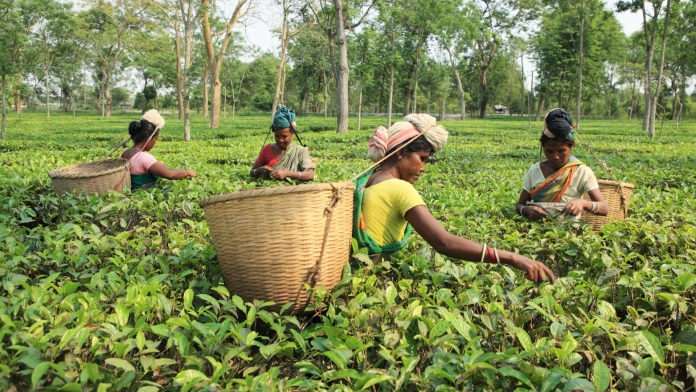
Indian tea exporters in 2023 are seeking government assistance to bolster their exports amidst challenging circumstances. The ongoing conflict between Russia and Ukraine, coupled with declining demand from traditional markets such as Europe and the Gulf countries, has prompted exporters to anticipate a significant drop of 10 percent or more in shipments for the current fiscal year. This projection follows a remarkable 18 percent growth in 2022.
The tea industry is also concerned about its production capacity in the current fiscal year due to unfavorable weather conditions.
During the period of January-March 2023, total exports of tea witnessed a decline of six percent, reaching a figure of 48.11 million kg.
“The outlook for 2023 is not very optimistic. 2022 showed good growth largely due to the problems in Sri Lanka due to lower crop there. The Sri Lanka tea export has now recovered a little and other headwinds are hitting the volume and value of Indian tea exports.
“With respect to the traditional markets, we continue to face some problems in Iran in terms of the registration of new contracts, which have been dragging on for more than six months,” said Indian Tea Exporters Association Chairman Anshuman Kanoria.
According to industry experts, the tea exporters are expected to face a potential 10 percent decline in tea exports. Furthermore, surpassing the 200 million kilogram mark in exports will be a challenging task for them.
Additionally, considering the presence of inexpensive imports from Nepal, the actual decline in Indian tea exports is expected to be even greater, as expressed by Kanoria.
Based on data from the Tea Board, the total export volume of the beverage in the fiscal year 2022-23 amounted to 228 million kg.
Chairman S.S. Bagaria of the Bagaria Group expressed that tea exporters are cautiously awaiting the outcome of unfolding geopolitical developments, keeping their fingers crossed for favorable outcomes.
“While we may not be able to achieve the same level of growth as we did in 2022, maintaining the same figure would still be satisfactory for us. The crop is 20 per cent less this year in June and El Nino may make it worse,” he said.
According to Bagaria, traditional markets such as Russia, Iran, and the US experienced significant growth in the previous year. However, the ongoing conflict between Russia and Ukraine has negatively impacted demand in these markets. As a result, the exporters emphasized the need for support from the commerce ministry to enhance their export prospects.
Kanoria said, “We sent representations to the commerce ministry for promotional and infrastructure quality upgradation schemes. We interacted with the Tea Board and gave our suggestions as to what can be done to boost exports. Because the key objective is to boost demand, we need to focus on our promotional efforts in one or two key markets.
He said that there is good potential for market growth in China now.
“However, there is hardly any funding available with the the Tea Board for promotional activity.
“We are looking for promotional support from the Government of India and also some kind of handholding to develop packing infrastructure so that Indian tea can move from being mainly a bulk exporter to packed and made in India tea exports,” Kanoria said.
In order to boost tea exports, the government has announced an increase in the export benefit scheme (RoTDEP) rate. Based on the recommendations of the Tea Board, the RoTDEP rate for tea exports has been raised from INR 3.60 per kg to INR 6.70 per kg. This move aims to provide additional support to the tea industry and encourage higher export volumes.
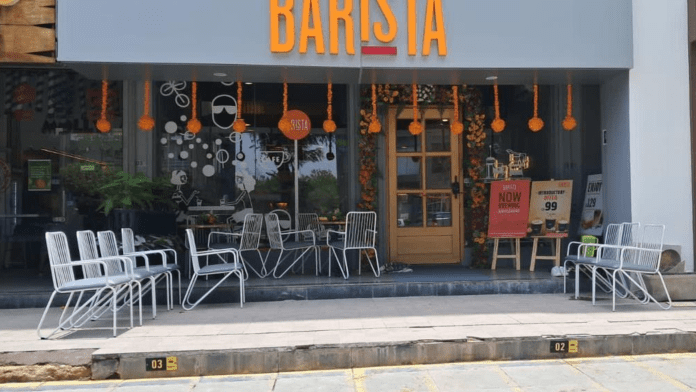
Located in the heart of Ahmedabad, the recently opened Barista café offers a distinct experience to coffee aficionados.
Barista Coffee Company, a highly esteemed brand in the café industry of India, is thrilled to declare the inauguration of its inaugural café in Ahmedabad. This significant achievement signifies the establishment of Barista’s 365th store, solidifying its prominent standing as a key participant in the thriving coffee culture of the nation.
Located in the heart of Ahmedabad, the recently opened Barista café offers a distinct experience to coffee aficionados. It brings together a vibrant ambiance, an extensive range of coffee and smoothie beverages, and delectable food choices. With its tasteful decor and comfortable seating arrangements, the café aspires to become a favored destination for local residents, fostering a sense of community and providing a space for leisurely moments.
Rajat Agrawal, CEO of Barista Coffee, said, “Barista Café at Bodakdev, Ahmedabad marks our presence in the city and this is our 3rd café in the state of Gujarat. Ahmedabad has always been a strategic market for us and we are sure to make an impact with our offerings which are suited to the palate type. We are aiming to build the network further in the state of Gujarat and our first store at Ahmedabad would help to push this agenda further.”
The diverse menu at Barista offers a wide selection of coffees made from 100% Arabica beans brewed to perfection by our Baristas. Food menu is well spread to cater to all day parts with large varieties of Sandwiches, Wraps and Desserts.
The opening of the Ahmedabad café signifies Barista Coffee Company’s unwavering dedication to expanding its presence across India and introducing its distinctive products to coffee enthusiasts in exciting and novel locations. With a strong commitment to quality, innovation, and customer satisfaction, Barista Coffee Company continually pushes the boundaries of what it means to visit a café in India, providing a remarkable and unforgettable experience for its patrons.
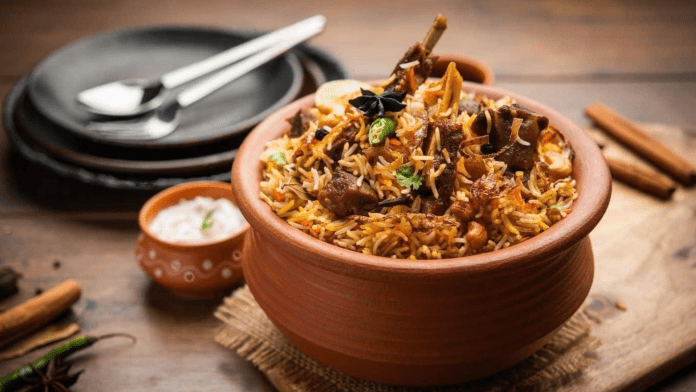
Eid is a time of celebration and feasting, and no Eid feast is complete without the aromatic and flavorful Mutton Biryani.
Biryani holds a special place in Delhi’s culinary landscape. With its roots tracing back to the Mughal era, the city has embraced this regal dish and infused it with its own flavors and techniques. Delhi’s biryanis are known for their fragrant basmati rice, tender meat, and a harmonious blend of spices that create a symphony of flavors. From the royal kitchens of Awadh to the bustling streets of Old Delhi, the tradition of biryani has thrived, making it an integral part of the city’s gastronomic culture.
In Delhi, a city renowned for its rich culinary heritage, finding the perfect place to indulge in this heavenly dish can be a daunting task. To help you navigate through the myriad of options, we have curated a list of Delhi’s top 10 places for Mutton Biryani on Eid. From traditional flavors to unique twists, these restaurants are guaranteed to satisfy your biryani cravings and make your Eid celebrations truly memorable.
Unveiling Delhi’s Top 10 Places for Mutton Biryani on Eid
Dum Pukht – Fine Dining Awadhi Delights
Indulge in the rich flavors of Awadhi cuisine at Dum Pukht. This renowned restaurant in Delhi is a must-visit for food enthusiasts. Prepare your taste buds for a delightful experience with their signature dishes such as Kakori Seekh Kebab, Sole Fish Tikka, and Mutton Nihari. Dum Pukht is also revered as one of the top biryani destinations in the city. As ardent biryani lovers, we couldn’t resist trying their Mutton Biryani, which we devoured within minutes. The tender, succulent mutton pieces combined with perfectly cooked basmati rice left us in awe. We highly recommend this place, although it comes with a higher price tag, so frequent visits may lighten your wallet significantly.
Cuisine: North Indian, Mughlai
Specialties: Tomato Ka Shorba, Mutton Chops, Korma, Mutton Biryani
Timings: 12:30 P.M. to 2:45 P.M. and 7:00 P.M. to 11:45 P.M., Monday to Sunday
Average Cost for Two: INR 8000
Kolkata Biryani House – Spicy Biryani Delights
If you crave spicy biryanis, Kolkata Biryani House is the place to be. Known for serving some of the spiciest biryanis in town, this restaurant offers both chicken and mutton variants. Alongside their famous biryanis, they also serve delicious appetizers like Kakori Seekh Kebab, Sole Fish Tikka, and Mutton Nihari. Portion sizes here are generous, reflecting Bengal’s love for rice. We started with the flavorful Chicken Kali Mirch Tikka and Paneer Tikka before savoring their Chicken Biryani and Mutton Biryani. The biryanis were perfectly cooked, with tender chicken and mutton pieces. The portions were satisfying, leaving us fully content.
Location: Shop No. 49, Market No. 1, Block C, Chittaranjan Park, New Delhi 110019
Timings: 11:00 A.M. to 11:00 P.M., Monday to Sunday
Average Cost for Two: INR 400
Dil Pasand Biryani Point – Affordable Biryani Haven
For affordable and delicious biryanis, head to Dil Pasand Biryani Point in Jama Masjid, New Delhi. This popular biryani joint has been delighting customers since 1998 with their flavorful offerings at reasonable prices. The menu boasts a variety of biryanis that have received high praise for their taste, quantity, and quality. We couldn’t resist trying their Mutton Biryani paired with Chicken Nihari, and we were pleasantly surprised by the affordable price and generous portions. To end our meal on a sweet note, we relished the Shahi Tukda, which didn’t disappoint. Overall, we were impressed by the offerings at Dil Pasand Biryani Point and strongly recommend giving it a try.
Cuisine: North Indian, Mughlai
Specialties: Chicken and Mutton Biryanis, Egg Biryani, Chicken and Mutton Niharis, Tikkas, Kebabs, Kormas
Location: 735, Gali Haveli Azam Khan, Bazar Chitli Qabar, Jama Masjid, Chandni Chowk 110006
Timings: 11:30 A.M. to 11:30 P.M., Monday to Sunday
Average Cost for Two: INR 300
Matkapeer Mughlai Foods
Experience the exquisite flavors of Mughlai cuisine at Matkapeer Mughlai Foods, a highly recommended restaurant in Delhi. Situated in the Pragati Maidan area, this establishment offers an array of delectable biryanis, kebabs, and curries at affordable prices. Intrigued by the praise from friends and locals, we decided to visit and indulge in their culinary delights. The restaurant provides a cozy and warm atmosphere, perfect for enjoying a casual dining experience with loved ones. The decor is elegant in its simplicity, featuring comfortable seating and ambient lighting that creates a relaxed and inviting environment. We commenced our feast with a delectable Chicken Tikka and proceeded to savor the Mutton Biryani accompanied by Paneer Korma. The food impressed us, and we wholeheartedly recommend this restaurant for its incredible biryanis and flavorful accompaniments, all available at affordable prices.
Operating Hours: 10:30 A.M. to 9:30 P.M., Monday to Sunday
Average Cost for Two: INR 400
Beeryani
Beeryani, located in Hauz Khas, Delhi, is renowned for its North Indian and Mughlai cuisine, as well as its selection of fine beers. This microbrewery offers live music, captivating decor, and excellent service. Patrons highly recommend Beeryani for its delectable vegetarian and non-vegetarian fare, including delightful snacks and biryanis. The cozy ambiance sets the perfect mood for a New Year’s party or a post-work gathering. To start our dinner, we savored the Tawa Murgh Tikka, followed by the sumptuous Dum Gosht Biryani with Tadka Dal. The chicken and mutton were exceptionally tender, melting in our mouths, while the perfectly seasoned and tempered dal complemented the biryani superbly.
Location: C-16, SDA Market, opposite IIT Main Gate, Hauz Khas, New Delhi 110016
Operating Hours: 12:00 P.M. to 12:00 A.M., Monday to Sunday
Average Cost for Two: INR 1100
Aminia
Aminia Chittaranjan Park is a renowned Delhi restaurant that specializes in serving delicious biryani. Known for its delectable biryanis and Mughlai delicacies, such as Pasanda Kebabs, Chicken Chaap, and Laccha Parathas, Aminia offers a signature biryani that is both light and fragrant, ensuring a satisfying meal without feeling overly stuffed. With ravenous appetites, we decided to forgo the starters and indulged in the Mutton Biryani alongside a Chicken Tikka Butter Masala. The combination delighted our taste buds, leaving us eager to return and explore the other tempting items on the menu.
Location: K1/52, CR Park Main Road, near Singh Sabha Gurudwara, Block K 1, Chittaranjan Park, New Delhi 110019
Operating Hours: 12:00 P.M. to 11:00 P.M. from Monday to Thursday, and 10:00 A.M. to 11:30 P.M. on Fridays, Saturdays, and Sundays.
Average Cost for Two: INR 950
Sassy Begum – Biryani, Kebabs & Curries
Sassy Begum is a casual dining restaurant with multiple locations in New Delhi, including Greater Kailash 1 and Zamrudpur. It specializes in North Indian, Mughlai, and Chinese cuisines, offering a variety of biryanis, kebabs, and curries. The restaurant provides takeaway services and delivers food throughout Delhi and NCR from 11:30 am until midnight. As we could only avail the takeaway option, we followed a friend’s recommendation and ordered the Andhra Mutton Biryani with Kadai Chicken. The mutton was perfectly cooked, and the rice had just the right seasoning and amount of oil/ghee. We thoroughly enjoyed our meal and would definitely order from them again.
Cuisine: North Indian, Mughlai, Hyderabadi
Offerings: Mutton Handi Biryani, Dum Ka Chicken, Chicken Haleem, Mirch Ka Saalan, Authentic Hyderabadi Food, Mutton Haleem
Location: Zamrudpur Commercial Complex, B 95, Greater Kailash I, New Delhi 110048
Timings: 11:00 A.M. to 11:00 P.M., Monday to Sunday
Average cost for two: INR 800
Al Jawahar
Al Jawahar is a popular eatery situated in Ansari Nagar, known for its delicious North Indian and Mughlai cuisine. The restaurant is particularly famous for its mouth-watering kebabs, biryanis, and curries. Located in the bustling ‘food street’ of Jama Masjid, it can get quite crowded. The food at Al Jawahar comes highly recommended for its authentic taste and affordable prices. We started with Shami Kebab and Paneer Tikka as appetizers, followed by Mutton Achar Biryani with Chicken Changezi. The food was truly lip-smacking. The simple interiors and straightforward seating may not be noteworthy, but the taste and aroma of the food are what makes this place stand out.
Timings: 8:00 A.M. to 12:00 A.M., Monday to Sunday
Average cost for two: INR 1100
Khan Chacha
Khan Chacha is a popular restaurant located in Connaught Place that serves delicious North Indian cuisine. Established in 2012, it is a prominent player in the fast food category in Delhi. The restaurant is renowned for its perfectly made kebabs, including the Kakori Kebab, Chicken Tikka, and Chicken Malai Tikka Roll. Offering both vegetarian and non-vegetarian variants of their rolls, Khan Chacha is known for its North Indian cuisine and famous kebabs, with the paneer tikka being a popular choice among vegetarians. We started with Aloo Tikka and then tried one of their Mughlai combinations, which included Mutton Biryani, Chicken Tikka Roll, and a Peach Iced Tea. We thoroughly enjoyed our meal and plan to return. Will you join us?
Location: D-3, Radial Road 5, D Block, Connaught Place, New Delhi 110001
Timings: 12:00 P.M. to 11:00 P.M., Monday to Sunday
Average cost for two: INR 500
Bikkgane Biryani
Bikkgane Biryani is a popular restaurant located in Connaught Place, New Delhi, specializing in authentic Andhra cuisine, particularly Hyderabadi Biryani. It has gained acclaim for its delicious biryanis and reasonable prices. The restaurant offers both dine-in and takeaway options and has multiple branches. We tried their Chicken 65 and Mutton Hyderabadi Boneless Biryani, concluding with the dessert Double Ka Meetha. The food was excellent, and the well-lit, cozy interiors added to the amazing experience. We highly recommend you visit and savor their offerings.
Location: 2/90 Ground Floor, P, 90, Baba Kharak Singh Road, opposite PVR Rivoli, Block P, Connaught Place, New Delhi 110001
Timings: 12:00 P.M. to 11:00 P.M., Monday to Sunday
Average cost for two: INR 600
Final Thoughts:
Eid is a time to indulge in the pleasures of good food and celebrate with loved ones. Delhi’s top 10 places for Mutton Biryani on Eid offer an incredible culinary journey, allowing you to experience the rich flavors and traditions of the city. Whether you choose to visit the iconic Karim’s in Old Delhi or explore the modern fusion biryanis at The Biryani Project, the heavenly Mutton Biryani will surely spice up your Eid celebrations. So, gather your loved ones, embark on a culinary adventure, and relish the flavors of this exquisite dish during Eid in Delhi.
Eid is a joyous and festive occasion celebrated by Muslims around the world. During Eid, families and friends come together to celebrate and indulge in delicious food and beverages. While food takes center stage during the festivities, beverages play a crucial role in enhancing the overall dining experience. From traditional drinks passed down through generations to contemporary twists on classic recipes, these beverages offer a refreshing respite, especially during hot summer months, and act as a catalyst for conversation and connection among guests. Furthermore, beverages can showcase the cultural heritage of a community and create a sense of nostalgia and familiarity.
10 Must-Try Beverages for Eid 2023
Cardamom Tea
Cardamom tea is a warm and comforting beverage that is popular in many countries, including India, Pakistan, and Sri Lanka. It is made by steeping cardamom pods in hot water or milk, along with tea leaves and sugar, to create a fragrant and flavorful drink.
Cardamom tea is a healthy and delicious drink that is rich in antioxidants and has anti-inflammatory properties. It is also known to aid in digestion and is a popular drink after meals. Cardamom tea is a popular drink in many countries and is often served as a part of a traditional breakfast or as a welcoming gesture to guests. It is also a popular drink to enjoy during the winter months when it’s cold outside, as it has a warming effect on the body.
Mohabbat Ka Sharbat
Mohabbat ka sharbat is a popular beverage in India, especially in the northern region. It is a sweet and refreshing drink made with a combination of milk, rose syrup, and various spices. The word “Mohabbat” means love or affection, and the name of the drink is derived from this. It is believed that the drink was first created by a street vendor in Old Delhi, who was looking for a way to attract customers to his stall. He came up with the idea of mixing milk, rose syrup, and some spices, and the resulting drink became an instant hit.
Mohabbat ka sharbat is often garnished with rose petals and served chilled. Its delicate floral notes and creamy texture make it a delightful beverage to enjoy during Eid celebrations.
Mango Lassi
Mango lassi is a popular drink in India and other South Asian countries, especially during the summer months when mangoes are in season. It is a sweet and refreshing drink that is made by blending ripe mangoes with yogurt, milk, and sugar.
Mango lassi is a healthy drink as it is packed with nutrients such as vitamins, minerals, and probiotics. It is also a good source of protein and calcium, making it a great drink for vegetarians and those who are lactose intolerant. Mango lassi is a perfect drink to beat the summer heat and is loved by people of all ages. Its creamy texture and sweet mango flavor make it a popular choice for breakfast, as a mid-day snack, or as a dessert after a meal.
Dates Milkshake
A date milkshake is a sweet and nutritious drink made by blending dates with milk and ice cream. It is a popular beverage in Middle Eastern countries, especially during the month of Ramadan when dates are traditionally eaten to break the fast. A date milkshake is a great source of energy as it is high in fiber, potassium, and antioxidants. It is also a good source of protein, making it a great drink for vegetarians and those who are lactose intolerant. The natural sweetness of dates gives the milkshake a rich and caramel-like flavor, making it a delightful treat for Eid celebrations.
Falooda
Falooda is a sweet and refreshing drink that is popular in India and other South Asian countries. It is a layered drink that consists of various ingredients such as vermicelli, rose syrup, milk, ice cream, and basil seeds.
Falooda is a great drink to have during the hot summer months, and its unique blend of flavors and textures makes it a popular choice among people of all ages. It is a perfect dessert or a refreshing drink to enjoy after a meal. The addition of rose syrup and basil seeds adds a floral and aromatic touch to the drink, while the vermicelli and ice cream provide a delightful contrast in texture.
Kesar Milk
Kesar milk, also known as saffron milk, is a sweet and flavorful milk-based beverage that is popular in India and other South Asian countries. It is made by adding saffron strands, which are the stigmas of the crocus flower, to warm milk along with sugar and other spices. Kesar milk is a healthy and delicious beverage that is rich in nutrients such as protein, calcium, and antioxidants. Saffron, which is one of the main ingredients in kesar milk, is known for its medicinal properties and is believed to have a calming effect on the mind and body. The vibrant golden color and aromatic flavor of kesar milk make it a luxurious and indulgent drink for Eid celebrations.
Thandai
Thandai is a refreshing and traditional Indian drink that is commonly associated with festivals and special occasions, including Eid. It is made by blending a mixture of almonds, melon seeds, poppy seeds, fennel seeds, rose petals, and various spices with milk and sugar.
Thandai is a healthy and delicious drink that is rich in nutrients such as protein, fiber, and antioxidants. It is also a great way to cool down during the hot summer months and is often served as a dessert or a refreshing beverage after a meal. Thandai is a popular drink in India, and it is often made at home during festivals and special occasions. It is also readily available in many shops and restaurants that specialize in traditional Indian cuisine.
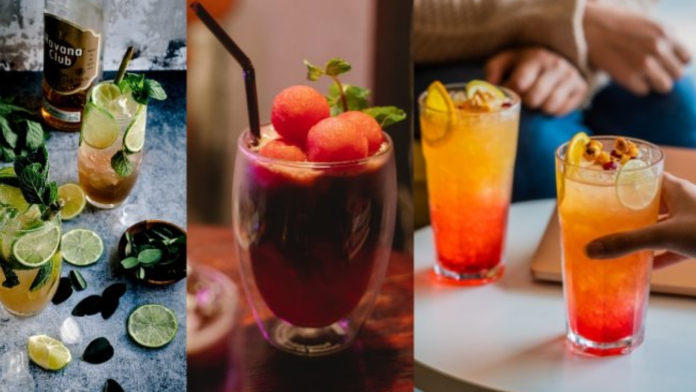
Mint Lemonade
Mint lemonade is a refreshing and flavorful drink that is perfect for hot summer days. It is made by blending fresh mint leaves, lemon juice, and sugar with water to create a sweet and tangy beverage with a hint of minty freshness. Mint lemonade is a healthy and delicious drink that is rich in vitamins and antioxidants. It is also low in calories and sugar compared to other sugary drinks, making it a great alternative for people who want to enjoy a sweet drink without consuming too much sugar.
Mint lemonade is a popular drink in many countries, including the Middle East, where it is commonly served with meals or as a refreshing drink during the hot summer months. It is also a great drink to serve at parties and gatherings, as it is easy to make and is loved by people of all ages.
Laban Ayran
Laban Ayran, also known as Ayran, is a popular yogurt-based drink that is commonly consumed in many Middle Eastern and Mediterranean countries. It is made by blending yogurt with water and salt to create a refreshing and tangy drink with a slightly salty taste.
The taste of Laban Ayran is often described as tangy and slightly sour, with a creamy texture and a subtle salty finish. The yogurt used in the drink gives it a creamy consistency, while the addition of water makes it thinner and easier to drink. Some variations of Laban Ayran may include additional ingredients such as mint, cucumber, or garlic, which can add extra flavor and aroma to the drink. It is also common to serve Laban Ayran chilled or over ice, which can enhance its refreshing qualities.
Sweet Lassi
Sweet lassi is a popular yogurt-based drink that is widely consumed in India and other parts of South Asia. It is made by blending yogurt with water and sugar to create a smooth and creamy drink with a sweet and refreshing taste. The taste of sweet lassi is often described as sweet, tangy, and slightly sour, with a creamy and smooth texture. The addition of sugar helps to balance the tanginess of the yogurt, creating a drink that is both sweet and refreshing. Sweet lassi is commonly enjoyed during hot summer days as it helps to cool down the body and provides a refreshing respite.
Tips for Serving and Presentation
Use attractive glassware: Serve the beverages in elegant and festive glassware to enhance the visual appeal of the drinks. Opt for glasses with intricate designs or traditional motifs to add a touch of elegance to the presentation.
Garnish with fresh ingredients: Add a finishing touch to the beverages by garnishing them with fresh ingredients. Sprinkle some saffron strands, rose petals, or chopped pistachios on top to add visual appeal and hint at the flavors within.
Serve chilled: Many Eid beverages are best enjoyed when served chilled. Ensure that the drinks are properly chilled before serving by refrigerating them for a sufficient amount of time.
Offer variety: Prepare a selection of different beverages to cater to the diverse tastes of your guests. Consider offering both dairy-based and non-dairy options to accommodate various dietary preferences.
Provide DIY stations: Create DIY stations where guests can customize their beverages by adding their preferred ingredients or toppings. Offer a variety of syrups, spices, and garnishes to allow guests to create their own unique combinations.
Final Thoughts:
Beverages play a significant role in elevating the Eid dining experience. From traditional favorites to contemporary twists, the diverse range of beverages available for Eid celebrations offers something for everyone. By incorporating these 10 must-try beverages into your Eid spread, you can impress your guests and create an unforgettable celebration filled with joy, love, and delicious flavors. Cheers to a wonderful Eid filled with blessings and delightful drinks!
The ketogenic diet has gained popularity in recent years due to its potential for weight loss and improved metabolic health. By significantly reducing carbohydrate intake and increasing fat consumption, the body enters a state of ketosis, where it burns fat for fuel instead of carbohydrates. While the keto diet offers numerous benefits, one common challenge for many individuals is dealing with sugar cravings.
Therefore, finding healthy alternatives to satisfy sugar cravings is crucial for long-term success on the keto diet.
The Ultimate Keto Hack: 9 Irresistibly Healthy Snacks to Crush Sugar Cravings
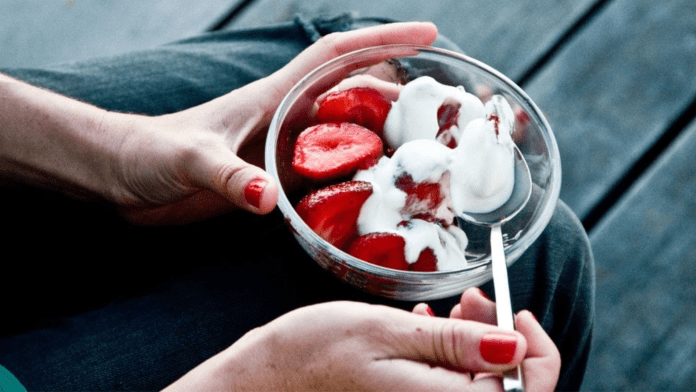
Fresh Fruits: While fruits are generally limited on the keto diet due to their natural sugar content, certain low-carb fruits can be enjoyed in moderation. Berries such as strawberries, raspberries, and blackberries are excellent choices as they are relatively low in carbs and high in fiber and antioxidants.
Zucchini Chips: Replace traditional potato chips with zucchini chips for a crunchy and satisfying snack. Thinly slice zucchini, toss it with olive oil, salt, and your favorite seasonings, then bake until crispy. Zucchini chips are low in carbs and packed with nutrients.
Greek Yogurt: Opt for full-fat Greek yogurt, which is low in carbohydrates and high in protein. Mix in a small amount of keto-friendly sweetener or top it with a handful of berries for a satisfying and creamy snack.
Rice Cakes: Choose rice cakes made from cauliflower or other low-carb alternatives. These crispy snacks can be topped with avocado, cream cheese, or smoked salmon for added flavor and healthy fats.
Dark Chocolate: Indulge in a square of high-quality dark chocolate with at least 70% cocoa content. Dark chocolate is rich in antioxidants and contains less sugar than milk chocolate. Enjoy it in moderation to satisfy your sweet tooth without derailing ketosis.
Veggies with Hummus: Enjoy a variety of raw vegetables such as carrots, cucumbers, and bell peppers with a side of keto-friendly hummus. Hummus made from ingredients like chickpeas, tahini, olive oil, and garlic can provide a satisfying and nutritious snack option.
Chia Seed Pudding: Prepare a delicious and filling chia seed pudding by mixing chia seeds with unsweetened almond milk, vanilla extract, and a keto-friendly sweetener. Allow the mixture to thicken in the refrigerator overnight, and enjoy it as a dessert or snack the next day.
Nuts and Seeds: Nuts and seeds are excellent sources of healthy fats and provide a satisfying crunch. Almonds, walnuts, and sunflower seeds are popular choices for keto snacks. However, be mindful of portion sizes as they are calorie-dense.
Peanut Butter Fat Bombs: Fat bombs are high-fat, low-carb treats that can help curb sugar cravings. Combine natural peanut butter, coconut oil, a keto-friendly sweetener, and a pinch of salt. Form the mixture into small balls and refrigerate until firm.
Final Thoughts:
Overcoming sugar cravings while staying in ketosis can be challenging, but with the right strategies, it is possible to crush those cravings and maintain a successful keto lifestyle. By incorporating these 9 irresistibly healthy snacks into your diet, you can satisfy your sweet tooth, support your nutritional needs, and stay on track with your keto goals. Remember, it’s not about completely eliminating cravings but finding healthier alternatives that align with your dietary choices. With a little planning and creativity, you can conquer sugar cravings and continue to reap the benefits of the ketogenic diet.
Many of us aspire to have the radiant looks and boundless energy of our favorite celebrities. While genetics and professional assistance play a part, a significant aspect of their lifestyles revolves around health and wellness practices, including the beverages they consume.
Celebrities are known for their radiant appearances and enviable lifestyles. While many factors contribute to their overall well-being, their morning routines and the beverages they choose to kickstart their day play a significant role. These celebrity-approved drinks are not only refreshing but also offer a range of health benefits that can transform your mornings and enhance your overall vitality. Today, we will explore the favorite morning drinks of beloved stars, unveiling the secrets behind their choices and providing insights into how you can incorporate these beverages into your daily routine.
Kareena Kapoor Khan: Lemon and Honey Water with Coconut Water and Basil Seeds
Kareena Kapoor Khan, known for her flawless beauty and fit physique, begins her mornings with a glass of lemon and honey water. This simple yet effective drink helps cleanse the system, aids digestion, and provides a boost of vitamin C.
Following her lemon water, Kareena enjoys a glass of coconut water infused with a pinch of basil seeds. Coconut water is naturally hydrating and packed with electrolytes, while basil seeds offer added fiber and a refreshing texture. By incorporating these drinks into your morning routine, you can kickstart your day with a burst of hydration and vital nutrients.
Deepika Padukone: Fresh Fruit Juice
Deepika Padukone, renowned for her glowing complexion, attributes her radiant looks to a glass of fresh fruit juice each morning. Freshly squeezed fruit juices are rich in vitamins, minerals, and antioxidants that nourish the skin from within. They provide a natural energy boost, aid in detoxification, and support overall well-being. Experiment with different fruit combinations such as orange and carrot, watermelon and mint, or pineapple and ginger to discover your favorite blend and enjoy the benefits of a celebrity-approved morning drink.
Anushka Sharma: Turmeric Latte, Lemon Water, and Alkaline Water
Anushka Sharma prioritizes her health and immune system by following a three-step morning routine. She begins with a comforting turmeric latte, known for its anti-inflammatory properties and ability to boost immunity. Turmeric latte, also known as golden milk, combines turmeric, warm milk (dairy or plant-based), and other spices for a soothing and nutritious drink.
Anushka then enjoys a glass of lemon water, which aids digestion and provides a dose of vitamin C. Finally, she incorporates alkaline water into her routine to help reduce acidity levels in the body. This holistic approach to morning beverages sets the tone for a healthy and balanced day ahead.
Alia Bhatt: Hot Water and Lemon
Alia Bhatt, known for her flawless skin, opts for a simple yet effective morning drink: a glass of hot water with lemon. This combination acts as a natural detoxifier, helps flush out toxins, aids digestion, and supports clear skin. The warmth of the water stimulates the digestive system, while the vitamin C from the lemon provides antioxidant benefits. By incorporating this cleansing drink into your morning routine, you can promote healthy digestion and prevent skin problems.
Shilpa Shetty Kundra: Noni Juice and Almond Milk Smoothie
Shilpa Shetty Kundra’s morning routine revolves around two key beverages. She starts her day with a glass of noni juice, derived from the fruit of the noni tree known for its potential health benefits. Noni juice is believed to boost immunity, support detoxification, and promote overall well-being.
Additionally, Shilpa incorporates an almond milk smoothie into her breakfast, blending it with bananas, raw oats, and honey. This nutritious smoothie provides a balanced combination of protein, healthy fats, and fiber to fuel her day. By incorporating noni juice and almond milk smoothies into your morning routine, you can infuse your body with essential nutrients and kickstart your metabolism.
Malaika Arora: Warm Lemon Water with Honey
Malaika Arora, known for her fitness and healthy lifestyle, begins her mornings with a glass of warm lemon water infused with honey. This refreshing and alkalizing drink aids digestion, detoxifies the body, and provides a boost of vitamin C. The combination of warm water, lemon, and honey helps cleanse the system and maintain a healthy pH balance. By adopting this celebrity-approved morning drink, you can enhance your overall well-being and start your day on a refreshing note.
Sara Ali Khan: Turmeric, Spinach, and Hot Water Concoction
Sara Ali Khan, known for her dedication to fitness and a balanced lifestyle, incorporates a unique morning drink into her routine. She prepares a concoction by mixing turmeric, spinach, and hot water. Turmeric, with its anti-inflammatory properties, supports a healthy immune system and provides various health benefits. Spinach, packed with vitamins and minerals, offers a nutritious addition to the drink. By infusing your mornings with this turmeric and spinach concoction, you can nourish your body with essential nutrients and promote overall well-being.
Taapsee Pannu: Green Tea and Cucumber-Celery Juice
Taapsee Pannu, an advocate for holistic health, starts her day with a cup of green tea, known for its antioxidant properties and potential metabolism-boosting effects. Green tea is rich in catechins, which contribute to its numerous health benefits.
Following her cup of green tea, Taapsee enjoys a glass of cucumber-celery juice. This detoxifying combination aids hydration, promotes healthy digestion, and supports detoxification processes in the body. By incorporating green tea and cucumber-celery juice into your morning routine, you can optimize your well-being and embrace a celebrity-inspired healthy lifestyle.
Bhumi Pednekar: Warm Water and Cucumber-Mint-Lemon Detox Drink
Bhumi Pednekar, known for her commitment to fitness and wellness, begins her day with a glass of warm water. This simple drink helps hydrate the body and kickstarts the metabolism.
Additionally, Bhumi prepares a detoxifying concoction by combining cucumber, mint leaves, and lemon. This refreshing drink aids in digestion, promotes detoxification and provides a burst of flavor. Cucumber is hydrating, mint leaves aid digestion, and lemon offers a dose of vitamin C. By adopting Bhumi’s morning routine, you can embrace a detoxifying start to your day and support overall well-being.
Kiara Advani: Warm Lemon Water
Kiara Advani, celebrated for her radiant skin, kickstarts her mornings with a cup of warm lemon water. This simple yet effective drink helps cleanse the system, aids digestion, and promotes hydration. The vitamin C in lemon acts as an antioxidant, supporting healthy skin and overall well-being. By incorporating warm lemon water into your morning routine, you can enjoy a refreshing and rejuvenating start to your day, just like Kiara.
Celebrity-approved drinks offer a glimpse into the health and wellness practices of some of the most admired individuals in the industry. These beverages not only provide a refreshing start to your mornings but also offer numerous health benefits. From boosting immunity and aiding digestion to promote hydration and enhancing skin health, these drinks can transform your mornings and set the stage for a healthy and vibrant day ahead. By incorporating these celebrity-inspired beverages into your daily routine, you can embark on a path to improved well-being and embrace a lifestyle that mirrors the health-conscious habits of your favorite stars.
Welcome to the ultimate showdown between morning detox drinks and those stubborn extra pounds! If you’ve ever dreamt of sipping a magical elixir that promises to melt away your weight while you sleep, you’re not alone. Morning detox drinks have taken the health and wellness world by storm, captivating the imaginations of fitness enthusiasts and weight loss seekers alike. But hold on to your mugs, because in this article, we’re going to uncover the truth behind these trendy beverages.
So, if you are on a quest for finding yet another ‘morning detox’ drink for you, just hold your horses, as we are about to unravel and bust the myths associated with detox water.
Understanding Detoxification:
Before discussing morning detox drinks, it is crucial to understand what detoxification entails. Detoxification is the natural process by which our bodies eliminate toxins and waste products. The liver, kidneys, lungs, and skin are the primary organs responsible for detoxifying the body. They work together to remove harmful substances and maintain overall well-being.
What are Morning Detox Drinks?
Morning detox drinks are typically concoctions made from a combination of ingredients such as lemon juice, apple cider vinegar, ginger, cucumber, and various herbs. These beverages are often promoted as a way to kickstart the body’s detoxification process and enhance weight loss.
Claims Associated with Morning Detox Drinks:
Proponents of morning detox drinks make several claims regarding their benefits for weight loss. Some of the common assertions include:
Boosting metabolism: It is often claimed that morning detox drinks can increase metabolism, leading to more efficient calorie burning throughout the day.
Suppressing appetite: Some proponents suggest that these drinks can help reduce hunger and cravings, aiding in portion control and calorie restriction.
Supporting liver function: Morning detox drinks are believed to support the liver’s detoxification capabilities, helping it eliminate toxins more effectively.
Promoting hydration: Many detox drinks contain water as a base, which can help improve overall hydration and support weight loss efforts.
Insights on Morning Detox Drinks:
Limited scientific evidence: While individual ingredients in morning detox drinks, such as lemon juice or ginger, may have potential health benefits, there is limited scientific evidence directly supporting the claims made about the overall efficacy of these beverages for weight loss.
Calorie reduction and hydration: One reason why some people may experience weight loss when incorporating morning detox drinks into their routine is that these beverages often replace high-calorie, sugary alternatives. Additionally, the increased water intake associated with detox drinks can contribute to a feeling of fullness, leading to reduced calorie consumption.
Sustainable habits matter: Experts emphasize that sustainable weight loss is achieved through a combination of healthy eating, regular physical activity, and long-term lifestyle changes. Relying solely on morning detox drinks without addressing these fundamental aspects is unlikely to lead to significant or sustainable weight loss
Individual variability: It’s important to recognize that individuals may respond differently to morning detox drinks due to variations in metabolism, genetic fact
While morning detox drinks may offer some benefits such as increased hydration and reduced calorie intake, they are not a magical solution for weight loss. Experts emphasize the importance of adopting a holistic approach to healthy weight management, which includes a balanced diet, regular exercise, and sustainable lifestyle habits. Incorporating morning detox drinks into a well-rounded routine may provide a small boost, but they are not the ultimate weight loss solution. It is always advisable to consult a healthcare professional or registered dietitian before making any significant changes to your diet or weight loss strategy.
We use cookies to ensure that we give you the best experience on our website. If you continue to use this site we will assume that you are happy with it.