Friday, December 19, 2025
Home Blog Page 1105

Unveiling the hidden dangers: How food additives are secretly damaging your health!

0
food additives

Nutrients are undoubtedly essential for our bodies, but at what cost are we obtaining them? Many of us have heard of preservatives and additives that are added to our food to enhance its flavor and texture. 

Food additives are substances added to food to enhance its freshness and longevity. They serve various purposes, such as improving texture, taste, appearance, and flavor. 

However, these chemical compounds or hormones not only alter the taste of our food but also introduce harmful ingredients that can have long-term effects on our health. These effects range from diseases like cancer, heart rhythm disorders, obesity, and osteoporosis. 

Manufacturers should use food additives in limited quantities to ensure they do not harm human health. Unfortunately, many food organizations and production houses exceed the authorized amounts of additives to maximize profits and extend product shelf life. These synthetic chemicals pose health risks if not consumed with caution.

Let’s examine some common food additives and their effects on health:

  • Monosodium Glutamate (MSG) 

Monosodium glutamate is a popular food additive used to enhance the flavor of dishes, particularly savory ones. It can be found in a variety of foods, including salty snacks, canned juices, soups, and frequently in restaurants and fast-food joints. While consuming MSG in moderate quantities is generally safe, excessive consumption has been linked to harmful impacts on neurological functioning and growth and development. However, usual quantities found in foods are unlikely to have a significant effect on the brain, as MSG is unable to cross the blood-brain barrier. To mitigate potential risks, it is advisable to limit the consumption of items containing MSG, especially frozen products.

  • Artificial Food Colors 

Artificial food colors play a significant role in how we perceive food. They enhance the visual appeal and attractiveness of various food items. However, these colors also come with certain health risks. Some food dyes, such as Blue 1, Red 40, Yellow 5, and Yellow 6, have been associated with allergic reactions in some individuals. Studies have even suggested that artificial food colors could promote hyperactivity in children and potentially have carcinogenic effects in certain foods. Additionally, they may increase the risk of thyroid tumors. It is important to be aware of these risks and consider alternative, naturally derived food colorings.

  • Sodium Nitrite 

Sodium nitrite is commonly found in processed meats and acts as a preservative to prevent bacterial growth. It gives processed meats their characteristic reddish-pink color and adds a salty flavor. However, when exposed to high heat or temperature, sodium nitrite can produce nitrosamines, which have negative effects on health. Consumption of sodium nitrite in lean meats has been associated with an increased risk of stomach cancer. To minimize these risks, it is advisable to moderate the consumption of processed meats and opt for fresher, unprocessed alternatives.

  • Artificial Sweeteners 

Artificial sweeteners, such as sucralose, saccharin, and acesulfame potassium, are commonly used in dietary foods and beverages as calorie-free sugar substitutes. They help in weight reduction and can assist in managing blood sugar levels. While these products may result in less body fat gain compared to regular sugar consumption, they can also trigger headaches and other side effects. It is important to consume artificial sweeteners in moderation and be mindful of their potential impact on individual health.

  • Guar Gum 

Guar gum is a food additive derived from long-chain carbohydrates. It is used as a thickening and binding agent in various food products, including ice cream and sauces. Guar gum has high fiber content, which offers several health benefits. It can help reduce symptoms of irritable bowel syndrome, alleviate bloating and constipation, and improve overall digestive health. However, excessive intake of guar gum can have adverse effects. As with any food additive, moderation is key.

  • High-Fructose Corn Syrup 

High-fructose corn syrup (HFCS) is a sweetener derived from corn and is commonly used in sodas, juices, breakfast cereals, and other processed foods. HFCS contains fructose, a simple sugar that can have detrimental effects on health when consumed in excessive amounts. High intake of HFCS has been linked to an increased risk of weight gain and diabetes. To minimize these risks, it is advisable to reduce the consumption of high-fructose corn syrup by opting for fresh juices, minimizing soda intake, and reducing regular snack consumption.

Understanding the potential dangers of food additives empowers us to make informed choices about what we consume. By prioritizing natural ingredients, demanding clear labeling, and advocating for increased accountability from food manufacturers, we can actively work towards a safer and healthier food market. Let’s unveil the truth about food additives and strive for a future where our meals are both delicious and safe. Remember, your health is in your hands, so choose wisely and savor the benefits of a natural, additive-free lifestyle.

Advertisement

Are you sabotaging your diet? Unlock the secrets to ideal portion sizes for a healthier, happier you!

0
ideal portion sizes

Maintaining a healthy diet is a crucial aspect of our overall well-being. While we often focus on the quality of the food we eat, we often overlook an equally important factor: portion control. It’s not just about what we eat but also how much we eat. Understanding and implementing ideal portion sizes can make a significant difference in our health, weight management, and overall happiness. In this article, we will delve into the secrets of portion control, exploring the importance of portion sizes, the impact of portion distortion, and the tools and strategies for achieving ideal portion sizes.

The Importance of Portion Control in a Healthy Diet

Portion control plays a vital role in maintaining a healthy diet. When we consume more calories than our bodies need, we gain weight. On the other hand, if we consistently consume fewer calories than required, we may experience weight loss. By understanding and practicing portion control, we can strike the right balance and achieve our desired health goals.

In addition to weight management, portion control helps in preventing overeating and reducing the risk of chronic diseases such as heart disease, diabetes, and certain types of cancer. By consuming appropriate portion sizes, we provide our bodies with the necessary nutrients while avoiding excessive calorie intake.

Understanding Portion Distortion: How Serving Sizes Have Changed

One of the challenges we face in modern society is portion distortion. Over the years, serving sizes in restaurants, packaged foods, and even at home have significantly increased. This distortion has led to a distorted perception of what constitutes an appropriate portion. For example, a bagel that used to be 3 inches in diameter and 140 calories a few decades ago has now grown to 6 inches and 350 calories or more.

The Perfect Plate: Your Guide to Ideal Portion Sizes

To achieve ideal portion sizes, it is essential to understand the recommended guidelines for different food groups. Let’s explore the ideal portion sizes for various types of food:

  • Protein

Protein is an essential macronutrient that plays a crucial role in building and repairing tissues. Ideal portion sizes for protein-rich foods such as meat, poultry, fish, and beans vary depending on factors such as age, sex, and activity level. Generally, a palm-sized portion of lean protein is a good starting point for most individuals.

  • Carbohydrates

Carbohydrates are a significant source of energy for our bodies. However, it is important to choose complex carbohydrates over refined ones and consume them in appropriate portion sizes. Whole grains, such as brown rice or quinoa, should ideally be limited to about half a cup per serving, while starchy vegetables like potatoes or corn should be limited to around one cup.

  • Fruits and Vegetables

Fruits and vegetables are packed with essential vitamins, minerals, and fiber. To ensure a balanced diet, aim to fill half of your plate with non-starchy vegetables such as broccoli, spinach, or peppers. When it comes to fruits, a serving is typically equivalent to one medium-sized fruit or half a cup of chopped fruits.

  • Fats and Oils

While fats are an important part of a healthy diet, they are also high in calories. Portion control is crucial when it comes to fats and oils. A thumb-sized portion of healthy fats such as avocado, nuts, or olive oil is recommended.

  • Dairy

Dairy products provide essential nutrients like calcium and protein. When consuming dairy, it is important to opt for low-fat or fat-free options. One serving of dairy, such as a cup of milk or yogurt, is generally sufficient.

Tricks and Tools for Portion Control

Achieving ideal portion sizes can be made easier with the help of some simple tricks and tools. Here are a few methods to assist you in portion control:

  • Using Your Hand as a Portion Guide

Your hand can serve as a handy tool for estimating portion sizes. For example, a serving of protein should be roughly the size of your palm, while a cupped hand can help estimate the appropriate portion size for carbohydrates. Your thumb can be a guide for fats and oils, and your fist can help determine vegetable portions.

  • Measuring Cups and Food Scales

For more accurate portion control, using measuring cups and food scales can be helpful. Measuring cups can be used to portion out grains, cereals, or liquids, while food scales can provide precise measurements for meats, fruits, and other solid foods.

  • Dividing Your Plate

A practical approach to portion control is dividing your plate. By visually dividing your plate into sections, you can allocate appropriate portions to different food groups. For example, aim to fill half of your plate with vegetables, one-quarter with protein, and one-quarter with carbohydrates.

Mindful Eating: The Key to Sensible Portion Control

In addition to the tricks and tools mentioned above, practicing mindful eating can greatly contribute to sensible portion control. Mindful eating involves being fully present while eating, paying attention to hunger and fullness cues, and savoring each bite. By slowing down and being aware of our body’s signals, we can prevent overeating and achieve a healthier relationship with food.

Avoiding Common Pitfalls: Portion Distortion in Restaurants and Fast Food

Eating out at restaurants or grabbing fast food can be challenging when it comes to portion control. Many establishments serve oversized portions, making it easy to consume more calories than necessary. To navigate these situations, it is essential to be mindful of portion sizes, share meals, or choose smaller portion options when available. Taking home leftovers can also be a practical strategy to avoid overeating.

Portion Sizes and Weight Loss

For individuals looking to lose weight, portion control becomes even more critical. By consuming appropriate portion sizes and creating a calorie deficit, weight loss goals can be achieved. It is important to remember that weight loss should be approached in a healthy and sustainable manner, focusing on long-term habits rather than quick fixes.

Adjusting Portion Sizes for Specific Dietary Needs

Different dietary approaches may require adjustments in portion sizes to align with specific needs. Let’s explore how portion sizes can be adjusted for the following dietary preferences:

  • Vegetarian and Vegan Diets: Plant-based diets can still benefit from appropriate portion control. Protein sources like legumes, tofu, or tempeh can be portioned similarly to animal-based proteins, while carbohydrates, fruits, and vegetables remain consistent with general guidelines.
  • Low-Carb and Keto Diets: Low-carb and keto diets emphasize reducing carbohydrate intake while increasing healthy fats. In these diets, portion sizes for carbohydrates will be significantly smaller, while fats can be increased to meet energy needs.
  • Gluten-Free Diets: For individuals following a gluten-free diet, portion sizes can generally remain consistent with the guidelines mentioned earlier. However, it is important to choose gluten-free alternatives for grains and starches, such as quinoa or rice flour.

Portion Sizes for Children

When it comes to children, appropriate portion sizes are crucial for their growth and development. Children have different calorie needs compared to adults, and their portion sizes should reflect their age and activity level. It is important to provide a variety of nutritious foods in appropriate portion sizes to meet their nutritional requirements.

The Role of Portion Sizes in Overall Health and Well-being

Appropriate portion sizes go beyond just weight management. They play a significant role in overall health and well-being. By consuming balanced portions of various food groups, we ensure that our bodies receive the necessary nutrients to function optimally. Portion control can help prevent chronic diseases, improve digestion, enhance energy levels, and support mental well-being.

Achieving ideal portion sizes is a crucial aspect of maintaining a healthy diet. By understanding the importance of portion control, recognizing portion distortion, and utilizing tricks and tools for portion control, we can unlock the secrets to a healthier and happier lifestyle. Mindful eating, avoiding common pitfalls, and adjusting portion sizes for specific dietary needs are essential strategies to implement. Remember, it’s not just about what we eat but also how much we eat that determines our overall health and well-being. So, take control of your portions and unlock the path to a healthier you!

Advertisement

Get ready to take your fitness to the next level with these 7 incredible foods that maximize your exercise results!

0
best foods for exercise

When it comes to achieving your fitness goals, it’s not just about the effort you put into your workouts. The food you consume plays a significant role in boosting your performance and maximizing the benefits of exercise. Whether you’re looking to increase strength, improve endurance, or lose weight, incorporating the right foods into your diet can take your fitness journey to new heights. Here are seven incredible foods that can help you reach your exercise goals and make your workouts truly worthwhile:

  1. Easily Digestible Fruit: Fruit is nature’s answer to a healthy and natural energy boost. Fresh fruits like bananas and apples are loaded with essential nutrients such as Vitamin C, antioxidants, and fiber. They provide your body with carbohydrates to fuel your workouts and keep your energy levels up. However, it’s important to choose easily digestible fruits to avoid stomach cramps that could hinder your exercise. Opt for fruits that are gentle on the stomach, such as berries, which are packed with antioxidants and offer an additional nutritional boost.
  1. Greek Yogurt: Greek yogurt is an excellent pre-workout treat as it is rich in protein and contains good carbohydrates. Compared to regular yogurt, Greek yogurt provides twice the amount of protein, which is crucial for muscle growth and recovery. The combination of protein and carbohydrates in yogurt helps boost your energy levels during exercise. Enhance the nutritional value by adding your favorite berries to the yogurt for extra antioxidants and a natural energy boost.
  1. Bran Cereals: When it comes to improving physical performance, bran cereals are a winning choice. They are high in fiber and contain betaine, a chemical that enhances physical performance and boosts metabolic rate. Bran cereals also promote cell function and help prevent dehydration during exercise. Starting your day with a healthy breakfast of bran flakes topped with fruit not only provides a combination of fiber and nutrients but also delivers a significant portion of your recommended daily servings of fruit and whole grains.
  1. Chicken: After a workout, your body craves the nutrients it has lost, making it crucial to replenish and rebuild your muscles. Consuming protein-rich foods like chicken, eggs, or fish within an hour after exercise provides your muscles with essential amino acids, promoting their growth and recovery. Including protein in your post-workout meal or snack is essential for maximizing the effects of your workout and ensuring proper muscle repair.
  1. Liquid Meals: Liquid meals such as smoothies and nutrient-rich shakes offer a convenient way to replenish your body with essential post-exercise nutrients. These liquid options provide a quick and easy way to access muscle-repairing nutrients during the one-hour recovery period after exercise. Many people find the idea of consuming a heavy meal challenging after a workout, making liquid meals an ideal choice for effectively delivering vital nutrients to your body. The faster these nutrients enter your body, the more successful you’ll be in building muscle and recovering from your workout.
  1. Oatmeal: Oats are a fantastic choice for fueling your muscles before a workout. They provide a slow-release source of glucose, which serves as fuel for your muscles during exercise. Oatmeal is also beneficial for weight loss, as it encourages your body to burn fat more efficiently to fuel your muscles. Consider enjoying oatmeal pancakes around three hours before your workout for a delicious and nutritious treat that will keep your energy levels stable during your workout, maximizing its effects.
  1. Trail Mix: Trail mix, a combination of dried fruits and nuts originally developed as a hiking food, is an excellent choice for replenishing the minerals you lose during a workout. It provides a mix of essential nutrients and protein, which is crucial for building and repairing muscles. Trail mix is a perfect go-to snack before, during, and after your exercise sessions, ensuring you maintain optimum energy levels and support muscle development.

Incorporating these seven incredible foods into your diet can significantly enhance the effects of your exercise routine and help you achieve your fitness goals. Remember to maintain a well-balanced diet that includes a variety of nutrient-dense foods to optimize your workouts and fuel your body effectively. With these powerful foods on your plate, get ready to take your fitness to the next level and unlock your full exercise potential!

Advertisement

Unlock the ultimate food adventure: These Bangalore restaurants demand a spot in your dining rotation!

0
Bangalore restaurants

Bangalore, the culinary capital of India, is a melting pot of flavors and a food lover’s paradise. With its diverse range of dining options, the city offers an unparalleled culinary experience. Whether you’re a resident or a visitor, navigating through the myriad of restaurants can be overwhelming. To help you embark on the ultimate food adventure, we’ve curated a list of must-visit Bangalore restaurants that are sure to tantalize your taste buds. From authentic regional cuisines to global favorites, these establishments demand a spot in your dining rotation. So, prepare to indulge in a culinary journey like no other!

  1. Burma Burma: Located in the heart of Indiranagar, Burma Burma is a haven for authentic, plant-based Burmese cuisine. The restaurant’s spacious dining area features unique elements like hand-painted wooden dolls and a stunning glass wall. The menu boasts robust flavors from Burma, including must-try dishes like Taro and Tempeh Pan-Seared Bao, Soba Noodles with Tea Leaf Pesto, and Trumpet Mushroom Steak. For dessert, don’t miss the delightful Saffron and Samuza Cheesecake. Prices range from INR 500 to INR 800 per person. Address: 12th Main Road, Indiranagar, Bangalore
  1. Öz by Kebapçi: Öz by Kebapçi brings the vibrant flavors of Turkish cuisine to Bangalore. Step into this colorful restaurant and experience an authentic Turkish dining experience. The menu combines traditional and contemporary Turkish dishes, such as Antep Kebap, Kavurma Pilaf, and Manti. The spices and ingredients are sourced directly from Turkey, ensuring an authentic taste. Prices range from INR 600 to INR 1000 per person. Address: 4th Block, Koramangala, Bangalore
  1. Malgudi Mylari Mane: Malgudi Mylari Mane pays homage to the flavors of Mysore’s culinary heritage. The restaurant’s vibrant walls showcase the rare Chittara art of the state, creating an immersive dining experience. Indulge in their menu inspired by home recipes, offering a variety of Karnataka-style dishes such as the signature Mylari Dose served with saagu, butter, and traditional meat-based gravies. Prices range from INR 150 to INR 300 per person. Address: 15th Cross Road, Jayanagar, Bangalore 
  1. White Garden: White Garden is a charming bungalow-turned-contemporary-dining space that caters to vegetarian food lovers. The menu offers a wide range of eclectic plant-based dishes, including Tibetan Thukpa Soup, Wood-Fired Pizzas, and Mock Meat Rogan Josh. The cozy ambiance adds to the dining experience, making it a perfect spot for a relaxed meal. Prices range from INR 400 to INR 700 per person. Address: 5th Main Road, Kalyan Nagar, Bangalore 
  1. Kyba: Kyba is a hidden gem nestled in the bustling Church Street. This restaurant offers a fusion of Indian and Continental flavors with a creative twist. From their famous Kyba Rolls to delicious pasta dishes, their menu caters to diverse tastes. The vibrant and cozy ambiance adds to the overall dining experience. Prices range from INR 400 to INR 800 per person. Address: Church Street, Bangalore
  1. PizzaExpress: PizzaExpress needs no introduction. This popular international chain has made its mark in Bangalore with its delicious range of thin-crust pizzas. With a variety of toppings and a cozy atmosphere, it’s an ideal place to satisfy your pizza cravings. Prices range from INR 500 to INR 900 per person. Address: Indiranagar, Bangalore 
  1. Arlo’s: Arlo’s is a modern bistro that offers a fusion of flavors from around the world. From their delectable sushi rolls to mouth-watering burgers and salads, there’s something for everyone. The restaurant’s contemporary setting and friendly service make it a must-visit for food enthusiasts. Prices range from INR 500 to INR 1000 per person. Address: Residency Road, Bangalore 
  1. LUPA: LUPA is a trendy restaurant that serves up a unique blend of European and Mediterranean cuisine. From their flavorful pasta dishes to succulent steaks, every bite at LUPA is a delight. The chic ambiance and impeccable service make it an excellent choice for a memorable dining experience. Prices range from INR 800 to INR 1500 per person. Address: Ashok Nagar, Bangalore 
  1. Foo: Foo is a contemporary Asian fusion restaurant that will take your taste buds on a journey. With a menu inspired by flavors from across Asia, their dishes are a harmonious blend of tastes and textures. From sushi rolls to dim sum and flavorful curries, Foo offers an immersive dining experience. Prices range from INR 600 to INR 1200 per person. Address: Koramangala, Bangalore 
  1. Magnolia Bakery: Magnolia Bakery, a renowned name in the world of desserts, has found its home in Bangalore. Indulge in their heavenly cupcakes, pies, and other sweet treats that are baked fresh every day. The bakery’s cozy and charming atmosphere adds to the overall experience. Prices range from INR 150 to INR 500 per person. Address: Indiranagar, Bangalore 
  1. Dhaba Estd. 1986 Delhi: Dhaba Estd. 1986 Delhi is a celebration of Punjabi cuisine and the spirit of a roadside eatery. The restaurant captures the essence of a traditional Punjabi dhaba with its rustic decor and flavorful dishes. From their famous Butter Chicken to Dal Makhani and delectable parathas, every bite is a burst of authentic flavors. Prices range from INR 400 to INR 800 per person. Address: Marathahalli, Bangalore 
  1. Sly Granny: Sly Granny is a quirky and eccentric restaurant that offers a fusion of global cuisines. From their innovative cocktails to creative dishes, every aspect of Sly Granny is designed to surprise and delight. The restaurant’s eclectic decor and lively ambiance make it an ideal spot for a fun and memorable dining experience. Prices range from INR 800 to INR 1500 per person. Address: Indiranagar, Bangalore 
  1. Flames: Flames is a vibrant multi-cuisine restaurant that caters to a diverse range of tastes. From Indian delicacies to Chinese and continental dishes, their extensive menu ensures there’s something for everyone. The restaurant’s lively atmosphere and prompt service make it a popular choice among locals. Prices range from INR 400 to INR 800 per person. Address: Electronic City, Bangalore 
  1. Alt Pizza: Alt Pizza is a paradise for pizza lovers. With a focus on handcrafted artisanal pizzas, Alt Pizza offers a variety of innovative toppings and flavor combinations. From classic Margherita to creative vegetarian and meat options, their pizzas are sure to satisfy your cravings. Prices range from INR 400 to INR 700 per person. Address: Koramangala, Bangalore 
  1. Mama Mangalore: Mama Mangalore is a culinary gem that brings the flavors of coastal Karnataka to Bangalore. With a menu inspired by traditional Mangalorean recipes, the restaurant offers an authentic coastal dining experience. From seafood specialties like Mangalorean Fish Curry to vegetarian delights like Ghee Roast Dosa, every dish showcases the rich flavors of Mangalore. Prices range from INR 400 to INR 800 per person. Address: HSR Layout, Bangalore 

Embarking on the ultimate food adventure in Bangalore is an exciting journey filled with diverse flavors and culinary delights. From the authentic Burmese cuisine of Burma Burma to the vibrant Turkish flavors of Öz by Kebapçi, and the traditional Karnataka dishes of Malgudi Mylari Mane, these restaurants demand a spot in your dining rotation. Whether you’re craving international cuisine, fusion flavors, or regional delicacies, Bangalore’s dining scene has something to offer for everyone. So, gather your appetite and prepare to explore the vibrant and diverse culinary landscape of Bangalore. Bon appétit!

Advertisement

Unveiling the ultimate brain tumour survival guide: Boost your health and conquer symptoms with these jaw-dropping nutrition tips on World Brain Tumour Day!

0
World Brain Tumour Day diet

Brain tumours are a complex and challenging health condition that affects millions of people worldwide. Dealing with a brain tumour diagnosis can be overwhelming, both physically and emotionally. While medical treatments play a crucial role in managing brain tumours, adopting a comprehensive approach that includes nutrition can significantly improve the quality of life and enhance overall well-being. On World Brain Tumour Day, we unveil the ultimate brain tumour survival guide, offering jaw-dropping nutrition tips to help patients boost their health and conquer symptoms.

Understanding Brain Tumours

Before delving into the impact of nutrition on brain tumours, it is essential to understand the nature of these tumours. Brain tumours can be benign (non-cancerous) or malignant (cancerous), and their effects on the body vary depending on the location, size, and type of tumour. Common symptoms include headaches, seizures, cognitive changes, motor skill impairments, and sensory problems. Treatment options for brain tumours include surgery, radiation therapy, and chemotherapy, which can often lead to side effects that impact nutritional status.

The Impact of Nutrition on Brain Tumours

Proper nutrition plays a critical role in supporting the body’s immune system, optimising treatment outcomes, managing side effects, and improving overall well-being for brain tumour patients. Good nutrition can help enhance the body’s ability to tolerate treatments, reduce treatment-related complications, maintain a healthy weight, preserve muscle mass, and support the body’s healing process.

Nutrition Tips for Brain Tumour Patients

  • Ensuring Adequate Caloric Intake:

Brain tumour patients may experience a decreased appetite during treatment. To ensure proper nutrition, it is essential to follow these five steps:

  • Eat small and frequent meals: Establish regular meal and snack times throughout the day to maintain a consistent caloric intake.
  • Add a bedtime snack: A light snack before bed can help prevent overnight fasting and maintain energy levels.
  • Calorie-containing fluids between meals: Consuming fluids such as milk or juice that contain calories can provide additional nourishment.
  • Opt for nutrient-dense foods: Choose foods that are rich in essential nutrients to maximise nutritional intake.
  • Take nutritional drink supplements or make your own: Nutritional drink supplements, such as whey protein mixed with milk or juice, can provide additional calories and protein.
  • Managing Nausea and Vomiting:

Nausea and vomiting are common side effects of brain tumour treatments. The following guidelines can help tackle these symptoms:

  • Limit foods with strong odours: Strong-smelling foods can trigger nausea, so it is best to avoid them.
  • Eat small and frequent meals: Consuming small meals throughout the day can help prevent feelings of fullness and nausea.
  • Consume bland foods: Potatoes, cheese, hard-boiled eggs, and curd are examples of bland foods that are easier to tolerate.
  • Avoid overly spicy, greasy, or sweetened foods and fluids: These can irritate the stomach and exacerbate nausea.
  • Try ginger tea or ginger water: Ginger has natural anti-nausea properties and can be helpful in alleviating symptoms.
  • Stay upright for more than 30 minutes after eating: This can help reduce the chances of reflux and vomiting.
  • Managing Diarrhoea:

Diarrhoea can occur as a side effect of brain tumour treatments. Here are some tips for managing this symptom:

  • Eat small meals: Small, frequent meals are often easier to tolerate for individuals with diarrhoea.
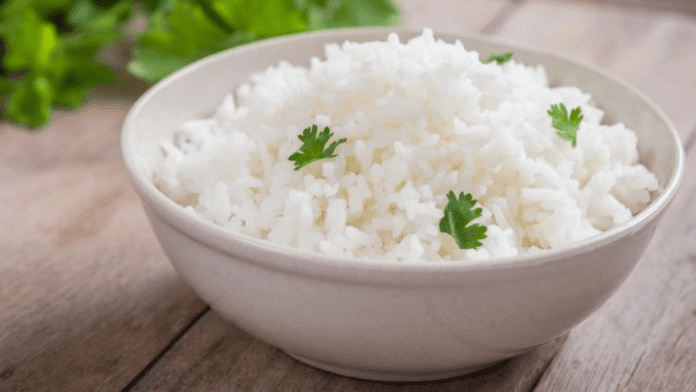
  • Try BRATY diet: The BRATY diet consists of easily digestible foods such as bananas, rice, applesauce, toast, and yoghurt.
  • Avoid greasy, fatty, or fried foods: These can exacerbate diarrhoea symptoms.
  • Drink plenty of fluids: Non-carbonated and caffeine-free fluids help maintain hydration levels.
  • Managing Constipation:

Constipation is another common side effect of brain tumour treatments. The following strategies can help alleviate constipation:

  • Drink plenty of fluids: Staying hydrated is crucial for maintaining regular bowel movements. Prune juice or warm beverages can be particularly helpful.
  • Adopt a bowel regimen and add activity to your routine: Establishing a regular bowel routine and engaging in light physical activity can promote regular bowel movements.
  • Gradually add fibre to the diet: Adding fibre-rich foods to the diet can help alleviate constipation. However, it is important to introduce fibre gradually and monitor tolerance.
  • Avoid gas-forming foods: Foods such as beans, broccoli, cauliflower, onions, and garlic can contribute to bloating and discomfort.
  • Managing Fatigue:

Fatigue is a common symptom experienced by brain tumour patients. Consider the following tips to manage fatigue:

  • Use oral nutritional shakes: Nutritional shakes can provide additional calories and nutrients to combat fatigue.
  • Consume cool or room-temperature foods: Cold or room-temperature foods are often easier to tolerate than warm foods.
  • Opt for soft, tender foods: Foods that are easy to chew and swallow can help conserve energy during eating.
  • Use a straw: Using a straw can make drinking fluids easier, reducing fatigue during meals.
  • Eat non-acidic foods and fluids: Acidic foods and fluids can cause discomfort, so it is best to avoid them.
  • Practise good oral hygiene: Maintaining proper oral hygiene can prevent mouth sores and promote overall oral health.
  • Consider mouth numbing rinses: Numbing rinses can provide temporary relief for mouth sores, making eating more comfortable.

Meal Planning and Preparation Tips

In addition to the specific nutrition tips mentioned above, the following meal planning and preparation strategies can further support brain tumour patients in maintaining optimal nutrition:

  • Consulting with a Registered Dietitian:

Working with a registered dietitian who specialises in oncology nutrition can provide personalised guidance and support tailored to the patient’s unique needs.

  • Balancing Macronutrients:

A well-balanced diet that includes adequate protein, carbohydrates, and healthy fats is essential for meeting nutritional needs and supporting overall health.

  • Adequate Hydration:

Staying properly hydrated is crucial for overall well-being. Drinking enough fluids can help prevent dehydration and maintain optimal bodily functions.

  • Smaller, Frequent Meals:

Eating smaller, more frequent meals throughout the day can help manage appetite, prevent overeating, and maintain stable energy levels.

  • Mindful Eating:

Practising mindful eating techniques, such as paying attention to hunger and fullness cues, can promote a healthier relationship with food and enhance the overall eating experience.

  • Managing Side Effects of Treatment:

Individuals should be aware of the potential side effects of their specific treatment regimen and make necessary dietary adjustments to manage these side effects effectively.

Dealing with a brain tumour diagnosis is a challenging journey, but by incorporating proper nutrition and adopting a holistic approach to well-being, patients can significantly improve their health, manage symptoms, and enhance their quality of life. On World Brain Tumour Day, let us raise awareness about the importance of nutrition in brain tumour management and support patients on their path to recovery and well-being. Remember, every small step towards better nutrition and overall health can make a significant difference in the lives of those affected by brain tumours.

Advertisement

World Brain Tumour Day: These 11 surprising superfoods could be the key to shielding your brain from tumours! 

0
food for brain

World Brain Tumour Day, observed annually on June 8th, serves as a reminder of the importance of raising awareness about brain tumours and supporting those affected by this devastating disease. Brain tumours are a significant health concern, affecting millions of people worldwide. While medical advancements continue to evolve in the field of brain tumour treatment, emerging research suggests that adopting a healthy diet rich in certain superfoods may play a crucial role in shielding your brain from tumours. 

In this comprehensive feature article, we will explore each of the 11 surprising superfoods that could potentially help protect your brain from tumour development.

  1. Beans: A Nutritional Powerhouse:

Beans, including kidney beans, black beans, and chickpeas, are not only delicious but also packed with nutritional benefits. They are an excellent source of plant-based protein, fiber, vitamins, and minerals. Beans also contain various phytochemicals, such as flavonoids and antioxidants, which have been associated with cancer prevention. The combination of nutrients found in beans makes them a valuable addition to a brain-healthy diet.

  1. Berries: The Antioxidant-Rich Delights:

Berries, such as blueberries, strawberries, raspberries, and blackberries, are often considered nature’s candy. But beyond their delicious taste, berries offer an array of health benefits. They are rich in antioxidants, including anthocyanins and flavonoids, which help combat oxidative stress and inflammation. The high antioxidant content in berries has been linked to a reduced risk of cancer, including brain tumours.

  1. Tomatoes: A Red Powerhouse:

Tomatoes, known for their vibrant red color, are not only versatile in the kitchen but also offer substantial health benefits. They contain lycopene, a potent antioxidant responsible for their red hue. Lycopene has shown promise in reducing the risk of certain cancers, including brain tumours. Enjoying tomatoes in various forms, such as sauces, salads, or even sun-dried, can provide protective effects for your brain.

  1. Cruciferous Vegetables: The Brain’s Allies:

Cruciferous vegetables, including broccoli, cauliflower, Brussels sprouts, and kale, are often referred to as nutritional powerhouses. These vegetables are rich in vitamins, minerals, fiber, and phytochemicals, including sulforaphane. Sulforaphane has demonstrated potent anti-cancer properties and has shown promise in inhibiting the growth of tumour cells, including those found in the brain. Adding cruciferous vegetables to your diet can provide significant benefits for brain health.

  1. Turmeric: The Golden Spice:

Turmeric, a bright yellow spice commonly used in Indian cuisine, has gained popularity for its potential health benefits. Curcumin, the active compound in turmeric, possesses anti-inflammatory and antioxidant properties. Studies have indicated that curcumin may help prevent the formation and growth of brain tumours. Incorporating turmeric into your cooking or opting for curcumin supplements may contribute to brain health.

  1. Flax Seeds: Tiny but Mighty:

Flax seeds, also known as linseeds, are small but mighty when it comes to their nutritional profile. They are an excellent source of omega-3 fatty acids, lignans, and fiber. Omega-3 fatty acids have shown anti-cancer properties and are associated with a reduced risk of brain tumours. The lignans in flax seeds also possess anti-inflammatory properties and may contribute to brain health. Adding flax seeds to your diet, whether in whole or ground form, can offer a range of health benefits.

  1. Nuts: Nature’s Nutrient-Rich Treat:

Nuts, including almonds, walnuts, and Brazil nuts, are not only delicious but also nutrient-dense. They provide healthy fats, protein, fiber, vitamins, minerals, and antioxidants. Nuts have been associated with a decreased risk of various types of cancers, including brain tumours. Incorporating a variety of nuts into your diet can provide a wealth of nutrients for brain health.

  1. Garlic: The Aromatic Ally:

Garlic, a culinary staple known for its pungent aroma and distinctive flavor, offers more than just taste. It contains sulfur compounds, including allicin, which have been linked to anti-cancer properties. Studies suggest that these compounds may impede the growth of tumour cells, including those found in the brain. Adding garlic to your dishes not only enhances the flavor but also provides potential benefits for brain health.

  1. Citrus Fruits: A Burst of Vitamin C:

Citrus fruits, including oranges, lemons, grapefruits, and limes, are renowned for their high vitamin C content. Vitamin C is a potent antioxidant that helps reduce oxidative stress and inflammation. Citrus fruits also contain other beneficial compounds, such as flavonoids, which have shown promise in reducing the risk of cancer, including brain tumours. Enjoying a variety of citrus fruits can be a refreshing way to support brain health.

  1. Avocados: Creamy and Nutrient-Rich:

Avocados, known for their creamy texture and distinct flavor, are packed with healthy fats, vitamins, minerals, and antioxidants. They are an excellent source of monounsaturated fats, which are beneficial for brain health. Avocados also contain vitamin E, which has been associated with a reduced risk of brain tumours. Adding avocados to salads, sandwiches, or enjoying them as guacamole can provide a brain-healthy boost to your meals.

  1. Fatty Fish: The Omega-3 Powerhouses:

Fatty fish, such as salmon, mackerel, sardines, and trout, are rich in omega-3 fatty acids. Omega-3 fatty acids are essential fats that play a crucial role in brain health. They have been linked to a decreased risk of various types of cancer, including brain tumours. Incorporating fatty fish into your diet on a regular basis can provide a significant source of omega-3 fatty acids and promote overall brain health.

While these 11 surprising superfoods may offer potential benefits in reducing the risk of brain tumours, it is important to remember that they should be part of an overall balanced and healthy lifestyle. It is advisable to consult with a healthcare professional for personalized advice regarding your specific health condition and dietary needs.

By understanding the potential benefits of these superfoods and incorporating them into your diet, you can take proactive steps towards shielding your brain from tumour development. Furthermore, maintaining a healthy lifestyle, including regular exercise, stress management, and avoiding harmful habits like smoking, is crucial in reducing the risk of brain tumours.

On this World Brain Tumour Day, let us come together to support those affected by brain tumours and raise awareness about the importance of a brain-healthy lifestyle. By taking a proactive approach towards brain health, we can make a significant impact in reducing the prevalence and impact of brain tumours on individuals and their loved ones.

Advertisement

WickedGud secures $250,000 in growth funding led by GetVantage, accelerating expansion plans

0
Wickedgud
WickedGud

WickedGud, a brand specializing in direct-to-consumer (D2C) food products, has successfully raised an additional $250,000 in growth funding. This funding round was led by GetVantage, with previous support from prominent investors such as Titan Capital, Mumbai Angels, NB Ventures, Dholakia Ventures, Venture Catalyst, and boAt co-founder Aman Gupta.

WickedGud recently secured a funding round of INR 2.25 crore, with actress Shilpa Shetty leading the investment.

Read More: WickedGud secures significant funding as Shilpa Shetty invests INR 2.25 Crore, reinforcing brand presence

In a press release, WickedGud announced that the funds raised will be utilized for marketing, product expansion, and retail distribution. The company aims to achieve a fivefold growth in net revenue in FY24.

Founded in 2021 by Bhuman Dani, Monish Debnath, and Soumalya Biswas, WickedGud is a D2C startup focused on transforming kitchens across India. Their goal is to provide a diverse range of healthy and indulgent food products, promoting a “junk-free” lifestyle. WickedGud’s products are carefully crafted using wholesome ingredients and manufactured using innovative steaming and convection air drying (SCAD) technology.

Based in Mumbai, the startup has announced its upcoming launch of three new product categories within the next 18 months. With a remarkable growth rate of over 300% in the past year, the company aims to expand its retail presence significantly. Through its distribution partner network, WickedGud plans to establish a retail footprint in over 2,000 stores across India, covering a wide geographical span.

Advertisement

Brett Lee set to enter Indian beer market with his Sydney Beer Co. brand

0
Sydney Beer Co
The beer was introduced into the market one year following Lee's retirement from all formats of cricket in 2015, marking the end of his remarkable 20-year career. (Representative Image)

Brett Lee, the former international fast bowler, announced on Sunday’s episode of The Kapil Sharma Show that he intends to launch his beer brand in India next year.

Lee is co-owner of Sydney Beer Co. in Australia, maker of premium lagers under the same brand name.

Lee, one of the world’s top 5 fast bowlers in cricket, made an appearance alongside Jamaican cricketer Chris Gayle on episode 333 of The Kapil Sharma Show. The episode was broadcasted on Sony TV on a Sunday. Lee and Gayle graced the show to promote their latest collaboration with singer Arko Pravo Mukherjee, a track titled ‘Oh Fatima’.

“I have a question for Mr Brett Lee. You have a beer company in Sydney, right?” asked Archana Puran Singh, who appears as a special guest on The Kapil Sharma Show.

“Yeah, it’s going well. And, it’s coming out to India next year,” the ace bowler Lee announced in reply.

“We launched in Australia back in 2016. We’re in Malaysia and China and coming out to India next year. Very, very excited.,” added Lee.

The beer was introduced into the market one year following Lee’s retirement from all formats of cricket in 2015, marking the end of his remarkable 20-year career. Known for his formidable bowling speed of 161.1 km per hour, Lee established himself as a dominant figure in the world of international cricket.

As per the information provided on the company’s official website, The Sydney Beer Co. was founded with the specific aim of offering a high-quality, locally-crafted lager as an alternative to the prevailing dominance of Asian and European brands in the Australian market during that period.

“A beer Sydneysiders would be proud to call their own,” the website stated.

The lager is offered in both 330 ml cans and bottles, with a price of AU$59.99 for a case containing 24 units. According to the official website, it can be found at various selected premium independent bottle shops, as well as prominent retailers in New South Wales, Australia, including Dan Murphy’s, BWS, Vintage Cellars, and First Choice Liquor.

The beer will enter India’s thriving beer market, where numerous international and local brands are already competing to captivate consumers’ taste buds.

Based on the IMARC Group’s report, the beer market in India had a valuation of INR 383.6 billion in 2022. The market is projected to reach INR 622.4 billion by 2028, displaying a compound annual growth rate (CAGR) of 8.1% during the period of 2023-2028. Currently, the market is filled with several brands; however, United Breweries Limited (UBL) and Anheuser-Busch InBev (AB InBev) dominate the industry, holding over 90% of the market share in the country.

Based on a ranking by wisevoter.com, India is positioned at the 149th spot globally in terms of beer consumption, with a per capita consumption of 0.23 litres. Despite this, there is a noticeable increase in the popularity of craft beers, and the premium lager segment in India is expected to witness significant growth between 2022 and 2032, as projected by Future Markets Insights.

As per Statista’s findings, it is predicted that by 2027, the consumption of beer outside of homes, including bars and restaurants, will contribute to 24% of total spending and 16% of volume consumption. This indicates a significant opportunity for new entrants in the market, which is favorable for Lee and his brand, the Sydney Beer Co.

Advertisement

Tata Consumer expanding into new categories and eyeing acquisitions, says Chairman N Chandrasekaran

0
N Chandrasekaran
N Chandrasekaran, Chairman, Tata Sons (File photo)

During the 60th annual general meeting of Tata Consumer Products, N. Chandrasekaran, Chairman of Tata Sons, revealed that Tata Consumer, the consumer goods arm of the Tata Group, is making significant strides in research and development (R&D) investment. With a focus on diversification, the company is actively exploring new categories and seeking potential acquisitions. This strategic direction aligns with Tata Consumer’s overarching goal of evolving into a fully-fledged FMCG company.

“The company is working on becoming a full-fledged FMCG company. But it can’t be done overnight. It’s a process that we will go through,” Chandrasekaran said.

He further stated that at present, the company is focused on broadening its presence in the beverages and food sectors. Furthermore, TCPL is actively dedicating resources to research and development as well as innovation in order to establish new product categories. Additionally, they are exploring potential acquisitions within these categories to initiate and expedite their growth trajectory.

During his address at the Annual General Meeting (AGM), the chairman highlighted that TCPL’s expenditure on research and development (R&D) has witnessed a substantial growth of nearly 70 percent compared to the previous year.

Highlighting that the company is investing in building ‘fit for future’ R&D capability, Tata’s top boss said, “Our innovation agenda is being driven by key consumer trends such as health & wellness, convenience, and digitization.

We have identified the key platforms we want to play in, and this framework has helped us accelerate the pace of innovation and tap into new consumption occasions, thereby expanding our target addressable market.”

According to his statement, he asserted that Tata Consumer witnessed a significant increase in its innovation-to-sales ratio this year, rising from 0.8 percent in FY20 to 3.4 percent. During the financial year ending on March 31, 2023, the company’s newly introduced brands, namely Tata Sampann, NourishCo, and Tata Soulfull, achieved a remarkable combined year-on-year revenue growth of 53 percent.

Tata Consumer Products Limited (TCPL) recorded a notable 11 percent increase in consolidated revenue for the fiscal year 2023, reaching INR 13,783 crore. Additionally, the company experienced a 7 percent growth in EBITDA (Earnings Before Interest, Taxes, Depreciation, and Amortization). TCPL’s profit after tax amounted to INR 1,320 crore.

Advertisement

D2C brands transitioning from online to offline channels as pandemic boom subsides: Tata Consumer MD

0
Sunil D'Souza
Sunil D'Souza (File photo)

Tata Consumer, a company specializing in the sale of packaged groceries such as salt, staples, water, and tea, has observed a decline in the prominence of direct-to-consumer (D2C) brands that thrived during the pandemic. This change is reflected in the online-only brands’ shift in focus towards local kirana stores, recognizing the significant influence that established firms hold in these traditional retail outlets.

Sunil D’Souza, Managing Director at Tata Consumer, said, “The hype of D2C, which was there during the pandemic, is starting to taper off a bit and that is also one of the reasons why many of the players are now starting to come into the offline world,” Sunil D’Souza.”

“Distribution in general trade in India is not as simple as just putting a product out there and moving along. Companies have spent years building on their distribution systems and these are sources of competitive advantage for the large players,” he added.

D2C brands are defined as businesses that generate a majority of their revenue or customer acquisition through direct-to-consumer online channels or those that initially adopt an online-first distribution strategy before expanding into omnichannel operations.

Tata Consumer, which initially focused on selling tea, coffee, and salt, has significantly broadened its product range over the past few years. In addition to these core offerings, the company has ventured into pulses, spices, ready-to-cook and drink products, and more recently, snacking products. Furthermore, Tata Consumer has intensified its innovation efforts, demonstrating an increased pace by launching 34 new products in the last fiscal year, compared to 19 in FY22.

Nevertheless, many of these emerging product categories witnessed a surge in the number of online-only brands. These brands exhibited innovation by developing products tailored to specific niche markets, capitalizing on consumer data and insights to identify untapped opportunities in the market.

Around two years ago, Tata Consumer successfully acquired a complete ownership of Kottaram Agro Foods, the renowned producer of Soulfull brand of breakfast cereals and millet-based snacks. Interestingly, even their competitors such as Marico, ITC, and HUL have been actively investing in direct-to-consumer (D2C) brands. For instance, Marico acquired a 54% stake in HW Wellness Solutions, the parent company of the popular healthy breakfast and snacks brand True Elements. Similarly, ITC made an investment in Sproutlife Foods (SFPL), the manufacturer of Yoga Bar, while Hindustan Unilever Limited (HUL) invested in Zywie Ventures, which specializes in selling plant-based supplement brand Oziva, and Nutritionalab, the owner of Wellbeing, a line of nutritional products.

The maker of Tata Sampann, Tata Salt and Tata Tea Gold remains unperturbed. “We remain focused on continuing to strengthen this competitive advantage, while at the same time building on our muscles into the D2C space so that we will also continue to take advantage of that shopping behaviour,” D’Souza said.

Advertisement