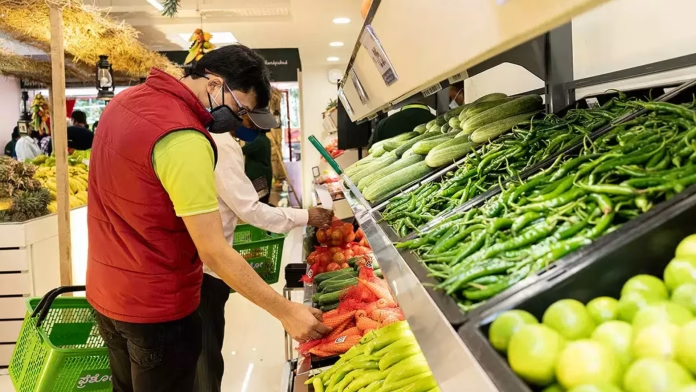
Traders in Nepal have decided to halt the import of onions, potatoes, and other vegetables from India in response to the government’s recent imposition of a substantial 13 percent Value-Added Tax (VAT) on these commodities. This decision was made by the traders on Tuesday.
Opposition lawmakers have denounced the Nepal government’s action, asserting that it would leave low-income families susceptible to food insecurity and intensify the suffering of individuals already burdened by skyrocketing inflation.
As per the financial bill presented in Parliament on May 29, imported onions, potatoes, and other vegetables and fruits will now be subject to a 13 percent value-added tax (VAT).
Finance Minister Prakash Sharan Mahat has defended the move, asserting that it was intended to protect local farmers and trim imports.
The majority of Nepal’s onion supply is sourced from its neighboring country, India.
In the previous year, Nepal imported a total of 173,829 tonnes of onions from India.
Approximately 60 percent of the local demand for potatoes in Nepal is fulfilled by domestic cultivation, while the remaining portion is met through imports from India.
The finance minister’s assertion of protecting local farmers has faced strong criticism from opposition lawmakers who argue that Nepal’s heavy reliance on India for its onion supply undermines the merit of his argument.
Keshav Upreti, a wholesaler at Kalimati Fruits and Vegetable Market, sai, “Before the government introduced VAT, Kathmandu Valley would see anywhere between 700 to 1,000 tonnes of onions being imported from India on a daily basis.”
“In the last 10 days, onions have stopped coming from India,” he said.
Upreti highlighted the presence of legal complications associated with importing vegetables from India and the requirement to pay VAT.
As expected, the scarcity of these essential vegetables has led to a significant increase in prices.
Onion prices, which used to cost INR 50 per kg till last month, have now nearly doubled due to the acute scarcity.
The prices of potatoes have also surged by around 25 per cent, according to local traders in Kathmandu.
According to Prakash Gajurel, General Secretary of the traders association, the Nepal government presently imposes a 9 percent agricultural service tax and a 5 percent advance income tax.
Adding 13 per cent VAT on top of these taxes will make kitchen ingredients very expensive, Gajurel was quoted as saying by The Kathmandu Post newspaper.
Besides onions and potatoes, Nepal also imports brinjals, peas, garlic, beans and spinach from India.
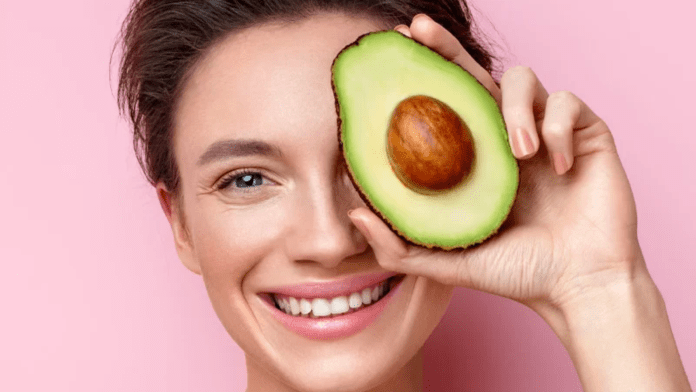
Similarly, it also imports fruits such as avocado, apples, apricot, cherries, raspberries, cranberries, kiwis and mangoes from India.
The year-on-year price inflation touched 7.41 per cent in May, according to Nepal’s central bank.
This stubborn and higher-than-expected inflation level, together with the imposition of VAT, has further eroded household’s purchasing power and dragged growth in Nepal.
According to an official statement, Vikas Lal has been appointed to lead the business and corporate finance division at WOW Skin Science.
In an exciting development, WOW Skin Science, a fast-moving consumer goods (FMCG) personal care brand, revealed on Tuesday that they have welcomed Vikas Lal as their newly appointed Chief Financial Officer.
According to an official statement, Lal has been appointed to lead the business and corporate finance division at WOW Skin Science. In this position, he will oversee a wide range of financial functions, including financial operations, financial planning and analysis, as well as strategic finance and business partnering.
With an extensive background spanning over 20 years in the FMCG sector, Lal possesses a wealth of experience. He has played a crucial role in leading multiple finance facets, including Sales Commercial, Factory Finance, Corporate Finance, and Business Planning. Lal has made significant contributions to esteemed brands such as Coca Cola, Pladis Global (McVitie’s Biscuits), Groupe SEB India (Tefal and Maharaja Whiteline), and OLA, among others. His expertise and leadership have been instrumental in driving the success of these renowned companies.
Manish Chowdhary, Co-Founder, WOW Skin Science, said, “We are pleased to welcome Vikas as the new CFO of WOW Skin Science and we are confident that he will make an excellent addition to our team. We are excited to collaborate and hear his perspectives on a sustainable and robust financial strategy for WOW, both short and long term.”
Vikas Lal, CFO, WOW Skin Science, said, “The key to a brand’s growth is rooted in its analytical approach to strategic expansion and willingness to take calculated risks and WOW Skin Science tops the list when it comes to disruption in that space. I have followed the brand’s journey from the outside and now as part of this robust team, I am excited about the glorious future we are building.”
“In my new role, my objective will be to foster a financially secure culture that places a premium on performance and reliability of company’s data that will drive the brand’s worth and expansion plans,” added Lal.
A day after the government imposed stock limit on wheat till March 31, 2024 to bring down its prices and prevent hoarding, Secretary, Food and Public Distribution Sanjeev Chopra on Tuesday asked states to obtain disclosures of wheat stocks from the wholesalers and traders.
This order was given to all state Food Secretaries during a meeting which Chopra undertook via video conferencing.
To ensure transparency in wheat availability, the directive was also issued to address any unfair practices by large chain retailers and traders.
During the meeting, detailed discussions were held regarding the stock limit imposed on wheat stocks by the Centre on June 12th.
As per the order, the stock limit for wheat processors has been set at 75% of their annual installed capacity or the quantity equivalent to the monthly installed capacity multiplied by the remaining months of 2023-24, whichever is lower.
Wholesalers and traders are permitted to store up to 3,000 metric tonnes of wheat at any given time, while retailers are allowed to store up to 10 metric tonnes.
For large retail chains, the stock limit is set at 10 metric tonnes for each individual outlet and 3,000 metric tonnes for all outlets within the chain.
If the stocks held by retailers and traders exceed the prescribed limit, they are required to adjust their inventory to comply with the prescribed stock limits within 30 days from the date of this notification.
States have been instructed to ensure that all relevant entities, which are subject to the stock limits, declare and regularly update their wheat stock positions every Friday on a government portal. Furthermore, they are urged to promptly issue instructions for strict compliance with the stock limit order.
During the meeting, the Centre also announced its decision to release 15 lakh metric tonnes (LMT) of wheat in the first phase, as well as rice, through the Open Market Sale Scheme (Domestic) or OMSS (D). This move is expected to help stabilize the increasing prices of wheat, rice, and their derived products.
The brand unveiled its second Café, seamlessly merging the art of brewing and blending, to provide guests with an unforgettable gastronomic experience complemented by delectable food. (Representative Image)
Brews & Blends recently unveiled its second café in Hyderabad, located at Whitefields in Kondapur. With its inception in 2017, Brews & Blends has gained recognition for its exceptional handcrafted beverages, making it a preferred destination for tea and coffee enthusiasts across the country. The first café was established at the renowned T-Hub, solidifying its reputation among beverage connoisseurs in India.
The brand unveiled its second Café, seamlessly merging the art of brewing and blending, to provide guests with an unforgettable gastronomic experience complemented by delectable food.
“Encouraged by the wonderful response to our experience centre @ T-Hub and the inspiration from my mentor Mr. Jayesh Rangan and guide Mr. Srinivas Rao Mahankali, we are delighted to launch the 2nd Brews & Blend Café at Hyderabad. This Café will have our own elaborate range of Brews for tea and coffee and a wider choice in the menu to accentuate your tastebuds,” shared Vidyalatha Vallabhaneni, Founder of Brews & Blends.
The freshest ingredients are chosen from their natural habitat from the local farms and processed in the state of art production facilities to ensure the best possible brews are available to the beverage connoisseurs with appropriately paired delicacies in the menu.
The chic café offers pleasing interiors to elevate the experience of the guests. The Café is adorned with ‘The Stage’ to host live performances, stand-up shows, office get-togethers, parties and casual meetings. Their ambience is suitable for every occasion including friendly get-togethers, family gatherings, romantic date nights, and even serves as a delightful retreat for remote workers seeking solace.
“We are extremely excited to launch Brews & Blends Café in Hyderabad. We are constantly looking at provide the best teas and coffee along with the best continental food options to create excitement for our guests and patrons. We want our customers to get best quality and experience. We are planning to open 2 more cafes in next 1 year,” added Naga Shankar, Co-Founder of Brews & Blends.
With expertise and finesse, the instant premix and pitcher tea bags are skillfully infused with a harmonious blend of black and green teas, providing consumers with a delightful assortment of flavor choices.
Vahdam India, the world-renowned brand dedicated to promoting wellness through organic, high-quality teas and spices sourced from India, has unveiled an exhilarating addition to their product range: ICED TEAS! Meticulously curated using 100 percent authentic tea, this fresh line of iced teas is offered in two convenient formats: instant premix and pitcher tea bags.
With expertise and finesse, the instant premix and pitcher tea bags are skillfully infused with a harmonious blend of black and green teas, providing consumers with a delightful assortment of flavor choices. Bursting with the vibrant essence of fresh, exotic, tropical, and aromatic flavors, every sip of these blends beckons individuals to immerse themselves in the essence of summer.
Vahdam India’s instant premix iced teas are lightly sweetened, low-calorie mixes, perfect for cooling off anytime, anywhere. Each package contains 60 individual servings and requires only water and ice for preparation. With less than 10 calories per serving, these premixes are ideal for individuals leading active lifestyles or on the go.
For those seeking a more generous portion, Vahdam India’s pitcher tea bags provide an abundance of happiness and refreshment in every sip. Made with 100 percent Real Black Tea, these tea bags are plant-based, biodegradable, and free from any plastic materials. A single tea bag can be used to create a quart-sized pitcher of iced tea, containing only 35 calories per serving. Each box includes 15 pitcher tea bags, enough to serve 75 glasses of delicious iced tea. Both the instant premix and pitcher tea bags can be purchased on the Vahdam India website and Amazon.
Bala Sarda, CEO and Founder of Vahdam India, expressed enthusiasm about the new product line, stating, “We are thrilled to expand our offerings with our new iced tea line, which captures the unique flavors and aromas of our 100 percent real tea sourced from India. Our iced teas provide a healthier alternative to other premixes available in the market. The launch of our pitcher iced tea bags is a revolutionary concept, allowing consumers to enjoy larger portions of iced tea per serving. As summer approaches, we hope our customers will relish this new, healthy, and refreshing way to beat the heat.”
Vahdam India has been revolutionizing the tea industry in India since 2015. India, the second-largest tea producer worldwide, had long depended on exporting bulk tea to foreign brands for over two centuries. However, Vahdam India disrupted this conventional system with its ethical and sustainable business approach. They began sourcing teas, spices, and herbs directly from plantations and farmers within days of harvest, ensuring freshness. These products were then packaged in India and shipped directly to global fulfillment centers. By harnessing technology and removing unnecessary intermediaries, Vahdam India has successfully positioned itself as an integrated global brand.
Happilo, the dry fruit snacking firm, has set its sights on becoming a INR 1,000 crore brand in the next two years, according to Vikas D Nahar, the company’s Founder and CEO.
As per its annual financial statement submitted to the Registrar of Companies (RoC), Happilo experienced a remarkable increase in revenue from operations in FY22. The company’s revenue surged by 35.7 percent, reaching INR 190 crore, as compared to INR 140 crore in FY21.
Presently, Happilo’s annual recurring revenue (ARR) stands at INR 500 crore. Nahar revealed that the company’s revenue in the fiscal year 2023 has doubled compared to the previous fiscal year, although specific figures were not disclosed. Notably, Happilo achieved a revenue of approximately INR 100 crore in its first four years of operation, accomplished without any external funding, as mentioned by Nahar.
Further, he said, “We are currently the largest consumer brand in the space today.”
Sharing details about Happilo’s funding history, Nahar revealed that the company has raised approximately INR 300 crore through two funding rounds. The first round, conducted in February 2021, raised INR 100 crore. Notably, A91 Partners, Motilal Oswal Private Equity, and Venture Garage are among the company’s current investors, as reported by market research platform Tracxn. As of February 21, 2022, Happilo has been valued at $192 million.
Expressing his views on building brands, Nahar said, “The brand has to be created in the mind space of the consumer. And it has to be replicated by being visible across the supply chain.”
The brand is focusing largely on 3-4 metro cities only, as it wants to champion the concept. Nahar shared, “The company invests and focuses on brand infrastructure, R&D, and manufacturing. These are non-negotiable for us. As we want to be the world’s largest dry fruit snack brand.”
According to Nahar, Happilo has invested a significant amount of INR 100 crore in capacity building and product development initiatives.
The firm also wants to focus on affordability and hopes to maintain the balance between price and premiumness. Nahar stated, “We are a premium brand in terms of product positioning and mass premium in terms of pricing.”
Happilo currently operates approximately 10 stores across various cities, including Bengaluru, Mumbai, and Gurgaon. Additionally, the company has established a strong presence in the market with its products being available in around 15,000 general trade (GT) stores.
On its offline expansion, Nahar said, “We aim to reach a total of 1 lakh stores in the next 12 months and hope to have about 100 company-owned stores in the next 2 years.”
According to Nahar, the Indian market predominantly consists of general trade (GT) businesses, accounting for approximately 90 percent of the overall market. He acknowledged the inherent difficulties in building a successful GT business in India. Recognizing the widespread snacking culture in the country, Nahar’s vision for Happilo is to become a relevant and preferred choice for consumers during every snacking occasion.
Happilo, the dry fruit snacking brand, currently operates its manufacturing facility in Bengaluru. Additionally, the company has established a research and development (R&D) facility in the same city. In terms of raw materials, Happilo primarily sources them directly from farms through aggregators, ensuring a direct and reliable supply chain.
Currently, Happilo has a robust distribution network consisting of 150 distributors spread across India. Moreover, the company enjoys a high rate of customer loyalty, with approximately 40 percent of its consumers being repeat buyers.
Approximately 60 percent of Happilo’s product sales are conducted through various e-commerce platforms, such as Amazon, Flipkart, Blinkit, and its own website. The remaining 40 percent of sales occur through offline channels, including physical stores and other traditional retail avenues.
If you’re craving a delightful snack that will transport you to the captivating land of Kerala, look no further than Pazham Pori. This mouthwatering recipe for deep-fried banana fritters will take your taste buds on an unforgettable journey of flavors and textures. Originally hailing from the charming tea shops, or chaya kadas, of Kerala, Pazham Pori is a timeless snack that combines simple ingredients to create a culinary masterpiece.
In the heart of Kerala, amidst the aroma of freshly brewed tea, you’ll find Pazham Pori stealing the show. This beloved tea time snack, also known as ethakka appam, is made using a variety of banana called nendra pazham. The nendra pazham banana stands apart with its pastel yellow flesh, elongated shape, and delightful sweetness. Its unique characteristics make it the perfect choice for crafting the perfect pazham pori.
To create this delectable treat, the bananas are sliced lengthwise into thin strips and coated in a batter made from all-purpose flour, rice flour, turmeric, sugar, and a pinch of baking soda. The coated banana slices are then gently dropped into hot coconut oil, where they sizzle and fry to golden perfection. The result is a crispy exterior that gives way to a tender, sweet banana filling. The pazham pori is traditionally served alongside other deep-fried snacks like parippu vada (lentil fritters) and accompanied by cups of fragrant cardamom tea.
To recreate the magic of Pazham Pori in your kitchen. Here’s a simple recipe to guide you:
Ingredients:
2 ripe bananas
½ cup all-purpose flour
1 tablespoon rice flour
1 tablespoon sugar
1 pinch of turmeric
½ teaspoon baking soda
¼ cup water
Oil, for frying
Method:
In a bowl, mix all-purpose flour, rice flour, turmeric powder, and sugar to make the batter. Slowly add water in a drizzle while stirring, until you achieve a thick yet easily coatable consistency, similar to bhajiya batter.
Slice the ripe bananas lengthwise into thin strips of about ½ inch in width. Dip each banana slice into the batter, ensuring both sides are evenly coated.
Heat oil in a large pot for deep frying. Carefully drop the battered banana slices into the hot oil, frying them on a medium-low flame. This ensures they retain their vibrant yellow color. Fry until the bubbles subside and the fritters turn crispy and golden, approximately 3-4 minutes.
Using a slotted spoon, remove the fried fritters from the oil and place them on an absorbent paper towel to drain excess oil.
For an extra touch of sweetness, dust the pazham pori with powdered sugar, if desired. Serve the fritters hot, accompanied by a steaming cup of tea or aromatic filter coffee.
Final Thoughts:
Whether you’re seeking a delightful tea-time snack, a unique breakfast option, or simply a delicious treat to indulge in, Pazham Pori is sure to satisfy your cravings and elevate your snacking experience. So gather the ingredients, heat that oil, and embark on a culinary adventure that will tantalize your taste buds and bring the flavors of enchanting Kerala to your home.
Mumbai, the bustling metropolis on the western coast of India, is renowned for its vibrant street food culture and diverse culinary offerings. Among the multitude of flavors that Mumbai has to offer, cheese takes center stage in many delectable dishes. Cheese enthusiasts will find themselves in paradise as they explore the city’s cheesy delights. From cheesy dosas to grilled cheese sandwiches, Mumbai has it all. In this article, we will take you on a mouthwatering journey through the top five cheese dishes in Mumbai that will leave you craving for more.
Cheese Burst Dosa – Pure Milk Centre:
Pure Milk Centre (PMC) in Ghatkopar and Kandivali is renowned for its cheese-infused creations. Among their extensive menu, the cheese dosas steal the show. Indulge in the Cheese Burst Masala Dosa, Cheese Burst Masala Maagi Dosa, Cheese Burst French Fries Dosa, Cheese Burst Nuggets Dosa, Mysore Cheese Burst Masala Dosa, or the Butter Cheese Burst Masala Dosa. The PMC Cheese Burst French Fries Dosa is a perfect combination of crispy masala dosa layered with crisp fries and loaded with oodles of melting cheese. This cheesy delight is then cut and rolled into cylindrical shapes, smeared with even more cheese, and served to satisfy your cheese cravings.
Bliss Veg Bistro in Mulund is the go-to place for cheese sandwiches. Unlike regular sandwiches where cheese is merely shredded and smeared on top, Bliss Veg Bistro takes it to the next level by hiding the sandwich inside a blanket of cheese. Two layers of bread are filled with sandwich chutney, masala, and loads of cheese. The layers are then pressed together and grilled to perfection, resulting in a sandwich that is completely enveloped in a sea of melted cheese. Topped with native herbs and a heap of fresh veggies, the Cheese Blast Sandwich is served with three kinds of chutney, creating a symphony of flavors that will leave you craving for more.
Anand Stall, located opposite Mithibai College, is a popular destination for vada pavs and sandwiches in Mumbai. Alongside the classic Mumbai-style vada pavs, they offer an amazing cheese-infused version. The Cheese Grill Vada Pav, available in three variations – regular cheese vada pav, cheese grill vada pav, and cheese schezwan vada pav – is a treat not to be missed. Generously loaded with cheese, the Cheese Grill Vada Pav oozes with flavor. The slow grilling process enhances the cheese’s taste, combining it with the vada’s filling and spices to create a truly exceptional experience. For another delicious cheese vada pav option, you can also visit Laxman’s Om Vada Pav in Ghatkopar East.
Shreeji’s The Fusion Kitchen, established in Borivali West in 2011, aims to provide healthy vegetarian food with innovative twists. Among their array of fusion chaat preparations, the Cheese Pani Puri stands out. This is no ordinary pani puri; it combines the richness of fresh vegetables, corn, and copious amounts of cheese. Shreeji’s uses their in-house masala, a blend of native herbs, along with a dash of pizza sauce and shredded cheese. The pani puri is then cooked using a blowtorch, allowing the cheese to melt and create a distinct burnt texture that adds a unique taste and flavor. Accompanied by a bottle of chilled Coke or Pepsi, the Cheese Pani Puri from Shreeji’s The Fusion Kitchen is a magical burst of cheesy goodness.
While you may have indulged in a cheese omelette before, Salt Water Cafe in Bandra West takes it up a notch with their Four-Cheese Omelette. This delectable creation features four types of cheese: scamorza, cheddar, mozzarella, and grana, along with a blend of herbs and spices. Scamorza, a South Italian cow’s milk cheese, brings its unique stretched-curd texture to the dish. Mozzarella, made from Italian buffalo’s milk, adds a traditional southern Italian flair. Cheddar, a sharp-tasting natural cheese, and grana, a hard, mature cheese from Italy with a granular texture, complete the quartet of cheeses. The combination of these four cheeses, combined with eggs and flavorful seasonings, results in an aromatic and intensely flavorful omelette. For an even more delightful experience, pair the Four-Cheese Omelette with a Blueberry and Lavender Mocktail. Prepare to have your cheese cravings satisfied like never before.
Location: 87 Chapel Road, Next to Mount Carmel Church, Bandstand, Bandra West, Mumbai.
Final Thoughts:
For cheese enthusiasts in Mumbai, the city’s culinary scene offers a multitude of options to satisfy their cravings. From Pure Milk Centre’s cheese burst dosas to Bliss Veg Bistro’s cheese blast sandwiches, Anand Stall’s cheese grill vada pav, Shreeji’s The Fusion Kitchen’s cheese pani puri, and Salt Water Cafe’s four-cheese omelette, each dish provides a unique and irresistible experience. Whether you’re a local resident or a visitor to the city, these top five cheese dishes in Mumbai are a must-try for anyone who adores the creamy and indulgent flavors of cheese. So, stop dreaming about cheese and embark on a cheese-filled adventure through the streets of Mumbai to discover these mouthwatering delights. Your taste buds will thank you.
Indian cuisine is renowned for its rich flavors, vibrant spices, and diverse range of dishes. Whether you’re a seasoned cook or just starting out, mastering Indian cooking techniques can be a rewarding and exciting journey. However, like any culinary endeavor, there are common mistakes that can hinder your progress and prevent you from achieving the authentic taste and texture of Indian dishes. In this article, we will explore five common blunders in Indian cooking and provide practical tips to fix them. By avoiding these mistakes, you can elevate your cooking skills and become a master chef in your own kitchen.
Mistake 1: Overuse of spices
One of the most common mistakes in Indian cooking is the overuse of spices. While spices are the heart and soul of Indian cuisine, using them in excessive quantities can overpower the dish and make it unpalatable. It’s crucial to strike a balance between the flavors of different spices and let them enhance the taste of the dish rather than overwhelm it.
To fix this mistake, start by familiarizing yourself with the spices commonly used in Indian cooking. Experiment with small amounts of each spice and gradually increase or decrease the quantity based on your taste preferences. Remember that spices should complement each other and work in harmony to create a well-rounded flavor profile. Additionally, consider using freshly ground spices for optimal flavor and aroma.
Mistake 2: Undercooking or overcooking lentils and beans
Lentils and beans are staple ingredients in Indian cuisine, providing a good source of protein and essential nutrients. However, achieving the perfect texture when cooking lentils and beans can be challenging. Undercooking them can result in a hard and unappetizing consistency, while overcooking can lead to a mushy texture.
To avoid this mistake, it’s essential to follow the cooking instructions for each type of lentil or bean. Different varieties have varying cooking times, so be sure to adjust accordingly. Pre-soaking lentils and beans can also help reduce cooking time and ensure even cooking. Test the doneness of the lentils or beans by tasting them periodically. They should be tender but still hold their shape.
Mistake 3: Using the wrong type of rice
Rice is a staple food in many Indian households and plays a crucial role in various dishes such as biryanis and pulao. However, using the wrong type of rice can significantly impact the final result. Different types of rice have distinct textures, flavors, and cooking requirements.
To avoid this mistake, choose the appropriate rice variety for your dish. Basmati rice is commonly used in many Indian recipes for its long grains and aromatic flavor. However, there are other varieties such as Sona Masoori or Jasmine rice that work well in specific dishes. Follow the recommended cooking instructions for the type of rice you are using to achieve fluffy, separate grains.
Mistake 4: Not tempering spices
Tempering spices, also known as tadka, is a technique widely used in Indian cooking to enhance the flavor of the dish. It involves heating oil or ghee and adding whole spices, such as cumin seeds, mustard seeds, or curry leaves, to release their aromatic oils. This step is often skipped by beginners, resulting in a loss of depth and complexity in the dish.
To fix this mistake, incorporate tempering into your cooking process. Heat oil or ghee in a pan and add the whole spices. Allow them to sizzle and release their flavors before adding other ingredients. The tempering process adds a distinct aroma and flavor to the dish, elevating its overall taste.
Mistake 5: Using cold water to make dough
In Indian cuisine, various types of dough are used to make bread, such as roti, naan, and puri. Using cold water when making the dough is a common mistake that can result in tough and chewy bread. The temperature of the water used to make the dough plays a crucial role in achieving the desired softness and elasticity.
To avoid this mistake, use warm water when making dough. The warm water helps activate the gluten in the flour, resulting in a softer texture. Gradually add the warm water while kneading the dough until it reaches the right consistency. This will ensure that your bread turns out light, fluffy, and delicious.
Final Thoughts:
Indian cooking is an art that requires practice, patience, and an understanding of the fundamental techniques. By avoiding these common mistakes in Indian cooking, you can enhance the flavors of your dishes and become a master chef in your own kitchen. Remember to strike a balance with spices, cook lentils and beans to the perfect texture, use the right type of rice, temper your spices, and use warm water when making dough. With these tips, you can elevate your Indian cooking game and delight your family and friends with authentic and delicious flavors. Happy cooking!
In the world of culinary delights, few combinations can rival the timeless allure of wine and cheese. From the vineyards of France to the rolling hills of Italy, this harmonious pairing has captivated connoisseurs and indulged epicureans for centuries. It is an art form that celebrates the delicate interplay of flavors and textures, where the luscious richness of cheese is complemented by the nuanced profiles of wine. The classic wine and cheese pairings are not merely arbitrary choices; they are rooted in principles that have been refined and cherished over generations. Join us on a captivating journey as we explore the fundamental principles behind these pairings, unraveling the secrets of how certain wines can elevate the essence of cheese, and vice versa. Get ready to embark on a sensory adventure that will awaken your palate and deepen your appreciation for the art of pairing wine and cheese.
Choosing the Correct Wine
When it comes to choosing the right wine, one must consider personal taste preferences. Are you drawn to the bold and robust flavors of red wine, or do you prefer the crisp and refreshing qualities of white wine? Perhaps you have a penchant for the effervescence of sparkling wines or the sweetness of dessert wines. Each type of wine has its own distinct personality, offering a range of aromas, flavors, and complexities that can tantalize the taste buds.
Pairing wine with cheese is a classic combination that showcases the harmonious interplay between two beloved indulgences. The key to a successful wine and cheese pairing lies in finding complementary or contrasting flavors and textures. For example, a bold and assertive Cabernet Sauvignon can stand up to the richness of a creamy blue cheese, creating a harmonious balance of flavors. On the other hand, a crisp and acidic Sauvignon Blanc can cut through the richness of a buttery Brie, enhancing the overall tasting experience.
As you explore the vast world of wine, don’t be afraid to experiment and trust your palate. Attend wine tastings, engage with knowledgeable sommeliers, and sample different varieties to discover your preferences. With each sip, you’ll uncover new dimensions of flavor and gain a deeper appreciation for the intricate artistry of winemaking.
Choosing the Correct Cheese
As you delve into the realm of cheese, it’s essential to discover which varieties best suit your taste preferences and how they can be paired with the perfect wine to create an exquisite gastronomic harmony.
For those who appreciate the smooth and creamy textures of cheese, a delightful choice is the classic Brie or Camembert. These soft-ripened cheeses offer a rich and buttery flavor that pairs beautifully with a crisp and acidic white wine such as Chardonnay or Sauvignon Blanc. The acidity of the wine helps to cut through the richness of the cheese, creating a well-balanced and refreshing combination.
If you crave the robust and intense flavors of aged and hard cheeses, such as Parmesan or Pecorino Romano, opt for a full-bodied red wine like Cabernet Sauvignon or Merlot. The bold flavors of the cheese harmonize with the tannins and depth of the red wine, resulting in a powerful and satisfying pairing.
For those who prefer the tangy and tangy flavors of goat cheese or feta, a crisp and aromatic white wine such as Riesling or Gewürztraminer is an excellent choice. The fruity and floral notes of these wines complement the tanginess of the cheese, creating a refreshing and vibrant combination.
Blue cheeses, with their intense and complex flavors, are best paired with sweet and fortified wines. The sweetness of dessert wines like Sauternes or Port provides a beautiful contrast to the sharp and salty characteristics of blue cheese, resulting in a harmonious and indulgent pairing.
Principles of Wine and Cheese Pairing
When it comes to the art of wine and cheese pairing, there are several key principles that can guide you towards creating a harmonious blend of flavors and textures. Understanding these principles allows you to elevate your culinary experience, transforming a simple combination of wine and cheese into a delightful symphony of tastes and sensations.
One important aspect to consider is the texture diversity between the wine and cheese. A general rule of thumb is to pair creamy and soft cheeses, such as Brie or Camembert, with smooth and velvety wines like Chardonnay. The rich and buttery texture of the cheese harmonizes beautifully with the luscious mouthfeel of the wine, creating a luxurious and indulgent pairing. On the other hand, pairing hard cheeses like Parmesan with robust and tannic red wines such as Cabernet Sauvignon creates a delightful contrast of textures, with the wine cutting through the firmness of the cheese.
Contrast or complementary flavors also play a significant role in wine and cheese pairing. For instance, pairing a tangy goat cheese with a crisp and acidic white wine like Sauvignon Blanc creates a complementary combination, as the wine’s acidity balances out the cheese’s tanginess. On the other hand, contrasting flavors can also be an exciting choice. Combining a pungent blue cheese with a sweet and fortified wine like Port creates a harmonious contrast, as the wine’s sweetness counterbalances the cheese’s intense and salty flavors.
Matching the intensity of both the wine and cheese is another important consideration. Lighter and delicate cheeses, such as fresh Mozzarella, pair well with light and crisp wines like Pinot Grigio. Similarly, bold and robust cheeses like Gorgonzola or Roquefort are best enjoyed alongside full-bodied and intense red wines such as Syrah or Zinfandel.
By matching the intensity, you ensure that neither the wine nor the cheese overpowers the other, resulting in a balanced and enjoyable pairing.
Regional pairing is another approach that can lead to successful combinations. Many traditional wine and cheese pairings have evolved over time within specific regions. For instance, enjoying a creamy Camembert with a glass of French Bordeaux or savoring a nutty Gruyère with a Swiss Chardonnay pays homage to the culinary traditions of those regions. Regional pairings often showcase a natural affinity between local cheeses and wines, creating a truly authentic and satisfying experience.
Lastly, balancing sweetness is crucial in wine and cheese pairing. Sweeter wines, such as Riesling or Moscato, complement the creamy and mild flavors of cheeses like Gouda or Havarti. The wine’s sweetness counteracts the cheese’s richness, resulting in a balanced and pleasurable combination. Alternatively, drier wines like Sauvignon Blanc can balance the sweetness of a cheese like Brie or Camembert, creating a harmonious interplay of flavors
All Time Classics
Chardonnay with Brie: The rich and buttery notes of Brie cheese beautifully complement the luscious flavors of a creamy Chardonnay. The wine’s subtle oakiness and hints of tropical fruits create a harmonious balance with the soft and delicate texture of the cheese.
Sauvignon Blanc with Goat Cheese: The crisp acidity and vibrant citrus flavors of Sauvignon Blanc provide a refreshing contrast to the tangy and earthy flavors of goat cheese. This combination brings a zesty and invigorating sensation to your palate.
Cabernet Sauvignon with Aged Cheddar: The bold and robust character of Cabernet Sauvignon pairs exceptionally well with the sharp and nutty flavors of aged Cheddar. The wine’s tannins and dark fruit notes create a perfect harmony with the complex and savory profile of the cheese.
Port with Blue Cheese: The rich and sweet flavors of Port wine beautifully complement the intense and salty flavors of blue cheese. The wine’s natural sweetness balances out the cheese’s pungency, resulting in a delightful combination of contrasting yet complementary flavors.
Pinot Noir with Gruyère: The light and fruity notes of Pinot Noir harmonize elegantly with the nutty and caramel flavors of Gruyère cheese. This pairing creates a delicate balance between the wine’s silky texture and the cheese’s smooth and creamy profile.
Syrah with Manchego: The bold and spicy characteristics of Syrah perfectly complement the nutty and slightly salty flavors of Manchego cheese. This combination creates a rich and robust taste experience that lingers on your palate.
Prosecco with Fresh Mozzarella: The light and sparkling nature of Prosecco pairs wonderfully with the creamy and delicate texture of fresh Mozzarella cheese. This pairing brings a touch of effervescence and a burst of freshness to your palate.
Riesling with Gouda: The sweet and aromatic flavors of Riesling create a delightful contrast to the caramel and nutty flavors of Gouda cheese. This combination showcases the wine’s vibrant acidity and the cheese’s smooth and mellow profile.
We use cookies to ensure that we give you the best experience on our website. If you continue to use this site we will assume that you are happy with it.