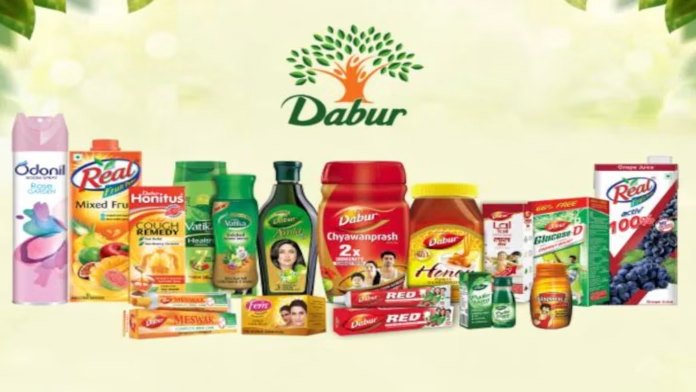
According to Dabur India’s annual report, the company announced on Tuesday that its brand portfolio has expanded to include 17 brands, each generating sales between INR 100-500 crore. In the fiscal year 2023, the company witnessed the success of five additional brands, namely Honitus, Real Drinks, Odomos, and Dabur Herb’l, all of which achieved sales exceeding INR 100 crore.
In a letter to shareholders, Mohit Burman, Chairman, Dabur India, said, “Today, we have a portfolio of 23 billion rupee brands, with sales greater than INR 100 crore. The year 2022-23 saw 5 brands joining this list. In all, we now have 17 brands that are above INR 100 crore but lesser than INR 500 crore in size; 2 brands that are over INR 500 crore but less than INR 1,000 crore in size, and another 4 brands that have a turnover of more than INR 1,000 crore.”
In the previous fiscal year, as part of its inorganic growth strategy, the FMCG giant also incorporated Badshah Masala into its portfolio.
“The year also marked Dabur’s entry into the ground and blended spices category with the acquisition of 51 per cent shareholding of Badshah Masala Pvt Ltd. This acquisition is in line with Dabur’s strategic intent to expand its foods business to INR 500 crore in 3 years,” Burman stated.
In reference to the macroeconomic conditions, Burman remarked that with the alleviation of pandemic-related pressures, a new challenge emerged in the form of high inflation. This inflationary trend led to a significant rise in commodity prices, reaching multi-decade highs in various countries.
“The inflationary environment also took a toll on consumption patterns as consumers tightened their purse-strings and the consumer goods industry witnessed a slowdown,” he added.
“Despite an uncertain macro climate, I am confident about the resilience of Dabur’s strategy and business construct,” he added.
Anticipating decreased prices for its key commodities, the FMCG major foresees an expansion in gross margins for the ongoing fiscal year.
“This expanded gross margin will be allocated in two primary ways. Firstly, a portion will be allocated towards advertising and promotion (A&P) investments, which have experienced some moderation due to high inflation. Secondly, the remaining portion will contribute to gradual improvement of our operating margin,” Dabur India’s annual report said.
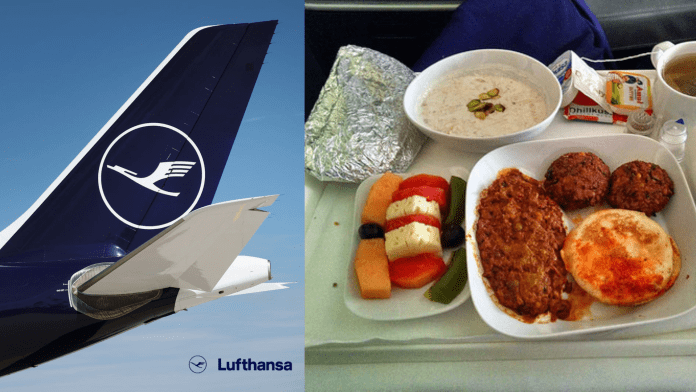
Lufthansa has recently unveiled a selection of specially-crafted Indian food options, aiming to elevate the dining experience for Indian travelers both arriving in and departing from India. In line with their commitment to delivering outstanding culinary journeys, the airline strives to provide its esteemed Indian clientele with exceptional dining experiences.
The meal options for both economy and premium economy classes will now feature a variety of hot breakfast choices in both Indian and Western styles. In economy class, passengers can select from two main course meals available in either Western or Indian style. On the other hand, premium economy class offers a wider range of main course options, including Indian style and Western style, Western style and Indian AVML (Asian Vegetarian Meal), as well as Indian style with 60 percent vegetarian and Western style with 40 percent chicken.
Both classes will offer a variety of snacks such as wraps and sandwiches, as well as beverages like masala tea and coffee. Special meal options will also be available for all passengers. In addition to these offerings, the premium economy segment will have the exclusive choice of cold breakfast and dinner variants.
Lufthansa said, “The Business Class will consist of special offerings like an Express Menu, hot meals with unique bread options such as mixed veg paranthas, which will be served together with German bread/rolls along with new salad options.”
The passengers here would have an option of three main courses – Western style with 50 percent meat, Western style with 30 percent fish and Indian style with 40 percent vegetarian, accompanied by pickles, saunf supari and raita. The airline will also offer cheese and dessert service, including fresh fruits, ice cream, three kinds of cheese, and regional beverages like lassi, masala tea and fresh lemonade for passengers.
First-class passengers will be offered a selection of two Western and two Indian main courses, complemented by two cold appetizers. They will also enjoy welcome drinks accompanied by premium nuts, a diverse array of bread options, and four distinct types of rolls. Additionally, there will be an assortment of cold plates and snacks, featuring both Western and Indian styles. The first-class experience will further include the convenience of dine-on-demand service.
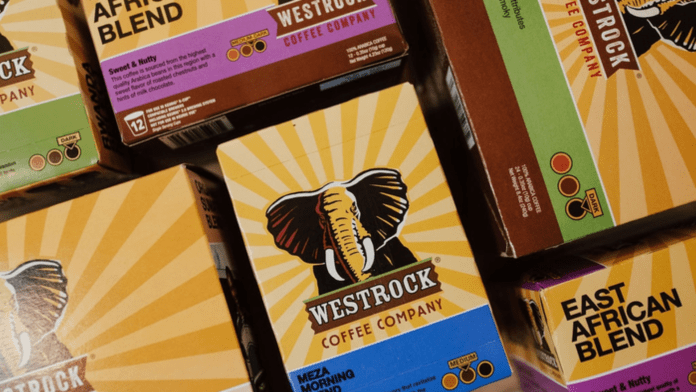
In a significant development, Westrock Coffee Company has officially entered into definitive agreements with affiliates of HF Capital and the Herbert Hunt family. These agreements entail a combined equity investment of $75 million being made in the company.
Under these agreements, the aggregate equity investments will be executed by acquiring 7,500,000 shares of Westrock Coffee Company’s common stock at a rate of $10 per share. The completion of these transactions is anticipated to take place in August 2023, subject to the fulfillment of standard closing prerequisites.
Westrock Coffee also made a noteworthy announcement regarding their plans to inaugurate a state-of-the-art facility in Conway, Arkansas, USA. This significant endeavor is the outcome of a remarkable investment exceeding $300 million. Notably, the establishment of this new facility is anticipated to create 600 job opportunities within a span of five years, boasting an average annual salary of approximately $70,000.
The facility will employ cutting-edge machinery, including specialized robotics, to streamline the production and packaging of a diverse range of beverages. These beverages will include cold brew coffees, lattes, various teas, juice-based products, and single-serve coffee cups, all packaged in cans or bottles. Additionally, the site will feature a dedicated product development laboratory and a pilot plant certified by the US Food and Drug Administration (FDA). This setup will empower Westrock to invent, evaluate, and manufacture innovative beverage options.
Scott T Ford, CEO and Co-Founder of Westrock Coffee, stated, “We are excited to announce both a follow-on $50 million equity investment by HF Capital, one of the original investors in our go-public transaction and a $25 million equity investment by the Herbert Hunt family, a new investor who was excited for the opportunity to partner with our team as we expand our extract and ready-to-drink (RTD) capabilities.”
He further stated that the inclusion of equity investments and the amendment to the credit agreement are integral components of a capital plan enabling the company to finalize the construction of two additional can lines and the Conway facility.
The expansion of the extracts and RTD business in Conway is the gateway to future EBITDA expansion and remains Westrock Coffee’s top strategic priority and key enabler of future growth, he concluded.
Andrew Seamons, Chief Investment Officer at HF Capital, commented, “Our agreement to make this additional investment further validates our belief in Westrock Coffee’s strategy to capitalise on the strong demand for extracts and RTD as a growing consumer category and on the ability of the Westrock Coffee team to deliver on that strategy”.
Online food delivery platform Swiggy on Tuesday said it has introduced an industry-first ‘WhatToEat’ feature aiming to simplify the selection process by offering personalised recommendations tailored to users’ current moods, location, order history, the time of the day and other preferences.
According to Swiggy, the app now allows users to express their cravings by choosing from a variety of mood bubbles.
The feature will inform users of the rationale behind each recommendation, whether it’s based on their order history, local trends, or popularity among other Swiggy users.
To streamline the decision-making process, WhatToEat presents users with ten personalised recommendations for each order, cutting through the overwhelming number of choices, the food delivery platform stated.
India’s palm oil imports in June experienced a substantial 49% surge compared to the previous month, reaching their highest level in three months, as revealed by six dealers who spoke to Reuters. This surge was driven by buyers seizing the opportunity presented by a significant dip in prices, which had hit their lowest point in 28 months. Consequently, purchasers took full advantage of the favorable market conditions to ramp up their palm oil purchases.
The resurgence in purchasing activity from the largest global importer of vegetable oil is expected to bolster Malaysian palm oil futures and assist leading producers Indonesia and Malaysia in reducing their stockpiles. In June, India’s palm oil imports surged to an estimated 655,000 metric tons, marking a significant increase from the 439,173 metric tons recorded in May, as reported by industry dealers.
Due to the recent trend of palm oil trading at a higher price compared to soyoil and sunflower oil, the month of May witnessed the lowest imports since February 2021. This price disparity has encouraged buyers to transition towards the more affordable soft oils as a substitute for palm oil.
Sandeep Bajoria, CEO of Sunvin Group, a vegetable oil brokerage and consultancy firm, explained that the decrease in imports during May, along with a subsequent price correction, motivated Indian buyers to boost their purchases in June.
Due to its affordability and efficient shipping times, price-sensitive Asian buyers traditionally depend on palm oil as their preferred choice.
The Solvent Extractors’ Association of India is expected to release its June data on vegetable oil imports by mid-July.
According to industry dealers, India witnessed a significant surge of 35% in soyoil imports in June, reaching 432,000 metric tons, compared to the previous month.
Rajesh Patel, the managing partner at GGN Research, an edible oil trader and broker, mentioned that the marginal price difference between soyoil and palm oil in recent months has prompted buyers to escalate their purchases of soyoil.
Sunflower oil imports in June plunged 36% from a month ago to 190,000 metric tons, dealers said.
India buys palm oil mainly from Indonesia, Malaysia and Thailand, while it imports soyoil and sunflower oil from Argentina, Brazil, Russia and Ukraine.
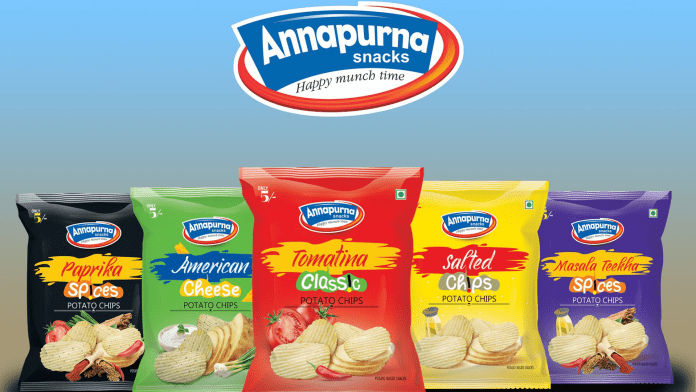
Annapurna Swadisht, a fast-moving consumer food company based in Eastern India, made a significant announcement on Tuesday. The company has entered into an exclusive contract manufacturing agreement with Gopal Food Product. This strategic partnership brings together Annapurna Swadisht’s expertise in the food industry with Gopal Food Product’s manufacturing capabilities. Located at UPSIDC, Kotwan Industrial Area in Mathura, Uttar Pradesh, Gopal Food Product’s facility will serve as the dedicated manufacturing hub for Annapurna Swadisht’s products.
The newly established facility has a monthly production capacity of 1000 metric tons (MT) of biscuits, 60 MT of namkeen, and 150 MT of snacks. This state-of-the-art unit is capable of serving various regions, including East and North Rajasthan, the entirety of Haryana, West and Central Uttar Pradesh, Delhi-NCR, North Madhya Pradesh, South & West Uttarakhand, and more. To expand its footprint in Uttar Pradesh (UP), the company is actively enrolling new dealers and distributors, aiming to enhance its market presence in the region.
Recently, the company acquired the exclusive selling rights of a renowned noodle brand “My NOODLES” from Millenium Exim Private Limited. The company at present has more than 72 SKUs across its product portfolio.
Commenting on the development, Shreeram Bagla, Managing Director of Annapurna Swadisht Limited, said, “At Annapurna, we believe our products bridge a critical gap between affordability and superior quality. This has enabled us to expand our presence across the urban markets, especially in the eastern part of the country. We are now taking the affordability, quality, and taste proposition to similar markets led by our latest foray into UP. We are looking forward to offering choices to the consumers across the categories”.
The world of cocktails has long been associated with indulgence and high-calorie concoctions that may be appealing to the palate but can wreak havoc on one’s waistline. As health and wellness trends continue to gain popularity, more and more people are seeking ways to enjoy their favorite cocktails without compromising their fitness goals. Enter “skinny cocktails,” a term used to describe low-calorie and healthier alternatives that still deliver the taste and punch we love.
In this article, we will explore some insane hacks to create skinny cocktails without sacrificing flavor or enjoyment. From using fresh ingredients to innovative mixing techniques, these tips will help you craft delicious drinks that won’t tip the scales.
Choose the Right Base:
The foundation of any great cocktail is its base spirit. Opt for lower-calorie options, such as vodka, gin, or tequila, which contain fewer calories than darker spirits like whiskey or rum. Clear spirits are often distilled at higher alcohol content, resulting in fewer residual sugars and calories.
Infuse Flavors Naturally:
Instead of relying on calorie-laden syrups or pre-made mixes, infuse your cocktails with natural flavors. Experiment with fresh fruits, herbs, and spices to create unique and delightful combinations. Muddled berries, citrus peels, mint leaves, and jalapeno slices can add an array of flavors to your cocktails without adding excessive calories.
Fresh Juices Over Sugary Mixers:
Fruit juices are often the go-to for cocktail mixers, but many pre-made juices are loaded with added sugars and preservatives. Swap these out for freshly squeezed fruit juices or, even better, use pureed fresh fruits. This way, you’ll get the authentic taste without the unnecessary sugars.
Mindful Muddling:
When muddling ingredients in cocktails, be mindful of the amount used. Over-muddling can extract more sugars and calories, making the drink sweeter and potentially less healthy. Gently press the ingredients to release the flavors without overdoing it.
Lighten Up with Club Soda or Sparkling Water:
Carbonated water, like club soda or sparkling water, adds fizz to cocktails without any additional calories. Substituting soda or tonic water with these lighter alternatives can significantly reduce the overall calorie count of your drink.
Control Portion Sizes:
Moderation is key. Using smaller glasses for serving your cocktails can help control portion sizes and prevent overindulgence. Additionally, consider using smaller ice cubes or crushed ice, as larger cubes tend to dilute drinks slower, reducing the need for refills.
Get Creative with Garnishes:
Garnishes can elevate the visual appeal of your cocktail while also imparting subtle flavors. Instead of sugary maraschino cherries or candied fruits, opt for fresh citrus twists, cucumber slices, or edible flowers to add a touch of elegance without unnecessary calories.
Low-Calorie Sweeteners:
If your cocktail calls for sweeteners, choose healthier alternatives like stevia, agave nectar, or honey in moderation. These options are lower in calories and have a lower glycemic index than traditional sugar or high-fructose corn syrup.
Frozen and Blended Drinks Done Right:
Frozen cocktails are a staple in warm weather, but they can quickly become calorie bombs. To make a healthier version, use frozen fruit and a base spirit blended with ice. Avoid adding excessive sugar, and control the consistency by gradually adding ice until you achieve the desired thickness.
Dilution and Ice Control:
Be mindful of dilution when shaking or stirring your cocktails. Overly diluted drinks can lose their flavor and become less enjoyable. Measure the amount of ice used, and control the shaking or stirring time to strike the perfect balance between chilling and dilution.
Final Thoughts:
Creating skinny cocktails that still pack a punch doesn’t have to be a daunting task. By implementing these insane hacks, you can enjoy flavorful and satisfying drinks while keeping your calorie intake in check. Remember, it’s all about making mindful choices, using fresh and natural ingredients, and experimenting with different combinations.
Whether you’re hosting a gathering or simply unwinding after a long day, these tips will help you craft drinks that not only tantalize your taste buds but also align with your wellness goals. So go ahead, shed calories, not taste, and indulge in guilt-free pleasure with your very own skinny cocktails. Cheers to a healthier, happier, and tastier drinking experience!
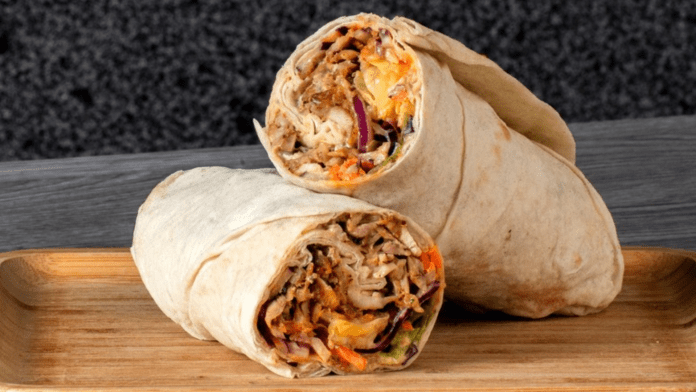
Mumbai, the bustling metropolis known for its diverse culinary scene, offers a wide array of mouthwatering delicacies. Among the city’s countless culinary delights, one dish that has gained immense popularity is the shawarma. Originating from the Middle East, shawarma has carved a special place in the hearts and taste buds of Mumbaikars. Whether you’re a local or a visitor, exploring the vibrant streets of Mumbai is incomplete without indulging in this flavorful and satisfying dish. In this article, we will take you on a gastronomic journey, highlighting ten shawarma havens in Mumbai that deserve a spot on your foodie bucket list this July. Get ready to embark on a delectable adventure and experience the magic of these shawarma hotspots!
1. Bademiya:
Located in the bustling lanes of Colaba, Bademiya is a legendary eatery that has been serving scrumptious shawarmas for over five decades. This iconic spot is renowned for its flavorful marinated meats, grilled to perfection and wrapped in freshly baked pita bread. The succulent chicken or lamb shawarmas are often accompanied by a generous drizzle of tangy sauces and a side of crispy fries. Despite its modest setting, Bademiya continues to attract locals and tourists alike with its unmatched taste and affordable prices.
2. Maroosh:
With multiple outlets spread across the city, Maroosh has become a go-to destination for shawarma enthusiasts in Mumbai. Their menu boasts a wide range of shawarmas, including classic chicken and lamb options, as well as innovative variants such as paneer (cottage cheese) and falafel for vegetarians. Maroosh is known for its use of high-quality ingredients and authentic flavors, resulting in shawarmas that are packed with deliciousness. Whether you prefer a wrap or a platter, Maroosh ensures a delightful shawarma experience.
3. The Shawarma Factory:
Nestled in Andheri West, The Shawarma Factory is a hidden gem that offers a delightful fusion of flavors. This place is known for its creative shawarma combinations, such as the fiery Peri-Peri Shawarma and the zesty Lebanese Shawarma. The Shawarma Factory takes pride in their homemade sauces and freshly baked bread, which elevate the taste of their shawarmas to new heights. If you’re an adventurous foodie looking to try unique shawarma flavors, this is the place to visit.
4. Persian Darbar:
When it comes to authentic Persian cuisine in Mumbai, Persian Darbar stands out as a prominent name. While they are renowned for their biryanis and kebabs, their shawarmas are equally exceptional. With a perfect blend of spices and marination, Persian Darbar’s shawarmas offer a distinct flavor profile that keeps customers coming back for more. The restaurant’s inviting ambiance and courteous staff add to the overall dining experience, making it a must-visit spot for shawarma aficionados.
5. Sardarji’s Kathi Rolls:
If you’re searching for a shawarma experience with an Indian twist, Sardarji’s Kathi Rolls is the place to be. Located in Tardeo, this eatery specializes in delectable kathi rolls, which are essentially Indian-style wraps. Their chicken tikka shawarma roll is a delightful fusion of flavors, combining succulent chicken tikka with tangy sauces and crunchy veggies. The melt-in-your-mouth kebabs and the soft, flaky parathas used for the rolls make every bite a true delight. Don’t miss out on this unique culinary experience!
6. Carter’s Blue:
Situated in Bandra West, Carter’s Blue is a favorite among locals for its delicious shawarmas and laid-back ambiance. This eatery offers a wide variety of shawarma fillings, including chicken, lamb, and vegetarian options. Their generous portion sizes and delectable taste have earned them a loyal customer base. Carter’s Blue is known for its quick service, making it an ideal spot for a quick bite during a busy day of exploring the city.
7. Shawarma King:
As the name suggests, Shawarma King in Powai aims to be the ultimate destination for shawarma lovers. This place is revered for its mouthwatering chicken shawarmas, cooked to perfection on vertical rotisseries. The juicy and tender meat, combined with the restaurant’s signature sauces and pickles, creates a symphony of flavors that will leave you craving more. Shawarma King’s commitment to quality and consistency has earned it a reputation as one of Mumbai’s top shawarma joints.
8. Chicken Shawarma Corner:
Located in Fort, Chicken Shawarma Corner is a small eatery that has gained immense popularity for its delectable shawarmas. This humble joint serves a limited menu, focusing solely on chicken shawarmas. However, what they lack in variety, they make up for in taste. The secret lies in their well-marinated chicken, slow-cooked to perfection, resulting in juicy and flavorful shawarmas. With its pocket-friendly prices and authentic taste, Chicken Shawarma Corner is a hidden gem for shawarma enthusiasts.
9. Shawarma Factory:
Situated in Lower Parel, Shawarma Factory is a trendy eatery known for its contemporary twist on traditional shawarmas. Their innovative menu features fusion flavors like Butter Chicken Shawarma and Barbecue Pulled Pork Shawarma, appealing to adventurous foodies looking for a unique experience. Shawarma Factory uses premium ingredients and follows meticulous cooking techniques, ensuring that each shawarma is a burst of flavors. Don’t miss the chance to try their intriguing combinations!
10. Al Souk:
Al Souk, located in Bandra West, offers an authentic Arabian culinary experience in the heart of Mumbai. Apart from their delectable kebabs and Arabian delicacies, their shawarmas are a must-try. Al Souk’s shawarmas are prepared with traditional Middle Eastern techniques, using marinated meat cooked on a rotating spit. The result is tender, juicy meat wrapped in warm pita bread, accompanied by fresh vegetables and tantalizing sauces. Immerse yourself in the flavors of the Middle East at Al Souk.
Final Thoughts:
Mumbai’s vibrant food scene offers a plethora of options for shawarma lovers. From iconic eateries with decades of history to trendy spots serving innovative flavors, the city has something to satisfy every craving. Whether you’re a meat lover or a vegetarian, a spice enthusiast or a fan of fusion cuisine, Mumbai’s shawarma havens have got you covered. These ten establishments mentioned above represent just a fraction of the diverse shawarma offerings in the city, waiting to tantalize your taste buds. So, this July, embark on a culinary adventure, explore these shawarma hotspots, and savor the flavors that make Mumbai’s street food culture truly exceptional. Get ready to drool and indulge in the irresistible goodness of Mumbai’s shawarma scene!
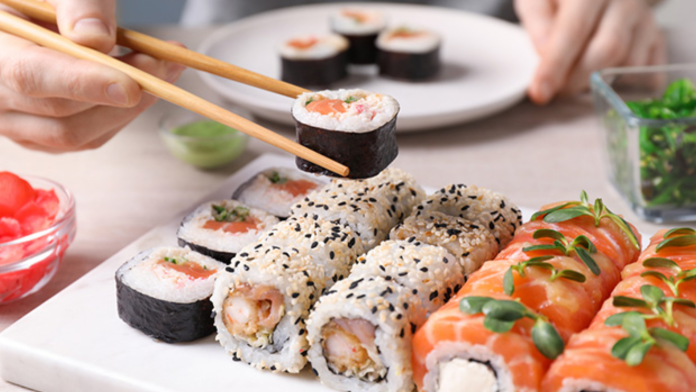
Sushi, the artful and delicate Japanese dish, has become increasingly popular worldwide due to its unique flavors and exquisite presentation. Delhi-NCR, known for its diverse culinary scene, offers a wide array of sushi restaurants that bring the authentic taste of Japan to its residents and visitors. Whether you’re a sushi aficionado or a curious food lover looking to explore new flavors, this guide will take you on a journey through the top 10 sushi restaurants in Delhi-NCR for July. Prepare your taste buds to savor the finest sushi creations, from traditional nigiri and maki rolls to innovative fusion delicacies. So let’s embark on this gastronomic adventure and discover the best places to indulge in the flavors of Japan right here in Delhi-NCR!
1. Sushi Junction:
Situated in Gurgaon, Sushi Junction offers a delectable range of sushi options, from classic favorites to unique fusion creations. With a focus on quality and freshness, Sushi Junction sources the finest ingredients to deliver an authentic sushi experience. Must-try dishes include their Spicy Salmon Roll and Volcano Roll, which are bursting with flavor and creativity.
2. Guppy by Ai:
Located in Lodhi Colony, Guppy by Ai is a trendy and vibrant restaurant that specializes in Japanese cuisine, including an impressive sushi menu. The restaurant boasts a relaxed ambiance and a visually appealing presentation of their dishes. Savor their signature Dragon Roll and Rock Shrimp Tempura Roll, which exemplify the perfect balance of flavors and textures.
3. Sakura – The Metropolitan Hotel & Spa:
Situated in Connaught Place, Sakura offers a sophisticated dining experience with its authentic Japanese flavors and elegant ambiance. The sushi menu at Sakura showcases the artistry of skilled chefs who prepare each roll with precision and finesse. The Salmon Skin Roll and California Roll are among the highlights that will leave you craving for more.
4. En – The Japanese Restaurant:
En, located in Mehrauli, is renowned for its traditional Japanese cuisine and an extensive sushi menu. The restaurant features an intimate setting and a sushi counter where you can witness the chefs’ craftsmanship firsthand. Be sure to try their delectable Tuna Tataki Roll and Spider Roll, which exemplify the delicate flavors and attention to detail that En is known for.
5. Wasabi by Morimoto:
Situated in The Taj Mahal Hotel, Wasabi by Morimoto is an award-winning fine dining restaurant that showcases the culinary mastery of Iron Chef Masaharu Morimoto. With its exquisite presentation and use of premium ingredients, Wasabi offers an unparalleled sushi experience. Indulge in their signature Omakase Sushi Platter and experience sushi at its finest.
6. Megu:
Located in The Leela Palace, Megu is an opulent Japanese restaurant that combines traditional flavors with modern techniques. The sushi menu at Megu features a range of innovative creations, such as the Black Cod Miso Roll and the Truffle Tuna Tataki Roll, which will leave a lasting impression on your taste buds.
7. Yum Yum Cha:
Yum Yum Cha, with multiple locations across Delhi-NCR, offers a vibrant and contemporary dining experience. This popular restaurant is known for its playful and Instagram-worthy sushi creations. Don’t miss their signature Rainbow Roll and Volcano Roll, which are as visually appealing as they are delicious.
8. Kampai:
Situated in Aerocity, Kampai is a hidden gem for sushi enthusiasts. The restaurant’s cozy ambiance and authentic flavors make it a go-to destination for sushi lovers. The Salmon Avocado Roll and Prawn Tempura Roll are highly recommended for their exquisite taste and freshness.
9. Tokyo Table:
Located in Gurgaon, Tokyo Table presents a unique concept that allows diners to experience Japanese cuisine in a casual and interactive setting. With a diverse sushi menu and a live sushi counter, Tokyo Table offers a dynamic dining experience. Their Signature Nigiri Platter and Spider Roll are sure to impress sushi aficionados.
10. EDO Restaurant & Bar:
Situated in Janpath, EDO Restaurant & Bar is known for its contemporary Japanese cuisine and a picturesque rooftop setting. The restaurant offers an extensive sushi menu that caters to both traditional and adventurous palates. Delight in their EDO Signature Roll and Crunchy Spicy Tuna Roll while enjoying the panoramic views of Delhi.
Final Thoughts:
Delhi-NCR’s sushi scene is flourishing, offering a delightful variety of sushi restaurants that bring the flavors of Japan to the region. From traditional to fusion creations, these top 10 sushi restaurants provide a diverse range of options to cater to every sushi lover’s preferences. Each restaurant has its own unique ambiance, presentation, and culinary approach, ensuring a memorable dining experience.
As you embark on this culinary journey, make sure to try the recommended signature dishes at each establishment. These mouthwatering creations showcase the expertise of the chefs and their commitment to delivering the essence of Japanese cuisine.
Whether you’re a connoisseur of sushi or a novice eager to explore new flavors, these top 10 sushi restaurants in Delhi-NCR will undoubtedly leave you craving for more. So, indulge your senses and experience the artistry and flavors of Japan right in the heart of Delhi-NCR this July!
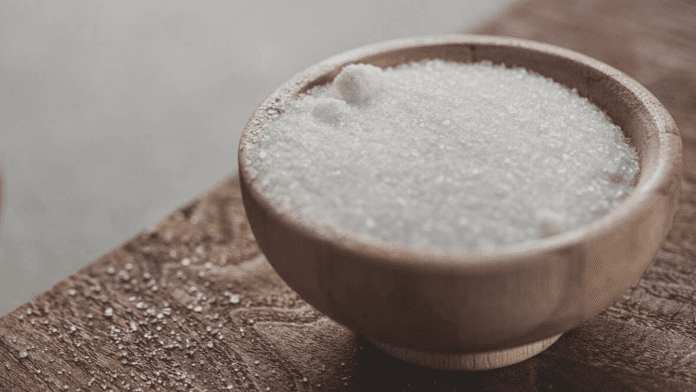
Monsoon season brings relief from the scorching heat and fills the air with a refreshing ambiance. However, it also poses challenges for food storage, especially when it comes to keeping sugar fresh and dry. The increased humidity during the monsoon can lead to clumping, caking, and spoilage of sugar, rendering it unusable and affecting the taste and texture of many dishes and beverages.
In this article, we will explore various life-saving hacks to preserve sugar’s quality and prevent it from getting ruined during the monsoon season. These hacks are simple, effective, and can save your sugar from becoming a sticky mess, ensuring you have sweet delights throughout the rainy season.
Choose the Right Storage Container:
The first step in preserving sugar during the monsoon is to select the appropriate storage container. Opt for an airtight container made of food-grade material, such as glass or high-quality plastic, with a tight-fitting lid. This will prevent moisture from seeping in and keep your sugar dry and fresh.
Dry the Container Before Filling:
Before filling the storage container with sugar, make sure it is completely dry. Any residual moisture can create a conducive environment for sugar to clump together. Wipe the container with a clean cloth and let it air dry for a few minutes if needed.
Use Silica Gel Packets:
Silica gel packets, commonly found in shoe boxes and various packaged products, are excellent moisture absorbers. Place a few silica gel packets inside the sugar container to absorb excess humidity and keep the sugar dry. Remember to replace these packets periodically to maintain their effectiveness.
Add a Piece of Bread:
An old-fashioned trick to prevent sugar clumping is by adding a piece of bread to the container. The bread will absorb moisture, leaving the sugar dry and fresh. Replace the bread slice every few days to maintain its moisture-absorbing properties.
Freeze the Sugar:
If you have a surplus of sugar that you don’t plan to use immediately, consider freezing it. Divide the sugar into smaller airtight containers or freezer bags and store them in the freezer. Freezing will halt any moisture-related reactions and preserve the sugar’s quality until you are ready to use it.
Keep Sugar Away from Heat and Light:
Heat and light can exacerbate moisture-related issues, causing sugar to clump and lose its quality. Store your sugar container in a cool, dark place away from direct sunlight and any sources of heat, like kitchen appliances.
Keep the Container Sealed:
Consistently sealing the container after each use is crucial to prevent moisture from entering. Even a few moments of exposure to air during frequent opening and closing can invite humidity to spoil the sugar. Develop the habit of closing the lid tightly after every use.
Avoid Using Wet Utensils:
When scooping sugar from the container, ensure that the utensil is dry. Using wet spoons or scoops can introduce moisture into the sugar, causing it to clump. Keep a dry spoon or scoop specifically for sugar use to maintain its quality.
Store Sugar in Smaller Batches:
If you use sugar sparingly, it might be a good idea to store it in smaller batches. This reduces the frequency of opening the main storage container, minimizing exposure to moisture. Smaller containers also enable better control over humidity levels within each batch.
Dehumidify Your Storage Area:
Invest in a dehumidifier for the pantry or the area where you store your sugar and other dry goods. A dehumidifier helps reduce excess moisture in the air, preventing sugar from absorbing it and becoming sticky.
Opt for Vacuum Sealing:
For long-term storage of sugar, consider vacuum sealing the container or using vacuum-sealed bags. Vacuum sealing removes the air from the container, creating an inhospitable environment for moisture and ensuring the sugar remains dry and free-flowing.
Use Desiccants:
Desiccants like activated charcoal or rice can help absorb moisture in the sugar container. Place a few tablespoons of activated charcoal or uncooked rice in a porous cloth bag or a small container and keep it alongside the sugar. These desiccants will absorb excess moisture, preserving the sugar’s quality.
Final Thoughts:
Don’t let the monsoon ruin your sugar and spoil your culinary creations. By following these life-saving hacks, you can keep your sugar fresh, dry, and free-flowing throughout the rainy season. Remember to choose the right storage container, employ moisture-absorbing techniques, and store sugar away from heat and light. By implementing these simple tips, you can ensure that your sugar remains in excellent condition, allowing you to enjoy sweet delights even during the most humid months of the year.
We use cookies to ensure that we give you the best experience on our website. If you continue to use this site we will assume that you are happy with it.