World Chocolate Day is an occasion celebrated with great enthusiasm and joy all around the globe. And what better way to make this day extra special for your kids than by treating them to a delectable and easy-to-make chocolate mug cake! This finger-licking dessert is not only irresistibly delicious but also quick to prepare, making it an ideal choice for surprising your little ones on this delightful day. In this article, we will guide you through a step-by-step recipe for a mouthwatering chocolate mug cake that will leave your kids craving for more. So let’s dive into the world of chocolatey goodness and create lasting memories with our children on this World Chocolate Day!
Ingredients:
4 tablespoons all-purpose flour
2 tablespoons unsweetened cocoa powder
2 tablespoons granulated sugar
1/4 teaspoon baking powder
A pinch of salt
3 tablespoons milk
2 tablespoons vegetable oil
1/4 teaspoon vanilla extract
2 tablespoons chocolate chips (optional, for added indulgence)
Whipped cream, sprinkles, or additional chocolate chips for garnish (optional)
Instructions:
In a microwave-safe mug, combine the all-purpose flour, cocoa powder, granulated sugar, baking powder, and salt. Mix well with a fork or a small whisk to ensure all the dry ingredients are evenly combined.
Add the milk, vegetable oil, and vanilla extract to the mug. Stir the mixture until it forms a smooth batter. Make sure there are no lumps remaining.
If desired, add chocolate chips to the batter and gently fold them in. The chocolate chips will melt during baking, creating pockets of gooey goodness.
Place the mug in the microwave and cook on high for 1 minute and 30 seconds to 2 minutes. Cooking time may vary depending on the wattage of your microwave, so keep an eye on the cake to prevent it from overflowing.
Once the cake is cooked, carefully remove the mug from the microwave (it will be hot!) and allow it to cool for a few minutes.
To add a touch of whimsy and delight, you can top the mug cake with whipped cream, sprinkles, or additional chocolate chips. Let your kids unleash their creativity and decorate their own mug cakes.
Serve the chocolate mug cake warm and watch as your kids dive into a world of chocolatey bliss!
Tips:
You can customize the chocolate mug cake by adding a teaspoon of instant coffee powder for a hint of mocha flavor or a handful of chopped nuts for added crunch.
If you prefer a more fudgy texture, reduce the cooking time by 10-15 seconds. Be cautious not to overcook the cake to maintain its moistness.
On World Chocolate Day, surprise your kids with this delightful and finger-licking chocolate mug cake. Its simplicity, quick preparation, and irresistible chocolaty flavor will make it an instant hit among your little ones. Let them savor each spoonful of this moist and decadent treat, and watch their faces light up with joy. So grab your mugs, gather the ingredients, and embark on a sweet journey of celebration with this indulgent chocolate mug cake that will make World Chocolate Day extra special for your kids!
Chilies are one of the most widely used spices in the world, known for their fiery heat and ability to add a punch of flavor to various cuisines. Whether you enjoy spicy food or not, it’s hard to deny the unique sensation that comes from consuming a chili pepper. Over the years, a popular belief has emerged that deseeding chilies reduces their heat level. In this article, we will explore the truth behind this claim and uncover the secrets of chili peppers. Brace yourself, as we dive into the science of chilies and prepare to have your mind blown!
Understanding Chili Heat:
To understand the concept of chili heat, we need to explore the compound responsible for it: capsaicin. Capsaicin is a chemical compound found in chili peppers, specifically in the white pith and seeds. It interacts with the pain receptors in our mouths, creating a sensation of heat or spiciness. The Scoville scale is a commonly used measurement to quantify the heat level of chili peppers, based on the concentration of capsaicinoids present.
The Myth of Deseeding Chilies:
Many people believe that removing the seeds from chilies reduces their heat level. This notion has been passed down through generations and has become a common practice in various culinary traditions. The idea behind this belief is that capsaicin is concentrated in the seeds, and by removing them, one can tame the heat of the chili pepper.
Examining the Facts:
Contrary to popular belief, deseeding chilies does not significantly decrease their heat level. While it’s true that capsaicin is present in the seeds, it is also found throughout the flesh of the chili pepper. Capsaicin is synthesized in the placental tissue that holds the seeds and is distributed unevenly within the pepper. In fact, the highest concentration of capsaicin is often found in the area where the seeds are attached to the placenta, rather than in the seeds themselves.
To put it simply, removing the seeds may eliminate a small portion of capsaicin, but the majority remains in the flesh. The heat of a chili pepper is determined by the amount of capsaicin it contains, not just the presence of seeds. Therefore, deseeding chilies may have a minimal impact on reducing spiciness.
Other Factors Influencing Chili Heat:
While deseeding chilies may not have a significant effect on reducing their heat level, there are other factors that can influence the spiciness of a chili pepper.
Variety: Different chili pepper varieties naturally vary in their heat levels. For example, the mild bell pepper contains little to no capsaicin, while the scorching habanero pepper packs a fiery punch. Deseeding a mild chili pepper may result in a barely noticeable reduction in heat, but the same cannot be said for extremely hot varieties.
Growing Conditions: Environmental factors, such as temperature, sunlight, soil composition, and watering practices, can influence the capsaicin content in chili peppers. Some studies suggest that peppers grown under stress conditions, such as limited water availability or high temperatures, may produce more capsaicin, resulting in hotter peppers.
Ripeness: The level of ripeness can affect the heat of a chili pepper. In general, peppers become hotter as they ripen. Therefore, deseeding a fully ripe chili pepper may not make a noticeable difference, as the capsaicin has already developed and distributed throughout the flesh.
Preparation Methods: The way chili peppers are prepared and cooked can also affect their heat. Capsaicin is not water-soluble but is solublein fats and oils. When chili peppers are cooked in oil or incorporated into dishes with fatty ingredients, the capsaicin is more effectively released, intensifying the spiciness. On the other hand, cooking chili peppers with water-based methods, such as boiling or steaming, may result in some loss of capsaicin, reducing the overall heat.
The Role of Seeds:
While it is true that capsaicin is present in the seeds of chili peppers, they are not the sole source of heat. The seeds themselves do not produce capsaicin; rather, they are in contact with the placenta, which is responsible for capsaicin synthesis. The seeds primarily serve as a vessel for dispersal, allowing the plant to propagate. Therefore, removing the seeds does not eliminate capsaicin entirely, as it is still present in the flesh of the chili pepper.
Benefits of Deseeding Chilies:
Although deseeding chilies may not significantly reduce their heat level, there are still some benefits to this practice. Some individuals may find the texture of the seeds undesirable or prefer a milder flavor profile. Deseeding can also remove some of the bitter compounds found in the pith and seeds, leading to a smoother taste. Additionally, deseeding can help control the overall spiciness of a dish, especially when combined with other ingredients and cooking techniques.
Managing Chili Heat:
If you find yourself with a chili pepper that is too hot for your taste, there are alternative methods to manage the heat:
Dilution: Mixing the chili pepper with other ingredients can help dilute the heat. Incorporating milder ingredients like tomatoes, onions, or dairy products can balance the spiciness and provide a more enjoyable experience.
Neutralizing Agents: Certain foods and beverages are known to help alleviate the burning sensation caused by capsaicin. Dairy products, such as milk or yogurt, contain casein, a protein that binds with capsaicin and helps neutralize its effects. Similarly, consuming bread, rice, or starchy foods can help absorb and mitigate the heat.
Cooking Techniques: Adjusting cooking methods can also moderate the spiciness of chili peppers. Roasting or grilling can mellow the heat by slightly caramelizing the capsaicin. Additionally, marinating chili peppers in acidic liquids like vinegar or citrus juices may temper the spiciness.
Final Thoughts:
The belief that deseeding chilies reduces their heat level is a common misconception that has been debunked by scientific evidence. While removing the seeds may eliminate a small portion of capsaicin, the majority of the compound is distributed throughout the flesh of the chili pepper. Other factors, such as variety, growing conditions, ripeness, and preparation methods, play a more significant role in determining the spiciness of chili peppers.
Understanding the secrets behind chili heat allows us to appreciate the complex flavors and sensations they bring to our palates. So, the next time you encounter a fiery chili pepper, embrace the heat and explore creative ways to enjoy this vibrant spice. Whether you choose to deseed or embrace the seeds, let your taste buds guide you on a flavorful journey that will leave you both satisfied and enlightened.
Whisky, with its rich history and diverse range of flavors, has captivated the hearts of enthusiasts worldwide. For those passionate about this iconic spirit, the quest for enhancing its flavors is a never-ending pursuit. Whether you are a seasoned connoisseur or a curious beginner, this article will present you with a collection of flavor-boosting hacks that will elevate your whisky experience to new heights. From exploring different glassware to experimenting with ice options and pairing suggestions, we will delve into the world of whisky with the aim of unraveling its hidden depths. Prepare yourself for an exhilarating journey as we unlock the secrets to extracting the fullest potential from your cherished bottles.
The Power of Glassware:
While it may seem insignificant, the choice of glassware can significantly impact your whisky tasting experience. Traditional whisky glasses, such as the Glencairn or the copita, are specifically designed to concentrate aromas and guide them towards the nose. The tulip shape narrows at the top, capturing the whisky’s bouquet and intensifying the overall sensory experience. Experimenting with different glass shapes can reveal new dimensions of your favorite dram. For instance, a wider tumbler or a highball glass can enhance the interaction of the whisky with oxygen, altering its flavor profile.
The Art of Ice:
Ice is often a contentious topic among whisky purists, but it can play a role in enhancing flavors when used thoughtfully. Large ice cubes or whisky stones can cool the whisky without diluting it excessively, preserving the intricate balance of flavors. Additionally, experimenting with different types of ice can produce varied effects. For example, using ice made from mineral-rich water can subtly influence the taste, while hand-carved ice spheres or cubes can provide a visually appealing and slow-melting chilling option.
Dilution Done Right:
Diluting whisky with a splash of water can be a game-changer, particularly when dealing with high-proof or cask-strength whiskies. Adding water reduces the alcohol’s intensity, allowing the flavors to unfold more delicately on the palate. The addition of water also releases volatile compounds, revealing hidden aromas and complexities. Experimentation is key here, as each whisky has its own ideal dilution point. Gradually adding small amounts of water to your dram and noting the evolving flavors will help you find the perfect balance.
Unveiling the Charms of Whisky Pairings:
Pairing whisky with complementary flavors can create a delightful symphony of taste sensations. Consider the whisky’s characteristics, such as its region of origin, its flavor profile, and its age, when selecting food pairings. For example, a peaty Islay whisky can be harmonized with strong cheeses, smoked meats, or dark chocolate. Conversely, a delicate Speyside whisky may find a delightful match with seafood, light cheeses, or fruits. Exploring contrasting or complementary flavors can unlock new dimensions in both the whisky and the accompanying dish.
Elevating Whisky Cocktails:
Whisky cocktails provide an excellent opportunity to showcase the spirit’s versatility and amplify its flavors. Experiment with classic recipes like the Old Fashioned or the Whisky Sour, or create your own signature cocktail by incorporating fresh ingredients, homemade syrups, and bitters. The addition of complementary flavors like citrus, herbs, spices, or even a touch of smoke can elevate the whisky’s taste profile and create a unique drinking experience. Don’t be afraid to venture into uncharted territory, as whisky cocktails offer endless possibilities for creativity.
Final Thoughts:
Whisky is a drink that offers a world of flavors and complexities waiting to be explored. By incorporating these flavor-boosting hacks into your whisky journey, you can elevate your tasting experience to new heights. From the choice of glassware to the art of ice, dilution techniques, food pairings, and whisky cocktails, there are numerous avenues to unlock the full potential of your favorite drams.
Remember that whisky appreciation is a subjective and personal experience. The key is to experiment, explore, and find what resonates with your palate. Embrace the adventure and allow your senses to guide you as you embark on this flavorful journey.
As a whisky enthusiast, the possibilities are endless. Whether you prefer to savor your whisky neat, on the rocks, in a cocktail, or paired with delectable foods, the flavor-boosting hacks presented here will undoubtedly enhance your enjoyment and help you discover new facets of this exceptional spirit.
So, gather your whisky collection, embrace these hacks, and immerse yourself in the world of whisky. With each sip, let the flavors transport you to new realms of sensory delight. Cheers to taking your whisky experience to the next level!
World Chocolate Day is celebrated on July 7th every year, paying homage to one of the world’s most beloved treats. While classic chocolate flavors like milk, dark, and white have their own charm, there is a world of unique and extraordinary chocolate flavors waiting to be discovered. These innovative combinations offer a tantalizing experience that pushes the boundaries of traditional chocolate. In this article, we will explore some of the most unique chocolate flavors that will undoubtedly leave you craving for more.
Chili Chocolate:
Starting off our extraordinary chocolate flavor journey, chili chocolate is a fusion that blends the richness of chocolate with the fiery kick of chili peppers. The combination might seem unusual at first, but the spicy heat of the chili beautifully complements the sweetness of the chocolate, creating a flavor profile that is simultaneously intense and gratifying.
Salted Caramel Chocolate:
Salted caramel chocolate combines the indulgent sweetness of caramel with a hint of salt. The salt crystals provide a contrast to the smoothness of the caramel, enhancing the overall flavor and creating a delightful balance. The combination of salt and chocolate creates a harmonious blend of flavors that is both rich and satisfying.
Lavender Chocolate:
Lavender is not just for perfumes and aromatherapy; it also makes for a surprisingly delightful chocolate flavor. The floral notes of lavender infuse the chocolate with a unique and calming aroma, transporting your taste buds to a tranquil paradise. Lavender chocolate offers a refreshing twist on the traditional chocolate experience, making it a must-try for chocolate enthusiasts.
Bacon Chocolate:
Prepare yourself for a flavor combination that pushes the boundaries of sweet and savory. Bacon chocolate combines the rich smokiness of bacon with the smoothness of chocolate, resulting in a taste sensation that is both unexpected and addictive. The contrasting flavors create a unique harmony that is sure to leave a lasting impression.
Matcha Chocolate:
For those seeking an exquisite blend of Eastern and Western flavors, matcha chocolate is an excellent choice. Matcha, a finely ground powder of green tea leaves, imparts its distinctive earthy and slightly bitter taste to the chocolate. The combination of matcha and chocolate creates a sophisticated flavor profile that is rich, vibrant, and unforgettable.
Rose Chocolate:
Delicate and romantic, rose chocolate is a fusion that brings together the sweetness of chocolate and the subtle floral essence of roses. The infusion of rose petals gives the chocolate a fragrant and slightly perfumed flavor, resulting in a truly enchanting taste experience. Rose chocolate is perfect for those who appreciate a touch of elegance and sophistication in their indulgences.
Wasabi Chocolate:
If you are a fan of bold and daring flavors, wasabi chocolate will certainly pique your interest. Wasabi, known for its potent spiciness, adds an unexpected kick to the smoothness of chocolate. The combination creates a unique fusion of heat and sweetness that is both thrilling and satisfying. Wasabi chocolate is a testament to the endless possibilities when it comes to culinary experimentation.
Orange Zest Chocolate:
The zesty freshness of oranges combined with the rich depth of chocolate creates a harmonious symphony of flavors. The citrusy tang of orange zest cuts through the richness of the chocolate, adding a bright and refreshing element to the overall taste. Orange zest chocolate is a vibrant and invigorating choice that is guaranteed to tantalize your taste buds.
Final Thoughts:
On World Chocolate Day, it’s the perfect opportunity to expand your chocolate horizons and indulge in unique flavors that go beyond the traditional options. From the fiery allure of chili chocolate to the refined elegance of rose chocolate, these extraordinary combinations offer a sensory adventure that will leave youcraving for more.
So, treat yourself to a tantalizing chocolate experience on World Chocolate Day, and let these unique flavors transport you to a realm of indulgence and culinary delight.
Are you looking to take your fitness journey to the next level? Look no further than whole wheat bread! Yes, you read it right. This humble and wholesome food can be your secret weapon for achieving better workout results. Packed with essential nutrients and fiber, whole wheat bread offers a range of benefits that can support your fitness goals. In this fun and elaborate article, we will delve into the reasons why whole wheat bread should be a part of your fitness routine.
Energy-Boosting Carbohydrates:
Whole wheat bread is an excellent source of complex carbohydrates, which are the body’s primary source of energy. When you consume whole wheat bread before a workout, the carbohydrates are gradually released, providing a sustained and steady supply of energy. This allows you to power through your workouts with improved endurance and focus.
Fiber for Sustained Fullness:
One of the standout features of whole wheat bread is its high fiber content. Fiber not only aids digestion but also helps you feel fuller for longer periods. This can be particularly beneficial when trying to maintain a healthy weight or make mindful food choices post-workout. The feeling of sustained fullness from whole wheat bread can help prevent overeating and support your fitness goals.
Muscle-Repairing Protein:
While whole wheat bread is not a significant source of protein on its own, it can be combined with other protein-rich foods to create a balanced meal or snack. Pairing whole wheat bread with lean protein sources like turkey, chicken, or nut butter can provide the necessary amino acids for muscle repair and recovery after intense workouts. This combination can optimize your post-workout nutrition and enhance your fitness gains.
Nutrient-Rich Powerhouse:
Whole wheat bread is a nutritional powerhouse, packed with essential vitamins and minerals. It contains B vitamins, such as thiamin, niacin, and folate, which play a crucial role in converting carbohydrates into energy. Additionally, whole wheat bread provides minerals like magnesium, which is involved in muscle function, and iron, which supports oxygen transport to muscles during exercise. These nutrients contribute to overall health and well-being, promoting optimal performance during workouts.
Versatility and Deliciousness:
One of the best things about whole wheat bread is its versatility. Whether you enjoy it as a sandwich, toast, or a base for a nutritious avocado toast, the options are endless. Experiment with different toppings and fillings to keep your meals exciting and satisfying. Whole wheat bread’s delicious taste and texture make it a favorite among fitness enthusiasts, allowing you to enjoy your food while staying on track with your fitness goals.
Final Thoughts:
If you’re seeking a way to amp up your workout results, look no further than whole wheat bread. Its energy-boosting carbohydrates, fiber for sustained fullness, muscle-repairing protein combinations, nutrient-rich profile, and delicious versatility make it an excellent addition to your fitness routine. So, the next time you’re fueling up for a workout or recovering afterward, reach for whole wheat bread and experience the benefits it brings to your fitness journey. Embrace this simple yet powerful food and elevate your fitness game while enjoying the nourishing flavors of whole wheat bread!
The silky smooth texture melts effortlessly, releasing an irresistible cascade of pure cocoa bliss. Each delectable morsel transports you to a world of pure delight, where worries fade away, and time stands still. With every bite, a surge of euphoria courses through your veins, awakening your innermost cravings for more. The allure of chocolate is undeniable, beckoning you to surrender to its seductive charm and immerse yourself in its decadent embrace. So, succumb to the irresistible allure, let your desires guide you, and embrace the sheer indulgence of chocolate, for it is a temptation that simply cannot be denied on this world Chocolate Day is a delightful occasion that celebrates the universal love for chocolate. But did you know that chocolate is not just a delicious treat, but it also offers numerous benefits for your body and soul? From its rich taste to its mood-enhancing properties, chocolate has been cherished for centuries. In this article, we will delve into the secret ways chocolate nurtures your body and soul, uncovering the fascinating science behind its positive effects.
Boosts Mood and Enhances Happiness:
There’s a reason why chocolate is often associated with happiness. When you indulge in a bite of chocolate, it triggers the release of endorphins, the feel-good hormones in your brain. These endorphins help improve your mood, reduce stress, and promote a sense of well-being. Additionally, chocolate contains phenylethylamine, a compound that stimulates the brain’s pleasure centers, further enhancing your happiness levels
Provides Antioxidant Power:
Chocolate, especially dark chocolate with a high cocoa content, is rich in antioxidants. Antioxidants help combat oxidative stress in the body, which can contribute to the development of chronic diseases and premature aging. The cocoa in chocolate contains flavonoids, which are powerful antioxidants known to have various health benefits, including reducing inflammation, improving heart health, and boosting immune function.
Enhances Cognitive Function:
The flavonoids present in chocolate have been found to have positive effects on cognitive function. Research suggests that regular consumption of cocoa and dark chocolate may improve memory, attention span, and overall cognitive performance. These benefits can be attributed to the increase in blood flow to the brain, as well as the antioxidant and anti-inflammatory properties of chocolate.
Supports Heart Health:
Contrary to popular belief, moderate consumption of dark chocolate can be beneficial for your heart. The flavonoids in chocolate have been shown to improve cardiovascular health by reducing blood pressure, enhancing blood flow, and lowering the risk of blood clot formation. However, it’s important to choose high-quality dark chocolate with a cocoa content of 70% or higher to reap these heart-healthy benefits.
Relieves Stress and Promotes Relaxation:
If you find yourself seeking comfort in a bar of chocolate during stressful times, there’s a scientific reason behind it. Chocolate contains anandamide, a neurotransmitter known as the “bliss molecule,” which can induce feelings of relaxation and contentment. Additionally, the act of slowly savoring a piece of chocolate can be a form of mindfulness, allowing you to momentarily pause and enjoy the present moment, helping to alleviate stress.
Final Thoughts:
As you celebrate World Chocolate Day, savor the delightful flavors and embrace the hidden wonders of chocolate that nurture both your body and soul. From boosting your mood and enhancing happiness to providing antioxidant power and supporting heart health, chocolate offers a range of benefits backed by scientific research. Remember, moderation is key when enjoying chocolate, so opt for high-quality dark chocolate and savor it mindfully. Indulge in the sweetness of chocolate and let it be a source of joy and well-being on this special day and beyond.
World Chocolate Day is a delightful occasion celebrated by chocolate enthusiasts worldwide. If you’re a chocolate lover looking for something unique and exquisite to indulge in, why not explore the realm of Indian chocolates? India boasts a rich tradition of cocoa cultivation and chocolate production, offering a diverse range of flavors and textures that will tantalize your taste buds. In this article, we will introduce you to some divine Indian chocolates that are perfect for celebrating World Chocolate Day.
Amul Dark Chocolate:
Amul is a renowned name in the Indian dairy industry, and they also create exceptional chocolates. Their dark chocolate is a heavenly treat for chocolate connoisseurs. Made from the finest cocoa beans, it boasts a rich and intense flavor that’s perfect for those who appreciate the bittersweet allure of dark chocolate. Experience the luxurious indulgence of Amul Dark Chocolate by ordering it here.
Zoroy Luxury Chocolate:
Zoroy is a prominent luxury chocolate brand in India, known for its artistic craftsmanship and premium ingredients. They offer a wide array of chocolates, including handmade truffles, pralines, and chocolate bars. Each creation is meticulously crafted to deliver an unforgettable taste experience. Explore Zoroy’s divine collection and offers on their chocolates by visiting their website here.
Mason & Co. Artisanal Chocolate:
For those seeking organic and ethically sourced chocolates, Mason & Co. is the brand to explore. They specialize in handcrafted artisanal chocolates made from single-origin Indian cocoa beans. Their unique flavor profiles, such as coffee-infused chocolates or sea salt and caramel combinations, will transport you to chocolate paradise. Discover the irresistible range of Mason & Co.’s artisanal chocolates. Order from here.
Earth Loaf Artisan Chocolate:
Earth Loaf offers an extraordinary range of organic, vegan, and bean-to-bar chocolates. Their chocolates are made using single-origin Indian cacao, and they take pride in their sustainable and fair-trade practices. From dark chocolate with Himalayan pink salt to luscious fruit-infused bars, Earth Loaf’s chocolates are a true celebration of flavors. Treat yourself to Earth Loaf’s exquisite chocolates. Buy from here.
Jus’ Trufs Chocolatiers:
Jus’ Trufs is a well-established chocolatier based in Bangalore, India. Their chocolates are handcrafted with utmost care and attention to detail, ensuring an exceptional taste experience. Whether you prefer classic dark chocolates or innovative flavors like masala chai or paan (betel leaf), Jus’ Trufs has something to satisfy every chocolate lover’s palate. Explore the world of Jus’ Trufs here.
Final Thoughts:
On World Chocolate Day, let your taste buds embark on a delightful journey through the flavors of India with these divine chocolates. From the rich intensity of Amul Dark Chocolate to the artistic creations of Zoroy, Mason & Co., Earth Loaf, and Jus’ Trufs, each brand offers a unique chocolate experience that showcases the best of Indian craftsmanship and flavors. Treat yourself or surprise your loved ones with these heavenly delights and make this World Chocolate Day an unforgettable celebration.
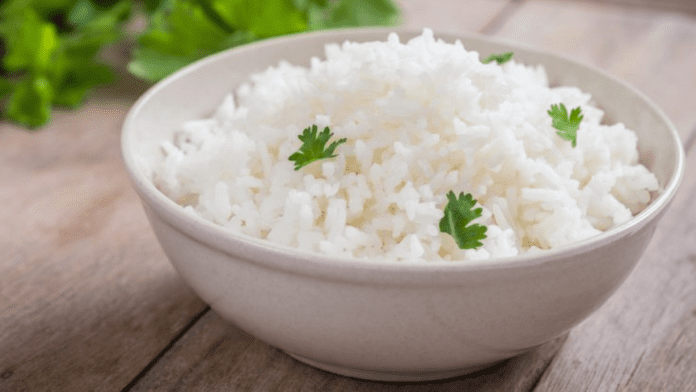
In today’s fast-paced and competitive professional world, staying productive and mentally sharp is essential for success. Many individuals are constantly seeking ways to enhance their performance and maximize their potential. Surprisingly, one such solution may be found in a seemingly ordinary staple food—rice. While rice is primarily known for its nutritional value, its benefits extend beyond the dinner plate. This article explores the remarkable properties of rice that can supercharge your professional life, helping you achieve greater productivity and mental acuity.
The Nutritional Value of Rice:
Rice is a highly nutritious food that serves as a staple for millions of people worldwide. It is a rich source of carbohydrates, which provide the body with the energy required for optimal brain function. Carbohydrates are broken down into glucose, the primary fuel for the brain. Consuming rice, especially whole grain varieties, can ensure a steady supply of glucose to the brain, enhancing cognitive abilities and mental focus.
Furthermore, rice contains essential vitamins and minerals such as thiamine, niacin, riboflavin, and iron, which are vital for brain health. These nutrients support neurotransmitter production, nerve function, and oxygenation of the brain, ultimately improving cognitive performance. Additionally, rice is gluten-free, making it a suitable choice for individuals with gluten sensitivities or celiac disease, who may experience brain fog and decreased productivity due to gluten consumption.
Rice and Memory Enhancement:
Memory is a fundamental aspect of productivity and sharpness in the professional realm. Rice contains several compounds that have been linked to memory enhancement. One such compound is gamma-aminobutyric acid (GABA), which is found in high levels in germinated or sprouted rice. GABA acts as an inhibitory neurotransmitter, promoting relaxation and reducing stress, which can significantly impact memory retention and recall.
Moreover, rice contains a range of antioxidants, including phenolic compounds and flavonoids. These antioxidants help combat oxidative stress and inflammation, both of which can impair memory and cognitive function. By incorporating rice into your diet, you can benefit from these natural antioxidants, supporting a healthy brain and improving your ability to retain and recall information.
Rice and Energy Levels:
Sustaining high energy levels throughout the workday is crucial for maintaining productivity and focus. Rice provides a reliable source of sustained energy due to its complex carbohydrate content. Unlike simple sugars that cause energy crashes, complex carbohydrates are digested slowly, providing a steady release of glucose into the bloodstream. This sustained energy helps you stay alert and focused, avoiding the mid-afternoon slump often associated with processed and sugary snacks.
Furthermore, rice is a low glycemic index (GI) food, meaning it does not cause a rapid spike in blood sugar levels. Foods with a high GI can lead to a sharp increase in blood sugar followed by a crash, resulting in fatigue and decreased productivity. By consuming low GI foods like rice, you can stabilize your blood sugar levels, maintaining consistent energy levels and mental clarity throughout the day.
Rice and Stress Reduction:
Managing stress is vital for optimal productivity and mental sharpness. Prolonged stress can impair cognitive function, hinder creativity, and lead to burnout. Rice contains nutrients that can help alleviate stress and promote a calm state of mind. For instance, it is rich in B vitamins, particularly thiamine and niacin, which are known to support a healthy nervous system and reduce stress and anxiety levels.
In addition, rice is a source of tryptophan, an essential amino acid that the body uses to produce serotonin—a neurotransmitter responsible for regulating mood and promoting feelings of well-being and relaxation. Consuming rice can increase serotonin levels in the brain, leading to a calmer state of mind and improved stress management.
Rice and Brain Health:
Maintaining a healthy brain is crucial for productivity, creativity, and overall cognitive function. Rice contains nutrients that support brain health and protect against age-related cognitive decline. For example, rice is a good source of antioxidants, including vitamin E and selenium, which help protect brain cells from damage caused by free radicals.
Moreover, rice contains an amino acid called lysine, which plays a vital role in the production of collagen—a protein that forms the structure of brain tissue. Collagen is essential for maintaining the integrity and function of brain cells, and an adequate supply of lysine is necessary for collagen synthesis.
Additionally, rice is a gluten-free option, and some studies suggest that individuals with gluten sensitivity or celiac disease may experience cognitive improvements when following a gluten-free diet. Eliminating gluten from the diet can reduce inflammation in the body, including the brain, leading to enhanced cognitive function and mental clarity.
Incorporating Rice into Your Professional Life:
To harness the potential benefits of rice for productivity and mental sharpness, it is important to incorporate it into your daily routine. Opt for whole grain varieties such as brown rice, black rice, or wild rice, as they retain more nutrients and fiber compared to refined white rice. Include rice as part of a balanced diet, alongside other nutritious foods, to ensure a well-rounded intake of essential nutrients.
Consider preparing rice-based meals for lunch or incorporating rice into stir-fries, salads, or grain bowls. These dishes can provide a satisfying and energy-boosting meal while promoting brain health and productivity.
Final Thoughts:
Rice, often considered a basic staple, possesses remarkable properties that can supercharge your professional life. From providing sustained energy to supporting memory enhancement, reducing stress, and promoting brain health, rice offers a range of benefits for productivity and mental sharpness. By incorporating rice into your diet and making conscious food choices, you can optimize your performance, enhance cognitive abilities, and maintain mental clarity throughout your professional journey. So, why not leverage the power of rice and unlock your full potential in the workplace?
Breakfast is often hailed as the most important meal of the day, providing us with the energy and nutrients we need to kick-start our morning. A popular choice for many is a refreshing combination of fruits and milk. However, there has been a growing concern about the potential side effects of mixing these two ingredients. This article aims to explore the surprising consequences that can arise from this seemingly innocent breakfast choice.
The Chemistry of Fruit and Milk Combination:
To understand the potential side effects, we must explore the chemistry behind mixing fruits and milk. The primary concern lies in the presence of enzymes, such as proteases and amylases, in the digestive system. Fruits, particularly those high in proteolytic enzymes like pineapple and papaya, can interfere with the digestion of proteins found in milk, leading to digestive discomfort and potential nutrient malabsorption.
Potential Side Effects of Fruit and Milk Combination:
Digestive Discomfort:
The most common side effect of combining fruits and milk is digestive discomfort. This can manifest as bloating, gas, abdominal pain, and even diarrhea. The interaction between fruit enzymes and milk proteins can disrupt the normal digestive process, causing fermentation and the production of excess gas in the gastrointestinal tract.
Nutrient Malabsorption:
Another concern is the potential for nutrient malabsorption. Proteolytic enzymes in fruits can break down proteins in milk, inhibiting the absorption of essential amino acids. This can lead to an inadequate intake of proteins and hinder the body’s ability to repair tissues, build muscles, and perform other vital functions.
Reduced Antioxidant Activity:
Fruits are known for their high antioxidant content, which helps protect the body against oxidative stress and chronic diseases. However, when combined with milk, the presence of certain proteins can decrease the antioxidant activity of fruits. This can reduce the overall health benefits associated with consuming fruits.
Imbalanced Glycemic Response:
Fruits are generally considered a healthy source of natural sugars due to their fiber content, which slows down the release of sugar into the bloodstream. However, when combined with milk, the glycemic response may be altered. Milk contains lactose, a type of sugar that can increase the glycemic load of the meal, potentially causing spikes in blood sugar levels.
Healthy Alternatives and Recommendations:
While the combination of fruits and milk may have potential side effects, there are alternative breakfast options that can provide similar nutritional benefits without the associated risks. Consider the following alternatives:
Separate Consumption:
Enjoy fruits and milk as separate components of your breakfast. This way, you can still reap the nutritional benefits of both without the risk of unwanted interactions. Consume fruits as a standalone snack or add them to cereal or yogurt.
Non-dairy Milk Substitutes:
If you prefer the creamy texture of milk in your breakfast, consider using non-dairy alternatives like almond milk, soy milk, or oat milk. These options provide similar nutrients to dairy milk without the potential complications of combining with fruits.
Smoothies with Plant-based Protein:
Create delicious and nutritious smoothies by using plant-based proteinsources such as pea protein or hemp protein instead of milk. This ensures a balanced blend of nutrients without the risk of enzyme interference.
Yogurt with Fruit Toppings:
Opt for yogurt as a base and top it with your favorite fruits. Yogurt contains probiotics that can aid digestion, and the fruit toppings provide a burst of flavor and nutrients. This combination avoids the direct mixing of fruit enzymes with milk proteins.
Final Thoughts:
While fruits and milk individually offer numerous health benefits, combining them in your breakfast may have surprising side effects. The enzymes present in certain fruits can interfere with the digestion of milk proteins, leading to digestive discomfort, nutrient malabsorption, reduced antioxidant activity, and imbalanced glycemic response. It is essential to be aware of these potential drawbacks and make informed choices about your breakfast combinations.
To enjoy the benefits of both fruits and milk without the associated risks, consider consuming them separately or exploring alternative options such as non-dairy milk substitutes, smoothies with plant-based protein, or yogurt with fruit toppings. These alternatives ensure a well-rounded breakfast while minimizing the potential side effects.
Remember, everyone’s digestive system is unique, and individual tolerances may vary. If you experience discomfort or notice adverse effects after combining fruits and milk, it is advisable to consult a healthcare professional for personalized guidance.
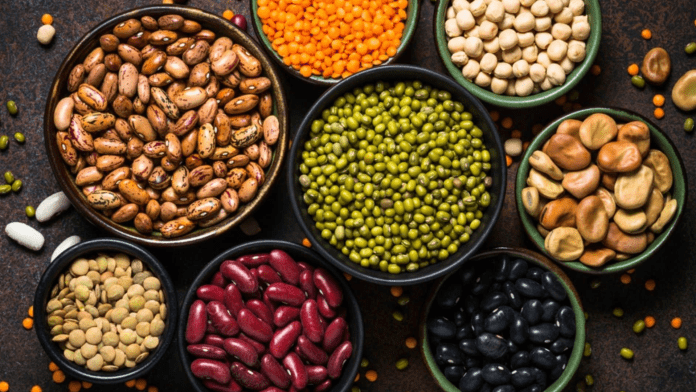
In the pursuit of a long and fulfilling life, researchers and health enthusiasts have explored numerous dietary strategies. One particular group of foods that has emerged as a powerful ally in promoting longevity and enhancing overall health is legumes. Legumes, including beans, lentils, chickpeas, and peas, are nutrient-dense plant-based foods that have been a staple in traditional diets across cultures for centuries. While they are known for their high fiber and protein content, legumes offer a plethora of additional health benefits that make them a remarkable dietary inclusion, especially for the elderly population. In this article, we will delve into the surprising ways legumes can add years to your life and unveil their potential in boosting elderly health and vitality.
The Nutritional Powerhouse of Legumes:
Legumes are widely recognized as a nutritional powerhouse due to their impressive nutrient composition. They are an excellent source of dietary fiber, providing both soluble and insoluble fiber that aids in digestion, regulates blood sugar levels, and supports heart health. Moreover, legumes are rich in plant-based protein, offering a valuable alternative to animal protein sources while maintaining a low-fat content. This makes legumes particularly beneficial for elderly individuals who often face challenges related to protein intake and maintaining muscle mass.
Furthermore, legumes contain an array of essential vitamins and minerals, including folate, magnesium, potassium, and iron, all of which are vital for optimal bodily functions. These nutrients contribute to improved cardiovascular health, reduced inflammation, enhanced bone density, and bolstered immune function, thereby promoting overall well-being in the elderly population.
The Link Between Legumes and Longevity:
Numerous studies have highlighted the association between legume consumption and longevity. The longevity benefits of legumes can be attributed to their unique combination of nutrients, including high-quality plant-based protein, complex carbohydrates, fiber, and phytochemicals. Legumes have consistently been linked to a reduced risk of chronic diseases such as cardiovascular disease, type 2 diabetes, and certain types of cancer, all of which can have a significant impact on lifespan.
One of the key factors contributing to the longevity-promoting effects of legumes is their impact on heart health. Legumes possess heart-protective properties due to their high fiber content, which helps lower cholesterol levels and maintain healthy blood pressure. Additionally, legumes contain antioxidants and anti-inflammatory compounds that further contribute to cardiovascular well-being. A large-scale study conducted by the National Institutes of Health (NIH) found that individuals who consumed legumes regularly had a significantly lower risk of coronary heart disease and exhibited a longer life expectancy.
Legumes also play a vital role in managing blood sugar levels and reducing the risk of developing type 2 diabetes. Their low glycemic index and high fiber content help regulate blood glucose levels and improve insulin sensitivity. Moreover, legumes can aid in weight management, as they promote satiety and prevent overeating. By maintaining a healthy body weight and managing blood sugar, the risk of age-related diseases and premature mortality can be significantly reduced.
The Impact of Legumes on Elderly Health and Vitality:
As individuals age, maintaining good health and vitality becomes increasingly important. Legumes offer a multitude of benefits that are particularly relevant for the elderly population, making them an essential component of a healthy diet.
Enhanced Nutrient Intake:
Legumes provide a wide range of essential nutrients that are crucial for elderly individuals. The high fiber content aids digestion, prevents constipation, and supports gut health. The presence of vitamins and minerals, such as folate, magnesium, and iron, helps combat nutritional deficiencies that commonly affect older adults. Furthermore, legumes are an excellentsource of plant-based protein, which is essential for maintaining muscle mass, supporting bone health, and promoting overall vitality.
Improved Cognitive Function: Cognitive decline is a significant concern among the elderly population. Fortunately, legumes have shown promising effects in preserving cognitive function. They contain nutrients like folate, vitamin E, and antioxidants, which have been associated with a reduced risk of cognitive decline and age-related cognitive disorders such as Alzheimer’s disease. Regular consumption of legumes may contribute to better memory, cognitive performance, and brain health in older adults.
Lowered Risk of Chronic Diseases:
Age-related chronic diseases, including cardiovascular disease, type 2 diabetes, and certain cancers, can significantly impact the quality and length of life. Legumes have been consistently associated with a reduced risk of these diseases due to their unique nutrient profile. Their fiber content helps regulate cholesterol levels, maintain healthy blood pressure, and promote a healthy cardiovascular system. Additionally, legumes’ low glycemic index and fiber content contribute to better blood sugar control, reducing the risk of type 2 diabetes. The phytochemicals present in legumes also exhibit anticancer properties, potentially reducing the incidence of certain cancers in the elderly.
Weight Management and Satiety:
Weight management becomes increasingly challenging as individuals age. Legumes can be an effective tool in managing weight and promoting satiety. Their high fiber and protein content contribute to feelings of fullness and satisfaction, reducing the likelihood of overeating and aiding in weight control. Incorporating legumes into meals can help older adults maintain a healthy weight, prevent obesity-related complications, and improve overall vitality.
Gut Health and Digestion:
Age-related changes in the digestive system can lead to constipation, impaired nutrient absorption, and other digestive issues. Legumes, with their high fiber content, act as prebiotics, promoting the growth of beneficial gut bacteria and supporting a healthy gut microbiome. This, in turn, improves digestion, enhances nutrient absorption, and contributes to overall gut health.
Final Thoughts:
The inclusion of legumes in the diet can have a profound impact on the health and vitality of the elderly population. These nutrient-dense, plant-based foods offer a wide range of benefits, including enhanced nutrient intake, improved cognitive function, reduced risk of chronic diseases, weight management support, and better gut health. Legumes’ ability to promote longevity and overall well-being stems from their high fiber and protein content, as well as the presence of essential vitamins, minerals, antioxidants, and phytochemicals.
By incorporating legumes into their meals regularly, elderly individuals can take proactive steps towards adding years to their lives and enjoying a higher quality of life. Embracing the power of legumes as a dietary staple is a simple yet powerful way to nourish the body, boost vitality, and promote healthy aging.
We use cookies to ensure that we give you the best experience on our website. If you continue to use this site we will assume that you are happy with it.