Saturday, December 27, 2025
Home Blog Page 1081

Shocking revelation: Shahnaz Husain reveals why coconut oil is a miracle cure for dry skin! 

coconut oil

Coconut oil, also known as Nariyal-Ka-Tel, has been used for centuries as a natural remedy for various skin concerns. Its numerous benefits make it a must-have ingredient in your skincare routine, particularly if you have dry skin. Renowned beauty expert Shahnaz Husain reveals the top reasons why coconut oil is a savior for dry skin, highlighting its antimicrobial and healing properties, as well as its ability to soften the skin and act as an effective makeup remover. Furthermore, we’ll delve into the world of homemade remedies featuring coconut oil, providing you with practical and cost-effective solutions to pamper and nourish your skin.

  • Antimicrobial Properties:

Coconut oil possesses potent antimicrobial properties, thanks to its high concentration of lauric acid. This natural compound helps combat bacteria, viruses, and fungi that may cause skin infections or acne breakouts. By incorporating coconut oil into your skincare routine, you can create a protective barrier on your skin, shielding it from harmful pathogens and promoting a healthier complexion.

  • Healing Properties:

Dry skin often suffers from cracks, inflammation, and irritation. Coconut oil’s healing properties come to the rescue, soothing and repairing damaged skin. Its moisturizing effect penetrates deep into the skin’s layers, promoting skin cell regeneration and reducing the appearance of dry patches. Regular use of coconut oil can help alleviate dryness, leaving your skin smooth, supple, and revitalized.

  • Softening Skin:

One of the remarkable benefits of coconut oil is its ability to soften and hydrate the skin. The oil’s rich emollient properties lock in moisture, preventing water loss and creating a protective barrier against external aggressors. Applying coconut oil to your dry skin can leave it feeling incredibly soft and nourished, restoring its natural elasticity and radiance.

  • Makeup Remover:

Coconut oil serves as an excellent natural makeup remover, especially for stubborn and waterproof cosmetics. Its gentle yet effective formula effortlessly dissolves makeup, including eye and lip products, while providing additional hydration. Massage a small amount of coconut oil onto your skin to loosen makeup, and then wipe away with a cotton pad or rinse off with warm water for a clean and refreshed face.

  • Many Homemade Remedies:

Coconut oil’s versatility extends beyond its standalone benefits. Shahnaz Husain recommends various homemade remedies to maximize the benefits of coconut oil for dry skin. From nourishing face masks and soothing body scrubs to repairing hair treatments and lip balms, the possibilities are endless. By incorporating coconut oil into your DIY skincare routine, you can unleash the power of this natural ingredient and tailor it to your specific needs.

Final Thoughts:

Coconut oil, or Nariyal-Ka-Tel, is a remarkable ally for dry skin due to its multifaceted benefits. Its antimicrobial and healing properties combat skin infections and promote a healthier complexion. By softening and hydrating the skin, coconut oil helps alleviate dryness and restores a youthful glow. Additionally, its role as a natural makeup remover saves you from harsh chemical-laden products. Moreover, the abundance of homemade remedies featuring coconut oil empowers you to craft personalized skincare solutions. So, embrace the nourishing properties of coconut oil and let it transform your dry skin into a supple, rejuvenated canvas. Say goodbye to dryness and hello to a naturally radiant complexion with the power of coconut oil.

Advertisement

Prepare to be shocked: Dwayne Johnson reveals the sinfully delicious cheat meals that keep him ripped! 

0
Dwayne Johnson cheat meals

With unwavering belief, The Rock cheers himself on. He sees the potential within, the unyielding determination that propels him forward. He understands the magnitude of his impact, the inspiration he instills in others, and the responsibility that comes with his stardom, known for his incredible physique and dedication to fitness, Dwane “The Rock” Johnson, has a secret weapon when it comes to satisfying his cravings: cheat meals. These occasional indulgences are the stuff of dreams, tantalizing our taste buds and igniting our desire for mouthwatering delights. 

Join us as we delve into the delicious realm of Dwayne Johnson’s 9 best cheat meals that will leave you craving for a taste of forbidden pleasure.

  1. Cheat Day Sugar Train:

Prepare to embark on a sugary adventure as The Rock unveils his “Cheat Day Sugar Train.” This epic cheat meal extravaganza boasts an array of delectable treats like colorful candies, delectable pastries, and sweet surprises that will transport you to a world of pure indulgence. Get ready to satisfy your sweet tooth and give in to the temptation of this ultimate cheat meal.

  1. Chocolate Chip And Peanut Butter Cookies:

Sink your teeth into warm, gooey, chocolate chip and peanut butter cookies that are the epitome of decadence. These heavenly treats combine the richness of melted chocolate with the nutty goodness of peanut butter, creating a delightful combination that will leave you craving for more.

  1. The Rock’s Pastry Platter:

Enter a paradise of flaky pastries, buttery croissants, and melt-in-your-mouth danishes with The Rock’s Pastry Platter. Indulge in the delicate layers, the sweet fillings, and the sheer bliss of each bite. From fruit-filled turnovers to custard-stuffed delights, this cheat meal is a pastry lover’s dream come true.

  1. Crusted French Toast:

Prepare to elevate your breakfast game with The Rock’s Crusted French Toast. Picture thick slices of bread dipped in a luscious egg mixture, coated in a crunchy, sweet crust, and griddled to golden perfection. Top it off with a drizzle of maple syrup, and you have a cheat meal that will make your taste buds dance with joy.

  1. Double Bacon Cheeseburger:

Succumb to the temptation of The Rock’s Double Bacon Cheeseburger, a towering masterpiece that combines juicy beef patties, crispy bacon, melted cheese, and all the classic fixings. This cheat meal delivers the perfect balance of savory flavors, making every bite a moment of pure bliss.

  1. The Sushi Train (With Cookies And Tequila):

Join The Rock on a culinary journey with his unique twist on sushi. The Sushi Train comes loaded with an assortment of fresh fish, perfectly seasoned rice, and a surprise twist—cookies and tequila. This unconventional combination will transport your taste buds to new heights, creating a cheat meal experience unlike any other.

  1. Rock French Toast And Banana Coconut Pancakes:

Prepare for a breakfast feast fit for a champion with The Rock’s Rock French Toast and Banana Coconut Pancakes. Immerse yourself in the fluffy goodness of banana-coconut-infused pancakes and thick slices of French toast. This cheat meal is the perfect blend of tropical flavors, leaving you craving for that first delicious bite.

  1. Pasta Bolognese:

Indulge in the classic comfort of The Rock’s Pasta Bolognese. Picture al dente pasta smothered in a rich and savory meat sauce, infused with aromatic herbs and spices. This cheat meal is a celebration of Italian flavors, transporting you to the streets of Italy with each forkful.

  1. Pancakes and Ice Cream:

Experience the ultimate cheat meal finale with The Rock’s Pancakes and Ice Cream. Delight in stacks of fluffy pancakes, dripping with syrup, and topped with a generous scoop of your favorite ice cream flavor. This sweet treat is the perfect way to end a cheat day on a heavenly note.

Dwayne Johnson’s cheat meals are a testament to the power of indulgence. From sinfully sweet treats to savory delights, his culinary creations ignite our cravings and leave us yearning for a taste of the forbidden. While we may not possess his legendary strength and athleticism, we can all succumb to the temptation of these mouthwatering cheat meals. So, go ahead, satisfy your appetite, and indulge in the guilty pleasure of Dwayne Johnson’s 9 best cheat meals that are sure to leave you craving for more.

Advertisement

Discover the exquisite flavors of the Himalayas: 6 must-try mountain beverages for an unforgettable summer experience!

0
mountain beverages

It’s a scorching summer day, and the sun’s fiery rays beat down relentlessly. The air is thick with heat, and beads of sweat form on your forehead. In the midst of this sweltering environment, imagine a gentle breeze caressing your face, offering a momentary respite from the stifling heat. Now, imagine that breeze carries with it the coolness of the Himalayan mountains, a refreshing escape from the scorching temperatures.

In such moments, there is nothing more enticing than a sip of a Himalayan drink, an elixir that transports you to the cool and serene ambiance of the mighty peaks. These drinks, crafted with the purest ingredients from the region, capture the essence of the Himalayas in every sip. As the cool, refreshing liquid touches your lips, it brings instant relief and rejuvenation, as if you were standing amidst the grandeur of the Himalayan landscape, feeling the cool breeze envelop your being.

With each sip, the worries of the world fade away, replaced by a sense of tranquility and harmony. The flavors dance on your palate, offering a symphony of taste that is both invigorating and calming. The refreshing Himalayan drink becomes a gateway to a world of respite, where the coolness of the mountains revitalizes your senses and energizes your soul.

  1. Kiad:

Prepare to indulge in the refreshing flavors of Kiad, a traditional Himalayan drink made from fermented rice or millet. This mildly sweet and tangy beverage is known for its cooling properties, making it a perfect choice to quench your thirst on hot summer days. Take a sip and savor the distinct taste that reflects the cultural richness of the Himalayan communities.

  1. Chulli:

Discover the essence of the mountains with Chulli, a Himalayan drink crafted from Himalayan nettles. This herbal concoction boasts a unique earthy flavor that is both soothing and invigorating. With its numerous health benefits and refreshing taste, Chulli is a beverage that captures the spirit of the Himalayas in every sip.

  1. Chhang:

Immerse yourself in the Himalayan culture by trying Chhang, a traditional fermented drink made from barley or millet. This mildly alcoholic beverage has been enjoyed for centuries and offers a delightful blend of flavors. Experience the warmth of the Himalayan hospitality as you share a glass of Chhang with locals, celebrating traditions and creating lasting memories.

  1. Tongba:

Embrace the unique drinking experience of Tongba, a traditional Himalayan beverage popular in Nepal, Sikkim, and Darjeeling. Tongba is made by fermenting millet grains and served in a wooden container called a “doko.” As you pour hot water into the doko and let it steep, the flavors of the millet infuse, creating a warm and comforting drink that is perfect for chilly mountain evenings.

  1. Lugdi:

Indulge in the rustic charm of Lugdi, a traditional Himalayan drink made from fermented rice or millet. This milky-white beverage has a smooth texture and a mild sweetness that delights the palate. Whether enjoyed during festive occasions or as a refreshing treat, Lugdi offers a taste of the Himalayas that will leave you craving for more.

  1. Zutho:

Experience the taste of the Himalayan highlands with Zutho, a traditional drink popular in the mountainous regions of Sikkim and Nepal. Zutho is made by fermenting finger millet and boasts a unique flavor profile that combines earthy and tangy notes. This invigorating beverage is often served warm, providing comfort and warmth during the chilly Himalayan winters.

Final Thoughts:

The Himalayan region is not only a feast for the eyes but also a treasure trove of unique flavors and cultural traditions. The local beverages found in these mountains offer a glimpse into the rich heritage of the communities that call this region home. From the tangy Kiad to the comforting Zutho, each Himalayan drink tells a story and transports you to the heart of the mountains. So, embark on a flavorful journey and immerse yourself in the exquisite tastes of these six local Himalayan beverages. Let their distinct flavors awaken your senses and inspire a deeper appreciation for the beauty and diversity that the Himalayas have to offer. Cheers to the wonders of the mountains!

Advertisement

Is papaya a pregnancy superfood or hidden danger? Unveiling the truth behind papaya’s impact on new moms! 

0
papaya

Pregnancy is a crucial period in a woman’s life, and ensuring a healthy diet is essential for the well-being of both the mother and the growing fetus. With numerous foods being touted as superfoods, it becomes crucial to examine their safety and potential risks during pregnancy. One such food that has garnered both praise and controversy is papaya, or “papaita” as it is known in certain regions. 

In various cultures, there are traditional beliefs regarding the consumption of papaya during pregnancy. Some communities consider papaya to be harmful, associating it with adverse effects such as miscarriage or premature labor. These beliefs are often rooted in cultural folklore rather than scientific evidence. To make an informed decision, it is crucial to explore scientific research and understand the potential risks and benefits of consuming papaya during pregnancy.

The Controversy Surrounding Papaya and Pregnancy

The controversy surrounding papaya and pregnancy primarily revolves around the stage of ripeness. Ripe papayas with yellow skin are generally considered safe during pregnancy. They contain essential nutrients such as vitamins A, B, C, potassium, and beta-carotene. These nutrients are known for their high antioxidant content, which boosts immunity and protects against various infections. Ripe papayas also provide a good source of folic acid, which is crucial for the neurological development of the baby.

On the other hand, unripe papayas with green skin are considered potentially unsafe during pregnancy. The latex present in unripe papaya contains an enzyme called papain, which may stimulate the release of prostaglandin and oxytocin. These hormones can lead to uterine contractions and potentially trigger premature labor. Unripe papaya is also believed to have emmenagogue properties, which means it stimulates and increases menstrual flow. This property could possibly lead to a miscarriage.

Moreover, the leaves and seeds of papaya contain a toxin called carpine, which is detrimental to the central nervous system. Therefore, it is advisable for pregnant women to avoid consuming papaya leaves and seeds.

Benefits of Ripe Papaya (Yellow Skin) in Pregnancy

When consumed in moderation, ripe papayas can offer several benefits during pregnancy. Some of these benefits include:

  • High Antioxidant Content: Ripe papayas are rich in antioxidants, such as beta-carotene and vitamin C, which help boost the immune system and protect against oxidative stress.
  • Folic Acid: Papayas contain folic acid, a crucial nutrient for the development of the baby’s brain and spinal cord. Adequate folic acid intake during pregnancy helps prevent neural tube defects.
  • Milk Production: Some studies suggest that consuming the right amount of ripe papayas may help increase milk production in breastfeeding women.
  • Improved Immunity: The vitamins supplied by papaya can improve immunity, reducing the risk of various infections during pregnancy.
  • Nutrient Density: Ripe papayas are a healthy source of choline, fiber, potassium, and vitamins A, B, and C. These nutrients contribute to the overall health and well-being of both the mother and the baby.

Risks of Unripe Papaya (Green Skin) in Pregnancy

While ripe papayas offer various health benefits, unripe papayas with green skin should be approached with caution during pregnancy. Some of the risks associated with consuming unripe papaya include:

  • Premature Labor: The latex present in unripe papayas contains papain, which can stimulate the release of prostaglandin and oxytocin. These hormones can potentially lead to uterine contractions and premature labor.
  • Emmenagogue Properties: Unripe papaya is believed to have emmenagogue properties, which may stimulate menstrual flow and potentially lead to a miscarriage.
  • Toxin Content: The leaves and seeds of papaya contain carpine, a toxin that can be detrimental to the central nervous system. It is advisable for pregnant women to avoid consuming papaya leaves and seeds.
  • Individual Risk Factors: Women who have experienced premature labor or abortion may be at an increased risk of suffering pregnancy complications due to the consumption of papaya. It is advisable for such women to avoid papayas during pregnancy. Additionally, if a pregnant woman has a history of gestational diabetes, unripe papaya should be avoided.

Final Thoughts:

Based on the available scientific evidence and traditional wisdom, it can be concluded that ripe papayas with yellow skin can be safely consumed in moderation during pregnancy. However, caution should be exercised when it comes to unripe papayas with green skin, as they carry potential risks of premature labor and miscarriage. It is always advisable to consult with a healthcare professional before making any dietary changes during pregnancy.

Advertisement

Transform your weekday cooking with liquid parathas: The ultimate time-saving recipe for busy professionals!

0
liquid parathas

Imagine waking up to the aroma of warm, homemade parathas wafting through the air, filling your senses with a sense of comfort and nostalgia. It takes you back to a time when life was simpler, and you were carefree, being lovingly pampered by your parents. Each bite of these flaky, golden delights carries the essence of your mom’s love and the warmth of a home-cooked meal. As you spread a dollop of butter on top, watching it melt and glisten, you can almost taste the indulgence and hear the sizzle as it meets the hot parantha. The combination of crispy layers and the soft, buttery center creates a symphony of textures and flavors, leaving you longing for another bite.

Back to reality! You are outside home and you miss the warmth of mom’s love deeply, but don’t really have time for warm, healthy and loving home cooked meals? 

We can understand the struggle and hence have found a way for you to feel home and at the same time, do it at your own ease and convenience with this easy to make, no roll, liquid paratha recipe! 

Ingredients:

  • 2 cups whole wheat flour
  • 1 cup water
  • 2 tablespoons ghee or oil
  • Salt, to taste

Instructions:

  1. In a mixing bowl, add the whole wheat flour and salt. Mix well to combine.
  1. Create a well in the center of the flour mixture and pour in the water gradually while mixing with a spoon or your hands.
  1. Continue to mix until a sticky dough forms. If the dough feels too dry, add a little more water, a tablespoon at a time, until it comes together.
  1. Add ghee or oil to the dough and knead it for a few minutes until smooth and elastic. The dough will be soft and slightly sticky.
  1. Divide the dough into equal-sized portions, approximately golf ball-sized.
  1. Heat a non-stick skillet or tawa over medium heat.
  1. Take one portion of the dough and flatten it between your palms to form a disc.
  1. Place the disc onto the heated skillet and use your fingers to spread it into a thin,  even round shape. The dough will be soft and pliable, so you don’t need to use a rolling pin.
  1. Drizzle a little ghee or oil around the edges of the parantha and cook until golden brown spots appear on the bottom side.
  1. Flip the parantha and cook the other side until it becomes golden brown as well.
  1. Remove the parantha from the skillet and place it on a plate lined with a paper towel to absorb any excess oil or ghee.
  1. Repeat the process with the remaining portions of dough.
  1. Serve the no-roll liquid paranthas hot with your favorite side dish, such as curry, chutney, or yogurt.

Enjoy the simplicity and convenience of this no-roll liquid parantha recipe that still delivers the delicious taste and texture of traditional paranthas, without the need for rolling and shaping.

Advertisement

Foodies rejoice! Uncover the best international eateries in Delhi-NCR for a gastronomic adventure!

0
international eateries in Delhi-NCR

Delhi, the vibrant capital city of India, is not only a melting pot of diverse cultures but also a culinary paradise for food enthusiasts. With its thriving food scene, Delhi offers a plethora of options when it comes to international cuisine. From Japanese and Italian to Spanish and Mexican, the city boasts an array of restaurants that cater to various palates. In this article, we will take you on a gastronomic adventure through Delhi-NCR, highlighting 12 handpicked international restaurants where you can indulge in delectable dishes from around the world.

  1. Coco ICHIBANYA – Japanese Cuisine

If you’re craving authentic Japanese flavors, head to CoCo ICHIBANYA. With over 1,400 outlets worldwide, this Japanese curry house has made its mark in Delhi as well. Located in the food court of Select Citywalk Mall in Saket, CoCo ICHIBANYA offers a wholesome Japanese culinary experience. Their menu includes curated vegetarian and non-vegetarian options, allowing visitors to savor the essence of Japanese cuisine.

Address: My Square, Select Citywalk Mall, Saket, Delhi

Cost for Two: Approximately INR 600

  1. Bergamo Delhi – World Cuisine

Situated in Vasant Kunj, Bergamo Delhi is a restaurant that takes you on a culinary journey around the world. With a diverse menu featuring salads, lasagna, and pizzas, Bergamo aims to satisfy your cravings for international flavors. Whether you’re in the mood for Italian, Mediterranean, or Continental dishes, this restaurant is sure to delight your taste buds.

Address: The Grand New Delhi, Vasant Kunj, Delhi 

Cost for Two: Approximately INR 2,500

  1. Sevilla – Spanish Cuisine

For an authentic Spanish dining experience, Sevilla is the place to be. Located in The Claridges hotel, this restaurant offers a charming outdoor area along with a delectable Spanish menu. Indulge in paella, tapas, and wood-fired pizza while enjoying the serene ambience. Sevilla is perfect for a romantic date night or a special celebration.

Address: The Claridges, 12, Dr APJ Abdul Kalam Rd, New Delhi 

Cost for Two: Approximately INR 4,500

  1. Tonino Ristorante Italiano – Italian Cuisine

For those craving Italian flavors, Tonino Ristorante Italiano is a must-visit restaurant in Delhi. Located in Mehrauli, this Italian eatery offers an elegant ambiance and a menu filled with authentic Italian delicacies. From the Marechiaro Pizza to gluten-free pasta, Tonino Ristorante Italiano serves up a range of dishes that will transport you to the streets of Italy.

Address: Khasra No.76, Mehrauli-Gurgaon Rd, Mehrauli, Delhi 

Cost for Two: Approximately INR 1,500

  1. Afghan Darbar – Afghani Cuisine

If you’re a fan of Afghani cuisine, head to Afghan Darbar in Lajpat Nagar. Known for its ‘dhaba-style’ Afghani fare, this restaurant offers a delightful range of grills, soft fluffy rotis, and flavorful mutton dishes. Don’t miss out on their Qubuli Uzbeki, Tandoori Chicken, and Chicken Qorma for a truly authentic taste of Afghanistan.

Address: E-96, Block E, Lajpat Nagar II, Lajpat Nagar, Delhi 

Cost for Two: Approximately INR 600

  1. Taco Bell – Mexican Cuisine

For a quick and satisfying Mexican food fix, Taco Bell is a popular choice in Delhi. With outlets in Cyber Hub, DLF Cyber City, and Epicuria Food Mall in Nehru Place, Taco Bell brings the flavors of Mexico to your doorstep. Indulge in their tacos, burritos, and quesadillas while enjoying the lively ambiance. Taco Bell is the perfect spot for a casual and flavorful meal.

Addresses: Cyber Hub, DLF Cyber City, Delhi Epicuria Food Mall, Nehru Place, Delhi 

Cost for Two: Approximately INR 600

  1. Lha Kitchen – Nepali, Tibetan, Bhutanese, Chinese Cuisine

Lha Kitchen is a hidden gem located in Safdarjung Enclave, offering a fusion of Nepali, Tibetan, Bhutanese, and Chinese cuisines. While their menu covers a wide range of dishes from these regions, their momos steal the show. The restaurant provides an authentic experience with Tibetan prayer flags, monastery prayer wheels, and floor seating, allowing you to savor succulent roast pork and juicy jhol momos.

Address: 168, 1st floor, Humayunpur, Safdarjung Enclave, Delhi 

Cost for Two: Approximately INR 600

  1. Kori’s – Korean Cuisine

For an immersive Korean culinary experience, Kori’s in Humayunpur is the place to be. As the first Korean restaurant in the area, Kori’s offers a delectable selection of Korean dishes, including Bulgogi Bibimbap, Kimchi Pancake, Kimchi Jjigae, and more. Pair your meal with a bottle of soju for a truly authentic Korean dining experience.

Address: R -62/1, Humayunpur, Safdarjung Enclave, Delhi 

Cost for Two: Approximately INR 1,000

  1. Le Cirque – French-Italian Cuisine

If you’re looking for a refined French-Italian dining experience, Le Cirque at The Leela New Delhi is the perfect choice. This upscale restaurant offers a candlelit ambiance, three private rooms, a Chef’s Table, a show kitchen, al fresco seating, and a separate bar area. Indulge in exquisite French and Italian dishes prepared with precision and finesse.

Address: The Leela Palace New Delhi, Chanakyapuri, Delhi 

Cost for Two: Approximately INR 5,000

  1. The American Connection Diner – American Cuisine

For lovers of American cuisine, The American Connection Diner is a go-to place in Delhi. Located in Kalkaji, this diner serves generous portions of burgers, pizzas, smoothies, onion rings, and pancakes that are worth every penny. The casual and affordable ambiance makes it a popular spot for comfort food cravings.

Address: 2nd floor, F1, Kalkaji Main Rd, Kalkaji, Delhi 

Cost for Two: Approximately INR 1,500

  1. Viet: Nom – Vietnamese Cuisine

If you’re craving Vietnamese flavors, head to Viet:Nom in DLF CyberHub. This cozy restaurant offers a wholesome Vietnamese menu, with their pho being a standout dish. Whether you’re looking for a quick bite after work or a leisurely dinner, Viet:Nom provides a cozy ambiance and delicious food to satisfy your Vietnamese cravings.

Address: DLF CyberHub, DLF Phase 2, Gurugram, Haryana 

Cost for Two: Approximately INR 1,500

  1. Burma Burma – Burmese Cuisine

For a unique culinary experience, Burma Burma is the place to be. Located in Select Citywalk Mall in Saket, this award-winning fine dining restaurant showcases the flavors of Burmese cuisine. From lemongrass curry to coconut pudding, samosa soup to mushroom bun, Burma Burma offers a wide range of dishes that will transport you to the vibrant streets of Myanmar. The restaurant also features a tea bar showcasing Burmese artifacts and lacquerware.

Address: Select CityWalk Mall, Saket, Delhi 

Cost for Two: Approximately INR 1,600

Delhi-NCR is a treasure trove for food lovers, offering a diverse range of international cuisines to satisfy every palate. From the authentic flavors of Japan and Italy to the vibrant spices of Mexico and Afghanistan, these handpicked restaurants provide an immersive dining experience. So, whether you’re in the mood for a romantic Spanish dinner, a quick Mexican bite, or a culinary adventure through various Asian cuisines, Delhi-NCR has got you covered. Embark on a gastronomic journey and indulge in the best international eateries that the city has to offer.

Advertisement

Discover the ultimate protein hack: Transform your boring protein powder into irresistible beyond shake delights!

0
protein powder

Protein powder has become a staple in the diets of fitness enthusiasts and health-conscious individuals alike. Its convenience, versatility, and ability to provide a concentrated source of protein make it a popular choice for those looking to meet their protein needs. While protein shakes are the go-to method of consumption, there are numerous other delicious and inventive ways to incorporate protein powder into your diet. 

In this article, we will explore six mouthwatering ways to use protein powder that go beyond the traditional shaker bottle.

  1. Add it to Baked Goods:

Baked goods offer the perfect opportunity to increase the protein content of your favorite treats while maintaining their deliciousness. By substituting a portion of the flour with protein powder, you can enhance the nutritional profile of muffins, pancakes, bread, and more. Start by replacing up to 25% of the flour with protein powder and adjust the liquid ingredients accordingly. Keep in mind that different types of protein powder may affect the texture of your baked goods, with whey protein powder adding lightness and fluffiness and soy or pea protein powder creating denser results. Experiment with flavors and find the combination that best complements your baked creations.

  1. Mix it with Oatmeal and Yogurt:

Oatmeal and yogurt are breakfast staples, and adding protein powder to these dishes can elevate their nutritional value. To incorporate protein powder into your oatmeal, mix a scoop with a small amount of liquid to create a smooth paste. Then, add it to your cooked oats and stir well. You can adjust the sweetness by adding honey, maple syrup, or other sweeteners to taste. Similarly, you can mix protein powder into yogurt for a protein-packed snack or dessert. Just ensure that the flavor and texture of the protein powder align with your preferences and the overall taste of your dish.

  1. Include it in Energy Balls and Bars:

Energy balls and bars are convenient and nutritious snacks that can provide a quick boost of energy during the day. By adding protein powder to these homemade treats, you can increase their protein content and enhance their satiating power. Simply mix the protein powder with the other ingredients in your recipe before shaping them into balls or pressing them into bars. You may need to adjust the amount of liquid or dry ingredients to achieve the desired consistency. Get creative with flavors and ingredients to find your perfect combination of protein-packed snacks.

  1. Boost Your Smoothie Bowls:

Smoothie bowls have gained popularity for their vibrant colors and nutritious ingredients. By incorporating protein powder into your smoothie bowl, you can make it even more satisfying and filling. There are two main approaches to adding protein powder to smoothie bowls. One method involves mixing the protein powder directly into the base before adding toppings, ensuring even distribution throughout the bowl. The other method involves sprinkling the protein powder on top of the bowl, creating distinct layers of color and texture. Consider the flavor profile of your protein powder when choosing complementary ingredients and adjust the sweetness and texture as desired.

  1. Enhance Salad Dressings:

Salads are a refreshing and nutrient-dense option for a meal, but they can sometimes lack protein. By adding protein powder to your salad dressings, you can increase the protein content without compromising flavor. Start by selecting a protein powder that complements the dressing’s flavors. For creamy dressings, vanilla or chocolate protein powders can work well, while a neutral-flavored powder may be better suited for vinaigrettes. Mix a small amount of protein powder with a liquid component of your dressing, such as vinegar, lemon juice, or olive oil, to create a smooth paste. Gradually whisk in the remaining ingredients until the dressing is well combined. Adjust the seasoning and sweetness to taste, and enjoy a protein-rich salad dressing that enhances the nutritional value of your greens.

  1. Elevate Soups and Stews:

Soups and stews are hearty and comforting meals, and adding protein powder can make them even more satisfying and nutritious. Opt for a neutral-flavored protein powder that seamlessly integrates with the other ingredients in your dish. Create a smooth paste by mixing a small amount of protein powder with a bit of broth or stock, then gradually whisk it into the soup or stew. Stir continuously to prevent clumps from forming and adjust the seasoning as needed. This technique is particularly beneficial for individuals following vegetarian or vegan diets, as it can help meet their protein needs and enhance the overall nutritional profile of plant-based soups and stews.

Safety Considerations and Conclusion

While protein powder offers numerous benefits, it’s essential to choose high-quality products and consume them in moderation. opt for reputable brands that prioritize quality and safety. Additionally, consult with a healthcare professional or registered dietitian to determine the appropriate protein powder type and dosage for your specific needs.

Final Thoughts:

Incorporating protein powder into your diet doesn’t have to be limited to basic shakes. By exploring these six inventive and delicious ways to use protein powder, you can transform your boring protein shakes into irresistible beyond-shake delights. From baked goods to energy balls, smoothie bowls to salad dressings, and soups to yogurt, the possibilities are endless. Embrace the versatility of protein powder and enjoy the nutritional benefits it brings to your meals and snacks.

Advertisement

Warning! Your favorite fast food may be destroying your brain! Discover the terrifying truth now!

0
fast food

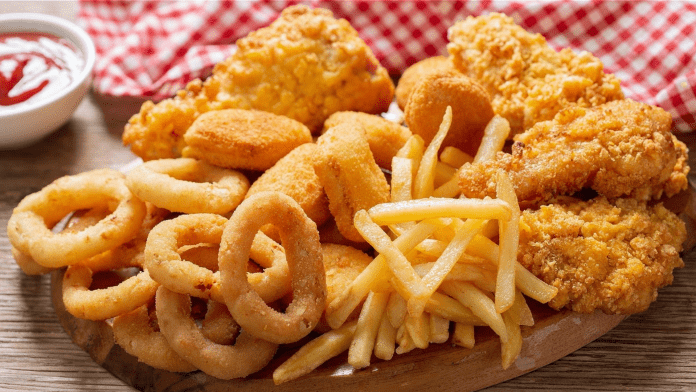
Fast food, the ultimate culinary delight, encompasses a wide range of delectable and addictive dishes that are designed to ignite your taste buds and satisfy your cravings. Sink your teeth into the succulent and juicy burger, with its perfectly melted cheese and tangy pickles, or savor the crispy, golden fries that are impossible to resist. Indulge in the heavenly pleasure of a warm, cheesy pizza loaded with your favorite toppings, or relish the irresistible crunch of fried chicken that leaves you longing for more. Fast food is synonymous with convenience, as it saves you precious time on busy days when you need a quick meal to fuel your adventures. With countless drive-thru lanes and easily accessible locations, you can enjoy a mouthwatering fast food feast without stepping out of your car. From bustling city streets to sleepy suburbs, fast food chains have permeated every corner, ensuring that you can always find your favorite guilty pleasure just around the corner. 

However, we can see the shift in the culture, as the fast food that we used to consume only during special occasions has now taken over as our everyday meal. True to it’s very name, fast food is made quickly and efficiently and tastes good but just like any other shortcut with its own disadvantages, this fast food also has cheap nutrition which ruins the body in the long run. Yes, the terrifying truth is that the very meals we crave may be contributing to brain damage and cognitive decline. Join us as we delve into the shocking realities of fast food and explore the detrimental effects it can have on your brain health. Brace yourself for a journey that will leave you questioning your fast food choices and seeking healthier alternatives.

The Fat-Fueled Time Bomb:

Fast food is notorious for its high levels of unhealthy fats, particularly trans fats and saturated fats. Consuming these fats in excessive amounts can lead to a host of health problems, including the potential for brain damage. Research has shown that a diet high in unhealthy fats can impair cognitive function, memory retention, and even increase the risk of neurodegenerative diseases such as Alzheimer’s. It’s time to reconsider that greasy burger or deep-fried treat and choose brain-friendly options instead.

The Sneaky Sugar Overload:

Fast food meals often come with a side of sugary beverages or desserts. The excessive intake of refined sugars can wreak havoc on your brain, leading to inflammation, impaired memory, and reduced cognitive abilities. Regularly indulging in sugary fast food treats may also contribute to a higher risk of developing conditions like diabetes and obesity, which further impact brain health. It’s crucial to be mindful of the hidden sugars lurking in your favorite fast food choices and make healthier alternatives a priority.

The Additive Avalanche:

Fast food is notorious for its excessive use of additives, preservatives, and artificial flavorings. These additives, such as monosodium glutamate (MSG) and artificial food dyes, have been linked to adverse effects on brain health. Studies have shown that these additives can trigger headaches, migraines, and even exacerbate symptoms of attention deficit hyperactivity disorder (ADHD) in susceptible individuals. Choosing fresh, whole foods over fast food options can help protect your brain from these harmful additives.

The Nutrient Void:

While fast food may fill your stomach quickly, it falls short when it comes to providing essential nutrients for brain health. A diet lacking in crucial vitamins, minerals, and antioxidants can hinder brain function and contribute to cognitive decline. Opting for a balanced diet rich in fruits, vegetables, whole grains, and lean proteins can supply your brain with the nutrients it needs to thrive.

Final Thoughts:

Fast food may offer convenience and instant gratification, but the terrifying truth is that it can have detrimental effects on your brain health. The excessive consumption of unhealthy fats, sugars, additives, and the lack of essential nutrients can lead to brain damage, cognitive decline, and increased risks of neurodegenerative diseases. It’s time to take control of your health and make informed choices that prioritize your brain’s well-being. Opt for wholesome, nutrient-rich meals that nourish your body and mind, and explore healthier alternatives to your favorite fast food indulgences. Remember, your brain is a precious organ, and it deserves to be treated with care. So, say no to the fast food trap and embrace a brain-healthy lifestyle for a brighter, sharper future.

Advertisement

Overcoming RTO challenges in the CPG industry: Strategies for effective management and growth

0
Return to Origin

Running a Consumer Packaged Goods (CPG) business comes with its fair share of challenges, and one such challenge is dealing with Return to Origin (RTO) orders. Recently, Apeksha Jain, Founder & CEO at The Gourmet Jar, took to LinkedIn to share a shocking experience involving a return order that left her astounded and frustrated. In her post, she revealed the absurdity of receiving a mere INR 5 Vim bar in a return, questioning whether it is the consumer or the courier company to blame for such occurrences. This incident highlights the financial burden and logistical hassles CPG businesses face when dealing with RTO orders, underscoring the pains involved in running a CPG enterprise.

Return to Origin (RTO) orders refer to cases where a customer’s order is returned to the seller instead of being successfully delivered. These returns can happen for various reasons, such as incorrect addresses, unavailability of the recipient, or the customer changing their mind. While RTO orders are an inevitable part of e-commerce and retail businesses, it is incidents like the one Jain faced that shed light on the challenges businesses face.

Speaking to Snackfax, Apeksha Jain, Founder of Gourmet Jar, said, “Logistic Aggregators need to come up with a process that ensures courier boys are not tampering with the packages. Automation might hold the key here. Perhaps something like a weight check of the package while it’s being returned to match the original weight might help reduce this problem. And definitely a better resolution from the aggregator’s end is much required, the time they take to get back and resolve issues like these is really way too long.”

The financial implications of RTO orders can be significant for CPG businesses. In Jain’s case, not only did she lose the revenue from the original order, but she also had to bear the costs of back and forth shipping. This double blow can have a detrimental impact on the profitability of small and medium-sized CPG businesses. The expenses incurred due to RTO orders eat into the company’s resources, affecting cash flow and hindering growth opportunities.

Consumer Responsibility vs. Courier Company Accountability:

When examining return orders, both consumers and courier companies share responsibility. While some consumers may exploit return policies to save money, it is crucial to consider the role of courier companies in ensuring reliable deliveries. Courier companies must handle reverse logistics efficiently to minimize the financial burden on businesses and prevent incidents such as the one Jain experienced.

Addressing the Challenges:

To mitigate the challenges faced by CPG businesses, all stakeholders must take proactive measures. Here are some potential solutions:

  • Strengthen Return Policies: Businesses can review and refine their return policies to strike a balance between customer convenience and protecting their financial interests. Clear guidelines and restrictions can discourage frivolous returns.
  • Improve Communication with Customers: Transparent communication regarding return policies and associated costs can manage customer expectations and reduce unnecessary return orders.
  • Collaborate with Reliable Courier Companies: Developing strong partnerships with courier companies known for efficient reverse logistics can streamline the RTO process, minimizing costs for CPG businesses.
  • Streamline Internal Operations: Evaluate internal processes and procedures related to returns. Identify areas for improvement and implement streamlined workflows to handle RTO orders more efficiently.
  • Continuous Customer Feedback: Encourage customers to provide feedback on return experiences. Actively listen to their suggestions and incorporate them into the improvement process.
  • Harness Technology: Implementing advanced tracking systems, automated return processes, and data analytics can provide valuable insights to optimize reverse logistics and identify patterns of misuse.

Apeksha Jain’s LinkedIn post highlights the harsh realities faced by CPG businesses during the RTO process. Assigning blame solely to consumers or courier companies is not productive; instead, all stakeholders must work together to alleviate the financial burden and streamline the return process. By implementing these strategies and addressing these challenges head-on, CPG businesses can improve profitability, enhance customer satisfaction, and streamline their operations in an increasingly competitive market.

Advertisement

GoodDot launches “Pro Chaap”, redefining protein consumption with a unique offering

0
Gooddot Pro Chaap

GoodDot, the trailblazer in the plant-based meat industry, has now unveiled an extraordinary addition to its lineup: “Pro Chaap.” This innovative offering revolutionizes traditional chaaps and marks a significant milestone in the ever-evolving food industry. As a one-of-its-kind ‘Zero Maida Soya Chaap,’ Pro Chaap is poised to revolutionize protein consumption with its exceptional nutritional profile, tantalizing taste, satisfying texture, remarkable versatility, and unparalleled convenience.

Soya chaap has garnered immense popularity in the northern region of the country and is now expanding its reach nationwide. While many soya chaap variants in the market contain a significant amount of maida (refined flour), Pro Chaap stands out as a unique product that is both maida-free and cholesterol-free, while being rich in dietary fiber. What truly sets it apart is its remarkable texture, which boasts a delightful layered sensation, making it versatile for a wide range of culinary experiences across different cuisines.

Pro Chaap offers endless possibilities for culinary creations, ranging from tantalizing tikkas and mouth-watering fillings to aromatic curries, keema, biryanis, and even beloved Chinese Chilli dishes and Asian-style stir-fries. With just one SKU, Pro Chaap unlocks a multitude of options.

Preparing Pro Chaap is a breeze, as it simply requires boiling water to hydrate the product and make it ready for use. Its layered texture and fiber structure ensure excellent moisture and flavor retention, empowering chefs to craft innovative and captivating variations of popular dishes that will please the crowd.

With an impressive protein content of 64%, Pro Chaap presents a remarkable protein source that surpasses expectations. It offers a wholesome and satisfying alternative to both paneer and chicken, positioning itself as a versatile choice for those looking for a Chaap or plant-based meat option.

One of the standout features of Pro Chaap is its exceptional shelf life of one year and ambient stability. This remarkable attribute makes it a highly convenient choice for food service players, allowing them to stock and utilize Pro Chaap without concerns of spoilage.

What sets Pro Chaap apart is not only its impressive nutritional profile but also its affordability. Priced 30-50% lower than chicken or paneer, it presents an economical protein option for chefs and food service providers. This enables them to explore new culinary possibilities and bring innovative and exciting offerings to their customers, all while effectively managing their food costs.

Abhishek Sinha, Co-Founder & CEO, GoodDot, said, “The plant-based meat and alt-protein industry is at an inflection point, and it is poised for explosive growth. The success of companies in the space is contingent upon continuous product innovation to meet customer expectations in terms of taste, affordability, and nutrition. With the advent of Pro Chaap, our team has met all the vital benchmarks of taste, price, and nutrition. Now consumers can enjoy tasty and high-quality plant-based protein at a price of almost 40-50% lower than chicken and paneer.”

Pro Chaap is making inroads into luxury hotels like Marriott, Novotel, Radisson, Raffles, and more, apart from restaurants like Global Grill, Bodhi Tree, Grillophilia, and even some of the leading Dhaabas across West and North India! The product has also found favor with some of the major food co-packers and exporters, pointing to its tremendous value.

GoodDot remains at the forefront of the plant-based meat industry, spearheading the development of groundbreaking and eco-conscious alternatives to conventional animal-derived products. Through the introduction of Pro Chaap, GoodDot reaffirms its commitment to transforming the food industry by offering cost-effective and remarkably adaptable options that cater to the diverse needs of food service providers throughout the value chain.

Advertisement