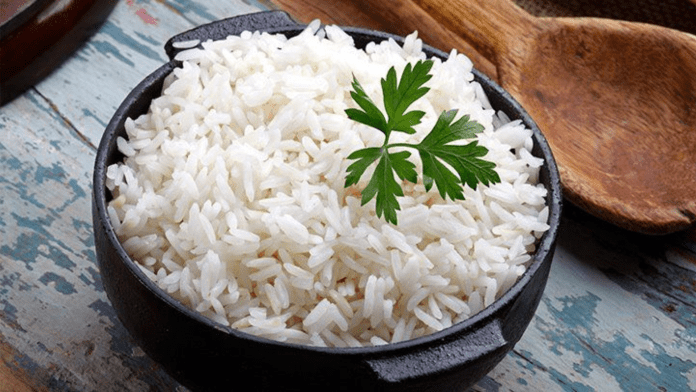
The prices of essential kitchen items such as rice and rice products like poha and murmura, as well as jowar, bajra, and chicken, have experienced a significant increase of 5-15% in the past two weeks. This rise can be attributed to the delayed sowing of kharif crops caused by the sluggish progress of the monsoon. Despite the government’s attempts to control prices, wheat and pulses have also remained firm at high levels.
According to market experts and trade analysts, food prices are anticipated to remain stable or even rise further until rainfall conditions become favorable for sowing.
Paddy and pulses such as tur, moong, and urad, along with oilseeds like soybean and groundnut, are among the prominent staple crops cultivated during the kharif season.
“The prices of rice and rice products like poha and murmura have increased by about 15% in last 2 weeks as the monsoon has been delayed. Prices of jowar and bajra are also up, while the prices of pulses and wheat have not declined after the stock limit,” said Rajesh Shah, Director of Pune-based Jairaj Group.
He added, “The prices of cereals are expected to stay firm or increase further if we do not get timely and sufficient rainfall.”
“Delay in monsoon by another 7-10 days may have an adverse impact on the acreages under of pulses crops which may tend to price rise for the overall pulse complex. For other key crops like paddy, if the inadequate rainfall situation prevails till the end of July, it may lead to decline in paddy acreages and production leading to further price rise,” said Pushan Sharma, Director (research), CRISIL Market Intelligence and Analytics.
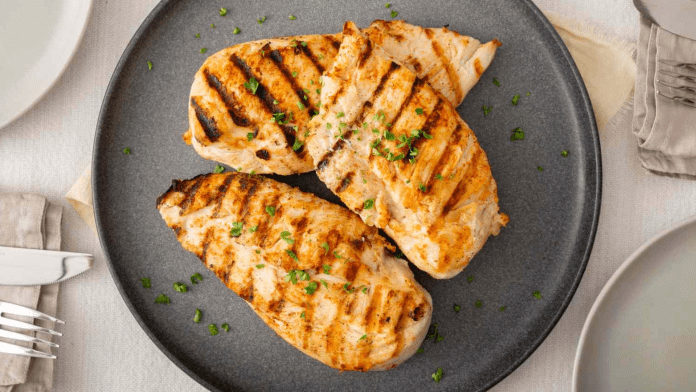
The delayed arrival of summer and prolonged high temperatures in June, caused by the delayed rainfall, resulted in decreased productivity of poultry farms. As a consequence, chicken prices experienced a surge.
Chile has already made a notable impression in the agro-products sector within major Indian cities, and now it seeks to extend its reach to smaller cities. The country aims to introduce its premium selection of wines, walnuts, and other dry fruits to these markets. In addition, Chile is keen on educating its customers about the origin of their products. To accomplish this, the country is set to launch a brand-building campaign that will include a masterclass on Chilean wines and various other events. Through these initiatives, Chile hopes to establish a strong presence and create awareness among consumers about the quality and origin of its offerings.
Ignacio Fernandez Ruiz, General Director of ProChile, an arm of the Foreign Ministry that deals in the promotion of exports, said, “There is a lot of interest here. There is a big opportunity here, we are going to increase that. We are not only talking of big cities, but also looking at Tier-2, Tier-3 cities.”
According to Ruiz, ProChile is currently engaging in discussions with local importers and businesses in order to identify potential new markets in India.
Chile has been actively exporting a variety of products, including walnuts, wines, cherries, kiwis, and prunes, to India. In addition, the country is highly motivated to expand its range of food products covered under the preferential trade agreement.
“We could go further in our trade relationship in terms of our trade agreement that can be enhanced in order to put more goods into it,” Ruiz said.
Chile became the pioneer among Latin American countries by individually signing a trade agreement with India. Currently, both nations maintain a partial scope agreement that was put into effect in 2017.
Ruiz stated that his objective is to increase people’s awareness that the popular products found in local markets originate from Chile.
“We do have some products here, but people do not know that the source of the products is Chile. That is probably the main target of this mission,” he said.
In addition, ProChile is commencing the opening of a fresh trade office in Mumbai, alongside an engaging masterclass entitled “Exploring Chile via Wines.”
“We are going to have a masterclass on Chilean wines — the main features of the wines, their characteristics, the valleys where they are produced,” Ruiz said.
According to his statement, the bilateral trade between India and Chile exceeds USD 2 billion, with New Delhi enjoying a favorable trade balance.
“The important thing is that the trade relationship between the two countries has grown intensively during the last 15 years since we signed the partial agreement in trade in 2007.
“The trade between both countries has increased by 500 per cent or something like that. We can see that there is a necessity to go further,” Ruiz said.
Amidst the slow progress of the monsoon and reports of El Nino, consumer staple companies such as LT Foods, GRM Overseas, and Tirupati Agritrade are adopting strategies to ensure continuous supplies. They are actively increasing their stock levels and advising their distributors to maintain a 25-day inventory. This proactive approach aims to safeguard against any potential disruptions, enabling these companies to meet consumer needs without interruption.
According to industry officials, these companies are also implementing measures to guarantee water availability for their contract farmers in the event of insufficient rainfall. This proactive approach aims to prevent any disruptions in their supply chain.
“We are not sure if the monsoon will be good or not,” said Suraj Agarwal, CEO of Tirupati Agritrade that sells and markets non-basmati rice under the RiceVilla brand.
“We have asked our distributors to keep a stock of 25 days instead of 15 days,” he said. “We are also asking our consumers to buy larger packs of 26 kg of rice instead of 10 kg.”
Founded by Peter Boizot after being inspired by a trip to Italy, PizzaExpress opened its first restaurant in Wardour Street, London in 1965. Since then, the brand has grown to encompass over 400 restaurants worldwide, renowned for its handcrafted gourmet pizzas.
In 2012, Gourmet Investments Private Limited (GIPL), the F&B venture of Bharti Family office, introduced PizzaExpress to India, with the inaugural restaurant located in Colaba, Mumbai. Currently, there are 18 PizzaExpress outlets across 6 cities in India, and GIPL has ambitious plans to establish more than 100 stores in the coming years.
The latest addition to PizzaExpress’ expanding presence in India is the newly opened outlet in Hyderabad. Known for its meticulously crafted pizzas made with the finest ingredients, PizzaExpress offers two types of bases: the “Classic” base, representing the traditional pizza from 1965, and the thinner and crispier “Romana” base inspired by Roman-style pizzas. In addition to pizzas, the menu includes a diverse selection of pastas, appetizers, and an assortment of delectable desserts, including signature cheesecakes available in six different flavors. Fresh Italian coffee is also served, complementing the PizzaExpress dining experience.
PizzaExpress is renowned for its exceptional range of products, which includes their distinctive Dough balls served alongside a delightful trio of dips. Additionally, they offer a selection of specialty pizzas that are sure to satisfy any craving. Among these delectable options is the Calabrese, an innovative rectangular pizza that was invented by a Michelin-star chef. For health-conscious individuals, the Leggera pizza is a fantastic choice, as it contains fewer than 600 calories. Furthermore, PizzaExpress provides the classic Calzone, a folded pizza that is as delicious as it is comforting. Whether customers prefer to dine-in, have their order delivered, or opt for take-away, PizzaExpress ensures that these delightful offerings are accessible through various channels.
Ramit Bharti Mittal, Chairman GIPL said, “We’re excited to bring PizzaExpress to the people of Hyderabad! PizzaExpress is not your typical casual dining restaurant. We strive to provide not just a wholesome wine & dine experience for true pizza lovers, but also give that perfect casual yet modern café and pizzeria vibe for people to hang out and chill with their friends, family and colleagues.”
In addition to its regular menu, PizzaExpress has introduced a new offering called Grab and Go Fresh. As the first brand in the country to provide fresh grab-and-go options, PizzaExpress distinguishes itself from others that offer chilled products. The Grab and Go items are freshly made every 4-6 hours, catering to busy individuals on the move. Inspired by Naples Street food and reflecting its Italian heritage, the menu includes “Pizza by the Slice,” “Piadina” (a traditional Italian flatbread sandwich), “Napoletana Pizza” (a classic Naples-style pizza known for its light, crisp, and airy texture), as well as Italian signature salads and a range of delightful cheesecakes and desserts. Combined with their fresh Italian coffee, the Grab and Go offering presents a perfect meal solution for those on the go.
Sijo Mathew, Viren Dsilva, Sid Marchant, Co-Founders of Good Flippin’ Burgers
Burger chain Good Flippin’ Burgers has recently announced that it raised $4 million in a fresh round of funding through Tanglin Venture Partners. This significant investment comes just a year after the company had successfully secured $1 million in previous funding.
The company has announced that funds will be injected to facilitate expansion in both the dining and quick service businesses, as well as the supply chain network. According to the company, Ashika Capital served as the financial advisor for this funding.
Viren DSilva, Co-Founder of Good Flippin’ Burgers said, “This investment is a significant milestone and will empower us to expand our operations, fortify our supply chain, and bring our burgers to a wider customer base.”
Established in 2019 by Viren Dsilva, Sijo Mathew, and Sid Marchant, the brand currently operates across 23 outlets.
Sankalp Gupta, Partner at Tanglin Venture Partners said, “Viren, Sid, and Sijo are exceptional founders who possess a deep customer obsession and a focus on efficient processes. They have built a strong brand in Good Flippin’ Burgers, earning tremendous customer loyalty. We are particularly impressed by their emphasis on supply chain capabilities, which has allowed them to maintain the highest level of quality and consistency across their stores. At Tanglin, we are extremely excited to collaborate with the team and work towards building a lasting business.”
According to a recent note from ICRA, a prominent ratings company, India’s leading quick-service restaurant (QSR) companies have outlined ambitious growth plans. They are aiming to open approximately 2,300 new stores between the fiscal years 2023 and 2025. These expansion initiatives are projected to necessitate a capital expenditure of around INR 5,800 crore.
As per the note, the QSR chains intend to capitalize on the demand in both metropolitan cities and smaller markets. This surge in demand can be attributed to competitive pricing as well as an increased preference for Western-style fast food.
Despite experiencing a slowdown in the March quarter, which was attributed to inflationary pressures, the QSR chains remain determined to pursue their expansion plans.
ICRA’s forecast indicates that the majority of this expansion is expected to be financed through internal accruals and cash reserves, with additional funds raised through pre-IPO and IPO channels.
Pride Month is a time of celebration, acceptance, and love for the LGBTQ+ community. It’s a time when people come together to support and honor the diverse identities and experiences within this community. While parades, parties, and events are common during this month, one of the most delicious ways to celebrate is through food. In this article, we will explore seven Pride Month-inspired foods that not only look vibrant and colorful but also represent the spirit of love and acceptance. Get ready to tantalize your taste buds and embark on a culinary journey as we explore these delightful dishes.
Love is Love Pizza
What better way to kick off our list than with a pizza that celebrates love in all its forms? Love is Love Pizza is a true representation of inclusivity and acceptance. It features a vibrant rainbow of toppings, including red tomatoes, orange bell peppers, yellow corn, green spinach, blue cheese, and purple onions. Each bite is not only a burst of flavors but also a reminder that love knows no boundaries. Whether you identify as LGBTQ+ or as an ally, this pizza is a delicious way to show your support and celebrate the diversity within the community.
LGBTQ+ Thali
Thali is a traditional Indian meal that consists of a variety of dishes served on a large platter. To honor Pride Month, many restaurants create special LGBTQ+ Thalis that showcase a spectrum of flavors and colors. These Thalis often feature dishes from different regions of India, each representing a unique aspect of the LGBTQ+ community. From vibrant curries to fragrant rice, crispy papads to tangy chutneys, this Thali is a culinary experience that celebrates the rich diversity of both Indian cuisine and the LGBTQ+ community.
Unicorn Smoothie Bowl
Unicorns are often associated with magic and wonder, and what better way to capture that spirit than with a Unicorn Smoothie Bowl? This colorful and Instagram-worthy dish is not only a feast for the eyes but also a nutritious treat. The base is usually made with blended fruits like bananas, berries, and dragon fruit, which creates a vibrant pink or purple hue. Toppings such as sliced fruits, coconut flakes, chia seeds, and edible flowers are added to create a rainbow effect. This whimsical bowl is a perfect way to start your day or indulge in a guilt-free dessert during Pride Month.
Pride Parfait
Parfaits are known for their layers of goodness, and a Pride Parfait takes that concept to the next level. This dessert is a true celebration of colors, flavors, and textures. Each layer represents a different aspect of the LGBTQ+ community, and when they all come together, they create a harmonious and delectable treat. From rainbow-colored fruits and creamy yogurts to crunchy granola and sweet sauces, every spoonful is a delightful surprise. Whether you enjoy it as a dessert or a midday snack, this Pride Parfait is a true testament to the power of diversity and unity.
LGBTQ+ Inspired Mocktails
Mocktails are non-alcoholic beverages that mimic the flavors and presentation of cocktails. During Pride Month, mixologists and bartenders create LGBTQ+ Inspired Mocktails that not only taste amazing but also pay homage to the community. These mocktails often feature vibrant colors, playful garnishes, and creative names that reflect the spirit of Pride Month. From fruity concoctions to zesty spritzers, there’s a mocktail for every taste bud. Sip on these colorful creations and raise a glass to love, acceptance, and equality.
Rainbow Falooda
Falooda is a popular Indian dessert that combines rose-flavored milk, vermicelli noodles, sweet basil seeds, and a variety of toppings. During Pride Month, a Rainbow Falooda takes center stage. This dessert is a delightful fusion of flavors and colors, with each layer representing a different shade of the rainbow. It’s a perfect balance of creamy, sweet, and refreshing, making it a popular choice to beat the summer heat. Whether you’re familiar with falooda or trying it for the first time, the Rainbow Falooda will leave you craving more of its unique blend of textures and flavors.
Final Thoughts:
Food has a way of bringing people together and creating moments of joy and celebration. During Pride Month, these seven Pride Month-inspired foods allow us to honor and support the LGBTQ+ community while indulging in delicious creations. From Love is Love Pizza to Rainbow Falooda, each dish represents the vibrant colors and diverse identities within the community. So, let’s embrace the spirit of love, acceptance, and equality with these delightful and mouth-watering culinary delights. As you savor each bite, remember that diversity is something to be celebrated not just on our plates, but in all aspects of our lives. Happy Pride Month!
Detoxifying your body after indulging in a heavy meal is essential for maintaining overall well-being. While we may enjoy indulging in rich and flavorful dishes, the aftermath often leaves us feeling bloated and uncomfortable. To counteract the effects of a heavy meal, incorporating detox teas into your post-meal routine can be highly beneficial. These teas not only help to cleanse your system but also leave you feeling refreshed and rejuvenated. In this article, we will explore five irresistible detox teas that will assist you in detoxifying after a heavy meal.
Ajwain Tea: Ajwain, commonly known as carom seeds, is an incredibly effective detoxifier. It has been used for centuries in traditional medicine for its digestive properties. Ajwain seeds are known to aid in stress relief, weight loss, and provide quick relief from gas and indigestion. To prepare ajwain tea, simply boil a teaspoon of ajwain seeds in a cup of water. Allow it to steep for a few minutes, strain, and enjoy the soothing effects of this aromatic tea.
Peppermint Tea: Peppermint tea not only has a refreshing taste but also offers a range of health benefits. It contains vitamin C, which supports your body’s immune system, helping to keep infections and viruses at bay naturally. The manganese present in peppermint acts as an antioxidant, fighting against free radicals in your body. Additionally, peppermint tea aids in digestion and relieves bloating and stomach discomfort. To enjoy a cup of peppermint tea, steep fresh peppermint leaves or a peppermint tea bag in hot water for about 5-7 minutes. Sip on this invigorating tea and experience its soothing and cleansing effects.
Tulsi Tea: Tulsi, also known as Holy Basil, is a revered herb in Ayurveda. It is known for its medicinal properties and is considered a powerful natural detoxifier. Tulsi leaves help to increase metabolism and promote overall well-being. This tea can be made using both dried and fresh Tulsi leaves. Simply steep a few leaves in hot water for 5-7 minutes and enjoy the calming and detoxifying effects of Tulsi tea.
Honey-Lemon-Ginger Tea: The combination of honey, lemon, and ginger creates a potent detoxifying elixir. This tea is not only delicious but also provides numerous health benefits. Ginger is known for its cleansing properties, aiding in digestion and detoxification. Lemon adds a refreshing tang and is rich in vitamin C, promoting a healthy immune system. Honey provides a touch of sweetness and also possesses antibacterial properties. To prepare this delightful tea, grate fresh ginger and add it to hot water. Squeeze in the juice of half a lemon and add a spoonful of honey. Stir well and let the flavors infuse for a few minutes. Savor this invigorating tea and let it cleanse your body from within.
Ginger Tea: Ginger has long been celebrated for its detoxifying properties. It aids in digestion, reduces inflammation, and supports overall gut health. Ginger tea is incredibly simple to make. Grate a small piece of fresh ginger and steep it in hot water for 5-7 minutes. For added flavor, you can also add a pinch of cardamom to the tea. This aromatic and soothing beverage will help cleanse your system and leave you feeling refreshed.
Final Thoughts:
Incorporating these detox teas into your post-meal routine can provide numerous benefits. They not only aid in digestion but also promote overall well-being by eliminating toxins and restoring balance to your body. The next time you find yourself feeling bloated and heavy after a meal, reach for one of these irresistible tea remedies. Allow the soothing aromas and detoxifying properties to rejuvenate your body and leave you feeling refreshed. Cheers to a healthier and more vibrant you!
Mumbai, the bustling metropolis of India, is famous for its vibrant street food culture. Among the myriad of street food delights, Ragdapuri holds a special place in the hearts of Mumbaikars and visitors alike. This savory and tangy dish, made with a base of ragda (a spicy white pea curry) and topped with an assortment of chutneys, crispy sev, onions, and cilantro, is a true culinary delight. Ragdapuri is an integral part of Mumbai’s food scene and offers a perfect blend of flavors, textures, and aromas that leave you craving for more.
The Top 10 Ragdapuri Joints in Mumbai
Sharma Chaat Bhandar
Sharma Chaat Bhandar, located near the airport, is a must-visit for chaat lovers. Their panipuri and ragdapuri are highly recommended and guarantee a burst of flavors in every bite. With a variety of chaat options available, this joint offers something for every chaat enthusiast.
Cuisine: Street Food
Types offered: Ragda Patty, Bhel Puri, Panipuri, Sev Puri, Chaat
Ram & Shyam Chaats is renowned for its secret spice mix that gives their chaat dishes a unique and delicious taste. The ragdapuri here is a crowd favorite, and the addition of other street food items like vada pav, pav bhaji, and sandwiches adds to the variety of choices. The cozy ambiance and quick service make Ram & Shyam a popular spot among locals and tourists alike.
Cuisine: Street Food
Types offered: Ragda Patty, Dahi Sev Puri, Chaat, Chutneys
Location: North Avenue, Central Avenue Corner, Santacruz West, Mumbai 400054
Timing: 3:00 PM to 10:00 PM, Monday to Sunday
Cost for two: INR 200
Jai Bajrang
Jai Bajrang is a go-to place for ragdapuri enthusiasts in Juhu. The ragda pattice, topped with flavorful chutneys and garnished with sev, is a highlight of their menu. The generous portion sizes and affordable prices make it a favorite among college students and families looking for a satisfying chaat experience.
Cuisine: Street Food
Types offered: Ragda Pattice, Sev Puri, Bhel Puri, Dahi Puri
Monsoon The Chaat Corner is a hidden gem located near Chembur Station. Their ragdapuri is a harmonious blend of flavors and textures, leaving customers craving for more. The friendly staff and prompt service add to the overall dining experience. Don’t miss their lip-smacking panipuri while you’re there!
Cuisine: Street Food
Types offered: Ragda Pattice, Sev Puri, Dahi Puri, Bhel Puri, Panipuri
Location: Shop 5, Ganga Niwas, Near Chembur Station, Chembur, Mumbai 400071
Timing: 4:00 PM to 11:00 PM, Monday to Sunday
Cost for two: INR 200
Ram Singh Pani Puri Center
Ram Singh Pani Puri Center is a legendary joint known for its flavorsome ragda puri and pani puri. Located near Chowpatty Sea Face, this bustling eatery attracts crowds of chaat lovers. The tangy and spicy flavors of their ragdapuri are truly delightful and will leave you wanting more.
Cuisine: Street Food
Types offered: Ragda Puri, Pani Puri, Sev Puri, Bhel Puri
Location: Opposite Wilson College, Chowpatty Sea Face, Girgaon, Mumbai 400007
Timing: 11:00 AM to 9:00 PM, Monday to Sunday
Cost for two: INR 150
Gupta Chat Center
Gupta Chat Center in Chembur East is known for its delectable ragda pattice. Their ragdapuri is prepared with fresh ingredients and authentic flavors, making it a favorite spot for locals. The generous toppings of chutneys, sev, and onions take the dish to another level of deliciousness.
Cuisine: Street Food
Types offered: Ragda Pattice, Sev Puri, Dahi Puri, Bhel Puri, Pav Bhaji
Bhola Chaat Bhandar is a small yet popular street food joint in Chembur. Their ragdapuri is a crowd favorite, featuring a perfect balance of flavors. The affordable prices and quick service make it a great place for a quick chaat fix.
Cuisine: Street Food
Types offered: Ragda Puri, Sev Puri, Dahi Puri, Bhel Puri, Panipuri
Swati Snacks is a popular canteen-style café known for its panki (pressed pancakes) and green chutney. The restaurant is comfortable and frequented by locals, with a line that often goes out the door. The Malai Malpoa, thin crepe-like rolls stuffed with rabdi, are exceptional, and the place is convenient to sample some of Gujarat’s best culinary hits in Mumbai.
Cuisine: Gujarati, South Indian, Fast Food, Street Food
Types offered: Thali Pith Pitla, Fada Ni Khichdi, Ganne Ka Juice, Satpadi Roti, Paneer Chilla, Paneer Lifafa
Sharma Bhelpuri House is a true hidden gem in Mumbai’s street food scene. We highly recommend this joint to anyone looking for authentic and delicious chaat. The bhelpuri here is a must-try delicacy, with a perfect blend of spices and crunchiness. Other popular items on the menu include Sevpuri, Dahipuri, and Ragda Patties. The chutneys used in the chaat are homemade and add a unique flavor to each dish. The prices are also very reasonable, making it a great place for budget-friendly foodies. The ambiance of the place is basic, but it adds to the charm of the street food experience.
Cuisine: Street Food
Types offered: Ragda Patty, Dahi Batata Puri, Sev Puri, Chaat
Location: Kamla Bhawan, Mahatma Gandhi Road, opposite Municipal Garden, Vile Parle East, Mumbai 400057
Timing: 2:30 PM to 10:30 PM, Monday to Sunday
Cost for two: INR 200
Narmada Devi Bhelpuri Shop And Chana Bhandar
This shop has a basic ambiance that adds to the charm of the street food experience. The menu is simple, with an emphasis on chaat and bhelpuri. We started our food journey with their signature dish, the bhelpuri, which was a perfect blend of crispy puffed rice, sev, and freshly chopped vegetables with homemade chutneys. The highlight was the Chana Chaat, which was a perfect combination of spicy and sweet flavors with perfectly cooked chickpeas mixed with onions, tomatoes, and chutneys, topped with a dollop of yogurt, which balanced out the flavors perfectly. We highly recommend this place to all the food lovers out there.
Cuisine: Street Food
Types offered: Sevpuri, Dahipuri, Ragdapuri, Panipuri, Papri Chaat, Chinese Bhel, Masala Puri
These are just a few of the many fantastic ragdapuri joints in Mumbai. Each place offers its own unique twist to the dish, making it a delightful experience for food lovers. Whether you’re a local Mumbaikar or a visitor exploring the city’s vibrant street food scene, don’t miss the opportunity to indulge in the heavenly combination of spicy ragda and crispy puris that ragdapuri has to offer.
The world of dieting and wellness is constantly evolving, with new trends and fads emerging every day. However, one particular approach has captured the attention of health fanatics and experts alike: the Circadian Diet.
Health enthusiasts are going crazy for this groundbreaking dietary regimen, which focuses on aligning our eating patterns with our natural biological rhythms. The Circadian Diet claims to optimize weight loss, improve overall health, and enhance our well-being. Let’s dive deep into this phenomenon and explore why it’s becoming the ultimate game-changer for weight loss and overall wellness.
Understanding Circadian Rhythms:
To comprehend the essence of the Circadian Diet, it’s essential to grasp the concept of circadian rhythms. Our body’s internal biological cycles repeat roughly every 24 hours, regulating various physiological processes.
Our circadian rhythms are influenced by external cues, such as light and darkness, and help govern crucial functions like sleep-wake cycles, hormone production, metabolism, and digestion.
Disruptions to our natural circadian rhythms, often caused by modern lifestyles, can lead to imbalances and health issues, including weight gain, poor sleep, and reduced energy levels.
The Circadian Diet Philosophy:
The Circadian Diet revolves around the idea of syncing our eating patterns with our internal body clock, thereby optimizing digestion, metabolism, and overall health.
The diet emphasizes consuming the majority of our calories during the daytime when our body is naturally primed for energy expenditure and digestion.
On the other hand, it encourages minimal food intake during the evening and night when our body’s metabolic rate slows down in preparation for sleep.
By aligning our eating habits with our circadian rhythms, proponents of the diet believe we can improve weight management, enhance digestion, increase energy levels, and promote overall well-being.
The Science Behind the Circadian Diet:
Numerous scientific studies support the fundamental principles of the Circadian Diet, shedding light on the intricate relationship between our eating patterns and circadian rhythms.
Research suggests that late-night eating, especially consuming heavy meals close to bedtime, can disrupt our natural biological clock, negatively affecting metabolism and weight regulation.
On the other hand, studies show that practicing time-restricted eating, where we limit our eating window to a specific time frame during the day, can have significant benefits for weight loss, blood sugar control, and metabolic health.
Furthermore, aligning our eating patterns with daylight and nighttime hours appears to enhance our sleep quality and overall circadian rhythm synchronization.
Key Principles of the Circadian Diet:
The Circadian Diet encourages the following key principles to optimize health and weight loss:
Time-Restricted Eating: Adopting a time-restricted eating window, typically within 10-12 hours, to align with our body’s natural circadian rhythms.
Front-Loading Calories: Consuming the majority of our daily calories during the first half of the day when our metabolism is more active and efficient.
Light and Dark Cues: Ensuring exposure to natural light during the daytime and minimizing exposure to artificial light during the evening to support our body’s natural rhythm.
Nutrient-Dense Foods: Focusing on consuming whole, unprocessed foods that provide essential nutrients and support optimal health.
Mindful Eating: Practicing mindful eating techniques, such as savoring each bite, listening to our body’s hunger and satiety signals, and avoiding distractions during meals.
Challenges and Considerations:
While the Circadian Diet holds immense promise, it’s important to address potential challenges and considerations associated with this dietary approach.
Lifestyle Adaptation: Adapting our lifestyle and daily routines to accommodate the principles of the Circadian Diet can be challenging, especially for individuals with irregular work schedules or nighttime commitments.
Individual Variations: Each person’s circadian rhythm may vary slightly, so finding the optimal eating window and rhythm that suits one’s specific needs may require experimentation and customization.
Nutritional Balance: While timing and meal distribution are important, it’s crucial not to overlook the significance of a well-balanced and nutrient-dense diet. Ensuring an adequate intake of essential macronutrients and micronutrients is vital for overall health.
Personalized Approach: The Circadian Diet is not a one-size-fits-all solution. Consulting with healthcare professionals or registered dietitians who specialize in circadian rhythm nutrition can help tailor the approach to individual needs and goals.
Final Thoughts:
The Circadian Diet has emerged as a revolutionary approach to health and weight loss, harnessing the power of our internal biological rhythms.
By aligning our eating patterns with our circadian rhythms, we can optimize digestion, metabolism, and overall well-being, leading to weight loss, improved energy levels, and enhanced health outcomes.
While challenges and considerations exist, the success stories and scientific evidence supporting the Circadian Diet are too compelling to ignore.
As we delve deeper into the understanding of circadian rhythms and their impact on our health, the Circadian Diet holds the potential to revolutionize how we approach nutrition, providing a holistic and effective path to optimal wellness.
Malai, the velvety cream that embodies the essence of milk, holds a deep cultural significance in various culinary traditions. It transcends mere culinary delight, symbolizing richness, indulgence, and a connection to our heritage. Beyond its culinary importance, malai also boasts remarkable health benefits that have been cherished for generations. This luxurious ingredient not only adds a delightful creaminess to our favorite dishes but also nourishes our bodies from within.
So, let’s unravel the captivating allure and the profound impact it has on our lives, as not only a condiment but also a tool to make you strong from inside out!
Benefits of Malai
For Skin:
One of the standout qualities of malai is its ability to lock in moisture, creating a protective barrier that prevents water loss from the skin. This hydration is crucial for maintaining the skin’s elasticity and promoting a youthful appearance. The nourishing properties of malai go beyond surface-level hydration, as it also works to repair and rejuvenate the skin from within.
Malai is rich in essential vitamins, such as Vitamin A and Vitamin E, which are renowned for their skin-enhancing properties. Vitamin A aids in promoting cell turnover, helping to slough off dead skin cells and reveal a fresh, radiant complexion. On the other hand, Vitamin E acts as a powerful antioxidant, protecting the skin against environmental damage and reducing the appearance of scars and blemishes.
To harness the benefits of malai for radiant and glowing skin, you can create simple DIY face masks or incorporate it into your existing skincare products. Combine malai with other natural ingredients like honey, turmeric, or aloe vera for enhanced nourishment and specific skin concerns. Whether you choose to indulge in a malai-infused face mask or incorporate it into your daily skincare ritual, the result will be a complexion that exudes radiance, health, and natural beauty.
For Gut:
Beyond its culinary delights and skin-enhancing properties, malai also offers surprising benefits for your gut health. This luscious ingredient, rich in healthy fats and probiotics, can help support a happy and balanced digestive system.
The creamy texture of malai is a result of its high fat content, which can aid in digestion by providing a lubricating effect on the digestive tract. This can help ease the passage of food through the digestive system, reducing the risk of discomfort such as bloating or constipation.
Probiotics, often referred to as “good bacteria,” are essential for maintaining a healthy gut microbiome. Malai contains natural probiotics that can help support the growth and balance of beneficial bacteria in your gut. These probiotics promote proper digestion, enhance nutrient absorption, and contribute to overall gut health.
Furthermore, malai contains essential vitamins and minerals that are beneficial for your digestive system. It is a good source of Vitamin B12, which plays a vital role in the production of digestive enzymes and helps in the breakdown of food. The presence of calcium in malai also contributes to the regulation of digestive enzymes and promotes regular bowel movements.
For Bones
This velvety cream, with its rich content of calcium and other essential minerals, is a natural ally in promoting strong and healthy bones.
Calcium is a key nutrient for maintaining bone health, and malai serves as a delicious source of this vital mineral. By incorporating malai into your diet, you can ensure an adequate intake of calcium, which is essential for the formation and maintenance of strong bones. Calcium helps in the development of bone mass during childhood and adolescence and helps prevent bone loss later in life.
In addition to calcium, malai also contains other bone-boosting minerals like phosphorus and magnesium. Phosphorus works synergistically with calcium to build and strengthen bones, while magnesium helps regulate calcium levels and contributes to bone density.
The combination of these minerals in malai creates a powerful blend that supports optimal bone health. Regular consumption of malai can help prevent conditions like osteoporosis, improve bone density, and reduce the risk of fractures.
To enjoy the bone-boosting benefits of malai, incorporate it into your diet through various recipes and dishes. Whether you add it to curries, desserts, or drinks, malai provides a creamy and nutritious addition that nourishes your bones from within.
So, indulge in the delectable goodness of malai and let its rich calcium content and essential minerals fortify your bones, ensuring they remain strong and healthy throughout your life. Embrace malai as a natural and delightful way to support your skeletal system and maintain optimal bone health.
We use cookies to ensure that we give you the best experience on our website. If you continue to use this site we will assume that you are happy with it.