Lo Foods Raises ₹30 Crore From Rainmatter, Capital Code & Mount Judi Ventures To Reinvent Indian Staples With A Healthy Twist
Lo Foods Just Bagged 30 Crores — and We’re Just Getting Started
We’ve got some big news, and no, we’re not dropping it with a boring old press release.
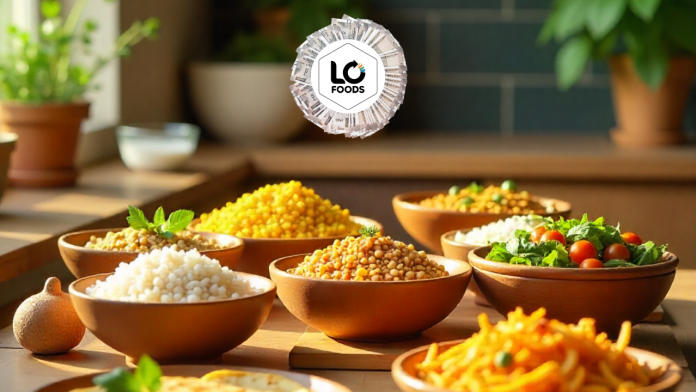
Lo Foods has officially raised 30 crore in funding. That’s right — the mission to reimagine Indian staples just found some serious backers in Rainmatter (by Zerodha), Capital Code, and Mount Judi Ventures.
What started as a kitchen experiment to make low-carb roti actually tasty has now grown into a full-blown movement. From protein-packed flours to diabetic-friendly snacks, we’ve been busy reshaping what healthy eating looks like for Indian households. And it turns out, we’re not the only ones who think this is worth betting on.
To every early customer who tried our first mixes, to those who stocked up without knowing who we were, and to the ones who told friends, family and even their local grocers — this win is yours too.
We’re not just building a food company. We’re building a future where choosing health doesn’t mean giving up on taste, tradition or convenience.
This is just chapter one. Let’s keep cooking up change.
If It’s Not Spicy, It’s Not Selling: Why Nestle, KFC, ITC & Burger King Are Turning Up the Heat
The chilli craze in India isn’t just a passing food fad. It’s officially a full-blown flavour takeover. From your evening pack of chips to that late-night momo binge or even a scoop of ice cream—brands are spicing things up like never before.
Driven by a younger audience that’s chasing bolder bites, brands across categories are bringing the heat. Think Korean hot sauce in burgers, chilli-sprinkled ice creams, pepper-loaded noodles and masala-heavy snacks. Companies like Nestle, McDonald’s, PepsiCo and Tata Consumer are reworking their product lines to keep up with what many in the industry are calling India’s ‘chilli moment’.
“Spice is now a lifestyle choice. People aren’t just eating it—they’re searching for new ways to enjoy it,” says Saakshi Verma Menon, CMO of PepsiCo India Foods. Lay’s and Kurkure, two of its biggest brands, have quietly rolled out spicier, region-specific flavours that pack a much harder punch than before.
Meanwhile, Natural’s has gone bold with a spicy guava ice cream, and Tata Consumer has pushed its Ching’s Secret line with loud-and-proud ‘spice bombs’. McDonald’s has added a Korean range with extra zing to its Indian menu and is calling it their way of “flavouring things up for local tastes”.
Nestle, perhaps unsurprisingly, is all in. Under its Maggi Spice Plan, the company has added garlic, manchurian, cheese and pepper twists to its classic instant noodles, while also claiming to track spice origins—black pepper, cardamom, nutmeg, red chilli—for greater authenticity. “Everyone wants more heat. From tier-one cities to rural towns, the craving is real,” says Suresh Narayanan, Nestle India’s outgoing MD.
Over at Wow! Momo, spicy variants are not just popular—they’re dominating. Spicy momos, Korean meatballs and saucy wings now make up close to 30% of total sales, according to cofounder Sagar Daryani. “We used to treat spice like a flavour option. Now, it’s the main event,” he says.
ZOFF Foods, a spice and ready-to-cook company, says Indian buyers are no longer settling for just ‘masala’. They want layers—tangy, smoky, peppery, regional-specific—and all in easy-to-cook formats.
KFC, Burger King, HUL and ITC have also turned up the heat in their kitchens, knowing full well that plain won’t sell in today’s spice-charged market. With rising competition from nimble regional brands and a consumer base that’s more daring with its food, going bland isn’t an option anymore.
Simply put, if your product isn’t spicy enough for Instagram, it’s not making it to the plate.
Monika Alcobev Makes a Toast to the Stock Market, Raises ₹165 Cr in Oversubscribed IPO
Monika Alcobev Limited, one of India’s biggest names in premium wine and spirits distribution, just popped a milestone of its own — it’s officially listed on the Bombay Stock Exchange. And with its IPO oversubscribed by more than four times, the buzz isn’t just in the bottle.
The company raised ₹165.63 crore through its public debut, a strong signal that investors are getting serious about the country’s fast-evolving taste for high-end alcohol. As consumers lean into quality over quantity, especially across metros and Tier 1 cities, Monika Alcobev seems to be right where the demand is.
With operations already spread across 24 states and over 170 cities, and with a portfolio of more than 100 global brands, the company is no stranger to scale. Managing Director Kunal Patel pointed out North India as a key engine of growth moving forward, where premiumisation is catching on fast.
But this listing isn’t just about capital — it’s about setting a benchmark. In an industry often dominated by legacy giants and old-school models, Monika Alcobev’s successful IPO paves the way for a more modern, agile alcobev narrative to take shape in India.
The funding is expected to fuel a deeper national expansion and help the company stay in step with changing consumer behaviour. And if this investor appetite is anything to go by, the sector might just be warming up for its own kind of revolution.
Reliance Poised to Buy Majority in Shunya, Betting Big on Health-First Drinks
Reliance Consumer Products is reportedly in the final stretch of negotiations to acquire a controlling stake in Shunya, a zero-sugar, herb-infused beverage brand from Naturedge Beverages. If the deal is sealed, it will mark Reliance’s fourth foray into the beverage sector, adding to its growing portfolio that already includes Campa, Sosyo, and RasKik.
Shunya, launched in 2018 by Siddhesh Sharma—descendant of the family behind the century-old Baidyanath Group—is known for its functional drinks that blend herbal ingredients with fruit flavours like zesty orange and apple. Naturedge is a relatively young player but has carved a niche by offering alternatives to sugar-heavy drinks, targeting the health-aware urban consumer.
The acquisition is expected to give Reliance a stronger footing in the growing category of wellness-focused beverages. While exact numbers around the deal remain confidential, those familiar with the matter say it’s a strategic move aimed at capitalising on India’s increasing tilt toward healthier drink options.
Interest in zero-sugar drinks has exploded in recent years. Though still small compared to traditional fizzy sodas, this segment is seeing some of the fastest growth, especially in metro cities. With major names like Coca-Cola, PepsiCo, Tata Consumer, and Dabur ramping up their own efforts in the space, Reliance seems to be moving quickly to establish its presence.
“This move could allow Reliance to create a whole new vertical around plant-based and functional hydration products, which is a smart shift considering changing consumer preferences,” said a senior executive tracking the space.
So far, neither Reliance Consumer nor Naturedge’s parent, Baidyanath Group, has made any formal announcements regarding the talks.
This is part of a broader pattern for Reliance, which has been scooping up mid-sized Indian brands across multiple fast-moving consumer categories. Apart from its beverage buys, the company also owns confectionery labels like Toffeeman and Ravalgaon, has acquired Lotus in the chocolate segment, and picked up Sil Foods, which is known for its sauces and spreads.
Sources say Reliance has committed nearly ₹8,000 crore toward scaling up its beverage production footprint over the next year or so. Its plans include launching new plants and expanding co-manufacturing partnerships to support nationwide distribution. The company’s FMCG unit only kicked off in 2022 but is rapidly positioning itself as a serious player.
According to internal estimates and data from NielsenIQ, the market for low- and no-sugar drinks saw a dramatic jump in 2024, with sales doubling compared to the previous year. The shift is being driven largely by young, urban consumers who are actively seeking healthier lifestyle choices.
If the Shunya deal goes through, Reliance won’t just be adding another name to its roster—it will be stepping further into the evolving health beverage scene, right as competition in the category starts heating up.
Wah! Puchka Wah! Litti Raises $230K To Clean Up India’s Street Food Game
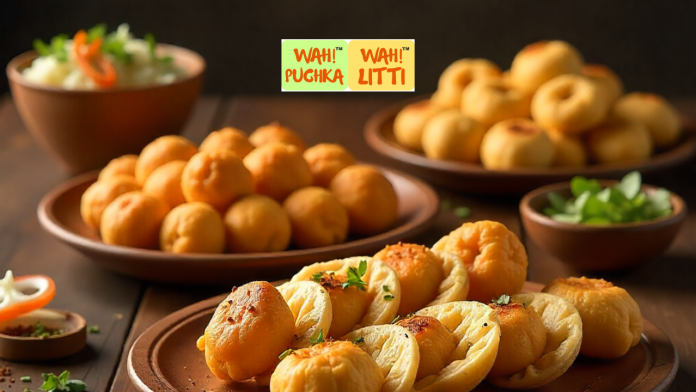
Wah! Puchka Wah! Litti, a Kolkata-born quick service restaurant brand putting a clean and modern spin on desi street food, has just scooped up \$230,000 in fresh funding. The round saw participation from big names like Wow! Momo co-founder Sagar Daryani, Dot & Key co-founder Abhishek Rungta, and a clutch of global angels.
Founded by Deepak Kumar, the brand is on a mission to serve street staples like puchka and litti-chokha in a format that’s scalable, hygienic, and still true to its roots. What started as a local favourite has now grown to 18 buzzing outlets across Kolkata, with over 2 lakh customers served and strong ratings on Swiggy and Zomato to show for it. The company recently launched its own ordering platform, wahfoods.com, promising doorstep delivery of freshly made puchkas and litti in under 30 minutes.
With this new round of funding, Wah! Puchka Wah! Litti plans to open 19 more outlets in the city, while also laying the groundwork to hit 100 locations across six major metros in the next two years. The capital will be used to hire key talent and build the backend systems needed to manage scale without compromising on flavour or quality.
Sagar Daryani, who has built Wow! Momo into one of India’s largest homegrown QSR chains, said he was drawn to the brand’s mission of making India’s most beloved roadside snacks clean, consistent, and widely available. “They’re bringing structure to a segment that’s massive but still wildly underorganised,” he noted.
India’s food delivery market is poised to hit \$8 billion soon, but organised QSRs are still just a slice of the pie. Street food, on the other hand, is a \$20 billion-plus category that remains largely informal. Wah! Puchka Wah! Litti wants to change that, taking cues from success stories like Haldiram’s while keeping the flavours firmly rooted in Indian streets.
The company is already in talks for its next strategic raise, eyeing larger institutional capital to take its vision nationwide.
HYPHEN by Kriti Sanon Crosses ₹400 Cr Sales Mark, With 60% Repeat Rate and a Million-Strong Fanbase
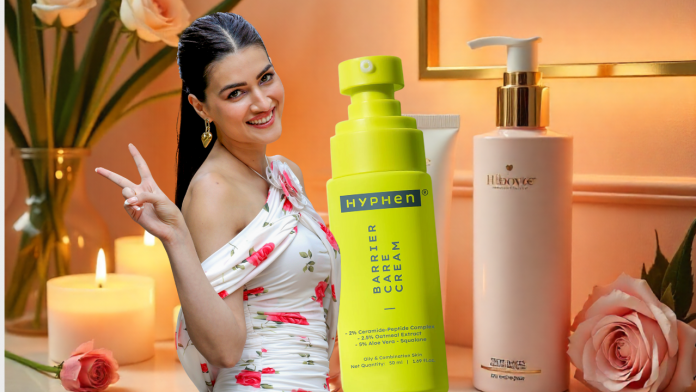
Kriti Sanon is blowing out birthday candles this week with more than just film accolades to her name. Her skincare label, HYPHEN, has quietly crossed a massive ₹400 crore in gross sales becoming one of the few celebrity-backed brands in India to actually walk the talk.
Launched just two years ago, HYPHEN didn’t ride in on red carpets or rely on glam. It scaled through strategy, consistency, and a co-founding team of engineers, including Kriti herself. That’s right—before she was walking runways and film sets, she was solving equations. Now, she’s built one of the country’s fastest-growing D2C brands, reaching over 19,000 pin codes and growing its customer base from 1 million to 4 million in just a year.
What’s even more telling? Nearly 60% of those customers are coming back. In an industry where retention is a blood sport, that kind of loyalty speaks volumes.
Kriti doesn’t just endorse the brand—she lives it. She’s been involved in product ideation, branding decisions, and even community feedback loops. “Watching HYPHEN evolve from a ‘what if’ to a household name has been surreal,” she shared in a note celebrating the brand’s second anniversary. “It’s deeply personal. Every little win feels like home.”
Built on the promise of science-meets-nature, HYPHEN has managed to keep its formulas clean, its prices friendly, and its audience wide. It’s not a luxury line hiding behind celebrity status—it’s skincare that’s clear about what it offers and who it serves.
While celebrity ventures often fade as quickly as they trend, Kriti Sanon’s story reads differently. She’s not here for the novelty of it. She’s building a brand that’s doing the work. And judging by the numbers, HYPHEN’s just getting started.
Lenskart Buys Into Spanish Eyewear Brand Meller, Sharpens Focus on Gen Z Ahead of IPO
As it readies itself for a public listing later this year, SoftBank-backed Lenskart is making moves that signal where it wants to go next—straight into the wardrobes of Gen Z and millennial consumers. The Gurugram-based eyewear brand has just acquired an 80 percent stake in Spanish company Stellio Ventures, the firm behind trendy eyewear label Meller.
The deal, valued at ₹406.4 crore at the current exchange rate of EUR 1 to ₹97.97, could go up to ₹572 crore depending on additional payout terms. According to Lenskart’s draft red herring prospectus (DRHP), ₹230 crore will be paid to Stellio’s existing investors, with another ₹176 crore going to additional shareholders. The founders of Stellio will receive around ₹166 crore, a mix of fixed and deferred payments.
Stellio, which turned a profit under Spanish accounting norms last year, sells stylish sunglasses and accessories directly to consumers through its Meller brand. The brand has gained popularity in Europe for its bold styles and digitally savvy campaigns—qualities Lenskart is hoping to tap into.
This move isn’t just about expanding a product line. Lenskart has made it clear it plans to launch a new sub-brand targeted at younger shoppers, using Meller’s style playbook and digital reach. With over 80 percent of its current revenue still coming from prescription eyewear and eye care, the company sees Meller as a way to grow its lifestyle and fashion vertical.
The acquisition also fits into a broader pattern. Lenskart has been steadily building out its global presence and tech stack through strategic buys. Previous deals include Owndays in Southeast Asia and AR-focussed AjnaLens in India.
All of this comes as the company preps for an IPO that includes a fresh issue of ₹2,150 crore worth of shares and a large offer-for-sale of 13.2 crore equity shares. Key investors such as SoftBank, Temasek, Kedaara Capital, Alpha Wave, and Premji Invest will be offloading stakes, alongside co-founders Peyush Bansal, Neha Bansal, Amit Chaudhary, and Sumeet Kapahi.
With these bets in place, Lenskart is trying to be more than just your go-to for specs—it wants to be the brand young people wear because it feels like them.
Deepika Padukone Headlines Dyson’s New Campaign Celebrating Hair Without the Heat Hassle
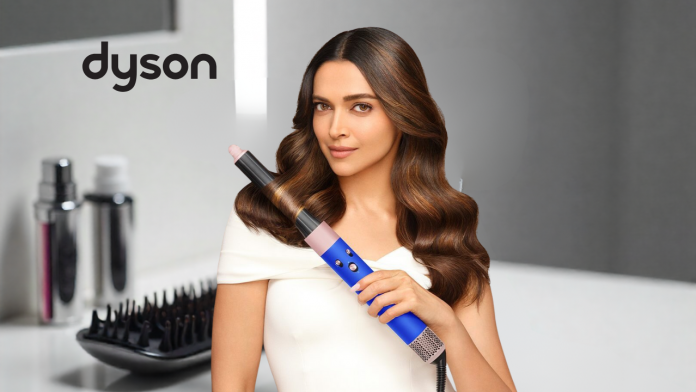
Dyson has rolled out its latest campaign, The Difference is Dyson, and it brings Deepika Padukone back into the spotlight—not just as a brand ambassador, but as someone who genuinely represents what the brand is trying to say.
This campaign puts the spotlight on Dyson’s hair styling tools, known for their ability to create sleek, styled looks without frying your strands. The message is simple: you don’t need extreme heat to get good hair days.
Created in collaboration with Hogarth, the campaign film is a visual moodboard of Deepika’s everyday-to-glam transitions. From natural waves to sculpted styles, each look has been crafted using Dyson’s styling range, tailored to suit a variety of hair types across India’s mixed bag of weather.
Ankit Jain, managing director of Dyson India, believes this campaign is about more than just tools. “It’s about honouring individuality,” he said. “With Dyson’s technology, we’ve focused on real hair needs—humidity, frizz, texture—without compromising hair health. Deepika perfectly captures this balance of individuality and innovation.”
For Deepika, it’s not just a professional tie-in. “Styling shouldn’t mean damaging your hair,” she said. “What I appreciate about Dyson is how it respects the hair’s natural shine and texture. The Difference is Dyson really is about confidence. You can play with your look and still know your hair is being taken care of.”
The campaign is now live across platforms and speaks to anyone who’s tired of choosing between style and hair health. With Deepika leading the way, Dyson is making a strong case for tech that’s smart, not scorching.
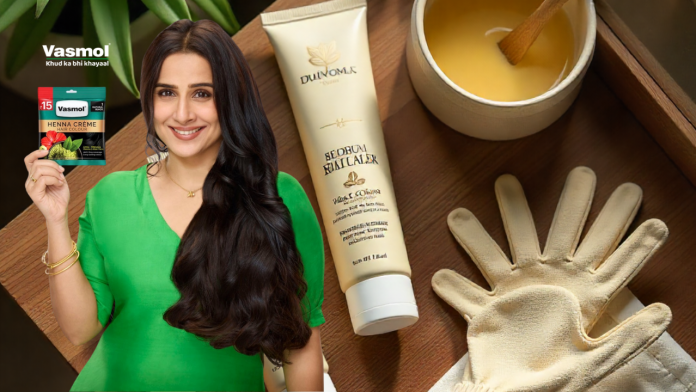
Vidya Balan Joins Hands with Vasmol to Launch Its New Henna Crème Hair Colour
Vasmol, a name that’s been part of Indian households for over sixty years, has introduced a new offering: the Vasmol Henna Crème Hair Colour and Shampoo Hair Colour. And bringing her charm and authenticity to the campaign is none other than Vidya Balan, who has been announced as the new face of the brand.
The launch blends nostalgia with today’s needs. It takes something familiar—henna—and reimagines it in a modern, no-ammonia crème form. The idea is simple: vibrant, long-lasting hair colour that doesn’t come at the cost of hair health. For many Indian women, that’s a fine balance they’ve been seeking for years.
Speaking about the brand’s journey and what the new launch represents, Dheeraj Arora, MD and CEO of HRIPL, said that Vasmol has always been more than just a product. “It’s woven into the everyday lives of families across India. This launch is about keeping that emotional connection intact, while making sure we stay relevant to how women live and choose today. Vidya Balan is an ideal fit. She reflects both the rootedness and modernity we stand for.”
Priyanka Puri, Senior VP of Marketing at HRIPL, added that the product isn’t just about covering greys—it’s about doing it without harsh chemicals and in a way that feels effortless. “Vidya’s voice and presence lend the right kind of trust. She represents women who want to feel confident, natural, and true to themselves.”
For Vidya Balan, the partnership brings together her personal and cultural values. “Henna has always been close to home. It reminds me of warmth, care, and rituals that are passed down. What’s exciting about Vasmol Henna Crème is that it brings that same comfort with a modern twist. It’s gentle, familiar, and lets you feel like yourself. That’s why I’m proud to be a part of it.”
With this launch, Vasmol is hoping to speak to a new generation—women who value tradition, but expect more from it.
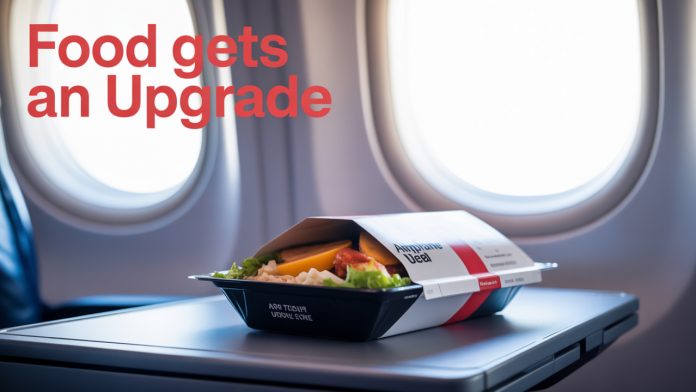
Ready for Takeoff: How In-Flight Food Packaging Is Getting a Ground-Level Makeover
For years, food labels told the truth — but only in size 8 font on the back. That’s changing.
As health-conscious Indian consumers start asking better questions — “How much sugar is too much?”, “Is this really high protein?” — brands are shifting their strategy. Welcome to the era of front-of-pack honesty, where nutrition info doesn’t hide — it headlines.
Unlike the fine print tucked behind folds, front-of-pack (FOP) labels put the key facts where your eyes actually go first: the front. Grams of sugar. Calorie count. Protein content. Sometimes even traffic-light-style icons that show how “clean” the product really is.
The push is both voluntary and regulatory. Startups like The Whole Truth and Yogabar pioneered this in India by listing “no added sugar,” “x grams protein,” and full ingredient breakdowns right on the face of the pack — not because they had to, but because it built trust.
Now, legacy brands are catching up. ITC, Nestlé, and HUL are experimenting with simplified icons and clearer callouts on snacks, cereals, and beverages — especially in the wellness and kids’ segments.
The shift isn’t just cosmetic. Consumers feel more empowered when the math is done for them. When a pack says, “8g sugar — moderate,” they’re more likely to feel respected, not misled.
However, critics argue FOP labels still aren’t fully standardised, and often use creative marketing — like “no added sugar” that still contains hidden sweeteners. That’s where packaging copy and visuals must work together to ensure clarity, not confusion.
Because in today’s food aisle, the most powerful thing a pack can say isn’t “New” or “Now with More Flavour” — it’s “Here’s what you’re really eating.”
We use cookies to ensure that we give you the best experience on our website. If you continue to use this site we will assume that you are happy with it.