Parineeti Chopra, the renowned Bollywood actor, has recently made an investment in Clensta, a promising startup in the personal care industry.
Clensta, established in 2016 by Puneet Gupta, is a pioneering personal care startup that specializes in providing sustainable healthcare and wellness products. Their extensive range includes offerings in categories such as haircare, skincare, and more.
The startup’s objective is to provide consumers with environmentally-friendly, efficient, and sustainable solutions that improve their well-being while reducing their carbon footprint.
Commenting on the investment, Parineeti Chopra said, “This association gives me a great opportunity to help build a brand that will stay relevant for years to come because of its focus on product and its unique ethos to create ethically and consciously. I feel very strongly about treating our planet responsibly and am delighted that Clensta’s range of products fulfil the promise of providing consumers a better way.”
On Chopra’s association with Clensta, Founder Gupta said, “She understands our long-term vision to make sustainable, affordable and effective personal care solutions that are locally made for one and all, including our global customers. We look forward to taking Clensta to new heights with her support.”
According to the startup, it has received funding from various notable investors and organizations, including IAN and IAN Fund, IPV, VCats, Hem Securities, TradeCred, the Royal Family from UAE, Ex-Im Bank of India, Mumbai Angels, Keiretsu, LetsVenture, O2 VC Fund, and several others, since its inception.
Presently, Clensta distributes its products through multiple e-commerce channels, which include Nykaa, Amazon, Flipkart, as well as 20 other platforms. Additionally, the company sells its products through its own website.
It is a frequent occurrence in the Indian startup ecosystem to witness the participation of celebrities and Bollywood actors as investors.
Recently, on July 5, the emerging digital content startup Knocksense made headlines with the news of an investment from renowned singer Lucky Ali as part of their Pre-Series A funding round.
Actor-turned-entrepreneur Suniel Shetty has been consistently making waves in the news with his investments in startups like Klassroom, WAAYU, and Aquatein.
Dunzo, a hyperlocal quick commerce player backed by Google and Reliance Retail, has made the decision to defer up to 50 percent of salaries for some employees, according to sources. The company has specifically deferred half of the June salary for employees at the manager level and above, citing cash-flow issues as the reason behind this measure.
Sources indicate that employees earning INR 75,000 and above at Dunzo have received only a partial payment of their salaries. The remaining amount is expected to be credited to their accounts before July 25.
“Whoever gets paid 75k+ and above has received nearly 50 per cent of the salary for this month, and the rest will be paid before 25th of this month,” said a source who spoke on condition of anonymity.
In April, Dunzo, a company headquartered in Bengaluru, successfully concluded a financing round, raising $75 million through convertible notes. This came after a significant equity funding round in January 2022, where the company secured $240 million in funding. Reliance Retail took the lead in this investment round. As of now, Reliance Retail holds a 25.8% stake in Dunzo, while Google possesses approximately a 20% stake. In total, Dunzo has accumulated $457.6 million across 19 rounds of funding.
Dunzo’s recent advancements occur amidst the backdrop of a previous workforce reduction in April, during which over 30 percent or more than 300 employees were laid off.
Dunzo declined to provide any comments regarding the ongoing developments. Notably, this marks the second instance of workforce rationalization at Dunzo in the current year. Earlier in January, the company had implemented a cost-cutting measure by laying off approximately 3 percent of its employees.
Dunzo is undergoing a restructuring of its business model and is set to close approximately 50 percent of its dark stores, according to reports. In an effort to adapt to changing market conditions, the company plans to forge delivery partnerships with supermarkets and various other merchants.
In late December 2022, the company also made the decision to shut down approximately 20-30 percent of its dark stores in Delhi-NCR and Hyderabad. Quick grocery delivery, also known as quick commerce, refers to the speedy home delivery of groceries typically within 10-30 minutes.
These bottles are crafted from 100% recycled plastic and manufactured with the support of Varun Beverages, the bottling partner.
PepsiCo India, a prominent multinational company specializing in consumer packaged goods, has further strengthened its dedication to sustainability and the promotion of plastic circularity. In line with this commitment, PepsiCo India has introduced 100% rPET (recycled plastic) bottles* in the carbonated beverage category, starting with Pepsi Black. This initiative reflects PepsiCo India’s overarching goal of fostering a positive value chain and advancing a circular and inclusive economy, where packaging never contributes to waste.
George Kovoor, Senior Vice President, Beverages and Sustainability, PepsiCo India said, “We are encouraged by the measures taken by the Government to promote a circular economy in India. We are proud to launch the 100% rPET bottles of Pepsi Black. This an important milestone in our sustainability journey, backed by our intent to create a positive value chain and this launch is yet another step in that direction. We shall learn and evolve as we continue our endeavors to build a robust ecosystem while expanding the use of recycled content in our packaging.”
The rPET bottles for Pepsi Black, excluding the label and cap, are produced in India through a collaboration between PepsiCo and Srichakra Polyplast (India) Private Limited. These bottles are crafted from 100% recycled plastic and manufactured with the support of Varun Beverages, the bottling partner.
In line with its ‘Winning with pep+’ approach, PepsiCo acknowledges the significance of implementing holistic measures to minimize, recycle, and reimagine its packaging. Committed to the cause, PepsiCo India strives to create inventive solutions, diminish its carbon footprint, and adopt sustainable practices such as reuse and refill. These endeavors not only inspire consumers but also align with the company’s long-standing commitments to environmental protection.
This exciting offer will be available at Hangover outlets located in Indiranagar, HSR, Koramangala, and Bel Road.
Hangover, the ultimate party spot in Bengaluru, is bringing an electrifying experience to its guests with the Hangover Joy Ride, a thrilling adventure inspired by roller coasters. Created by VRO Hospitality, this exhilarating ride guarantees an unmatched thrill that will leave partygoers buzzing with excitement. For a limited time, party lovers can immerse themselves in the Hangover Joy Ride, where they can relish unlimited starters and drinks for a delightful 90 minutes. With three enticing options to choose from, guests can customize their experience to suit their preferences. The campaign launches on July 10 and will run until August 14, 2023.
The Joy Ride experience will commence with the first order and the last order will be accepted 20 minutes before closing time. To ensure an enjoyable experience, one drink will be served at a time, maintaining a high level of service. It’s important to note that this offer cannot be combined with any other in-house promotions or discounts. Additionally, the entire group must avail of this offer together; individual participants within a group cannot avail the offer separately. Prices for the Joy Ride experience start at INR 1750. This exciting offer will be available at Hangover outlets located in Indiranagar, HSR, Koramangala, and Bel Road.
Hangover began as a napkin idea, crafted to provide the people of Bengaluru with a comprehensive and affordable sit-down drinking experience. The VRO Hospitality team treated this as their priced project, pouring heaps of enthusiasm and undeterred spirit into the development of the brand.
Their goal was to create the best bar Bangalore had ever seen, and they spared no effort in bringing this vision to life. Hangover quickly became the talk of the town, even before its launch, and the anticipation only grew as its launch date approached.
Initially located in Indiranagar and later expanded to HSR and Koramangala, Hangover became a hot spot for those seeking a good time and delicious food. The unique lip-smacking cocktail buckets and warm hospitality made it a favourite among locals and helped it establish itself as a friendly neighborhood bar.
Through it all, Hangover has remained committed to providing its patrons with an exceptional experience every time they visit. Whether you’re a regular or a newcomer, you’ll always find a warm welcome and a great time at Hangover!
Zomato took to Twitter to share the joy, posting an image of two beautifully decorated cakes.
Zomato, the popular food delivery app, recently reached its 15th anniversary milestone. To commemorate this special occasion, Zomato took to Twitter to share the joy, posting an image of two beautifully decorated cakes. One cake displayed the message “Happy Birthday Zomaito,” while the other featured “Zomaato” written on it. However, it was Swiggy, Zomato’s rival app, whose heartwarming wish for Zomato stole the spotlight and captivated the online community.
Zomato in the caption wrote, “It’s been 15 years of trying our best, failing a few times, learning to always get back up, and earning your love. thank you.”
it's been 15 years of trying our best, failing a few times, learning to always get back up, and earning your love. thank you ❤️ pic.twitter.com/yBAmK7AcV2
Social media users celebrated the food delivery app’s milestone of 15 years in the industry by sending their well wishes. Swiggy, in particular, expressed their congratulations to Zomato by sending a cake to the Zomato Corporate Office. The cake came with special instructions that read, “Happy birthday Zomaito and Zomaato”.
“Happy birthday, sending something for you!” the caption read.
Internet absolutely loved Swiggy’s sweet gesture. A user wrote, “Ek aisa competitor toh har company deserve karti hai (Every company deserves such a competitor).”
Another user wrote, “Waaah, kitni achhi mutual understanding hai (Such a nice mutual understanding).”
The third user wrote, “It looks like Mark Zuckerberg and Elon musk wishing each other on Snapchat.”
The liquor bottle buyback scheme, endorsed by the Madras High Court and implemented in Tasmac retail shops, has gained immense popularity in Tamil Nadu. Designed to safeguard the environment, this initiative has achieved remarkable success, with approximately 95% of bottles being returned in the three pilot districts where it was introduced.
According to the court, the regions of Perambalur, Dindigul, and Dharmapuri, including their hill areas, have achieved an impressive bottle return rate of 99%, as reported by Tasmac.
In an affidavit, S Visakan, the Managing Director of Tasmac, stated that the sale of empty bottles has resulted in a surplus revenue of 1.35 crore. This additional income will be utilized to lease storage spaces specifically for storing the empty bottles.
Tasmac has revealed that there is a proposal underway to introduce alternative packaging for liquor bottles, aiming to move away from traditional glass bottles. However, the implementation of this scheme across all liquor shops in the state is estimated to require a minimum of 24 months.
“The scheme will be implemented in 10 Tasmac districts in 12 months, in another 10 districts in 18 months and in the remaining 14 Tasmac districts in 24 months,” it said.
In a statement made by a distinguished panel comprising Justice N Sathish Kumar and Justice D Bharatha Chakravarthy, it was emphasized that the proposed scheme must be enforced across all retail establishments within a span of 15 months. The panel underscored the importance of recording the submissions pertaining to this matter.
Tasmac reports that there are a total of 4,829 retail liquor shops spread across the state. However, the buy-back scheme has not yet been implemented in 4,397 of these shops.
According to the authorities, out of the total 4,397 shops, only 471 have enough storage capacity for the empty bottles. The remaining 3,926 shops require additional space to store the bottles. In order to fully implement the scheme, several steps need to be taken. First, a tender must be initiated to dispose of the collected empty bottles. Second, training needs to be provided to 24,000 staff members in a phased manner on a rotational basis. Lastly, additional spaces need to be identified for all the shops, which is expected to take at least one year.
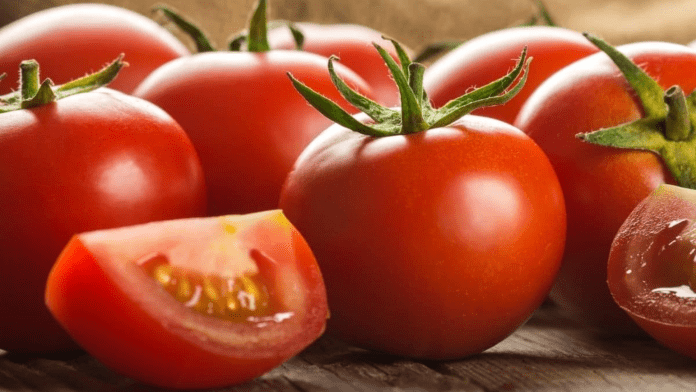
India is known for its rich culinary traditions and diverse cuisine, where tomatoes play a crucial role as a staple ingredient in many dishes. However, a recent tomato crisis has hit the country, leading to skyrocketing prices and scarcity in the market. This crisis has left many people searching for alternatives to tomatoes to continue enjoying their favorite recipes. In this article, we will explore some incredible tomato substitutes that can be used in Indian cuisine, providing both flavor and nutritional value. These substitutes will surely blow your mind and help you overcome the tomato crisis!
1. Red Bell Peppers:
Red bell peppers are an excellent substitute for tomatoes due to their vibrant color, slightly sweet flavor, and crunchy texture. They can be used in curries, salads, soups, and even in chutneys. Roasting the bell peppers enhances their natural sweetness, making them a fantastic replacement for the tanginess of tomatoes. Additionally, red bell peppers are packed with vitamins A and C, making them a nutritious alternative.
2. Raw Mango:
Raw mango, commonly known as “kaccha aam” in Hindi, is another remarkable substitute for tomatoes. With its tangy and sour taste, raw mango adds a refreshing flavor to dishes. It can be used in dal, chutneys, pickles, and even as a base for curries. The natural acidity of raw mango mimics the tartness of tomatoes, making it a suitable replacement. Moreover, raw mango is an excellent source of vitamin C and other essential nutrients.
3. Tamarind:
Tamarind, known as “imli” in Hindi, is widely used in Indian cuisine for its unique tangy flavor. It is commonly used as a souring agent in curries, chutneys, and rasams. Tamarind pulp can be used to add acidity to dishes, replacing the tartness of tomatoes. Its distinctive taste enhances the overall flavor profile of various recipes. Additionally, tamarind contains antioxidants and has several health benefits, including aiding digestion.
4. Kokum:
Kokum, a tropical fruit native to India, is a lesser-known but fantastic tomato substitute. It is predominantly used in coastal cuisines and imparts a tangy and slightly sweet taste. Kokum can be used in curries, drinks, and even desserts. Its natural sourness makes it an excellent replacement for tomatoes. Furthermore, kokum is known for its cooling properties and is believed to have medicinal benefits, including improving digestion and reducing acidity.
5. Vinegar:
Vinegar, particularly apple cider vinegar or white vinegar, can be used as a tomato substitute in certain dishes. It provides acidity and tanginess, similar to tomatoes. However, it is essential to use vinegar sparingly and adjust the quantity based on the desired flavor. Vinegar can be used in salad dressings, marinades, and some curries. While it may not provide the same depth of flavor as tomatoes, it can be a viable alternative in certain recipes.
6. Canned Tomatoes:
Although the tomato crisis has caused a scarcity of fresh tomatoes, canned tomatoes are still available in the market. Canned tomatoes can be a suitable substitute, especially in dishes that require cooked or blended tomatoes, such as pasta sauces, stews, and soups. While the taste may differ slightly from fresh tomatoes, canned tomatoes can provide the desired texture and flavor in many recipes. Ensure you choose high-quality canned tomatoes without any added preservatives.
Final Thoughts:
The tomato crisis in India has led to a scarcity of this essential ingredient, forcing people to search for suitable substitutes. Thankfully, there are several incredible alternatives that can be used in Indian cuisine, ensuring that the flavors and nutritional value of dishes are not compromised. Red bell peppers, raw mango, tamarind, kokum, vinegar, and canned tomatoes are among the best tomato substitutes available. These alternatives provide a range of flavors, from tangy and sour to slightly sweet, while maintaining the essence of Indian cuisine. Experimenting with these substitutes will not only help overcome the tomato crisis but also introduce exciting new flavors to your favorite recipes. So, embrace the tomato crisis as an opportunity to explore the versatility of these incredible tomato substitutes that will undoubtedly blow your mind!
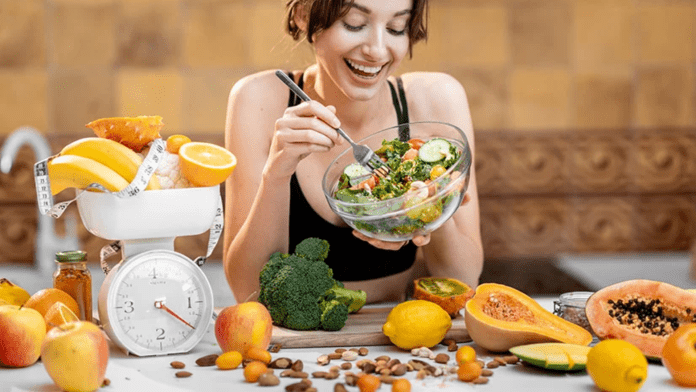
In recent years, the popularity of the ketogenic diet has surged due to its promising results in weight loss and improved overall health. However, the traditional ketogenic diet, with its emphasis on high fat and low carbohydrate intake, often raises concerns about long-term sustainability and potential health risks. As a result, health-conscious individuals are seeking a more balanced and sustainable approach to weight loss. Enter the Mediterranean Keto diet, a fusion of two renowned eating patterns that offers the best of both worlds – the weight loss benefits of the ketogenic diet and the health-promoting qualities of the Mediterranean diet. This article explores the principles, benefits, and guidelines of the Mediterranean Keto diet, demonstrating how it enables individuals to eat well and lose weight simultaneously.
Understanding the Mediterranean Diet:
The Mediterranean diet is based on the traditional eating habits of countries bordering the Mediterranean Sea, such as Greece, Italy, and Spain. It is renowned for its emphasis on whole, unprocessed foods, including fruits, vegetables, legumes, whole grains, lean proteins, and healthy fats like olive oil. The Mediterranean diet is also characterized by moderate consumption of dairy products, red wine in moderation, and limited intake of processed foods and sweets.
Benefits of the Mediterranean Diet:
Numerous scientific studies have demonstrated the numerous health benefits associated with the Mediterranean diet. It has been linked to a reduced risk of chronic diseases, including heart disease, type 2 diabetes, certain types of cancer, and neurodegenerative disorders like Alzheimer’s disease. The diet’s focus on whole foods and high intake of fruits and vegetables provides essential vitamins, minerals, antioxidants, and fiber, which contribute to overall well-being.
Understanding the Ketogenic Diet:
The ketogenic diet, often referred to as the keto diet, is a low-carbohydrate, high-fat eating plan that triggers a state of ketosis in the body. Ketosis occurs when the body switches from using glucose as its primary fuel source to utilizing stored fats for energy. By severely restricting carbohydrates, the body enters a metabolic state where ketones are produced from fat breakdown, resulting in weight loss.
Benefits of the Ketogenic Diet:
The primary benefit of the ketogenic diet is its ability to promote weight loss. By reducing carbohydrate intake, insulin levels are lowered, and the body starts utilizing fat stores for energy. Additionally, the ketogenic diet has been shown to improve insulin sensitivity, regulate blood sugar levels, and reduce inflammation. It may also have a positive impact on brain health and cognitive function.
The Mediterranean Keto Diet: A Fusion of Two Approaches:
The Mediterranean Keto diet combines the principles of the Mediterranean diet and the ketogenic diet, offering a balanced and sustainable approach to weight loss and overall health. By merging the best aspects of both diets, individuals can enjoy the benefits of ketosis while still embracing the diverse, nutrient-rich Mediterranean cuisine.
Guidelines of the Mediterranean Keto Diet:
Emphasis on whole, unprocessed foods: The diet should include plenty of vegetables, fruits, legumes, and whole grains to provide essential nutrients and fiber.
Moderate protein intake: Include lean sources of protein such as fish, poultry, and legumes in moderate amounts.
Healthy fats: Incorporate sources of healthy fats, such as olive oil, avocados, nuts, and seeds, to promote satiety and support ketosis.
Limited carbohydrate intake: While the Mediterranean Keto diet allows slightly higher carbohydrate intake compared to traditional ketogenic diets, it still requires restricting intake of refined grains, sugars, and processed foods.
Portion control and mindful eating: Practice portion control to ensure a calorie deficit for weight loss, and engage in mindful eating by paying attention to hunger and fullness cues.
Benefits of the Mediterranean Keto Diet:
Weight loss: The Mediterranean Keto diet combines the fat-burning effects of ketosis with the nutrient density of the Mediterranean diet, leading to effective and sustainable weight loss.
Improved heart health: The Mediterranean Keto diet promotes heart health by reducing LDL cholesterol levels and increasing HDL cholesterol levels, thereby reducing the risk of heart disease.
Enhanced brain function: The ketogenic aspect of the diet provides a steady supply of ketones to the brain, which has been associated with improved cognitive function and mental clarity.
Reduced inflammation: The Mediterranean Keto diet’s emphasis on whole, unprocessed foods and healthy fats helps reduce inflammation in the body, which is linked to various chronic diseases.
Long-term sustainability: Unlike traditional ketogenic diets, the Mediterranean Keto diet offers a wider variety of foods, making it easier to adhere to in the long term.
Final Thoughts:
The Mediterranean Keto diet offers a compelling solution for individuals seeking to eat well and lose weight simultaneously. By combining the principles of the Mediterranean and ketogenic diets, this eating pattern provides a balanced approach to weight loss while promoting overall health. With its emphasis on whole, unprocessed foods, healthy fats, and moderate carbohydrate intake, the Mediterranean Keto diet offers a sustainable way to achieve weight loss goals without compromising on nutrition or enjoyment of food. However, it is always advisable to consult a healthcare professional before making any significant changes to your diet, especially if you have underlying health conditions.
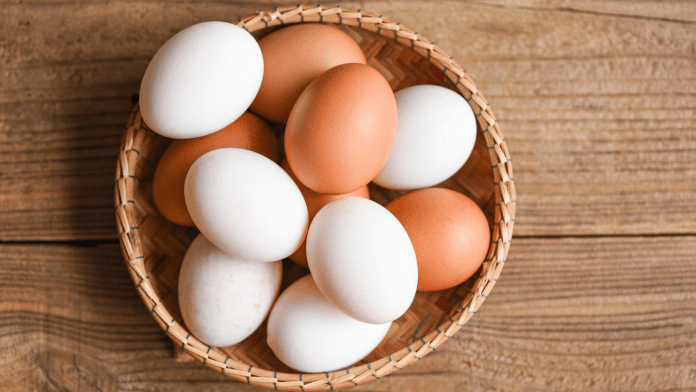
As the monsoon season approaches, pet owners often find themselves concerned about their furry friends’ well-being. The damp and gloomy weather can negatively impact dogs, leading to various health issues. However, there is a simple and effective solution that can help keep your dog happy and healthy during the monsoon: eggs! Eggs are a nutrient-rich food source that offers numerous benefits to canines. In this article, we will explore the reasons why eggs are a fantastic addition to your dog’s diet, especially during the monsoon season. From improving their coat health to boosting their immune system, eggs can be the secret ingredient that ensures your beloved pet thrives even in the rainy weather.
The Nutritional Powerhouse of Eggs:
Eggs are a nutritional powerhouse, packed with essential nutrients that can greatly benefit your dog’s health. They are an excellent source of high-quality protein, which is essential for muscle development, tissue repair, and overall growth. Additionally, eggs are rich in vitamins such as vitamin A, vitamin D, and B-complex vitamins, including biotin and choline. These vitamins support various bodily functions, including healthy skin and coat, strong bones, and a well-functioning nervous system.
Moreover, eggs contain minerals like iron, selenium, and zinc, which play vital roles in maintaining your dog’s immune system, preventing anemia, and promoting overall well-being. The presence of omega-3 fatty acids in eggs contributes to healthy brain development and aids in reducing inflammation in the body. The combination of these nutrients makes eggs an ideal dietary addition for dogs, particularly during the monsoon season when their immune systems may need an extra boost.
Benefits of Eggs for Dogs in Monsoon:
Improved Coat Health:
The damp and humid conditions during the monsoon can cause skin issues and dull coats in dogs. Eggs can help combat these problems due to their high biotin content. Biotin, a B-vitamin, promotes healthy skin and a lustrous coat, reducing the risk of excessive shedding and dry skin conditions. By incorporating eggs into your dog’s diet, you can help them maintain a shiny and healthy coat throughout the rainy season.
Strengthened Immune System:
During the monsoon, dogs are more susceptible to viral and bacterial infections. Eggs can provide a natural boost to their immune system, thanks to the presence of various antioxidants and vitamins. Vitamin A, for instance, helps maintain the integrity of the skin and mucous membranes, acting as a barrier against pathogens. Vitamin D supports immune cell function and helps regulate inflammation. Choline, another vital nutrient found in eggs, plays a crucial role in immune response and liver function. By incorporating eggs into your dog’s meals, you can enhance their immune system’s ability to fight off infections and maintain good health.
Enhanced Digestive Health:
Changes in weather and water quality during the monsoon season can lead to digestive problems in dogs. Eggs can aid in maintaining a healthy digestive system. The high protein content in eggs promotes proper digestion and nutrient absorption. Additionally, eggs contain an enzyme called lysozyme, which has antibacterial properties and can help regulate the gut’s bacterial balance. Including eggs in your dog’s diet can support their digestive health, preventing issues like diarrhea and indigestion.
Increased Energy Levels:
Monsoon weather often brings gloominess and a lack of physical activity, which can lead to decreased energy levels in dogs. Eggs can serve as an excellent energy source due to their protein and fat content. The amino acids derived from the proteins in eggs provide sustained energy throughout the day. The healthy fats in eggs also contribute to overall energy levels and can help your dog remain active and engaged despite the rainy weather.
Versatile and Easy to Prepare:
One of the advantages of incorporating eggs into your dog’s diet is their versatility and ease of preparation. Eggs can be served in various ways, including scrambled, boiled, or as an ingredient in homemade dog treats. They can be added to your dog’s regular meals or used as a special treat during training sessions. The simplicity of including eggs in your dog’s diet ensures that they receive the benefits without disrupting their regular eating routine.
Final Thoughts:
As pet owners, it is crucial to prioritize the health and happiness of our dogs, especially during challenging seasons like the monsoon. Eggs offer a wide range of benefits that can help keep your dog in optimal condition throughout this period. From promoting a healthy coat and immune system to supporting digestive health and energy levels, eggs are a natural and nutrient-rich addition to your dog’s diet. However, it is important to consult with your veterinarian before making any significant changes to your dog’s feeding routine. By incorporating eggs into your dog’s meals with professional guidance, you can ensure they receive the maximum benefits of this superfood.
So, don’t miss out on this secret to keeping your dog happy and healthy this monsoon – add eggs to their diet and witness the positive impact it has on their overall well-being.
Hormonal imbalances in women can lead to a wide range of symptoms and health issues, from premenstrual syndrome (PMS) to menopause. These hormonal fluctuations can cause mood swings, fatigue, hot flashes, and other uncomfortable symptoms. While hormone replacement therapy (HRT) is a common treatment option, many women are seeking natural alternatives to support their hormonal health. One such alternative is tempeh, a fermented soybean product with numerous health benefits. In this article, we will explore how tempeh can transform women’s hormonal health, starting from PMS and continuing through menopause.
Understanding Hormonal Health:
Before delving into the benefits of tempeh, it is essential to understand the significance of hormonal health for women. Hormones play a crucial role in regulating various bodily functions, including the menstrual cycle, bone health, mood stability, and metabolism. When hormone levels become imbalanced, women can experience a range of symptoms that impact their overall well-being.
PMS: Balancing Hormones Naturally
Premenstrual syndrome (PMS) affects a large percentage of women, leading to physical and emotional symptoms before the onset of menstruation. While the exact cause of PMS is still unknown, hormonal fluctuations are believed to play a significant role. Tempeh can be a valuable addition to a woman’s diet during this phase, as it contains phytoestrogens.
Phytoestrogens are plant compounds that mimic the effects of estrogen in the body. They can help regulate hormone levels and reduce PMS symptoms such as mood swings, bloating, and breast tenderness. Consuming tempeh regularly can provide a natural source of phytoestrogens, which can contribute to a healthier hormonal balance.
Healthy Aging: Supporting Menopausal Transition
As women age, they undergo a natural biological process known as menopause. During this time, hormone production decreases, leading to various symptoms such as hot flashes, night sweats, mood swings, and decreased bone density. While HRT is a common treatment option, some women prefer more natural alternatives.
Tempeh can play a vital role in supporting women during the menopausal transition. Its high phytoestrogen content can help alleviate menopausal symptoms by providing a natural source of estrogenic compounds. Phytoestrogens can bind to estrogen receptors in the body, mimicking the effects of estrogen and reducing the intensity of symptoms like hot flashes and mood swings.
Bone Health: A Crucial Aspect of Hormonal Balance
Maintaining strong bones is essential for women’s overall health, especially during menopause when bone density tends to decrease. Low estrogen levels during menopause contribute to bone loss and increase the risk of osteoporosis. Consuming tempeh, rich in nutrients like calcium and isoflavones, can be beneficial for bone health.
Calcium is a vital mineral for bone strength, and tempeh is a good plant-based source of calcium. Additionally, isoflavones found in tempeh can enhance bone health by reducing bone breakdown and increasing bone formation. Including tempeh in the diet can thus help women maintain healthy bones and reduce the risk of osteoporosis.
Heart Health: Balancing Cholesterol Levels
Cardiovascular disease is a significant concern for women, and hormonal imbalances can impact heart health. Estrogen plays a protective role in maintaining healthy cholesterol levels by increasing the levels of high-density lipoprotein (HDL) or “good” cholesterol and decreasing low-density lipoprotein (LDL) or “bad” cholesterol.
As tempeh contains high levels of isoflavones, it can help balance cholesterol levels in women. Isoflavones have been shown to improve lipid profiles by increasing HDL cholesterol and reducing LDL cholesterol, thereby promoting heart health. Incorporating tempeh into the diet can provide women with a natural means of maintaining healthy cholesterol levels and reducing the risk of cardiovascular disease.
Gut Health: Enhancing Hormonal Balance
The gut microbiome plays a crucial role in overall health, including hormonal balance. Emerging research suggests that a healthy gut microbiota can positively influence estrogen metabolism and overall hormonal health in women. Tempeh, being a fermented food, can support gut health by providing beneficial probiotics.
During the fermentation process, tempeh develops probiotic bacteria that can promote a healthy gut microbiome. These probiotics aid in digestion, enhance nutrient absorption, and support optimal hormonal balance. By consuming tempeh, women can support their gut health, which in turn can positively impact their hormonal health.
Final Thoughts:
Tempeh, a fermented soybean product, offers numerous benefits for women’s hormonal health. From PMS to menopause, tempeh can help balance hormones naturally, alleviate symptoms, and promote overall well-being. The phytoestrogens present in tempeh can mimic the effects of estrogen, helping regulate hormone levels and reducing PMS symptoms. During menopause, tempeh’s high phytoestrogen content can alleviate hot flashes, mood swings, and other discomforts associated with hormonal changes. Additionally, tempeh supports bone health by providing calcium and isoflavones, reduces the risk of cardiovascular disease by balancing cholesterol levels, and enhances gut health through beneficial probiotics. By incorporating tempeh into their diets, women can take a natural and holistic approach to transform their hormonal health and improve their overall quality of life.
We use cookies to ensure that we give you the best experience on our website. If you continue to use this site we will assume that you are happy with it.