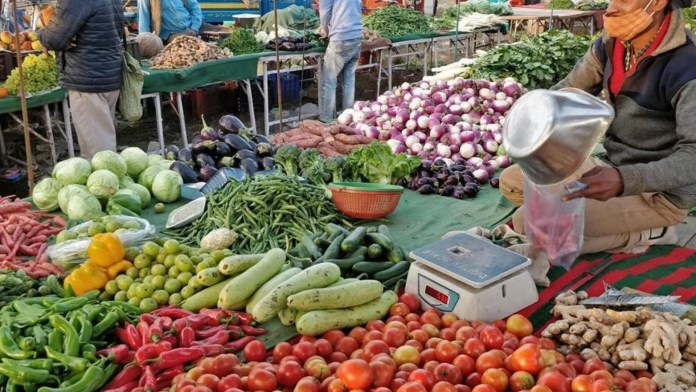
The advent of the Southwest monsoon and the subsequent floods in the low-lying regions of Delhi have led to a significant surge in vegetable prices, greatly impacting the financial constraints faced by local families.
Tomatoes are currently being sold at exorbitant rates ranging from INR 130 to 240 per kilogram or even higher in multiple locations across the national capital, including Azadpur Mandi.
According to wholesalers, the prices of vegetables, including tomatoes, have witnessed a twofold increase over the past two weeks, resulting in a significant 40 percent reduction in sales.
“People are buying tomato puree instead of tomatoes. I am only bringing 5 kgs tomatoes these days as sales are low. Earlier, when the rates were nominal, I used to sell tomatoes 20 to 25 kgs per day,” said Amar, a vegetable vendor in Laxmi Nagar.
“Daily vegetables including bottle gourd are being sold at INR 70 per kg. Capsicum at INR 80 per kg, bitter gourd at INR 65 per kg, Green coriander at INR 500 per kg, lady finger at 130 per kg,” said Manoj, a wholesaler at Azadpur Sabzi Mandi.
“The price of green cucumber has gone to INR 80 per kg, colocasia at INR 130 per kg, French beans at INR 220 per kg, Ginger at INR 400 to 470 per kg, black brinjal at INR 100 to 120 per kg, pointed gourd at INR 100 to 120 per kg,” he said.
The recent surge in tomato prices is being attributed to the detrimental impact of heavy rainfall on the supply chain. Vegetable vendors and wholesalers are identifying the rain as the primary factor causing disruptions in the tomato supply, consequently resulting in a substantial increase in retail prices for this crucial kitchen staple.
“Now due to flooding in several parts of the national capital, the movement of commercial vehicles has been stopped at the border areas of the city which will also be leading to more hike in the prices of vegetables,” said Anar Chand, a vegetable vendor at Azadpur Mandi.
PepsiCo, in its second-quarter earnings report released on Thursday, revealed that its Indian business experienced high-single-digit organic revenue growth in Q2 2023. The company further noted significant market share gains in both the snacks and beverage segments within India.
“Our developing and emerging markets remained resilient and delivered double-digit organic revenue growth. Mexico, Turkey, Pakistan, Egypt, Poland, and Vietnam delivered double-digit organic revenue growth; India and China delivered high-single-digit organic revenue growth,” the company’s management stated in its remarks for the second quarter ended June 17.
However, in terms of volumes, PepsiCo witnessed a “mid-single-digit decline” in the snacks segment in India during the second quarter.
Commenting on the performance of Africa, Middle East and South Asia (AMESA) region, the company said, “Convenient foods unit volume declined 6 per cent, primarily reflecting a double-digit decline in South Africa, partially offset by double-digit growth in the Middle East and mid-single-digit growth in Pakistan. Additionally, India experienced a mid-single-digit decline.”
During this period, the beverage segment of the company’s India business experienced modest single-digit volume growth.
The company noted that it achieved market share gains in various international markets, including China, India, Saudi Arabia, Turkey, the Netherlands, South Africa, Belgium, and Pakistan, throughout the year.
Despite the challenges faced in the beverage segment, the company reported gaining market share in India. This positive development coincides with the efforts of Varun Beverages, the company’s key bottler in the country, as it has been actively expanding its manufacturing capacities and aggressively growing its distribution network.
Beverage manufacturers encountered difficulties during the summer season in India. Analysts attribute this to unseasonal rains in several regions and moderate temperatures, which resulted in a decline in out-of-home demand for the cold beverage segment. The summer season typically plays a crucial role in driving annual sales of carbonated soft drinks and juices in the country.
LYEF Wellness, a trailblazing company in the Ayurveda and holistic wellness sector, has garnered exceptional accomplishments since its inception in August 2022. Teaming up with Keraleeya Ayurveda Samajam, LYEF Wellness is dedicated to providing genuine Ayurvedic remedies and fostering comprehensive well-being. The brand has observed exponential sales escalation, augmented its market reach, and formed crucial alliances, experiencing an impressive 50 percent month-on-month expansion.
LYEF Wellness, with its strong potential and innovative approach, commanded a valuation of $1 million before initiating sales operations. The company’s growth and expansion have been fueled by a successful seed funding round of $100,000. This milestone serves as a testament to the rising demand for Ayurvedic products and LYEF Wellness’ capacity to meet the ever-changing requirements of health-conscious consumers.
Suresh Raja, MD of LYEF Wellness and Former South India Head – Clearance and Gateway Operations at FedEx, stated, “Our commitment to providing integrated natural and sustainable solutions resonates with a growing number of individuals seeking healthier lifestyles. We have expanded our product and service line to include a broader range of Ayurvedic supplements and wellness services. These offerings are meticulously curated and formulated by our partner, Keraleeya Ayurveda Samajam, which boasts a 120-year-old legacy in the Ayurveda product space and a team of 20 Ayurveda doctors. Our aim is to become a global leader in the wellness industry, inspiring individuals to prioritize their health and well-being through Ayurvedic principles.”
Recognizing the challenges surrounding product availability in Ayurveda, Suresh Raja reiterated the importance of a robust supply chain. LYEF Wellness is actively engaged in effectively bridging this gap to ensure efficient operations.
LYEF Wellness has strategically expanded its operations to the United States, driven by the remarkable prospects offered by the thriving global wellness market. By venturing into this $450 billion industry, LYEF Wellness aims to seize the tremendous opportunities that lie ahead. The Ayurveda market in the US alone is valued at an impressive $14.9 billion, making it an attractive target for LYEF Wellness to establish a strong presence and contribute significantly to this rapidly expanding sector. Notably, all their products have received approval from the US FDA, guaranteeing both quality and sustainability as key pillars of their offerings.
LYEF Wellness owes its success to a comprehensive holistic wellness platform that revolves around three fundamental pillars: Products, Services, and Knowledge. By adopting this all-encompassing approach, LYEF Wellness strives to offer individuals a diverse range of Ayurvedic products, personalized services such as consultations with doctors, and valuable knowledge through accessible online courses. This multi-faceted strategy ensures that individuals can benefit from a complete wellness experience that caters to their unique needs and empowers them to achieve optimal well-being.
LYEF Wellness offers its products through various channels, ensuring wide accessibility to customers. Apart from its official website, the company’s products are available on popular e-commerce platforms like Amazon, Healthkart, TATA 1MG, and PharmEasy. This multi-channel approach enables customers to conveniently purchase LYEF Wellness products from their preferred online platform.
Furthermore, LYEF Wellness has set its sights on expanding its reach to international markets. The company is actively working towards listing its products on Amazon USA, which will provide access to a vast customer base seeking genuine Ayurvedic products. This move demonstrates LYEF Wellness’ commitment to catering to a global audience and meeting the growing demand for authentic Ayurvedic remedies.
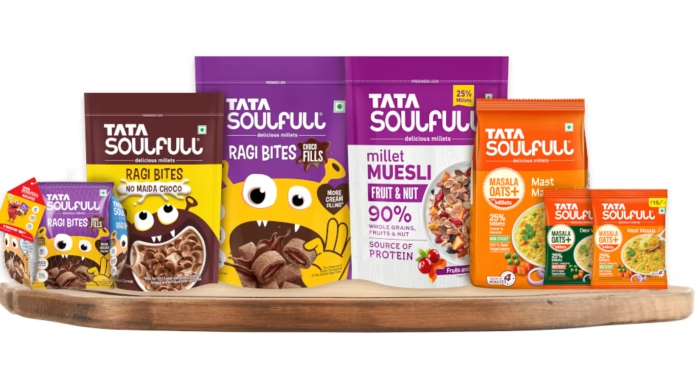
Tata Soulfull, a flourishing brand in India’s retail industry known for its millet-based packaged foods, has announced a significant partnership with Reliance Retail as the lead sponsor for the upcoming Maha Millet Mela. As a respected subsidiary of Tata Consumer Products Ltd., Tata Soulfull is dedicated to bringing traditional Indian millets such as Ragi, Jowar, and Bajra to households throughout the country in modern and innovative forms. Their diverse product lineup includes Millet Muesli, Ragi Bites breakfast cereals, and Masala Oats+, among others.
The Maha Millet Mela, a distinctive millet festival slated for July and August 2023, is set to be hosted at renowned Reliance Retail stores all across India. Its primary objective is to raise awareness about the nutritional advantages of millets and enhance their accessibility to a wider range of households. This initiative aims to make millets a commonplace choice by encouraging every shopper at Reliance stores across the nation to incorporate them into their shopping baskets.
Millets, the ancient grains with strong roots in traditional Indian cuisine, are now being celebrated for their gluten-free properties, exceptional nutritional content, and rich reserves of iron, protein, dietary fiber, and calcium. With a growing demand for healthier food choices, millets have experienced a remarkable resurgence in contemporary Indian households. Moreover, their cultivation demands considerably less water compared to other grains, presenting advantages for both farmers and the environment.
The two-month-long Millet Mela will be a nationwide on-ground event, spanning over 400 Reliance stores. Within each participating store, a dedicated section will be designated exclusively for millet-based products, offering visitors a distinctive shopping experience. Tata Soulfull’s product range, including Millet Muesli, Ragi Bites No Maida Choco, Ragi Bites Fills, and Masala Oats+, will be prominently featured as part of this strategic partnership, enabling shoppers to savor Tata Soulfull’s wholesome products and reintroduce millets to their plates with a focus on taste and health.
Sunil D’Souza, the MD and CEO of Tata Consumer Products said, “Recognizing the numerous advantages millets offer to consumers, farmers, and the environment, it is important to spread public awareness and promote the sustainable growth and consumption of this remarkable grain. Tata Soulfull is dedicated to bringing traditional Indian millets like Ragi, Jowar, and Bajra to every Indian household in modern forms, and we are thrilled to partner with Reliance Retail, India’s largest retailer, for the Maha Millet Mela. Through this initiative, we aim to highlight the benefits of millets, drive their adoption, and make them more accessible. With an extensive range of products across snacking, breakfast cereals, and mini-meals under Tata Soulfull, we look forward to reaching even more consumers through Reliance stores.”
Damodar Mall, the CEO of Grocery Retail at Reliance Retail said, “Brands like Tata Soulfull and platforms like SmartBazaar and JioMart are taking forward the legacy of our grandmothers and aunts, who were the original ‘influencers’ of their time, sharing the goodness of millets and the cultural stories surrounding them. Millets encompass both nourishment and deep cultural significance. Collaborations like this will amplify their role in the Indian consumer market.”
In order to enhance the overall shopping experience, the Maha Millet Mela has planned captivating consumer offers to stimulate the exploration and acceptance of millets. Moreover, strategic print advertising assistance will be extended in major cities to amplify awareness and promote active engagement in the festival.
Jubilant FoodWorks, the company behind the Domino’s Pizza brand in India, has announced its intention to invest INR 750 crore in capital expenditure during the current fiscal year. This significant investment will primarily be allocated towards the opening of approximately 220 new outlets, among other initiatives.
Sameer Khetarpal, the Managing Director and CEO of Jubilant FoodWorks, has revealed the expansion plans of the pizza-chain. According to Khetarpal, they intend to open 30 to 35 new Popeyes restaurants in the current financial year, which will significantly increase the store count from the current 18 to a total of 50.
In a year we are investing about INR 200 to INR 250 crore in building new factories and we are investing about INR 500 crore in stores. Roughly INR 700 crore to INR 750 per annum on capital expenditure. This year we plan to open 200 to 220 Domino’s and 32 to 35 Popeyes, he told PTI.
Jubilant FoodWorks possesses the exclusive master franchise rights granted by Domino’s Pizza Inc. for the purpose of establishing and managing the Domino’s Pizza brand across India, Sri Lanka, Bangladesh, and Nepal. However, the commencement of operations in Nepal is still pending.
At present, the company operates an extensive network of more than 1800 Domino’s restaurants, spanning across 393 cities.
Khetarpal stated that the firm exclusively owns all of its stores and has no intentions to explore any alternative models.
The reason is we get a very good return on capital and our shareholders get very good returns, so, therefore, our model is to own and operate at the company level, he said.
Jubilant FoodWorks clocked INR 5096 crore in revenues from operations and around INR 403 crore bottom line in FY 23.
Asked about the revenue projection this fiscal, without giving a direct reply, he said the food services industry has been growing at 8 to 9 per cent per annum.
Replying to a query on the spiraling commodity prices and its impact on the prices of the products, Khetarpal said the prices of cheese which is the single biggest cost of one of the ingredients, is at a decadal high largely driven by the milk prices.
He, however, maintained that the company has no plans currently to increase the prices of its products. With the increased internal effeminacies the commodity price hike is being absorbed.
Meanwhile, Jubilant FoodWorks today announced the inauguration of Popeyes, the iconic US fried chicken titan, in Hyderabad.
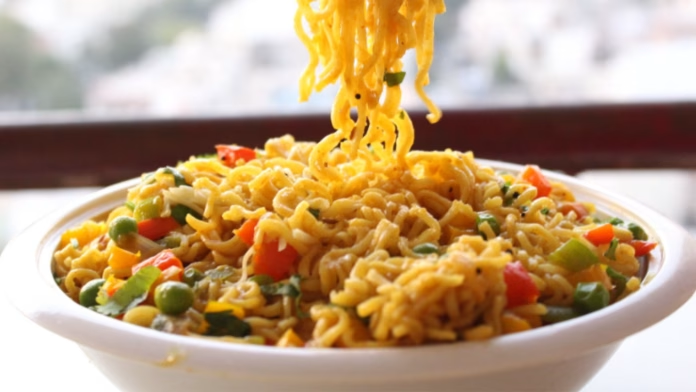
Rainy days are the perfect excuse to indulge in delicious comfort food that warms the soul. And when it comes to satisfying those cravings, nothing beats a hot bowl of Maggi noodles. This humble dish has been a favorite among both kids and adults for decades. But why settle for the regular Maggi when you can take it up a notch with a cheesy tadka twist? In this article, we’ll share a delightful recipe for Cheesy Tadka Maggi that will leave you wanting more.
The Cheesy Tadka Maggi combines the goodness of classic Maggi noodles with a rich and flavorful tadka (tempering) and a generous amount of cheese. It’s a delightful fusion of Indian and Western flavors that will leave your taste buds dancing.
To make this mouthwatering treat, you’ll need the following ingredients:
2 packets of Maggi noodles
1 tablespoon oil
1 teaspoon cumin seeds
1 teaspoon finely chopped garlic
1 teaspoon finely chopped ginger
1 green chili, finely chopped (adjust according to your spice preference)
1 onion, thinly sliced
1 tomato, finely chopped
1/2 teaspoon turmeric powder
1/2 teaspoon red chili powder (adjust according to your spice preference)
1/2 teaspoon garam masala
Salt to taste
1/4 cup grated cheese (cheddar or any melting cheese of your choice)
Fresh coriander leaves for garnish
Now that we have our ingredients ready, let’s dive into the cooking process:
Boil the Maggi noodles in water according to the instructions on the packet. Once cooked, drain the noodles and set them aside.
Heat oil in a pan or kadai over medium heat. Add the cumin seeds and let them splutter.
Add the finely chopped garlic, ginger, and green chili to the pan. Sauté for a minute until the raw aroma disappears.
Toss in the thinly sliced onions and sauté until they turn translucent.
Add the finely chopped tomatoes to the pan and cook until they become soft and mushy.
Now, it’s time to add the spices. Sprinkle turmeric powder, red chili powder, garam masala, and salt over the onion-tomato mixture. Mix well and let the spices cook for a minute or two to release their flavors.
Pour in a cup of water and bring it to a boil. Allow the mixture to simmer for a few minutes, allowing the flavors to meld together.
Break the Maggi noodle cake into the pan and add the tastemaker masala provided with the Maggi packets. Give it a good stir to ensure that the noodles are well coated with the tadka.
Cover the pan and cook the noodles on low heat for 2-3 minutes until they absorb the flavors of the tadka.
Once the noodles are cooked, turn off the heat and sprinkle the grated cheese over the top. Cover the pan again and let the cheese melt for a minute.
Remove the lid and give the Cheesy Tadka Maggi a good mix to distribute the melted cheese evenly.
Garnish with freshly chopped coriander leaves to add a refreshing touch.
Your Cheesy Tadka Maggi is now ready to be devoured! Serve it hot and enjoy the comforting flavors on a rainy day or any time you crave a delicious treat. The combination of the gooey melted cheese, aromatic tadka, and the familiar Maggi noodles will surely make this dish an instant favorite.
Feel free to experiment with the recipe by adding your own twist. You can toss in some colorful bell peppers or sweet corn to add extra crunch and sweetness. You can also sprinkle some chaat masala or crushed black pepper for an added kick. The possibilities are endless!
So the next time you find yourself longing for a rainy day treat, don’t hesitate to try this Cheesy Tadka Maggi recipe. It’s quick, easy, and guaranteed to bring you pure comfort in every bite. Bon appétit!
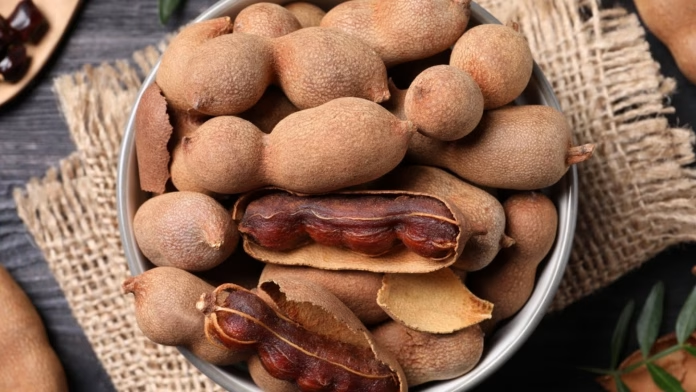
The monsoon season brings relief from the scorching heat and rejuvenates nature, but it also brings its fair share of health concerns. During this time, our immune system may weaken, making us vulnerable to various diseases. One way to combat these health issues is by incorporating tamarind into our diet. Tamarind, a tangy fruit commonly used in culinary dishes, offers a range of surprising health benefits. In this article, we will explore why tamarind is a must-have during the monsoon season, shedding light on its various health perks.
Boosts Immunity:
During the monsoon season, our immune system can become compromised, making us susceptible to infections. Tamarind is a rich source of vitamin C, which plays a vital role in strengthening our immune system. It aids in the production of white blood cells, which are responsible for fighting off pathogens and keeping illnesses at bay. By consuming tamarind, we can give our immune system the support it needs to combat common monsoon ailments such as colds, flu, and infections.
Enhances Digestive Health:
Digestive issues like indigestion, bloating, and constipation are common during the monsoon season. Tamarind possesses natural laxative properties due to its high dietary fiber content. It helps stimulate bowel movements, preventing constipation and promoting regularity. Additionally, tamarind contains enzymes that aid in the breakdown of food, improving digestion. Including tamarind in your diet can alleviate digestive discomfort and maintain a healthy gut during the monsoons.
Fights Inflammation:
Inflammatory conditions such as arthritis and rheumatism can worsen during the monsoon season due to the increased humidity and fluctuating atmospheric pressure. Tamarind contains polyphenols and antioxidants that possess anti-inflammatory properties. These compounds help reduce inflammation and alleviate symptoms associated with joint pain and swelling. Regular consumption of tamarind can provide relief from inflammatory conditions and enhance joint health, allowing you to enjoy the monsoons without discomfort.
Prevents Respiratory Infections:
Respiratory infections, such as coughs, colds, and sinusitis, are common during the monsoon season. Tamarind’s antimicrobial properties make it effective in preventing and treating these infections. It contains compounds like tartaric acid, which help inhibit the growth of bacteria and viruses in the respiratory system. Including tamarind in your diet can provide protection against respiratory infections and promote respiratory health.
Regulates Blood Pressure:
Fluctuations in blood pressure are common during the monsoon season, increasing the risk of cardiovascular problems. Tamarind contains potassium, a mineral that plays a crucial role in maintaining healthy blood pressure levels. Potassium helps relax blood vessels, reducing strain on the cardiovascular system and lowering blood pressure. By incorporating tamarind into your meals, you can regulate blood pressure and protect your heart during the monsoons.
Provides Antioxidant Protection:
The monsoon season brings with it an increased risk of oxidative stress due to the presence of free radicals in the environment. Tamarind is rich in antioxidants such as vitamin C, carotenes, and flavonoids, which help neutralize these harmful free radicals. Antioxidants protect the body’s cells from damage caused by oxidative stress, reducing the risk of chronic diseases and promoting overall health. Including tamarind in your diet can provide valuable antioxidant protection during the monsoon season.
Supports Weight Management:
Weight gain is a common concern during the monsoon season, as reduced physical activity and cravings for comfort foods can lead to overeating. Tamarind can be a helpful addition to a weight management plan due to its low-calorie content and high fiber content. The fiber in tamarind promotes a feeling of fullness, reducing the tendency to overeat. Furthermore, it helps control cholesterol levels, which can contribute to maintaining a healthy weight. Incorporating tamarind into your diet can support your weight management goals during the monsoon season.
Final Thoughts:
Tamarind, with its tangy taste and surprising health benefits, is indeed a must-have during the monsoon season. Its ability to boost immunity, enhance digestive health, fight inflammation, prevent respiratory infections, regulate blood pressure, provide antioxidant protection, and support weight management makes it a versatile and valuable addition to our diet. So, make sure to include tamarind in your meals and enjoy the monsoons while taking care of your health. Stay healthy, stay protected, and embrace the benefits of tamarind during the rainy season.
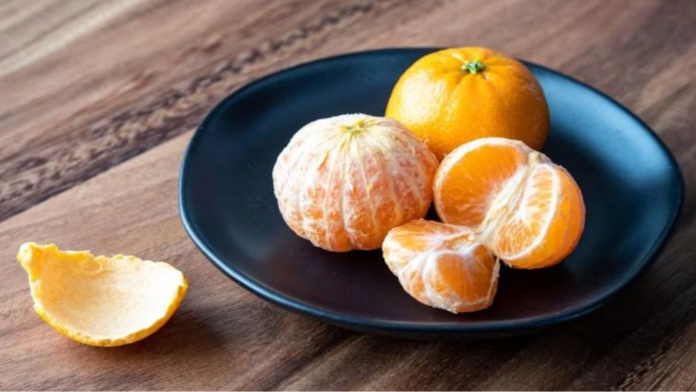
A bright, confident smile can leave a lasting impression, but when bleeding gums become a concern, it can significantly affect your dental health and overall self-esteem. Gum bleeding is a common oral health issue that can arise due to various factors, including poor oral hygiene, gum disease, hormonal changes, or vitamin deficiencies. However, there’s good news! Oranges, with their abundance of essential nutrients and natural properties, can play a crucial role in restoring your dental health and bringing back your radiant smile. In this article, we will explore how oranges can benefit your oral health and provide effective solutions for bleeding gums.
Understanding Bleeding Gums:
Before delving into the potential benefits of oranges, it is important to understand the underlying causes of bleeding gums. The most common cause is gum disease, which occurs due to the accumulation of plaque and bacteria along the gum line, leading to inflammation and bleeding. Other factors, such as hormonal changes during pregnancy or menopause, nutrient deficiencies, improper brushing or flossing techniques, and certain medications, can also contribute to gum bleeding. Ignoring bleeding gums can lead to more severe oral health issues, including gum recession, tooth loss, and even systemic health problems.
Oranges and Their Nutritional Value:
Oranges are renowned for their refreshing taste and high vitamin C content, but they offer much more than just a delicious flavor. These citrus fruits are packed with essential nutrients, including vitamin C, calcium, potassium, and antioxidants. Vitamin C plays a crucial role in maintaining healthy gum tissue by supporting collagen production, reducing inflammation, and boosting the immune system. Calcium helps strengthen teeth and bones, while potassium promotes overall gum health. Additionally, the antioxidants present in oranges combat free radicals, protecting oral tissues from oxidative damage.
Benefits of Oranges for Dental Health:
Gum Tissue Healing and Strengthening:
The vitamin C in oranges aids in the healing and repair of gum tissue. It supports the formation of collagen, a vital component of gums, promoting their strength and elasticity. Regular consumption of oranges can help reduce gum inflammation and accelerate the healing process, alleviating bleeding gums.
Boosting Immune Function:
A robust immune system is essential for maintaining good oral health. Oranges’ high vitamin C content strengthens the immune system, enabling it to fight off harmful bacteria and prevent gum infections. By bolstering your immune response, oranges contribute to reducing the risk of gum disease and bleeding gums.
Antimicrobial Properties:
Oranges contain natural antimicrobial properties that help combat oral bacteria. The citric acid present in oranges creates an acidic environment in the mouth, which inhibits the growth of bacteria. Regular consumption of oranges or using orange-based products can aid in reducing the bacterial load in the oral cavity, preventing gum infections and bleeding.
Antioxidant Protection:
The antioxidants found in oranges, such as vitamin C and beta-carotene, protect oral tissues from oxidative damage caused by free radicals. These harmful compounds can lead to inflammation, gum disease, and gum bleeding. By consuming oranges, you introduce powerful antioxidants into your system, supporting your oral health and minimizing gum-related issues.
Promoting Saliva Production:
Saliva plays a crucial role in maintaining oral health by neutralizing acids, washing away food particles, and aiding in the remineralization of teeth. Oranges’ high water content stimulates saliva production, contributing to a healthier oral environment and preventing dry mouth, which can lead to gum problems.
Final Thoughts:
Bleeding gums can be both physically uncomfortable and emotionally distressing. However, with the numerous benefits they offer for dental health, oranges can be an effective natural remedy for restoring your smile. The vitamin C, antioxidants, and other essential nutrients present in oranges promote gum tissue healing, strengthen the immune system, and combat oral bacteria. By incorporating oranges into your daily diet or using orange-based products, you can reduce gum inflammation, prevent infections, and improve your overall oral health. It is important to remember that oranges should be a part of a comprehensive oral care routine, including regular brushing, flossing, and dental check-ups. Embrace the power of oranges, and take a step towards healthier gums, a radiant smile, and enhanced self-confidence!
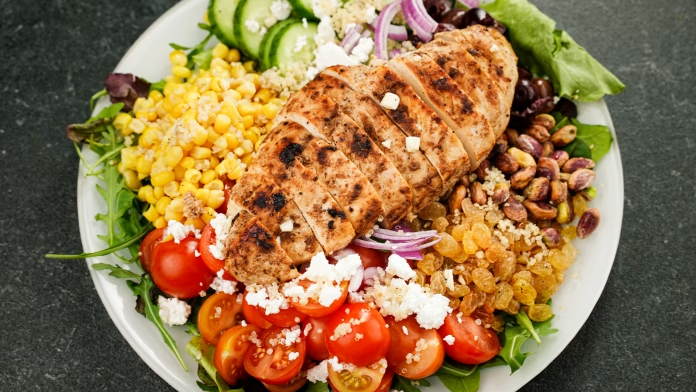
Fatigue is a common complaint among men over the age of 40, affecting their overall well-being and quality of life. The demands of work, family responsibilities, and the natural aging process can take a toll on their energy levels. However, incorporating a balanced and nutritious diet into their daily routine can help combat fatigue and revitalize their bodies. In this article, we explore the benefits of grilled chicken breast with quinoa salad as a powerhouse meal that can provide essential nutrients, promote muscle recovery, boost energy levels, and support overall health for men over 40.
Nutritional Benefits of Grilled Chicken Breast:
Grilled chicken breast is a lean protein source that offers numerous health benefits for men over 40. It is low in fat and calories while being high in essential nutrients. Some key benefits include:
High-quality protein: Protein is vital for muscle health, repair, and recovery. Grilled chicken breast provides a complete amino acid profile necessary for maintaining and building muscle mass, which tends to decline with age.
B vitamins: Chicken breast is rich in B vitamins such as niacin, thiamine, and vitamin B6. These vitamins play a crucial role in energy production, supporting the nervous system, and maintaining cognitive function.
Minerals: Chicken breast contains important minerals like selenium, phosphorus, and zinc. These minerals contribute to immune function, bone health, and support testosterone production, which can decline with age.
The Power of Quinoa Salad:
Quinoa salad complements grilled chicken breast perfectly, providing a range of nutritional benefits that can revitalize men over 40. Here are some reasons why quinoa salad should be included in their diet:
Complex carbohydrates: Quinoa is a complex carbohydrate that provides a steady release of energy throughout the day. This can help combat fatigue and maintain stable blood sugar levels.
Fiber content: Quinoa is an excellent source of dietary fiber. A high-fiber diet aids digestion, prevents constipation, and promotes a healthy weight, which is particularly important for men over 40 who may experience a decrease in metabolic rate.
Essential nutrients: Quinoa is packed with essential nutrients, including magnesium, iron, and vitamin E. These nutrients support heart health, contribute to proper muscle function, and act as antioxidants to protect against cellular damage.
Synergy and Health Benefits of the Meal Combination:
When grilled chicken breast and quinoa salad are combined in a meal, their synergy enhances the health benefits for men over 40. Here’s how this combination can revitalize them:
Energy boost: The combination of lean protein from grilled chicken breast and complex carbohydrates from quinoa provides a sustainable energy source, preventing energy crashes and combating fatigue.
Muscle recovery: The high-quality protein in chicken breast, combined with the amino acids in quinoa, supports muscle repair and recovery. This is particularly beneficial for men over 40 who may experience muscle loss and reduced muscle function.
Weight management: The lean protein in chicken breast, coupled with the fiber content of quinoa, helps promote a feeling of fullness and aids weight management. Maintaining a healthy weight is important for reducing the risk of chronic diseases and improving overall well-being.
Heart health: Grilled chicken breast is low in saturated fat and cholesterol, making it heart-friendly. Quinoa contains heart-healthy monounsaturated fats and omega-3 fatty acids, which help reduce inflammation and support cardiovascular health.
Nutrient density: The meal combination provides a wide range of essential nutrients, including vitamins, minerals, and antioxidants. These nutrients support various bodily functions, enhance immune function, and protect against age-related diseases.
Final Thoughts:
Fatigue is a common challenge faced by men over 40, but it doesn’t have to be an inevitable part of aging. Incorporating a balanced and nutritious diet can play a vital role in revitalizing their bodies and combating fatigue. The combination of grilled chicken breast with quinoa salad offers an excellent source of lean protein, complex carbohydrates, and essential nutrients. By consuming this powerhouse meal, men over 40 can experience increased energy levels, improved muscle recovery, enhanced weight management, and support for heart health. Embracing this nutritious meal combination can significantly contribute to their overall well-being, enabling them to lead a more active and fulfilling life. Say goodbye to fatigue and hello to revitalization with grilled chicken breast and quinoa salad!
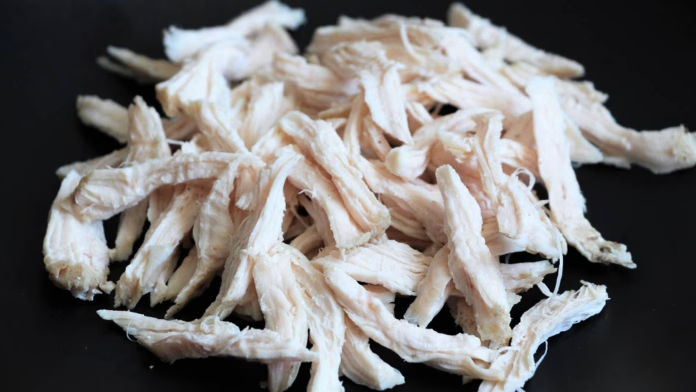
The monsoon season brings relief from the scorching heat and parched landscapes, but it also brings along a set of challenges for our feline friends. Cats are known for their aversion to water and dislike of damp surroundings. During the monsoon, cats may experience a decrease in appetite, lethargy, and increased susceptibility to various illnesses. As pet owners, it becomes our responsibility to ensure their well-being during this season. One effective way to keep your cat healthy and happy during the monsoon is by incorporating boiled chicken into their diet. In this article, we will explore why boiled chicken is a must-have meal for your cat during the rainy season.
Nutritional Benefits of Boiled Chicken:
Boiled chicken serves as an excellent source of nutrition for cats, and its benefits become even more prominent during the monsoon season. Here are some key reasons why boiled chicken should be an essential part of your cat’s diet during this time:
High Protein Content: Cats are obligate carnivores, which means they require a diet rich in animal protein. Boiled chicken is a lean and easily digestible protein source that fulfills this dietary need. Protein aids in muscle development, supports a healthy immune system, and helps cats maintain their energy levels.
Hydration: Cats often struggle to maintain adequate hydration levels, and this challenge intensifies during the monsoon. Boiled chicken contains a high water content, which helps keep your cat hydrated, especially if they are reluctant to drink water.
Essential Amino Acids: Chicken is a complete protein, meaning it provides all the essential amino acids necessary for a cat’s optimal health. These amino acids support various bodily functions, including tissue repair, hormone production, and the maintenance of a healthy coat.
Low in Fat: Excessive weight gain can lead to various health problems in cats. Boiled chicken is low in fat, making it a healthier alternative to other meat options. It helps cats maintain a healthy weight and reduces the risk of obesity-related issues.
Health Benefits of Boiled Chicken during Monsoon:
The monsoon season often brings with it a host of health concerns for cats. Fortunately, boiled chicken can help address these issues effectively. Let’s delve into the health benefits of incorporating boiled chicken into your cat’s diet during the monsoon:
Boosting Immunity: The monsoon season is notorious for increasing the likelihood of infections and illnesses. Boiled chicken contains essential nutrients like zinc, vitamin B6, and vitamin B12, which support a strong immune system. These nutrients enhance your cat’s ability to fight off infections and diseases.
Easy on the Digestive System: The damp weather can affect a cat’s digestive system, leading to gastrointestinal issues. Boiled chicken is easily digestible, making it gentle on your cat’s stomach. It can provide relief from digestive problems such as diarrhea or upset stomach, which are common during the monsoon.
Warmth and Comfort: Cats tend to seek warmth and coziness during the monsoon season. Serving warm boiled chicken to your feline companion not only satisfies their natural desire for warmth but also provides comfort and nourishment. This can uplift their spirits and help combat any gloominess associated with rainy days.
Appetite Stimulant: Some cats experience a decrease in appetite during the monsoon. The enticing aroma and taste of boiled chicken can act as a natural appetite stimulant, encouraging your cat to eat and meet its nutritional requirements.
Preparing Boiled Chicken for Your Cat:
While boiled chicken offers numerous benefits for your cat’s well-being during the monsoon, it is crucial to prepare it correctly to ensure its safety and nutritional value. Follow these guidelines when preparing boiled chicken for your feline companion:
Use Boneless Chicken: Remove the bones from the chicken before boiling it. Cooked bones can splinter and pose a choking hazard to cats.
Avoid Seasonings: Cats have delicate palates, and the addition of spices, salt, or other seasonings can upset their digestive system. Boil the chicken in plain water without any additives.
Cooking Method: Place the boneless chicken pieces in a pot of water and bring it to a boil. Reduce the heat and simmer until the chicken is fully cooked. Avoid overcooking, as it can deplete the nutritional value of the chicken.
Allow to Cool: Once the chicken is cooked, allow it to cool before serving it to your cat. This ensures that it is at an appropriate temperature and prevents any burns or discomfort.
Final Thoughts:
Monsoons can be a challenging time for cats, but with the right care and nutrition, we can ensure their well-being and happiness. Boiled chicken stands out as a must-have meal for your cat during the rainy season due to its nutritional benefits and health advantages. It provides a high-quality source of protein, aids in hydration, and supports the immune system. Furthermore, boiled chicken is gentle on the digestive system, offers warmth and comfort, and acts as an appetite stimulant.
However, it is important to remember that boiled chicken should complement a balanced diet for your cat. Consult with a veterinarian to ensure your cat’s specific dietary requirements are met. With the inclusion of boiled chicken in your cat’s diet, you can help them stay healthy, active, and content throughout the monsoon season. So, go ahead and make this rainy day savior a regular part of your cat’s meal plan, and watch them thrive during the monsoon!
We use cookies to ensure that we give you the best experience on our website. If you continue to use this site we will assume that you are happy with it.