Sunday, December 28, 2025
Home Blog Page 1053

Cow or buffalo milk – Which holds the key to your child’s optimal development?

0
milk
Milk (Representative Image)

The early stages of a child’s life are crucial for their growth and development, and nutrition plays a vital role in ensuring their optimal well-being. Milk is considered a staple food for infants and young children due to its rich nutrient profile. However, when it comes to choosing between cow milk and buffalo milk, parents often find themselves at a crossroads. This article aims to explore the differences between cow and buffalo milk, focusing on their nutritional composition and potential benefits for a child’s development. By understanding the unique qualities of each type of milk, parents can make informed decisions to support their child’s growth and overall health.

Nutritional Composition of Cow Milk:

Cow milk is widely consumed across the globe and is considered the standard for infant feeding. It is a rich source of essential nutrients, including proteins, fats, carbohydrates, vitamins, and minerals. The protein content in cow milk consists primarily of casein and whey proteins, which are easily digestible. Additionally, cow milk contains an optimal balance of essential amino acids necessary for muscle development and growth.

The fat content in cow milk is comparatively lower than buffalo milk, making it suitable for infants with a lower digestive capacity. The carbohydrates in cow milk are mainly lactose, which provides a readily available source of energy. Moreover, cow milk is fortified with vitamin D, calcium, and phosphorus, crucial for bone development and overall growth.

Nutritional Composition of Buffalo Milk:

Buffalo milk is consumed widely in some regions and is known for its unique composition. It has higher fat content than cow milk, making it creamier and thicker in texture. The higher fat content provides more calories, making it an excellent source of energy. However, the increased fat content also makes buffalo milk slightly more challenging to digest, especially for infants with sensitive digestive systems.

Buffalo milk contains a higher percentage of total solids, proteins, and minerals than cow milk. The proteins in buffalo milk consist mainly of casein, which has a different composition than cow milk. The higher concentration of casein in buffalo milk may result in slower digestion, potentially impacting nutrient absorption.

Buffalo milk is also rich in calcium, phosphorus, and other essential minerals, making it beneficial for bone development and overall growth. It also contains vitamins A, B, and D in varying amounts, contributing to various physiological processes in the body.

Digestibility and Allergenicity:

Digestibility plays a crucial role in determining the suitability of milk for infants and young children. Cow milk is generally considered more easily digestible due to its lower fat content and a protein profile that closely resembles human milk. The presence of lactose in cow milk aids in the digestion process, as lactose is the primary carbohydrate found in human milk.

On the other hand, buffalo milk’s higher fat content and casein composition can make it more challenging to digest, particularly for infants with immature digestive systems or those prone to lactose intolerance or milk allergies. The differences in digestion may lead to gastrointestinal discomfort, such as bloating, gas, or colic, in some children consuming buffalo milk.

Cow milk allergy is more common than buffalo milk allergy, primarily due to the differences in protein composition. Cow milk contains specific proteins, such as alpha-lactalbumin, beta-lactoglobulin, and casein, which may trigger allergic reactions in susceptible individuals. Buffalo milk, with its different protein profile, may be better tolerated by those with cow milk allergies. However, it is essential to consult with a healthcare professional before introducing any new milk source to a child with known allergies.

Growth and Development:

The nutritional composition of milk directly influences a child’s growth and development. Cow milk, with its balanced profile of essential nutrients, is often recommended for infants and young children. The optimal levels of proteins, fats, vitamins, and minerals in cow milk support muscle development, bone growth, and overall physiological functions. The fortified nature of cow milk ensures an adequate intake of calcium and vitamin D, essential for healthy bone formation and strength.

Buffalo milk, with its higher fat and protein content, can contribute to energy requirements and promote weight gain in children. The abundance of calcium, phosphorus, and other minerals supports bone mineralization and skeletal growth. However, the potential digestive challenges associated with buffalo milk may hinder the nutrient absorption process, affecting overall growth.

Considerations and Recommendations:

When deciding between cow and buffalo milk for a child’s optimal development, several factors need to be considered:

a. Digestive capacity: Infants with immature digestive systems or those prone to lactose intolerance may find cow milk easier to digest than buffalo milk.

b. Allergies: Children with cow milk allergies may find buffalo milk a more suitable alternative due to differences in protein composition. However, individual allergic reactions may vary, so medical advice should be sought.

c. Nutrient requirements: Cow milk offers a balanced nutrient profile, while buffalo milk provides higher levels of fats, proteins, and minerals. Consider the specific needs of the child and consult with a pediatrician to ensure appropriate nutrient intake.

d. Availability and cultural preferences: The availability and cultural acceptability of milk options may also influence the choice between cow and buffalo milk.

Final Thoughts:

Choosing between cow and buffalo milk for a child’s optimal development involves considering their unique nutritional compositions, digestibility, and potential allergenicity. Cow milk is widely recommended for infants and young children due to its balanced nutrient profile and ease of digestion. On the other hand, buffalo milk, with its higher fat and protein content, may offer additional energy and certain minerals beneficial for growth. However, the potential digestive challenges associated with buffalo milk require careful consideration.

Ultimately, parents should consult with healthcare professionals, including pediatricians or nutritionists, to make an informed decision based on the child’s specific needs, digestive capacity, and any existing allergies or intolerances. The focus should be on providing a wholesome and nutritious diet that supports the child’s optimal growth and development throughout their early years.

Advertisement

Discover the surprising benefits of cheat meals: Why you shouldn’t resist temptation this weekend!

0
cheat meals

Maintaining a healthy diet is often associated with strict discipline and avoiding indulgences. However, there is a growing body of evidence suggesting that occasional cheat meals can have surprising benefits for both physical and psychological well-being. These meals, often consisting of high-calorie or indulgent foods, can provide a much-needed break from a restrictive diet and offer several advantages. In this article, we will explore the unexpected benefits of cheat meals and explain why you shouldn’t resist the temptation to indulge in one this weekend.

Psychological Break and Motivation:

Adhering to a strict diet for an extended period can take a toll on one’s psychological well-being. The constant restriction can lead to feelings of deprivation and make it difficult to sustain motivation. Cheat meals offer a psychological break by providing an opportunity to enjoy favorite foods guilt-free. This temporary indulgence can serve as a reward, rekindle motivation, and help individuals maintain long-term dietary adherence.

Increased Metabolic Rate:

Cheat meals, characterized by higher calorie consumption, can actually boost the body’s metabolic rate. Following a restrictive diet for an extended period can slow down the metabolism, making it harder to continue losing weight. A strategic inclusion of cheat meals can help counteract this effect by temporarily increasing the metabolic rate. The sudden influx of calories shocks the system, signaling that it is not in a prolonged state of caloric restriction, thereby preventing metabolic slowdown.

Enhanced Hormonal Balance:

Prolonged caloric restriction can lead to hormonal imbalances, particularly in the hormones responsible for regulating hunger, satiety, and metabolism. Leptin, a hormone that plays a crucial role in appetite control, tends to decrease with prolonged dieting, leading to increased hunger and a reduced metabolic rate. Cheat meals can help restore hormonal balance by temporarily increasing leptin levels, thereby promoting feelings of fullness and preventing metabolic adaptation.

Improved Social Life and Relationship with Food:

Following a strict diet often means avoiding social gatherings or feeling restricted when dining out. This can strain relationships and create a negative association with food. Cheat meals provide an opportunity to enjoy meals with friends and family without worrying about strict dietary restrictions. This social aspect can enhance overall well-being and promote a healthier relationship with food by emphasizing balance and moderation rather than rigid rules.

Mental Health Benefits:

The psychological impact of cheat meals extends beyond mere motivation. Food, particularly indulgent treats, can evoke positive emotions and create a sense of comfort and happiness. Cheat meals can help alleviate feelings of deprivation and promote a healthier mindset towards food. By allowing occasional indulgence, individuals can enjoy guilt-free pleasure, reducing the risk of developing an unhealthy relationship with food and potential eating disorders.

Final Thoughts:

Cheat meals, contrary to popular belief, can provide surprising benefits for both physical and psychological well-being. From offering a psychological break and enhancing motivation to boosting metabolism and promoting hormonal balance, cheat meals play a vital role in sustainable long-term dietary adherence. Moreover, they foster a healthier relationship with food, improve social connections, and contribute to overall mental well-being. However, it’s crucial to approach cheat meals mindfully, considering individual dietary needs and goals. Balancing indulgence with a healthy lifestyle is the key to reaping the rewards of cheat meals without compromising overall health. So, this weekend, embrace the benefits of a well-deserved cheat meal and enjoy the pleasure it brings. Remember, moderation is the key to a sustainable and balanced approach to healthy living.

Advertisement

Discover the ultimate weight loss secret: Boiled or steamed food? Find out which reigns supreme!

0
Boiled or steamed food

In today’s society, where obesity rates are soaring, finding effective methods for weight loss has become a priority for many individuals. One approach that has gained popularity is the consumption of boiled or steamed food. Both cooking methods are often touted as healthier alternatives to frying or sautéing. However, there is an ongoing debate regarding which method reigns supreme in terms of promoting weight loss. In this article, we will explore the benefits and drawbacks of boiled and steamed food, and ultimately uncover the ultimate weight loss secret.

Boiled Food for Weight Loss:

Boiling food involves submerging it in water and heating it until it reaches its desired texture and doneness. This cooking method has been used for centuries and offers several advantages for those looking to shed extra pounds.

  • Retention of Nutrients: Boiling food helps retain the essential vitamins, minerals, and antioxidants that are often lost during other cooking methods. This is particularly true for vegetables, which can be boiled to maintain their nutritional value while still being palatable.
  • Low Caloric Intake: Boiled food tends to have a lower caloric content compared to other methods like frying or baking. This is because boiling typically doesn’t require the addition of excessive fats or oils, making it a suitable option for weight loss.
  • Enhanced Digestibility: The process of boiling can break down complex carbohydrates, making them easier to digest. This can be beneficial for individuals struggling with digestive issues or looking to improve their gut health.
  • Satiety and Portion Control: Boiled food, due to its high water content and low caloric density, can promote a sense of fullness and satiety. This can prevent overeating and help with portion control, crucial aspects of weight management.
  • Reduction in Harmful Compounds: Boiling can remove or reduce harmful compounds such as acrylamide, which is produced during frying or baking at high temperatures. By minimizing the intake of these compounds, boiled food can contribute to a healthier diet.

Steamed Food for Weight Loss:

Steaming is a cooking method that involves using steam generated by boiling water to cook food. It has gained popularity due to its ability to retain the natural flavors, colors, and textures of food. Let’s explore how steamed food can play a role in weight loss.

  • Preservation of Nutritional Value: Steaming is known for its ability to preserve the nutrients in food. The gentle heat and lack of excessive water exposure help retain vitamins, minerals, and antioxidants, making steamed food a nutritious choice for those aiming to lose weight.
  • Low Calorie and Fat Content: Similar to boiling, steaming doesn’t require the use of oils or fats, resulting in a lower calorie intake. It is an excellent method for reducing overall caloric consumption, as well as avoiding the unhealthy fats associated with fried foods.
  • Retention of Texture: Steaming allows food to maintain its natural texture and crunchiness, making it an appealing option for those seeking a satisfying meal without compromising weight loss efforts. Steamed vegetables, for instance, retain their crispness while becoming tender.
  • Digestive Health: Steamed food is generally easier to digest compared to fried or heavily processed options. The gentle cooking process breaks down fibers, making nutrients more accessible and aiding digestion. This can be particularly beneficial for individuals with sensitive stomachs or digestive issues.
  • Versatility and Flavor Enhancement: Steaming is a versatile cooking method that allows the flavors of various ingredients to shine. It enables the natural taste of food to be enjoyed without the need for heavy seasoning or sauces, contributing to a healthier and more weight-conscious diet.

The Ultimate Weight Loss Secret:

After examining the benefits of both boiled and steamed food, it is clear that both methods offer advantages for weight loss. However, when considering the ultimate weight loss secret, it is essential to focus on overall dietary patterns rather than solely the cooking method.

  • A Balanced Diet: Regardless of whether food is boiled or steamed, weight loss success is best achieved through a balanced diet that includes a variety of nutrient-rich foods. Incorporating a mix of boiled and steamed food, along with other healthy cooking methods, can help maintain a diverse and satisfying menu while promoting weight loss.
  • Caloric Intake: Boiled and steamed food, with their lower caloric content, can aid in creating a caloric deficit necessary for weight loss. However, it is crucial to consider portion control and overall caloric intake to achieve sustainable weight loss goals.
  • Physical Activity: While diet plays a significant role in weight loss, combining a healthy eating plan with regular physical activity is crucial. Exercise helps burn calories, build lean muscle mass, and improve overall fitness levels, complementing the benefits of a balanced diet.
  • Individual Preferences and Lifestyle: It’s important to consider personal preferences and lifestyle when choosing between boiled and steamed food. Ultimately, adherence to a weight loss plan is more likely when it aligns with one’s taste preferences and fits comfortably into their daily routine.

Final Thoughts:

In the quest for weight loss, both boiled and steamed food have their advantages. Boiled food retains nutrients, enhances digestion, and promotes portion control, while steamed food preserves nutrients, maintains texture, and supports digestive health. However, the ultimate weight loss secret lies in adopting a balanced diet, controlling caloric intake, engaging in regular physical activity, and personalizing the approach to suit individual preferences and lifestyle. By incorporating boiled and steamed food as part of a comprehensive weight loss plan, individuals can make significant strides towards achieving their desired goals while enjoying delicious and nutritious meals.

Advertisement

Discover the hidden gems of Hawaiian cuisine: 10 traditional beverages that will blow your mind!

0
hawwai traditional beverages

Hawaii, known for its stunning landscapes and vibrant culture, is a paradise for food enthusiasts. While most people are familiar with popular Hawaiian dishes like poke and kalua pig, the traditional beverages of the islands often go unnoticed. Hawaiian cuisine offers a plethora of unique and refreshing drinks that are deeply rooted in the local culture and natural resources. In this article, we will take a journey through the fascinating world of Hawaiian beverages and explore ten traditional drinks that will surely blow your mind!

  1. ‘Awa (Kava)

‘Awa, also known as kava, holds a significant place in Hawaiian culture and is consumed for its relaxing properties. Made from the roots of the kava plant, this earthy beverage is prepared by pounding and straining the roots to create a milky liquid. ‘Awa is traditionally served in a communal setting, where people gather to enjoy its calming effects. Although its taste might be an acquired one, ‘Awa remains an essential part of Hawaiian rituals and social gatherings.

  1. Pia (Arrowroot) Drink

Pia, derived from the arrowroot plant, is a traditional Hawaiian drink that has been cherished for centuries. The root of the arrowroot plant is grated and mixed with water to create a starchy liquid. This drink is renowned for its cooling properties, making it a popular choice during hot summer days. Pia can be enjoyed plain or flavored with tropical fruits for an added burst of flavor.

  1. Lilikoi (Passion Fruit) Juice

Lilikoi, also known as passion fruit, is a tropical fruit abundant in Hawaii. Its vibrant yellow color and tangy flavor make it a popular ingredient in various dishes and beverages. Lilikoi juice, made by extracting the pulp and seeds of the fruit, is a refreshing and tropical drink that captures the essence of the Hawaiian islands. Sipping on a glass of Lilikoi juice is like taking a sip of sunshine!

  1. Māmaki Tea

Māmaki is a native Hawaiian plant that has been used for centuries to make a unique herbal tea. This tea is known for its health benefits and is believed to have a calming effect on the body. Māmaki leaves are hand-picked and brewed to create a mild and slightly sweet tea with a pleasant grassy taste. Whether enjoyed hot or iced, Māmaki tea is a soothing beverage that embodies the spirit of Hawaii’s rich flora.

  1. Nioi (Chilli Pepper) Water

For those seeking a spicy twist in their beverages, Nioi water is an intriguing choice. Made by infusing water with crushed Hawaiian chilli peppers, Nioi water is not for the faint-hearted. The heat of the peppers combined with the refreshing coolness of the water creates a unique and invigorating drink. Nioi water is often consumed as a digestive aid and is believed to have cleansing properties.

  1. ʻŌkolehao

ʻŌkolehao is a traditional Hawaiian liquor that dates back to the early days of the island’s history. Made from ti root, sugar cane, and sometimes other fermentable materials, this potent spirit has a complex and distinctive flavor profile. ʻŌkolehao is often enjoyed neat or used as a base for tropical cocktails, adding a touch of Hawaiian authenticity to the drink.

  1. POG (Passion Orange Guava)

POG, an acronym for Passion Orange Guava, is a beloved Hawaiian beverage that has gained popularity beyond the islands. This delightful blend of passion fruit, orange, and guava juices creates a tropical symphony of flavors. POG is a staple in Hawaiian breakfast culture and can be found in most local cafes and restaurants. Its vibrant color and refreshing taste make it an ideal choice to kickstart your day.

  1. Hāpuʻu (Fern) Juice

Hāpuʻu, a type of fern native to Hawaii, has long been used for its medicinal properties. The young shoots of the fern are harvested and juiced to create a unique beverage known as Hāpuʻu juice. This drink is believed to have cleansing and detoxifying effects on the body. With its earthy flavor and rejuvenating qualities, Hāpuʻu juice offers a truly distinctive Hawaiian drinking experience.

  1. Waiūpehepe (Coconut Water)

Coconut water, extracted from young green coconuts, is a tropical staple found across the Hawaiian islands. Waiūpehepe, the Hawaiian term for coconut water, is a hydrating and electrolyte-rich beverage that offers a natural and refreshing taste. Served straight from the coconut or bottled for convenience, Waiūpehepe is a perfect choice to quench your thirst under the warm Hawaiian sun.

  1. Mauna Kea Mist

Mauna Kea Mist is a delightful concoction inspired by the pristine snow-capped peaks of Mauna Kea, Hawaii’s tallest mountain. This ethereal beverage combines pineapple juice, coconut cream, and a splash of soda to create a creamy and effervescent drink. Served over crushed ice, Mauna Kea Mist is a tropical treat that transports you to the majestic mountains of Hawaii.

Final Thoughts:

Hawaiian cuisine is a treasure trove of flavors, and its traditional beverages are no exception. From the earthy ‘Awa to the tangy Lilikoi juice, each drink offers a unique taste of Hawaii’s cultural heritage and natural abundance. Exploring these hidden gems of Hawaiian cuisine allows us to delve deeper into the rich tapestry of the islands’ gastronomic traditions. So, the next time you find yourself in Hawaii, be sure to venture beyond the popular dishes and embrace the delightful world of traditional Hawaiian beverages that will undoubtedly blow your mind!

Advertisement

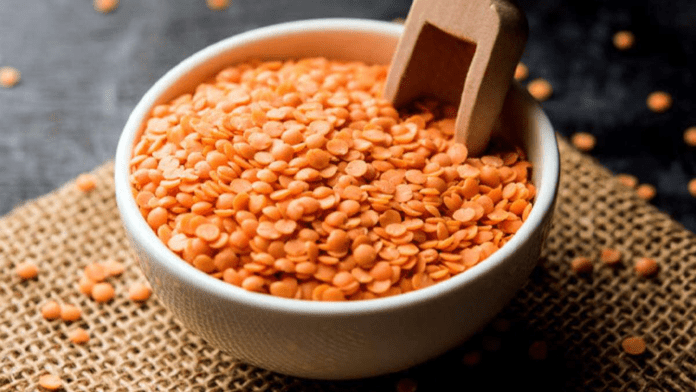
Tur dal scarcity escalates market crisis, consumers face relentless price surge

0
dal
Pulses (Representative Image)

The scarcity of daal in the market has intensified the prevailing tight conditions, exacerbating the situation at hand. Although there is hope for the arrival of imported daal in the near future, its projected impact on the market is expected to be minimal. As a result, retail prices of daal continue their relentless climb, putting additional strain on consumers.

The scarcity of tur dal in the market can be attributed to multiple factors. Firstly, a significant contributor is the shift of farmers from pulses cultivation to high-value cash crops, resulting in reduced tur dal production. Moreover, the impact of unseasonal rains has also adversely affected the crop, further exacerbating the shortage.

According to initial estimates provided by the Union Agriculture Ministry, the production of tur dal is anticipated to decrease by 9.8 percent compared to the previous year. Significant damage has been reported in Maharashtra, Karnataka, Telangana, and Madhya Pradesh, further contributing to the decline in tur dal production.

Moreover, on-ground reports indicate that tur production in the Saurashtra region is notably lower, exacerbating the price surge in the local market. Consequently, consumers are grappling with the adverse effects of skyrocketing tur dal prices, further adding to their financial burdens.

The Central government’s initiative to release pulses from the buffer stock brings a ray of hope for consumers, as it aims to tackle the issue of escalating pulses prices. Nevertheless, the prevailing market conditions and various external factors present ongoing challenges, underscoring the need for a comprehensive and sustainable approach to stabilize prices and ensure a consistent supply of pulses not only in Gujarat but also across the entire country.

To address the escalating prices of pulses, the Central government has taken a notable step by announcing the sale of pulses from the buffer stock, following a similar approach adopted for wheat. This decision is aimed at relieving the burden on consumers and curbing the continuous rise in prices of essential commodities.

Read More: Indian government implements open market sale of wheat and rice to curb rising prices

Presently, in various states across the country, the retail price of tur dal is soaring, with consumers having to spend approximately INR 160 to INR 170 per kilogram to purchase it.

Advertisement

Chai Sutta Bar opens its first branch in Visakhapatnam, Andhra Pradesh, marking an exciting expansion in the state

0
Csb
The new CSB outlet in Visakhapatnam is poised to deliver the renowned CSB experience to tea lovers in the city.

Chai Sutta Bar (CSB), the famous tea chain celebrated for its innovative concept and exceptional tea experiences, has proudly unveiled its inaugural branch in Visakhapatnam, Andhra Pradesh. The grand opening ceremony witnessed the esteemed presence of Gudivada Amarnath, Minister for Industries, Infrastructure, Investment & Commerce, IT, Handlooms & Textiles, Government of Andhra Pradesh, along with CM Trivikram Varma, Police Commissioner of Visakhapatnam, and Anubhav Dubey, among other notable guests.

Situated at Tu 142 Aircraft Museum Rk Beach, directly across from Submarine Vizag, the new CSB outlet in Visakhapatnam is poised to deliver the renowned CSB experience to tea lovers in the city. With an impressive array of unique tea flavors, including the ever-popular kulhad tea, customers can anticipate a delightful and invigorating experience at the outlet.

Esteemed dignitaries Akramani Vijaya Nirmala, Chairperson of Visakhapatnam Metropolitan Region Development, and G Hari Venkata Kumari, Mayor of the Greater Visakhapatnam Municipal Corporation (GVMC), were honored guests at the event. Their presence added a special touch to the occasion.

“We are proud to inaugurate our maiden outlet in Vishakhapatnam, marking our expansion in Andhra Pradesh. This is an important milestone for Chai Sutta Bar, as we bring our unique tea experience to the vibrant city. With the support of esteemed guests and the overwhelming response from the crowd in this region, we are confident in delivering an exceptional tea experience. Our focus remains on creating a welcoming atmosphere where customers can indulge in our delightful teas and savor the rich flavors we have to offer,” said Anubhav Dubey, Co-Founder and CEO of Chai Sutta Bar.

Advertisement

KFC adds to its growing network with new outlet in Punjab’s Moga

0
kfc
KFC outlet in Moga, Punjab

The latest outlet of KFC, a quick-service restaurant (QSR) chain renowned for its American-style fried chicken, has recently been inaugurated in Moga, Punjab. This exciting news was officially announced on social media on Thursday.

“Happy to announce the opening of KFC at Moga, Punjab. This is our #153 KFC in the North Region,” wrote Rahul Kumar, NSO (new store opening) head North – KFC, while sharing pictures of the new store and tagging Sapphire Foods India Limited, one of the two companies that run the Yum! Brands owned KFC in India.

KFC has been actively pursuing an expansion strategy throughout the country, rapidly increasing its presence. During the months of March and April alone, the company successfully launched over eight new outlets in multiple cities, including New Delhi, Pune, Aurangabad, Dehradun, and Chennai. Demonstrating their commitment to growth, KFC also inaugurated an additional outlet in Punjab at Sangrur earlier in June.

Sapphire Foods, along with Devyani International, is one of the two franchise operators responsible for owning and managing KFC restaurants in India. These companies serve as franchise operators for Yum! Brands in the Indian market. Notably, Sapphire Foods extends its operations beyond India and also operates KFC outlets in Sri Lanka and the Maldives. Presently, Sapphire Foods boasts ownership of over 460 KFC stores across 81 cities throughout India. Established in 2015, Sapphire Foods India Ltd. is also involved in operating other popular fast-food restaurant chains such as Taco Bell and Pizza Hut in India.

Headquartered in Louisville, Kentucky, KFC is a renowned global brand in the chicken restaurant industry. It was established in 1930 by Colonel Harland Sanders. The first KFC outlet in India opened its doors in Bengaluru in 1995, marking the beginning of its presence in the country. Today, KFC has expanded its reach extensively, operating a vast network of over 26,000 restaurants across more than 145 countries and territories worldwide.

Advertisement

Bhopal gets a double dose of deliciousness with Wow! Momo and Wow China’s arrival

0

Multi-category quick service restaurant (QSR) chain, Wow! Momo, has recently made its grand entrance into Bhopal, Madhya Pradesh. Sagar Daryani, the Co-Founder and CEO of Wow! Momo Foods Pvt. Ltd., took to social media to share this exciting news with the world. The city of Bhopal can now revel in the delight of not one, but two new outlets: Wow! Momo and Wow China. With this expansion, Wow! Momo continues to showcase its diverse culinary offerings, providing the people of Bhopal with a delightful fusion of flavors from both brands.

“Wow! Momo and #WowChina enters into #Bhopal and opens @ DB Mall, food court. This is our 30th city with over 600 outlets in India across the 3 verticals of #WowMomo, #WowChina & #WowChicken. #ThankYou for all your #love & #support,” Daryani wrote on LinkedIn while sharing photos of the new stores.

Daryani was also a marquee speaker at the Images Group’s PRC 2023 held in Mumbai.

According to Murali Krishnan, the Co-Founder and Chief Marketing Officer at Wow! Momo Foods Pvt. Ltd., the newly opened Wow! Momo and Wow! China stores in DB City Mall, Bhopal, have a total area of 500 sq. ft each.

“Bhopal is filled with great foodies. The crowd is ready to experiment, look at newer innovation and great brand loyalty in such a city. To win the heart of India, there’s no better city than actually the heart city of India,” said Krishnan.

Giving an idea about the brand’s expansion plan in the city, Krishnan said, “Bhopal is a very critical market and like we are expanding in Indore—we have launched eight outlets in less than six months; our Bhopal expansion will also be rapid.”

Announcing the launch of its first Wow! Eats store in Chennai, the brand revealed in a March 2023 release that Wow! Momo, which was established in August 2008, has expanded to encompass over 600 outlets across 30 cities. The quick-service restaurant (QSR) chain anticipates a significant increase in revenue, with a projected topline of over INR 450 crore for the current financial year, nearly double the INR 220 crore recorded in the previous fiscal year.

According to the release, the brand has further outlined its expansion plans by announcing its intention to open more than 250 Wow! Momo outlets during the financial year 2024.

Advertisement

Tesco joins other UK supermarkets in lowering prices on essential goods, bringing relief to shoppers

0
Tesco
Tesco (Representative Image)

In a recent development, Tesco, the largest supermarket chain in Britain, has taken decisive action to lower the prices of over 500 essential items on Friday. This strategic move serves as a significant indicator that the prevailing wave of grocery inflation is expected to subside throughout the course of this year.

As stubbornly high inflation continues to overshadow pay growth, it has evolved into a prominent political concern within Britain. On Tuesday, supermarket chains found themselves compelled to defend against accusations of profiteering amid the ongoing cost-of-living crisis.

Tesco announced a significant reduction in prices for specific varieties of its own-brand pasta, tinned tuna, milk, grapes, cheese, and other products. The supermarket chain implemented an average price cut of 13%, emphasizing its collaboration with suppliers to ensure that reductions are passed on to customers whenever possible.

In recent weeks, all major grocery chains in Britain, including Sainsbury’s, the second-largest player in the market, have unveiled price reductions on essential items. These measures are being closely monitored by the Bank of England, lawmakers, and consumers alike, as they hold high hopes for relief from the escalating prices.

Read More: UK’s Sainsbury’s continues to slash prices, signaling a decline in inflation

Tesco reported that they have implemented a second price reduction of 5 pence on fusilli pasta in recent weeks. This means that customers will now pay 20 pence less for a 500 gram pack compared to the price in May. Additionally, a four-pint bottle of milk has also seen a second price reduction, now 10 pence cheaper, within the span of two months.

On Friday, Aldi, the fourth-largest grocer in Britain and a German discount supermarket chain, announced a price reduction of 10 pence on four pints of milk. This brings the price down to £1.45, marking the lowest price offered in Aldi stores since September.

Based on the latest available data, food and drink inflation in the UK stood at 18.3% in May, as reported by official sources. Industry data indicates that this rate moderated slightly to 14.6% in June.

In earlier statements made in June, Tesco acknowledged that although certain commodity prices were experiencing a decrease, the persistently high energy and labor costs continue to contribute to inflationary pressures.

Advertisement

Tomato prices set to decrease in coming weeks, stabilize in a month: Government official

0
tomato
Tomatoes (Representative Image)

According to a high-ranking government official, tomato prices are anticipated to decrease in the coming 15 days due to increased supplies from producing centers. The official also stated that within a month, the prices are expected to stabilize and return to their normal levels. This comes as retail prices of tomatoes soared to over INR 100 per kilogram in major cities, causing concerns.

Read More: Tomato prices reach record highs as production slumps, consumers face steep costs

During a media briefing, Consumer Affairs Secretary Rohit Kumar Singh announced that the retail prices of tomatoes in the national capital will witness an immediate decline. This reduction is attributed to the improved supplies coming from Solan and Sirmaur districts in Himachal Pradesh.

“The phenomena of price rise in tomato happens every year at this time. Every agriculture commodity in every country goes through a seasonality in the price cycle. In June, prices reached a high level,” he said.

Additionally, the official emphasized that tomatoes are highly perishable and susceptible to weather vulnerability. This vulnerability has become more prevalent in recent times due to factors such as climate change and other related issues. Consequently, these factors have disrupted the tomato supplies.

The secretary further said, “You cannot store tomato for a long time and transport it for a long distance. There is an inherent vulnerability in the commodity. Transportation is also a big issue.”

June-August and October-November are also lean production seasons and prices in this period normally see a sharp increase, he said.

All India average retail price of tomato on June 29 was ruling at INR 49 per kg as against INR 51.50 per kg in the year-ago same day, he said, and added, “I am not justifying the rate. This also proves seasonality.”

Addressing the complexity of the issue, the secretary acknowledged that the situation poses challenges. However, the government is actively working on resolving the problem and implementing measures to ensure a consistent supply of tomatoes throughout the year. In pursuit of this objective, a Grand Tomato Challenge was launched on Friday, aiming to find innovative solutions and strategies.

It is like a hackathon where ideas are being invited from students to industry stakeholders on primary processing, storage and valorisation of tomato, he said.

Based on data maintained by the Department of Consumer Affairs, the average retail price of tomatoes across India stood at INR 56.58 per kilogram as of June 30. The most frequently occurring price, known as the modal price, was recorded at INR 100 per kilogram, while the highest price observed was INR 123 per kilogram.

In Delhi, the retail price of tomatoes is INR 80 per kilogram, while in Mumbai, it is INR 48 per kilogram. In Kolkata, the retail price stands at INR 105 per kilogram, and in Chennai, it is INR 88 per kilogram.

In other significant cities, the prices of tomatoes were recorded as follows: INR 54 per kilogram in Bengaluru, INR 100 per kilogram in both Bhopal and Lucknow, INR 80 per kilogram in Shimla, INR 98 per kilogram in Bhubaneshwar, and INR 99 per kilogram in Raipur.

Advertisement