Power Gummies, a direct-to-consumer nutraceutical products maker, has taken a momentous step in response to the surging demand for its supplements. With an investment of approximately $2 million, the company has established a state-of-the-art manufacturing plant located in Manesar, Gurugram. This strategic move is aimed at enhancing their production capabilities, allowing them to churn out an impressive 10,000 bottles per day to meet the growing market needs.
The company also took a significant step forward by launching Power Gummies Junior, marking its entry into products specifically designed for kids.
Divij Bajaj, Founder and CEO of Power Gummies, said, “Our goal at Power Gummies has always been to provide safe, high-quality nutrition solutions that people love. This investment represents a significant step forward in our journey to offer top-notch health supplements that cater to diverse needs.”
“With the exclusive partnership between Power Gummies and Apollo 247, we aim to empower parents in prioritizing their children’s health and wellness,” he added.
As per the latest findings from market research firm Euromonitor, the nutraceuticals industry in India has reached an impressive valuation of INR 47,000 crore. This market is divided into various segments, with fortified and functional food products taking the lead, encompassing half of the market share. Following closely are dietary supplements, constituting a significant quarter of the segment.
Mostly focused on functional food, the market has witnessed the entry of mainstream fast-moving consumer goods companies.
Last year, Hindustan Unilever Limited (HUL) made significant strides in its expansion strategy by investing in two promising companies. One of these ventures was Zywie Ventures, a company that specializes in selling plant-based supplement brand Oziva. The other strategic investment was in Nutritionalab, a company renowned for its ownership of nutritional products under the brand Wellbeing. HUL’s primary motivation behind these investments was to tap into the thriving health and wellness market, estimated to be worth a staggering INR 30,000 crore.
Established in 2018 by Bajaj, Power Gummies is a dietary supplement brand focused on offering health and wellness solutions.
In 2022, Power Gummies secured $6 million in a Series A funding round, which was spearheaded by 9Unicorns. Additionally, other notable investors, including Vcats, DSG Consumer Partners, Wipro Consumers, Sharpp Ventures (Marico Family office), and NB Ventures, also participated in the funding round. The company expressed its intentions to allocate the funds towards expanding its marketing efforts, scaling up its team, and introducing a broader range of dietary supplement variants.
In the realm of dating, making a lasting impression is crucial, and one way to achieve that is by securing the best reservation in town for a memorable dining experience. However, with popular restaurants often fully booked, acquiring such reservations can be challenging. Fear not! In this article, we will reveal a proven hack that will increase your chances of securing the best reservation in town, leaving your date impressed and eager for more. From understanding the importance of timing to utilizing technological aids, we will equip you with the knowledge to excel in the art of securing coveted dining reservations.
1. Research and Planning:
To embark on the path to securing the best reservation, thorough research and meticulous planning are vital. Start by identifying the restaurants that align with your preferences and match the ambiance and cuisine you and your date would enjoy. Online review platforms, food blogs, and personal recommendations can assist you in compiling a list of potential venues. Pay attention to factors like popularity, peak hours, and reservation policies to gauge the level of difficulty in securing a reservation.
2. Timing is Key:
Understanding the significance of timing is crucial when it comes to securing a reservation. Most restaurants open their reservation systems weeks or even months in advance. Aim to make your reservation as early as possible, ideally within the first few minutes or hours of availability. Be aware of peak seasons, holidays, or special events that may increase demand. Moreover, consider opting for less conventional dining times, such as early lunch or late dinner, as these slots may have greater availability.
3. Utilize Technological Aids:
In the digital age, technology has become an invaluable tool in securing reservations. Take advantage of restaurant reservation platforms and mobile applications that provide real-time availability and allow you to book with a few taps on your smartphone. Popular platforms like OpenTable, Resy, and Yelp Reservations offer comprehensive listings and can notify you of cancellations or newly released tables. Additionally, follow restaurants’ social media accounts or subscribe to their newsletters to stay informed about special offers, promotions, or exclusive reservation opportunities.
4. Build Relationships:
Establishing relationships with restaurant staff can be a game-changer when it comes to securing prime reservations. Frequent a few favorite establishments and befriend the managers, servers, or maître d’s. Be genuine in your interactions, show appreciation for their work, and leave positive reviews. Building rapport can lead to preferential treatment, increased flexibility in securing reservations, and insider information about upcoming events or limited seating opportunities.
5. Be Flexible and Creative:
When faced with limited availability or fully booked restaurants, it’s essential to be flexible and explore creative alternatives. Consider off-peak hours or weekdays when demand might be lower. Explore the option of bar seating or chef’s tables, which often have more availability and can offer a unique dining experience. Alternatively, explore new or under-the-radar restaurants that may be hidden gems waiting to be discovered.
6. Persistence Pays Off:
Lastly, remember that persistence is key. If your initial attempts to secure a reservation are unsuccessful, don’t give up. Continue checking for cancellations or last-minute openings. Persistence and patience may eventually reward you with the desired reservation.
Final Thoughts:
Securing the best reservation in town for a memorable date requires careful planning, timing, and resourcefulness. By conducting thorough research, leveraging technology, building relationships with restaurant staff, and staying flexible, you can significantly increase your chances of success. Remember, persistence is key, and even if your first attempts are unsuccessful, the pursuit of an extraordinary dining experience will leave a lasting impression on your date. So go ahead, apply the proven hack, and prepare to impress your date with a remarkable dining experience they won’t soon forget!
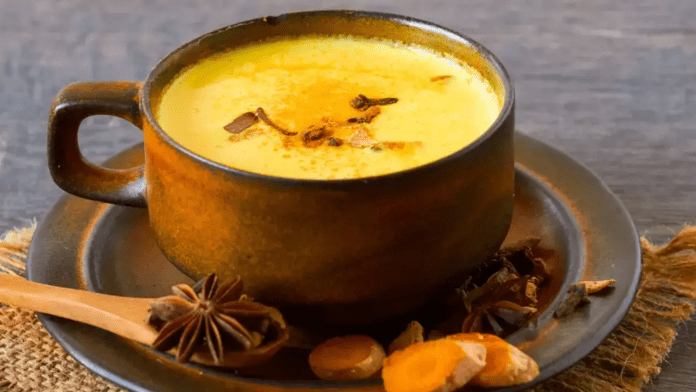
As the monsoon season arrives, it brings with it a pleasant respite from the scorching summer heat. However, it also exposes us to various health challenges, including infections, colds, and joint pains. During this time, it becomes crucial to boost our immune system and maintain overall well-being. One beverage that has been an integral part of Indian culture for centuries, especially during the monsoon season, is Haldi Doodh, also known as Turmeric Milk. Haldi Doodh is not only a delicious and comforting beverage but also a powerful concoction with numerous health benefits. In this article, we will explore why Haldi Doodh is the ultimate monsoon drink you need in your life right now.
Historical Significance and Cultural Importance of Haldi Doodh:
Haldi Doodh holds a special place in Indian culture, where it has been used for its medicinal properties for centuries. Its usage dates back to ancient Ayurvedic texts, which describe turmeric as a potent herb with anti-inflammatory, anti-bacterial, and antioxidant properties. It is often consumed during the monsoon season to ward off illnesses and boost immunity.
Immunity-Boosting Properties:
One of the key reasons why Haldi Doodh is revered as the ultimate monsoon drink is its powerful immunity-boosting properties. Turmeric, the main ingredient, contains a bioactive compound called curcumin, which possesses potent anti-inflammatory and antioxidant properties. It helps strengthen the immune system and protects the body against infections and diseases that are common during the monsoon season.
Anti-Inflammatory and Antioxidant Benefits:
The monsoon season often brings with it a rise in joint pains, inflammation, and oxidative stress. Haldi Doodh can provide relief from these issues due to the presence of curcumin. Curcumin’s anti-inflammatory properties help alleviate pain and reduce inflammation, making it beneficial for individuals suffering from arthritis and other inflammatory conditions.
Furthermore, curcumin acts as a potent antioxidant, neutralizing harmful free radicals in the body. This antioxidant action helps prevent cellular damage, promotes healthy aging, and reduces the risk of chronic diseases such as cancer, heart disease, and neurodegenerative disorders.
Digestive Health:
During the monsoon season, digestive issues such as indigestion, bloating, and diarrhea are prevalent. Haldi Doodh aids in improving digestion and alleviating these discomforts. Turmeric stimulates the gallbladder to produce bile, which aids in the digestion of fats. It also acts as a carminative, relieving gas and bloating.
Additionally, Haldi Doodh can be beneficial for individuals with inflammatory bowel diseases such as ulcerative colitis and Crohn’s disease. Its anti-inflammatory properties help reduce inflammation in the gut and alleviate symptoms associated with these conditions.
Respiratory Health:
The monsoon season is often accompanied by respiratory infections such as colds, coughs, and sinusitis. Haldi Doodh can provide relief from these respiratory ailments. Turmeric’s anti-bacterial and antiviral properties help combat infections, while its anti-inflammatory properties soothe inflamed airways and reduce coughing.
Wound Healing and Skin Health:
Turmeric has been used for centuries as a natural remedy for wound healing and maintaining healthy skin. Haldi Doodh can be applied topically to wounds, cuts, and burns to accelerate the healing process due to its antimicrobial properties. Consuming Haldi Doodh also promotes healthy skin from within, improving complexion and reducing skin problems such as acne and eczema.
Better Sleep and Stress Relief:
The calming properties of Haldi Doodh can contribute to a better night’s sleep, which is essential for overall health and well-being. The warm milk combined with the soothing effects of turmeric helps relax the mind and body, promoting sound sleep.
Moreover, Haldi Doodh can act as a natural stress reliever. Turmeric stimulates the production of serotonin, the “feel-good” hormone, which helps uplift mood and reduce stress and anxiety levels.
Preparation and Variations:
Preparing Haldi Doodh is simple and can be customized according to personal taste preferences. The basic recipe involves combining turmeric powder or freshly grated turmeric with warm milk, along with a dash of black pepper for better absorption of curcumin. However, various ingredients such as ginger, cinnamon, cardamom, honey, or a sweetener of choice can be added to enhance the flavor and nutritional profile.
Final Thoughts:
Incorporating Haldi Doodh into your daily routine during the monsoon season can provide you with a multitude of health benefits. From boosting immunity and relieving inflammation to improving digestion and promoting better sleep, this traditional Indian drink has stood the test of time. Embrace the healing power of Haldi Doodh, and allow it to become your ultimate monsoon companion for improved health and well-being. Remember to consult a healthcare professional before making any significant dietary changes, especially if you have specific health conditions or allergies.
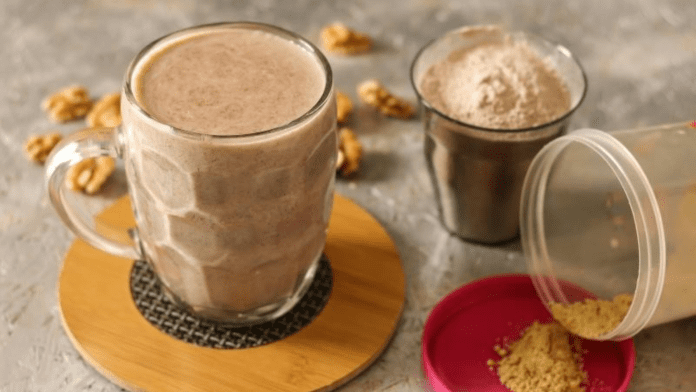
In the quest for optimal growth and development, parents often turn to expensive supplements and artificial products, believing they hold the key to their child’s growth. However, there is an overlooked and more affordable option that can provide essential nutrients for your daughter’s growth: homemade malted drinks. These delicious and nutritious beverages can offer a natural alternative to expensive supplements, promoting healthy growth and development without breaking the bank. In this article, we will explore the benefits of homemade malted drinks and why they should be considered as a vital addition to your daughter’s diet.
Understanding the Importance of Nutrition in Growth:
Before delving into the benefits of homemade malted drinks, it is crucial to understand the significance of proper nutrition in a child’s growth. Nutrition plays a pivotal role in the physical and cognitive development of children, particularly during the early years. Adequate intake of essential nutrients, vitamins, and minerals is essential for bone development, muscle growth, and overall well-being.
The Pitfalls of Expensive Supplements:
Many parents resort to expensive supplements marketed as growth enhancers without considering the potential drawbacks. While some of these products may contain beneficial nutrients, they often lack the holistic benefits of natural food sources. Additionally, the high cost and potential side effects associated with these supplements can make them inaccessible and unsuitable for long-term use.
The Advantages of Homemade Malted Drinks:
1. Nutrient-rich ingredients:
Homemade malted drinks are made using natural, whole-food ingredients that are packed with essential nutrients. These drinks typically include ingredients such as malted barley, milk, fruits, and nuts, providing a wide range of vitamins, minerals, protein, and carbohydrates necessary for healthy growth.
2. Customizable and versatile:
One of the significant advantages of homemade malted drinks is their versatility. Parents can customize the ingredients according to their child’s taste preferences and dietary needs. By incorporating a variety of fruits and nuts, parents can create a rich and diverse nutrient profile that caters specifically to their daughter’s growth requirements.
3. Cost-effective:
Compared to expensive supplements, homemade malted drinks are a much more cost-effective option. The ingredients used in these drinks are readily available and affordable, making them accessible to a wider range of families. By opting for homemade malted drinks, parents can provide their daughters with the necessary nutrients without straining their budget.
4. Natural and free from additives:
Unlike many supplements and processed foods, homemade malted drinks are free from harmful additives, artificial sweeteners, and preservatives. This natural approach ensures that your daughter receives vital nutrients without any potential side effects associated with artificial additives.
5. Enhanced bioavailability:
Homemade malted drinks often incorporate ingredients that naturally enhance the bioavailability of nutrients. For example, malted barley contains enzymes that facilitate the breakdown of complex carbohydrates into easily digestible sugars, allowing for better absorption of nutrients in the body. This increased bioavailability ensures that the nutrients are effectively utilized for growth and development.
6. Improved digestion:
Malted drinks can aid in digestion due to the presence of enzymes, such as amylase and protease, found in malted barley. These enzymes support the breakdown of complex proteins and carbohydrates, making them easier to digest. Improved digestion ensures that the nutrients are absorbed efficiently, contributing to optimal growth and development.
7. Balanced energy release:
Homemade malted drinks offer a balanced release of energy due to the combination of proteins, carbohydrates, and healthy fats. This balanced energy release helps sustain your daughter’s energy levels throughout the day, supporting her growth, cognitive function, and overall well-being.
Final Thoughts:
Homemade malted drinks provide a natural and affordable alternative to expensive supplements, offering numerous benefits for your daughter’s growth and development. These nutrient-rich beverages are customizable, versatile, and free from harmful additives. By incorporating homemade malted drinks into your daughter’s diet, you can ensure she receives essential nutrients in a holistic and cost-effective manner. Embracing these homemade options demonstrates that optimal growth and development can be achieved without resorting to expensive and potentially harmful supplements. So, why not try making some homemade malted drinks today and set your daughter on the path to healthy and natural growth!
Hyderabad, the capital city of Telangana, is known for its rich history, magnificent architecture, and vibrant culture. But it is during the monsoon season that the city truly comes alive, with the aroma of freshly brewed tea, the sound of raindrops on windowpanes, and the lush green surroundings. To make the most of this beautiful season, there’s nothing better than enjoying a delicious meal at one of the city’s exquisite dine-out spots.
In this article, we will explore ten perfect dine-out spots in Hyderabad that offer a memorable experience during the rainy season. From rooftop restaurants with stunning views to cozy cafes nestled in heritage buildings, Hyderabad has it all. So, get ready to embark on a culinary journey as we uncover the hidden gems that will make your monsoon in Hyderabad truly unforgettable!
1. Olive Bistro:
Situated in the serene neighborhood of Jubilee Hills, Olive Bistro offers a breathtaking view of the city’s skyline and a charming ambiance that is perfect for a romantic dinner or a casual gathering. This Mediterranean-inspired restaurant boasts an open-air seating area surrounded by lush greenery, creating a tranquil atmosphere that complements the rainy season perfectly. The menu features a wide range of delectable dishes, including wood-fired pizzas, fresh seafood, and sumptuous desserts. Indulge in their signature cocktails while enjoying the gentle patter of raindrops on the restaurant’s canopy, making Olive Bistro a must-visit during the monsoons.
2. Ohri’s Tansen:
Located in the heart of the city, Ohri’s Tansen is a popular rooftop restaurant that offers a panoramic view of Hyderabad’s historic Charminar and the bustling streets below. The monsoon season adds a magical touch to this dining experience, with the rain-kissed Charminar serving as a stunning backdrop. Ohri’s Tansen specializes in North Indian and Mughlai cuisine, with dishes like kebabs, biryanis, and creamy curries that tantalize the taste buds. The open-air seating area allows guests to enjoy the cool breeze and watch the rain cascade over the city while savoring the flavors of Hyderabad.
3. The Gallery Café:
Nestled in the heart of Banjara Hills, The Gallery Café is a hidden gem that combines art, food, and culture to create a unique dining experience. The café features an eclectic mix of artwork, cozy seating, and a vibrant ambiance. During the monsoons, the café transforms into a cozy haven, with rain-soaked streets visible through large glass windows. The menu offers a fusion of global flavors, including Continental, Mediterranean, and Asian cuisines. From hearty breakfast options to gourmet burgers and artisanal desserts, The Gallery Café has something for every palate. Indulge in a cup of steaming hot chocolate or a freshly brewed coffee as you immerse yourself in the artistic atmosphere.
4. Dialogue in the Dark:
Dialogue in the Dark is not your typical dine-out spot but an extraordinary sensory experience that takes you on a culinary journey in complete darkness. Located in Inorbit Mall, this unique restaurant aims to provide a glimpse into the world of visually impaired individuals. During the monsoon season, the sound of rain outside, the smell of freshly prepared food, and the absence of visual distractions create a truly immersive experience. Guests are served by visually impaired guides who lead them through a multi-course meal, allowing them to appreciate food in a whole new way. This distinctive dining experience promotes empathy, awareness, and gratitude, making it a memorable choice for a rainy day.
5. 10 Downing Street:
For those seeking a lively ambiance and delicious pub-style food, 10 Downing Street is the place to be. Located in Begumpet, this British-themed pub offers an inviting atmosphere with its wooden interiors, dim lighting, and live music performances. During the monsoons, the pub transforms into a cozy retreat, providing a warm and welcoming environment to escape the rain. The menu features a variety of comfort food options, including burgers, pizzas, fish and chips, and an extensive selection of beverages. With friendly staff and an energetic vibe, 10 Downing Street is an ideal spot to enjoy a casual meal and good company during the monsoon season.
6. Golkonda Resorts & Spa:
Escape the hustle and bustle of the city and immerse yourself in the lap of luxury at Golkonda Resorts & Spa. Situated amidst lush greenery, this resort offers a serene retreat away from the urban chaos. During the monsoon season, the resort becomes a paradise with its beautiful gardens, tranquil poolside, and cozy dining options. Indulge in a sumptuous buffet spread featuring a range of cuisines, including Indian, Continental, and Oriental. The resort also offers live cooking stations where you can watch as expert chefs prepare your favorite dishes. Enjoy the sound of raindrops falling gently on the foliage as you relish the exquisite flavors and unwind in the lap of nature.
7. Café Bahar:
A visit to Hyderabad would be incomplete without experiencing the city’s famous biryani, and Café Bahar is the perfect place to do so. Located in Basheer Bagh, this iconic restaurant has been serving authentic Hyderabadi biryani for decades. Step into the warm interiors of Café Bahar and savor the tantalizing aroma of spices as you dig into a plate of flavorful biryani. The cozy ambiance of the restaurant, coupled with the rain-soaked streets outside, creates a magical setting that complements the monsoon season. Apart from biryani, Café Bahar also offers a range of delectable kebabs, curries, and traditional desserts, making it a paradise for food lovers.
8. Chutneys:
When it comes to South Indian cuisine, Chutneys is a name that resonates with food enthusiasts in Hyderabad. Known for its delectable dosas, idlis, vadas, and an array of chutneys, this restaurant has become a favorite among locals and tourists alike. With several branches across the city, Chutneys provides a cozy ambiance and a diverse menu to satisfy your cravings. During the monsoon season, the rain-drenched streets create a picturesque backdrop, and the aroma of freshly ground spices adds to the dining experience. From traditional South Indian delicacies to fusion creations, Chutneys offers a delightful culinary journey that is perfect for a rainy day.
9. Fat Pigeon – Bar Hop Bistro:
Situated in the vibrant neighborhood of Jubilee Hills, Fat Pigeon – Bar Hop Bistro offers a unique blend of gastronomy, mixology, and contemporary ambiance. This trendy bistro boasts a rooftop seating area with stunning views of the city, making it an ideal spot to enjoy the monsoon season. The menu features a fusion of global flavors, including Asian, Mediterranean, and Indian cuisines. From delicious small plates to innovative cocktails, Fat Pigeon offers a gastronomic adventure that will leave you craving for more. The open-air seating area provides a refreshing atmosphere, allowing you to soak in the rainy vibes while relishing the culinary delights.
10. Guffa Restaurant:
Located in the heart of the city, Guffa Restaurant offers a unique dining experience inspired by the caves of Ajanta and Ellora. Step into this enchanting restaurant and be transported to a world of ancient charm and rustic beauty. The interiors are adorned with rock formations, paintings, and dim lighting, creating an ambiance reminiscent of ancient caves. The monsoon season enhances the mystique of Guffa, with the sound of raindrops echoing through the cavernous space. The menu offers a mix of Indian and Chinese cuisines, with a focus on kebabs, curries, and rice dishes. Enjoy a sumptuous meal in this captivating setting and let the rains add to the magic of Guffa Restaurant.
Final Thoughts:
Hyderabad, with its rich culinary heritage and vibrant dining scene, offers a plethora of options to satisfy your taste buds during the monsoon season. From rooftop restaurants with stunning views to cozy cafes nestled in heritage buildings, each dine-out spot has its own charm and unique experience to offer. Whether you’re seeking a romantic dinner, a cozy retreat, or a lively ambiance, these ten perfect dine-out spots in Hyderabad will ensure a memorable monsoon experience. So, gather your loved ones, embrace the rain, and embark on a culinary journey that combines delectable flavors, warm hospitality, and the enchanting allure of Hyderabad during the rainy season.
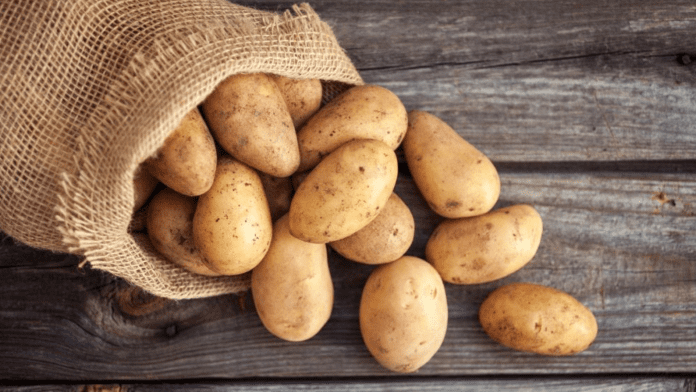
The monsoon season brings relief from scorching heat, lush greenery, and a pleasant atmosphere. However, it also presents challenges when it comes to storing perishable food items, such as potatoes. Potatoes are a staple in many cuisines worldwide, and their proper storage is essential to prevent spoilage and ensure a steady supply throughout the year.
Excessive moisture and fluctuating temperatures during the monsoon can lead to potatoes sprouting, rotting, or developing a bitter taste. To overcome these challenges, it’s crucial to implement effective storage solutions. In this article, we will explore various brilliant storage methods that can help you preserve your potatoes’ freshness, flavor, and nutritional value during the monsoon season.
1. Choose the Right Varieties:
Selecting the appropriate potato varieties for monsoon storage is the first step towards successful preservation. Opt for varieties that are known for their good storage capabilities, such as Russet, Kennebec, or Yukon Gold. These varieties have a thicker skin and lower moisture content, making them less prone to spoilage.
2. Cure Potatoes before Storage:
Curing is a crucial step that helps potatoes develop a thicker skin and heal minor cuts and bruises. After harvesting, allow the potatoes to air-dry in a well-ventilated area for about two weeks. This process toughens the skin, reducing the chances of moisture penetration and subsequent spoilage during storage.
3. Proper Cleaning and Drying:
Before storing your potatoes, ensure they are clean and dry. Remove any excess soil gently without damaging the skin. Washing potatoes is not recommended unless they are soiled. If washing is necessary, use cold water and let them air-dry completely before storing. Moisture on the potatoes can lead to rotting, so it’s essential to eliminate any residual moisture before storage.
4. Ideal Storage Conditions:
Creating the right storage conditions is crucial to prevent potatoes from sprouting, rotting, or developing an off-flavor. Here are some important factors to consider:
a. Temperature: Potatoes should be stored in a cool, dark, and well-ventilated area with temperatures between 45°F (7°C) and 50°F (10°C). Higher temperatures accelerate sprouting and spoilage, while colder temperatures can convert starches into sugar, altering their taste and texture.
b. Humidity: Maintain a relative humidity level of 85-90% in the storage area. Higher humidity can lead to excessive moisture and promote rot, while lower humidity can cause the potatoes to shrivel.
c. Light: Exposure to light triggers the formation of chlorophyll in potatoes, leading to green discoloration and the production of solanine, a toxic compound. Store potatoes in opaque containers or cover them with dark cloth or burlap sacks to prevent exposure to light.
d. Ventilation: Adequate airflow is essential to prevent the buildup of moisture and the growth of mold. Avoid sealing potatoes in airtight containers. Instead, use mesh bags, open baskets, or wooden crates that allow air circulation.
e. Separation: Prevent contact between potatoes and other fruits or vegetables during storage. Potatoes release ethylene gas, which can accelerate ripening and spoilage of neighboring produce.
5. Regular Inspection and Rotation:
Regularly inspect your stored potatoes to identify any signs of spoilage or sprouting. Remove any damaged or rotting potatoes immediately to prevent the spread of decay. Additionally, practice a “first in, first out” approach, using the older potatoes first to ensure freshness and minimize waste.
6. Alternative Storage Methods:
If traditional storage methods are not feasible, there are alternative techniques to preserve potatoes during the monsoon:
a. Root Cellar: If available, a root cellar provides an ideal environment for long-term potato storage. It offers cool temperatures, high humidity, and natural ventilation, ensuring optimal conditions for extended shelf life.
b. Clamping: Clamping involves creating an outdoor storage mound for potatoes. Choose a well-drained site, pile the potatoes in layers, and cover them with straw or dry leaves. This method provides protection against excessive moisture and insulation against extreme temperatures.
c. Sand Bed Storage: In this method, potatoes are stored in layers within a bed of sand. Place a layer of sand in a wooden or plastic container, arrange a single layer of potatoes, and continue alternating until the container is full. Sand bed storage offers excellent moisture control and protection against sprouting.
Final Thoughts:
Don’t let the monsoon ruin your potatoes! With the right storage solutions, you can ensure a steady supply of fresh, flavorful potatoes throughout the year. Remember to choose suitable potato varieties, cure them before storage, clean and dry them properly, and create the ideal storage conditions of temperature, humidity, light, and ventilation. Regular inspection and rotation are crucial to prevent spoilage, while alternative storage methods like root cellars, clamping, or sand bed storage can be employed if traditional options are limited. By implementing these brilliant storage solutions, you can enjoy your potatoes even during the rainy season.
When it comes to indulging in a delightful snack, few combinations can rival the heavenly pairing of cheesy potato chips and a refreshing beer. The salty, crispy goodness of potato chips perfectly complements the varied flavors of beer, making it an ideal match for many beer enthusiasts. However, with the vast array of beer styles available, it can be overwhelming to choose the perfect brew to accompany your cheesy delight. In this guide, we will explore the world of beer and provide insights into the best beer styles that pair harmoniously with cheesy potato chips, creating a delectable experience for your taste buds.
Understanding the Art of Pairing Chips and Beer:
Before delving into the specific beer styles, it’s essential to grasp the fundamentals of pairing food and beer. Pairing is an art that aims to enhance the flavors of both the food and the beer, resulting in a more enjoyable overall experience. When it comes to chips, their salty and savory nature calls for a beer that can balance and complement these flavors. The carbonation in beer also helps cleanse the palate, preparing it for another mouthful of chips.
Classic Beer Styles for Cheesy Potato Chips:
Lager: The Versatile Choice
Lagers are a popular choice for pairing with cheesy potato chips due to their clean, crisp, and refreshing qualities. They provide a neutral background that allows the chips’ flavors to shine while offering a palate-cleansing effect with their effervescence. Pilsners, Helles, and American Light Lagers are excellent options to consider when reaching for a bag of cheesy chips.
Pale Ale: Bitterness and Balance
Pale Ales, known for their balanced hop bitterness and maltiness, provide a delightful contrast to the salty and cheesy taste of potato chips. The hop bitterness in the beer helps cut through the richness of the chips, creating a satisfying combination of flavors. India Pale Ales (IPAs) and American Pale Ales (APAs) are popular styles in this category.
Exploring Bold Beer Styles:
Stout: The Roasty Companion
Stouts, with their roasted malt flavors, offer a bold and robust pairing for cheesy potato chips. The deep, dark flavors of the stout complement the richness of the cheese, creating a harmonious taste experience. Whether you opt for a Dry Stout or a Sweet Stout, the contrast between the beer’s darkness and the chips’ saltiness will tantalize your palate.
Porter: Dark and Delicious
Porters share some similarities with stouts but are generally lighter and less roasted. This makes them an intriguing choice to pair with cheesy potato chips, as their chocolatey and caramel notes add complexity to the overall taste sensation. A robust Porter will provide an excellent match to elevate your chip-snacking experience.
Unique Beer Styles to Elevate Your Chip Experience:
Belgian Tripel: Complex Elegance
Belgian Tripels are renowned for their complex and fruity flavors, often carrying notes of banana, clove, and spices. When paired with cheesy potato chips, the Tripel’s fruity esters can harmonize with the cheese, while its effervescence cleanses the palate, preparing it for the next chip. This unusual pairing is an adventure in taste worth exploring.
Wheat Beer: Light and Refreshing
Wheat beers, like Hefeweizen and Witbier, present a light and refreshing option for pairing with cheesy chips. Their slightly fruity and spicy characteristics blend well with the cheese, offering a balanced and enjoyable combination. The light body and effervescence of wheat beers also help counter the chips’ heaviness, making it a great choice for warm weather snacking.
Craft Beer Exploration for the Adventurous:
Sour Beer: Tart and Tangy
For the adventurous foodies, sour beers bring an intriguing dimension to the chip-snacking experience. Their tart and tangy nature contrasts the salty and cheesy chips, creating a unique taste sensation that delights the senses. Lambics, Berliner Weisse, and Gose are popular sour beer styles that can be experimented with for this pairing.
Barrel-Aged Beer: Oak and Complexity
Barrel-aged beers, often aged in whiskey, bourbon, or wine barrels, introduce a whole new level of complexity to the pairing. The oak and alcohol notes from the barrels can enhance the flavors of the cheese while adding an extra layer of depth to the beer. Choose carefully among barrel-aged stouts, porters, or strong ales for a truly exceptional experience.
Practical Tips for Successful Pairings:
To ensure the best possible pairing between cheesy potato chips and beer, consider the following tips:
Match Intensity: Strong-flavored chips, such as those with bold cheese varieties or added spices, can stand up to more assertive beer styles like IPAs or stouts. Milder chips may pair better with lighter styles like lagers or wheat beers.
Experiment and Discover: The world of beer offers a vast range of flavors, so don’t be afraid to try different styles and brands to find your perfect match. Keep a tasting journal to remember your favorite pairings.
Temperature Matters: Serve your beer at the appropriate temperature to bring out its best flavors. Generally, lighter beers are best served chilled, while darker and more complex styles benefit from a slightly warmer temperature.
Final Thoughts:
The delightful combination of cheesy potato chips and beer is a timeless indulgence enjoyed by many. Understanding the art of pairing and experimenting with various beer styles can elevate this classic snack experience to new heights. Whether you prefer the versatility of lagers, the bitterness of pale ales, or the complexity of barrel-aged beers, there is a perfect beer style waiting to harmonize with your cheesy delight. So, the next time you find yourself craving chips and beer, armed with the knowledge from this guide, you can confidently select the ideal brew to complement your cheesy potato chips and embark on a sensational culinary journey for your taste buds. Cheers and happy snacking!
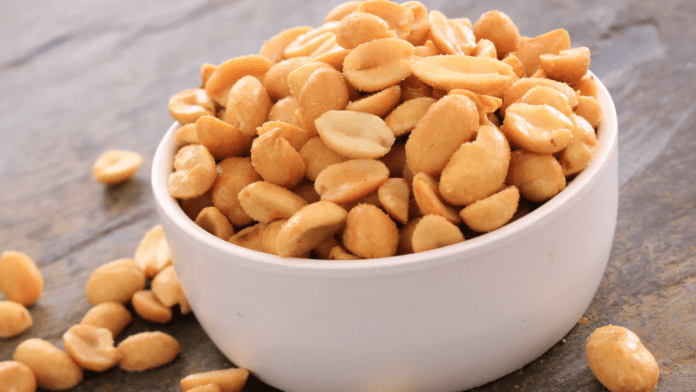
Hair loss is a common concern among men, particularly as they age. Bald spots and receding hairlines can significantly affect self-esteem and confidence. While there are various treatments available, many of them are expensive, invasive, or unreliable. However, recent studies have indicated a potential natural solution to promote hair growth in men over the age of 40 – peanuts. Peanuts, which are widely consumed and easily accessible, contain essential nutrients that have shown promising effects on hair health. In this article, we will explore the reasons behind hair loss in men, delve into the nutritional properties of peanuts, and discuss the potential mechanisms through which peanuts can revitalize hair growth. By understanding the benefits of peanuts for hair health, men can make informed choices to combat hair loss and regain their confidence.
Understanding Hair Loss in Men:
Hair loss, scientifically known as androgenetic alopecia, is primarily caused by a combination of genetic and hormonal factors. In men, the hormone dihydrotestosterone (DHT) binds to hair follicles, leading to miniaturization and eventual cessation of hair growth. As men age, their sensitivity to DHT increases, resulting in the common patterns of hair loss, such as receding hairlines and bald spots. Various factors can contribute to hair loss, including stress, poor nutrition, underlying medical conditions, and certain medications. While hair loss is a complex issue, finding effective solutions is essential for those seeking to restore their hair growth.
The Nutritional Power of Peanuts:
Peanuts, scientifically known as Arachis hypogaea, are a widely consumed legume known for their nutritional value. They are rich in essential vitamins, minerals, healthy fats, and plant-based proteins. When it comes to hair health, peanuts offer several key nutrients that can support hair growth and combat hair loss.
1. Biotin: Peanuts are an excellent source of biotin, a B-vitamin that plays a vital role in maintaining healthy hair and scalp. Biotin promotes the production of keratin, a protein that constitutes the structural foundation of hair. By consuming peanuts regularly, men can ensure an adequate supply of biotin to strengthen their hair follicles and stimulate hair growth.
2. Vitamin E: Another crucial nutrient found abundantly in peanuts is vitamin E. This powerful antioxidant protects the scalp and hair follicles from oxidative stress caused by free radicals. Additionally, vitamin E improves blood circulation in the scalp, ensuring that hair follicles receive the necessary nutrients and oxygen for optimal growth.
3. Zinc: Peanuts are a good source of zinc, a mineral that plays a crucial role in hair tissue growth and repair. Zinc deficiency has been linked to hair loss and thinning. By incorporating peanuts into their diet, men can replenish their zinc levels, potentially promoting hair growth and preventing further hair loss.
Mechanisms of Hair Growth Revitalization:
Understanding the mechanisms through which peanuts can revitalize hair growth is essential for comprehending their potential benefits. Although research is ongoing, several theories shed light on how the nutritional components of peanuts may positively impact hair health.
1. Keratin Synthesis: Biotin, present in peanuts, aids in the synthesis of keratin, the primary structural protein of hair. Sufficient biotin levels promote strong and healthy hair follicles, potentially reducing hair loss and stimulating hair growth.
2. Antioxidant Protection: The vitamin E content in peanuts acts as a potent antioxidant that neutralizes free radicals, which can damage hair follicles and impede hair growth. By protecting the scalp from oxidative stress, peanuts may contribute to healthier hair growth.
3. Hormonal Balance: Peanuts contain various nutrients that can help regulate hormone levels, including zinc. As imbalances in hormones like DHT are closely linked to hair loss, maintaining hormonal equilibrium can potentially slow down or prevent further hair loss.
4. Nutrient Supply: Peanuts offer a range of essential nutrients, including biotin, vitamin E, zinc, and proteins, necessary for optimal hair growth. These nutrients support the health of hair follicles, ensuring an adequate supply of building blocks for new hair growth.
Incorporating Peanuts into the Diet:
In order to harness the potential benefits of peanuts for hair growth, it is important to incorporate them into a balanced diet. While peanuts alone cannot guarantee miraculous results, their regular consumption, alongside a nutrient-rich diet, can contribute to overall hair health.
1. Snacking: Peanuts make a convenient and healthy snack option. Men can include a handful of peanuts in their daily routine, ensuring a consistent intake of hair-nourishing nutrients.
2. Peanut Butter: Peanut butter is a versatile and delicious way to incorporate peanuts into the diet. Spread peanut butter on whole grain bread or add it to smoothies for a nutrient boost.
3. Cooking: Peanuts can be added to various dishes, such as stir-fries, salads, and curries. The versatility of peanuts allows for creative and tasty ways to include them in meals.
Final Thoughts:
Hair loss can significantly impact a man’s self-esteem and confidence, particularly as they age. While there are numerous treatments available, exploring natural options is always beneficial. Peanuts, with their rich nutritional profile, offer a potential solution for revitalizing hair growth in men over 40. The biotin, vitamin E, zinc, and proteins found in peanuts contribute to strengthening hair follicles, protecting against oxidative stress, maintaining hormonal balance, and supplying essential nutrients. By incorporating peanuts into their diet, men can potentially slow down hair loss, stimulate hair growth, and promote overall hair health. However, it is important to note that individual results may vary, and consulting a healthcare professional is advisable for personalized advice. Embracing the power of peanuts can be a simple and accessible way to bid farewell to bald spots and restore confidence in men 40 and above.
Nestled amidst the picturesque hills of the Garhwal region, Dehradun is a city that not only captivates with its natural beauty but also tantalizes taste buds with its vibrant street food scene. The bustling streets and aromatic alleys are a haven for food enthusiasts, offering a diverse array of delectable treats that reflect the city’s rich culinary heritage. Embark on a gastronomic journey through the lanes of Dehradun as we explore ten must-visit street food destinations that will leave you craving for more!
1. Paltan Bazaar – Chaat Delight:
No street food adventure in Dehradun would be complete without a visit to the iconic Paltan Bazaar, the heart of the city’s street food culture. From crispy aloo tikkis to spicy golgappas filled with tangy tamarind water, the chaat stalls here offer an explosion of flavors. The famous Ramji’s Chole Bhature is a must-try, where the fluffy bhaturas complement the spicy and flavorful chole (chickpea curry). As the sun sets, the alleys of Paltan Bazaar come alive with mouthwatering fruit chaats, kulfi, and the delightful Jalebi-Fafda, a sweet and savory combo loved by locals and visitors alike.
2. Rajpur Road – Momos Galore:
Momos, the beloved dumplings from the Himalayan region, have found a special place in Dehradun’s street food culture. Rajpur Road, one of the city’s bustling areas, is a haven for momo lovers. From traditional steamed momos to fried ones with an array of fillings such as paneer, chicken, and vegetables, the choices are endless. Don’t forget to try the lip-smacking fiery red chili chutney that accompanies the momos, adding an extra kick to this delightful snack.
3. Astley Hall – Bun-Tikki and Chole Bhature:
Astley Hall, known for its old-world charm, is a gastronomic gem offering a unique twist on some popular street food classics. The streets here come alive with vendors selling scrumptious bun-tikki, a fusion of aloo tikki (potato patties) sandwiched between soft buns, drizzled with a medley of chutneys and spices. Astley Hall is also renowned for its flavorsome Chole Bhature, boasting a distinct blend of spices that has stood the test of time.
4. Gandhi Road – Sweet Temptations:
No culinary exploration is complete without indulging in the city’s sweet delights, and Gandhi Road has got you covered. From the famous Bal Mithai, a traditional sweet made with roasted khoya and coated with sugar balls, to the melt-in-your-mouth Rusks and delicious Singhori, a delectable dessert wrapped in Malai (cream) and served in dried leaves, Gandhi Road is a haven for those with a sweet tooth.
5. Balliwala Chowk – Lassi Extravaganza:
The sweltering heat of Dehradun demands a refreshing beverage, and Balliwala Chowk is the place to quench your thirst with its famous lassis. These creamy concoctions come in various flavors, including the classic sweet lassi, tangy mango lassi, and the indulgent chocolate lassi, offering a perfect respite from the scorching sun.
6. Jakhan – Tibetan Delicacies:
Jakhan, a vibrant locality in Dehradun, is known for its influence of Tibetan cuisine. Explore the delightful street food stalls serving piping hot Thukpa, a hearty noodle soup filled with vegetables, meat, or momos, and Momos with a distinct Tibetan twist. The momos here often come with special sauces and dips that tantalize the taste buds. Do not miss the butter tea, a unique Tibetan beverage that complements the savory delicacies perfectly.
7. Chakrata Road – Kachoris and Samosas:
For those craving crispy and savory snacks, a visit to Chakrata Road is a must. The area boasts a delightful variety of Kachoris and Samosas, both fried to perfection and generously stuffed with spiced peas, lentils, and potatoes. The local vendors have perfected the art of creating flaky and flavorful treats that are best enjoyed with spicy green chutney.
8. Prem Nagar – Singori and Thechwani:
Prem Nagar offers an authentic taste of the regional delicacies Singori and Thechwani. Singori is a traditional sweet made from Khoya, coconut, and wrapped in Maalu leaves. On the other hand, Thechwani is a spicy and rustic curry prepared with mashed radishes and accompanied by local bread called Baadi. Both dishes showcase the unique culinary heritage of the Garhwal region.
9. Kanwali Road – Parathas and Chole Kulche:
If you’re in the mood for soul-satisfying street food breakfast, Kanwali Road is the place to be. Here, you can relish a wide variety of stuffed parathas, from classic aloo (potato) to innovative combinations like paneer and spinach. Pair these delectable parathas with Chole Kulche, a flavorful chickpea curry served with soft, leavened bread, for a hearty and filling meal to start your day.
10. Indira Market – Momos and Maggi:
Indira Market caters to the taste buds of both locals and tourists, offering a unique blend of street food experiences. The market is famous for its Maggi noodles, a favorite among the young crowd, and its plethora of momo vendors serving up both traditional and fusion momo varieties. The vibrant ambiance and the aroma of these delightful treats make Indira Market an unmissable stop on your street food adventure.
Final Thoughts:
Dehradun, with its charming locales and vibrant culture, offers a street food adventure that is second to none. From spicy chaats and crispy momos to sweet delights and refreshing beverages, the city’s culinary offerings will leave you enchanted. So, pack your bags and set out on a mouthwatering journey through the streets of Dehradun, immersing yourself in the flavors that define this charming city’s food culture. Get ready to experience the perfect blend of tradition and innovation that makes Dehradun a street food paradise!
In recent years, the popularity of veganism and plant-based diets has skyrocketed, with many individuals seeking to reduce their consumption of animal products. While there is an abundance of plant-based options available, finding satisfying meat alternatives can still be a challenge for many. However, by harnessing the power of certain ingredients and culinary techniques, it is possible to create mouthwatering vegan alternatives that even the most ardent meat lover will enjoy. In this article, we will explore ten versatile ingredients that can be transformed into delicious meat substitutes, providing you with the ultimate vegan hack.
1. Jackfruit:
Jackfruit, a tropical fruit native to South Asia, has gained significant attention in the vegan community for its uncanny ability to mimic the texture and flavor of pulled pork or shredded chicken when cooked. Its fibrous consistency makes it perfect for replicating pulled meat dishes. By marinating and seasoning jackfruit with a blend of spices and sauces, you can create an irresistible vegan version of your favorite barbecue or sandwich fillings.
2. Tempeh:
Originating from Indonesia, tempeh is a fermented soy product that has a nutty flavor and dense texture. It is an excellent source of protein and can be sliced, marinated, and grilled to create a savory and hearty meat alternative. Its versatility allows it to be used in a variety of dishes, such as stir-fries, sandwiches, and even as a bacon substitute.
3. Seitan:
Seitan, also known as wheat meat or vital wheat gluten, is a high-protein meat substitute made from gluten, the protein found in wheat. It has a chewy and meat-like texture, making it a popular choice for creating vegan versions of steaks, sausages, and deli slices. By combining seitan with spices, soy sauce, and nutritional yeast, you can achieve a rich and flavorful meat alternative.
4. Tofu:
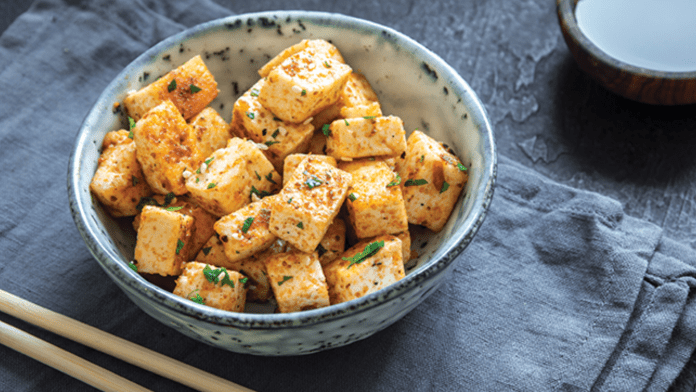
Tofu, a soy-based product, is a staple in vegan and vegetarian cooking. With its mild taste and ability to absorb flavors, it can be transformed into a versatile meat substitute. By pressing and marinating tofu before cooking, you can achieve a firmer texture and enhance its taste. Crumbled tofu can mimic the texture of ground meat, while thick slabs can be grilled or fried to imitate steak or cutlets.
5. Lentils:
Lentils, legumes packed with protein and fiber, offer a fantastic base for creating meat alternatives. When cooked and combined with herbs, spices, and breadcrumbs, lentils can be shaped into meatballs, burgers, or even a meatloaf. They provide a hearty texture and earthy flavor, making them a satisfying choice for those craving traditional meat dishes.
6. Mushrooms:
Mushrooms, with their umami-rich flavor and meaty texture, are a go-to ingredient for creating plant-based meat alternatives. Portobello mushrooms can be marinated and grilled to resemble a juicy burger patty. Additionally, finely chopped mushrooms can be sautéed and seasoned to imitate ground meat in dishes like tacos, bolognese, or chili.
7. Cauliflower:
Cauliflower has gained popularity in recent years as a versatile vegetable that can be transformed into various dishes. When processed into small florets and seasoned, cauliflower can be breaded and baked to create a crispy and flavorful alternative to chicken nuggets or wings. Its neutral taste allows it to absorb different flavors and spices, making it an excellent canvas for creating meat-like dishes.
8. Chickpeas:
Chickpeas, commonly used in hummus and falafel, can also be utilized to make delicious vegan meat alternatives. When mashed or pureed, combined with spices, and formed into patties or nuggets, they can be baked or fried to achieve a crispy and protein-packed substitute. Chickpeas offer a mild and nutty flavor, making them adaptable to various cuisines.
9. Quinoa:
Quinoa, a protein-rich grain, can serve as an excellent base for vegan meat alternatives. When cooked and combined with vegetables, herbs, and spices, it can be shaped into patties or meatballs. Quinoa provides a satisfying texture and is a great option for those looking for gluten-free alternatives to meat substitutes.
10. Nuts and Seeds:
Nuts and seeds, such as almonds, walnuts, and sunflower seeds, can be ground or processed into a fine texture and used as a base for vegan meat alternatives. By combining them with other ingredients like mushrooms, lentils, or tofu, you can create flavorful and protein-packed patties or loaves. Nuts and seeds add a rich and satisfying taste while providing essential nutrients.
Final Thoughts:
Creating mouthwatering meat alternatives that appeal to vegans and non-vegans alike is an art that requires experimenting with different ingredients and cooking techniques. The ten ingredients discussed in this article – jackfruit, tempeh, seitan, tofu, lentils, mushrooms, cauliflower, chickpeas, quinoa, and nuts and seeds – offer a wide range of possibilities for crafting delicious plant-based alternatives to meat. By exploring these ingredients and adapting them to your favorite recipes, you can unlock a whole new world of vegan culinary delights. Whether you’re seeking to reduce your meat consumption or fully embrace a vegan lifestyle, these hacks will undoubtedly transform your meals into mouthwatering experiences that leave you satisfied and nourished.
We use cookies to ensure that we give you the best experience on our website. If you continue to use this site we will assume that you are happy with it.