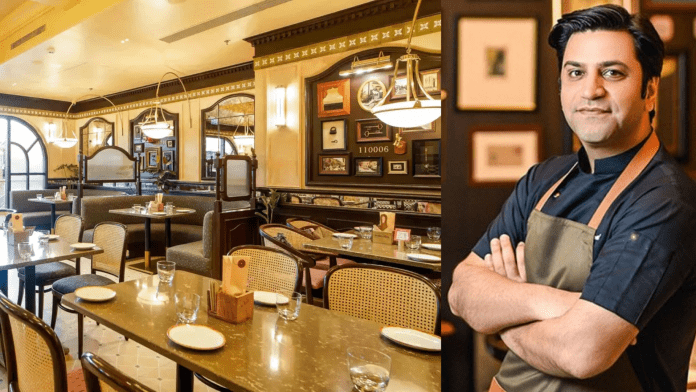
Chef Kunal Kapur has recently unveiled his second restaurant in Delhi, called PINCODE, situated in Saket. This new culinary venture aims to take diners on a delightful journey through the diverse culinary offerings of India. At PINCODE, the menu is thoughtfully designed to evoke a strong sense of nostalgia, emphasizing the rich and flavorful culinary traditions of the country.
At this eatery, traditional Indian flavors blend harmoniously with innovative techniques, giving rise to a delectable assortment of dishes. Customers can savor the tangy Dhokla Chaat, the smoky Butter Roast Tandoori Broccoli, the flavorful Bhatti Da Murgh, and the mouthwatering Pan-seared Fish Coastal Curry.
The chef takes pride in presenting personal favorites like the Cornetto Chaat, Pressure Cooker Chicken Curry, and Old Delhi Style Bread Pudding, designed to evoke nostalgic feelings in diners.
For those with a sweet tooth, the fusion delight of Rasmalai Tiramisu and Gadbad Falooda provides a unique and satisfying conclusion to the meal. To complement the delicacies, the eatery offers an array of specially crafted mocktails that add a refreshing touch to the overall dining experience.
PINCODE, with its nostalgic charm, encapsulates Kapur’s cherished childhood memories and the lively allure of India’s bustling streets. The welcoming and cozy atmosphere creates a delightful dining experience suitable for families, mall-goers, and guests of every generation.
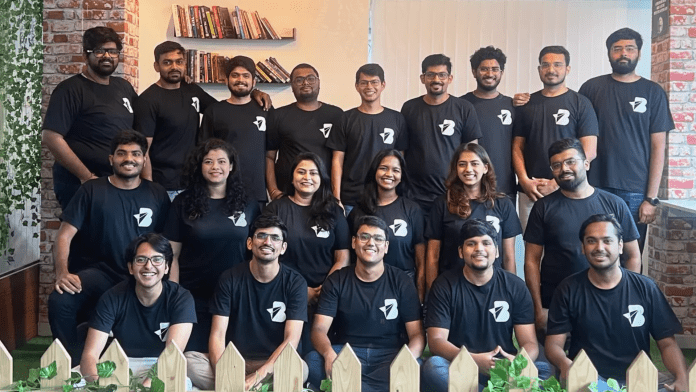
Blitz (formerly known as Grow Simplee), an omnichannel same-day delivery platform based in Bengaluru, has successfully raised $3 million in a funding round. The funding was secured from prominent investors, including India Quotient, Better Capital, First Cheque, and Titan Capital.
The funding round also witnessed the involvement of numerous angel investors, among them notable names such as Kunal Shah, Farid Ahsan, Abhinav Jain, Rahul Dash, Prabhkirandeep Singh, Ishendra Agarwal, Kalpak Chhajed, Arjun Vaidya, Gaurav Pushkar, Piyush Kedia, and Anshoo Sharma.
In an official press release, the startup announced its intention to utilize the newly secured capital for enhancing its technology infrastructure and extending the reach of its dark store network. As of now, the startup operates dark stores in seven major cities, namely Bengaluru, Delhi, Gurugram, Noida, Mumbai, Hyderabad, and Jaipur.
Established in 2021 by Gaurav Piyush, Yash Sharma, and Mayank Varshney under the name “Grow Simplee,” Blitz stands as a game-changing platform revolutionizing the delivery experience for sellers. By providing same-day delivery for all orders placed before 3 PM, and next-day delivery for those after, Blitz has quickly become a beacon of efficiency in the industry.
Blitz’s dark stores enable sellers to anticipate and stock inventory in close proximity to their customers, allowing them to provide buyers with swift four-hour delivery services.
On the funding round, the Co-Founder and CEO of Blitz, Mayank Varshney, said, “We believe in challenging the status quo of the ecommerce industry. With simple-to-use products and high levels of operational excellence, we enable enterprises and medium-size brands with the ability to orchestrate faster deliveries at efficient costs – providing their management and logistics team with visibility and higher controls.”
Blitz successfully brought aboard popular consumer brands like Damensch, HealthKart, and Nirog Street to its platform. According to the startup, their product has led to a remarkable 40% decrease in return to origin (RTO) instances for these brands. Additionally, companies utilizing their solution experienced a 15% reduction in customer acquisition cost (CAC) and a noteworthy 20% improvement in net promoter score (NPS).
Anand Lunia, partner at India Quotient, added, “The ecommerce logistics industry has not evolved in the last 10 years to meet the needs of omnichannel brands, although consumers and businesses have both evolved. There is a need to merge prediction sciences and smart logistics networks to meet the 24-hour delivery expectation with logistics as an extension of the CAC funnel. Blitz is a fabulous solution and a great team.”
Blitz is in direct competition with Dunzo, Pickkr, and Shiprocket, as well as going head-to-head with Amazon Prime’s next-day delivery service.
Chili’s Grill & Bar, the well-known Tex-Mex restaurant chain, recently unveiled its third branch in Bengaluru, situated at Lulu Mall.
The latest Chili’s venue, under the management of Stellar Concepts Pvt Ltd, represents a notable achievement for the company as it strengthens its foothold in India, Sri Lanka, and Bangladesh.
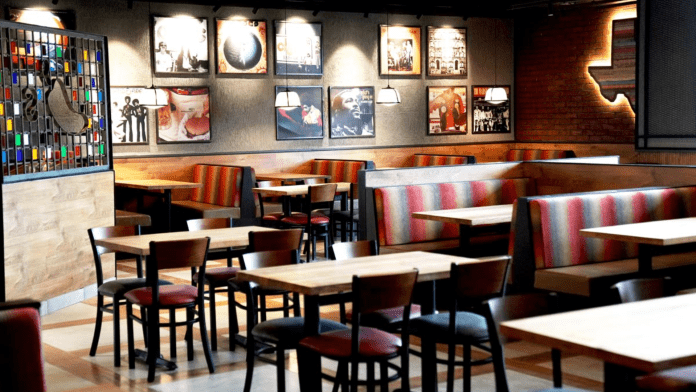
The Chili’s at Lulu Mall, Bengaluru offers a unique dining experience, combining contemporary and industrial design with mouthwatering Tex-Mex delicacies. The spacious seating area can accommodate 136 guests, with an additional 52 seats available. Its rustic and Southwestern-inspired aesthetics, highlighted by brickwork and patina-finished metal frames, create a charming yet elegant atmosphere. Whether it’s a casual hangout with friends, a family meal, a romantic dinner, or a professional occasion, Chili’s provides the ideal setting for everyone.
Rajiv Saluja, Director of Stellar Concepts Pvt. Ltd, said, “This is our first Chili’s outlet under Stellar Concepts Pvt Ltd. in the city and our third establishment in the Silicon Valley of India. We are thrilled to bring our signature dishes to discerning palates. We anticipate the same warmth and hospitality from the people of Bengaluru, as we have received in other parts of the country. Our dedicated team is committed to providing an exceptional dining experience that unites friends and family over delectable cuisine and engaging conversations.”
Expressing enthusiasm about the Bengaluru expansion, Joseph Tijerina, Senior Director of Brinker International Global Operations, said, “Bengaluru is one of the fastest-growing cities in India, and we are excited to strengthen our successful relationship with Stellar Concepts Pvt. Ltd. by opening a new restaurant in one of the hottest spots in the city. Having the Pepper, our iconic mascot, play a significant role in this venture will undoubtedly delight our fajita and margarita-loving guests.”
Chili’s Grill & Bar stands as a prominent Tex-Mex restaurant chain, celebrated for its unparalleled fusion of flavors, inviting atmosphere, and extraordinary culinary journeys. Within India, Sri Lanka, and Bangladesh, the esteemed Tex-Mex cuisine has found its way to the discerning palates, made possible by the operational expertise of Stellar Concepts Pvt Ltd.
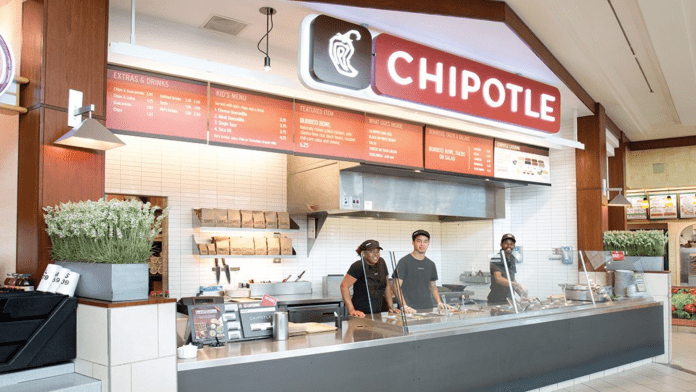
Chipotle Mexican Grill, the popular American fast-casual restaurant chain known for its delectable burritos and tacos, is making a bold move into the Middle East. Next year, the company will venture into this vibrant region through its first-ever franchise deal. Excitingly, this agreement will pave the way for the opening of Chipotle restaurants in both Dubai and Kuwait, introducing the Middle Eastern audience to their mouthwatering and flavorful Mexican cuisine.
On Tuesday, the company officially entered into a partnership agreement with the Kuwait-based firm, Alshaya Group. As part of this collaboration, they have announced their ambitious plans to expand their operations throughout the region.
Chipotle has so far owned and operated all of its outlets, including more than 3,000 restaurants in the United States and over 50 international outlets.
The company said it was exploring opportunities globally for other franchise deals.
Alshaya has also partnered with coffee chain operator Starbucks and Shake Shack, as well as apparel retailers Victoria’s Secret & Co and American Eagle Outfitters to open up outlets in the Middle East and Europe.
Shares of Chipotle were up about 1% in premarket trading.
Patanjali Foods, an edible oil firm promoted by Baba Ramdev-led Patanjali Ayurved, has received a significant investment from the US-based investment firm GQG Partners. GQG Partners now holds a 5.96 per cent stake in Patanjali Foods.
According to a regulatory filing, GQG Partners has acquired a 5.96% stake in Patanjali Foods by purchasing 2,15,64,517 equity shares through the Offer For Sale (OFS) route.
On Wednesday, the share price of Patanjali Foods concluded at INR 1,332.75 per share, indicating a rise of 4.64 per cent compared to the previous day’s closing price.
Patanjali Foods’ market capitalization reached an impressive INR 48,245 crore, while the present valuation indicates that GQG Partners’ stake in the company is valued at approximately INR 2,900 crore.
Last week, Patanjali Foods announced that its promoter Patanjali Ayurved will sell up to 2.53 crore shares of the company through OFS in a bid to increase public float. The floor price was kept at INR 1,000.
The two-day Offer For Sale (OFS) was launched on July 13-14 by promoter entity Patanjali Ayurved to pare its total stake in Patanjali Foods by around 7 per cent to meet the minimum public shareholding requirement.
Patanjali Ayurved’s sale of shares of Patanjali Foods got oversubscribed more than two times at the end of the two-day offer on Friday.
The offer received bids for 76,34,567 shares from retail investors as against 25,33,964 shares on offer, translating into three times subscription on Friday.
On Thursday, 2.28 crore shares were offered for non-retail investors and cumulative bids for over 4.56 crore shares were received, reflecting two times subscriptions.
After the OFS, Patanjali Foods Ltd on Saturday said that the shareholding of its promoters has come down to 73.82 per cent from 80.82 per cent earlier.
In June, GQG Partners and other foreign investors bought close to USD 1 billion of additional stakes in Adani group companies.
Patanjali Group had acquired bankrupt Ruchi Soya Industries and later renamed the company as Patanjali Foods.
Earlier, Patanjali Foods had launched a INR 4,300 crore Follow-on Public Offer (FPO) to reduce promoters’ stake and increase the public shareholding. Patanjali Foods’ total income increased to INR 31,821.45 crore in the last fiscal against INR 24,284.38 crore in 2021-22.
Out of the total revenue, the turnover of the edible oil segment rose to INR 25,253.33 crore last fiscal from INR 22,468.64 crore in the previous year.
Food & FMCG segment revenue jumped nearly four-fold to INR 6,218.08 crore in the 2022-23 fiscal from INR 1,683.24 crore in the year-ago period.
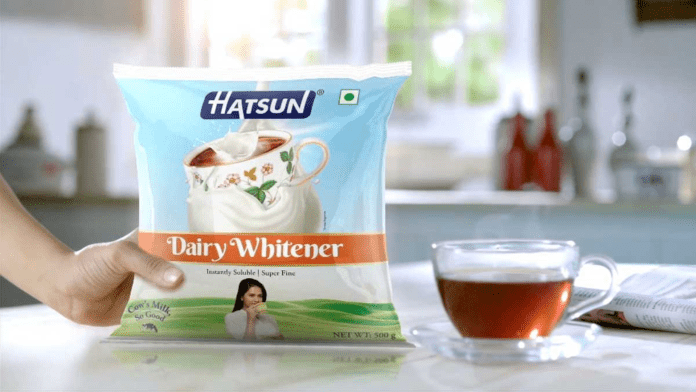
Hatsun Agro Product, a leading Indian milk processing firm, announced on Wednesday that its quarterly profit had surged by an impressive 54%. This notable growth was achieved by skillfully offsetting the impact of rising input costs with the advantage of higher milk prices, driven by the strong demand the company experienced in the market.
During the June quarter, milk prices in India reached their highest point due to decreased production and strong demand. Additionally, the concurrent summer season in the same quarter amplified the demand for ice-creams and curds.
The company, renowned for its product lines such as Arun Ice Cream and Arokya Milk, announced a surge in its post-tax profit to 801.6 million rupees ($9.8 million) for the quarter that concluded on June 30. This marked a significant increase compared to the 519.5 million rupees recorded during the same quarter in the previous year.
The company’s revenue witnessed an impressive growth of almost 7% year-on-year, reaching 21.51 billion rupees.
However, the Chennai-based company said its raw material costs rose nearly 12% to 15.14 billion rupees, accounting for nearly three-fourths of the total expenses.
In order to safeguard their profit margins, dairy companies in India maintained the prices of their products at the same level, even during periods when procurement prices experienced a decline.
According to analysts at ICICI Securities, stabilization was observed in cattle feed prices within the dairy sector during the quarter.
The company sources milk from several southern states, such as Tamil Nadu, Andhra Pradesh, Telangana, and Karnataka, along with the western state of Maharashtra. Analysts have noted that this region experienced a decrease in milk inflation during the first half of the year.
The analysts anticipate a continued decline in milk procurement prices during the upcoming quarters, attributed to the onset of the monsoon season and the commencement of the flush season.
Hatsun Agro Product announced an interim dividend of six rupees per share, with its stock closing 0.65% higher before the release of the results.
SUGAR Cosmetics, India’s leading omnichannel beauty brand adored by Gen Z and Millennial consumers, recently celebrated its 8th-year anniversary on a remarkable high. The company’s journey over the past year has been nothing short of phenomenal, experiencing unprecedented growth and success. As one of the top three ‘color cosmetics’ brands in India, SUGAR achieved an impressive 90 percent year-on-year growth, propelling its current annualized sales to an impressive INR 700 crore. With ambitious plans for the future, the brand is determined to achieve profitability in the upcoming fiscal year, cementing its position as a dominant force in the beauty industry.
With a range of over 550 high-quality, cruelty-free SKUs, SUGAR Cosmetics caters to a wide spectrum of skin tones. Their products can be found in more than 45,000 retail outlets scattered across 550+ cities, making them easily accessible to beauty enthusiasts everywhere. Among their extensive collection, two products stand out as crowd-pullers: the ‘SUGAR Matte As Hell Crayon Lipstick’ range and the irresistible ‘SUGAR Cosmetics La La Love 18HR Liquid Lipstick.’ These sought-after items have become the hottest-selling favorites, gracing the shelves of various distribution channels.
Recently, SUGAR Cosmetics commemorated the opening of its 200th brand-owned store in Bengaluru, achieving this milestone within a year of launching its 100th store. Despite 90 percent of brand discovery occurring online, an impressive 60 percent of SUGAR’s sales originate from its retail outlets in Tier II and Tier III regions of India.
The brand’s digital presence is formidable, boasting a massive community of 10 million+ beauty enthusiasts across various platforms. Every month, SUGAR attracts over 2 million unique visitors to its online channels. Notably, it holds the distinction of being the most followed Indian consumer brand on Instagram, with an impressive community of 2.7 million followers.
SUGAR Cosmetics has also achieved great success with its app, recording 5.6 million downloads. Through this app, the brand caters to beauty enthusiasts in more than 24,700 pin codes across India. Its widespread popularity demonstrates the significant impact it has made in the beauty industry.
Vineeta Singh, Co-Founder, and CEO, SUGAR Cosmetics said, “We started SUGAR Cosmetics with four colors of crayon lipsticks, one eyeliner, and one ‘kajal’, we were just trying to create few good products for working women. Eight years later we have over one crore women buying our products every year! I am incredibly grateful to our passionate community of beauty enthusiasts and the wider stakeholder community to believe in our vision. From humble beginnings to becoming a household name, we have thrived on the pillars of innovation, inclusivity, and empowerment. As we look forward to the future with excitement, we remain committed to redefining beauty standards, inspiring confidence, and creating products that empower individuals to express their authentic selves. Cheers to 8 years of beauty, growth, and endless possibilities!”
To celebrate its 8th anniversary with customers, SUGAR Cosmetics pulled out all the stops and hosted a series of exhilarating activities. One of the highlights was the electrifying ‘One Minute Raid,’ an adrenaline-fueled shopping spree exclusively designed for their loyal customers. Within a thrilling 60-second window, participants had the chance to grab as many coveted SUGAR Cosmetics products as they could, making it an unforgettable experience for all involved.
Adding to the celebration, Bollywood powerhouse and youth icon Ranveer Singh stepped into the realm of start-up investments by backing SUGAR Cosmetics with an undisclosed amount in Q3 FY 2022. Looking ahead, SUGAR Cosmetics has ambitious plans to expand its offline reach to 100,000+ stores by the next fiscal year and has a series of exciting product launches lined up. With this partnership, the brand aspires to bring innovation, inspiration, and empowerment to beauty enthusiasts worldwide.
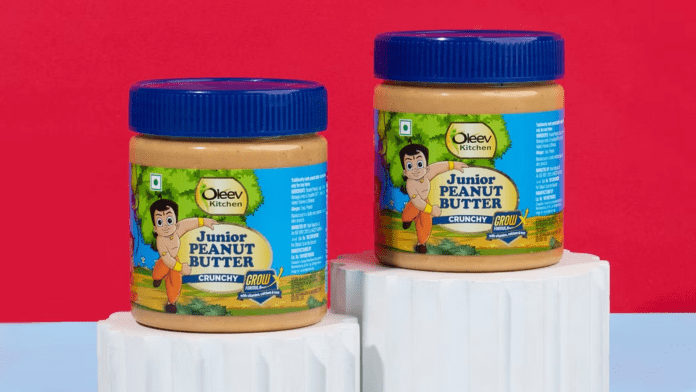
Modi Naturals Ltd, a leading Indian food and beverage company, has just introduced a fresh addition to its Oleev Kitchen brand – the Junior Peanut Butter. Catering exclusively to children aged 4 to 12 years, this specially crafted peanut butter is enriched with the GrowX formula, a blend of vital vitamins and minerals. As a result, it proudly stands as the sole peanut butter brand in the country solely dedicated to meeting kids’ nutritional needs.
The Oleev Kitchen Junior Peanut Butter’s GrowX formula comprises a blend of essential nutrients, including vitamins A, E, D, as well as important minerals such as iron and calcium. This powerful combination of vitamins A, E, and iron synergistically supports and enhances the body’s immune system, bolstering its defenses. Additionally, the presence of calcium and vitamin D in the formula promotes better bone density and muscle strength, contributing to overall physical well-being.
Akshay Modi, Jt MD, Modi Naturals Ltd said, “We are excited to launch Chota Bheem Junior Peanut Butter, which is a delicious and nutritious way to help children grow and develop. We believe that it is important to start early when it comes to making healthy choices for children, and this product is a great way to do that. We are confident that Oleev Kitchen Junior Peanut Butter will be a hit with children and parents alike. It is a delicious and nutritious product that is sure to become a staple in many modern households.”
Oleev Kitchen Junior Peanut Butter comes in three delectable variants – Crunchy, Creamy, and Choco Hazelnut. Notably, the Choco Hazelnut flavor stands out with 75 percent lower sugar levels than other chocolate spreads in the market, making it a healthier choice for children. The product is attractively priced at an MRP of Rs 249 for a 350g jar and is readily available on Amazon and nearby grocery stores.
With the launch of Oleev Kitchen Junior Peanut Butter, Modi Naturals aims to provide a nutritious and delightful treat for kids, catering to their specific dietary needs and preferences. This addition to the Oleev Kitchen brand reflects the company’s commitment to promoting healthier lifestyles for the younger generation in India.
According to reports, Dunzo, the quick commerce startup, is anticipated to undergo another round of layoffs this week.
Insiders familiar with the matter informed Moneycontrol that Mukund Jha, the Co-Founder and Chief Technology Officer (CTO) of the startup, conveyed the decision to employees during a meeting on July 19.
“We are definitely considering layoffs and the size will be decided either tomorrow (July 20) or (the) day after (July 21). Within this week we will communicate (the size of layoffs) to employees,” Jha said.
According to the report, Dunzo is preparing for its third round of retrenchments, which is expected to affect approximately 20% of the startup’s workforce, amounting to nearly 200 employees.
This came hours after the quick commerce startup disclosed to its employees that their salaries for the month of June would be deferred until September. Additionally, the company informed them that they would receive their salaries for July and August on September 4.
Following last week’s reports indicating Dunzo’s salary delays, the company had assured that payments would be credited by July 20. However, it appears that the company has now missed the deadline due to cash flow challenges it is currently facing.
Hit by a cash crunch, the startup found itself compelled to enforce a salary cap of flat INR 75,000 for many of its employees in June.
According to Jha, the company is currently facing a new round of layoffs and implementing cost-cutting measures. Despite having $40 million in the bank and a projected 18 months of runway, these funds remain inaccessible to the startup due to existing debt obligations.
Established in 2015 by Kabeer Biswas, Dalvir Suri, Jha, and Ankur Aggarwal, Dunzo runs a hyperlocal delivery platform. Since its founding, the company has secured an impressive $500 Mn in funding from prominent investors, including Reliance, Google, Lightrock, Lightbox, and Blume Ventures, among others.
In January, the startup attempted to secure $100 Mn in funding but could only manage to raise $75 Mn through convertible notes from Reliance and Google by April. Unfortunately, the company has been facing significant losses and a high burn rate, adversely affecting its overall financial performance, particularly the bottom line.
To tackle its escalating expenses, the startup has implemented a series of initiatives. These measures include the closure of over 50% of its dark stores, exiting unprofitable markets, and raising delivery fees. Additionally, the company has started imposing convenience fees on customers to boost its earnings from each order.
In April of this year, the company made the decision to terminate over 300 employees as part of its cost rationalization efforts. Additionally, the company has been devising a strategic plan to transition from its dark store model to partnering with larger supermarkets and grocery stores. This new approach involves revenue-sharing arrangements between the company and its onboarded partners.
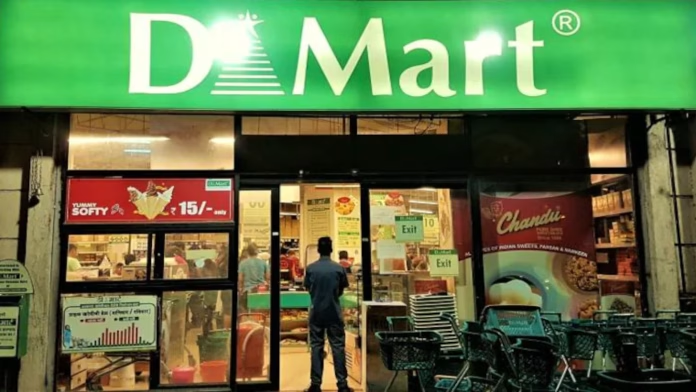
Avenue Supermarts, the operator of the renowned DMart retail chain, witnessed a remarkable feat in FY23. With its online grocery unit’s sales surpassing INR 2,000 crore, the company achieved significant success in the digital market. Nevertheless, this achievement was accompanied by a widening of losses as the company embarked on an ambitious expansion into untapped geographical territories.
According to its latest annual report, Avenue E-Commerce (AEL), the online subsidiary, experienced a substantial 32% surge in sales, reaching INR 2202 crore. However, the net loss also expanded to INR 194 crore. In the preceding fiscal year, the online business brand, DMart Ready, reported sales of INR 1667 crore but incurred a higher loss of INR 142 crore.
“During the financial year 2022-23, it expanded its service coverage to include 10 more cities – including Chandigarh, Jaipur, Chennai and Ghaziabad. Our current service footprint includes a total of 22 cities,” the company said in its report. “Avenue Supermarts has invested about INR 713 crore in its online subsidiary that started operations six years ago” added D’mart, India’s biggest retailer by market capitalization.
AEL, in addition to its primary operations, runs a compact grocery store named DMart MiniMax. In the preceding fiscal year (FY22), it managed two DMart MiniMax stores, but during that same period, it expanded its presence significantly by opening an additional 13 stores.
In contrast to grocery startups like Amazon and BigBasket, which primarily rely on a delivery-based distribution approach, DMart’s online venture follows a hybrid model. This hybrid model involves establishing delivery centers in regions where it operates small physical stores, allowing customers to not only receive their orders but also have the option to pick up products in person. DMart’s impressive performance reflects its success in this approach, as it achieved annual sales of INR 41,833 crore with 324 stores. Remarkably, the retailer generates a revenue of INR 31,096 per square foot, nearly three times higher than its competitors in India. Additionally, during FY23, DMart operated 49 distribution centers and 10 packing centers, further contributing to its efficient operations and customer service.
In the annual report, Ramesh Damani, the chairman of Avenue Supermarts, emphasized that despite facing global macro headwinds, India continues to shine as a beacon of hope. He highlighted that, in contrast to other subcontinent countries, India has demonstrated remarkable resilience in the face of geopolitical challenges and other disruptions.
“Since FY2017-18, we have more than doubled our store count to 324 despite the outbreak of the pandemic in 2020. Our strong belief in our business model and focused execution have driven this steady growth,” Damani added.
During the quarter ended June, the flagship company D’Mart witnessed a revenue growth of 18% year on year. However, this marked the lowest growth in any quarter when compared to pre-Covid levels. The profit growth was even more subdued, barely reaching the low single digits, as sales remained impacted by sustained pressure on the recovery of discretionary non-FMCG products.
“We believe this is largely due to drag from lower sales of general merchandise and apparels, cannibalization from store addition in existing areas and possible share loss to online and e-commerce players,” said a report by Axis Capital.
We use cookies to ensure that we give you the best experience on our website. If you continue to use this site we will assume that you are happy with it.