United Spirits, a leading company in the alcoholic beverages industry, recently announced its financial results for the first quarter ending in June 2023. During this period, the company achieved a remarkable consolidated net profit of INR 477 crore, signaling a strong performance in the market.
In the last fiscal year’s April-June quarter, the company recorded a net profit of INR 261 crore.
Total income in the first quarter surged to INR 5,830 crore, marking a significant increase from INR 7,157 crore reported during the same period last year.
United Spirits stated in a regulatory filing that the financial results for the current quarter cannot be directly compared to those of the same quarter in the previous fiscal year. The reason for this disparity is due to the company’s completion of a slump sale of its entire business undertaking, including 32 brands, to Inbrew Beverages on September 30, 2022.
Hina Nagarajan, the CEO and Managing Director of United Spirits, expressed that the company has started fiscal year 2024 with a strong first-quarter performance.
“While inflationary pressures remain, our strategy to reshape the portfolio combined with revenue growth management and focus on everyday efficiency is driving sustainable growth across the Prestige & Above segment,” she added.
Nagarajan stated that Royal Challengers Sports, the wholly-owned subsidiary of the company, has significantly boosted its earnings. This impressive growth can be attributed to the revenues generated from the new media rights cycle of the Indian Premier League.
“This reinforces our longer-term confidence in the Women’s Premier League. Our Sports business aligns to our core purpose of celebration and is a vital component of our consolidated portfolio,” she added.
Nagarajan emphasized that the company’s foremost focus is to sustain the growth momentum and ensure the delivery of enduring value to all stakeholders in the future.
Shares of the company ended 0.48 per cent higher at INR 975.40 apiece on the BSE.
In today’s fast-paced world, the way we eat has evolved significantly. Our busy schedules, late-night work hours, and easy access to fast food have led us to adopt irregular eating patterns. Many people tend to have dinner late at night, often right before going to bed. However, recent research suggests that shifting to an early dinner schedule can have transformative effects on our health and overall well-being. This article explores the shocking reasons why eating an early dinner can transform your life.
The Science Behind Early Dinner:
Our body’s internal clock, known as the circadian rhythm, plays a crucial role in regulating various physiological functions, including metabolism and digestion. It follows a 24-hour cycle that influences the release of hormones and neurotransmitters, impacting our sleep-wake cycle and eating habits.
Eating late at night disrupts the natural circadian rhythm, leading to potential health issues. During the evening and night, our body’s metabolism slows down to prepare for rest and recovery. Consuming a heavy meal during this period hinders proper digestion and may contribute to weight gain and digestive problems.
Eating an early dinner aligns with the body’s natural biological clock, optimizing digestion and promoting better sleep, both of which are essential for overall health.
Improved Digestion and Gut Health:
The human digestive system functions most efficiently during the day when we are active and moving around. Eating an early dinner gives our bodies ample time to digest the food before going to bed, reducing the risk of indigestion and acid reflux.
Furthermore, an early dinner allows our gut to rest and repair during the night, promoting a healthy gut microbiome. Studies have shown that a diverse and balanced gut microbiome is linked to improved immune function, mental health, and reduced inflammation.
Weight Management:
One of the most surprising benefits of adopting an early dinner habit is its positive impact on weight management. When we eat late at night, our bodies are less likely to burn off the calories consumed, leading to weight gain over time. Additionally, late-night eating can disrupt our sleep patterns, which is associated with weight gain and obesity.
In contrast, eating an early dinner ensures that we are more active after the meal, giving our bodies ample time to burn calories before bedtime. This can lead to better weight management and even weight loss when combined with a balanced diet and regular exercise.
Increased Energy Levels:
A well-timed early dinner can lead to increased energy levels throughout the day. Eating late at night often causes disturbances in sleep patterns, leading to fatigue and reduced alertness during the day.
By eating an early dinner, we allow our bodies to digest food properly and promote better-quality sleep, leading to enhanced energy levels and improved cognitive function during waking hours.
Mental Well-being and Mood:
The connection between our gut and brain, known as the gut-brain axis, has gained significant attention in recent years. The gut microbiome plays a crucial role in producing neurotransmitters like serotonin, which is often referred to as the “feel-good” hormone.
A balanced and healthy gut microbiome, fostered by eating an early dinner, can positively impact our mood and mental well-being. On the other hand, irregular eating patterns and late-night meals may contribute to anxiety and depression symptoms.
Reduced Risk of Chronic Diseases:
Research has shown that eating late at night may increase the risk of developing chronic diseases like diabetes, heart disease, and certain types of cancer. Irregular eating patterns can disrupt insulin sensitivity, blood sugar regulation, and other metabolic processes, contributing to the development of these conditions.
Adopting an early dinner routine can help stabilize blood sugar levels and improve insulin sensitivity, reducing the risk of developing diabetes. Additionally, it may lower cholesterol levels and blood pressure, promoting heart health.
Better Sleep Quality:
Sleep is crucial for overall health and well-being, and its quality is affected by various factors, including our eating habits. Eating late at night can lead to disruptions in sleep patterns and even insomnia due to poor digestion and discomfort.
On the other hand, an early dinner allows the body to relax and prepares it for a restful night’s sleep. A well-rested body and mind are better equipped to handle daily challenges and stresses, leading to improved productivity and better overall health.
Family Bonding and Social Interaction:
Eating dinner together as a family has been associated with numerous benefits, including improved communication, stronger relationships, and better mental health for both children and adults. An early dinner allows for more family time and fosters a sense of togetherness.
Moreover, an early dinner routine can positively impact social interactions. Dining out with friends or colleagues can be more enjoyable when done earlier, as everyone is still energetic and engaged in conversation.
Enhanced Productivity and Focus:
When we eat late at night, our bodies allocate energy towards digestion during the hours when we should be resting. This can lead to grogginess and reduced productivity during the following day.
By adopting an early dinner schedule, we ensure that the body has sufficient time to digest food, promoting better sleep quality and allowing us to wake up feeling refreshed and focused. Improved productivity and focus can enhance our performance in various aspects of life, including work and personal projects.
Long-term Health Benefits:
The benefits of eating an early dinner extend beyond short-term improvements in digestion, sleep, and mood. A consistent early dinner routine can lead to long-term health benefits, such as reduced risk of chronic diseases, better weight management, and improved mental well-being.
When we prioritize our health through mindful eating habits, we set the foundation for a healthier and more fulfilling life in the long run.
Final Thoughts:
The shocking reason why eating an early dinner will transform your life lies in its alignment with the body’s natural circadian rhythm and the numerous health benefits it offers. From improved digestion and gut health to better sleep quality and increased energy levels, adopting an early dinner habit can positively impact various aspects of our well-being. Not only does it promote physical health, but it also fosters stronger relationships, enhances productivity, and contributes to long-term overall health. By making a conscious effort to eat dinner early and prioritize our well-being, we can take a significant step towards leading a healthier and more fulfilling life.
For fitness enthusiasts, leg day is both challenging and rewarding. However, the aftermath of intense leg workouts often includes muscle soreness and discomfort that can hinder daily activities and subsequent workouts. While there are various methods to alleviate soreness, few have the potential to revolutionize recovery like oats. These humble grains have been a staple in human diets for centuries, and their unique nutritional profile offers numerous benefits for post-leg day recovery. In this article, we will explore the science behind soreness, the nutritional power of oats, and how incorporating oats into your diet can transform your leg day recovery.
Understanding Muscle Soreness:
Before delving into the role of oats in recovery, it is essential to understand the science behind muscle soreness. During intense leg workouts, small microtears occur in the muscle fibers, leading to inflammation and discomfort. This phenomenon is known as delayed onset muscle soreness (DOMS), and it typically peaks 24 to 48 hours after exercise. While DOMS is a natural part of the muscle-building process, finding effective ways to manage it is crucial to maintaining a consistent workout routine.
Traditional Approaches to Recovery:
In the quest to combat post-leg day soreness, many individuals resort to traditional approaches such as stretching, foam rolling, and taking over-the-counter pain relievers. While these methods can provide temporary relief, they may not address the underlying issue and often fail to deliver long-lasting results.
Nutrition’s Role in Recovery:
Nutrition plays a fundamental role in promoting recovery and optimizing athletic performance. Consuming the right nutrients after a workout can accelerate healing and reduce muscle soreness. Key nutrients that aid in the recovery process include protein, carbohydrates, antioxidants, and anti-inflammatory compounds.
The Nutritional Powerhouse: Oats
Oats, scientifically known as Avena sativa, are one of the most nutritionally dense grains available. They have been cultivated for thousands of years and are recognized for their versatility and health benefits. Oats are rich in complex carbohydrates, protein, fiber, vitamins, and minerals, making them an ideal food choice for post-workout recovery.
1. Carbohydrates in Oats: Fueling Recovery
Carbohydrates are the body’s primary source of energy. After a strenuous leg workout, glycogen stores in the muscles are depleted. Consuming carbohydrates post-workout replenishes glycogen, allowing the muscles to recover and grow. Oats contain complex carbohydrates that provide sustained energy release, preventing energy crashes and supporting recovery over an extended period.
2. Protein in Oats: Rebuilding Muscle
Protein is essential for muscle repair and growth. The amino acids in protein are the building blocks of muscle tissue, and consuming an adequate amount of protein after exercise supports the recovery process. Oats surprisingly contain a fair amount of protein, making them a valuable addition to a post-workout meal or shake, especially when combined with other protein sources like milk, yogurt, or protein powder.
3. Fiber in Oats: Aiding Digestion
Digestive health is crucial for nutrient absorption and overall well-being. Oats are an excellent source of dietary fiber, which aids in digestion and helps regulate bowel movements. By promoting a healthy gut, oats support the body’s ability to absorb essential nutrients efficiently, further contributing to the recovery process.
4. Vitamins and Minerals in Oats: Reducing Inflammation
Oats are packed with essential vitamins and minerals, including magnesium, phosphorus, potassium, and B-vitamins. Magnesium, in particular, plays a vital role in reducing muscle cramps and spasms, while potassium helps maintain proper fluid balance and prevent dehydration. B-vitamins contribute to energy metabolism, ensuring that the body efficiently utilizes the nutrients for recovery. The antioxidant properties of oats’ vitamins and minerals help combat exercise-induced oxidative stress and reduce inflammation, aiding in faster recovery.
5. Beta-Glucans: Boosting the Immune System
Oats are rich in a type of soluble fiber called beta-glucans, which have been shown to boost the immune system. Intense workouts can temporarily weaken the immune system, leaving the body vulnerable to infections. Consuming oats after exercise can enhance immune function and protect against illnesses, helping you stay on track with your fitness goals.
Incorporating Oats into Your Post-Workout Routine:
Now that we understand the impressive nutritional profile of oats and how it supports leg day recovery, the next step is to incorporate them effectively into your post-workout routine. Here are some delicious and practical ways to do so:
1. Oatmeal Power Bowl
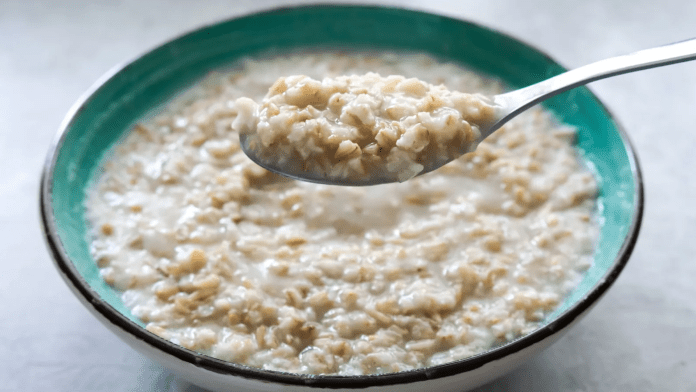
A warm bowl of oatmeal topped with fresh fruits, nuts, and a drizzle of honey is a comforting and nutrient-rich post-leg day meal. This combination of complex carbohydrates, protein, and vitamins will replenish energy levels and kickstart the recovery process.
2. Oat and Protein Smoothie
Blend oats, your favorite protein powder, milk or yogurt, fruits, and a tablespoon of nut butter to create a delicious and easily digestible post-workout smoothie. This convenient option is perfect for those on the go and provides a quick and powerful nutrient boost.
3. Overnight Oats
Prepare overnight oats by soaking oats in milk or yogurt along with some chia seeds and fruits. This no-cook option is ready to eat the next morning, making it a hassle-free way to refuel after an intense workout.
4. Oat-Based Energy Bars
Create homemade energy bars using oats, nuts, seeds, and dried fruits. These bars are packed with nutrients and can be easily stored for a quick post-exercise snack.
5. Oats in Savory Dishes
Oats need not be restricted to sweet dishes alone. Incorporate oats into savory recipes like veggie oat burgers or oat-crusted chicken for a unique and nutritious post-workout meal.
Final Thoughts:
Oats are a nutritional powerhouse that can revolutionize your leg day recovery. By providing complex carbohydrates, protein, fiber, vitamins, and minerals, oats offer a comprehensive post-workout nutrient package that supports muscle repair, reduces inflammation, aids digestion, and boosts the immune system. By incorporating oats into your post-workout routine through dishes like oatmeal power bowls, oat and protein smoothies, overnight oats, and oat-based energy bars, you can say goodbye to soreness and welcome improved recovery and enhanced athletic performance. So, next time you hit the gym for leg day, make sure to stock up on this humble yet mighty grain to take your fitness journey to the next level!
In recent times, ginger prices in India have been soaring, reaching an all-time high. This surge in prices can create a significant impact on household budgets and restaurant businesses alike. To counter the rising costs and ensure a steady supply of this versatile and nutritious root, mastering the art of ginger storage becomes crucial. Proper storage techniques can extend ginger’s shelf life, preserve its flavor and aroma, and help you save money in the long run. In this article, we will explore essential tips to effectively store ginger, ensuring it remains fresh, vibrant, and usable for an extended period.
1. Choosing Fresh and High-Quality Ginger:
Before we delve into storage methods, it is vital to select the right ginger at the point of purchase. Look for fresh, firm, and smooth ginger roots. Avoid those with wrinkled or soft spots, as they are likely to be older and may have already begun to deteriorate. Opt for ginger with a spicy aroma and avoid those with a musty or off smell. High-quality ginger forms the foundation for successful storage.
2. Cleaning and Preparing Ginger:
Once you’ve brought home the fresh ginger, it’s essential to clean and prepare it properly. Gently scrub the root under cool running water to remove any dirt or debris. Avoid soaking the ginger, as excess moisture can lead to mold growth. Next, use a clean knife or peeler to remove the skin. Alternatively, you can use the edge of a spoon to scrape off the skin, as this preserves more of the ginger’s flesh.
3. Drying Ginger for Extended Shelf Life:
Drying ginger is an excellent way to extend its shelf life and have it readily available for various culinary uses. To dry ginger, slice it into thin pieces and spread them out on a clean, dry surface. You can use a baking sheet or a wire rack for this purpose. Place the ginger slices in a well-ventilated area, away from direct sunlight and moisture. Allow the slices to dry completely, which may take several days depending on the humidity levels. Once dried, store the ginger slices in an airtight container in a cool, dark place. Dried ginger can be ground into a powder and used as a spice, making it convenient and long-lasting.
4. Refrigeration Method:
Storing ginger in the refrigerator is a popular method to keep it fresh for a few weeks. To refrigerate ginger, wrap the unpeeled root in a paper towel or place it in a perforated plastic bag to maintain proper moisture levels. Store the wrapped ginger in the vegetable drawer of the refrigerator. Remember to check it periodically and remove any spoiled or moldy pieces to prevent the spread of decay.
5. Freezing Ginger for Long-Term Storage:
Freezing is an effective method to preserve ginger for an extended period, ensuring you have a steady supply even during times of price surge. To freeze ginger, peel and slice it into manageable pieces or grate it. You can also freeze whole, unpeeled ginger roots. Place the ginger in an airtight container or sealable plastic bag, removing as much air as possible to prevent freezer burn. Label the container with the date to keep track of its freshness. Frozen ginger can last for up to six months and can be grated or sliced directly into recipes.
6. Pickled Ginger – A Flavorful Storage Option:
Pickling ginger not only enhances its taste but also keeps it fresh for an extended period. To make pickled ginger, thinly slice the peeled ginger and soak it in a mixture of vinegar, sugar, and salt. Let it sit in the refrigerator for a few days to allow the flavors to meld. The pickled ginger can be used as a condiment for various dishes, adding a tangy and refreshing element.
7. Ginger Paste or Puree:
Creating ginger paste or puree is another fantastic way to store ginger conveniently and save time during cooking. Peel the ginger and blend it with a small amount of water or oil to form a smooth paste. Transfer the paste into ice cube trays and freeze it. Once the ginger paste cubes are frozen, remove them from the trays and store them in a freezer-safe container. These cubes can be easily added to dishes, saving you the trouble of peeling and grating ginger each time.
Final Thoughts:
As ginger prices continue to reach all-time highs in India, mastering the art of ginger storage becomes paramount to offset the impact on your budget. By following the tips mentioned in this article, you can ensure that your ginger remains fresh, flavorful, and readily available for use in your culinary endeavors. From drying and refrigerating to freezing and pickling, each method offers a unique way to prolong ginger’s shelf life and save money in the long run. Embrace these storage techniques and become a savvy ginger connoisseur, making the most of this precious root’s benefits without breaking the bank.
As women age, they often become more concerned about maintaining their skin’s youthful appearance, especially when it comes to combating wrinkles and fine lines. There is an abundance of anti-aging products and treatments on the market, but not all of them are effective or safe. One natural and promising solution gaining popularity is the carrot face mask. In this article, we will explore why carrot face masks have become the ultimate solution for women above 40, providing them with numerous benefits and revitalizing their skin.
Understanding Skin Aging and the Importance of Skincare for Women Above 40:
As women age, their skin undergoes various changes due to biological factors like decreased collagen production, reduced skin elasticity, and slower cell turnover. These changes lead to the appearance of wrinkles, fine lines, and sagging skin. Additionally, environmental factors, such as sun exposure and pollution, can accelerate the aging process, making it essential for women above 40 to adopt a consistent skincare routine.
The Role of Collagen in Skin Aging:
Collagen is a crucial protein responsible for maintaining the skin’s structure and elasticity. However, as women age, collagen production decreases, leading to a loss of skin firmness and the development of wrinkles.
Importance of Hydration:
Proper hydration is vital to maintain skin health and combat signs of aging. Dehydrated skin can appear dull and exacerbate the appearance of fine lines.
Addressing Sun Damage:
Sun exposure over the years can lead to premature aging and pigmentation issues, making sun protection an essential part of an anti-aging skincare routine.
The Nutritional Powerhouse: Carrots
Carrots, a popular vegetable in various cuisines, are well-known for their nutritional benefits. They are rich in vitamins, minerals, and antioxidants that contribute to overall health. However, it is their skincare properties that make them an ideal ingredient for anti-aging face masks.
Abundance of Antioxidants
Carrots are packed with antioxidants like beta-carotene, which helps neutralize harmful free radicals that contribute to skin aging. Additionally, antioxidants help protect the skin from environmental damage.
Rich in Vitamins and Minerals
Carrots are a great source of vitamins A, C, E, and K, along with essential minerals like potassium and magnesium. These nutrients play a crucial role in maintaining healthy skin and combating the signs of aging.
The Science Behind Carrot Face Masks: Benefits for Women Above 40:
The use of carrots in skincare dates back centuries, but modern science has provided us with a better understanding of their specific benefits when applied as a face mask.
Anti-Aging Properties:
Carrots’ high vitamin A content promotes collagen production, aiding in reducing the appearance of wrinkles and improving skin elasticity. The antioxidants in carrots also protect the skin from oxidative stress, contributing to a youthful complexion.
Brightens the Skin:
The natural compounds found in carrots, including carotenoids and beta-carotene, help to improve skin tone and give it a radiant glow, combating the dullness that often comes with age.
Hydration and Moisturization:
Carrots are rich in water content, which helps hydrate the skin and maintain its moisture barrier. Proper hydration can reduce the prominence of fine lines and wrinkles.
Exfoliation and Skin Cell Renewal:
Carrots contain enzymes that aid in gentle exfoliation, promoting the removal of dead skin cells and encouraging the growth of new, healthy skin cells.
DIY Carrot Face Mask Recipes:
Carrot face masks are easy to make at home and are cost-effective compared to commercial anti-aging products. Here are some simple and effective DIY carrot face mask recipes for women above 40:
1. Carrot and Honey Face Mask:
Ingredients:
1 medium-sized carrot
1 tablespoon of raw honey
Method:
a. Steam or boil the carrot until it becomes soft and mash it into a smooth paste.
b. Mix the mashed carrot with honey to form a thick, consistent paste.
c. Apply the mask to clean, dry skin and leave it on for 15-20 minutes.
d. Rinse off with warm water and pat your skin dry.
2. Carrot and Yogurt Face Mask:
Ingredients:
1 medium-sized carrot
2 tablespoons of plain yogurt
Method:
a. Cook the carrot until it is tender and blend it with yogurt until smooth.
b. Apply the mixture to your face, avoiding the eye area.
c. Allow the mask to sit for 15 minutes before rinsing it off with lukewarm water.
Incorporating Carrot Face Masks into Your Skincare Routine:
To reap the full benefits of carrot face masks, it is essential to integrate them into a comprehensive skincare routine. Here are some tips on how to do that effectively:
1. Cleanse Before Applying the Mask:
Always cleanse your face thoroughly before applying any face mask. Cleansing removes dirt, oil, and makeup, allowing the mask’s active ingredients to penetrate the skin better.
2. Exfoliate Regularly:
Exfoliation helps remove dead skin cells, ensuring the carrot face mask’s nutrients can reach the newer skin cells more effectively.
3. Consistency is Key:
For optimal results, use the carrot face mask 1-2 times a week, depending on your skin’s sensitivity. Consistency is crucial for achieving noticeable improvements.
4. Sun Protection:
After using a carrot face mask, follow up with a broad-spectrum sunscreen to protect your skin from UV damage, which can accelerate skin aging.
Understanding Skin Sensitivity and Patch Testing:
While carrot face masks offer numerous benefits, it’s important to consider potential skin sensitivities and allergies. Before using any new skincare product, including homemade face masks, conduct a patch test to ensure you won’t experience adverse reactions.
When to Consult a Dermatologist:
Although carrot face masks are generally safe and suitable for most people, some individuals may have specific skin conditions or concerns that require professional guidance. If you have any skin issues or questions, consult a dermatologist for personalized advice and recommendations.
Final Thoughts:
Women above 40 looking for effective and natural ways to combat wrinkles and rejuvenate their skin should consider incorporating carrot face masks into their skincare routine. The abundant antioxidants, vitamins, and minerals in carrots contribute to healthier, more youthful-looking skin, addressing various signs of aging. Regular use of carrot face masks, along with a consistent skincare regimen, can help women above 40 achieve a radiant and revitalized complexion, saying goodbye to wrinkles and embracing their natural beauty. Remember that while carrot face masks are an excellent addition to your skincare routine, it’s essential to take a holistic approach to anti-aging and prioritize overall health and well-being.
As the rainy season approaches, pet owners often worry about how to keep their beloved feline friends happy and healthy. The monsoon can be a challenging time for cats, as they tend to be less active and may experience mood changes due to the gloomy weather. However, there is a simple and effective solution that can brighten up their days and improve their well-being: salmon!
Salmon, a delicious and nutritious fish, is not just a human delicacy; it can be an excellent addition to your cat’s diet, especially during rainy days. In this article, we will explore the numerous benefits of incorporating salmon into your cat’s meals, including its nutritional value, its impact on mood and energy levels, and its contribution to overall feline health. By the end of this read, you’ll understand why salmon is undoubtedly your cat’s best friend during the monsoon season.
The Nutritional Powerhouse: Salmon for Cats
Rich in Omega-3 Fatty Acids:
Salmon is a fantastic source of Omega-3 fatty acids, specifically EPA (eicosapentaenoic acid) and DHA (docosahexaenoic acid). These essential fatty acids play a crucial role in promoting a cat’s health, as they contribute to brain development, cardiovascular health, and the immune system. Omega-3 fatty acids are particularly beneficial for senior cats, as they help maintain cognitive function and reduce the risk of age-related cognitive decline.
High-Quality Protein:
Protein is an essential component of a cat’s diet, as they are obligate carnivores. Salmon provides a high-quality protein source that aids in muscle maintenance, growth, and repair. During the monsoon, when cats may be less active, maintaining muscle mass is vital to prevent weight gain and ensure overall health.
Vitamins and Minerals:
Salmon is packed with vitamins and minerals, including B-vitamins (B12, B6, niacin), potassium, selenium, and phosphorus. These nutrients support various bodily functions, such as metabolism, energy production, and the formation of strong bones and teeth. Incorporating salmon into your cat’s diet can help meet these essential nutritional requirements.
Moisture Content:
The monsoon season often brings a drop in temperatures and an increase in humidity, making cats prone to dehydration. Salmon has a high moisture content, aiding in keeping your feline friend well-hydrated during this time. This additional hydration can prevent urinary tract issues and maintain healthy kidney function.
Improves Coat and Skin Health:
The Omega-3 fatty acids found in salmon contribute to a glossy and healthy coat, reducing the likelihood of skin irritations and excessive shedding. As cats groom themselves more often during rainy days, a diet enriched with salmon can provide additional support to their skin health.
The Impact of Salmon on Mood and Energy Levels
Mood Enhancement:
The gloomy weather and reduced outdoor activity during the monsoon can lead to mood changes in cats. However, the Omega-3 fatty acids in salmon have been shown to have mood-enhancing properties. These fatty acids can help alleviate anxiety and depression symptoms in cats, leading to an uplifted and happier mood.
Boosts Energy Levels:
Cats may exhibit lower energy levels during the rainy season due to reduced play and exercise opportunities. The nutrients in salmon, such as high-quality protein and B-vitamins, play a role in boosting energy levels and overall vitality. A salmon-rich diet can help your cat stay more active and engaged, even in the dreary weather.
Supports Brain Health:
The Omega-3 fatty acids, particularly DHA, present in salmon, support brain health and cognitive function in cats. This is especially important for senior cats, as they may experience age-related cognitive decline. By including salmon in their diet, you can help preserve their mental acuity and keep their minds sharp.
The Contribution of Salmon to Overall Feline Health
Supports Immune System:
The Omega-3 fatty acids and other nutrients found in salmon are known to boost the immune system. A robust immune system helps your cat fight off infections and illnesses, ensuring they stay healthy throughout the rainy season.
Weight Management:
Obesity is a common health concern among indoor cats during the monsoon season when outdoor activities are limited. Salmon, being a nutrient-dense food, can help maintain a healthy weight in cats when fed in appropriate portions. The high protein content in salmon also helps cats feel full and satisfied, reducing the tendency to overeat.
Cardiovascular Health:
The Omega-3 fatty acids in salmon have been linked to improved heart health in cats. These fatty acids can reduce inflammation, lower blood pressure, and maintain healthy blood circulation. A healthy cardiovascular system is especially crucial for cats, as they can be susceptible to heart-related issues as they age.
Dental Health:
Chewing on salmon skin or bones, if safely provided, can help clean your cat’s teeth and promote dental health. While dry cat food is known for its dental benefits, providing fresh and natural foods like salmon can add to the overall oral care routine for your feline friend.
Final Thoughts:
As the monsoon season brings its challenges, ensuring your cat’s well-being becomes a priority. By incorporating salmon into your cat’s diet, you can provide a host of benefits that contribute to their overall health, mood, and energy levels. From the Omega-3 fatty acids that promote brain health and mood enhancement to the high-quality protein and essential nutrients that support various bodily functions, salmon is undoubtedly your cat’s best friend during rainy days.
Before making any dietary changes for your cat, it’s essential to consult with a veterinarian to ensure that salmon is safe and appropriate for your feline friend’s individual needs. With their approval, you can introduce this nutrient-rich fish into their diet and witness the positive impact it has on their health and happiness during the monsoon season and beyond. So, this rainy season, don’t forget to give your cat the gift of salmon – a flavorful and nutritious monsoon must-have!
For many bachelors, preparing meals can often be reduced to the convenience of instant ramen noodles, frozen dinners, or takeout. While these options might be quick and easy, they lack the nutrition and flavor that a well-prepared home-cooked meal can offer. The notion that gourmet cooking is reserved for skilled chefs in fancy restaurants is a common misconception. In reality, with a few expert cooking hacks and a bit of creativity, any bachelor can elevate their meals from mundane to mouthwatering.
This comprehensive guide aims to equip bachelors with practical and accessible cooking hacks to create delicious, gourmet-style dishes without the need for advanced culinary skills. We’ll explore various techniques, ingredients, and kitchen tools that can transform your cooking game and impress even the most discerning palates. Say goodbye to the days of uninspired meals and embrace the joys of cooking for yourself and others.
1. Embrace Fresh Ingredients:
The foundation of any gourmet meal starts with fresh, high-quality ingredients. Swap out packaged or processed foods for fresh produce, lean proteins, and whole grains. Visit local farmers’ markets for seasonal fruits and vegetables, and invest in sustainable and ethically sourced meats and seafood. Fresh ingredients not only taste better but also provide essential nutrients that contribute to your overall well-being.
2. Master the Art of Knife Skills:
Proper knife skills are essential for efficient cooking and can elevate your dishes’ presentation. Invest in a good quality chef’s knife and practice cutting techniques such as dicing, mincing, and julienning. This will not only make your food look more appealing but will also improve its texture and flavor.
3. Use Aromatics and Herbs:
Aromatics like garlic, onions, shallots, and ginger can add depth and complexity to your dishes. Sauté them at the beginning of your cooking process to infuse your meals with rich flavors. Experiment with various herbs, such as basil, cilantro, rosemary, and thyme, to add a fresh and fragrant touch to your dishes.
4. Master Flavorful Sauces:
Sauces are the backbone of gourmet cooking. Learn to create basic sauces like béchamel, marinara, and vinaigrettes. Customize these sauces by adding your favorite herbs and spices. A well-made sauce can elevate a simple dish to gourmet status.
5. Understand Basic Cooking Techniques:
Understanding basic cooking techniques will give you the confidence to experiment with various recipes. Learn to roast, grill, sauté, and braise different ingredients. Each method offers unique flavors and textures, allowing you to create diverse and delightful dishes.
6. Experiment with Spices:
Spices are an excellent way to add global flavors to your meals. Stock your pantry with a diverse selection of spices, such as cumin, paprika, turmeric, and cinnamon. Experiment with spice blends from various cuisines to create unique and exciting tastes.
7. Elevate Simple Dishes:
Take your favorite simple dishes and elevate them with a gourmet touch. For example, turn a classic grilled cheese sandwich into a gourmet delight by using artisanal bread, premium cheeses, and a drizzle of truffle oil.
8. Utilize Sous Vide Cooking:
Sous vide is a cooking technique that involves vacuum-sealing food and immersing it in a precisely controlled water bath. This method ensures even cooking and allows you to achieve tender and flavorful results with meats, fish, and vegetables.
9. Learn the Art of Plating:
Presentation is a crucial aspect of gourmet cooking. Learn the art of plating by arranging your food attractively on the plate. Use garnishes like fresh herbs or edible flowers to add color and visual appeal.
10. Cook with Wine and Spirits:
Incorporating wine or spirits into your cooking can add complexity and depth to your dishes. Use wine to deglaze pans, create savory reductions, or marinate meats. Spirits like whiskey or brandy can enhance the flavors of desserts and sauces.
11. Develop a Signature Dish:
Having a signature dish not only impresses guests but also gives you a go-to recipe for special occasions. Experiment with different recipes until you find one that represents your cooking style and personality.
12. Master the Perfect Steak:
Cooking a perfect steak is a hallmark of gourmet cooking. Learn how to select the right cuts, properly season, and cook the steak to your preferred level of doneness. With the right techniques, you can enjoy restaurant-quality steak at home.
13. Elevate Breakfast:
Breakfast doesn’t have to be mundane. Upgrade your morning meals with gourmet twists on classic dishes like eggs Benedict, French toast with fresh berries, or a hearty frittata.
14. Experiment with Fusion Cuisine:
Fusion cuisine combines elements from different culinary traditions, creating exciting and innovative dishes. Experiment with fusing flavors from different cultures to create unique and unexpected taste experiences.
15. Create Homemade Desserts:
Indulge your sweet tooth with homemade desserts that go beyond store-bought options. Learn to bake cakes, pies, cookies, and pastries, using high-quality ingredients and creative flavor combinations.
Final Thoughts:
Gourmet cooking is not reserved for professional chefs or elaborate restaurant kitchens. With the right cooking hacks, fresh ingredients, and a bit of creativity, bachelors can transform their everyday meals into gourmet delights. Embrace the joy of cooking and experiment with various techniques, flavors, and presentations to impress yourself and your guests. Say goodbye to the days of relying on instant noodles and frozen dinners, and welcome a world of gourmet possibilities right in your own kitchen. Happy cooking!
Mumbai, the city that never sleeps, offers an array of vibrant nightlife options that cater to all tastes and preferences. When it comes to a girls’ night out, the city truly comes alive with an exciting mix of trendy clubs, elegant lounges, and buzzing bars. This article will take you on a thrilling journey through Mumbai’s top 10 places for an insanely fun girls’ night out. From stylish cocktails and groovy music to delightful ambiance and delectable cuisine, these venues promise an unforgettable experience.
1. Kitty Su: The Ultimate Party Paradise
Located within The Lalit Mumbai, Kitty Su is a luxurious nightclub that has gained a reputation as the ultimate party paradise for women. With its quirky and flamboyant interiors, the club sets the tone for an extraordinary night out. Known for hosting some of the biggest international DJs and artists, Kitty Su offers a fantastic mix of electronic dance music, Bollywood hits, and hip-hop tunes. Ladies can groove to the beats while sipping on creative cocktails served with flair by the skilled mixologists. An exclusive women-only area adds an extra touch of comfort and security, making it a must-visit for a wild girls’ night out.
2. Trilogy: A Beachside Extravaganza
Situated in the heart of Juhu, Trilogy offers a beachside extravaganza that promises an electric atmosphere for partygoers. This multi-level venue boasts a spacious dance floor, private cabanas, and a rooftop lounge offering stunning views of the Arabian Sea. Girls can dance the night away under the stars while indulging in delicious gourmet delights and a wide selection of drinks. Trilogy’s eclectic music playlist features a mix of EDM, commercial tracks, and retro classics that cater to diverse tastes and ensure a memorable night out.
3. The Bar Stock Exchange: Interactive and Lively
If interactive fun and lively ambiance are what you seek, The Bar Stock Exchange in Lower Parel is the place to be. This unique bar concept lets guests determine drink prices through an ever-changing stock market-style system. The thrill of the fluctuating prices adds an element of excitement to the night. Women can cheer for affordable drink options while enjoying the vibrant setting and enthusiastic crowd. The Bar Stock Exchange also serves a variety of scrumptious dishes, making it a perfect spot for a fun-filled girls’ night out.
4. Asilo: Rooftop Glamour
Asilo, situated atop the St. Regis Mumbai, offers a glamorous rooftop experience like no other. The breathtaking panoramic view of the city skyline provides an enchanting backdrop for a night of revelry. This open-air lounge features a chic and elegant ambiance, making it ideal for a sophisticated girls’ night out. As the sun sets, the venue transforms into a vibrant party hub with a mix of house, techno, and commercial tunes spun by top-notch DJs. Ladies can savor innovative cocktails and appetizers while dancing the night away amidst the stars.
5. Olive Bar & Kitchen: Relaxed Elegance
For a more relaxed and elegant girls’ night out, Olive Bar & Kitchen in Bandra offers a charming garden setting combined with chic interiors. The lush green surroundings, fairy lights, and candlelit tables create a serene atmosphere that sets the stage for a memorable evening. Known for its delectable Mediterranean cuisine and extensive wine list, Olive Bar & Kitchen promises a delightful culinary experience. The restaurant also hosts live music and themed nights, adding an extra layer of fun to the night.
6. Tote on the Turf: Blend of Luxury and Entertainment
Situated in the iconic Mahalaxmi Racecourse, Tote on the Turf is a blend of luxury and entertainment. This elegant establishment caters to those seeking a refined girls’ night out experience. The chic décor, opulent chandeliers, and plush seating create a sophisticated ambiance. Tote on the Turf boasts an impressive selection of fine wines, premium spirits, and handcrafted cocktails that complement the gourmet dishes offered on their menu. Ladies can also try their luck at the in-house casino and enjoy live performances that often grace the stage.
7. AER: Sky-high Nightlife
For an elevated nightlife experience, head to AER, situated on the 34th floor of the Four Seasons Hotel Mumbai. This stylish open-air rooftop lounge provides a stunning 360-degree view of the cityscape and the Arabian Sea. AER’s opulent décor, comfortable seating, and premium cocktails make it an ideal choice for a posh girls’ night out. The resident DJ curates a playlist of lively beats that keep the party going until the early hours of the morning.
8. Social: Quirky and Innovative
Social, with multiple locations across the city, offers a quirky and innovative nightlife experience. Blending a café, bar, and workspace, this unique establishment creates an inclusive and fun-loving atmosphere. Social serves signature cocktails with inventive names like “L.I.I.T.” (Long Island Iced Tea) and “Misplaced Minds,” making it a favorite spot for millennials. The vibrant décor, lively music, and interactive events make Social an excellent venue for a carefree girls’ night out.
9. Tryst: Dance Till Dawn
Nestled in the Phoenix MarketCity mall, Tryst is a high-energy nightclub that guarantees a night of dancing till dawn. This spacious venue boasts cutting-edge sound systems, dazzling light displays, and top-notch DJs spinning the latest tracks. Tryst offers a mix of Bollywood, house, and commercial music that caters to diverse preferences. Ladies can enjoy a fabulous night of dancing and celebration while sipping on crafted cocktails and relishing delectable bites from the bar’s menu.
10. Hoppipola: Playful Nostalgia
Last but not least, Hoppipola, with outlets across the city, is a lively and playful bar that brings back the nostalgia of childhood. The vibrant décor, board games, foosball tables, and quirky cocktails make Hoppipola an excellent choice for a girls’ night out. The venue’s casual and laid-back ambiance allows guests to let loose and have a carefree time. The bar also offers a range of delicious finger foods and appetizers to complement the drinks and complete the unforgettable experience.
Final Thoughts:
Mumbai, the city of dreams, transforms into a city of magic after the sun sets. From luxurious nightclubs to charming rooftop lounges and playful bars, the city offers an array of venues for an insanely fun girls’ night out. Each place has its own unique charm and attractions, ensuring that every woman finds something that resonates with her taste and style. So gather your squad, put on your dancing shoes, and party like there’s no tomorrow in the vibrant nightlife of Mumbai!
Bengaluru, also known as Bangalore, the Silicon Valley of India, is not only famous for its booming IT industry but also for its vibrant food scene. When it comes to romance, the city offers a plethora of options for couples to enjoy a memorable dining experience. From cozy cafes to fine-dining establishments, Bengaluru’s romantic restaurants cater to all tastes and preferences. Whether you’re planning a first date or looking to rekindle the flame in a long-term relationship, the city has something special for everyone. In this guide, we’ll explore some of Bengaluru’s top romantic restaurants that are sure to win over your date’s heart and create cherished memories that will last a lifetime.
1. The Fable Rooftop Bar & Kitchen:
Located in the heart of the city, The Fable Rooftop Bar & Kitchen boasts a breathtaking view of the Bangalore skyline, making it an ideal destination for a romantic date night. The ambiance is elegant, with dim lighting and comfortable seating arrangements that exude an intimate atmosphere. The rooftop setting adds a touch of enchantment to your evening, making it a perfect spot for candlelit dinners and heartfelt conversations.
The restaurant’s menu is a delightful fusion of Indian and continental cuisines, curated by renowned chefs, promising an exquisite culinary journey for you and your partner. The Fable also offers an extensive selection of premium wines and handcrafted cocktails to complement your meal. The combination of impeccable service, delectable dishes, and a romantic setting ensures an unforgettable experience for any couple.
2. Olive Beach:
For those seeking a Mediterranean escape right in the heart of Bengaluru, Olive Beach is a go-to destination. This charming restaurant is set in a beautiful bungalow, surrounded by lush greenery, and features a cozy outdoor seating area that sets the mood for romance. The elegant white and blue decor, soft jazz music playing in the background, and flickering candlelights all contribute to creating a magical atmosphere.
Olive Beach’s menu boasts a variety of Mediterranean delights, from succulent grilled seafood to delectable pasta dishes, crafted with the finest ingredients. The restaurant’s skilled mixologists can also whip up personalized cocktails to suit your preferences. For a memorable experience, consider reserving a table under the stars to enjoy the cool Bangalore breeze and add an extra touch of romance to your evening.
3. Rim Naam – The Oberoi:
Step into the world of Thai luxury at Rim Naam, The Oberoi’s enchanting restaurant. Set amidst lush gardens and overlooking a serene lily pond, this Thai fine-dining restaurant offers an authentic taste of Thailand’s culinary heritage, promising an unforgettable experience for couples seeking a romantic escape.
The restaurant’s exquisite decor, traditional Thai architecture, and impeccable service transport you and your date to a different world altogether. The menu showcases an array of authentic Thai dishes, prepared with traditional spices and herbs, that promise to tantalize your taste buds. A dinner at Rim Naam is an experience in itself, combining culture, elegance, and passion to create memories that will linger in your hearts forever.
4. Grasshopper:
If exclusivity and intimacy are what you seek, Grasshopper is the perfect place for an unforgettable romantic date. Nestled away from the hustle and bustle of the city, this hidden gem is a unique and charming dining experience in a garden-like setting. The restaurant offers only a set-course menu, ensuring that each dish is crafted with utmost care and attention to detail.
Grasshopper’s menu changes regularly, showcasing a fusion of international cuisines with a focus on fresh, locally sourced ingredients. With only a limited number of guests allowed at a time, you and your partner can relish the quiet ambiance and undivided attention from the staff. From the moment you step into the restaurant until you bid farewell, Grasshopper promises an enchanting and intimate culinary journey.
5. The Tao Terraces:
Perched on the 13th floor, The Tao Terraces offers a splendid panoramic view of Bengaluru’s skyline, making it a favorite spot for romantic evenings. The restaurant’s contemporary decor, dimly lit ambiance, and rooftop setting create a perfect blend of sophistication and charm.
The Tao Terraces’ menu presents an extensive selection of Pan-Asian delights, including Chinese, Thai, and Japanese dishes, crafted by skilled chefs using authentic recipes and ingredients. To complement the dining experience, the restaurant also features a well-stocked bar with an impressive assortment of cocktails and spirits. Whether you’re enjoying a romantic sunset or relishing the city lights, The Tao Terraces ensures a memorable and intimate date night.
6. By The Blue:
For couples who love the idea of dining by the water, By The Blue offers a dreamy lakeside setting that’s sure to sweep you off your feet. Located near the serene Nagavara Lake, this restaurant presents a refreshing ambiance that feels like a tranquil oasis within the city.
The restaurant specializes in coastal cuisine, with a focus on seafood delicacies and an array of dishes inspired by India’s coastal regions. The picturesque setting, coupled with the gentle breeze coming off the lake, creates a romantic atmosphere that sets the stage for a memorable evening with your significant other.
Final Thoughts:
Bengaluru’s romantic restaurants cater to the diverse tastes and preferences of couples seeking to kindle their romance or celebrate their love. From rooftop bars with breathtaking city views to cozy garden settings, the city offers an array of dining options to suit every couple’s preferences. The exquisite cuisines, warm ambiance, and impeccable service of these restaurants promise an unforgettable experience that will undoubtedly win over your date’s heart. So, the next time you plan a romantic rendezvous in Bengaluru, consider exploring these top romantic restaurants for an enchanting and memorable evening with your beloved.
Cocktails have come a long way from their humble beginnings, evolving into an art form where mixologists and enthusiasts continuously experiment with flavors and presentation. While fruit garnishes have been a staple in cocktail culture for ages, vegetable garnishes offer a unique twist that can elevate your drink to a whole new level. In this article, we will explore ten game-changing vegetable garnishes that every cocktail enthusiast should try. From the classic to the unexpected, these garnishes will add depth, flavor, and creativity to your favorite libations.
1. Cucumber Ribbons:
Crisp and refreshing, cucumber ribbons are a versatile garnish that can complement a wide range of cocktails. Use a vegetable peeler to create long, delicate strips from the cucumber’s skin, which can be coiled or wrapped around the glass rim. Cucumber ribbons work particularly well with gin-based cocktails, such as the classic Gin and Tonic or a refreshing Cucumber Collins. Their light and subtle flavor profile adds a touch of elegance to any beverage, making them a favorite among cocktail enthusiasts.
2. Carrot Spirals:
Carrots are not just for savory dishes; they can also serve as stunning garnishes for cocktails. Using a spiralizer or a julienne peeler, create thin, curly carrot spirals that can add a vibrant burst of color and a slightly sweet taste to your drinks. Carrot spirals are a perfect accompaniment to rum-based cocktails, like a tropical Mai Tai or a zesty Carrot Ginger Daiquiri. Their unique appearance and flavor will undoubtedly impress your guests.
3. Beetroot Cubes:
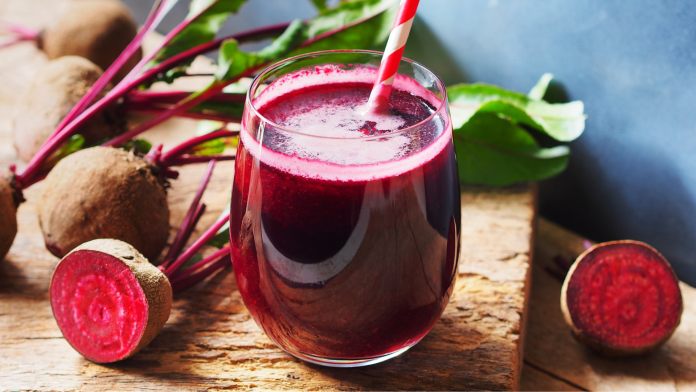
If you’re looking for a garnish that is both visually striking and earthy in flavor, beetroot cubes are the way to go. Simply peel and dice beetroots into small, uniform cubes that can be skewered onto cocktail picks. These crimson cubes are a fantastic addition to vodka-based cocktails, like a Beet Martini or a Beet Bloody Mary, adding a rich, earthy undertone that balances the drink’s sweetness and acidity.
4. Radish Roses:
Turn ordinary radishes into a floral work of art with radish roses. Carefully carve radishes into petal-like shapes, and then gently arrange them to resemble a blooming rose. Radish roses add a touch of sophistication to cocktails like a classic Negroni or a Moscow Mule. Their peppery taste and visually stunning appearance make them an excellent choice for both aesthetic and palate-pleasing reasons.
5. Bell Pepper Straws:
Bell peppers are known for their vibrant colors and distinct flavors, making them an ideal vegetable garnish for cocktails. Cut bell peppers into long, slender straws, removing the seeds and membrane to ensure a smooth drinking experience. The bell pepper straws are a delightful addition to tequila-based cocktails, such as a Spicy Margarita or a Tequila Sunrise. Not only do they add a burst of color, but they also infuse a subtle hint of pepperiness into the drink.
6. Pickled Asparagus Spears:
For those who enjoy a savory twist to their cocktails, pickled asparagus spears are a game-changer. These tangy and crunchy spears can be used as both a garnish and a cocktail stirrer. They work exceptionally well with gin or vodka-based drinks like a Dirty Martini or a Bloody Mary. The pickled asparagus imparts a briny and slightly spicy flavor that perfectly complements the spirits.
7. Zucchini Swirls:
Zucchini, with its mild flavor and firm texture, can be transformed into elegant garnishes for a variety of cocktails. Use a vegetable peeler to create thin, long zucchini swirls that can be spiraled around a cocktail pick or delicately floated atop the drink. Zucchini swirls pair well with whiskey-based cocktails, like an Old Fashioned or a Whiskey Sour, enhancing the overall drinking experience with a touch of freshness.
8. Tomato Skewers:
Tomatoes are a cocktail garnish classic, but rather than simply using cherry tomatoes as is, create visually appealing tomato skewers. Alternate cherry tomatoes with other cocktail-friendly vegetables like olives or mozzarella balls on a cocktail pick. These skewers are a wonderful addition to vodka-based cocktails like a Tomato Martini or a Dirty Martini, adding a burst of juiciness and umami flavors to your drink.
9. Celery Ribbon Knots:
Celery is a staple in many cocktails, but you can take it up a notch with celery ribbon knots. Using a vegetable peeler, create long, thin strips of celery that are then tied into knots and placed atop the drink. The celery ribbon knots work brilliantly with gin-based cocktails like a Gin Fizz or a Tom Collins, imparting a delicate herbal note and making your beverage stand out.
10. Mushroom Caps:
For those looking to add an intriguing twist to their cocktails, mushroom caps make for an unexpected and delightful garnish. Sauté or grill small mushroom caps until they’re tender and flavorful, then place them delicately on the rim of the glass or float them in the drink. Mushroom caps work well with bourbon-based cocktails, like a Mushroom Manhattan or a Whiskey Smash, infusing a unique earthiness that balances the drink’s sweetness.
Final Thoughts:
As cocktail enthusiasts, exploring new flavors and presentation styles is an ongoing journey. By incorporating vegetable garnishes into your cocktail creations, you can elevate your drinking experience and surprise your guests with eye-catching and mouthwatering cocktails. From cucumber ribbons and carrot spirals to radish roses and mushroom caps, the possibilities for vegetable garnishes are endless. So, rejoice and experiment with these game-changing vegetable garnishes to take your cocktails to a whole new level of creativity and enjoyment. Cheers!
We use cookies to ensure that we give you the best experience on our website. If you continue to use this site we will assume that you are happy with it.