Little Bit Sober, a clandestine jewel amid the plethora of cocktail bars, has surfaced as a haven of sobriety amidst the vibrant city of Kolkata. Concealed within the walls of a vintage office building from the late 19th century, this exceptional bar aspires to elevate the city to international acclaim in the realm of mixology. Within its doors, patrons are treated to an enchanting fusion of timeless allure and cutting-edge techniques, creating a truly captivating experience.
With its elegant design, the expanse of this space stretches across 1800 square feet, accommodating 56 covers and exclusively operating during the evening hours.
With its elegant design, the expanse of this space stretches across 1800 square feet, accommodating 56 covers and exclusively operating during the evening hours.
Founded by Chirag Punwani and Rudradipta Mukherjee, Little Bit Sober boasts an impressive cocktail program led by expert mixologist Nitin Tiwari, while the food program thrives under the guidance of chef Rituparna Banerjee.
At Little Bit Sober, the spotlight shines on craftsmanship and innovation, as they proudly showcase a team of accomplished mixologists committed to showcasing their in-house creations. Aptly named the ‘Poet Edition,’ their debut menu presents each cocktail with an artful poetic description, adding a touch of creativity and elegance to the overall experience.
Late-night study sessions can be both mentally challenging and physically demanding for teenagers. To maximize productivity and maintain focus during these crucial times, it is essential to consume the right study fuel. While many teens resort to unhealthy snacks loaded with sugar and empty calories, a hidden gem exists – roasted chickpeas. In this article, we will explore the numerous benefits of roasted chickpeas as the ultimate study fuel for teenagers, emphasizing their nutritional value, energy-boosting properties, and potential impact on cognitive function.
Nutritional Value of Roasted Chickpeas:
Roasted chickpeas are not only delicious but also a nutrient-rich snack. These tiny legumes are packed with essential vitamins, minerals, and macronutrients vital for overall health and well-being. One serving of roasted chickpeas contains a significant amount of protein, fiber, iron, magnesium, and folate, all of which play a crucial role in supporting physical and cognitive function.
Protein is essential for maintaining muscle health and facilitating brain function, while fiber aids in digestion and keeps hunger at bay, preventing mindless snacking during study sessions. Iron is crucial for oxygen transportation, ensuring the brain receives an adequate supply, which is vital for optimal cognitive performance. Magnesium helps regulate neurotransmitter function, promoting focus and concentration, while folate is essential for brain development and cognitive function.
Sustained Energy Release:
One of the main advantages of roasted chickpeas as a study fuel for teens is their ability to provide sustained energy release. Unlike sugary snacks or caffeine-laden drinks that offer a temporary energy spike followed by a crash, roasted chickpeas deliver a steady and consistent source of energy. Their complex carbohydrates are broken down gradually, providing a stable supply of glucose to the brain. This helps teenagers stay alert, focused, and energized throughout their late-night study sessions without experiencing energy crashes or fatigue.
Improved Brain Function:
The nutrients found in roasted chickpeas have a positive impact on brain function and cognitive abilities. The combination of protein, fiber, and healthy fats in chickpeas promotes better blood flow to the brain, ensuring that it receives a constant supply of oxygen and nutrients. This enhanced blood flow supports memory, learning, and problem-solving abilities, making it easier for teens to retain and comprehend information during their study sessions.
Moreover, the high magnesium content in chickpeas is known to enhance synaptic plasticity, a process crucial for strengthening neural connections and improving overall cognitive function. As a result, consuming roasted chickpeas can enhance a teen’s ability to absorb and process information effectively.
Stress Reduction:
Late-night study sessions often come with added stress and pressure, which can be detrimental to a teen’s mental health and academic performance. Roasted chickpeas contain essential amino acids that support the production of serotonin, a neurotransmitter responsible for regulating mood and reducing stress. By snacking on roasted chickpeas, teenagers can naturally boost their serotonin levels, which may help alleviate stress and anxiety during intense study periods.
Healthy Snacking Habits:
Late-night study sessions can lead to mindless snacking, often involving unhealthy junk food. By incorporating roasted chickpeas into their study routine, teenagers can develop healthier snacking habits. Chickpeas are low in calories and fat, making them a guilt-free option for satisfying hunger between meals. Their high fiber content also keeps the stomach feeling full for longer periods, reducing the temptation to overeat.
Budget-Friendly and Convenient:
Another advantage of roasted chickpeas as a study fuel is their affordability and convenience. Chickpeas are widely available in grocery stores and are relatively inexpensive compared to many processed snacks. Moreover, roasted chickpeas can be easily prepared at home, allowing teenagers to customize their flavors and seasoning preferences.
Final Thoughts:
Late-night study sessions are a common aspect of a teenager’s academic journey. To optimize productivity and focus during these crucial times, it is vital to choose the right study fuel. Roasted chickpeas offer a range of benefits that make them the ultimate study fuel for teens. With their impressive nutritional profile, sustained energy release, impact on brain function, and stress-reduction properties, roasted chickpeas are a delicious and healthy snack option. By incorporating roasted chickpeas into their study routine, teenagers can improve their cognitive abilities, develop healthier snacking habits, and maximize their academic potential. So, the next time you embark on a late-night study session, don’t forget to bring along a bowl of roasted chickpeas to fuel your brain and boost your focus!
A well-groomed beard is often associated with masculinity and confidence. However, not all men are blessed with a thick and luscious beard. Some face the frustrating challenge of dealing with a patchy beard, which can be a blow to their self-esteem. While genetics play a significant role in beard growth, there are ways to improve its thickness and appearance. One crucial aspect that many tend to overlook is the impact of diet on beard growth. In this ultimate diet guide, we will explore the relationship between nutrition and beard growth, providing you with essential tips to transform your patchy beard into a full and majestic one.
Understanding the Science of Beard Growth:
Before diving into dietary recommendations, it’s essential to understand the science behind beard growth. Beard growth is primarily influenced by hormones, specifically testosterone and dihydrotestosterone (DHT). These hormones stimulate hair follicles, which leads to beard growth. However, genetics determine the sensitivity of hair follicles to these hormones. Hence, some men experience robust beard growth, while others struggle with patchiness due to less responsive hair follicles.
The Role of Diet in Beard Growth:
While genetics are non-negotiable, the impact of diet on beard growth should not be underestimated. A well-balanced diet can provide essential nutrients that support hair follicle health, leading to improved beard growth. Let’s explore the key nutrients and dietary tips to enhance beard growth.
1. Protein – The Building Block of Hair
Protein is a vital component of hair, and consuming an adequate amount is crucial for beard growth. Include lean sources of protein in your diet, such as poultry, fish, eggs, and legumes. These foods provide essential amino acids that support hair follicle strength and growth.
2. Healthy Fats – Nourishing Your Beard
Incorporate healthy fats like omega-3 fatty acids found in fish, flaxseeds, and walnuts. These fats nourish the hair follicles and promote a healthy environment for beard growth.
3. Vitamins – A, C, and E
Vitamin A aids in the production of sebum, an oil-like substance that moisturizes the skin beneath your beard. Carrots, sweet potatoes, and spinach are excellent sources of vitamin A. Vitamin C is crucial for collagen production, which supports hair structure. Citrus fruits, strawberries, and bell peppers are rich in vitamin C. Vitamin E is known for its antioxidant properties, promoting blood circulation to the hair follicles. Nuts, seeds, and avocados are abundant sources of vitamin E.
4. Biotin – Strengthening Your Beard
Biotin, also known as vitamin B7, is often linked to improved hair and nail health. Include foods like eggs, almonds, and cauliflower in your diet to ensure you get enough biotin to strengthen your beard.
5. Iron – Boosting Beard Growth
Iron deficiency can lead to hair loss, so make sure to include iron-rich foods like lean meats, spinach, and lentils in your diet.
6. Hydration – Water for Beard Growth
Staying hydrated is essential for overall health and beard growth. Drink plenty of water throughout the day to maintain optimal hydration.
7. Reduce Stress – Beard’s Worst Enemy
High levels of stress can disrupt hormonal balance and negatively impact beard growth. Engage in stress-reducing activities like meditation, yoga, or spending time in nature.
Final Thoughts:
Achieving a full and healthy beard is a journey that requires patience, consistency, and the right approach. While genetics play a significant role in determining beard growth, the impact of diet and lifestyle should not be underestimated. By following this ultimate diet guide and incorporating beard-friendly nutrients into your meals, you can create a more conducive environment for your beard to flourish.
Remember that individual results may vary, and beard growth is a gradual process. Alongside a nutritious diet, maintain good grooming practices, and be patient with the progress. In case you experience any underlying health issues affecting your beard growth, consult a healthcare professional for personalized advice.
Embrace your journey to a majestic beard, and soon, you’ll experience the confidence and pride that comes with it. Cheers to your newfound beard adventure!
When it comes to crafting exquisite cocktails, mixologists are constantly on the lookout for unique and enticing ingredients to elevate their creations. One such game-changer is lemongrass – a fragrant, citrusy herb originating from Southeast Asia. Although traditionally associated with culinary delights, lemongrass has found its way into the world of mixology, revolutionizing the art of cocktail making. In this article, we explore the journey of lemongrass from its humble beginnings to its rise as a must-have ingredient in the realm of mixology. We will delve into the numerous ways lemongrass transforms ordinary cocktails into unforgettable masterpieces, enhancing flavor profiles, and tantalizing taste buds.
The Origins of Lemongrass and its Culinary Applications:
Lemongrass, scientifically known as Cymbopogon, is a tropical plant with a strong citrus aroma and flavor. Native to regions like Thailand, India, and Malaysia, it has been a staple ingredient in Southeast Asian cuisine for centuries. The culinary world cherishes lemongrass for its ability to infuse dishes with a zesty and refreshing character, making it an ideal partner for seafood, curries, soups, and teas.
Discovering Lemongrass’s Potential in Cocktails:
As mixologists continuously explore new dimensions in mixology, they have ventured beyond conventional ingredients to find innovative flavors that excite the senses. Lemongrass’s versatile nature caught their attention, leading to the discovery of its potential in cocktails. Its natural citrus profile and earthy undertones harmonize brilliantly with a wide range of spirits, opening a world of possibilities for creative mixology.
Enhancing the Aroma and Flavor Profiles:
The most remarkable contribution of lemongrass to cocktails is its aroma. When muddled, crushed, or infused in cocktails, it releases a captivating fragrance that entices and stimulates the olfactory senses. The scent of lemongrass is both uplifting and calming, creating a unique multisensory experience for the imbiber.
Furthermore, lemongrass enriches cocktails with its distinctive flavor. Its tangy and slightly sweet taste adds depth and complexity, bringing balance to both fruity and herbaceous concoctions. Whether used as a syrup, garnish, or muddled directly in the drink, lemongrass elevates the overall taste profile, making cocktails stand out from the ordinary.
Lemongrass-Infused Spirits and Syrups:
To fully harness the potential of lemongrass, mixologists have developed various infusion techniques. By steeping the herb in spirits like vodka, gin, or rum, they create lemongrass-infused liquors that serve as the foundation for exceptional cocktails. The infused spirits blend harmoniously with other ingredients, resulting in drinks that burst with flavor and elegance.
Lemongrass syrup is another innovation that has taken the cocktail world by storm. Made by combining lemongrass, sugar, and water, this syrup imparts a concentrated lemongrass flavor to drinks. Its versatility enables mixologists to craft a myriad of cocktails, from classic favorites to innovative signature drinks.
Signature Lemongrass Cocktails:
The rise of lemongrass in mixology has given birth to a collection of stunning signature cocktails. Let’s explore a few:
1. Lemongrass Martini – A contemporary twist on the classic martini, this cocktail combines lemongrass-infused vodka, dry vermouth, and a touch of lemon juice. Served in a chilled martini glass with a lemongrass stalk garnish, it embodies elegance and sophistication.
2. Lemongrass Mojito – This refreshing tropical delight infuses traditional mojito elements like mint, lime, and soda water with the aromatic essence of lemongrass. The result is a revitalizing and balanced cocktail that transports the imbiber to paradise.
3. Thai Basil Lemongrass Margarita – The perfect fusion of Thai and Mexican flavors, this margarita features tequila, triple sec, fresh lime juice, and a homemade lemongrass-thai basil syrup. It is a delightful combination of sweet, sour, and herbal notes.
4. Lemongrass Ginger Fizz – A non-alcoholic delight, this mocktail showcases the harmonious pairing of lemongrass and ginger, creating a fizzy and invigorating experience that awakens the taste buds.
Final Thoughts:
From its humble beginnings in Southeast Asian cuisine to its emergence as a star ingredient in mixology, lemongrass has undeniably transformed cocktails into true masterpieces. Its aromatic allure, delightful flavor, and versatility make it a valuable addition to the cocktail enthusiast’s repertoire. As the cocktail landscape continues to evolve, lemongrass serves as a reminder that innovation and inspiration can arise from the most unexpected sources, taking our taste buds on an unforgettable journey of discovery and delight. So, the next time you sip a lemongrass-infused cocktail, savor the brilliance of this aromatic herb that turns every drink from bland to brilliant.
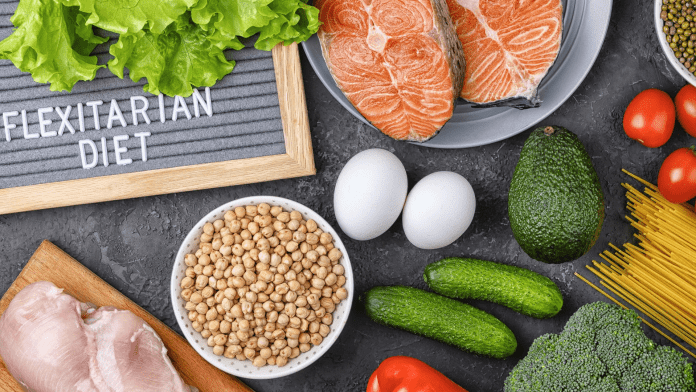
In the pursuit of achieving a sculpted and muscular physique, individuals often venture into various diets and workout regimens. Among the multitude of dietary approaches, the Flexitarian Diet has gained popularity for its unique blend of flexibility and health benefits. Unlike strict diets that focus on complete avoidance of certain food groups, the Flexitarian Diet allows for both plant-based and animal-based foods. This article explores how the Flexitarian Diet can be a powerful tool in unlocking muscle gains and leading you on the path to getting shredded in no time.
The Basics of the Flexitarian Diet:
The Flexitarian Diet, a term coined by registered dietitian Dawn Jackson Blatner, combines the words “flexible” and “vegetarian.” It emphasizes predominantly plant-based foods while allowing occasional inclusion of meat and other animal products. The primary focus is on whole, nutrient-dense foods, such as fruits, vegetables, whole grains, legumes, nuts, and seeds. The diet places a significant emphasis on the quality of the food consumed rather than strict calorie counting or macronutrient ratios.
Muscle Gains and the Flexitarian Diet:
One might wonder how a diet predominantly known for its health and environmental benefits can aid in muscle gains. The answer lies in the nutrient-rich nature of the Flexitarian Diet. Plant-based foods offer a diverse range of vitamins, minerals, antioxidants, and phytochemicals that support muscle function and recovery. Additionally, they provide ample amounts of dietary fiber, promoting healthy digestion and nutrient absorption, which is vital for muscle development.
Protein Sources in the Flexitarian Diet:
Protein is an essential macronutrient crucial for muscle growth and repair. Although the Flexitarian Diet reduces meat consumption, it offers various plant-based sources of protein, such as lentils, chickpeas, quinoa, tofu, tempeh, and seitan. These alternatives are packed with protein and contain no cholesterol, making them heart-healthy choices.
Moreover, plant-based protein sources are often lower in calories and saturated fats than their animal-based counterparts, making it easier to maintain a lean body composition while gaining muscle.
Optimizing Nutrient Timing:
To maximize muscle gains, it’s essential to understand the concept of nutrient timing. The Flexitarian Diet allows individuals to plan their meals around their workouts, ensuring that they consume sufficient protein and carbohydrates to support muscle recovery and replenish glycogen stores. Pre-workout meals rich in complex carbohydrates can provide sustained energy during exercise, while post-workout meals with adequate protein aid in muscle repair and growth.
Balancing Macronutrients:
While the Flexitarian Diet is predominantly plant-based, it still permits the inclusion of animal products in moderation. This flexibility allows individuals to balance their macronutrient intake according to their fitness goals. For those aiming to gain muscle mass, increasing protein intake while maintaining an adequate carbohydrate and healthy fat balance is crucial.
Healthy Fats and Muscle Development:
Healthy fats play a significant role in overall health and muscle development. The Flexitarian Diet encourages the consumption of sources like avocados, nuts, seeds, and olive oil, which provide essential fatty acids, supporting hormone production and muscle function. These fats also aid in reducing inflammation, promoting faster recovery from intense workouts.
Micronutrients for Optimal Muscle Function:
Muscle gains go beyond protein intake and macronutrient ratios. Micronutrients, such as magnesium, calcium, iron, zinc, and vitamins like B12 and D, are equally vital for optimal muscle function. The Flexitarian Diet emphasizes nutrient-dense foods, making it easier to meet these essential micronutrient needs.
Nutritional Supplementation for Flexitarians:
While the Flexitarian Diet is nutritionally rich, some individuals might find it challenging to meet certain nutrient requirements solely through food. In such cases, nutritional supplementation can be beneficial. For instance, plant-based athletes may opt for B12 or iron supplements to ensure they maintain healthy levels of these nutrients.
Flexitarianism and Sustainability:
In addition to its muscle-gain benefits, the Flexitarian Diet aligns with sustainable practices and environmental consciousness. By reducing meat consumption and favoring plant-based options, individuals contribute positively to the planet while nourishing their bodies.
Combining the Flexitarian Diet with an Effective Exercise Regimen:
To get shredded in no time, a well-rounded fitness routine is vital. Combining the Flexitarian Diet with a well-designed exercise regimen that includes strength training, cardiovascular exercises, and sufficient rest periods will enhance muscle development and overall fitness.
Final Thoughts:
The Flexitarian Diet, with its focus on plant-based nutrition while allowing moderate consumption of animal products, offers a unique approach to unlocking muscle gains and getting shredded. The diet’s nutrient-rich nature provides the necessary elements for muscle development and recovery, while its flexibility accommodates individual preferences and fitness goals. Combined with a comprehensive exercise routine, the Flexitarian Diet can lead you on a journey towards achieving your desired physique and embracing a sustainable and health-conscious lifestyle. Remember to consult with a registered dietitian or healthcare professional before making any significant dietary changes to ensure it suits your personal needs and health status.
Endometriosis is a challenging and often painful condition that affects millions of women worldwide. Characterized by the abnormal growth of endometrial tissue outside the uterus, this chronic disorder can lead to severe pain, infertility, and reduced quality of life. While conventional treatments like hormone therapy and surgery exist, many women seek alternative remedies to complement their management of endometriosis symptoms. One such natural option that has gained attention is ginger. This article aims to explore the potential benefits of ginger in managing endometriosis symptoms and how it may provide relief to women struggling with this condition.
Understanding Endometriosis:
Before delving into the role of ginger in managing endometriosis, it’s essential to grasp the key aspects of the condition. Endometriosis occurs when the endometrium, the tissue that lines the uterus, grows outside the uterine cavity, typically in the pelvic region. During the menstrual cycle, these endometrial tissues undergo similar changes as those inside the uterus, leading to inflammation, scarring, and the formation of painful lesions.
The symptoms of endometriosis can vary in intensity, ranging from mild discomfort to excruciating pain. Common symptoms include pelvic pain, heavy or irregular menstrual bleeding, pain during sexual intercourse, and infertility. The condition’s exact cause remains unclear, but hormonal imbalances, genetic factors, and immune system issues are believed to play a role in its development.
Conventional Treatment and Its Limitations:
Current medical treatments for endometriosis aim to manage symptoms, reduce pain, and improve fertility. Hormone therapy, such as birth control pills, is often prescribed to regulate the menstrual cycle and reduce the growth of endometrial tissue. For severe cases, surgery may be recommended to remove endometrial lesions and scar tissue. While these approaches can be effective, they also have limitations and potential side effects, prompting many women to explore alternative remedies like ginger.
The Potential of Ginger in Endometriosis Management:
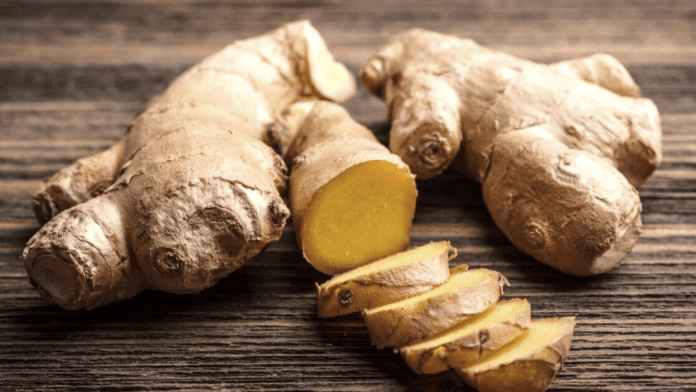
Ginger (Zingiber officinale) is a medicinal herb widely recognized for its anti-inflammatory, analgesic, and antioxidant properties. It has a long history of traditional use for various health conditions, including menstrual pain and discomfort. Several components in ginger, such as gingerols and shogaols, are believed to contribute to its therapeutic effects.
1. Anti-Inflammatory Properties:
Endometriosis is associated with chronic inflammation caused by the presence of ectopic endometrial tissue. Ginger’s potent anti-inflammatory properties may help alleviate this inflammation, reducing pain and discomfort associated with the condition. Studies in animal models have shown that ginger extracts can inhibit inflammatory markers and cytokines associated with endometriosis. However, more research is needed to establish its efficacy in human subjects.
2. Pain Relief:
The pain experienced by women with endometriosis can be debilitating and impact their daily lives. Ginger’s analgesic properties have been studied in various pain conditions, and it may offer relief for menstrual cramps and pelvic pain associated with endometriosis. Some studies suggest that ginger’s pain-relieving effects may be comparable to nonsteroidal anti-inflammatory drugs (NSAIDs), commonly used to manage endometriosis pain.
3. Hormone Regulation:
Endometriosis is influenced by hormonal changes during the menstrual cycle. Some research suggests that ginger may have a modulatory effect on estrogen levels, potentially helping to balance hormone fluctuations associated with the condition. However, further investigations are required to elucidate ginger’s precise mechanism of action in this context.
4. Antioxidant Activity:
Endometriosis involves oxidative stress, which can lead to cellular damage and worsen the inflammatory response. Ginger’s rich antioxidant content may help counteract oxidative stress and protect cells from damage, possibly contributing to the overall management of endometriosis symptoms.
5. Gastrointestinal Relief:
Many women with endometriosis also experience gastrointestinal symptoms, such as bloating, nausea, and diarrhea. Ginger has a long history of use in traditional medicine for digestive issues and may provide relief from these uncomfortable gastrointestinal symptoms.
Final Thoughts:
Endometriosis is a challenging condition that affects countless women worldwide. While conventional treatments exist, some individuals seek complementary and alternative remedies to manage their symptoms effectively. Ginger, with its anti-inflammatory, analgesic, and antioxidant properties, holds promise as a natural option for women struggling with endometriosis.
Although preliminary studies suggest the potential benefits of ginger in alleviating endometriosis symptoms, more rigorous research, including clinical trials, is needed to establish its efficacy and safety definitively. As with any alternative remedy, it is crucial for women with endometriosis to consult their healthcare providers before incorporating ginger into their treatment regimen, especially if they are already on medication or have underlying health conditions.
While ginger may not be a standalone cure for endometriosis, it could be a valuable addition to a comprehensive management plan, providing relief and improved quality of life for women battling this challenging condition. As research continues, we may gain a clearer understanding of ginger’s role in endometriosis management, offering hope for a brighter future for those affected by this condition.
As pet owners, we are constantly seeking ways to enhance our beloved furry companions’ well-being. Cats, being obligate carnivores, require a diet rich in animal protein to thrive. In recent years, veterinarians and pet nutrition experts have been increasingly advocating for a game-changing approach to feline nutrition – the raw food diet. This revolutionary feeding regimen aligns with a cat’s natural dietary requirements, unlocking their true health potential. In this article, we delve into the benefits, risks, and considerations of a raw food diet for cats, exploring why many vets are raving about this transformative approach to feline nutrition.
Understanding the Raw Food Diet for Cats:
The raw food diet for cats is based on the principle of feeding them uncooked, unprocessed, and biologically appropriate foods that mimic their ancestors’ diets in the wild. This diet typically consists of raw meat, organs, bones, and may include certain vegetables and supplements. Advocates argue that this diet optimizes a cat’s nutritional intake, better reflecting their evolutionary needs as obligate carnivores.
A primary benefit of this diet is the high protein content, which supports muscle maintenance, healthy skin, and a glossy coat. Additionally, proponents claim that the natural enzymes present in raw food aid in digestion and improve overall gastrointestinal health.
The Advantages of a Raw Food Diet:
Vets and cat owners have observed numerous advantages when transitioning to a raw food diet:
a. Improved Digestive Health: Raw food provides essential enzymes and nutrients that can alleviate digestive issues like constipation and diarrhea.
b. Weight Management: Cats are less likely to become overweight on a raw food diet, as it contains fewer carbohydrates and fillers often found in commercial cat food.
c. Increased Energy and Vitality: Many cat owners report their pets becoming more active and playful after switching to a raw food diet, indicating improved overall health.
d. Enhanced Dental Health: Chewing raw meat and bones helps to clean a cat’s teeth, reducing the risk of dental problems.
e. Better Coat and Skin Condition: The high-quality protein and essential fatty acids in raw food contribute to a lustrous coat and healthy skin.
f. Allergy and Sensitivity Relief: Some cats with food allergies or sensitivities may experience relief when fed a raw food diet free from common allergens present in processed food.
Potential Risks and Considerations:
While the raw food diet offers numerous benefits, it is essential to consider potential risks and challenges:
a. Nutritional Imbalance: Preparing a balanced raw food diet requires meticulous attention to detail, as cats require specific nutrients in precise proportions.
b. Bacterial Contamination: Raw food carries a risk of bacterial contamination, which can pose health hazards to both cats and their human caretakers.
c. Bone Hazards: Bones, although natural sources of calcium, can present choking or intestinal obstruction risks if not appropriately handled or if the cat gulps large pieces.
d. Time and Effort: Preparing a raw food diet can be time-consuming and may require extra effort compared to the convenience of commercial cat food.
e. Transition Difficulties: Some cats may be resistant to change, making the transition to a raw food diet challenging.
Safely Implementing a Raw Food Diet:
Consulting with a veterinarian is crucial before making any dietary changes for a cat. A veterinarian can offer guidance on creating a balanced raw food meal plan tailored to the cat’s individual needs, age, and health status. It is vital to source high-quality ingredients, including meat from reputable sources, to minimize the risk of contamination.
Final Thoughts:
The game-changing raw food diet for cats has indeed captured the attention of veterinarians and pet owners alike, promising to unleash their true health potential. By offering a nutritionally balanced diet that aligns with a cat’s evolutionary needs, proponents argue that this feeding regimen can lead to improved energy levels, better digestive health, and enhanced overall well-being. However, it is essential to approach this diet with caution and awareness of potential risks. Ultimately, with proper guidance from a veterinarian and responsible sourcing of ingredients, the raw food diet can be a valuable option for those seeking to provide their feline companions with optimal nutrition and health.
Are you experiencing persistent bloating and constipation, struggling to find a natural solution to alleviate your discomfort? Look no further than Triphala powder, an ancient herbal remedy from traditional Ayurvedic medicine. Triphala, a blend of three potent fruits – Amalaki (Indian gooseberry), Bibhitaki (Terminalia bellirica), and Haritaki (Terminalia chebula), offers a range of health benefits, especially for digestive issues. In this article, we will explore the incredible properties of Triphala powder, its potential benefits, and how to incorporate it into your daily routine for improved digestive health and overall well-being.
Understanding Triphala:
Triphala, a Sanskrit word, translates to “three fruits,” reflecting its composition of Amalaki, Bibhitaki, and Haritaki. This powerful herbal formula has been used for centuries in traditional Ayurvedic medicine, a holistic healing system originating in India. Ayurveda recognizes Triphala as a Tridoshic Rasayana, meaning it balances the three doshas (Vata, Pitta, and Kapha) that govern the body’s physiological and psychological functions.
Amalaki, the first fruit in Triphala, is known for its rich vitamin C content, antioxidants, and anti-inflammatory properties. Bibhitaki, the second fruit, possesses astringent qualities and can help balance mucus production. Haritaki, the final fruit, acts as a natural laxative and supports bowel movements.
Addressing Bloating:
Bloating, characterized by a feeling of fullness and discomfort in the abdomen, can arise from various factors, including indigestion, gas accumulation, or slow bowel movements. Triphala powder can effectively address these issues and reduce bloating. The combination of Amalaki’s anti-inflammatory properties, Bibhitaki’s mucus-balancing abilities, and Haritaki’s laxative effects helps improve digestion, relieve gas, and promote regular bowel movements.
Triphala’s laxative properties stimulate peristalsis, the rhythmic contractions of the intestines, which aids in moving stool through the digestive tract. Moreover, it softens the stool, making it easier to pass, thereby preventing constipation and reducing bloating.
Alleviating Constipation:
Constipation can be frustrating and discomforting, affecting millions of people worldwide. Triphala’s natural laxative effect gently encourages bowel movements, providing relief from constipation without causing dependency or irritation. Haritaki, as a gentle laxative, promotes regularity, while Amalaki and Bibhitaki contribute to improved gut health, further reducing constipation.
Triphala powder also supports the growth of beneficial gut bacteria, enhancing the gut’s microbiome. A balanced gut flora is essential for overall digestive health and immunity, as it helps break down food, absorb nutrients, and protect against harmful pathogens.
Dosage and Preparation:
To incorporate Triphala powder into your routine, it is crucial to follow the correct dosage and preparation guidelines. Triphala is commonly available as a powder, capsules, or liquid extract. The recommended dosage may vary based on individual needs and the form of Triphala used.
For Triphala powder, a typical dosage is one to two teaspoons mixed with warm water or herbal tea before bedtime. The warm liquid aids in the gentle elimination of toxins and promotes better digestion. Gradually increase or decrease the dosage as required, and it is advisable to consult an Ayurvedic practitioner or healthcare professional for personalized recommendations.
Final Thoughts:
Triphala powder, with its powerful blend of Amalaki, Bibhitaki, and Haritaki, offers an effective and natural solution for bloating and constipation issues. Its ability to balance the doshas, reduce inflammation, and support a healthy gut makes it a valuable addition to your digestive health regimen. Remember to source high-quality Triphala powder and adhere to the recommended dosage guidelines to experience the full range of its benefits. Embrace this ancient Ayurvedic remedy and bid farewell to bloating and constipation, welcoming improved well-being and vitality into your life.
Acne is a common skin problem that affects millions of teenagers worldwide. It not only affects their physical appearance but can also have a significant impact on their self-esteem and confidence. Over the years, various skincare products have promised miraculous results, but many of them fall short of expectations. However, there is one skincare secret that is gaining popularity among teens – the Goji Berry. Packed with essential nutrients and antioxidants, Goji Berry is believed to be a game-changer in the skincare industry. In this article, we will explore the benefits of Goji Berry and why teens are swearing by its effectiveness in combatting acne and achieving radiant glows.
The Nutritional Powerhouse: Goji Berry
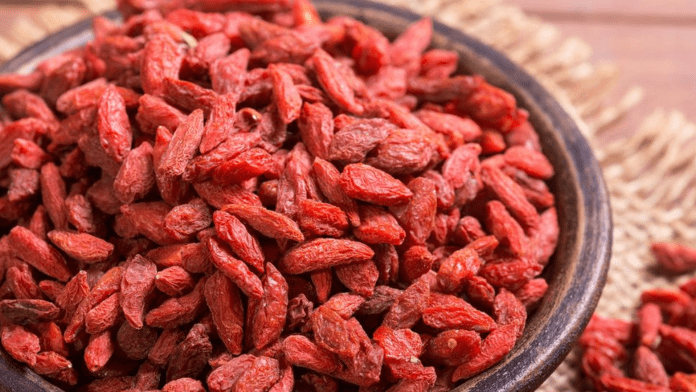
Goji Berry, also known as wolfberry, is a small bright red fruit native to China. It has been a staple in traditional Chinese medicine for centuries due to its potent health benefits. The fruit is rich in essential vitamins, including Vitamin C, Vitamin A, and Vitamin E. Additionally, it contains numerous minerals like zinc, iron, and selenium, which are vital for maintaining healthy skin. These nutrients work together to boost the immune system and promote overall skin health, making it an ideal ingredient for skincare products.
Antioxidant Properties and Anti-Inflammatory Effects:
One of the main reasons why Goji Berry is gaining popularity in the skincare industry is its powerful antioxidant properties. Antioxidants are essential for neutralizing free radicals, which are unstable molecules that can cause oxidative stress in the skin. By reducing oxidative stress, Goji Berry helps prevent premature aging and keeps the skin looking youthful and vibrant.
Moreover, Goji Berry has anti-inflammatory effects, which are particularly beneficial for individuals with acne-prone skin. Inflammation is a key factor in the development of acne, and by calming the skin, Goji Berry can help reduce redness, swelling, and discomfort associated with breakouts.
Hydration and Moisturization:
Proper hydration is crucial for maintaining healthy skin, and Goji Berry is an excellent natural moisturizer. Its high water content helps keep the skin hydrated and plump, preventing dryness and flakiness. When the skin is well-hydrated, it becomes more resilient and less susceptible to irritations and breakouts.
Enhancing Skin Elasticity:
Collagen is a protein that plays a crucial role in maintaining skin elasticity and firmness. As we age, collagen production decreases, leading to sagging skin and wrinkles. Goji Berry is known to stimulate collagen synthesis, which helps improve skin elasticity and reduces the appearance of fine lines and wrinkles. For teenagers dealing with acne scars, this property of Goji Berry can be particularly helpful in promoting skin healing and reducing the long-term effects of acne.
Natural Exfoliation:
Dead skin cells can accumulate on the surface of the skin, leading to clogged pores and acne breakouts. Goji Berry contains natural enzymes that gently exfoliate the skin, helping to remove these dead cells and promote a smoother complexion. Unlike harsh chemical exfoliants, Goji Berry offers a gentle and natural way to reveal fresh, radiant skin.
How to Incorporate Goji Berry into Skincare Routine:
The skincare industry has embraced the benefits of Goji Berry, and now there are various products available to suit every teenager’s needs. Some popular ways to incorporate Goji Berry into a skincare routine include:
1. Goji Berry Cleansers: Start your skincare routine with a Goji Berry-infused cleanser to remove dirt, makeup, and impurities from the skin’s surface.
2. Goji Berry Face Masks: Treat your skin to a pampering session with a Goji Berry face mask, designed to nourish and revitalize your complexion.
3. Goji Berry Serums: Serums are concentrated formulations that deliver a high dose of active ingredients to the skin. Look for serums containing Goji Berry to target specific skin concerns like acne or dullness.
4. Goji Berry Moisturizers: Hydrate your skin and lock in moisture with a Goji Berry-infused moisturizer for a supple and soft complexion.
Final Thoughts:
Acne is a common problem faced by teenagers, and finding effective skincare solutions is a top priority. Goji Berry, with its powerful combination of antioxidants, vitamins, and minerals, is emerging as a skincare secret that many teens swear by. From fighting acne to promoting radiant glows, Goji Berry’s natural properties have proven to be beneficial for youthful, healthy-looking skin. As the skincare industry continues to evolve, it’s evident that Goji Berry is here to stay as a prized ingredient in many skincare formulations, helping teens gain confidence in their skin and unlock their radiant glows.
Coffee is the elixir that fuels the working world. For many professionals, it’s the much-needed kickstart to get through a long day at the office. However, making the perfect cup of coffee can be an art, and with the right hacks, you can transform your coffee experience from mediocre to extraordinary. In this article, we’ll share ten coffee hacks that every working professional should know to enhance their coffee brewing skills, save time, and achieve that perfect cup of joe to power through the day.
1. Invest in Quality Beans:
The foundation of an excellent cup of coffee starts with high-quality beans. Don’t settle for cheap, stale coffee beans. Instead, invest in freshly roasted, specialty coffee beans from reputable sources. The difference in flavor and aroma is noticeable, and it’s an essential step towards achieving a better coffee experience.
2. Grind Freshly:
To fully extract the flavors from your coffee beans, grind them just before brewing. This ensures that the essential oils and aromas are preserved, resulting in a richer, more flavorful cup of coffee. Invest in a good-quality burr grinder to achieve a consistent grind size, which is crucial for a balanced extraction.
3. Water Quality Matters:
Water makes up a significant portion of your coffee, so its quality directly impacts the final taste. Use filtered water to avoid impurities and undesirable flavors. Steer clear of distilled or softened water, as they may lead to a flat-tasting coffee. For the best results, follow the Specialty Coffee Association’s guidelines on water quality and temperature.
4. Master the Coffee-to-Water Ratio:
Getting the coffee-to-water ratio right is vital for a well-balanced brew. Too much coffee can result in a bitter taste, while too little can make it weak. The standard ratio is 1:15 or 1:16 (coffee to water). Adjust this according to your preference and the strength of your coffee beans.
5. Experiment with Brewing Methods:
Don’t limit yourself to just one brewing method. Try various techniques like pour-over, French press, AeroPress, espresso, or cold brew. Each method offers a unique taste profile, and experimenting allows you to find the one that suits your palate the best.
6. Pre-Infusion Technique:
For pour-over or drip brewing methods, consider using the pre-infusion technique. This involves wetting the coffee grounds slightly and allowing them to bloom for about 30 seconds before continuing with the full pour. Pre-infusion releases trapped gases and ensures a more even extraction, resulting in a more flavorful cup.
7. Temperature Control:
Brewing your coffee at the right temperature is crucial for achieving the best flavors. Invest in a good kettle with temperature control capabilities or use a thermometer to ensure your water is between 195°F to 205°F (90°C to 96°C) – the optimal range for coffee extraction.
8. Froth Milk Like a Pro:
For those who enjoy milk-based coffee drinks, frothing the milk like a barista can take your coffee to the next level. Invest in a milk frother or learn the art of manual frothing with a French press or handheld frother. Properly frothed milk adds a creamy texture and enhances the overall experience of your latte or cappuccino.
9. Sweeten Creatively:
Experiment with natural sweeteners like honey, maple syrup, or agave nectar instead of traditional refined sugar. These alternatives offer a unique taste and add depth to your coffee without overpowering its natural flavors. Remember to start with small quantities and adjust to your desired sweetness.
10. Store Coffee Beans Properly:
To preserve the freshness and flavor of your coffee beans, store them correctly. Use airtight containers made of glass or ceramic, and keep them in a cool, dark place, away from direct sunlight and humidity. Avoid storing coffee beans in the refrigerator or freezer, as they can absorb unwanted odors.
Final Thoughts:
Coffee is more than just a beverage; it’s a ritual that keeps working professionals energized and motivated. With these ten coffee hacks, you can elevate your coffee brewing skills and indulge in a truly delightful coffee experience. Invest in quality beans, master the brewing methods, and pay attention to the little details like water quality and milk frothing. Remember, brewing coffee is an art, and a little experimentation can lead to remarkable discoveries. So, go ahead, start your day with a better cup of coffee, and let it inspire you to conquer the challenges that lie ahead. Happy brewing!
We use cookies to ensure that we give you the best experience on our website. If you continue to use this site we will assume that you are happy with it.