Wednesday, January 14, 2026
Home Blog Page 1012

Want a Celeb-Style Physique? Learn What Deepika Padukone Eats for a Flawless Figure!

0
Deepika Padukone

As the world becomes increasingly health-conscious and fitness-oriented, people are drawn to celebrities’ physiques as benchmarks of the ideal body. Deepika Padukone, one of Bollywood’s leading actresses, is known for her impeccable beauty and stunning physique. Many admire her toned figure and wonder about the secrets behind her flawless appearance. This article will delve into Deepika Padukone’s dietary habits and explore how they contribute to her enviable physique. By understanding her approach to food and nutrition, we can gain valuable insights into building a healthy lifestyle and working towards our fitness goals.

Deepika Padukone’s Dietary Philosophy:

Before diving into the specifics of her meals, it’s essential to understand Deepika Padukone’s overall dietary philosophy. She is an advocate of balanced eating, focusing on fresh, nutrient-rich foods that nourish her body and mind. Rather than following fad diets or extreme eating plans, Deepika emphasizes the importance of maintaining a healthy relationship with food and making sustainable choices for long-term well-being.

Day in Deepika Padukone’s Diet:

Let’s take a closer look at a typical day in Deepika Padukone’s diet, starting with her breakfast choices.

Breakfast:

Breakfast is often considered the most important meal of the day, and Deepika ensures she starts her day on the right foot. She favors a wholesome breakfast consisting of a combination of carbohydrates, proteins, and healthy fats. Some of her go-to options include:

  • Fresh fruit: Deepika enjoys a variety of fruits such as berries, papaya, and melons, providing essential vitamins and antioxidants.
  • Whole grain cereals: She includes cereals like oatmeal or muesli, which provide a good source of complex carbohydrates and fiber, keeping her energized throughout the morning.
  • Nuts and seeds: These add a dose of healthy fats and additional nutrients to her breakfast, providing satiety and promoting overall well-being.
  • Protein-rich options: Deepika incorporates eggs, Greek yogurt, or plant-based protein sources like tofu to fulfill her protein needs, supporting muscle maintenance and repair.

Lunch:

Deepika Padukone’s lunch revolves around a balanced meal that keeps her nourished and energized for the rest of the day. Her typical lunch consists of:

  • Green vegetables: Deepika includes a generous portion of leafy greens and other colorful vegetables, providing essential vitamins, minerals, and fiber.
  • Lean protein: She opts for lean protein sources like grilled chicken, fish, or lentils, aiding in muscle development and maintenance.
  • Complex carbohydrates: Her lunch may include brown rice, quinoa, or whole-grain bread, supplying sustained energy and supporting her active lifestyle.
  • Salad: Deepika includes a refreshing salad with a mix of vegetables and a light dressing, making her lunch more nutritious and flavorful.

Snacks:

Like many health-conscious individuals, Deepika Padukone understands the importance of healthy snacking to curb hunger and maintain energy levels between meals. Her snacks often include:

  • Fresh fruits: She incorporates seasonal fruits, offering a natural and nutritious way to satisfy her sweet cravings.
  • Nuts and seeds: A handful of nuts or seeds provides healthy fats, protein, and essential nutrients, helping her stay satiated throughout the day.
  • Protein bars or shakes: When on the go, Deepika may opt for protein bars or shakes, ensuring she meets her protein requirements even in her busy schedule.

Dinner:

Deepika’s dinner is light and easily digestible, avoiding heavy meals before bedtime. Her typical dinner includes:

  • Grilled vegetables: Deepika often prefers a variety of grilled vegetables like zucchini, bell peppers, and asparagus, supplying a range of nutrients.
  • Lean protein: Grilled fish, tofu, or turkey are some of the protein options she incorporates into her dinner, promoting muscle repair during sleep.
  • Soup or clear broth: A warm, light soup aids digestion and provides comfort, especially during colder months.

Staying Hydrated:

In addition to her balanced meals, Deepika Padukone emphasizes the importance of staying hydrated throughout the day. She believes that drinking an adequate amount of water is crucial for maintaining healthy skin, supporting digestion, and boosting overall well-being. To make her hydration routine more exciting, Deepika occasionally adds slices of fruits or herbs like mint to her water, enhancing its taste and nutritional value.

Cheat Meals and Indulgences:

While Deepika Padukone follows a disciplined and nutritious diet, she is also pragmatic about indulging in her favorite treats occasionally. She believes in striking a balance between healthy eating and enjoying guilty pleasures to maintain a positive relationship with food. Deepika often treats herself to small portions of desserts or favorite dishes during celebrations or special occasions.

Exercise and Fitness Regimen:

It’s crucial to mention that Deepika Padukone’s enviable physique isn’t solely the result of her diet. She combines her nutritious eating habits with a disciplined exercise routine to achieve her fitness goals. Deepika follows a comprehensive fitness regimen that includes a mix of cardio, strength training, and flexibility exercises. Her workouts are designed to enhance her stamina, maintain muscle tone, and promote overall fitness.

Final Thoughts:

Deepika Padukone’s flawless figure is the result of a holistic approach to health and well-being. Her dietary choices revolve around balanced meals that provide essential nutrients, support her active lifestyle, and contribute to her radiant beauty. By learning from her dietary philosophy and incorporating some of her habits into our own lives, we can move closer to our fitness aspirations while fostering a healthier relationship with food.

It is important to remember that each individual’s dietary needs and preferences are unique, and it’s essential to consult with a healthcare professional or a registered dietitian before making any significant changes to one’s diet.

Advertisement

Save Time and Stay Healthy: The Sunday Meal Prep Strategy You Need to Try ASAP!

meal prep strategy

In today’s fast-paced world, time has become a precious commodity, and maintaining a healthy lifestyle often takes a back seat. With busy schedules and numerous commitments, it’s easy to fall into the trap of consuming unhealthy fast food or skipping meals altogether. However, there’s a solution that can help you save time, money, and promote a healthier lifestyle – Sunday meal prep!

Sunday meal prep is a popular and effective strategy that involves preparing meals and snacks for the upcoming week on a Sunday. This approach not only saves you time and effort during the hectic weekdays but also allows you to make healthier food choices consistently. In this article, we will explore the benefits and the step-by-step process of Sunday meal prep to help you embark on this life-changing journey.

The Benefits of Sunday Meal Prep:

  • Time-Saving:

One of the most significant advantages of Sunday meal prep is the time it saves throughout the week. By dedicating a few hours on Sunday to prepare your meals and snacks, you eliminate the need to cook from scratch during busy weekdays. This extra time can be utilized for other essential activities, such as spending time with family, pursuing hobbies, or focusing on work-related tasks.

  • Cost-Effective:

Not only does Sunday meal prep save time, but it also saves money. Buying groceries in bulk and preparing meals in advance helps you make the most of discounts and promotions, reducing your overall grocery expenses. Moreover, by having pre-prepared meals on hand, you’re less likely to dine out or order takeout, which can be significantly more expensive than cooking at home.

  • Improved Nutrition:

The Sunday meal prep strategy enables you to plan your meals in advance, ensuring you consume a well-balanced and nutritious diet throughout the week. By controlling portion sizes and selecting wholesome ingredients, you can reduce the intake of processed foods, excessive sugars, and unhealthy fats. This approach can contribute to better weight management and overall health.

  • Reduced Stress:

Rushing to prepare meals after a tiring day at work can be stressful and lead to impulsive food choices. Sunday meal prep eliminates the last-minute scramble, providing you with ready-to-eat, healthy options whenever you need them. This reduced stress can positively impact your mental well-being and improve your overall outlook on life.

The Sunday Meal Prep Process:

  • Planning:

The first step in the Sunday meal prep process is planning. Take some time to decide what meals you want to prepare for the week ahead. Consider your dietary preferences, nutritional needs, and any dietary restrictions. Look up recipes or draw inspiration from cookbooks, online resources, or meal planning apps. Make a shopping list and ensure you have all the necessary ingredients before starting.

  • Grocery Shopping:

Head to the grocery store or order your groceries online, following the list you prepared during the planning stage. Stick to the list to avoid unnecessary purchases and potential food waste. Buying in bulk and taking advantage of sales and discounts can help you save money in the long run.

  • Preparing Ingredients:

Upon returning from the grocery store, start prepping the ingredients for your meals. Wash, chop, and portion vegetables, meat, and other components to streamline the cooking process. Store these prepped ingredients in airtight containers or resealable bags in the refrigerator.

  • Cooking:

With your ingredients ready, begin the cooking process. Prepare dishes that can be easily reheated or assembled during the week. For example, you can cook a batch of whole grains like quinoa or brown rice, roast vegetables, bake chicken breasts, or prepare a hearty stew. Separate the cooked food into individual meal containers to ensure proper portion sizes and easy access.

  • Storage and Labeling:

Proper storage is crucial for maintaining the freshness and quality of your prepared meals. Ensure the containers are tightly sealed and store them in the refrigerator or freezer, depending on the dish and your consumption timeline. Label each container with the meal’s contents and date of preparation to keep track of freshness.

  • Ready-to-Eat Snacks:

Aside from main meals, consider preparing some healthy snacks for the week. Wash and cut fruits, portion out nuts or trail mixes, and make some energy bars or granola bites. These snacks will come in handy when hunger strikes between meals and prevent you from reaching for less nutritious options.

Maintaining Variety and Creativity:

  • Rotating Recipes:

While consistency is a key benefit of Sunday meal prep, it’s essential to introduce variety to avoid food boredom. Rotating recipes and trying new dishes each week can keep your taste buds excited and engaged.

  • Theme Days:

Introducing theme days can add an element of fun and creativity to your meal prep routine. For example, you can have “Meatless Mondays,” “Taco Tuesdays,” or “Asian Fusion Fridays.” This approach ensures diversity in your meals while still adhering to your pre-planned menu.

  • Batch Cooking:

Batch cooking is another technique that can enhance variety. Instead of preparing single-serving meals, consider cooking larger portions and freezing individual portions for future weeks. This way, you can build up a stock of various dishes, enabling you to choose from a wider range of meals throughout the month.

Tips for a Successful Sunday Meal Prep:

  • Invest in Quality Containers:

Invest in durable, microwave-safe, and BPA-free containers that are suitable for storing your prepped meals. Glass or high-quality plastic containers with secure lids are ideal for preserving the freshness of your food.

  • Label and Date:

As mentioned earlier, proper labeling and dating of your meal containers are essential for keeping track of freshness. Use masking tape or adhesive labels to make the information easily visible.

  • Schedule and Consistency:

Stick to a consistent meal prep schedule each Sunday to build a routine. Dedicate a specific time block for your meal prep activities, and soon it will become a seamless part of your weekly routine.

  • Mindful Portioning:

Pay attention to portion sizes when assembling your meals. Be mindful of your caloric needs and nutritional requirements. Balancing the right amounts of proteins, carbohydrates, and fats is key to maintaining a healthy diet.

Final Thoughts:

Sunday meal prep is a game-changing strategy for anyone looking to save time, money, and improve their overall health. By dedicating a few hours on Sunday to plan, shop, prep, and cook meals for the upcoming week, you can ensure consistent access to nutritious and delicious food options. The benefits of time-saving, cost-effectiveness, improved nutrition, and reduced stress make Sunday meal prep a valuable tool for maintaining a healthier lifestyle.

Remember to plan your meals, shop wisely, and prepare ingredients and dishes with care. Embrace variety and creativity to keep things interesting, and use high-quality containers for proper storage. With a little effort and dedication, Sunday meal prep can become a practical and enjoyable habit that empowers you to take charge of your health and well-being. So, don’t wait any longer – give the Sunday meal prep strategy a try ASAP and experience the positive impact it can have on your life!

Advertisement

After McDonald’s, Subway India outlets remove tomatoes from salads and sandwiches amidst soaring prices

0
Subway outlet
Subway outlet

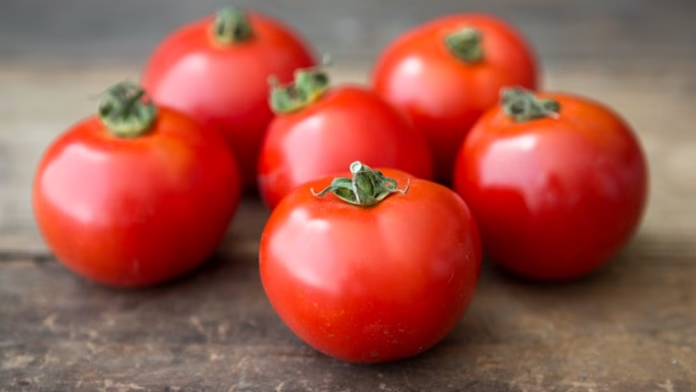
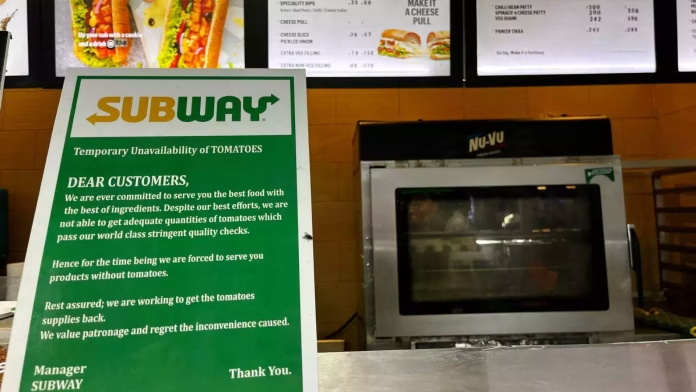
As a response to the unprecedented surge in tomato prices, several Subway India outlets have made the decision to discontinue the inclusion of tomatoes in their salads and sandwiches. The move comes as a response to the quality challenges faced by the foreign brand, with the cost of this essential staple skyrocketing by almost 400% to reach record highs in the country.

A Delhi airport terminal Subway outlet has informed its customers about the “Temporary Unavailability of TOMATOES” through a sign displayed at the restaurant. The message states that the outlet is currently facing challenges in sourcing tomatoes that meet their stringent quality standards. As a result, they are unable to serve tomatoes until the supply issue is resolved.

“Hence for the time being we are forced to serve you products without tomatoes,” it said. “We are working to get the tomatoes supplies back.”

Everstone Group’s Culinary Brands, the master franchisee for approximately 200 out of India’s 800 Subway locations, and responsible for overseeing the supply chain for all these outlets, remained silent when approached for a comment.

The exact number of affected outlets remained unclear.

Based on checks of food ordering apps and calls to stores, numerous Indian outlets were reported to still be offering tomatoes. However, it was observed that at least two outlets in New Delhi, one in Uttar Pradesh, and one in Chennai had halted the availability of tomatoes.

“It’s very expensive,” said one Subway store employee.

Around two weeks ago, McDonald’s outlets in various regions of India made the decision to remove tomatoes from their burgers and wraps due to quality issues.

Read More: McDonald’s in Delhi grapples with tomato crisis, temporarily removes tomatoes from offerings

In the capital city of New Delhi, tomatoes were being sold at approximately INR 168 ($2.05) per kilogram (93 cents per pound) on Saturday, following a recent peak of around INR 240.

The government attributes the surge in tomato prices to a lean production season, which has been further exacerbated by disruptions in transport and distribution due to monsoon rains. This rise in prices is part of a larger trend that has persisted for several months, impacting a variety of items, including milk and spices.

In recent weeks, the government has taken the initiative to set up mobile vans that offer tomatoes at more affordable rates. As a result, hundreds of people have been queuing up daily to avail of this cost-effective option.

Amidst high inflation leading to reduced consumer spending in India, global restaurant chains such as Domino’s and KFC are adapting their strategies. They are introducing lower-priced products to cater to the current economic climate. Domino’s, for instance, is actively promoting its 60-cent seven-inch pizza, which happens to be the brand’s most budget-friendly offering worldwide, exclusively in the country.

Advertisement

Say goodbye to wallets: Amazon unveils palm-based payments for grocery stores

0
palm based payment
Customers can now make payments using the palms of their hands

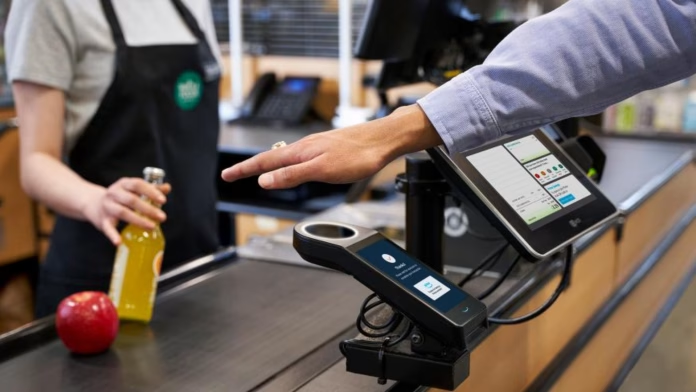
No need to worry if you accidentally leave your wallet and phone behind on your next grocery outing. Thanks to Amazon’s (AMZN) Whole Foods, customers can now make payments using the palms of their hands.

The consumer tech giant made an announcement on Thursday regarding its intention to introduce the palm-payment technology, known as Amazon One, across all 500-plus Whole Foods stores in the United States by the end of this year. Consequently, patrons will have the convenience of simply hovering their hand over an Amazon One device during checkout. This action will allow them to make payments using the card associated with their Amazon account and automatically apply any available savings.

Presently, the technology is accessible at over 200 locations across the US, encompassing states such as Arizona, Colorado, Idaho, Kansas, Louisiana, Oklahoma, and several others.

Customers have the option to pre-enroll in Amazon One by providing their credit or debit card information, linking it to their Amazon account, and registering their mobile number online. This quick pre-enrollment process takes approximately one minute. Afterward, they can finalize the enrollment by scanning their palm at a Whole Foods store or any other participating location where the Amazon One technology is available.

Earlier this year, Panera Bread launched Amazon One at two of its St. Louis-based locations, and now they have intentions to extend this service to 10 to 20 additional stores in proximity to Amazon’s headquarters in Seattle.

During that time, the then-CEO of Panera Brands, Niren Chaudhary, expressed his anticipation that the adoption of Amazon One would “spread rapidly.”

He added, “I just see this as a natural evolution of using biometric technology to drive convenience, loyalty identification, and payment,” similar to how it’s being used in airports and supermarkets.

Amazon One has also been implemented at Coors Field (TAP), the home stadium of the Colorado Rockies MLB team. It serves the purpose of verifying the ages of fans who purchase alcohol during games. In addition to sports venues, this technology is also available at various other locations, including gyms, airports, and more.

According to Leandro Balbinot, the CTO of Whole Foods Market, ever since the company introduced the technology at its locations two years ago, they have received feedback from customers expressing their love for the convenience it provides.

The expansion of Amazon One coincides with Wall Street’s ongoing enthusiasm for Amazon’s stock. Year-to-date, shares have surged by nearly 57%, representing an 11% increase compared to the previous year.

Advertisement

Tomato prices set to drop with new crop arrival from Maharashtra and Madhya Pradesh: Government

0
Tomatoes
Tomatoes (Representative Image)

In light of the surge in tomato prices within the retail market, Minister of State of Consumer Affairs, Ashwini Kumar Choubey, expressed optimism that the prices are anticipated to decline soon. He pointed out that this reduction is likely to occur as the new crop from Maharashtra and Madhya Pradesh starts to arrive in the market.

This was in response to an unstarred question in the Rajya Sabha by MP Kartikeya Sharma in the Monsoon session of the Parliament.

The Consumer Affairs Minister emphasized that the Government has taken action to address the rising prices of tomatoes and ensure they remain affordable for consumers. To achieve this, they have initiated the procurement of tomatoes through the Price Stabilisation Fund, making them accessible to the public at significantly subsidized rates.

“The National Cooperative Consumers Federation (NCCF) and National Agricultural Cooperative Marketing Federation (NAFED) are continuously procuring tomato from mandis in Andhra Pradesh, Karnataka and Maharashtra and making it available at affordable prices in major consuming centres in Delhi-NCR, Bihar, Rajasthan after subsidizing the price to the consumers,” the Minister stated.

Read More: Central government takes action to address soaring tomato prices, plans procurement from key states

“The tomatoes have been disposed initially at retail price of INR 90/kg which has been reduced to INR 80/kg from 16.07.2023 and further reduced to INR 70/kg from 20.07.2023,” the statement added.

According to the Minister, the recent surge in tomato prices could serve as an incentive for farmers to increase tomato cultivation, which, in turn, is expected to stabilize prices in the upcoming months.

As per the Minister’s statement, the Department of Agriculture and Farmers Welfare (DAFW) enacts the Market Intervention Scheme (MIS) to safeguard growers of perishable agri-horticultural commodities from facing distress sales during periods of bumper crop production. This initiative aims to counteract the situation when prices drop below economic levels and the cost of production, thereby providing support to the farmers.

Nevertheless, he added that the Department of Agriculture and Farmers Welfare has not received any proposals from State Governments to date for market intervention in order to tackle the distress sale of tomatoes.

Additionally, he stated that the Ministry of Food Processing Industries carries out Operation Greens with the aim of enhancing value addition and reducing post-harvest losses of agri-horticultural commodities, including tomatoes.

Advertisement

Sunflower oil and wheat prices surge in India as Russia suspends Black Sea grain deal

0
edible oil
(Representative Image)

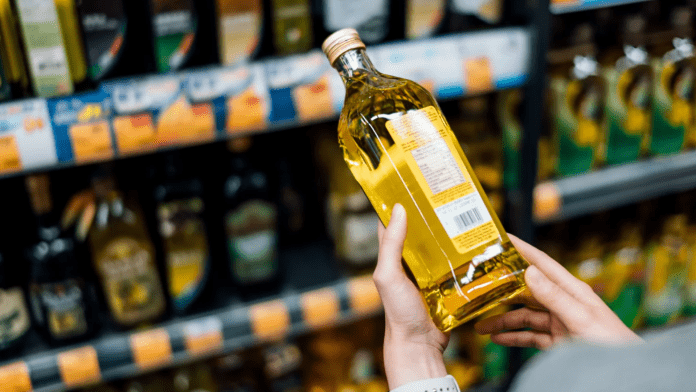
Sunflower oil and wheat prices are witnessing an upward trend in India due to Russia’s suspension of a deal that permitted the export of commodities from conflict-ridden Ukraine through the Black Sea.

In addition, soybean oil prices are also increasing due to adverse weather conditions in the US, which have negatively impacted soybean production in the country. The US is known as a major producer and exporter of soybeans.

Following Russia’s decision on July 17 to withdraw from the year-old agreement permitting the movement of grains and other foodstuffs through the Black Sea despite the Russian naval blockade, shipments of sunflower oil to India have come to a halt. Adding to the predicament, within the next two days, Russia carried out bombings on the Ukrainian grain port of Odesa, resulting in the reported destruction of over 60,000 tonnes of grain.

India meets its domestic demand for sunflower and soybean oils through imports. However, following the suspension of the deal, there has been a notable surge in sunflower oil prices, with an increase of nearly 8%.

“Prices of both sunflower and soyabean oils have started moving up,” said Sandeep Bajoria, Bajoria, CEO of Sunvin Group, a vegetable oil brokerage and consultancy firm. “If Russia does not extend the grain deal, then prices of sunflower oil go up further. On the other hand, dry weather conditions in the US have driven up the prices of soyabean oil by 5% in the last week.”

According to Bajoria, during the ongoing oil year spanning from October 2022 to November 2023, the demand for sunflower oil is projected to reach 3 million tonnes, a significant rise from the previous year’s 2.3 million tonnes. This increase in demand can be attributed to the lower cooking oil prices experienced compared to the previous year, which led to a growth in oil consumption. It’s worth noting that India typically imports around 14.5 to 15 million tonnes of oil annually.

Russia’s move has also put the consumer staple companies in a spot. “Even though the prices of imported sunflower oil have increased from $960 per tonne to $1030 per tonne in the last three to four days, we cannot increase prices at the retail end immediately,” said Pradeep Chowdhry, managing director of Gemini Edibles & Fats.

Following Russia’s withdrawal from the Black Sea grain deal, global wheat prices experienced a sharp increase. On Wednesday, wheat prices on the European stock exchange surged by almost 9% compared to the previous day, reaching $284 per tonne.

US wheat futures witnessed a significant surge of 8.5%, marking the highest daily increase since the outbreak of the war in February of the previous year.

“Prices of wheat are expected to go up by 15% in the next three to four months,” said Anjani Aggarwal, past president of the Roller Flour Millers Association of India. “The suspension of the grain deal will further give a fillip to the price hike.”

Simultaneously, the dry weather conditions in the US are a cause of concern for the Indian edible oil industry. As per the US Department of Agriculture’s June 30 acreage report, there is a 4.6% reduction in soybean acreage compared to the previous year, with the current figure standing at 83.5 million acres.

Advertisement

Woman brings 10 kg of tomatoes from Dubai amid price surge – You won’t believe why!

0
tomato
Tomatoes (Representative Image)

The escalating costs of tomatoes have become a recurring headline, grabbing attention frequently. From instances of tomato theft to acts of distributing them for free or selling at discounted rates bundled with other products, a variety of news stories are emerging these days. Adding to the current situation, a woman has recently brought 10 kg of tomatoes from Dubai as per her mother’s request, amid the ongoing surge in prices.

According to reports, a woman who was on a summer holiday visit to her mother in India from the United Arab Emirates (UAE) asked her mother if she wanted anything from the city known for its luxury shopping. Surprisingly, her mother requested her to bring 10 kg of tomatoes. The woman’s sister recently shared this incident on Twitter.

Under the Twitter handle @Full_meals, the woman’s sister wrote, “My sister is coming to India from Dubai for summer holidays with her children, and she asked her mother if she wanted something from Dubai, then the mother said to bring 10 kg of tomatoes. That’s why they have packed 10 kg tomatoes in suitcases and sent them.” Furthermore, she added, “Her sister had transported the tomatoes from Dubai to India by packing them in Pearlpet storage jars, which were then placed in her bag.”

As soon as this tweet came, this amusing story went viral and has so far been viewed 54.4 thousand times and people are giving funny reactions to this tweet. People are commenting on what will they do with such a numerous amount of tomatoes, to which Revs replied, “As a family we use a ridiculous amount of tomatoes so my will make a like a pickle, a chutney, bring some for me.”

To this tweet, a Functional Nutritional Coach and Chef named Nayantara Bagla tweeted, “In this time of inflation, the best daughter award is probably going in that direction.”

Another person tweeted the statistics and wrote, “Tomatoes in Dubai cost 5.8-6 AED/kg – which accounts to ₹130/kg. In Chennai, depending on the quality you can get tomatoes between ₹125-135. I think your mother was being nice and being funny. We are not adding the ₹10k one-way flight OR the fact that Dubai imports tomatoes from India.”

Advertisement

Indian Railways introduces INR 20 budget-friendly meals for general-class passengers

0
railway food
(Representative Image)

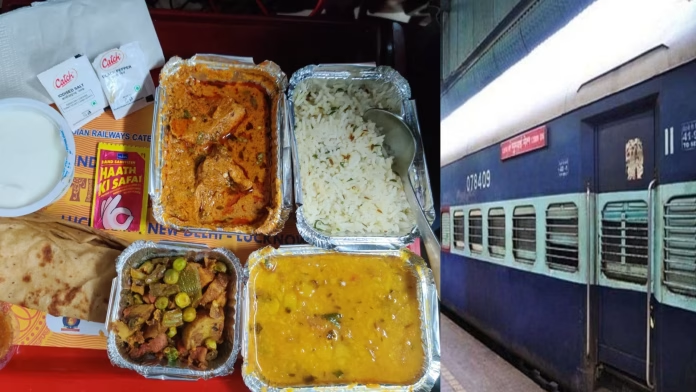
The Indian Railways has taken a significant step by introducing budget-friendly meals tailored exclusively for passengers traveling in general-class coaches. With a strong focus on affordability, they have set the price of each economy meal at just INR 20, while offering snacks at a reasonable INR 50.

As per the notification issued by the railway board, these food options will be conveniently served through extended service counters strategically positioned on platforms adjacent to general-class coaches.

The menu offers a diverse selection of both South and North Indian cuisine, encompassing dishes such as aaloo-pooris, rice, pao-bhaji, masala dosa, khichdi, and chole kulche/bhature, among others.

Additionally, the railway board has made arrangements to provide packaged drinking water at a reasonable cost.

The introduction of extended service counters at railway stations is being carried out on a trial basis for a period of six months. Currently, the service is already operational at 51 stations, and it is set to be extended to an additional 13 stations.

The Railways has also decided to address the needs of lower-income groups, particularly those who work as manual laborers, by introducing a set of trains tailored to their requirements. These thoughtfully designed trains will feature a combination of sleeper and general-class coaches, ensuring that passengers from all walks of life can travel comfortably. The Railway’s compassionate approach aims to provide affordable and accessible transportation options for those who need it most. To achieve this, these special trains will be equipped with 22 to 26 coaches, accommodating a substantial number of passengers in a budget-friendly manner.

Advertisement

Global Food Regulators Summit 2023 concludes with a strong pledge to elevate global food safety standards and cooperation

0
Global Food Regulators Summit 2023

The Global Food Regulators Summit 2023 came to a close on Friday after two days of deliberations, with a firm commitment to enhancing food safety systems worldwide.

Suman Berry, Vice-Chairman, NITI Aayog delivered the concluding address at the Global Food Regulators Summit 2023 in the presence of Union Minister of State for Health and Family Welfare, S P Singh Baghel.

Hosted by the Food Safety and Standards Authority of India (FSSAI) under the aegis of the Ministry of Health and Family Welfare (MoHFW), the summit featured keynote addresses and technical sessions focused on global food safety and regulatory frameworks.

Addressing the Valedictory Session of the Global Food Regulatory Summit 2023, Suman Berry, Vice-Chairman, NITI Aayog said that “this summit has been a pivotal platform for international cooperation in addressing food safety challenges”. He stated that adulteration of food is a serious problem affecting the fabric of society.

Suman Berry praised the FSSAI for swiftly enhancing its regulatory standards, acknowledging the urgency. However, Berry also emphasized the considerable challenges arising from India’s intricate food landscape, urging the need for prompt and effective solutions.

He underscored the importance of fortifying food safety scientific standards and implementing stringent regulations to combat food adulteration and counterfeiting. Additionally, he placed significant emphasis on the necessity for collaboration between the government, industries, and other stakeholders to successfully achieve this objective.

He also highlighted the importance of empowering consumers through awareness campaigns and promoting safe hygiene practices to reduce the risk of foodborne illness.

S P Singh Baghel stated that “there is a pressing need for continuous improvement and innovation in food safety systems to keep pace with emerging food trends and habits.” He further added that it is crucial to facilitate dialogue and collaboration among food regulators, align standards, share best practices and establish common frameworks to achieve this.

The Union Minister also applauded the efforts of the organizing team for diligently putting together this two-day summit. He said that “the Global Food Regulators Summit 2023 will serve as a timely intervention in addressing global food safety challenges and achieving the United Nations Sustainable Development Goals of zero hunger, good health and well-being”.

Union Health Secretary Rajesh Bhushan appreciated the wide-ranging discussions on a range of food safety aspects such as food processing, anti-microbial resistance and regulatory frameworks. He noted that food safety is a multi-stakeholder enterprise involving farmers, industries, regulators etc.

He underlined the importance of taking up good agricultural practices, good manufacturing practices and efficient regulation towards ensuring food safety. He also stated that this summit provided a fillip to these efforts by bringing in all stakeholders under one platform.

FSSAI CEO G Kamala Vardhana Rao presented an overview of the discussions that took place over the course of the two-day event. He thanked the participating dignitaries for giving their valuable inputs to this summit and hoped that this summit will spur the way for further negotiations towards ensuring safe food supply.

The Global Food Regulators Summit was inaugurated on July 20 by Union Minister for Health and Family Welfare Mansukh Mandaviya. It brought together food regulators from around the world to exchange perspectives and knowledge on crucial issues related to food safety systems.

Various initiatives including Food-o-Copoeia, a collection of food category-wise monographs and a single point reference for all applicable standards for a specific product; ‘SaNGRAH’ – Safe food for Nations: Global food Regulatory Authorities Handbook and a Common Digital Dashboard were launched during the inauguration ceremony.

Read More: India to showcase ‘Food-o-Copoeia’ at Global Food Regulators Summit 2023, reinforcing commitment to food safety

The Summit marked a significant step forward in promoting international cooperation, knowledge sharing and cross-learning to create a safer and more sustainable global food system. The shared commitment and expertise exhibited during the summit will undoubtedly drive positive change and safeguard the well-being of consumers worldwide.

Inoshi Sharma, Executive Director, FSSAI and senior officials from MoHFW, other line ministries and FSSAI were present on the occasion.

Advertisement

India Hemp and Co. launches Hempboocha, India’s first hemp powered beverage

0
Hempboocha
Hempboocha

Proudly crafted in Bangalore, India Hemp and Co. has become Asia’s pioneer in hemp-based food products. Now, they are revolutionizing the market yet again by launching the first hemp-based kombucha in India.

Hempboocha is a harmonious fusion of the finest kombucha, made from hibiscus flowers, strawberries, lemon, and hemp seeds. By harnessing the benefits of hemp and combining them with the time-honored art of fermentation, Hempboocha offers a harmonious and refreshing experience like never before.

One crucial fact about Hempboocha is that hemp seeds do not contain THC, making it a non-hallucinogenic beverage. This means you can enjoy Hempboocha without any psychoactive effects. Hemp seeds have gained global recognition for their superfood status and medicinal properties, and they have been incorporated into various foods, drinks, and beauty products.

Packed with a rich blend of probiotics, antioxidants, and essential nutrients, Hempboocha provides a wholesome and revitalizing experience. India Hemp and Co. has made significant strides in the hemp industry, including being the first hemp brand to appear on Shark Tank Season 1 India, and has played a pivotal role in establishing the hemp category in the country.

Jayanti Bhattacharya, the Co-Founder of India Hemp and Co., reveals the secret recipe for Hempboocha and shares, “We wanted our hempboocha to be nutritionally rich while still capturing the distinctive hemp flavor that we adore. In addition to hemp, we have carefully selected strawberries, hibiscus flowers, and lemon to achieve the perfect balance of flavors in Hempboocha.”

Shalini Bhattacharya, Co-Founder of India Hemp and Co., explains, “By offering Hempboocha in cans, we ensure safe delivery throughout India without compromising on flavor. It is best served chilled and also serves as the perfect healthy mixer for enjoyable cocktails. With our hemp-based kombucha, we are setting a new benchmark in the beverage industry, demonstrating our commitment to innovation, health, and sustainability.”

Crafted in association with Kombucherie Private Limited in Bangalore, Hempboocha is available for purchase at INR 260 per 250ml can in India. Customers can conveniently find Hempboocha on India Hemp and Co.’s website, as well as through retail outlets across the country.

Advertisement