Thursday, January 15, 2026
Home Blog Page 1007

Oriflame India expands Wellosophy range with women’s health supplements to support active lifestyles

0
Wellosophy Iron Complex

Oriflame India, the holistic beauty and wellbeing company, takes pride in introducing two new health supplements under its renowned Wellosophy range. Specifically crafted for women, these supplements, namely the Iron Complex and the Calcium fortified with Vitamin D and Magnesium, have been formulated to provide an extra boost of support for busy routines and to help maintain an active and healthy lifestyle. As part of their commitment to customer safety and efficacy, Oriflame ensures that these products are free from GMOs and gluten, with absolutely no artificial colors or preservatives. With these innovative additions, Oriflame India continues to prioritize the health and well-being of its valued customers.

Developed after extensive research and development by Oriflame’s Nutrition Council in Sweden, the Wellosophy supplements follow the highest European quality standards. The vegan Iron Complex targets excessive iron deficiency, which is often prevalent among women after the age of 40 and post-menopause. The supplement includes essential vitamins like C, B6, B12, and Folic Acid to promote normal energy-yielding metabolism, boost the immune system, and support red blood cell formation.

On the other hand, the vegetarian Calcium supplement, fortified with Vitamin D and Magnesium, facilitates maximum bone density. Addressing the deficiency of calcium intake in the Indian population, Oriflame offers the perfect combination of essential nutrients for optimal absorption.

Frederic Widell, VP and Head of South Asia and MD India, Oriflame, said, “With the Indian market for wellness supplements poised for remarkable growth (expected to reach Rs 958.1 billion by 2028), our Wellosophy supplements represent the culmination of extensive research and development (R&D) efforts. With an experience of over 25+ years in India, we have gained invaluable insights into the Indian market. Our carefully curated range of supplements addresses the specific needs of our Indian patrons, delivering essential vitamins, minerals, and nutrients for improved sleep, elevated energy levels, and enhanced immunity. With the affirmation of our 4 lakh Brand Partners in India, we take pride in offering reliable and gratifying solutions that foster holistic beauty and wellbeing.”

Apart from the newly launched Calcium and Iron supplements, Oriflame’s Wellosophy range encompasses a variety of essential products, including Nutrishakes, Omega 3 supplements, Multivitamins, and Astaxanthin antioxidant nutraceuticals, providing comprehensive options for holistic beauty and wellbeing.

As a brand that values both external beauty and overall wellness, Oriflame aims to promote a healthy lifestyle, beautiful skin, self-expression, and enjoyment. With their reliable and gratifying solutions, the company is dedicated to fostering holistic beauty and wellbeing in India.


Advertisement

Jaypore unveils artisanal dinnerware collection ‘Mausiqi’

0
Jaypore's Mausiqi dinnerware collection

Jaypore, a leading artisanal lifestyle brand under the esteemed Aditya Birla Fashion and Retail Ltd (ABFRL), proudly unveils its latest masterpiece – the handcrafted dinnerware collection named ‘Mausiqi.’ Drawing inspiration from the architectural marvels of Mumbai, particularly the illustrious ‘Royal Opera House,’ this extraordinary range beautifully captures the essence of the global Art Deco movement that defined the roaring twenties. Emphasizing sophisticated design, Jaypore’s Mausiqi dinnerware collection continues to enchant art connoisseurs, showcasing the brand’s unwavering commitment to timeless craftsmanship.

Mausiqi embodies a jubilant display of extravagance and splendor reminiscent of bygone eras, epitomized by majestic architectural marvels like Mumbai’s Royal Opera House. Each creation stands as a testament to unrivaled artistry, with artisans painstakingly hand-tracing every motif to preserve its authenticity and intricate charm. These distinctive designs are then carefully transferred onto porcelain masterpieces through a meticulous decal technique, enriched further by the skillful application of 24-karat gold leaf by dedicated craftsmen.

The motif story of Mausiqi blends Art Deco geometrics with fluid nuances reminiscent of petals, dots, and curves. The borders on plates, bowls, mugs, and more exhibit classic Art Deco geometrics inspired by ornate window railings, architectural facades, and Terrazzo tiles, while the central motifs depict the same with fluidity.

The Mausiqi Collection offers a diverse range of culinary essentials, including dinner plates, serving bowls, pasta bowls, platters, mugs, and more. Each meticulously crafted piece pays homage to the seamless fusion of Indian design sensibilities with the global Art Deco movement. Prices for the Mausiqi Collection range from INR 790 to INR 3,390, making these treasures accessible to those who curate their dining experience with glitz, glamour, and gold. The Mausiqi Collection is available for purchase at Jaypore’s premium stores across India and on their website, inviting connoisseurs to step into a mesmerizing world of timeless beauty and unparalleled craftsmanship.

Rashmi Shukla, Business Head, Jaypore said, “We are thrilled to unveil the ‘Mausiqi’ Collection, a symphony of elegance and artistry inspired by the art deco movement. This extraordinary collection makes for a memorable gift perfect for the upcoming festive season as well as can be a treasured addition to one’s bridal trousseau. Mausiqi lets connoisseurs curate their dining experience with a touch of opulence and grace. We invite you to embrace the grandeur of this collection, where Indian heritage meets global design nuances, to elevate your everyday dining experiences.”

Advertisement

Edible oil trade body SEA calls for reduced MRP to match global market slump

0
Edible oil
Edible oil (Representative Image)

The Solvent Extractors Association of India (SEA), the leading trade organization representing the edible oil industry, has called upon all its members to align with the declining international market conditions by lowering the Maximum Retail Price (MRP) and Price to Distributor (PTD) of edible oils.

Furthermore, the SEA has made an additional appeal to distributors, urging them to closely monitor retailers within their distribution network. The objective is to ensure that not only the Maximum Retail Price (MRP) is reduced but also that the Margin of Profit (MOP) is adjusted in line with the latest price reduction. Additionally, the SEA emphasizes the importance of aligning the selling price of any old stock circulating in the market with the most recent price reduction.

SEA expressed the government’s deep concern regarding the domestic price of edible oil, anticipating a decline in prices to align with the decreasing trends in the international market. This concern was raised during virtual meetings with officials from the Department of Food & Public Distribution.

“We discussed the decrease in edible oil prices in the country compared to the falling international prices. We have conveyed that major brands have already reduced the prices of edible oils over the last few months in alignment with the falling global market,” said Mr Ajay Jhunjhunwala, president, of SEA.

He added “We are pleased to report that India’s monsoon is performing relatively well, with most oilseed production areas receiving sufficient rain for sowing. As of 12th July 2023, North-West India and Central India have received excess rain, although East & North East India are still facing a deficit. Overall, the country received 2% above normal rainfall.”

After a sluggish beginning caused by the delayed monsoon onset, the sowing process has now gained momentum. As of 14th July 2023, the acreage dedicated to oilseeds was reported at 139.3 lakh hectares, marking a rise from 137.0 lakh hectares during the corresponding period last year. However, there has been a reduction of 1.86 lakh hectares in soybean acreage, whereas groundnut acreage has expanded by 2.13 lakh hectares, attributed to the favorable cyclone rains, according to SEA’s statement.

Advertisement

Mid-priced packs gain popularity as consumers seek greater value in confectionery, personal care, and home care products

0
shopping mart
(Representative Image)

The current trend among consumers is shifting towards mid-sized and multi-use packaging for products, rather than solely prioritizing low-priced items.

According to data from Bizom, a retail intelligence platform, there was a notable increase in the adoption of multi-use, mid-sized packaging across categories like confectionery, personal care, and home care products during the June quarter of 2023.

During the quarter, there was a 2.5 percent growth in mid-priced packs within the confectionery category. Simultaneously, the high-value packs in the same category experienced a corresponding decline in growth.

Consumer preference for mid-priced packs in personal care goods increased by three percent, while low-priced packs experienced a decline of 3.4 percent. In the home care segment, mid-priced packs saw a significant rise of 7.1 percent, as consumers shifted from low-priced packs, leading to a decrease of 6.8 percent in that category and driving overall growth.

Akshay D’Souza, Bizom’s Chief Of Growth and Insights, said, “Consumers seem to be looking for greater value among confectionery, personal care as well as home care products. Here we see a strong movement into multiuse, mid-sized packs that offer the flexibility of limited spending and greater value than smaller-sized ones.”

In contrast to the prevailing trend, the confectionery and personal care sectors experienced a decline of 7.6 percent and 11.5 percent, respectively, during the June quarter of 2023 when compared to the corresponding period in the previous year.

Home care products have exhibited substantial growth, with a double-digit increase of 14.7 percent.

“In this season, though inflation is lower, it has still impacted the consumption of discretionary products including confectionery where there have been no real drop in prices. As a result, we do see spending shifting from high to mid-value packs as consumer wallet share for this category gets rationalized,” said D’Souza of Bizom.

Nevertheless, Mondelez, a prominent chocolate manufacturer in the country, has chosen to buck this trend.

According to Desmond D’souza, Senior Director of Sales at Mondelez India, the company has observed no notable changes in the growth patterns across price points for the categories it operates in.

“The trend is very similar to last year and we continue to experience a shift from a price-led growth to a consumption-led growth strategy and there are more schemes being offered for higher size packs. This is helping incentives customers to move to these multi-use packs,” said Bizom’s D’Souza.

In home care, there’s a shift towards consumption-led growth in detergents, although slower, as compared to toilet and floor cleaners.

Advertisement

The Ultimate Guide to Cooking Healthier Meals for the Elderly: Must-Try Techniques! 

0
Cooking Healthier Meals for the Elderly

As we age, our dietary needs change, and maintaining a balanced and healthy diet becomes increasingly important. Cooking healthier meals for the elderly requires special attention to their nutritional requirements and unique challenges, such as reduced appetite, dental issues, and mobility limitations. In this ultimate guide, we will explore must-try cooking techniques and tips to create delicious and nutritious meals that cater specifically to the elderly’s needs, promoting their overall well-being.

Understanding the Nutritional Needs of the Elderly:

The first step in cooking healthier meals for the elderly is understanding their nutritional needs. As people age, their metabolism slows down, and they may require fewer calories. However, their need for essential nutrients like protein, vitamins, minerals, and fiber remains crucial. We will delve into the key nutrients that should be included in their diet and suggest food sources that are rich in these nutrients.

2. Balancing Macronutrients:

Creating balanced meals is essential for the elderly to maintain optimal health. We will discuss the ideal proportions of macronutrients – carbohydrates, proteins, and fats – in their daily diet. Additionally, we will highlight the importance of incorporating whole grains, lean proteins, and healthy fats into their meals to support heart health and overall well-being.

3. Enhancing Flavor with Herbs and Spices:

As people age, their sense of taste and smell may diminish, leading to a loss of appetite. To combat this issue, we will explore the use of herbs and spices to enhance the flavor of meals without relying on excessive salt or sugar. This section will include a list of senior-friendly herbs and spices, along with flavor combinations that can invigorate their taste buds.

4. Soft and Easy-to-Chew Meals:

Dental problems can be a significant barrier to elderly individuals enjoying their meals. Therefore, we will present various soft and easy-to-chew meal ideas that are not only nutritious but also gentle on sensitive teeth and gums. These meal options will help prevent malnutrition and ensure that the elderly continue to receive the nutrients they need.

5. Quick and Nutritious One-Pot Meals:

Time and energy constraints can make cooking a daunting task for the elderly. Quick and nutritious one-pot meals can be a lifesaver in such situations. We will provide a collection of easy-to-make recipes that require minimal effort, cleanup, and cooking time while still packing a nutritional punch.

6. Incorporating Superfoods for Optimal Health:

Superfoods are nutrient-dense foods that offer an array of health benefits. In this section, we will introduce various superfoods that are suitable for the elderly, such as blueberries, spinach, nuts, and fatty fish. These ingredients can be easily integrated into everyday recipes, providing an extra nutritional boost to their meals.

7. Managing Special Dietary Needs:

Some elderly individuals may have specific dietary requirements due to health conditions like diabetes, hypertension, or food allergies. We will address these special dietary needs, offering tips on how to modify recipes and create personalized meal plans that cater to their health concerns while remaining delicious and satisfying.

8. Encouraging Hydration and Snacking:

Staying hydrated is crucial for seniors’ well-being, as dehydration can lead to various health issues. We will discuss creative ways to encourage the elderly to drink enough water and offer ideas for hydrating snacks to keep them nourished throughout the day.

9. Social Aspects of Mealtime:

The social aspect of mealtime plays a significant role in the elderly’s enjoyment of their food. We will explore the importance of companionship during meals and suggest strategies for making mealtime a pleasant and enjoyable experience, whether eating with family, friends, or in a communal setting.

10. Preparing Meals in Advance:

Meal prepping can be a game-changer for the elderly, especially if they have limited mobility or energy. We will provide a step-by-step guide on how to plan and prepare meals in advance, ensuring that they always have access to healthy and delicious options without the hassle of daily cooking.

Final Thoughts:

Cooking healthier meals for the elderly is a rewarding endeavor that can significantly impact their overall health and well-being. By understanding their nutritional needs, incorporating the right ingredients, and being mindful of their unique challenges, we can create delicious and nutritious meals that cater to their specific requirements. This ultimate guide has equipped you with must-try cooking techniques and tips to ensure the elderly enjoy a healthy and enjoyable dining experience, promoting a higher quality of life in their golden years.

Advertisement

From Pregnancy to Postpartum: Why Cumin Seeds are a Game-Changer for Women!

0
Cumin Seeds

Pregnancy and the postpartum period are crucial phases in a woman’s life that demand special attention to ensure both maternal and fetal health. Nutrition plays a vital role in supporting this journey, and one such powerful natural ingredient that has been used for centuries is cumin seeds. This article will explore the benefits of cumin seeds during pregnancy and postpartum, shedding light on how they can positively impact women’s health during these transformative stages.

Nutritional Composition of Cumin Seeds:

Cumin seeds, scientifically known as Cuminum cyminum, belong to the Apiaceae family and are native to the Mediterranean region. These seeds are packed with essential nutrients such as iron, calcium, magnesium, potassium, phosphorus, and vitamins A, C, E, and B-complex. Additionally, they contain powerful antioxidants, including polyphenols, flavonoids, and carotenoids. This rich nutritional profile makes cumin seeds a valuable addition to a pregnant woman’s diet.

Cumin Seeds During Pregnancy:

1. Alleviating Morning Sickness: Many pregnant women experience morning sickness, characterized by nausea and vomiting. Cumin seeds possess anti-emetic properties that can help reduce these symptoms, providing relief during the early stages of pregnancy.

2. Digestive Aid: Pregnancy often brings about digestive disturbances due to hormonal changes. Cumin seeds have carminative properties that aid in digestion, reduce bloating, and alleviate gas, providing comfort to expectant mothers.

3. Iron Boost: Iron deficiency is common during pregnancy and can lead to anemia. Cumin seeds are an excellent source of iron, promoting healthy red blood cell production and preventing anemia in pregnant women.

4. Immune Support: The immune system undergoes changes during pregnancy to protect both the mother and the developing fetus. Cumin seeds’ antioxidant content strengthens the immune system, offering protection against infections.

5. Regulating Blood Pressure: Pregnancy-induced hypertension is a concern for many women. Cumin seeds contain potassium, which helps regulate blood pressure levels, promoting cardiovascular health during pregnancy.

Cumin Seeds During Postpartum:

1. Lactation Support: Cumin seeds are known to enhance milk production in lactating women. Including cumin seeds in the postpartum diet can be beneficial for breastfeeding mothers, ensuring adequate nutrition for their newborns.

2. Hormonal Balance: After childbirth, hormonal fluctuations are common, leading to mood swings and other emotional changes. Cumin seeds have phytoestrogens that aid in balancing hormones, supporting postpartum emotional well-being.

3. Wound Healing: Cumin seeds possess antimicrobial and anti-inflammatory properties, which can aid in the healing of episiotomy or cesarean section incisions, promoting a quicker recovery for new mothers.

4. Digestive Health: Postpartum constipation is a common issue due to hormonal changes and physical stress during childbirth. Cumin seeds’ digestive benefits can aid in alleviating constipation and promoting bowel regularity.

5. Postpartum Depression Prevention: The nutritional composition of cumin seeds, including B-vitamins and omega-3 fatty acids, can help prevent postpartum depression and improve overall mental health.

Safe Consumption and Precautions:

While cumin seeds offer numerous health benefits during pregnancy and postpartum, it is essential to consume them in moderation and as part of a balanced diet. Overconsumption may lead to potential side effects, such as heartburn or digestive discomfort. Pregnant women with specific medical conditions should consult their healthcare providers before incorporating cumin seeds into their diets.

Easy Ways to Incorporate Cumin Seeds:

1. Cumin Seed Tea: Boil water with cumin seeds and strain it to create a warm, soothing tea.

2. Spice Mixes: Add ground cumin seeds to your meals or make a spice blend with other beneficial herbs and spices.

3. Sprinkle on Salads: Add toasted cumin seeds to salads for a nutty flavor and nutritional boost.

4. Cumin-Infused Water: Soak cumin seeds overnight in water and drink it in the morning for improved digestion.

Fina Thoughts:

Cumin seeds have proven to be a game-changer for women, from pregnancy to postpartum. Their rich nutritional composition and therapeutic properties make them a valuable addition to a woman’s diet during these transformative stages. By including cumin seeds in their daily meals, expectant and new mothers can enhance their overall well-being, ensuring a healthier pregnancy, smoother postpartum recovery, and better support for their newborns. However, it is crucial to consume them in moderation and seek medical advice when necessary, as each woman’s health needs are unique. With the benefits of cumin seeds at their disposal, women can embrace this natural ingredient to nurture their health and enjoy the journey of motherhood with renewed vitality.

Advertisement

Say Goodbye to Oily Skin Woes with This Incredible Yogurt and Lemon Mask!

yogurt and lemon mask

Dealing with oily skin can be a challenging task, as it often leads to acne breakouts, enlarged pores, and a constant shiny appearance. While there are various skincare products available on the market, some natural remedies can effectively combat oily skin and promote a healthy complexion. One such incredible remedy is a yogurt and lemon mask, which can be easily made at home with just a few simple ingredients. This article explores the benefits of yogurt and lemon for oily skin and provides a step-by-step guide to creating and using the mask.

Understanding Oily Skin:

Before delving into the solution, it’s essential to understand why oily skin occurs. Oily skin is caused by the overproduction of sebum, the skin’s natural oil. This can be influenced by factors such as genetics, hormones, climate, and stress. The excess sebum can clog pores, leading to the formation of blackheads and whiteheads, and bacteria can cause inflammation, resulting in acne breakouts. To combat oily skin effectively, it’s crucial to strike a balance between controlling sebum production and maintaining the skin’s natural moisture.

Benefits of Yogurt for Oily Skin:

Yogurt is a versatile dairy product known for its numerous health benefits. When it comes to skincare, yogurt possesses unique properties that can be particularly beneficial for those with oily skin:

1. Natural exfoliant: Yogurt contains lactic acid, a mild alpha hydroxy acid (AHA). This gently exfoliates the skin, removing dead skin cells and unclogging pores, which can help prevent acne and reduce the appearance of blackheads.

2. Moisturizing: Despite its exfoliating properties, yogurt is surprisingly moisturizing. It helps retain the skin’s moisture without making it greasy, making it suitable for oily skin types.

3. Anti-inflammatory: The probiotics in yogurt have anti-inflammatory properties, which can help soothe redness and irritation caused by acne.

4. pH balancing: Yogurt has a slightly acidic pH, which helps balance the skin’s natural pH levels. This can enhance the skin’s protective barrier and reduce the likelihood of breakouts.

Benefits of Lemon for Oily Skin:

Lemon is a citrus fruit renowned for its high vitamin C content and astringent properties. These qualities make it a valuable addition to a skincare routine for those with oily skin:

1. Natural astringent: Lemon juice has astringent properties that can help tighten the skin and minimize the appearance of pores. This can reduce excess oil production and provide a matte finish to the skin.

2. Vitamin C boost: The high vitamin C content in lemon juice promotes collagen production, helping to maintain skin elasticity and improve overall skin texture.

3. Skin brightening: Lemon juice can help fade dark spots and hyperpigmentation, creating a more even skin tone.

The Incredible Yogurt and Lemon Mask:

Now that we understand the benefits of yogurt and lemon for oily skin, let’s dive into the step-by-step guide to creating and using the incredible yogurt and lemon mask:

Ingredients:

  • 2 tablespoons of plain yogurt (preferably Greek yogurt for its thicker consistency)
  • 1 tablespoon of freshly squeezed lemon juice
  • Optional: 1 teaspoon of honey (for added moisturizing and antibacterial properties)

Instructions:

1. Cleanse your face: Before applying any mask, ensure your face is thoroughly cleansed to remove dirt, makeup, and excess oil.

2. Mixing the mask: In a small bowl, combine the plain yogurt and freshly squeezed lemon juice. If desired, add a teaspoon of honey for added moisturizing benefits. Mix the ingredients well until you have a smooth and consistent paste.

3. Patch test: Perform a patch test on a small area of your skin, preferably on your forearm, to check for any allergic reactions or sensitivity to the mask.

4. Application: Using clean fingers or a brush, apply an even layer of the mask to your face, avoiding the eye area and lips. Gently massage the mask onto your skin in circular motions to ensure proper coverage.

5. Relax and wait: Allow the mask to sit on your face for about 15-20 minutes. During this time, the yogurt’s lactic acid will exfoliate the skin, while the lemon’s astringent properties will help control excess oil.

6. Rinse off: After the waiting period is over, rinse off the mask with lukewarm water. Be gentle while removing the mask to avoid any potential skin irritation.

7. Moisturize: Pat your face dry with a clean towel and follow up with a light, oil-free moisturizer to keep your skin hydrated.

Precautions and Tips:

  • Lemon juice can be irritating to some people, especially those with sensitive skin. If you experience any discomfort or redness during the patch test, avoid using lemon in the mask or dilute it with more yogurt.
  • Always use freshly squeezed lemon juice for maximum effectiveness and avoid pre-packaged lemon juice, as it may contain preservatives that could irritate the skin.
  • If you have open wounds or active acne, it’s best to avoid using this mask as the lemon juice might cause a stinging sensation.

Final Thoughts:

Combating oily skin can be achieved through natural remedies like the yogurt and lemon mask. Yogurt’s exfoliating and moisturizing properties, combined with lemon’s astringent and skin-brightening benefits, create a potent combination for oily skin care. With regular use, this incredible mask can help regulate excess oil production, minimize pore size, and promote a healthy, radiant complexion. However, it’s essential to perform a patch test and be cautious of any adverse reactions before incorporating the mask into your regular skincare routine. Say goodbye to oily skin woes with this incredible homemade yogurt and lemon mask and embrace a more confident and blemish-free you!

Advertisement

The Secret Superfood for Dogs: Why Boiled Sweet Potatoes Deserve a Place in Their Bowl!

0
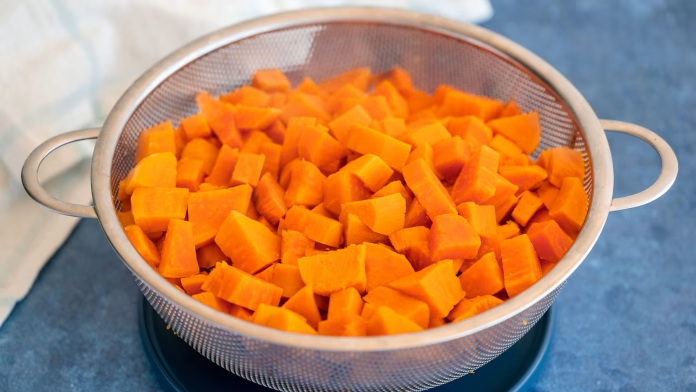
Boiled Sweet Potatoes

Dogs are more than just pets; they are beloved members of our families. As responsible pet owners, it is our duty to provide them with the best possible nutrition to ensure their overall health and well-being. While commercial dog food brands have become the norm, a growing number of pet owners are recognizing the benefits of incorporating natural and wholesome foods into their canine companions’ diets. One such superfood gaining popularity is boiled sweet potatoes. In this article, we will explore why boiled sweet potatoes deserve a place in your dog’s bowl and the numerous health benefits they offer.

Understanding Sweet Potatoes:

Sweet potatoes (Ipomoea batatas) are root vegetables that are packed with essential nutrients and are low in fat, making them an excellent choice for both humans and dogs. Unlike regular white potatoes, sweet potatoes have a lower glycemic index, which means they cause a slower and steadier rise in blood sugar levels, making them an ideal option for dogs with diabetes or those who need to maintain stable energy levels.

Nutritional Profile:

Sweet potatoes are a powerhouse of nutrients. They are rich in vitamins A, C, and B6, which support a healthy immune system, promote good vision, and aid in proper brain function. Additionally, they contain essential minerals such as potassium, manganese, and fiber, which support heart health, regulate digestion, and contribute to overall well-being. The presence of antioxidants in sweet potatoes also helps combat free radicals and reduces the risk of chronic diseases in dogs.

Digestibility and Gastrointestinal Health:

One of the primary reasons boiled sweet potatoes are gaining popularity among pet owners is their ease of digestion. Many commercial dog foods contain fillers and additives that can upset a dog’s stomach, leading to digestive issues and food sensitivities. Boiled sweet potatoes, on the other hand, are gentle on the digestive system and can be especially beneficial for dogs with sensitive stomachs or those recovering from digestive upsets.

Weight Management and Obesity:

Obesity is a significant health concern for dogs, leading to various health issues such as joint problems and cardiovascular disease. Incorporating boiled sweet potatoes into your dog’s diet can be an effective way to manage their weight. The high fiber content in sweet potatoes helps dogs feel fuller for longer, reducing the likelihood of overeating. Additionally, the low-fat content in sweet potatoes supports weight loss while providing essential nutrients.

Joint Health and Anti-inflammatory Properties:

As dogs age, they may experience joint problems and arthritis. The anti-inflammatory properties of sweet potatoes can help reduce joint inflammation and alleviate pain in aging or arthritic dogs. Furthermore, the presence of chondroitin and glucosamine, natural compounds found in sweet potatoes, supports joint health and can contribute to better mobility.

Skin and Coat Health:

A dog’s skin and coat health can be directly linked to their diet. The vitamins and minerals in boiled sweet potatoes promote healthy skin and a shiny coat. The high levels of vitamin A in sweet potatoes are particularly beneficial for maintaining healthy skin, as they contribute to cell regeneration and repair.

Dental Health:

Chewing on boiled sweet potatoes can act as a natural toothbrush for dogs. The fibrous texture of sweet potatoes helps remove plaque and tartar buildup, promoting better dental health and fresher breath.

How to Incorporate Boiled Sweet Potatoes into Your Dog’s Diet?

Before adding any new food to your dog’s diet, it’s essential to consult your veterinarian to ensure it aligns with your dog’s specific health needs and any existing dietary restrictions. Once approved, introducing boiled sweet potatoes can be a straightforward process.

1. Preparation: Wash the sweet potatoes thoroughly to remove any dirt and debris. Peel them to eliminate any potential toxins or harmful chemicals on the skin.

2. Cooking: Boil the sweet potatoes until they are soft and easily mashable. Avoid adding any seasonings, spices, or oils, as these can be harmful to dogs.

3. Serving: Allow the boiled sweet potatoes to cool completely before serving them to your dog. Mash them or cut them into small, manageable pieces, depending on your dog’s size and preferences.

4. Portion Control: While sweet potatoes are nutritious, they should be offered in moderation as part of a balanced diet. Too many sweet potatoes can lead to an imbalance in your dog’s diet.

Final Thoughts:

As responsible pet owners, providing our dogs with a balanced and nutritious diet is crucial for their overall health and well-being. Boiled sweet potatoes offer numerous health benefits, including improved digestion, weight management, joint health support, and enhanced skin and coat health. With their rich nutritional profile, ease of preparation, and gentle impact on the digestive system, boiled sweet potatoes undoubtedly deserve a place in your dog’s bowl. However, it is essential to remember that each dog is unique, and consulting with a veterinarian before making any dietary changes is vital to ensure your furry friend receives the best care possible.

Advertisement

Make Your Co-Workers Jealous: Keep Your Steel Tiffin Boxes Fresh and Odorless with These Tips!

tiffin boxes steel

Bringing homemade meals to work in steel tiffin boxes has numerous benefits, such as saving money, reducing waste, and promoting healthier eating habits. However, one common challenge faced by many office-goers is keeping their tiffin boxes fresh and odorless throughout the day. There’s nothing worse than opening your lunchbox during lunchtime and being greeted by an unpleasant smell. In this article, we will explore a variety of tips and tricks to help you maintain the freshness of your steel tiffin boxes, ensuring your co-workers will be envious of your delicious and odorless meals!

1. Selecting the Right Steel Tiffin Box:

The journey to keeping your meals fresh and odorless starts with choosing the right steel tiffin box. Opt for high-quality stainless steel containers that come with an airtight seal. This will prevent any leaks and keep your food fresh until lunchtime.

2. Cleanliness is Key:

Before using your new tiffin box, always wash it thoroughly with warm soapy water. Rinse it well and let it air dry completely. Regularly cleaning your tiffin box after each use is essential to prevent any lingering smells or stains.

3. Use Baking Soda:

Baking soda is a natural deodorizer that can work wonders in removing odors from your tiffin box. Simply sprinkle some baking soda inside the container and leave it overnight. Rinse it thoroughly the next morning, and your tiffin box will be odor-free.

4. Embrace Vinegar:

Vinegar is another excellent natural cleaning agent that can help eliminate odors from your steel tiffin box. Mix equal parts of white vinegar and water, and use this solution to wipe down the interior of the container. Rinse it thoroughly afterward to remove any vinegar smell.

5. Utilize Lemon Power:

Lemons are not only refreshing but also have natural antibacterial properties that can combat lingering smells. Squeeze some lemon juice into your tiffin box, add a little water, and let it sit for a while before rinsing. The fresh lemon scent will eliminate any unpleasant odors.

6. Say No to Strong-Smelling Foods:

Avoid packing strong-smelling foods like onions, garlic, or fish in your tiffin box. These foods tend to spread their odors and can linger even after washing the container. If you do want to bring such foods, consider using separate small containers with secure lids to prevent any odor leakage.

7. Freeze Your Food:

If possible, freeze your meals before putting them into the tiffin box. This not only helps preserve the freshness of the food but also prevents the growth of bacteria that could lead to unpleasant odors.

8. Layer Your Tiffin Box:

To keep your food fresh and crisp, consider layering your tiffin box. Place the wettest and heaviest items at the bottom, followed by drier components and finally the delicate items at the top. This will prevent the mixing of flavors and textures, ensuring your food remains appetizing.

9. Opt for Silicone Sealing Rings:

Over time, the sealing rings of tiffin boxes may wear out or become loose, leading to leakages and loss of freshness. Consider replacing them with silicone sealing rings, which are more durable and maintain a better airtight seal.

10. Store Your Tiffin Box Properly:

When you return home from work, don’t forget to wash and dry your tiffin box thoroughly before storing it. Storing it while damp can lead to mold growth and unpleasant smells. Keep it in a well-ventilated area to prevent any musty odors from developing.

Final Thoughts:

By following these tips and tricks, you can ensure that your steel tiffin boxes remain fresh, odorless, and envy-worthy! Proper cleaning, selecting the right container, using natural deodorizers, and being mindful of the foods you pack will make a significant difference in keeping your meals delicious and appealing. Embrace these habits, and soon your co-workers will be asking for your secret to maintaining such a delightful lunchtime experience. Say goodbye to unpleasant odors and hello to a fresh and enjoyable lunchtime every day!

Advertisement

Are You Making These Mistakes? The Dos and Don’ts of Cooking Frozen Veggies Revealed

Frozen Veggies cooking

Cooking frozen vegetables is a convenient way to add nutrition and flavor to our meals, but it’s essential to do it right to preserve their taste, texture, and nutritional value. Many home cooks make common mistakes when cooking frozen veggies, resulting in lackluster dishes that don’t do justice to these nutritious ingredients. In this article, we will delve into the dos and don’ts of cooking frozen vegetables, providing you with valuable tips to enhance your culinary skills and ensure your dishes are both delicious and nutritious.

Dos: Tips for Cooking Frozen Veggies

1. Follow Proper Thawing Techniques:

Avoid cooking frozen vegetables directly from the freezer. Thawing them beforehand ensures even cooking and better texture. The two most recommended methods for thawing are the refrigerator method and the cold-water method. To thaw in the refrigerator, simply transfer the frozen veggies from the freezer to the refrigerator and let them thaw overnight. For a quicker option, place the vegetables in a sealed plastic bag and submerge them in cold water for a few hours.

2. Use Minimal Water When Steaming:

When steaming frozen vegetables, use only a small amount of water. Unlike boiling, steaming helps retain nutrients and prevents the veggies from becoming waterlogged. Use a steamer basket or a microwave-safe dish with a lid and add just enough water to create steam.

3. Opt for Stir-Frying:

Stir-frying is an excellent way to cook frozen vegetables quickly while preserving their color, texture, and nutrients. Preheat your pan, add a small amount of oil, and toss the vegetables over high heat until they are tender-crisp. You can add various seasonings, such as soy sauce, garlic, or ginger, to enhance the flavors.

4. Embrace Roasting:

Roasting frozen vegetables is another flavorful option that caramelizes their natural sugars and adds depth to the dish. Preheat the oven to a high temperature, spread the veggies in a single layer on a baking sheet, and drizzle with olive oil, salt, and pepper. Roast until they are golden brown and slightly crispy.

5. Utilize Frozen Vegetables in Soups and Stews:

Frozen vegetables are excellent additions to soups and stews. Since these dishes have a longer cooking time, you can add the frozen veggies directly without thawing. They will defrost and cook perfectly, infusing your soup or stew with nutrients and vibrant colors.

Don’ts: Common Mistakes to Avoid

1. Do Not Overcook:

Overcooking frozen vegetables can lead to a mushy and tasteless mess. Be vigilant and follow the recommended cooking times on the packaging. Most frozen veggies require only a few minutes to cook, so keep a close eye on them and test for doneness with a fork.

2. Avoid Boiling Excessively:

Boiling frozen vegetables for extended periods can result in nutrient loss and a soggy texture. If you must boil, keep the cooking time to a minimum and use as little water as possible. Save the cooking liquid to use as a nutritious base for soups or sauces.

3. Do Not Refreeze Thawed Veggies:

Once you’ve thawed frozen vegetables, it’s crucial not to refreeze them. Refreezing can lead to the growth of harmful bacteria and degrade the vegetables’ quality. Plan your meals accordingly and only thaw what you intend to use.

4. Don’t Skip Seasoning:

Frozen vegetables can be somewhat plain on their own. Enhance their flavors by adding seasonings, herbs, and spices during cooking. The right seasoning can transform a simple dish into a delightful culinary experience.

Final Thoughts:

Cooking frozen vegetables is an excellent way to maintain a nutritious and balanced diet while enjoying the convenience of quick and easy meal preparation. By following the dos and avoiding the don’ts, you can elevate your frozen vegetable dishes to new heights of flavor and nutritional value. Thaw them properly, choose appropriate cooking methods, and avoid overcooking to preserve their texture and nutrients. Embrace the versatility of frozen veggies in various dishes, from stir-fries to soups, and experiment with different seasonings to create a wide array of delicious and wholesome meals. With these tips in mind, you’ll be well on your way to becoming a master of frozen vegetable cuisine, delighting your taste buds and promoting a healthier lifestyle.

Advertisement