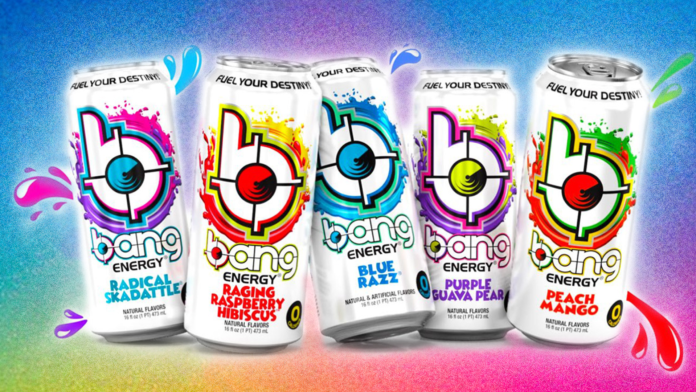
Monster Beverage has announced its intention to discontinue certain products from the recently procured energy drink label, Bang Energy.
Blast Asset Acquisition, a subsidiary of Monster Beverage, acquired Vital Pharmaceuticals, the owner of Bang Energy, for an estimated sum of $362 million.
In a Q2 analyst call on Thursday, 3 August, Monster CEO Rodney said the company’s intention is to “rationalise Bang’s product offerings and product lines,” and to fully integrate the brand into the Monster infrastructure.
He said the company does not intend to sell Bang’s other lines, such as Red Line or Shots, “beyond liquidating existing inventories”. However, it may consider reintroducing certain product lines in the future.
Monster revealed that the distribution of Bang Energy will commence through the Coca-Cola bottlers’ network, beginning in the third quarter of 2023 in the United States. This transition is expected to lead to a “temporary interruption in product supply” for Bang Energy beverages.
He commented, “We are excited about our acquisition of the state-of-the-art Bang Energy production facility in Phoenix, Arizona, which we intend to utilise for Bang as well as other products in the Monster portfolio”.
The company expressed that the phase for Bang Energy is still in its initial stages, and it plans to share additional information about Bang Energy during its upcoming investor call scheduled for November.
Furthermore, subsequent to introducing The Beast Unleashed in the first half of 2023, Monster has intentions to unveil an extension called Nasty Beast Hardcore Tea, a hot iced tea variant, either later this year or in the early months of the upcoming year.
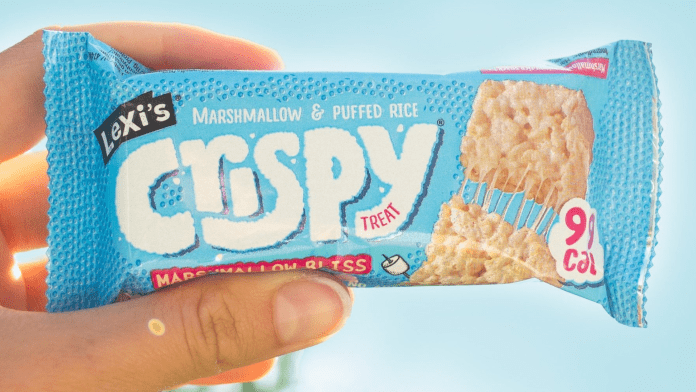
The Serious Sweets Company (SSC) has recently made a significant acquisition by taking over Nom Bites, a renowned brand known for its delectable marshmallow and protein bars under the Lexi’s line. The deal’s financial details have been kept confidential, but it marks a strategic move by SSC to expand its product portfolio and strengthen its position in the confectionery industry. With this acquisition, SSC aims to tap into new market segments and offer its customers an even wider range of delicious treats.
Established in the year 2020 by Alexei Khatiwada, Nom Bites specializes in crafting a diverse selection of health-conscious, allergy-friendly indulgences.
Meanwhile, SSC manufactures own-label treats for major UK retailers together with a successful international business. SSC Brands has been established to manage the branded side of the portfolio.
Rob Whitehead, MD at SSC, said, “We’re delighted to bring Lexi’s into our family and continue the journey that Alexei and Shama have brilliantly led. Gluten, dairy, and nut-free bars fit perfectly into our stable of current brands, enabling us to offer customers a combination of indulgent treats and more healthy treats, ideal for customers with specific dietary needs, or those looking for a healthier snack.”
He continued, “We will be sharing the range with our customers over the next few months and look forward to developing Lexi’s alongside all our brands over the next few years”.
Khatiwada added, “This acquisition marks an exciting milestone for Lexi’s, as we capitalise on the growing demand for our award-winning treats. I’m proud that Lexi’s has helped deliver more inclusive treats to a mainstream audience, and it’s been a pleasure to see the growth of the brand, which started in my home kitchen and has now sold millions of treats across the UK. I’m delighted to see SSC’s ambition and desire to grow the brand further and continue this exciting journey.”
PepsiCo India witnessed a remarkable growth in its net profit for the fiscal year 2022-2023, reaching INR 255.75 crore compared to INR 27.87 crore in the previous fiscal year (2021-2022), achieving its sixth consecutive year of profitable expansion. The latest Registrar of Companies (RoC) filing reveals a substantial increase of approximately 29 percent in total revenue, reaching around INR 8,129 crore. The company’s forward-looking plans emphasize a dedicated commitment to strategic growth, highlighted by its intention to establish a new snacks plant in Assam, which will mark its fifth facility dedicated to snacks production.
Ahmed ElSheikh, the President of PepsiCo India, stated that even in the face of inflationary pressures, the company achieved robust double-digit revenue growth. This growth was well-diversified and bolstered by contributions from both the food and beverages segments.
“In the beverage segment, top-line growth was driven by a strong summer season and uptick in rural demand in FY23. We also focused on expanding distribution. In the foods segment, we saw an underlying volume growth backed by innovations such as Lays Gourmet and Doritos Sizzlin Hot. We also focused strongly on strengthening our presence in affordable pack prices such as INR 5 price,” he added.
He mentioned that the company successfully widened its margins, with profit growth being propelled by effective net revenue realization, enhanced productivity measures, and capitalizing on economies of scale.
“This is the decade of India. Factors such as strong GDP growth, increase in discretionary spends and low per-capita consumption levels will lead to a positive virtuous cycle,” he added.
The company indicated its intention to persist in escalating investments in brand development while also expanding its production capacity.
“We have charted out our growth plans for the next several years and have looked at the capacity that we need to deliver this growth. We need to be close to demand centres as well as agro-producing regions. So we are planning to set up a large-scale plant in Assam next,” ElSheikh added.
At present, the company operates four snacks plants located in Punjab, Maharashtra, Uttar Pradesh, and West Bengal.
“We have set a strategic direction for the organisation. On the one hand rural is a key growth driver and we need to focus on growing penetration by offering products at affordable price-points At the same time, to win in the top-100 cities, we need to strengthen our premiumisation,” he added.
Over the last couple of years, the company extended its distribution to an additional two lakh outlets.
When questioned about the challenges posed by the current summer season, ElSheikh mentioned that unanticipated rainfall had an impact on sales. However, he noted that June remained a resilient quarter. He further stated that although certain beverage categories traditionally thrive during the summer months, the company’s emphasis is on creating consumption opportunities that span the entire year.
“Fortunately, we have begun seeing the tail-end of inflation, but need to watch out for the impact of erratic weather on the next crop cycle. We have also begun seeing signs of recovery in rural demand,” he added.
Responding to a query on intensifying competition with the entry of Reliance, ElSheikh said, “Competition is healthy. It will help growing per-capita consumption levels and expand categories.”
The cost of preparing a vegetarian thali at home has gone up by 34 per cent while that of a non-vegetarian thali went up by 13 per cent in July as compared to the input prices that prevailed in June 2023, CRISIL said in a report.
According to the report, in July, the cost of cooking a vegetarian thali at home stood at INR 33.7 (June rate INR 26.3) whereas the cost of non-vegetarian home meal was at INR 66.8 (June rate INR 60).
According to CRISIL, a vegetarian thali comprises roti, vegetables (onion, tomato, and potato), rice, dal, curd, and salad. For a non-vegetarian thali, chicken has been considered instead of dal.
Broiler prices for July 2023 are estimated.
CRISIL said out of the 34 per cent rise in the cost of vegetarian meals, 25 per cent can be attributed to the 233 per cent hike in tomato price last month.
In June, the tomato price was INR 33/kg and shot up to INR 110/kg in July.
Tomatoes aside, the other ingredients that heated up the cost side last month as compared to June were the prices of onion that went up by 16 per cent, potato by 9 per cent, chilli 69 per cent, and cumin by 16 per cent.
However, given the lower quantities of these ingredients used in a thali, their cost contribution remains lower than some of the vegetable crops, CRISIL said.
On the other hand, the cost of a non-vegetarian thali rose at a slower pace as the price of broilers, comprising more than 50 per cent of the cost, likely declined 3-5 per cent on-month in July, the report notes. “
“A 2 per cent on-month decline in the price of vegetable oil provided some respite from the increase in cost of both thalis,” the report said.
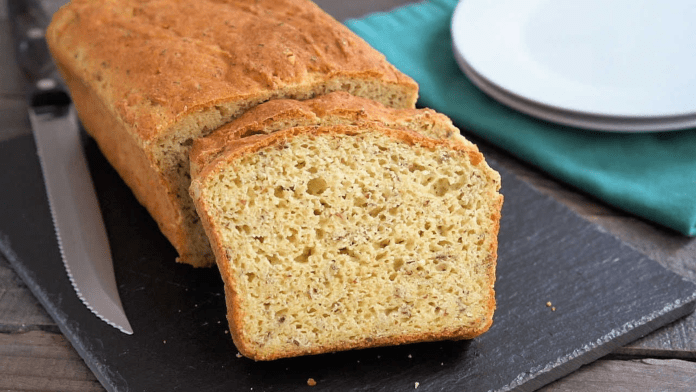
The ITC Hotels on Monday said it has embarked on an initiative to introduce an expansive range of millet-based bread, available across ITC Hotels and select Marriott International hotels in India and the Asia-Pacific (APAC) region.
In addition to that, the APAC region countries like Japan, South Korea, Australia, and Indonesia will also have access to other delectable millet-based food options.
It seeks to contribute significantly to India’s role in advocating the benefits of millets globally, commemorating 2023 as the International Year of Millets in partnership with the United Nations, the hotel chain said in a statement.
These millet bread, brimming with essential nutrients, cater to the discerning taste of health-conscious consumers, it said.
The menu showcases an array of delightful options, including Sorghum Sundried Tomato Sourdough Bread, Foxtail Millet and Carrot Bread, Multi Millet and Turmeric Loaf, and Pearl Millet Focaccia. Each of these delectable choices promises to deliver an exquisite and unforgettable culinary experience.
Beyond the realm of bread, the gastronomic journey extends to ITC’s millet-infused recipes gracing buffet spreads at select Marriott International hotels, the company said.
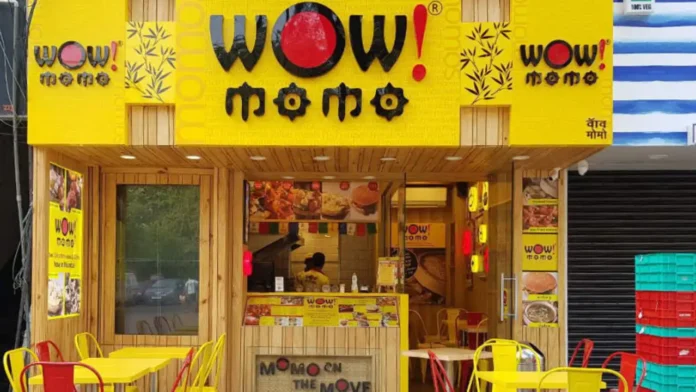
The well-known quick-service restaurant (QSR) chain, Wow! Momo, which is headquartered in Kolkata, experienced a significant increase in its operational revenue. In the financial year 2021-22, the company’s revenue surged by more than two times, reaching INR 219.8 Crores. This marked a substantial rise from its previous fiscal year’s revenue of INR 106 Crores.
The startup derives its revenue from the sale of food products via its restaurant establishments, which are located in more than 25 cities across India. Alongside its primary brand, Wow! Momo, the startup manages two additional brands – Wow! China and Wow! Chicken.
In the fiscal year 2021-22, the startup’s overall earnings, encompassing supplementary income, amounted to INR 222.1 Crores, showcasing a contrast to the INR 108.4 Crores recorded in the fiscal year 2020-21.
Despite the twofold increase in the top-line figure, Wow! Momo witnessed a more modest growth in its expenditures. As a result, the startup’s net loss decreased by 10%, reaching INR 53.4 Crores in the financial year 2021-22, compared to INR 59.4 Crores in the preceding fiscal year.
Total expenses experienced a 62% increase, rising to INR 274.5 Crores during FY22 from the FY21 figure of INR 169.1 Crores. Notably, the cost of materials consumed saw a substantial 95% surge, climbing from INR 48.7 Crores in FY21 to INR 95.3 Crores, thereby constituting the most significant component of expenses for the reviewed period.
Employee benefit expenditures surged by 76% to reach INR 51.3 Crores in the fiscal year 2021-22, displaying a substantial increase from the INR 29.1 Crores recorded in the previous fiscal year. These expenses encompass a range of components including employee wages, contributions to the provident fund (PF), gratuity, and various other welfare benefits for employees. According to information available on LinkedIn, Wow! Momo currently maintains a workforce of more than 1,000 employees.
In the fiscal year 2021-22, the startup allocated INR 29.6 Crores towards rental expenses, reflecting a substantial increase of 105% compared to the INR 14.4 Crores expended in the preceding fiscal year.
Established in 2008 by Binod Kumar Homagai, Sagar Daryani, and Shah Miftaur Rahman, Wow! Momo boasts a network of more than 500 outlets spanning across 25 Indian cities. In March of the current year, the startup unveiled its decision to consolidate its three brands, namely Wow! Momo, Wow! Chicken, and Wow! China, into a unified brand known as Wow! Eats.
In the previous year, the startup secured a funding of INR 125 Crores from OAKS Asset Management during its Series D funding round, valuing the company at INR 2,125 Crores ($257 million). Prior to this, Wow! Momo had obtained $15 million in its Series C funding round from Tree Line Management. The company is supported by prominent investors such as Tiger Global and Lighthouse.
Being a food entrepreneur is an exciting and challenging journey. The food industry is highly competitive, and building a strong reputation is crucial for success. One of the key factors that can set you apart as a food entrepreneur is your passion and commitment.
Passion and commitment in the food industry refer to the deep love, enthusiasm, and dedication that food entrepreneurs have for their craft and business. It is the driving force behind their pursuit of culinary excellence, innovation, and delivering exceptional experiences to customers.
It is evident in the quality of ingredients, the care taken in food preparation, the attention to detail, and the unwavering commitment to customer satisfaction. It is the unwavering desire to create something remarkable and make a positive impact in the culinary world.
Passion and commitment play a crucial role in building a reputation in the food industry. we will explore why passion and commitment are essential in the food industry and how they can help you strengthen your reputation as a Food Entrepreneur.
1. Fueling Innovation
Passion is the driving force behind innovation. As a food entrepreneur, your passion for creating unique and delicious culinary experiences can inspire innovation in your products and services. It pushes you to constantly experiment, refine recipes, and find new ways to delight your customers. This commitment to innovation sets you apart from competitors and helps build a reputation as a trendsetter in the industry.
Passion and commitment act as fuel for innovation in the food industry, sparking creative ideas, driving experimentation with new flavours and techniques, and pushing boundaries to create unique and exciting culinary experiences.
2. Building Authenticity
Authenticity is highly valued in the food industry. Customers seek out food experiences that are genuine and rooted in passion. By infusing your business with your passion for food, you create an authentic connection with your customers. Your commitment to quality ingredients, traditional cooking techniques, and attention to detail will shine through in your products, reinforcing your reputation as a trustworthy and authentic food entrepreneur.
Passion and commitment are essential for building authenticity in the food industry, as they foster genuine connections with customers, enable consistent delivery of high-quality products and services, and promote a strong sense of purpose and integrity in all aspects of the business.
3. Enhancing Customer Experience
Passion and commitment can significantly impact the customer experience. When you are genuinely passionate about your craft, it translates into every aspect of your business. From the ambience of your restaurant to the presentation of your dishes, your passion and commitment will leave a lasting impression on your customers. By consistently delivering exceptional experiences, you build a loyal customer base and a reputation for excellence.
Passion and commitment play a crucial role in enhancing the customer experience in the food industry. By infusing their work with passion, food entrepreneurs create a memorable and engaging experience for customers. Their commitment ensures consistent quality, personalized service, and attention to detail, leaving a lasting impression and fostering customer loyalty.
4. Nurturing Relationships
Successful food entrepreneurship relies heavily on building relationships, both with customers and industry partners. Your passion and commitment act as a magnet, attracting like-minded individuals who share your love for food. This enables you to forge strong relationships with suppliers, distributors, and fellow food entrepreneurs. Collaborations and partnerships further strengthen your reputation and expand your reach in the industry.
Entrepreneurs who are passionate about their craft and committed to providing exceptional experiences prioritize building strong connections with customers, suppliers, and other stakeholders. This focus on nurturing relationships cultivates loyalty, fosters long-term partnerships, and contributes to the overall success and growth of the food business.
5. Overcoming Challenges
The food industry is not without its challenges. However, passion and commitment help you navigate through difficult times. When faced with setbacks or obstacles, your unwavering dedication to your vision and your love for what you do will keep you motivated and determined. This resilience is admired by customers and industry professionals alike, earning you respect and reinforcing your reputation as a reliable and persistent food entrepreneur.
Passion and commitment are powerful drivers that help food entrepreneurs overcome challenges in the industry. Their unwavering commitment keeps them focused on their goals, allowing them to navigate setbacks, adapt to changing circumstances, and continually improve their business. By embracing challenges with passion and commitment, food entrepreneurs can turn obstacles into opportunities for growth and success.
6. Inspiring Your Team
Passion and commitment are contagious. As a food entrepreneur, your enthusiasm for your business can inspire and motivate your team members. When your team shares your passion and commitment, they become invested in your vision and work together to achieve common goals. This shared dedication creates a positive work environment and translates into exceptional service and products, further strengthening your reputation.
Passion and commitment are contagious, and they play a pivotal role in inspiring and motivating your team in the food industry. When entrepreneurs demonstrate a deep passion for their work and a strong commitment to their vision, it resonates with their team members, creating a sense of purpose and enthusiasm. So, let your passion and commitment shine through in everything you do, and watch as your reputation flourishes.
Restaurant Brands Asia on Monday revealed a steeper first-quarter loss, attributing it to Burger King’s India operator facing higher raw material expenses and a considerable outlay on expanding its store network.
According to an exchange filing, the restaurant chain’s consolidated net loss for the quarter ended June 30 expanded to 504.8 million rupees ($6.1 million), compared to 475 million rupees recorded in the same period the previous year.
Total expenses surged by more than 21%, reaching 6.72 billion rupees, primarily driven by a 26% increase in the cost of materials consumed. The rise in material costs was attributed to the escalation in the prices of ingredients such as cheese and vegetables.
The upward trend in costs has also exerted pressure on the profitability of competitors, including KFC franchisees Sapphire Foods India and Devyani International, as well as Domino’s Pizza operator Jubilant FoodWorks.
Earlier this year, Restaurant Brands Asia introduced new meals starting at 99 rupees ($1.20), strategically aligning with other global chains in India that focused on more affordable options to entice consumers amidst high inflation and reduced discretionary spending.
The company experienced a 25% increase in revenue from operations, reaching 6.11 billion rupees, thanks to the successful launch of new offerings and the expansion of its restaurant network in India and Indonesia. Over the past 12 months, the company opened numerous new restaurants in these countries, where it holds master franchisee rights.
Following the release of the results, shares of Restaurant Brands Asia, which also operates Restaurant Brands International’s Popeyes stores in Indonesia, recorded a nearly 2% increase. In the June quarter, the shares surged by almost 20%.
Following India’s decision to prohibit certain rice exports in order to manage domestic prices, traders express concern that another essential food commodity, Sugar, might become susceptible to similar measures.
As global supplies of sugar tighten, the world’s reliance on sugar exports from the South Asian nation has grown significantly. However, there are mounting concerns due to uneven rainfall across India’s agricultural belts, which has raised apprehensions that sugar production might fall short for a second consecutive year during the upcoming season starting in October.
As a consequence, this could potentially curtail the country’s capacity to export sugar. In response to safeguard domestic supplies and stabilize prices, the government has already imposed limitations on the overseas sale of wheat and certain rice varieties. These measures add further strain to global food markets, which have already been disrupted by adverse weather conditions and escalating conflicts in Ukraine.
The rice export ban is a clear signal the government is concerned about food security and inflation, said Henrique Akamine, head of sugar and ethanol at Tropical Research Services. “The worry now is that the government will probably follow suit and do something similar regarding sugar,” he added.
According to Aditya Jhunjhunwala, President of the Indian Sugar Mills Association, sugar cane fields in the primary producing regions of Maharashtra and Karnataka experienced insufficient rainfall in June, resulting in crop stress. As a consequence, the group anticipates a 3.4% decline in sugar output compared to the previous year, with an estimated production of 31.7 million tons in the 2023-24 season. However, Jhunjhunwala also mentioned that despite this decrease, domestic demand can still be met with the available supplies.
In the meantime, India is gearing up to utilize a larger quantity of sugar for biofuel purposes. The Indian Sugar Mills Association foresees mills diverting approximately 4.5 million tons of sugar to produce ethanol, marking a significant increase of 9.8% compared to the previous year.
“At this production level, India might not release any export,” said Bruno Lima, head of sugar and ethanol at StoneX. “We’ll have to follow closely if the ethanol diversion will be done in full.”
On Friday, Food Secretary Sanjeev Chopra criticized ISMA’s early evaluation of reduced sugar production, stating that it is highly premature and has caused unnecessary panic about a potential shortage in the country, as reported by the Press Trust of India.
India has imposed limitations on sugar exports in the past. For the 2022-23 season, the country set a cap of 6.1 million tons for shipments, a significant decrease from the 11 million tons allowed in the previous year. Analysts, including Akamine and Lima, project that for the next season, the export allowance might be further reduced to only 2 million to 3 million tons or potentially eliminated entirely. This situation poses a risk of triggering another surge in global sugar prices.
Sugar futures have witnessed a rise of approximately 20% this year, although they have slightly retreated from their peak in April when they reached 26.83 cents per pound, the highest level seen since 2011. Investors are concerned about the potential impact of El Niño, which could result in hotter and drier weather conditions in South and Southeast Asia, thus adversely affecting sugar production in those regions. Furthermore, Thailand might also experience a decrease in sugar output due to these weather uncertainties.
The combination of reduced production in various regions, such as Southern Africa and Central America, adds to the potential for another price rally in the sugar market. Akamine predicts that prices could trade within the range of 25 cents to 27.5 cents per pound in the upcoming season, while on Friday, they stood at 23.69 cents. However, the abundant sugar crop in Brazil is acting as a limiting factor on further price gains.
As of now, the Indian government is not expected to finalize the 2023-24 sugar export quotas. Since the harvest is scheduled to commence in October, any decision on export quotas is likely to be deferred until a later date. Additionally, the recent improvement in rainfall, as reported by ISMA, is anticipated to have a positive impact on the sugar crop, further influencing the government’s decision-making process.
“Officials will wait until they have full visibility of production,” said Carlos Mera, a senior commodity analyst at Rabobank.
In Monday’s BSE trading session, Zomato, the food delivery platform, experienced a notable surge, with its shares rallying 8% and surpassing the INR 100 milestone. Additionally, the stock achieved a fresh 52-week high, reaching INR 102.8.
Following Zomato’s attainment of profitability in Q1 FY24, its shares experienced a significant surge. The company reported a consolidated net profit of INR 2 crore for the quarter ended June 2023, marking a notable improvement compared to a loss of INR 186 crore in the corresponding quarter of the previous financial year. Notably, in the quarter ended March, the company had reported a loss of INR 189 crore.
During the reporting quarter, Zomato’s revenue from operations amounted to INR 2,416 crore, indicating a remarkable year-on-year growth of almost 71%. This substantial increase was in contrast to the company’s revenue of INR 1,414 crore reported during the same period in the previous year.
Gaurav Bissa, VP at InCred Equities, said, “Zomato has seen a very strong upmove from 58 levels when it triggered a buy signal in the Ichimoku setup. The stock has been forming higher highs and higher lows on the daily charts since Jan 2023 implying short-term trend reversal.”
“Investors are advised to buy the stock on declines towards 80 for a target price of 120-140 whereas existing shareholders can use 75 as trailing stop-loss,” Bissa said.
Meanwhile, Pravesh Gour, Senior Technical Analyst at Swastika Investmart, said, “The counter is bottoming out and has also witnessed a breakout of an inverse head and shoulders formation pattern on the weekly chart. It has confirmed its breakout above INR 90. The overall structure also looks lucrative for long-term investors as it trades above all-important moving averages.”
“MACD supports the current strength, whereas the momentum indicator RSI is also positively poised. On the upside, INR 100 is the psychological resistance level; above this, we can expect a rally towards INR 114. On the downside, INR 87 is an important support level during any correction,” Pravesh said.
Commenting on the Q1 earnings and his address to the investors, Managing Director and CEO Deepinder Goyal said, “We have been working hard to make our business less complex, and putting the right people at the right spots within our businesses. These things do not have definite/measurable impact, and I can in hindsight say that most of our seemingly “risky” bets have changed the trajectory of the business significantly, much faster than we expected”.
On the issue of profitability, Akshant Goyal, Chief Financial Officer said that he expected the business to remain profitable going forward. “Knowing what we know today, we believe we will continue to deliver 40%+ YoY topline (Adjusted Revenue) growth for at least the next couple of years,” Goyal said.
We use cookies to ensure that we give you the best experience on our website. If you continue to use this site we will assume that you are happy with it.