Sri Lankan beverages company Ceylon Beverage Can Pvt Ltd, promoted by Muttiah Muralitharan, is poised to establish a full-fledged plant in Mummigatti, near Dharwad in Karnataka, as reported by Deccan Herald (DH) on Thursday.
Having previously submitted a proposal to the state government, the company has expressed its intention to construct an “aluminium cans and beverages filling plant” in the specified region. The proposal outlined a requirement for 26 acres of land and an investment totaling INR 440 crore. The establishment of this plant is projected to create employment opportunities for approximately 500 individuals.
Presently, the Sri Lankan firm produces a variety of slim, sleek, and standard cans encompassing eight different sizes, all featuring a diverse selection of customer labels. The decision to establish a plant in India is a direct response to the substantial demand originating from this particular geographical area.
Back in May, Ceylon Beverage joined forces with Reliance Consumer Products to engage in the production of cans for Campa soft drink.
Founded in the year 2020, Ceylon Beverages has formed collaborations with numerous enterprises involved in the production of canned mineral water, energy drinks, soft drinks, and flavored milk. With a production rate exceeding 48,000 cans and 34,000 bottles per hour, the company’s facility boasts the capacity to fill up to 300 million cans annually.
As reported by DH, the Karnataka Industrial Area Development Board (KIADB) has allocated land for the project. Specifically, they have assigned 16.70 acres of land at plot no 157, 2.64 acres on plot no 156, and 6.15 acres on plot no 158. Additionally, necessary clearances have been granted, including the provision of 3,000 kVA power by Hescom and a daily supply of 20 lakh litres of water.
Muralitharan had made two prior visits to the industrial area, and there are also plans for him to visit again in order to commence the plant’s construction process.
Molson Coors Beverage Company has entered into an agreement to purchase Blue Run Spirits, a producer of bourbon and rye whiskey.
This purchase marks another step in Molson Coors’ evolution into a comprehensive beverage enterprise. The acquisition empowers Blue Run Spirits with the essential resources to sustain its expansion. Currently accessible in 31 U.S. states, Blue Run is present in both retail and on-premise establishments across the country, as well as online.
Situated in Georgetown, Kentucky, Blue Run stands as a recent entrant to the whiskey industry, making its debut in the market in October 2020. This agreement signifies Molson Coors’ inaugural venture into the realm of spirits acquisitions.
According to Molson Coors, the acquisition of Blue Run boosts the company’s footprint in the spirits sector, “as it continues to evolve from its storied history as a beer company and premiumise its portfolio”.
Concurrently, Molson Coors has introduced Coors Spirits Co, an extension of its current spirits enterprise. This new entity will encompass Blue Run, Five Trail Blended American Whiskey, Barmen 1873 Bourbon, as well as upcoming innovative offerings. The agreement is projected to significantly increase the scale of Molson Coors’ spirits segment, surpassing twofold, and thus bolstering the company’s strategy of enhancing premium products.
Molson Coors’ chief commercial officer, Michelle St. Jacques, said, “Molson Coors has been on a journey to broaden beyond our beer roots and build powerful brands in growing categories, and Blue Run joining us is an exciting next step as we establish Coors Spirits Co. Blue Run has accomplished in three years what many brands hope to do in a generation and has done it at the luxury end of the whiskey category. Importantly, we are committed to maintaining Blue Run’s well-known quality, design and innovation as we continue to grow our spirits portfolio.”
The founders of Blue Run, namely Mike Montgomery, Tim Sparapani, Jesse McKnight, and Andy Brown, will continue their involvement with the brand.
In March 2023, Blue Run disclosed its plans to construct a distillery in Kentucky, USA. These plans will persist under the Molson Coors umbrella. Furthermore, Blue Run has slated the introduction of three new whiskey offerings for the late summer/autumn timeframe.
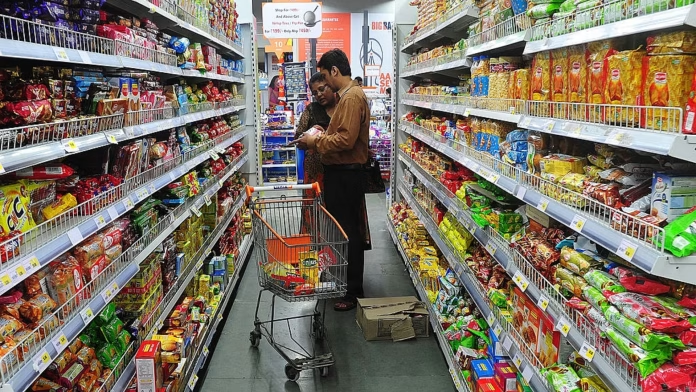
Companies like Hindustan Unilever, Britannia, Parle, and Marico have observed a shift in their market dynamics. Smaller players are progressively encroaching upon their market share in sectors such as tea, detergents, oil, biscuits, and snacks. This trend has materialized as a result of moderated raw material prices, which have facilitated the entry of these smaller competitors into the market with products that are priced more affordably.
“In biscuits, we have been flattish, and the gainers of market share have been all local players. The local players, because of the pricing actions that they are taking in their small vicinity, have gained a little bit of market share,” Varun Berry, managing director at Britannia, told analysts.
“When the inflation is high, local players just walk away. And when things start to become more normalised, local players come into the market and start to operate large schemes for customers as well as consumers. So that’s what we are looking at currently.”
To illustrate, the rusk market is teeming with approximately 2,500 local competitors, whereas the snacking segment sees the dominance of over 3,000 smaller or regional players, encompassing almost 40% of the market share. According to companies, in times of deflation, these local adversaries tend to offer consumers greater value through additional quantity and demonstrate enhanced agility in swiftly introducing new products.
“There are thousands of local players in the snacking market especially in the extruded sub-segment. Since they are closer to the market and also understand local taste and flavour profile, they can be very agile in adapting to market conditions,” said Krishnarao Buddha, senior category head at Parle Products.
Over the years, local brands have steadily eroded the market shares of prominent consumer product companies, particularly in segments like soaps, detergents, hair oil, tea, and biscuits. Nevertheless, the disruptions caused by the pandemic and the subsequent inflation in crucial raw materials compelled numerous of these local brands to either cease operations altogether or significantly downsize their activities.
However, Hindustan Unilever (HUL) has noted a resurgence in the activity of small and regional players, a considerable number of whom had exited the market during the height of inflation. As an example, in the tea segment, these smaller players have experienced growth rates 1.6 times higher than their larger counterparts, while within the detergent bars category, regional participants have expanded at a rate three times faster.
“There are certain pockets of our portfolio, in mass segments and specific regions where we have seen a dip in market shares. However, our shares are ahead of what they were pre-inflation,” Ritesh Tiwari, chief financial officer at HUL, said during its earnings call.
Marico also reported a notable increase in activity within the bottom of the pyramid segment, primarily governed by smaller players. Market research agency Kantar examined 13 categories spanning personal care, home care, and food and beverages. Their analysis revealed that local enterprises, operating solely in one market, achieved a 13% growth during the year ending in April 2023, surpassing the 9% expansion observed by national brands in the same timeframe.
Nevertheless, regional labels with a presence in two to eight markets experienced a decline of 2%, whereas unbranded enterprises saw a more pronounced decrease of 5%.
Tilray, a cannabis-lifestyle and consumer packaged goods company, has recently forged a deal to purchase eight beer and beverage brands from Anheuser-Busch for a sum of $85 million.
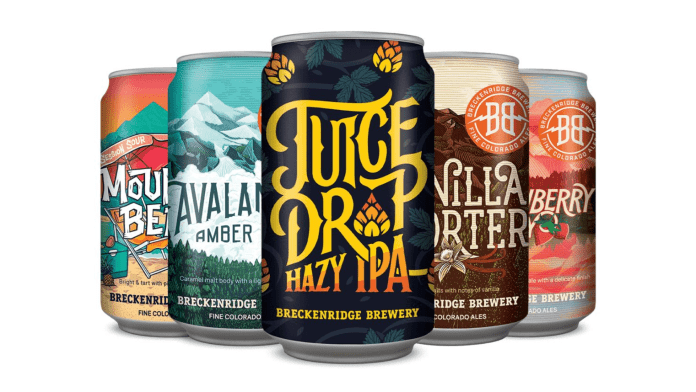
Subject to the fulfillment of standard closing prerequisites, Tilray will proceed with the acquisition of Shock Top, Breckenridge Brewery, Blue Point Brewing Company, 10 Barrel Brewing Company, Redhook Brewery, Widmer Brothers Brewing, Square Mile Cider Company, and HiBall Energy from AB InBev. This transaction encompasses existing personnel, brewpubs, and breweries affiliated with these brands.
This acquisition brings four manufacturing sites situated across the United States – in Portland and Bend (Oregon), Littleton (Colorado), and Patchogue (New York) – under the Tilray umbrella. Additionally, it encompasses the transfer of ownership for eight brewpub establishments located in Seattle (Washington), two in Bend (Oregon), Portland (Oregon), Boise (Idaho), Littleton and Breckenridge (Colorado), and Patchogue (New York).
The deal is anticipated to broaden Tilray’s presence in the US beverage alcohol sector, elevating it from the ninth to the fifth spot as a leading craft beer enterprise in the country. In addition to its existing brands like SweetWater Brewing Company, Montauk Brewing Company, Alpine Beer Company, and Green Flash Brewing Company, Tilray will now also possess Breckenridge Distillery and Happy Flower CBD sparkling non-alcoholic cocktails, solidifying its diverse portfolio.
Established back in 2006, Shock Top, a classic Belgian-style wheat ale, stands out as the centerpiece within this collection. Its notable nationwide presence across all ABInBev divisions and its pivotal role in various advertising campaigns mark it as the most prominent element of this acquisition.
Breckenridge Brewery opened in 1990 and has grown into one of the most recognised craft breweries in the US with a focus on balanced, approachable and interesting beer.
Founded in 1998, Blue Point Brewing Company has grown into one of the largest breweries in New York, offering a line-up of easy-drinking and innovative craft beers.
10 Barrel Brewing Company was founded in 2006 and today boasts an award-winning team of brewers with four brewpub locations. 10 Barrel is said to be one of the most acclaimed breweries in the US and is consistently a top medal winner at the Oregon Beer Awards.
Redhook Brewery – founded in 1981 – is one of the nation’s original craft breweries and has an 8-barrel brewing system where consumers can taste the latest experiments.
Widmer Brothers Brewing, founded in 1984, is one of the largest craft breweries in the Pacific Northwest.
Square Mile Cider Company, which launched in 2013, offers ciders made with pure Pacific Northwest apples and lager yeast to create a crisp, clean and semi-dry hard cider.
HiBall Energy, which was discontinued by AB InBev in May of this year, was founded in 2005 as a clean energy seltzer made with zero sugar, zero calories and organic caffeine.
Irwin Simon, Chairman and CEO of Tilray Brands, said, “Leveraging the deep CPG expertise of Tilray’s leadership team and acquisition integration track record, we intend to drive both revenue and cost synergies, while significantly expanding national distribution to coveted markets across the US and internationally. In a matter of three years, Tilray has solidified its leadership position in the craft beer industry, and we fully intend to be that change agent that reinvigorates the sector.”
Tilray is projecting pro forma revenue of $250 million from the transaction. It says that the distribution relationships through the Anheuser-Busch system will strengthen its distribution footprint nationwide.
Ty Gilmore, President of US Beer at Tilray Brands, added, “With this transaction, our beer business is expected to triple in size from 4 million cases to 12 million cases annually. Looking ahead, we will further capitalise on the potential of these brands through product innovation, retailer partnerships and expanded distribution into key markets, including the Pacific Northwest and California.”
The purchase price will be paid in all cash and the transaction is expected to close in 2023.
Tulua, a renowned name known for its assortment of convenient ready-to-eat pastes, has introduced its most recent innovation – a collection of fragrant and pure spices. This fresh lineup from Tulua stands as proof of the brand’s unwavering dedication to furnishing top-notch, transparently labeled items, as well as its mission to highlight local recipes and ingredients. It’s worth highlighting that Tulua proudly stands as a female-led enterprise, epitomizing elegance and distinction in all facets of its product range.
Thoughtfully curated and meticulously hand-picked, every spice within Tulua’s diverse assortment pledges to enhance homemade meals to unparalleled levels of excellence. Ranging from the robust Coriander Powder to the exquisite Lakadong Turmeric Powder, the fiery Guntur Chilli Powder to the lively Kashmiri Chilli Powder, the fragrant Mustard Seed to the zesty Cumin Seed, the delicate Bay Leaf to the potent Whole Kashmiri Chilli – each element has been scrupulously selected to coax out the finest flavors in a multitude of dishes. Whether crafting a simple, comforting meal or a complex, aromatic curry, Tulua’s spices stand as the ideal companions for embarking on a culinary journey of exploration.
Tulua’s commitment to excellence shines through in its meticulous acquisition of ingredients from reputable sources throughout India, guaranteeing that solely the most aromatic and fresh spices make the cut. With meticulous attention, Tulua guarantees that every spice is meticulously processed and thoughtfully packaged, safeguarding its unmatched flavor and aroma intact.
The brand prioritizes ethical and sustainable sourcing methods, enabling customers to make mindful decisions while relishing the delectable tastes of their dishes. Particularly noteworthy is that five out of the eight spices have already received organic certification, with a commitment to transitioning the remaining products to organic within the upcoming three months. Tulua’s renown for excellence goes beyond its culinary expertise. Its remarkable spice blends have garnered significant demand from prominent hotel chains like Marriot Group, Taj Group, and Ramada, as well as numerous eateries and coffee houses throughout Mumbai. This recognition serves as a clear testament to the brand’s resolute journey towards achieving perfection.
Founder Richy Dave expressed her excitement about the new spice range, stating, “We are thrilled to introduce our new line of spices to the market. We believe that food should be an adventure, and our spices are the perfect way to explore new flavors and create delicious meals at home. With our commitment to quality and authenticity, we’re confident that our customers will love our new spice range.”
Tulua’s central objective revolves around combating the erosion of cooking know-how and abilities among younger generations. They achieve this by offering meal solutions that combine convenience and simplicity, utilizing natural and premium ingredients. These solutions encompass meal kits, spice blends, and ready-to-eat dishes, catering especially to the fast-paced lifestyles of millennials and Generation Z. These demographics seek nutritious and flavorful meal choices that demand minimal time and effort.
Through this approach, Tulua not only addresses modern dining needs but also upholds traditional culinary wisdom, ensuring its accessibility to a wide audience. Concurrently, the company collaborates with farmers to foster a mutually beneficial community. Their focus centers on presenting single-origin products sourced from specific farms, which aids in simplifying the farmer’s life. This involves assisting farmers in securing organic certifications and providing upfront payments, among other support measures, on a small scale that collectively contributes to alleviating the challenges faced by farmers.
According to reports on Wednesday, the B2B subsidiary of BigBasket, which is owned by the Tata Group and operates under the name Supermarket Grocery Supplies Pvt Ltd, experienced a 21 percent increase in losses, reaching INR 215.2 crore during the fiscal year 2023.
For the fiscal year, The Economic Times reported that the division recorded a turnover of INR 2,261.3 crore.
During FY22, Supermarket Grocery Supplies incurred losses of INR 177.9 crore while generating an operating revenue of INR 1,707.2 crore.
BigBasket, while purportedly setting its sights on an impending initial public offering (IPO), garnered a substantial sum of $200 million in December of the preceding year from its primary investor, Tata Digital.
Tata Digital holds a majority stake of 64.3 percent in Supermarket Grocery Supplies, the parent company of BigBasket.
Among the additional investors in Supermarket Grocery Supplies are UK-based CDC Group and Mirae Asset.
Meanwhile, Innovative Retail Concepts, the online grocery delivery entity operating as BigBasket, experienced an increase in losses to INR 1,535 crore during FY23, as indicated by data from the private company research platform Tofler.
The company had posted a loss of around INR 812 crore in 2021-22. The company’s revenue increased by 5 per cent to INR 7,462 crore.
“The company’s total expenses for the fiscal were reported as INR 8,998 crore,” the report said.
Collection from groceries and household products constituted 97 per cent of its total operating revenue, which grew 4.3 per cent to INR 7,175 crore in FY23.
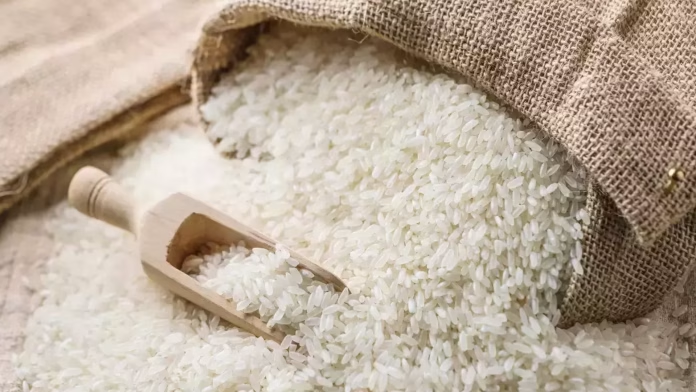
Rice prices have escalated to their highest levels in almost 15 years across Asia. This surge comes amidst mounting concerns regarding global supplies, as dry weather imperils production in Thailand. Adding to the situation, India, a prominent rice exporter, has imposed bans on certain exports, further exacerbating the price hike, as reported by various media outlets.
According to data released by the Thai Rice Exporters Association and reported by Bloomberg, the Asian benchmark for Thai white rice with 5 percent breakage has surged to $648 per tonne. This price point marks the highest since October 2008.
This results in a price hike of nearly 50 percent over the course of the past year.
The report highlights that rice holds immense significance in the diets of billions across Asia and Africa. The considerable rise in prices has the potential to contribute to inflationary pressures and amplify the import expenditures for purchasers.
Bloomberg has reported that the current challenge to the supply chain originates from Thailand, the second-largest exporter of rice. In anticipation of drier conditions due to the onset of El Nino, authorities in Thailand are urging farmers to transition towards cultivating crops that require less water.
In the essential central cultivation area, the cumulative rainfall has fallen 40 percent below the usual levels. This decision to restrict planting aims to preserve water resources for households. Earlier, the government had advised growers to harvest just one crop this year.
Last month, India widened its shipment ban to protect domestic supplies, spurring panic buying in some countries. The curbs exacerbated worries over a global shortage amid growing world consumption, Bloomberg reported.
The price surge will aggravate stresses in global food markets that have been rocked by wild weather and reduced grain supplies from the Black Sea region because of the Russia-Ukraine war.
The food industry is a dynamic and ever-evolving sector that presents unique leadership challenges. From changing consumer preferences and stringent regulations to sustainability concerns and intense competition, leaders in the food industry must navigate a complex landscape to drive growth and success.
Understanding the unique leadership challenges in the food industry is of utmost importance for anyone aspiring to lead or manage a food-related business. This industry presents a distinct set of challenges that require specific knowledge, skills, and strategies to navigate successfully. By recognizing and understanding these challenges, leaders can proactively address them, make informed decisions, and implement effective solutions to drive their businesses forward.
Supply chain complexity is a significant challenge in the food industry. Managing a complex network of suppliers, distributors, and logistics providers requires strong leadership and efficient coordination. Leaders must effectively manage inventory, address logistical challenges, and ensure timely delivery to maintain customer satisfaction.
Embracing these challenges as opportunities for growth and innovation will position leaders for long-term success in the dynamic and competitive food industry. Leaders need to stay abreast of these challenges to make informed decisions and adapt their strategies accordingly.
Here we will explore 10 unique leadership challenges that are inherent to the food industry, providing valuable insights for both current and aspiring leaders in the industry.
1. Evolving Consumer Demands: One of the key challenges in the food industry is meeting the ever-evolving demands and preferences of consumers. From dietary restrictions and preferences for organic and sustainable products to the growing interest in ethnic cuisines, leaders must stay ahead of trends and adapt their strategies to meet these changing consumer needs.
2. Quality Control and Food Safety: Maintaining high standards of quality control and food safety is a paramount concern in the food industry. Leaders must ensure strict adherence to regulatory requirements and implement robust systems and processes to safeguard the health and well-being of consumers while protecting the reputation of their brand.
3. Supply Chain Management: The food industry operates on a complex supply chain, involving multiple stakeholders such as farmers, suppliers, distributors, and retailers. Effective supply chain management is crucial for ensuring the timely delivery of fresh and safe products. Leaders must navigate logistical challenges, mitigate risks, and establish strong partnerships to maintain a seamless flow of goods.
4. Cost Pressures and Margins: The food industry is highly competitive, with tight margins and cost pressures. Leaders must constantly find ways to optimize operational efficiency, reduce waste, and manage costs without compromising on quality. This requires strategic decision-making, effective negotiation skills, and the ability to identify opportunities for cost savings.
5. Sustainability and Environmental Impact: With growing concerns about climate change and environmental sustainability, the food industry is under increasing scrutiny. Leaders must address sustainability challenges by implementing eco-friendly practices, sourcing ethically, reducing waste, and supporting local communities. Balancing profitability with responsible practices is a critical leadership challenge.
6. Innovation and New Product Development: To stay ahead in the food industry, leaders must foster a culture of innovation and continuously develop new products that meet consumer demands. This involves conducting market research, investing in research and development, and fostering a creative and entrepreneurial mindset within the organization.
7. Talent Management and Retention: Attracting and retaining top talent is crucial for success in the food industry. Leaders must build a strong team, provide opportunities for professional growth, and create a positive work culture. Additionally, the industry’s labour-intensive nature requires effective workforce management, including training, compliance, and employee safety.
8. Brand Reputation and Customer Loyalty: In an age of social media and instant communication, maintaining a strong brand reputation is vital. Leaders must proactively manage their brand image, respond to customer feedback, and engage with consumers through various channels. Building customer loyalty is essential in a competitive market, requiring consistent quality, exceptional service, and effective marketing strategies.
9. Regulatory Compliance: The food industry is subject to numerous regulations and compliance requirements, ranging from labelling and packaging to food handling and hygiene. Leaders must have a comprehensive understanding of these regulations and ensure full compliance across all aspects of their operations.
10. Crisis Management: The food industry is susceptible to various crises, such as product recalls, foodborne illnesses, and supply chain disruptions. Leaders must be prepared to handle crises effectively by implementing crisis management plans, communicating transparently with stakeholders, and taking decisive action to protect the brand’s reputation and ensure consumer safety.
Final Thoughts:
The food industry presents a range of unique leadership challenges that require careful consideration and proactive management. Understanding and addressing these challenges is crucial for leaders to navigate the complexities of the industry and drive their businesses towards success. By recognizing these challenges as opportunities for growth and improvement, leaders can position themselves and their organizations for long-term success in this dynamic and competitive industry.
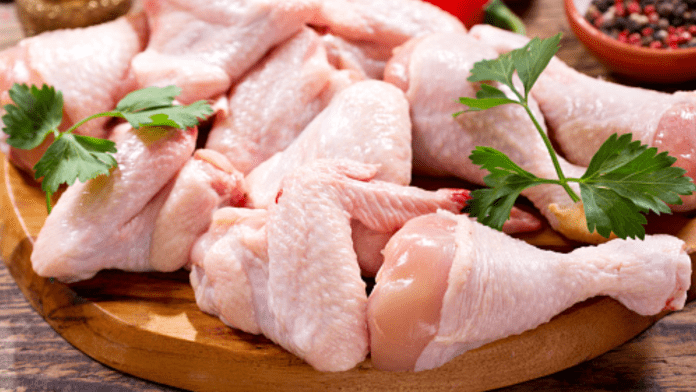
Chicken prices have experienced a significant decline of 30-40% since reaching a peak of INR 120/kg in June. Presently, they are averaging around INR 80/kg at the farm gate. Interestingly, chicken stands out as the sole major food commodity displaying negative inflation, in contrast to the escalating prices observed in vegetables and pulses.
While chicken consumption typically experiences a decline during the Sawan period each year, the impact is notably more pronounced in the current year.
“Chicken prices at the farm gate had dropped by close to 50% in July to about INR 55-60/kg from a high of INR 120/kg in June, which led to farmers cutting down the bird production. Lower production has helped the prices rise to an average of INR 80/kg at present,” said Gulrez Alam, secretary general, All India Poultry Breeders Association.
Shivansh Jain & Takki Zain, Co-Founders of Dr.Mantra
Dr. Mantra, a rapidly expanding direct-to-consumer (D2C) enterprise that is reshaping the landscape of the ayurvedic wellness sector for the Indian market, has successfully secured a bridge round of funding amounting to approximately $200,000. This funding initiative was led by 100X and gained support from notable angel investors including Deep Bajaj and Mohit Bajaj, the visionaries behind Sirona, a prominent brand in the FemTech realm.
The allocated funds are earmarked for driving the expansion of the brand, with the objective of doubling its operational capacity, as a precursor to embarking on a series A funding round. Presently, negotiations are underway with several potential funds to facilitate this strategic advancement.
Established in 2021 by Takki Zain and Shivansh Jain, Dr. Mantra emerged with the purpose of addressing a spectrum of health issues, particularly excelling in the realm of kidney stone management. Their overarching mission revolves around revitalizing the ancient Ayurvedic heritage that spans 5000 years, but with a distinctive approach. Their ingenious strategy involves the harmonious integration of traditional Ayurvedic wisdom with contemporary medical practices, culminating in exceptionally effective products and solutions.
Renowned for its contemporary Ayurvedic methodology in treating individuals with kidney stones, the brand’s influence has extended to over 20,000 lives within the past 2.5 years. A notable milestone was achieved in the recent month of July 2023, where the brand achieved an astonishing surge in revenue, tripling its earnings. Impressively, this growth was achieved while upholding favorable unit economics, maintaining a Monthly Recurring Revenue (MRR) of INR 60 Lakhs. It’s worth mentioning that Dr. Mantra had previously secured funding of 1.25 Crores from 100X.vc, led by Sanjay Mehta and his team.
Speaking on the fresh round, Takki Zain, Co-Founder, Dr Mantra said, “I am absolutely delighted to have Deep and Mohit on board with us. Their invaluable support serves as a great source of motivation for us to continue our work in the industry. At Dr Mantra, we take pride in being part of a purpose-driven brand that not only speaks its values but also lives them every day. Thanks to our dedicated team without whom this wouldn’t have been possible.”
Speaking on his investment in Dr Mantra, Deep Bajaj Co-founder and CEO, of Sirona said, “The unwavering determination of the founders to build a profitable venture truly impressed us. Such companies, where founders are focused on growing the company on customer love and trust, have the potential for immense success. Any team working with the right values is destined for greatness.”
Dr. Mantra doesn’t limit its distinctive offering solely to products; it expands into a comprehensive service philosophy. This approach encompasses individualized guidance from medical experts, customized diet plans, and ongoing assistance, thereby guaranteeing an all-encompassing healthcare journey for its clientele. Empowered by a workforce of more than 50 committed specialists, Dr. Mantra is committed to reshaping the paradigm of effective treatment for lifestyle ailments, devoid of adverse effects. Bolstered by this recent injection of funding and an unswerving dedication to excellence, Dr. Mantra stands primed to establish its preeminence in the realm of Ayurvedic wellness and alternative medicine.
We use cookies to ensure that we give you the best experience on our website. If you continue to use this site we will assume that you are happy with it.