What do sneakers and snack packs now have in common? Numbered drops.
With fast-moving goods flooding the market, brands in India will now be using limited-edition and serial-numbered packaging to stand apart in a powerful way. Once a hallmark of fashion and tech, this tactic is now trending in food and beverage — and the hype is very real.
Take Cadbury’s IPL special packs or Paper Boat’s Holi editions. Some premium dessert brands are numbering their jars: “Pack 78 of 250.” Others offer pre-order windows with waitlists, influencer countdowns, and Instagram reveals. It’s not just about the snack — it’s about being part of a drop culture once reserved for hypebeast sneakers.
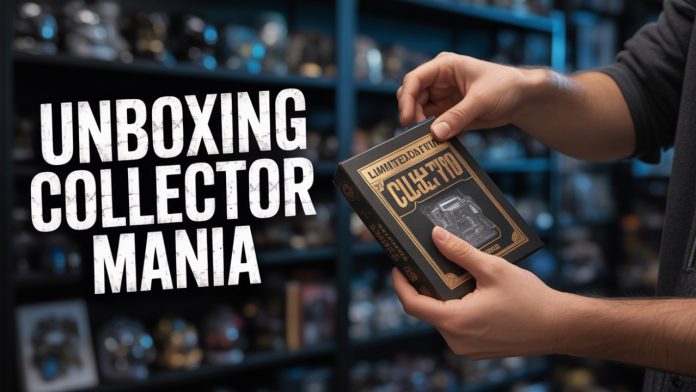
The psychology is simple but effective: scarcity drives urgency. A product that’s numbered feels rare, personal, even collectible. Add packaging that looks different — metallic finishes, festival-inspired prints, signed boxes — and you’ve turned an everyday FMCG into a mini keepsake.
And in a world where social sharing equals status, owning a “limited drop” is clout. Consumers don’t just eat the product — they post it, unbox it, and tag the brand. The packaging becomes part of the content loop.
It’s working particularly well for D2C startups and premium niche brands. They don’t just release new SKUs — they launch “editions.” Everything is time-limited, batch-based, and designed to sell out in 3…2…1.
For brands, the upside is twofold: faster sell-through and deeper loyalty. For consumers, it adds a thrill to what could’ve been just another protein bar.
Because in 2025, packaging isn’t just about what’s on the shelf — it’s about what’s not there for long. And that little number in the corner? It’s no longer a production code. It’s the reason they bought it.